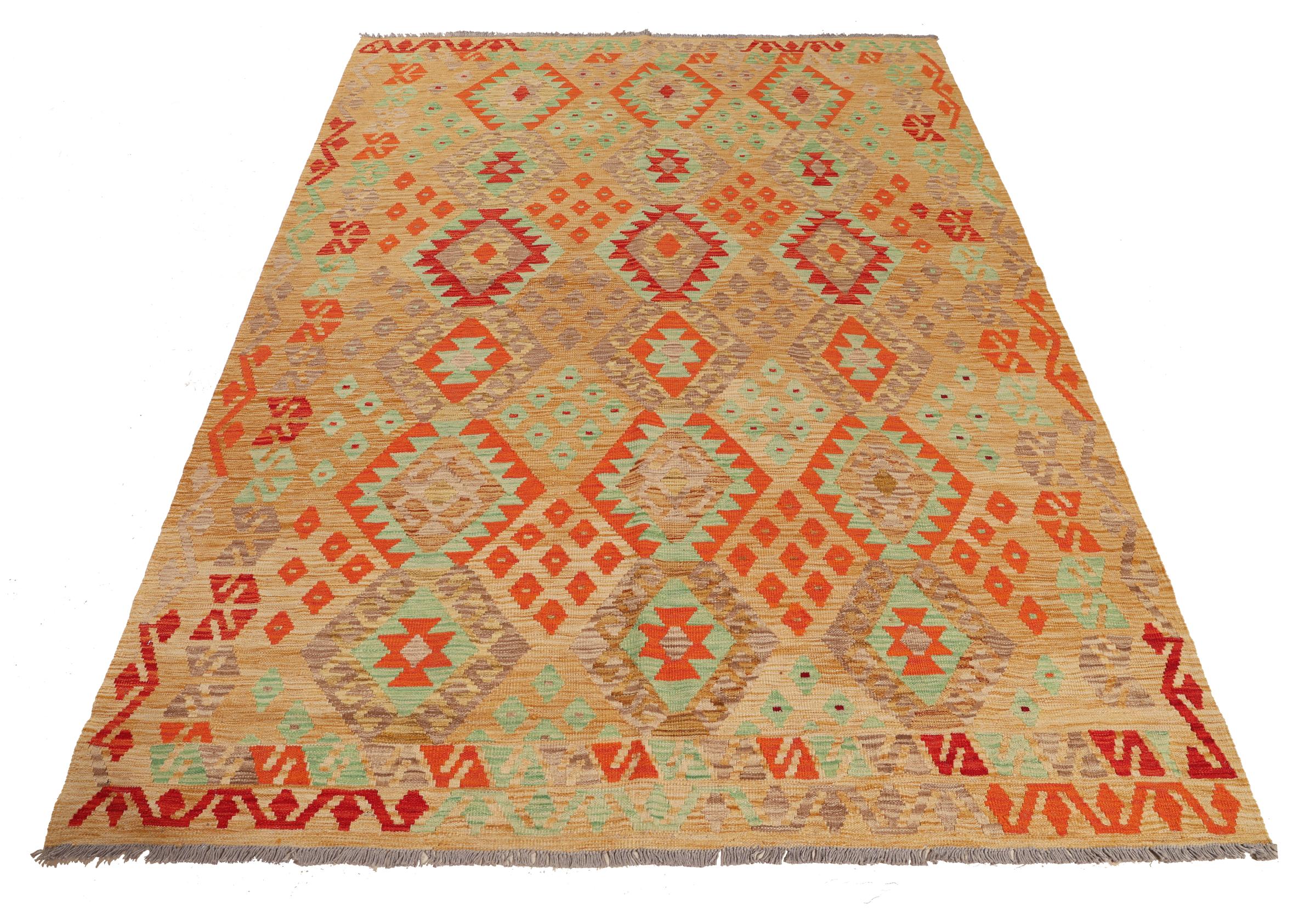
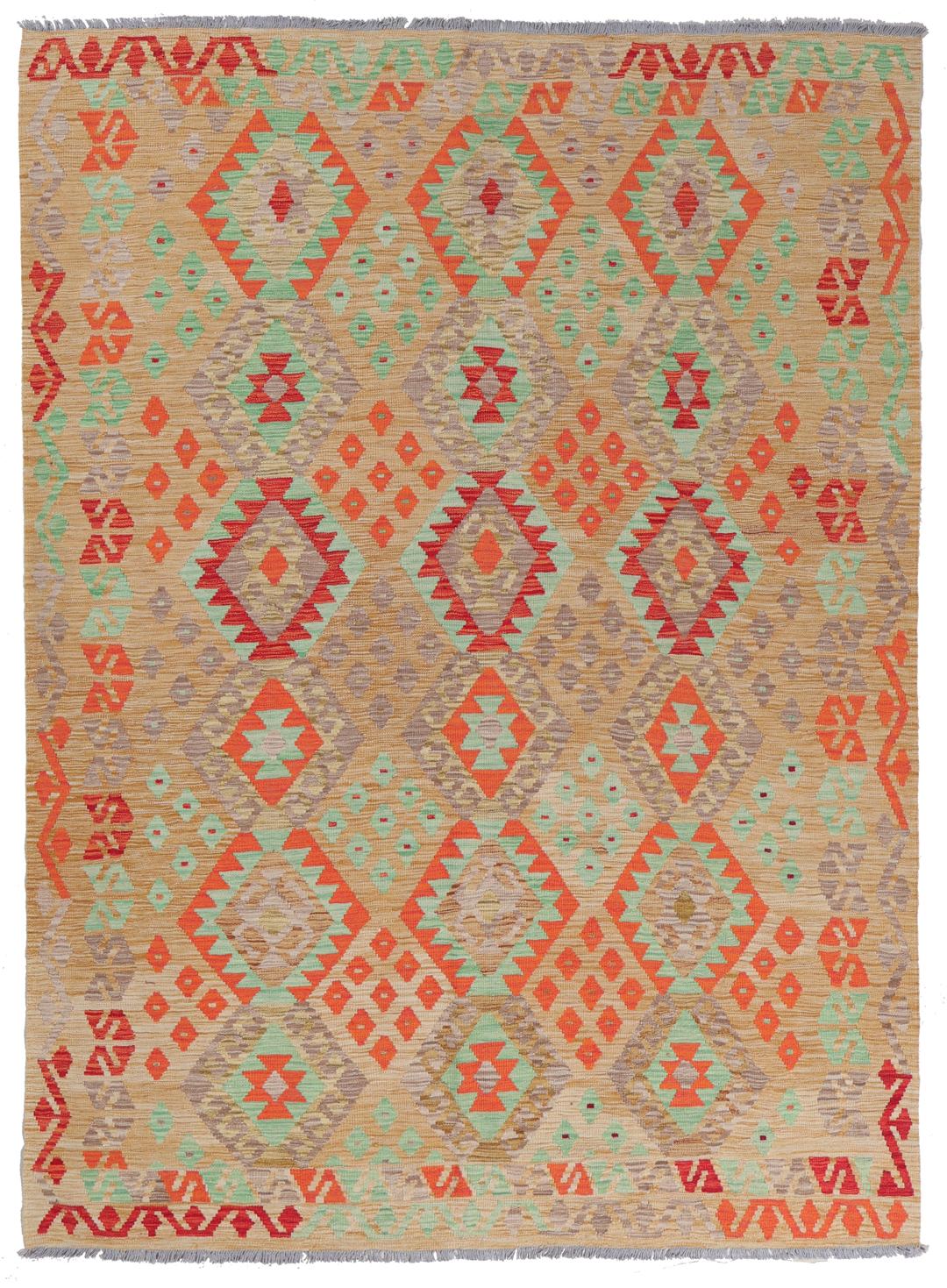
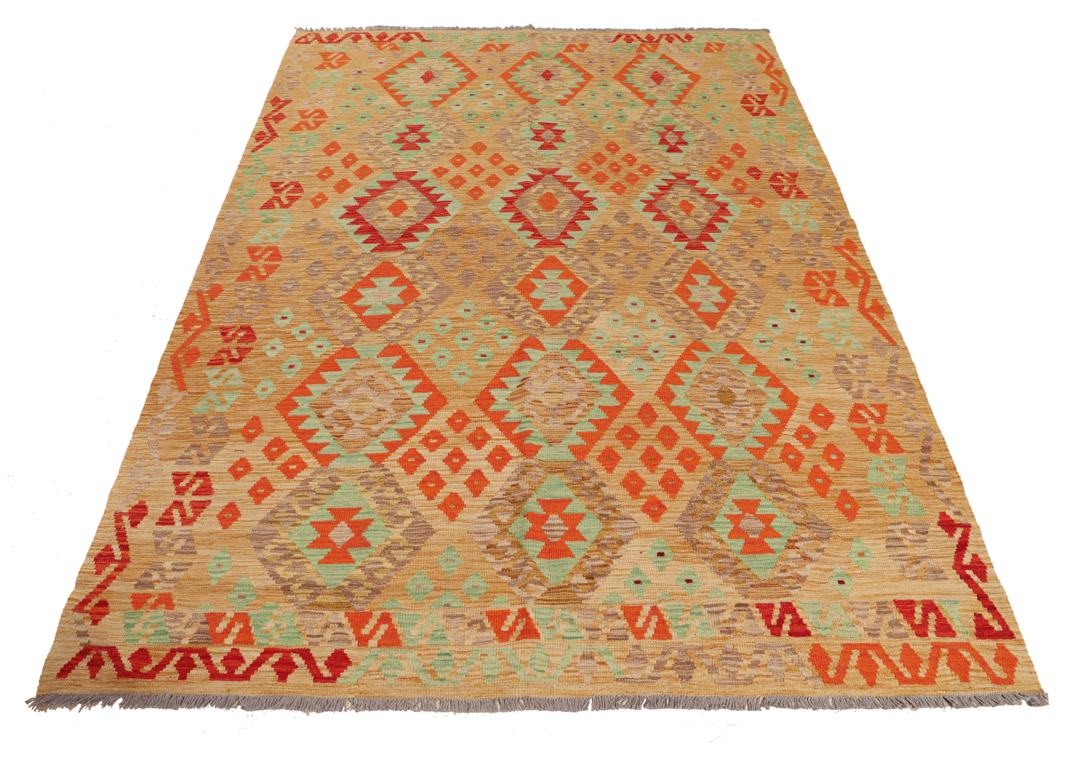
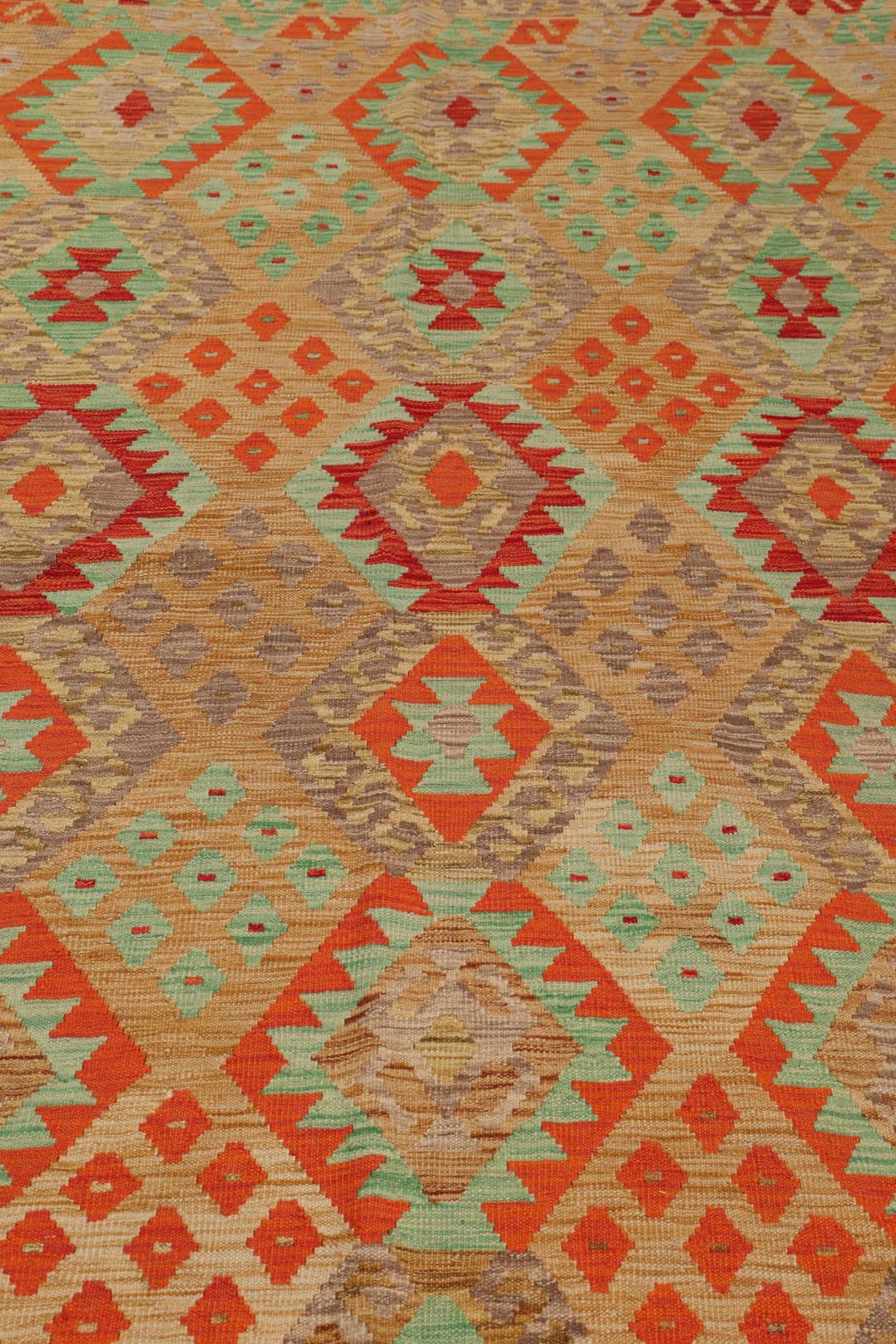
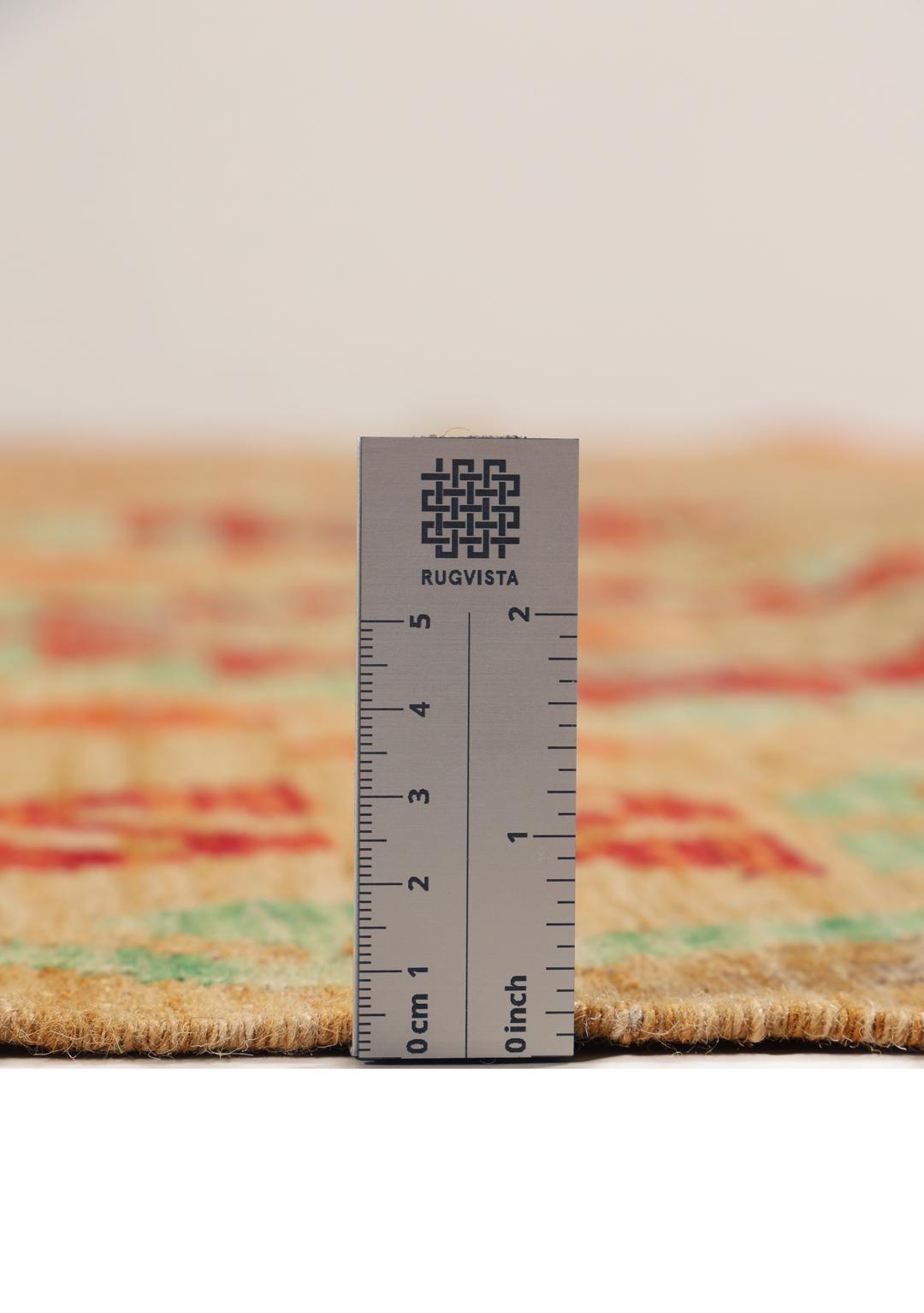
The Kelim tradition in Afghanistan is deeply connected to the semi-nomadic lifestyle of the region's people. Historically, these flat-woven textiles were crafted as functional household items, used as floor coverings, tent dividers, or saddlebags. Over generations, the skills required to create them have been passed down, evolving into the vibrant and highly sought-after rugs we see today.
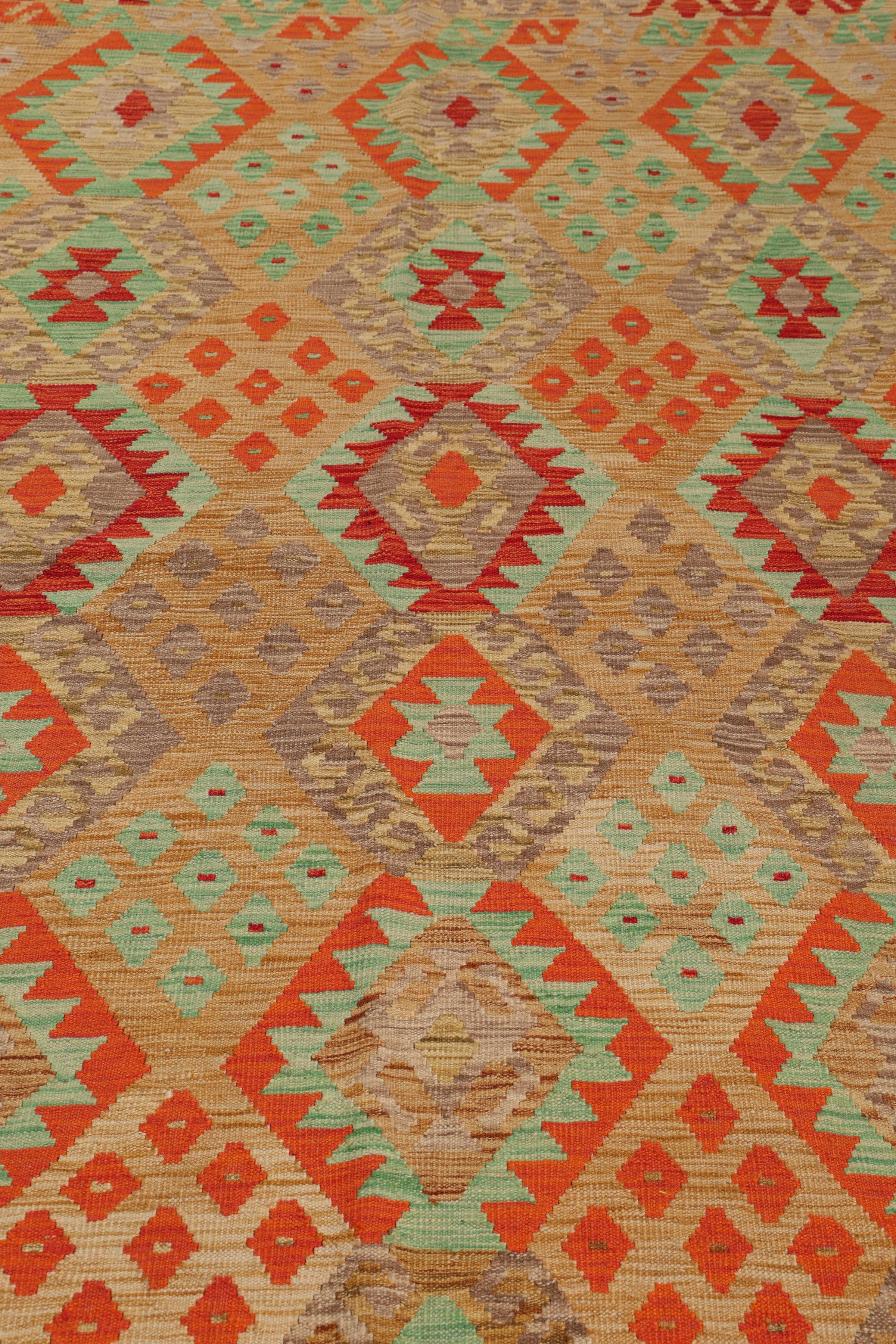
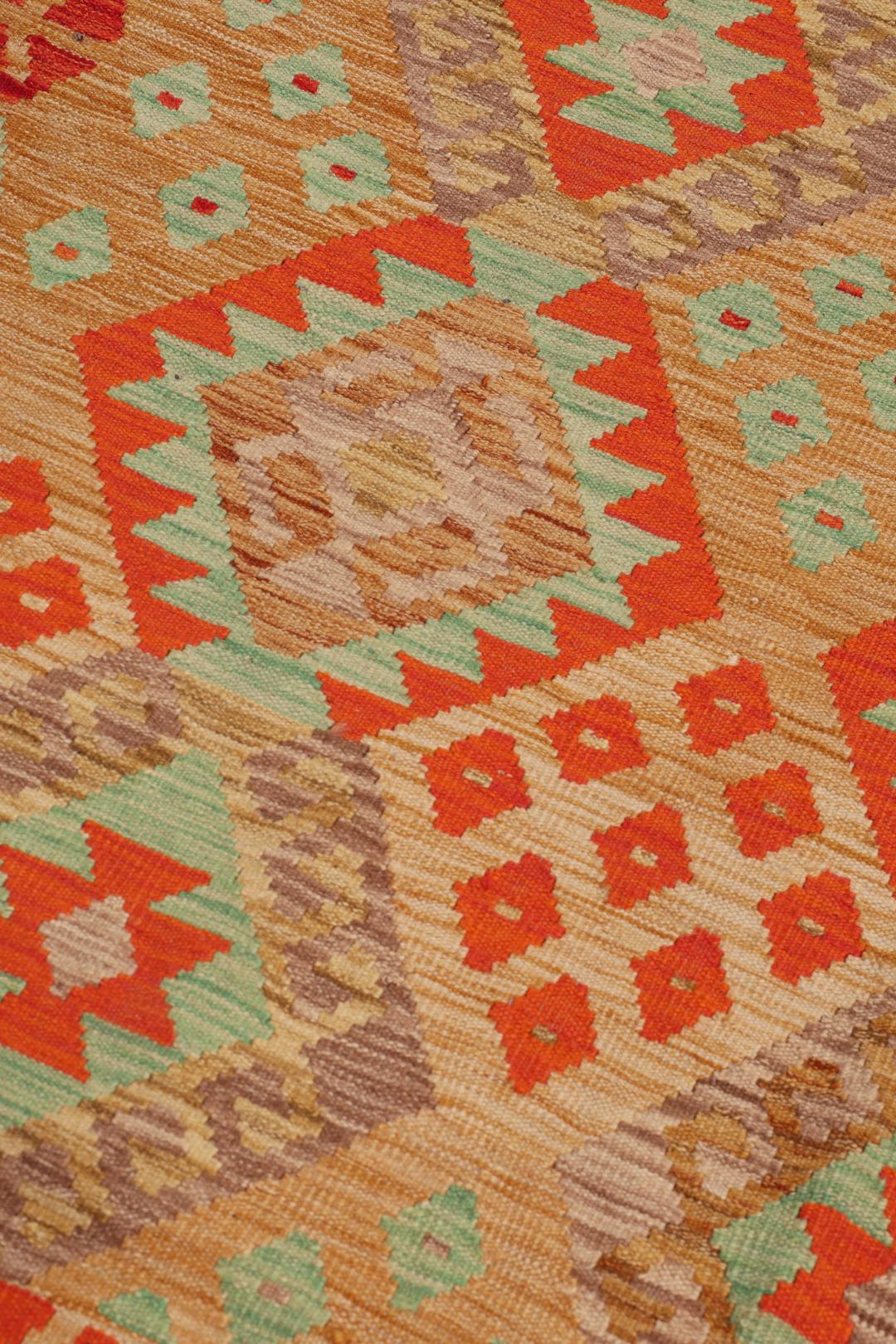
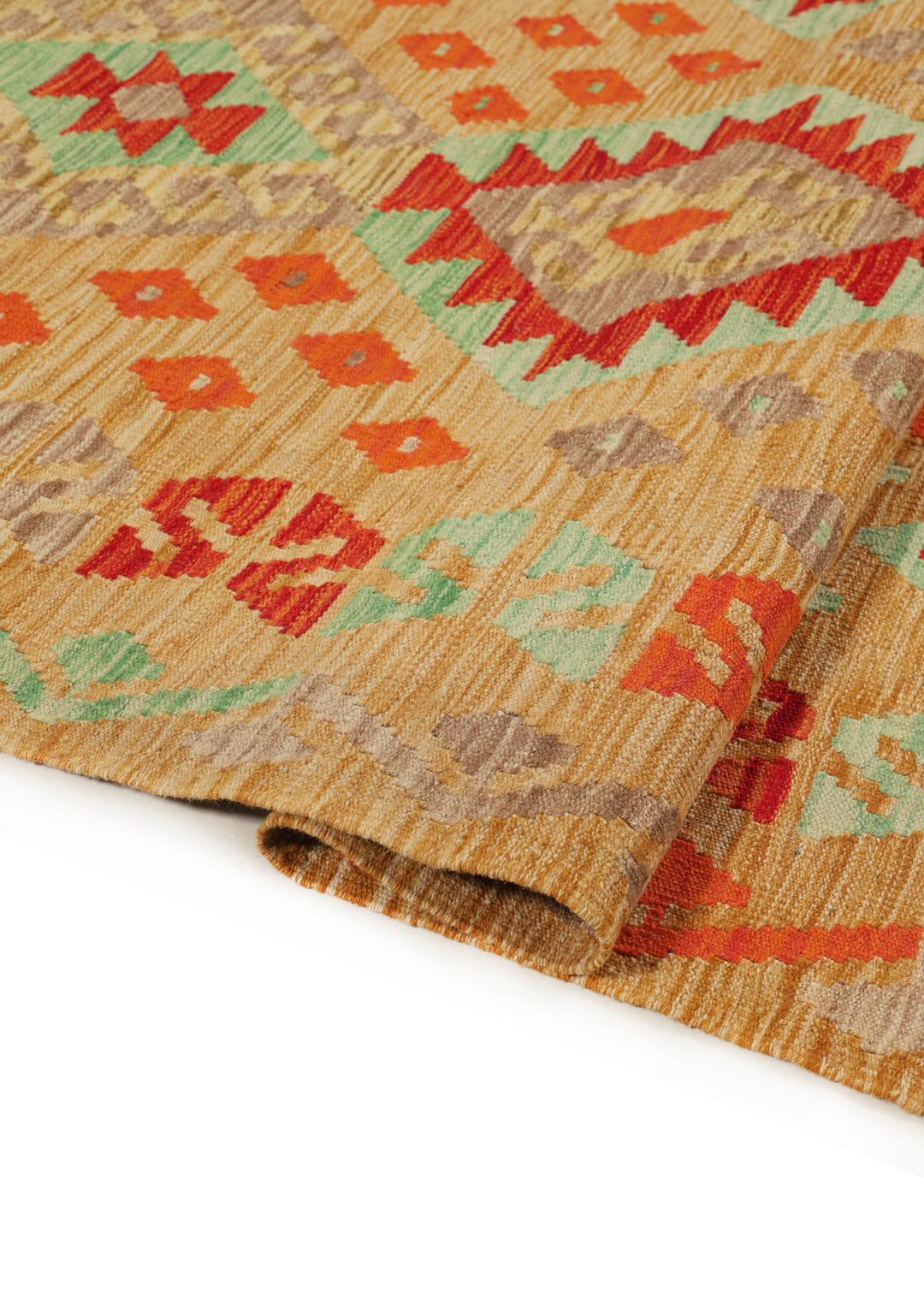
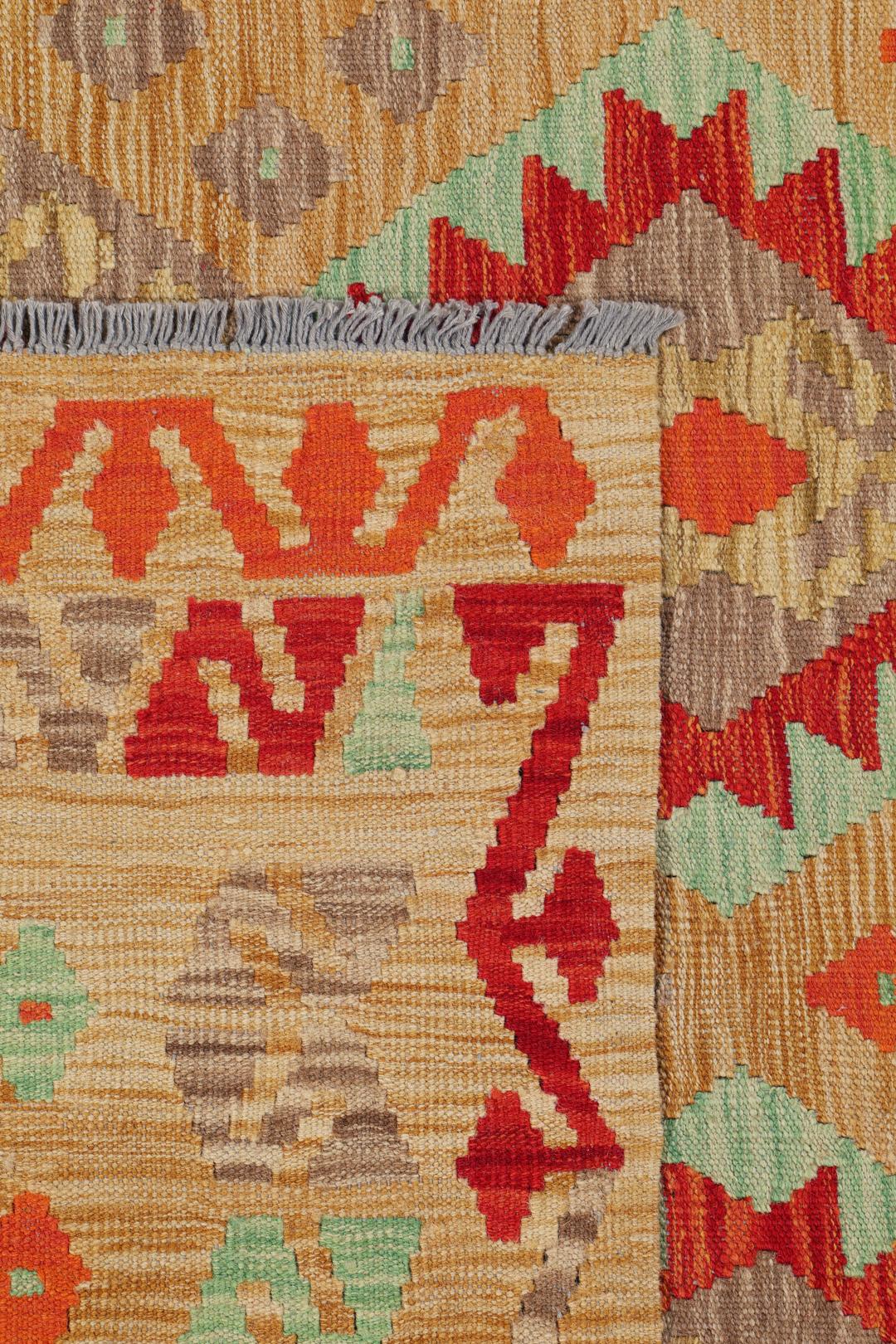
A Kelim is defined by its flat-weave construction, meaning it is created without a pile. The warp and weft threads are interlaced to form the design, which requires a high level of technical proficiency to ensure the pattern remains crisp and the edges straight. This approach results in a versatile and durable rug that is prized for its lightweight nature and timeless aesthetic.
The design language of Afghan Kelims is characterised by bold, geometric motifs such as diamonds, triangles, and stylised floral elements. These patterns are often arranged in repeating sequences that tell a story of regional identity and cultural symbolism. The use of traditional colour palettes, often derived from natural dyes, gives each piece an earthy, grounded quality that is instantly recognisable.
Today, these rugs are collected not only for their beauty but for the heritage they represent. Owning an authentic Afghan Kelim is an investment in human craft and a celebration of a tradition that has survived and thrived across centuries. It is a piece with genuine cultural weight, offering a bridge between ancient techniques and the modern home.