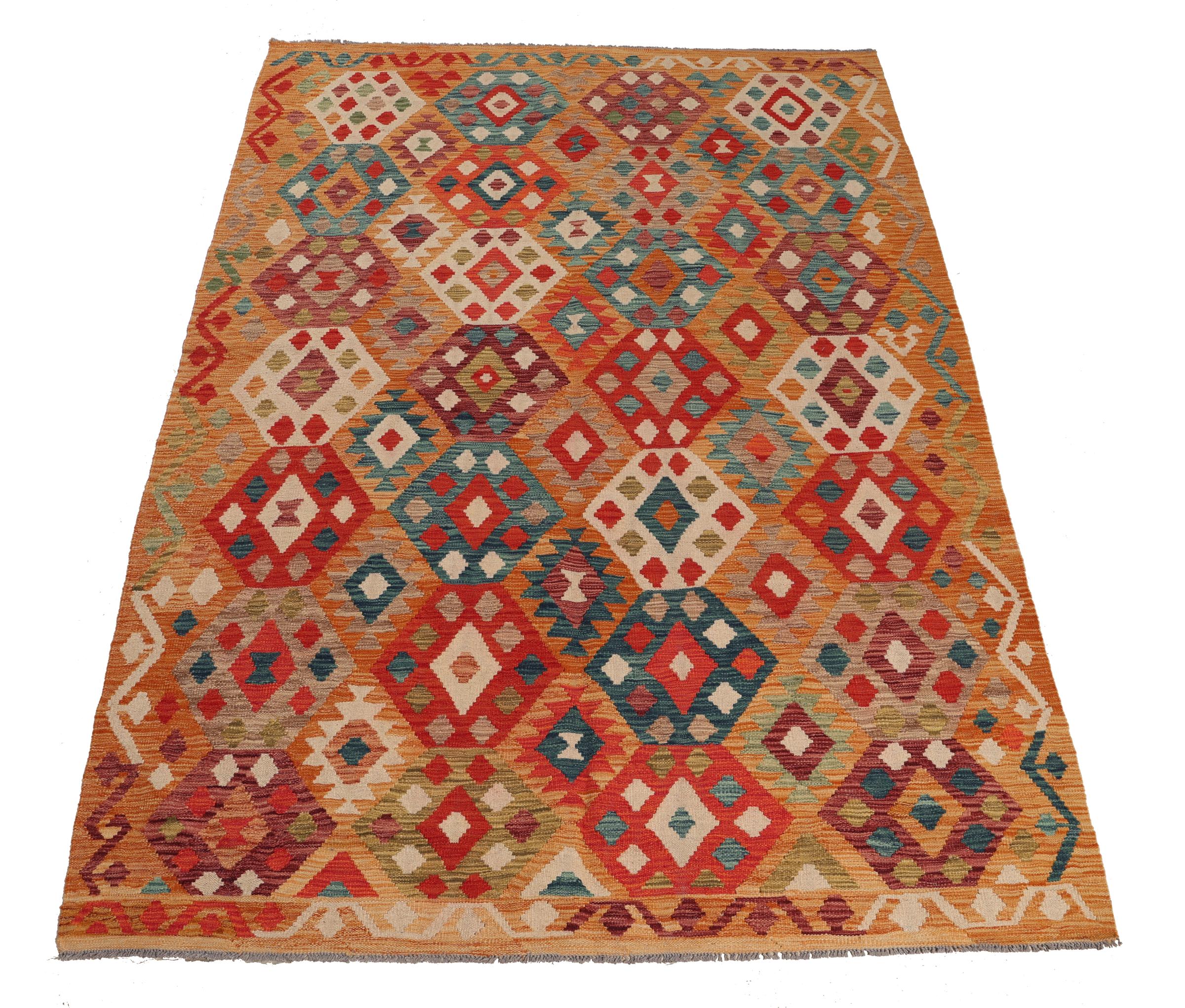
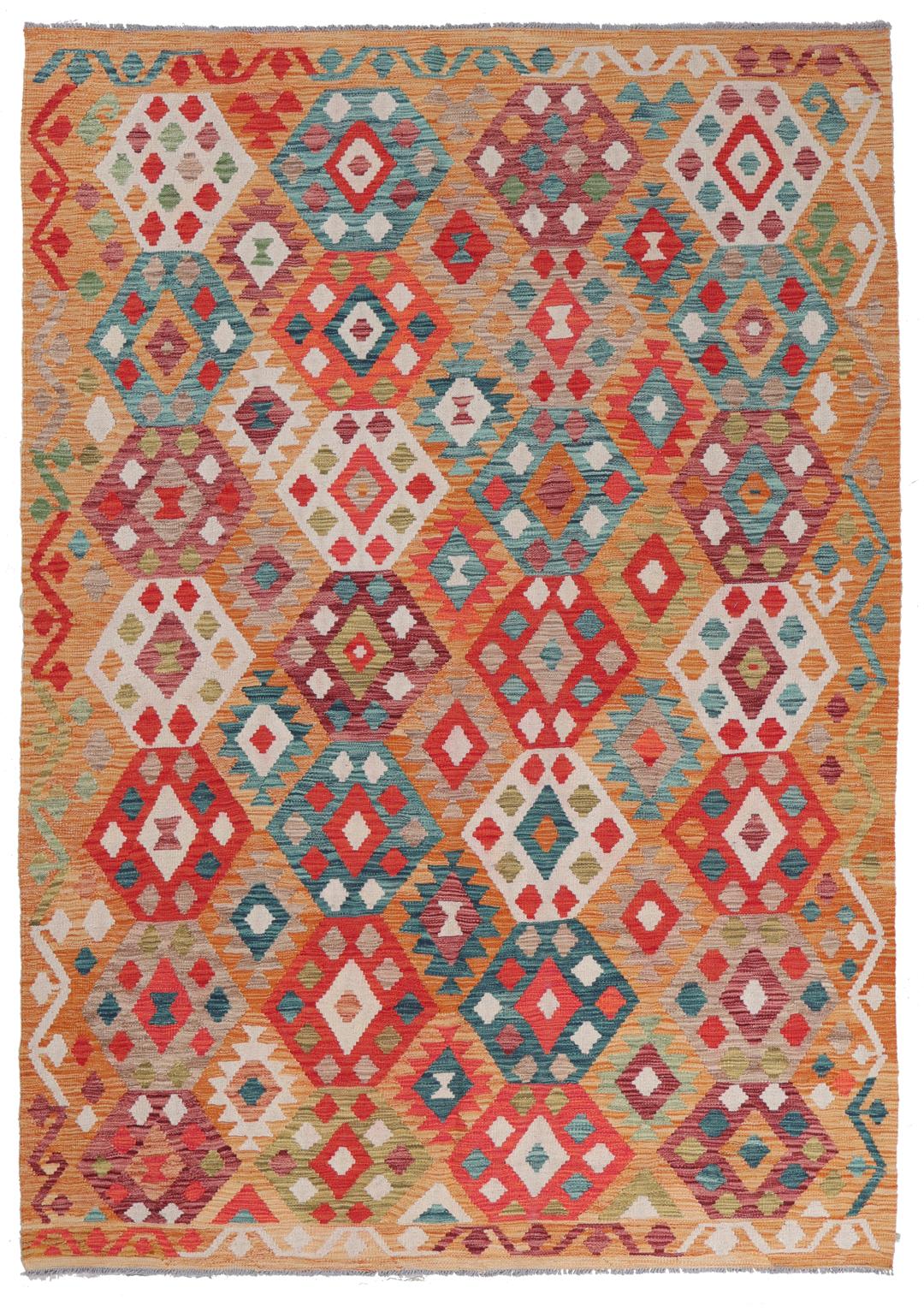
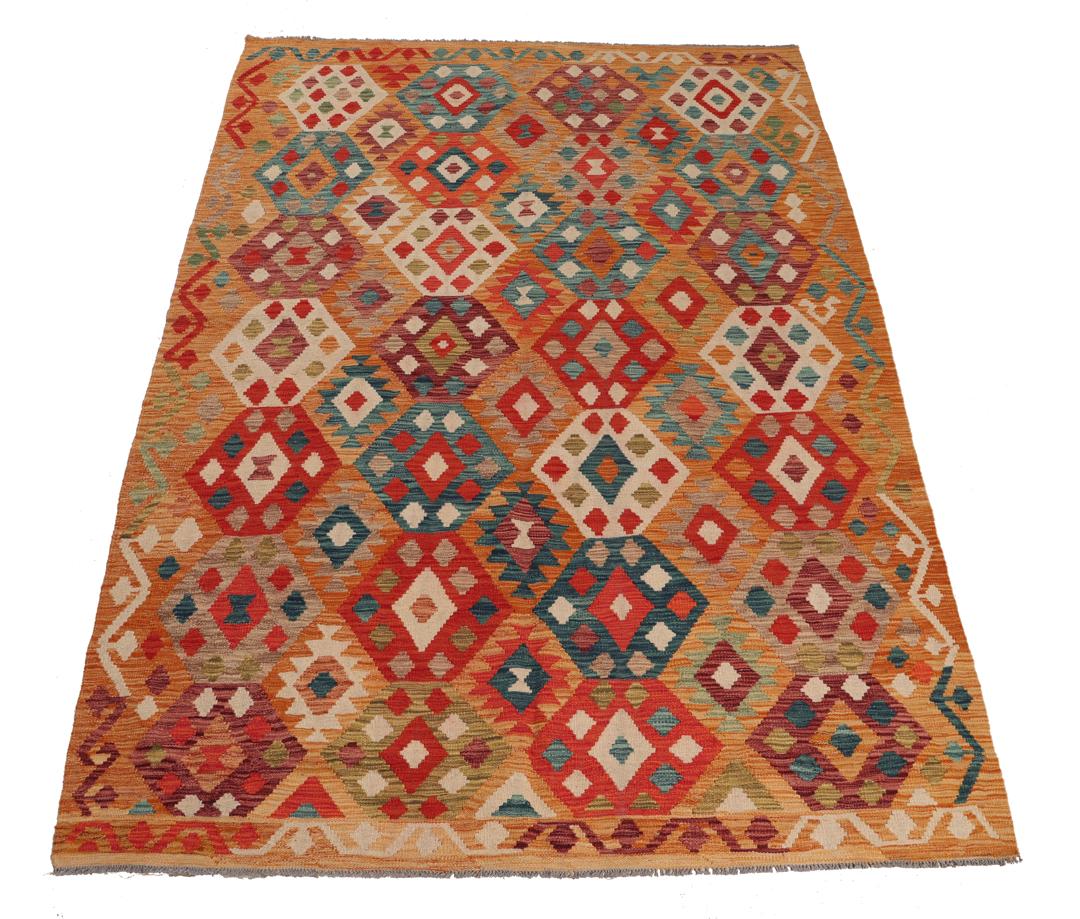
The Kelim tradition is one of the most enduring weaving practices in the Middle East and Central Asia. Historically, these flat-woven rugs were created by nomadic tribes for practical use as floor coverings, wall hangings, and storage bags. Their portability and durability made them essential for life on the move, and the techniques have been passed down through generations of families.
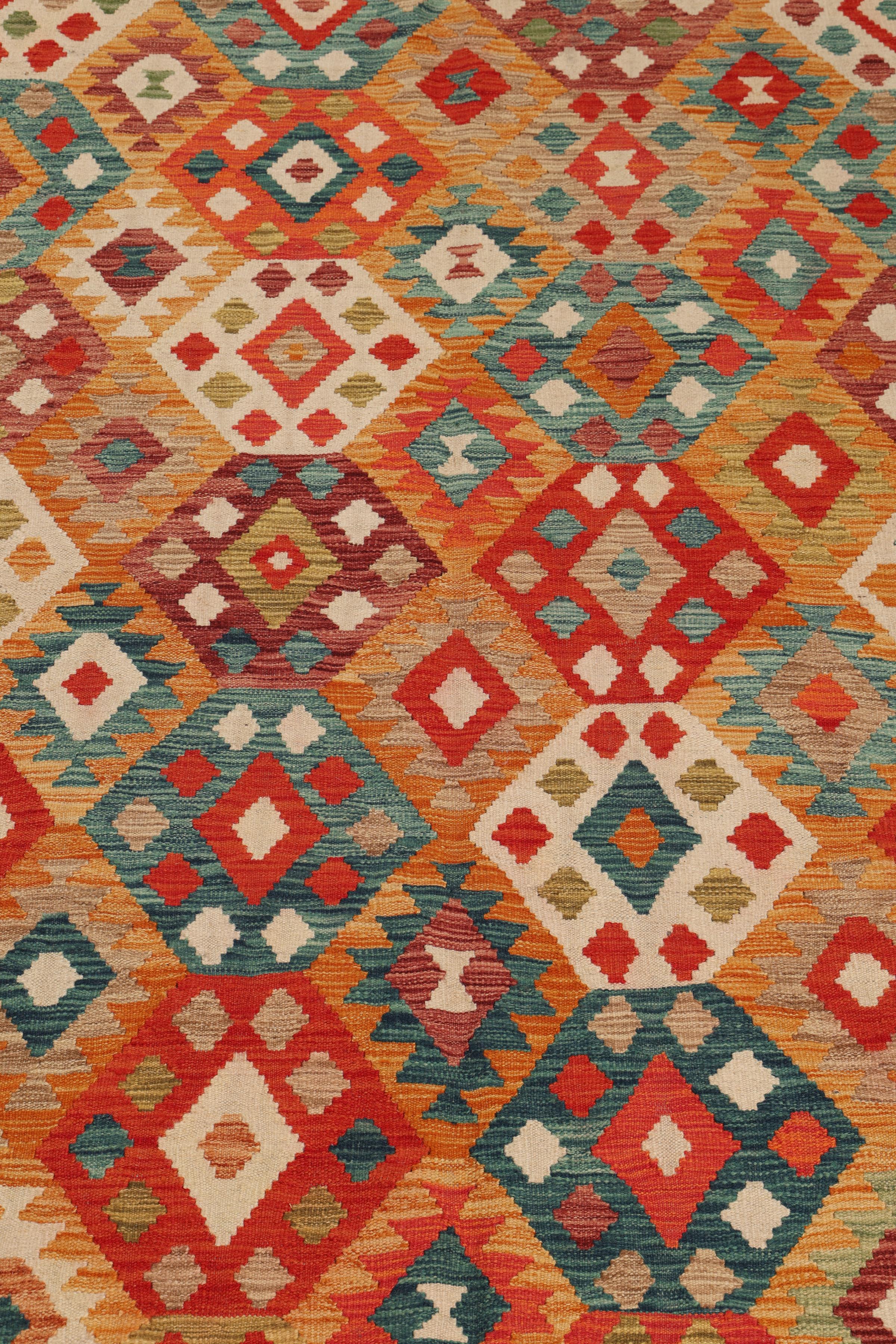
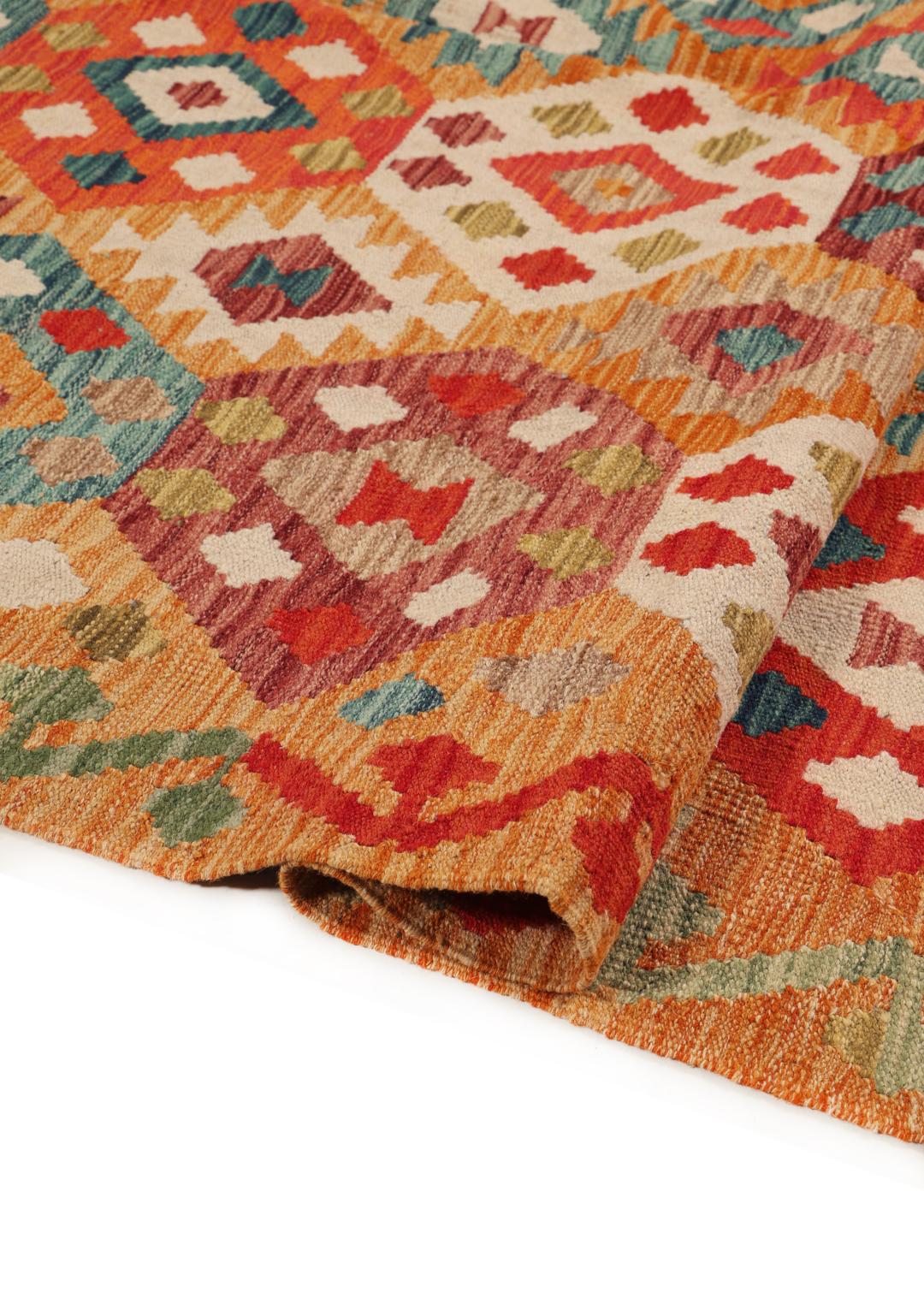
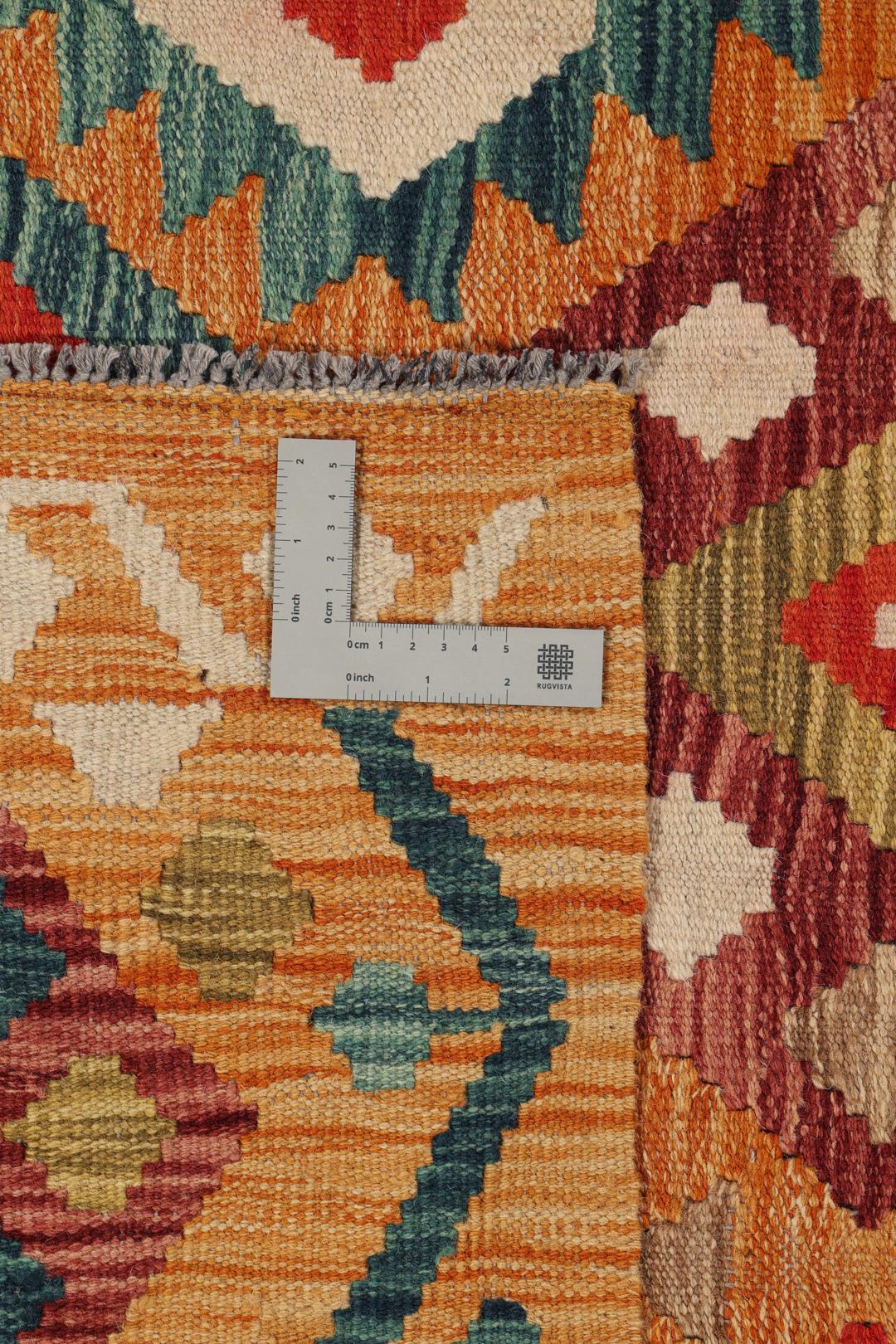
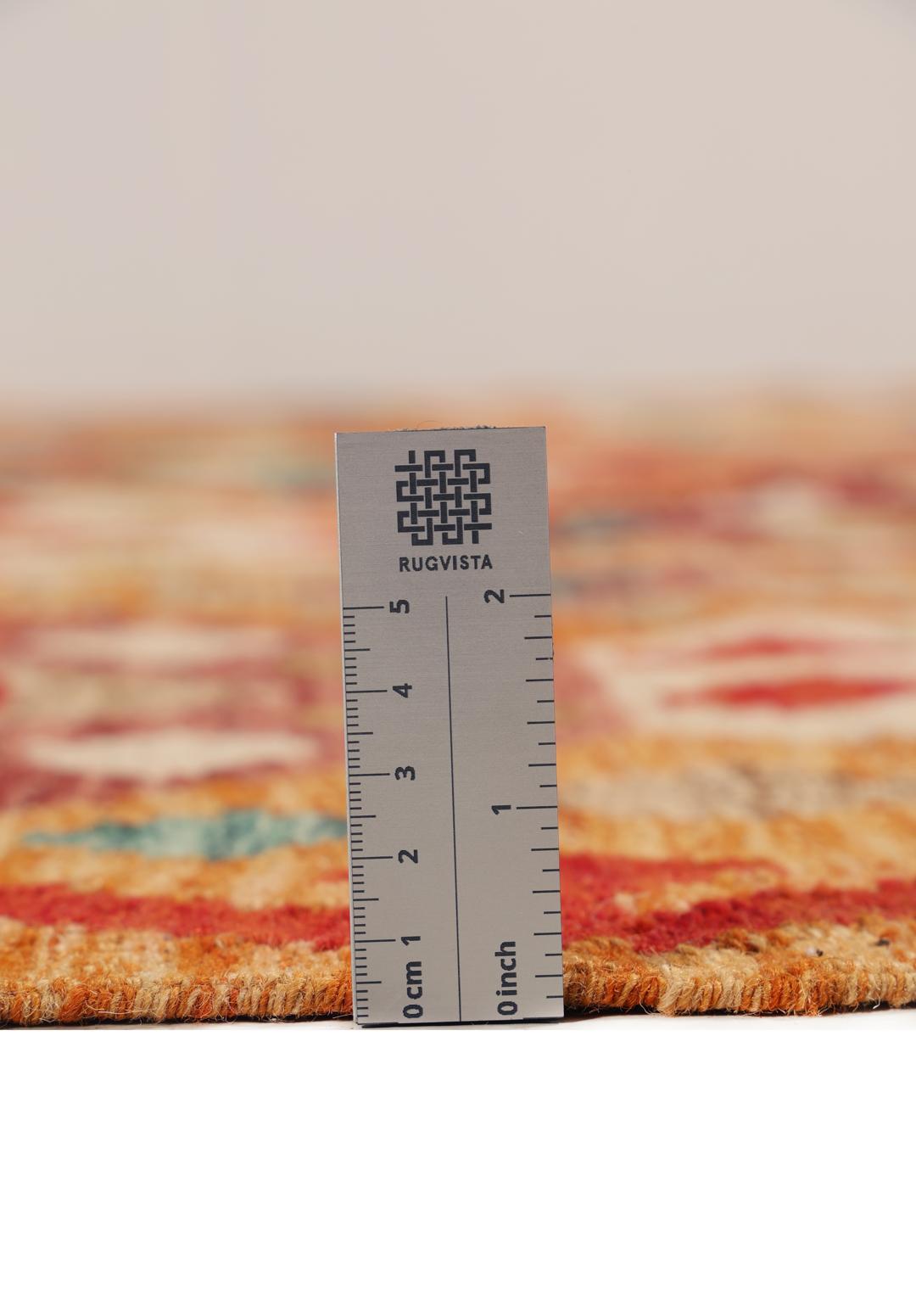
The term Kelim refers specifically to the slit-weave technique, where the weft threads are passed back and forth through the warp to create distinct patterns. This process eliminates the pile found in traditional knotted rugs, resulting in a lighter, thinner, and highly reversible textile. The quality of a Kelim is often measured by the tightness of this weave, which determines both its longevity and the sharpness of its geometric motifs.
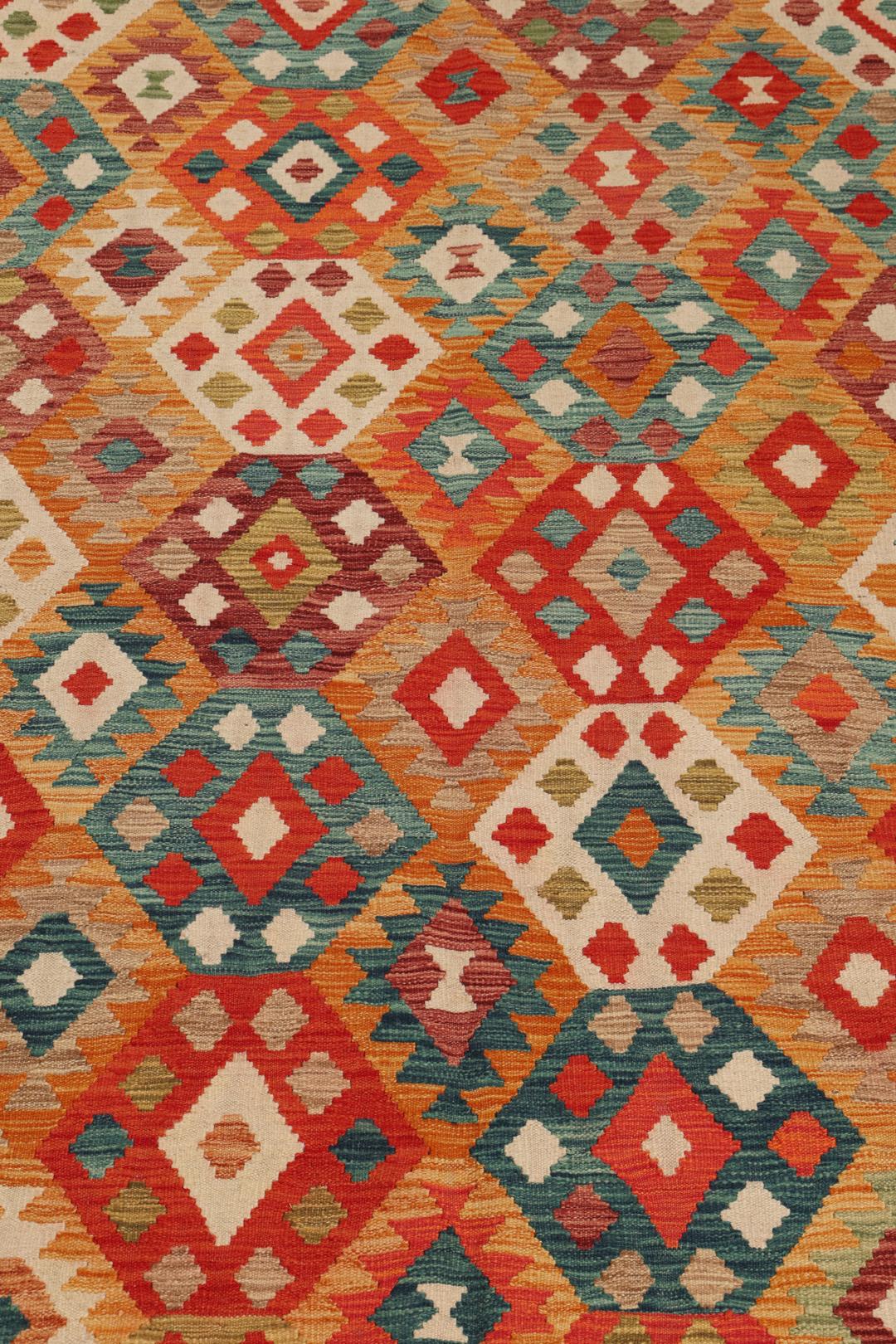
Visually, these rugs are celebrated for their bold use of colour and geometry. The signature motifs often include diamonds, triangles, and stylized medallions that carry symbolic meaning, frequently reflecting the weaver's environment or ancestral stories. The vibrant, contrasting shades found in this piece are typical of the Afghan tradition, which favours rich, earthy palettes that bring a sense of life to any interior.
Owning an authentic Kelim is an opportunity to connect with a rich cultural heritage. These rugs are highly valued by collectors for their individuality and the undeniable skill required to produce them without the aid of modern technology. By bringing this piece into your home, you are preserving a craft that prioritises human expression and lasting quality over mass-market trends.