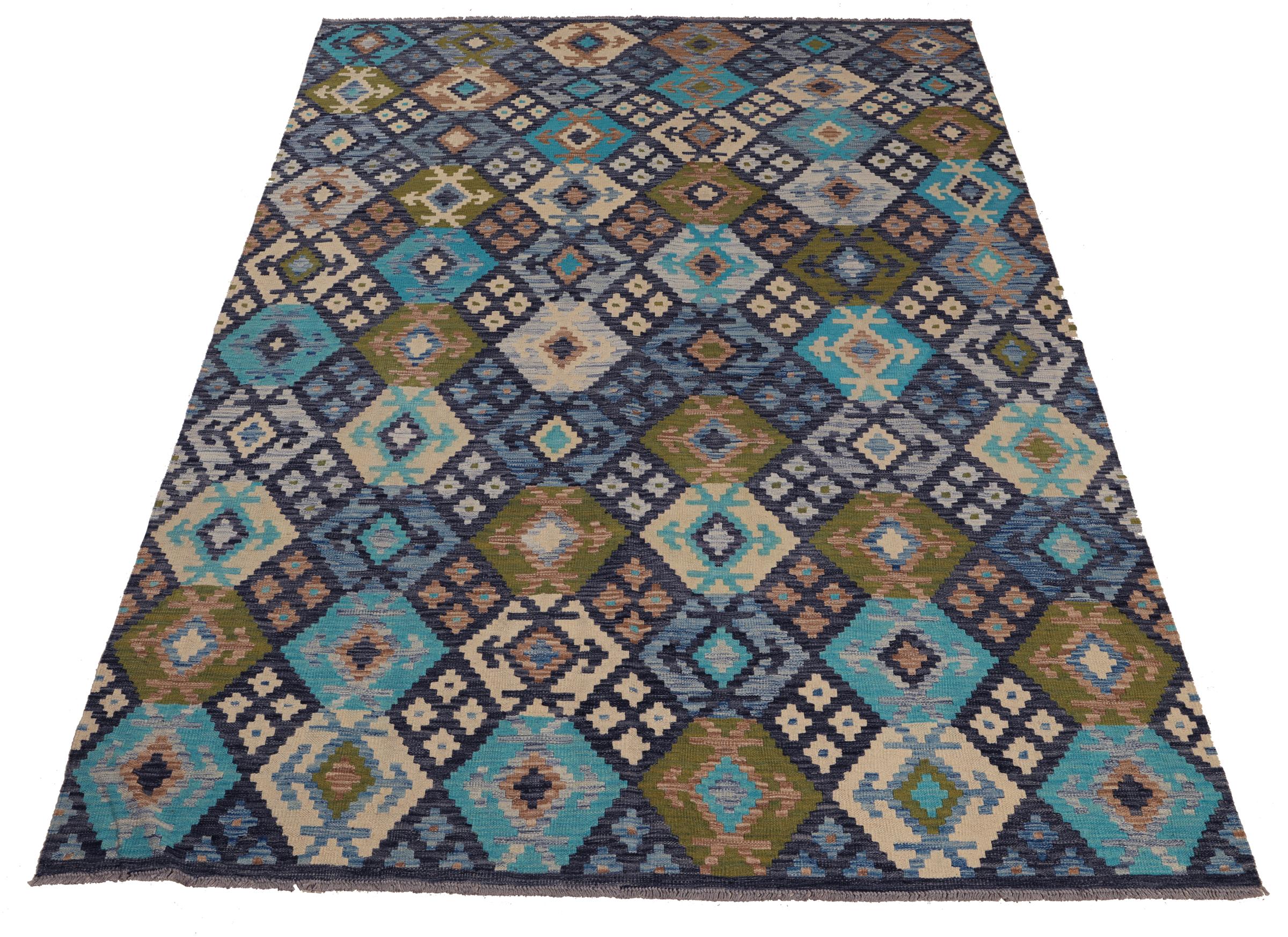
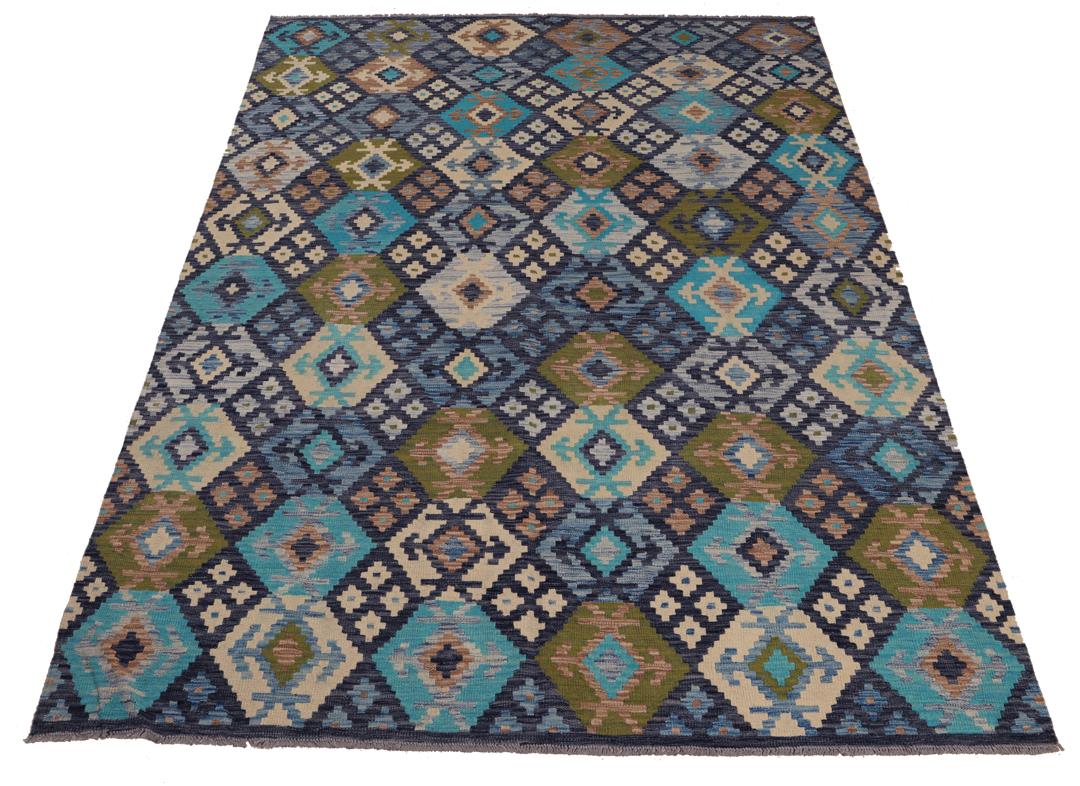
Kelim rugs from Afghanistan are deeply rooted in the nomadic traditions of Central Asia, where weaving was both a necessity for daily life and a creative outlet. These flat-woven textiles have historically served as versatile floor coverings, blankets, and storage bags for families on the move. Over time, the art of the kelim has evolved into a celebrated craft, with Afghan weavers gaining recognition for their ability to maintain ancient techniques while adapting to modern aesthetic sensibilities.
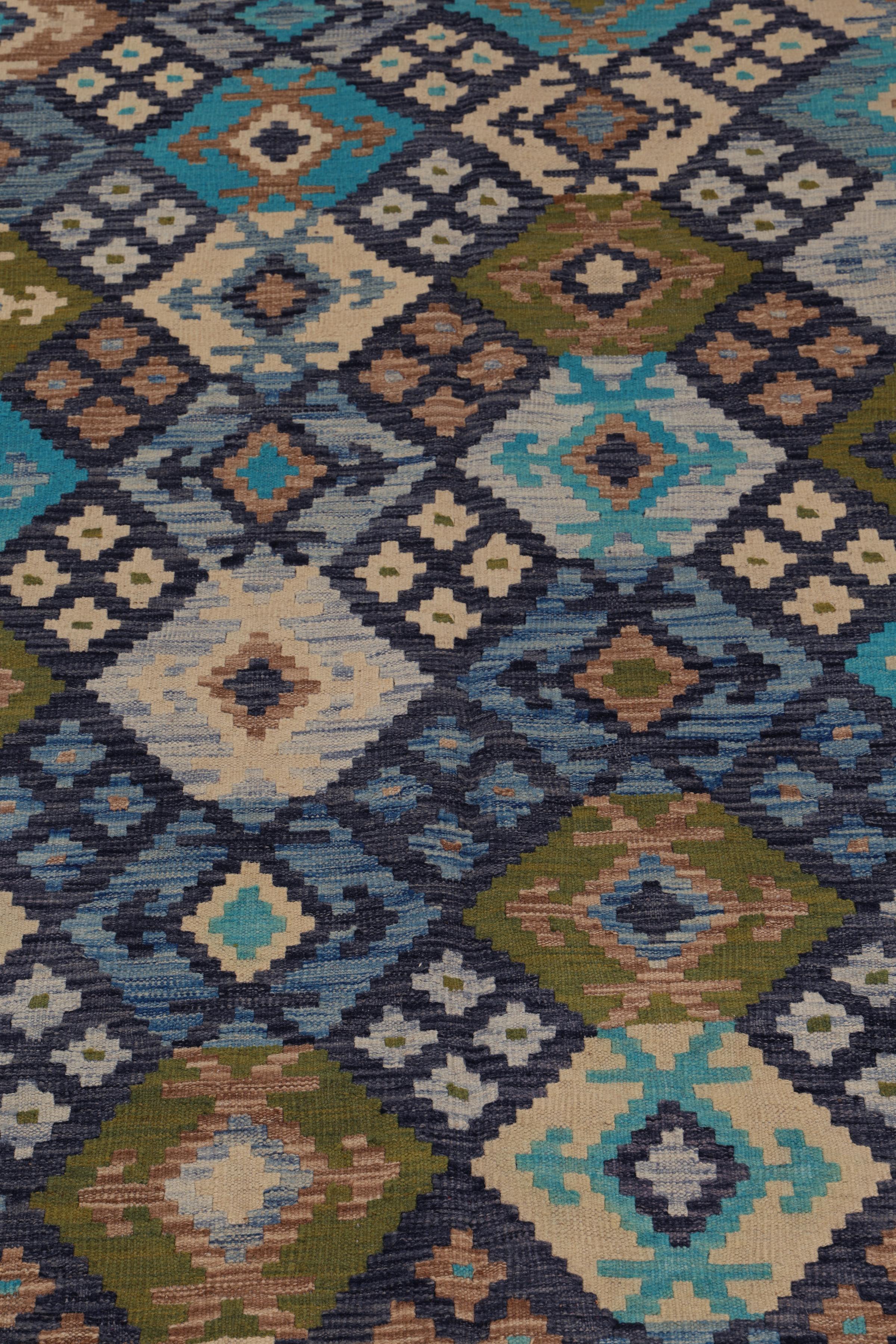
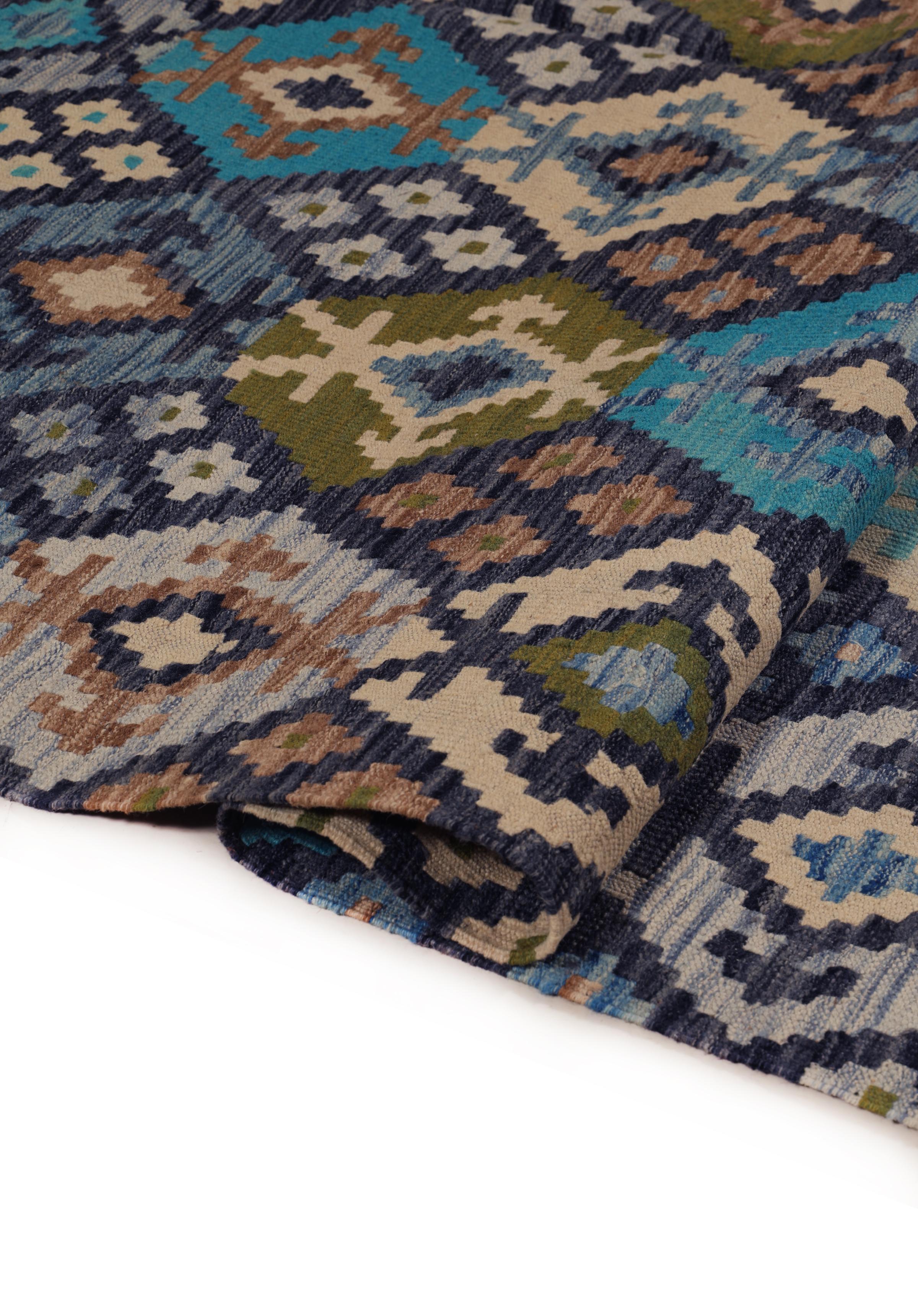
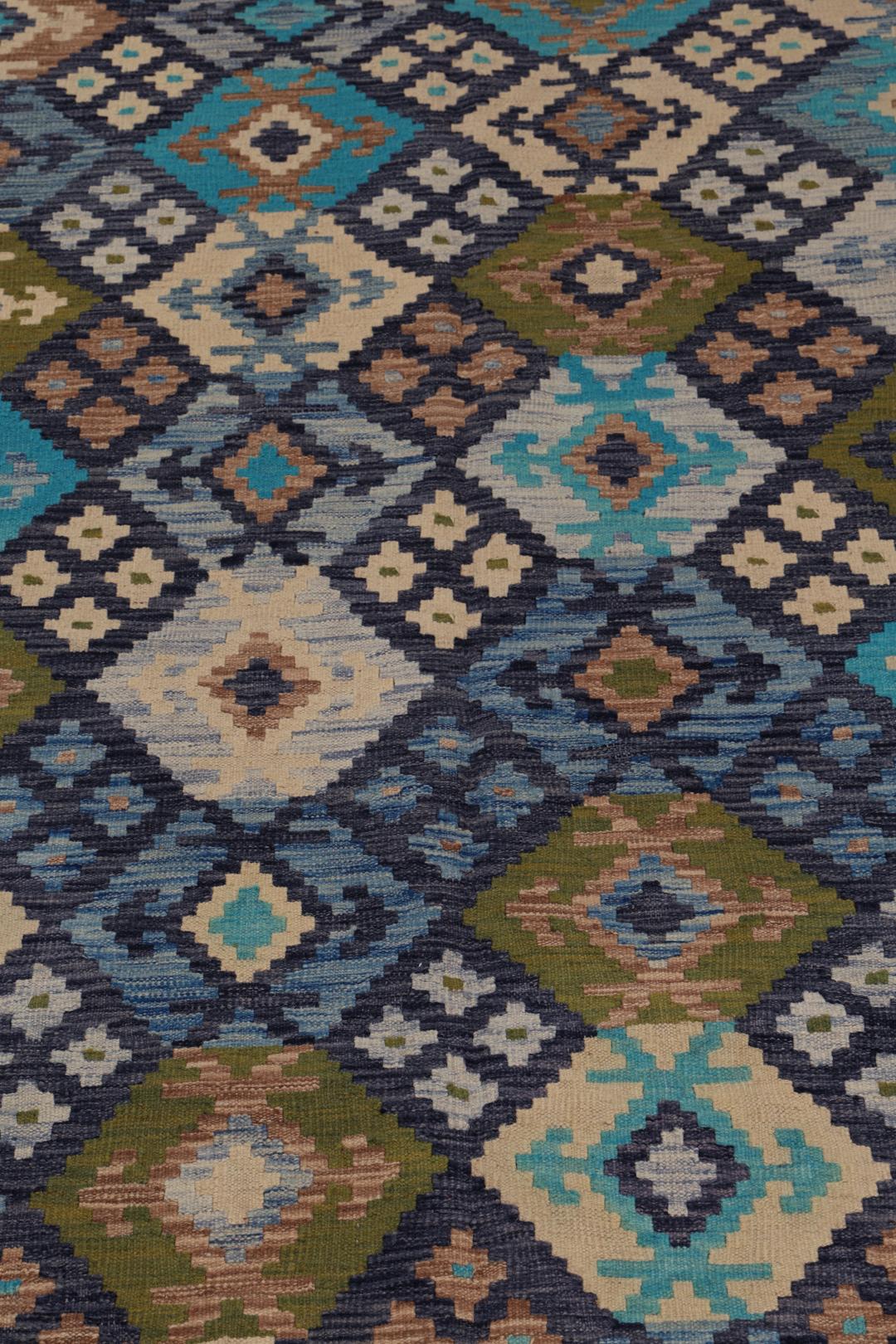
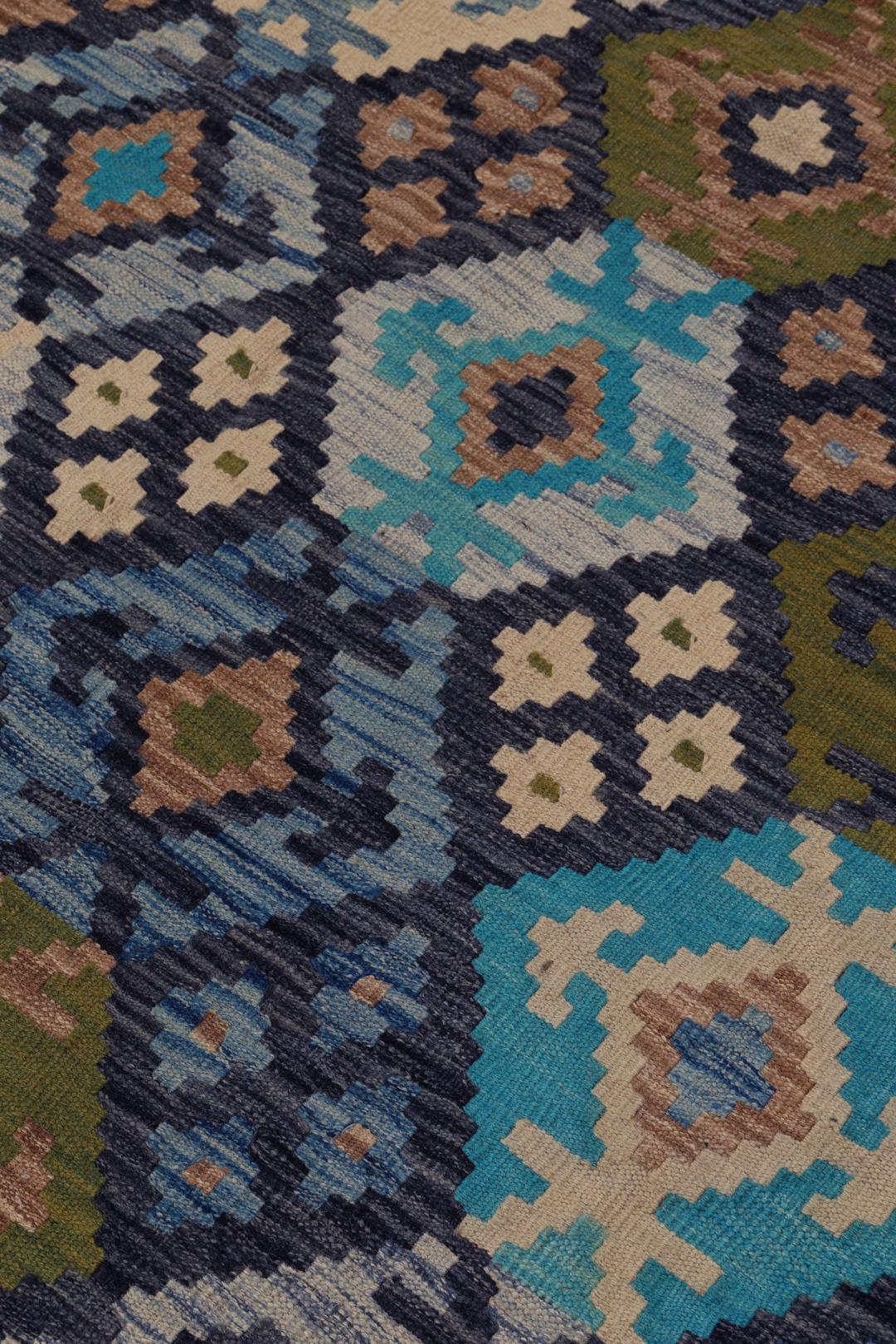
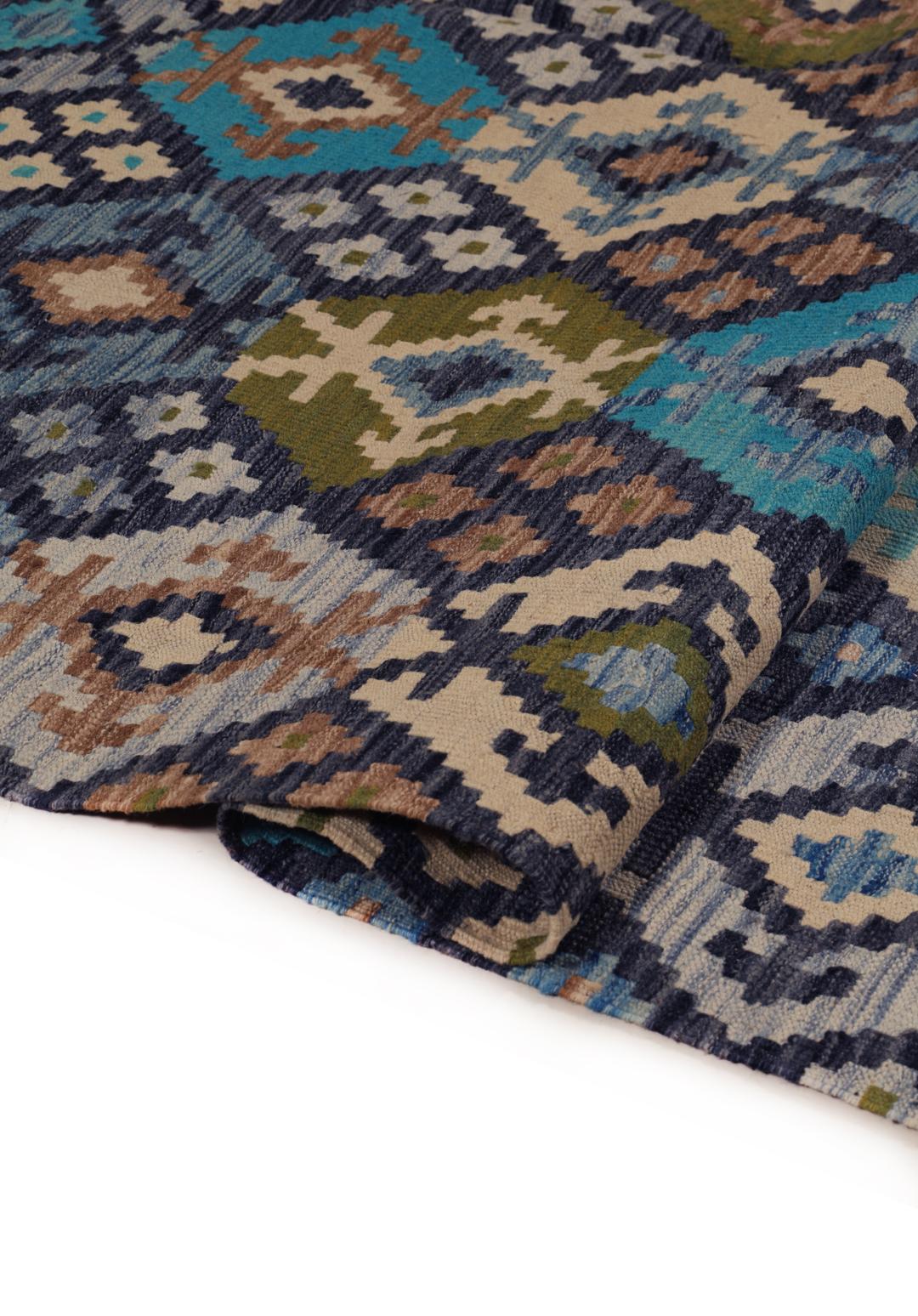
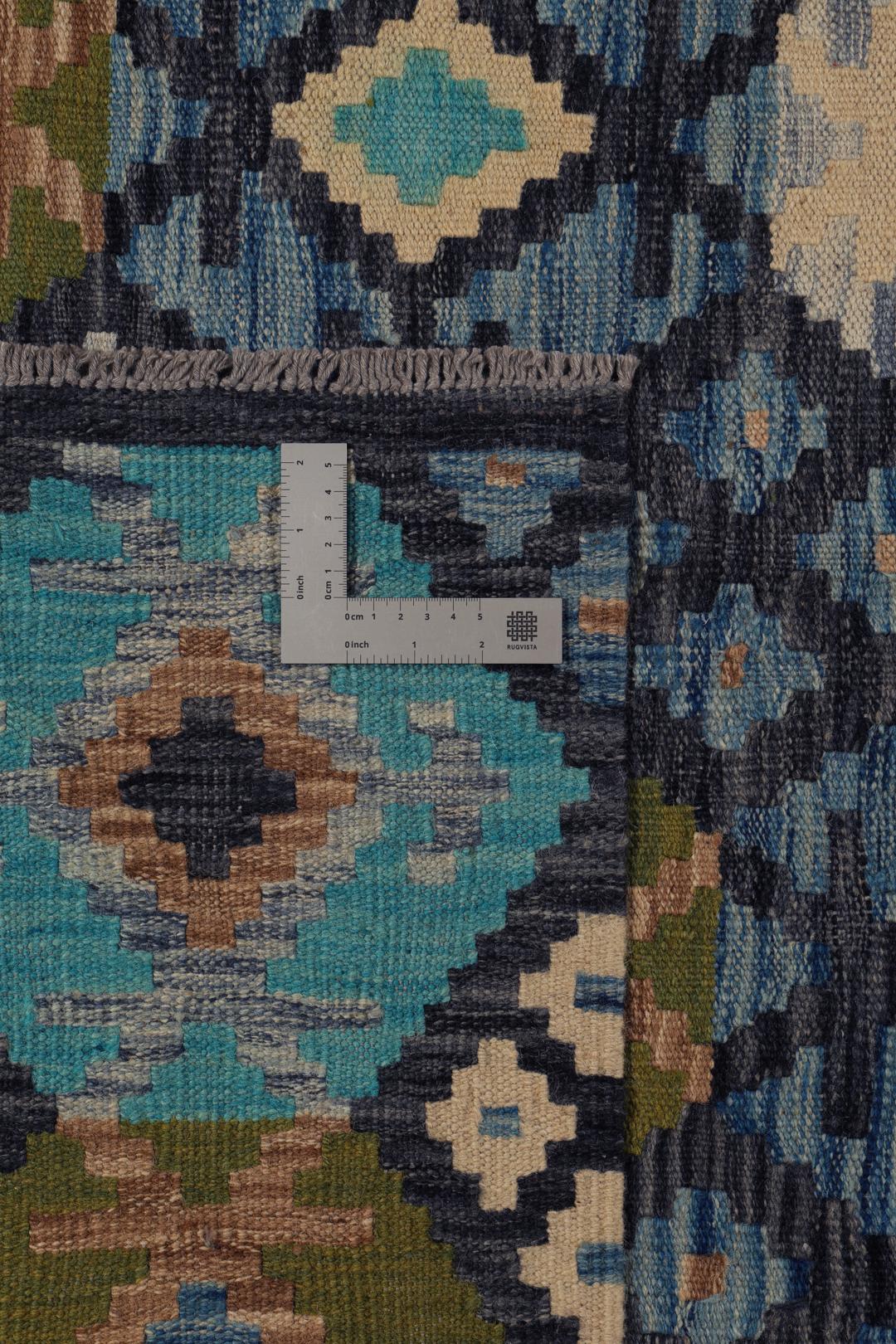
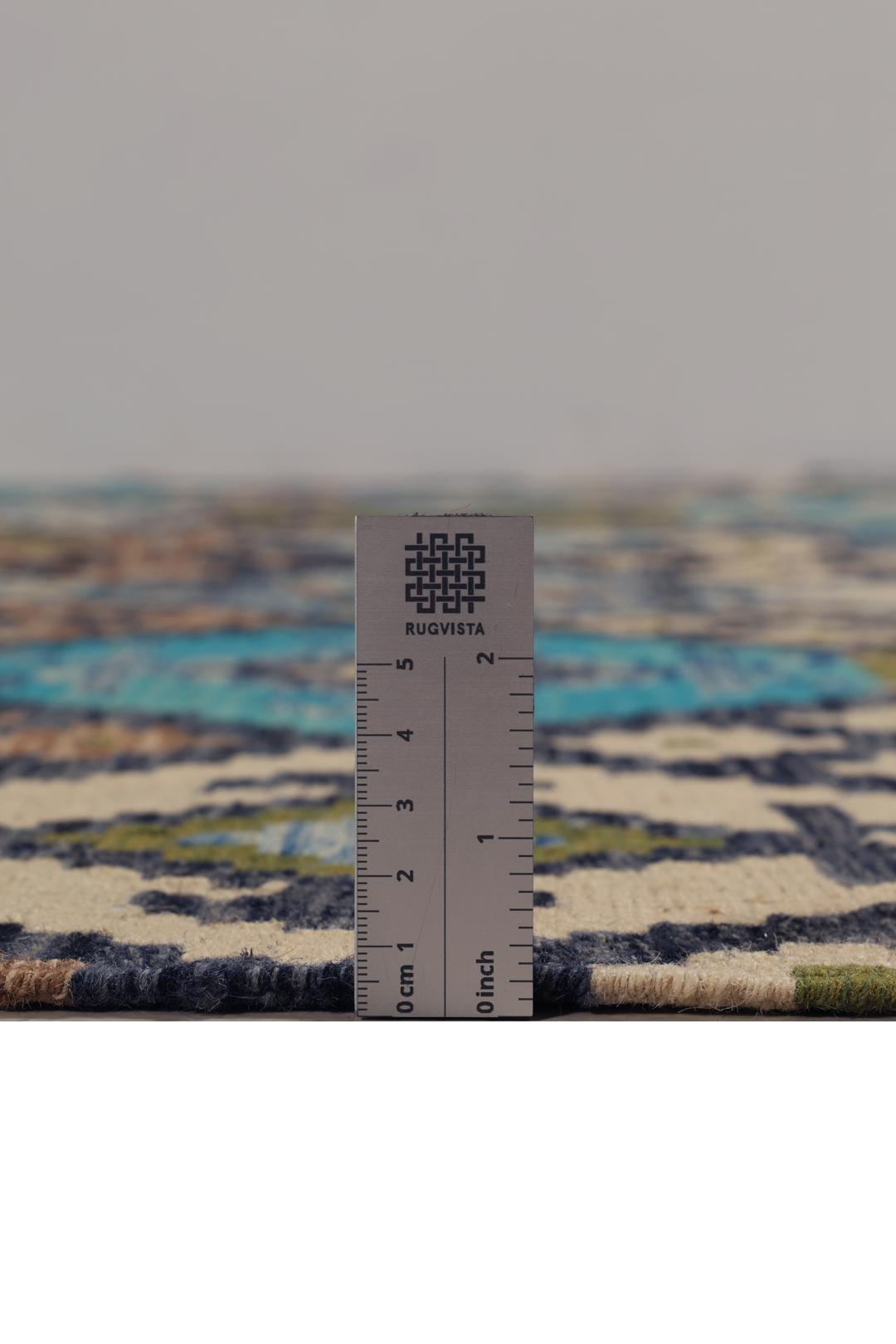
The term 'kelim' refers to a specific flat-weaving technique where the weft threads are woven tightly over the warp, resulting in a thin, durable, and reversible fabric without a pile. This method is highly valued for its structural integrity and the clarity it allows for geometric designs. Because there is no pile to hide the weave, the artisan must be exceptionally precise, as every intersection of thread is visible in the final composition.
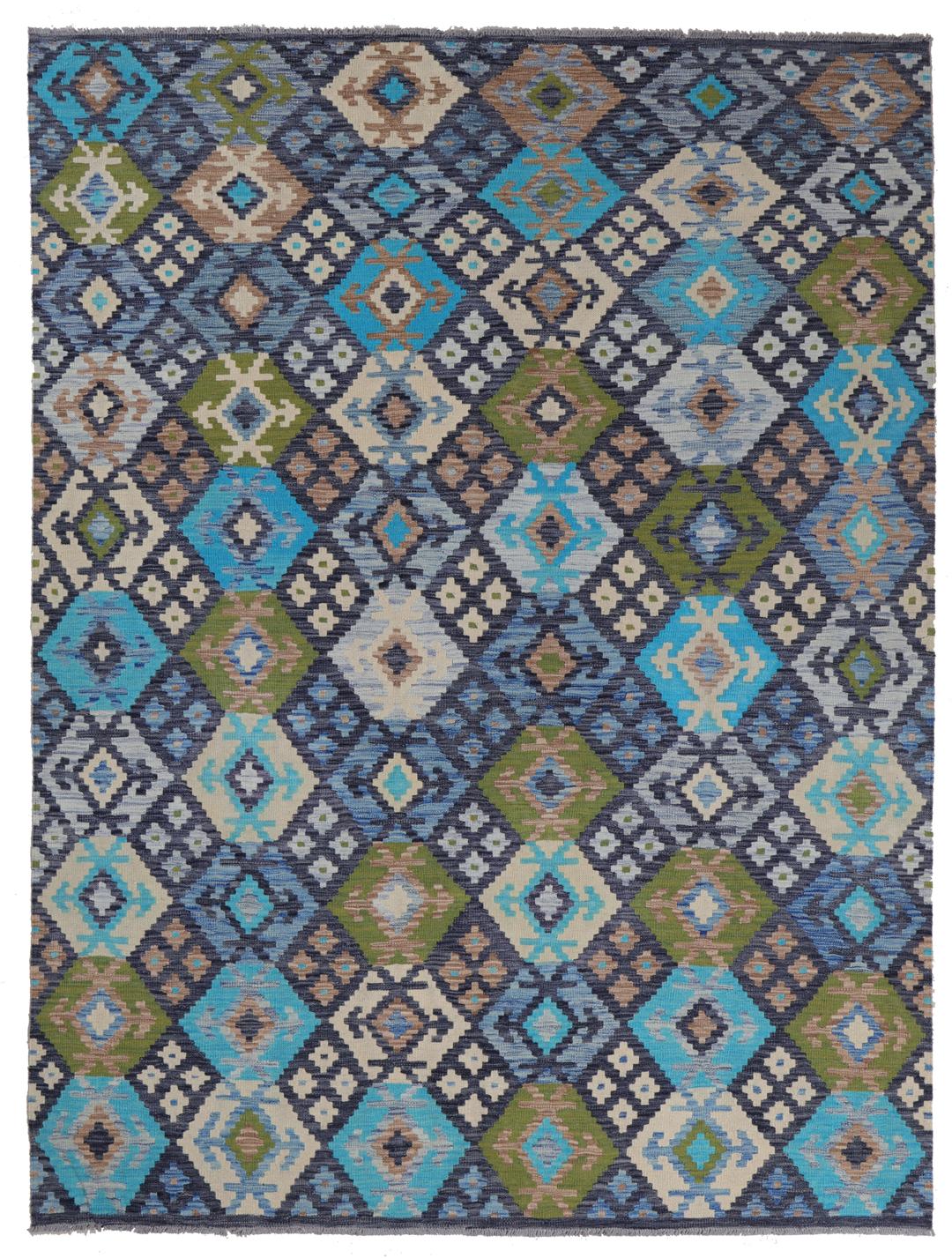
Signature design elements of these rugs include bold, repeating geometric shapes, such as diamonds, hexagons, and stepped medallions. These patterns are often inspired by the natural environment and local tribal symbols that have been passed down through generations. The use of vibrant, contrasting colours is a hallmark of this tradition, designed to bring life and warmth into the traditional tent or the modern home alike.
Collecting an Afghan kelim is an act of preserving cultural heritage. These rugs are highly valued for their authenticity and the human story behind every thread. By choosing a piece from this tradition, you are connecting to a long lineage of craftspeople who have dedicated their lives to mastering the loom. It is a choice that honours the skill of the past while bringing a timeless, grounded energy into your contemporary living space.