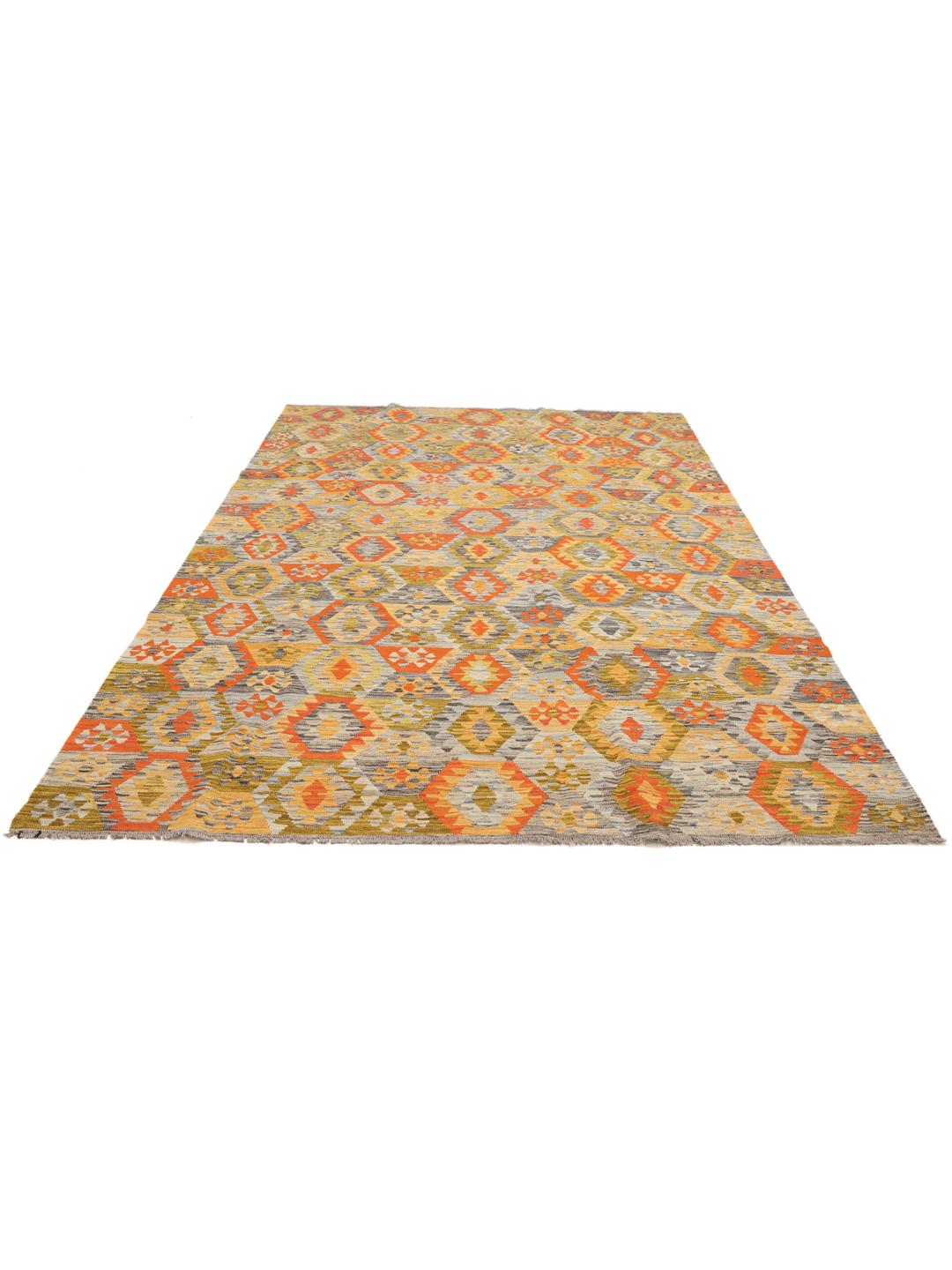
The Afghan Kelim tradition is a storied practice that has evolved across the vast landscapes of Central Asia. These rugs are deeply connected to the nomadic and semi-nomadic cultures of the region, where weaving was not just a craft but a vital method of creating functional art for daily life, from floor coverings to storage bags.
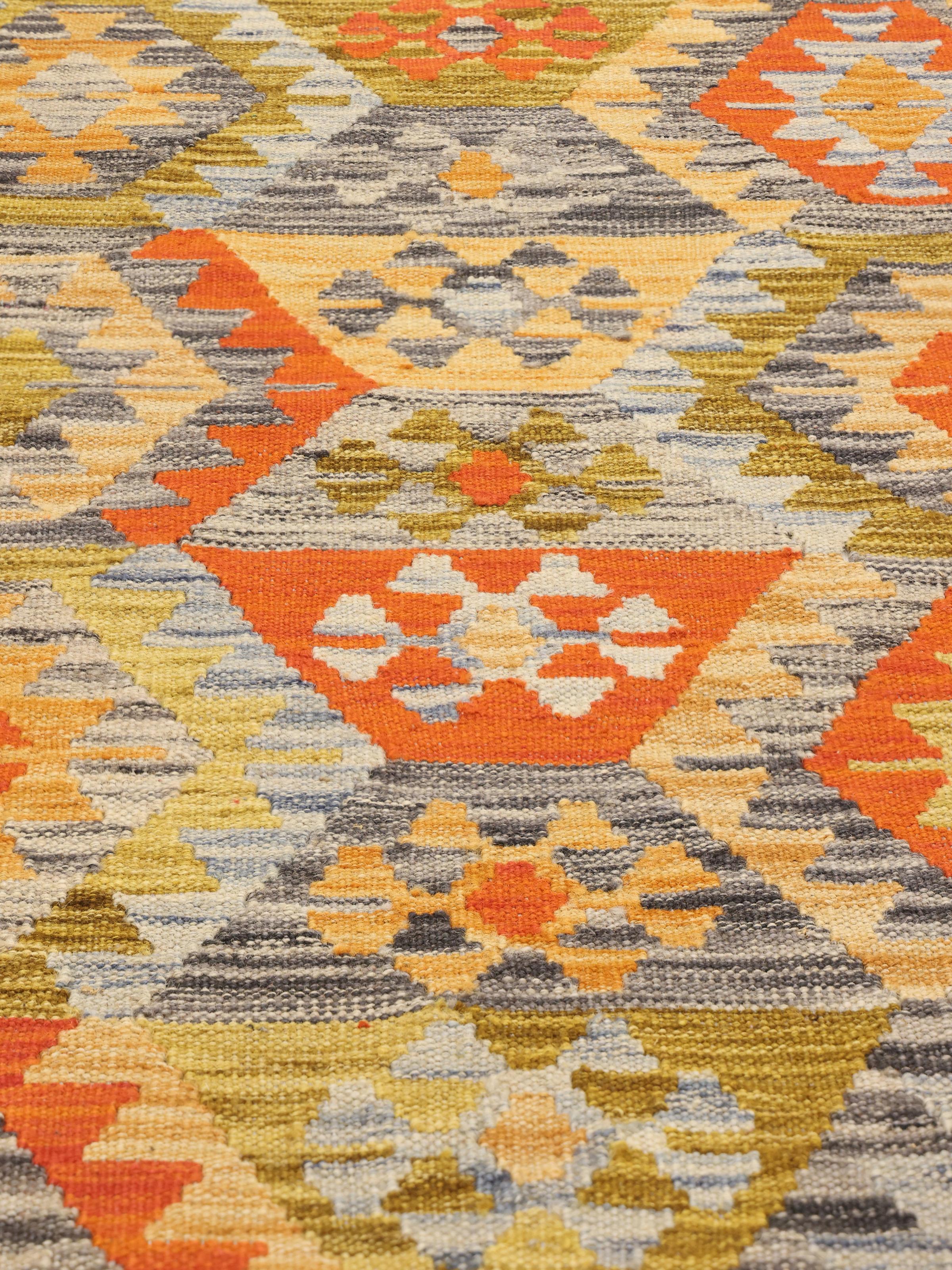
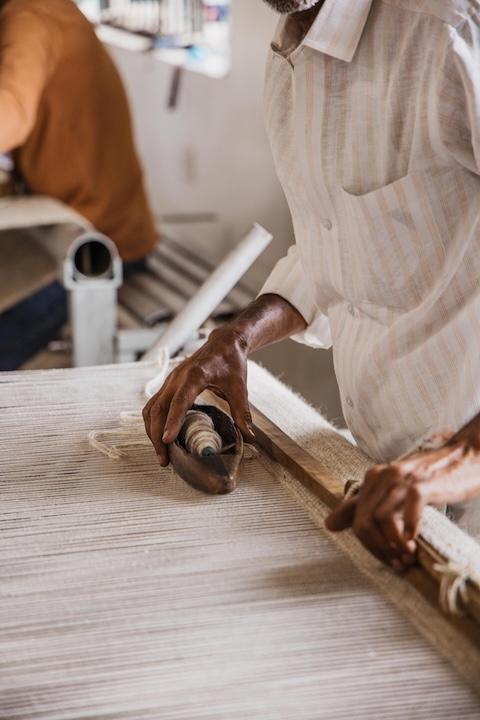
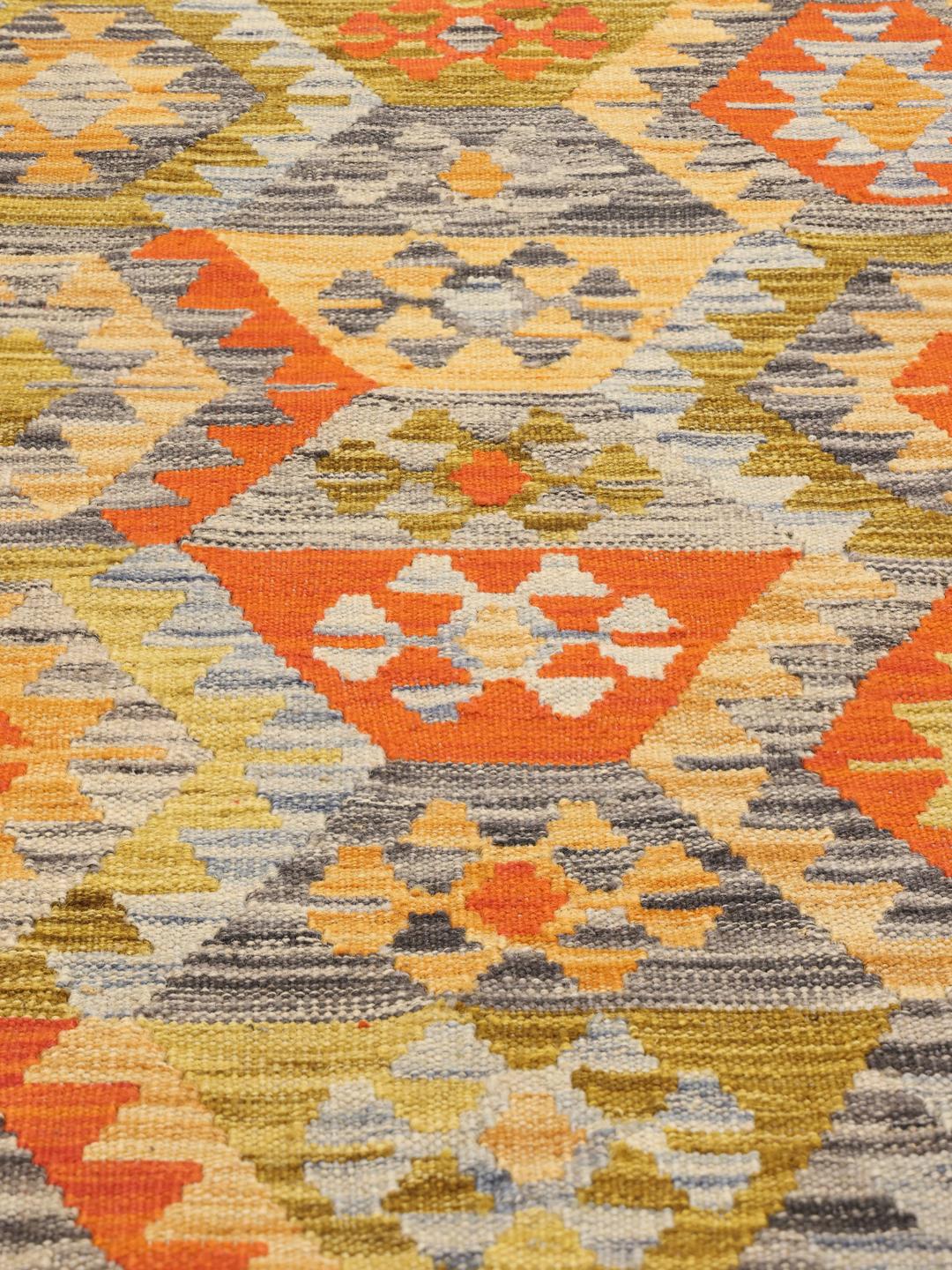
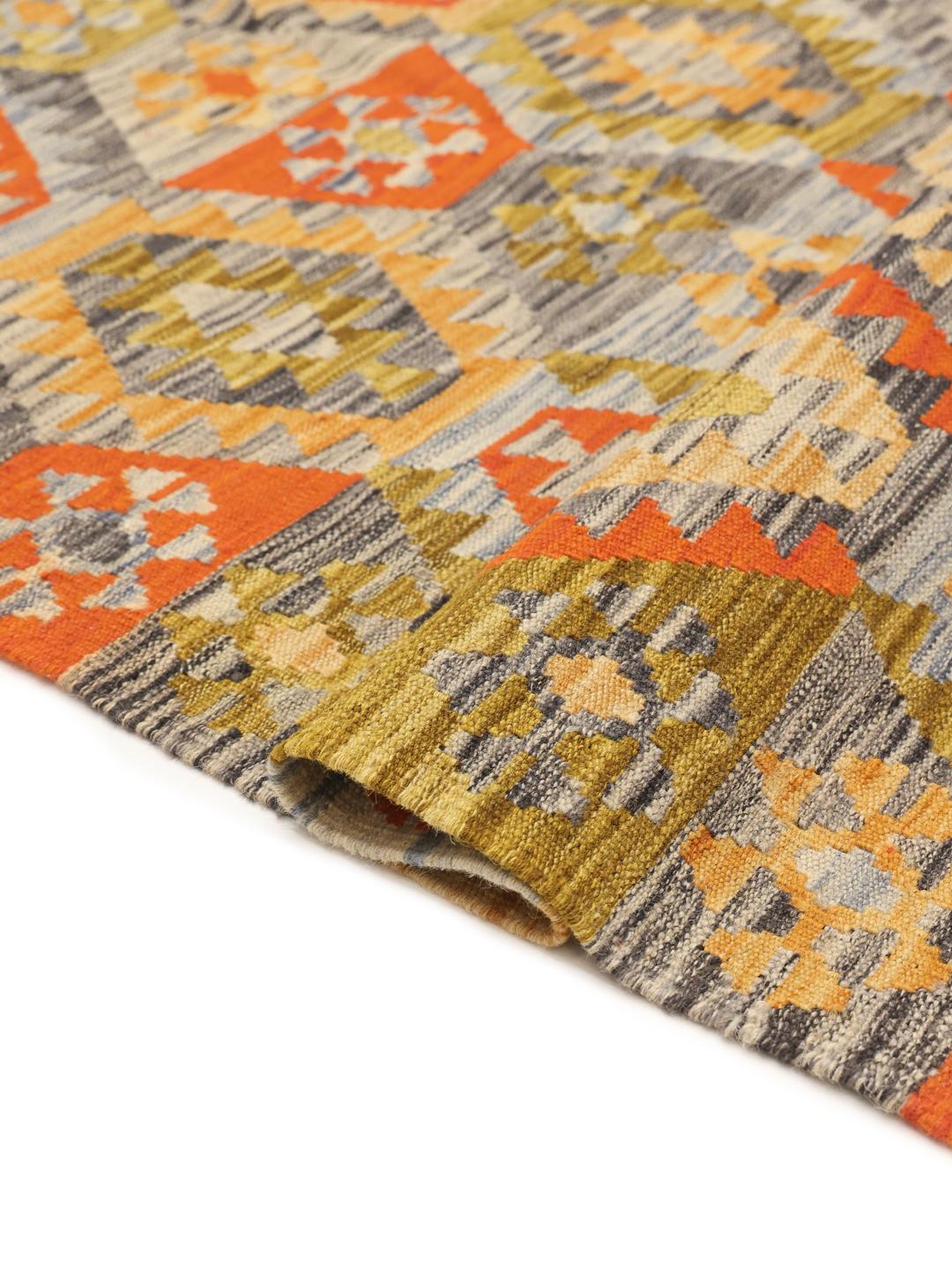
A Kelim is defined by its flat-weave construction, which distinguishes it from pile-knotted rugs. This technique involves interweaving the warp and weft threads to create a smooth, reversible surface. Because there is no pile to hide the structure, the weaver must be incredibly precise, as every single thread contributes directly to the final clarity of the design.
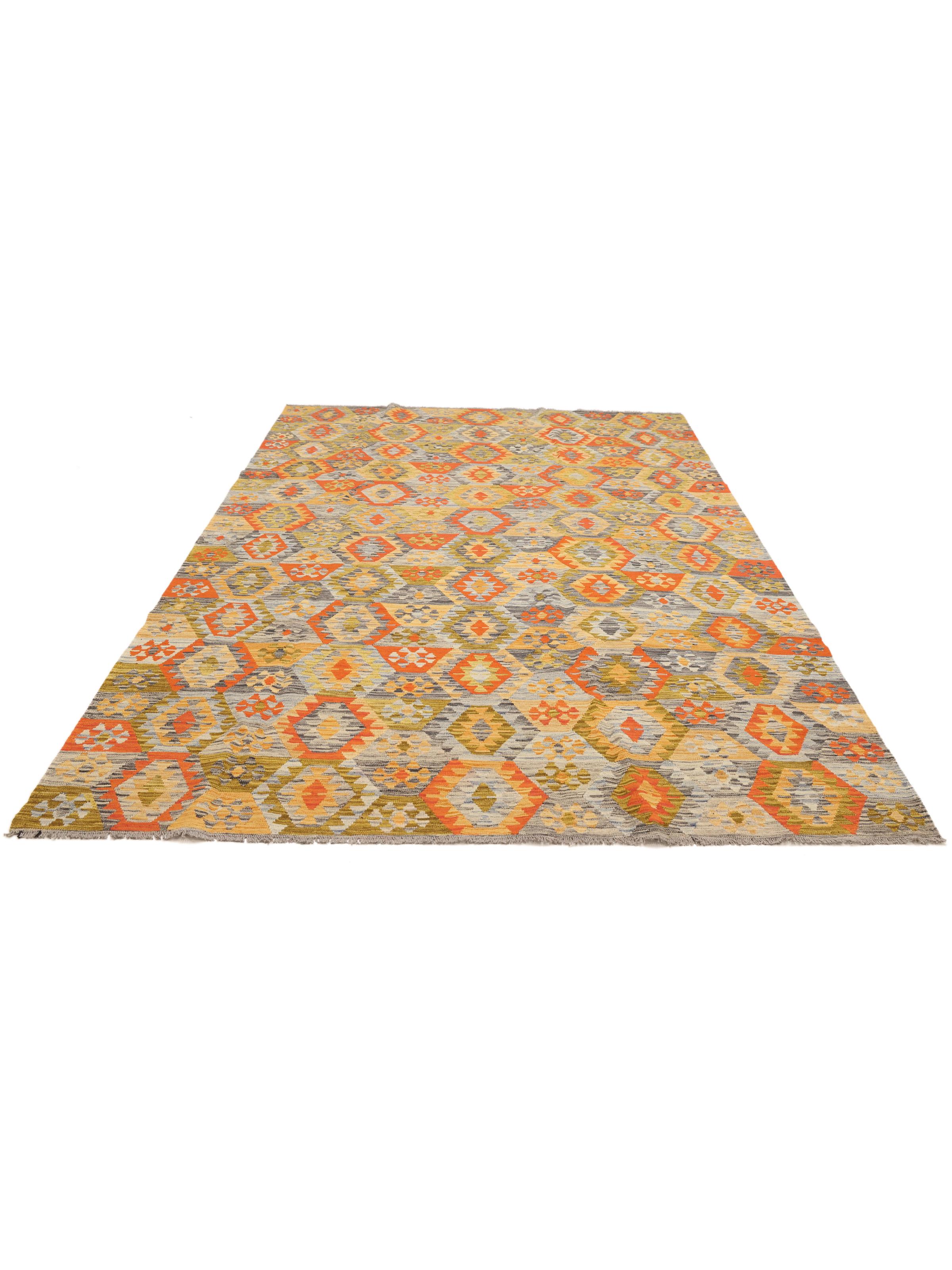
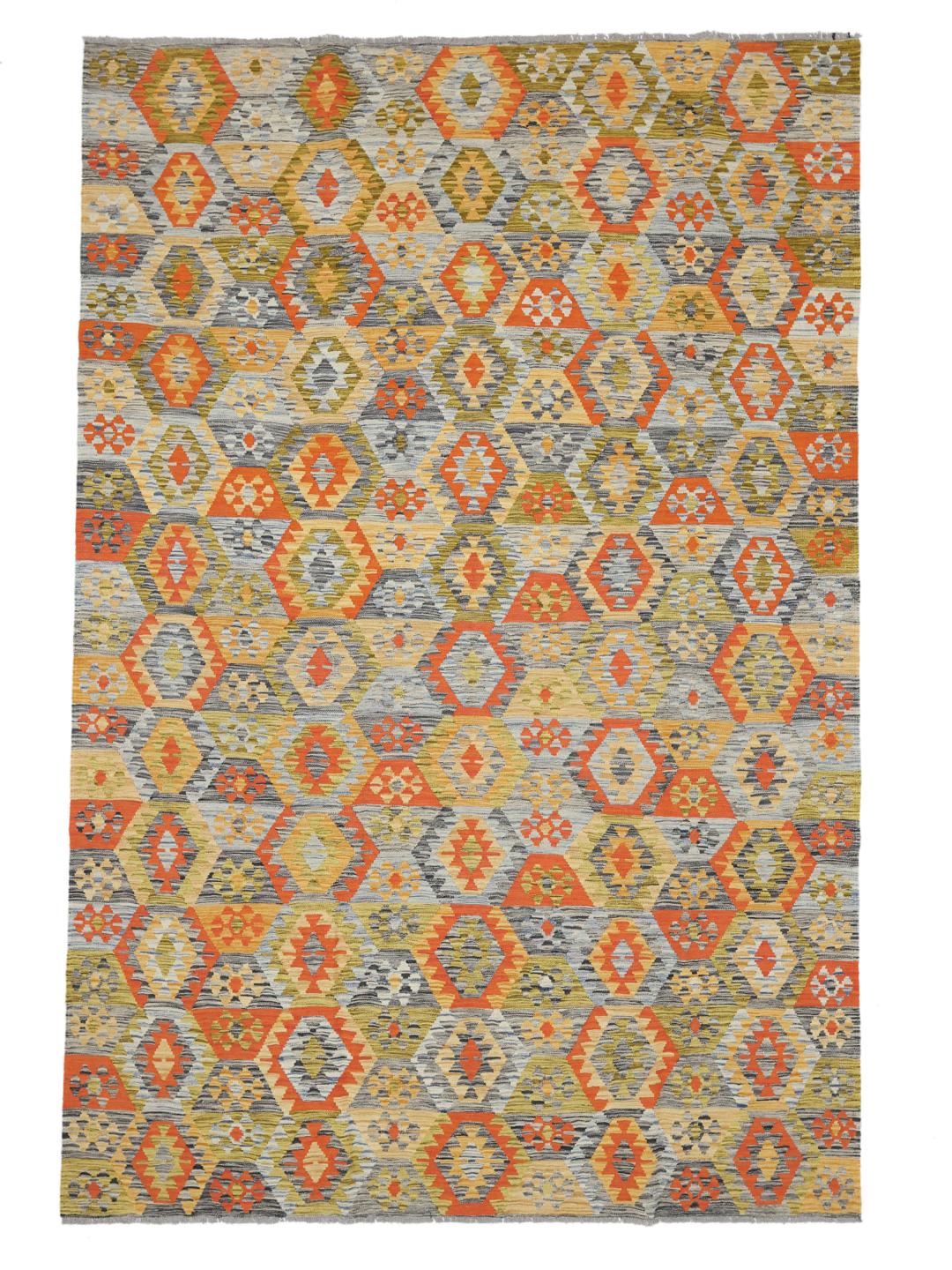
Visually, these rugs are celebrated for their geometric language. This particular piece features a repeating array of medallions and diamonds, motifs that have been refined over centuries. The use of vibrant, earthy dyes is a hallmark of the tradition, often drawn from natural sources that age gracefully over time, giving the rug a lived-in character that feels both authentic and welcoming.
Collecting an Afghan Kelim is an act of preserving a cultural legacy. These rugs are highly valued for their durability and their ability to act as a bridge between ancient techniques and contemporary home design. When you bring this piece into your home, you are acquiring a genuine artifact of human skill, reflecting a tradition where beauty and utility are inextricably linked.