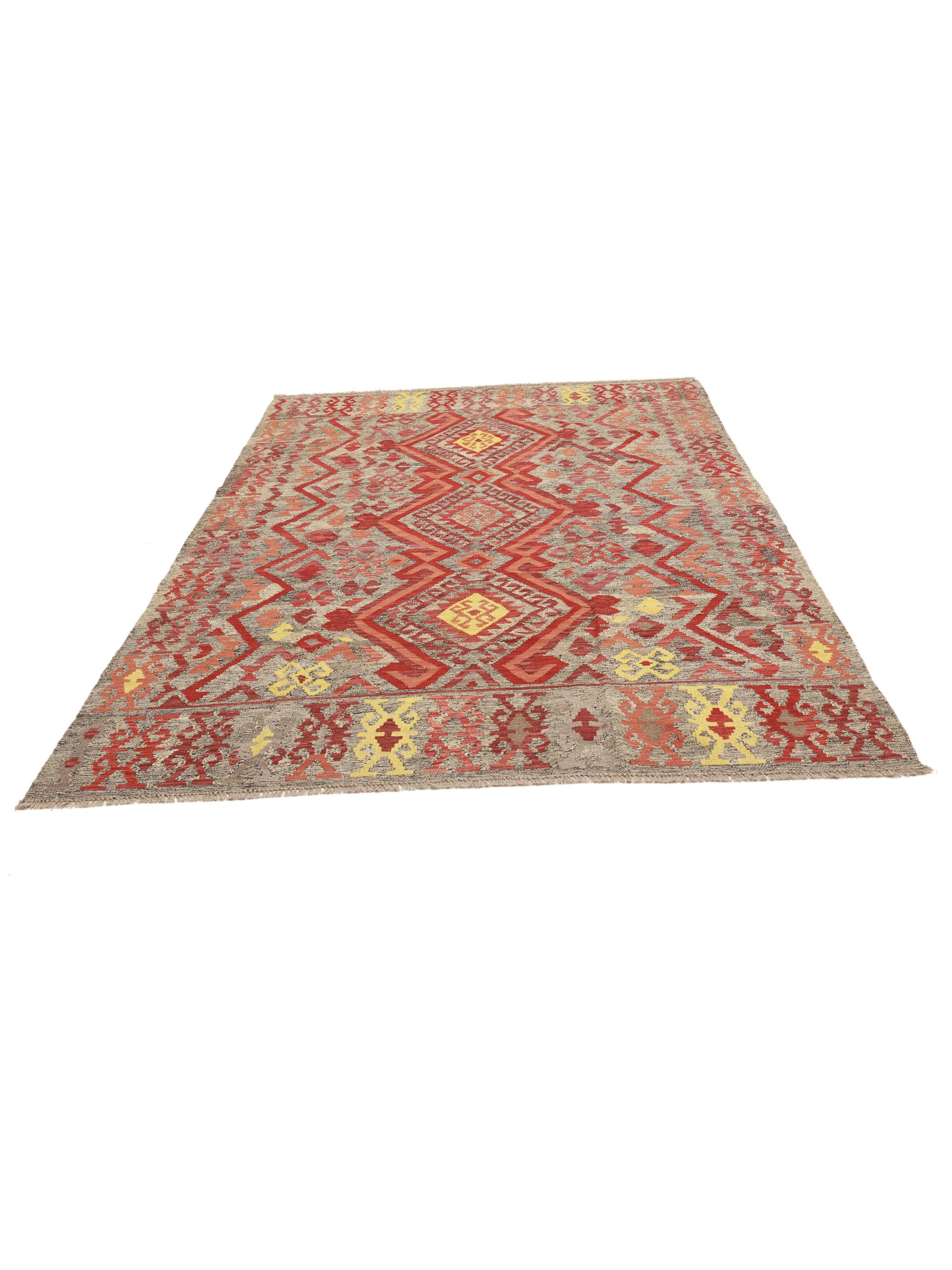
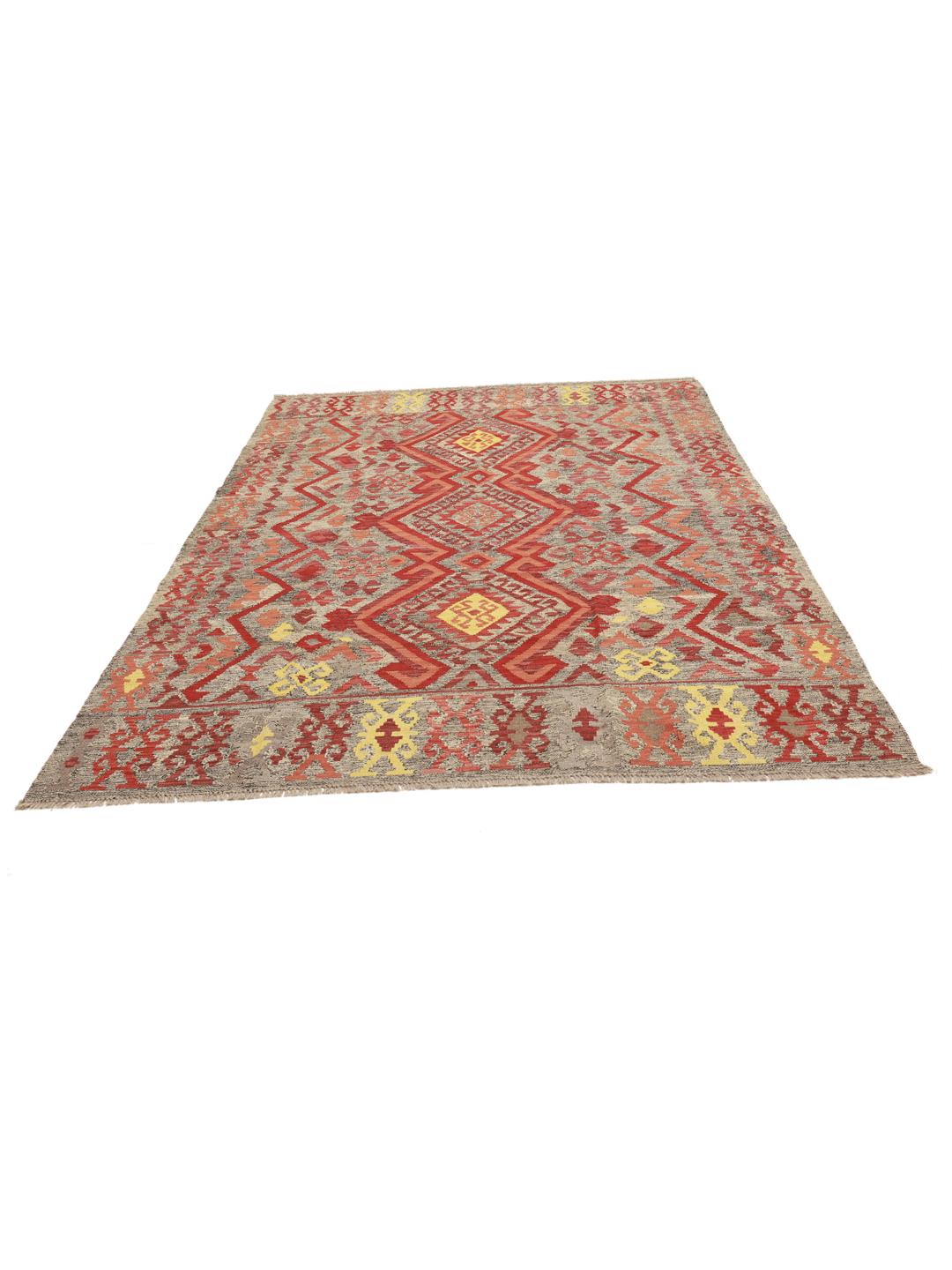
Kelim rugs have been an essential part of nomadic and village life across the Middle East and Central Asia for centuries. These flat-woven textiles were originally created as functional items for tents, used as floor coverings, blankets, and storage bags, reflecting a lifestyle where every object had to be both beautiful and highly durable.
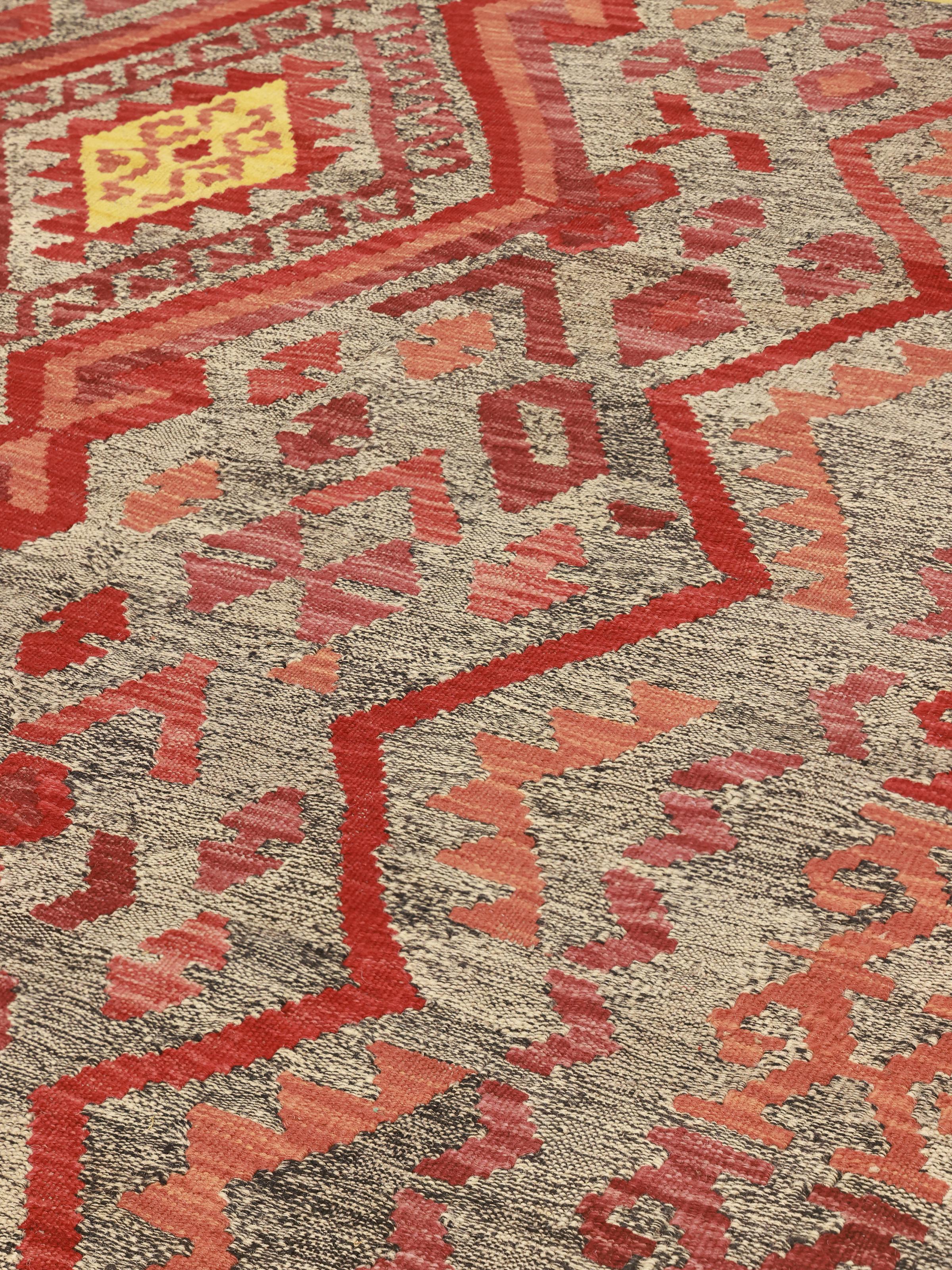
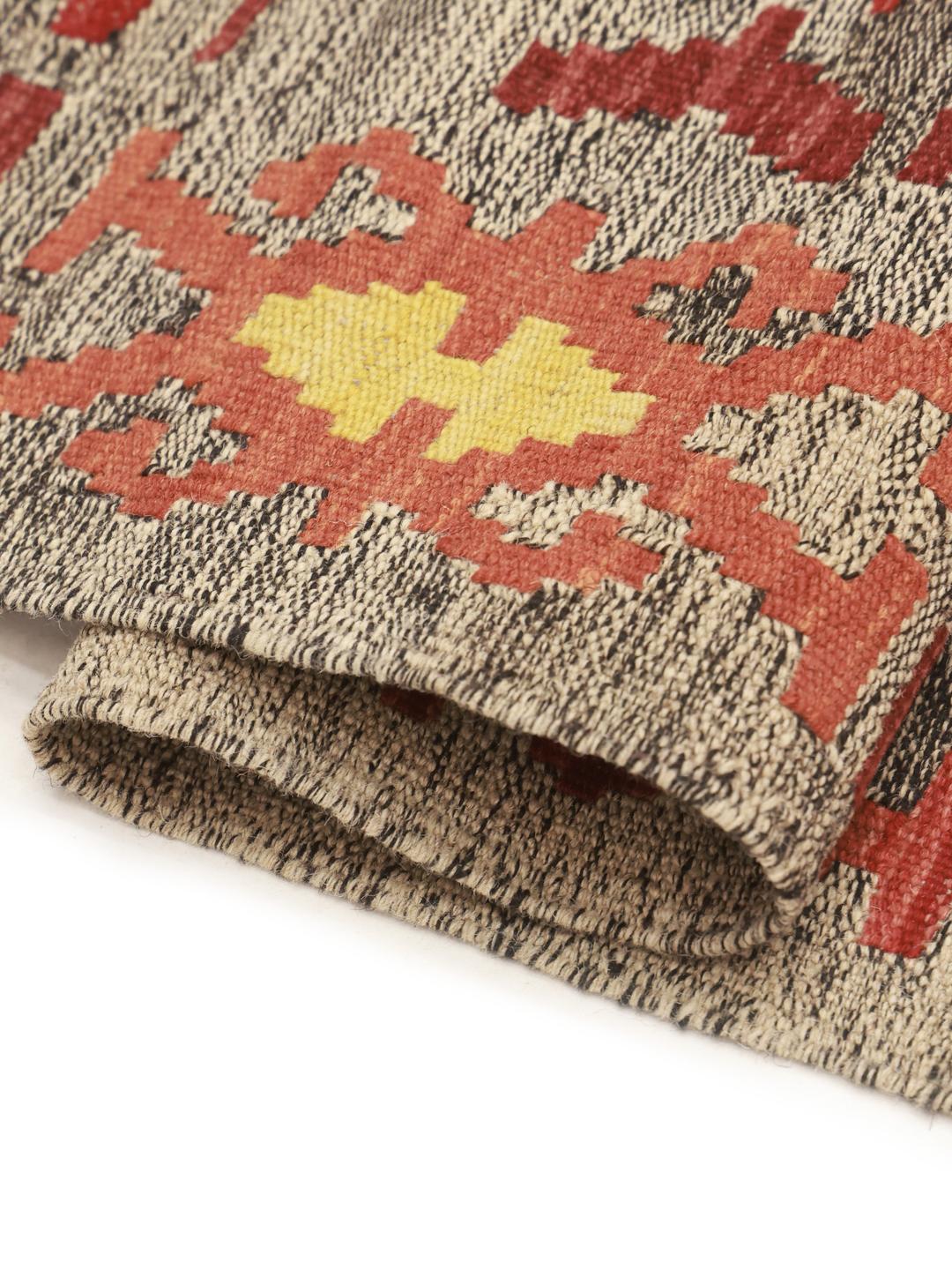
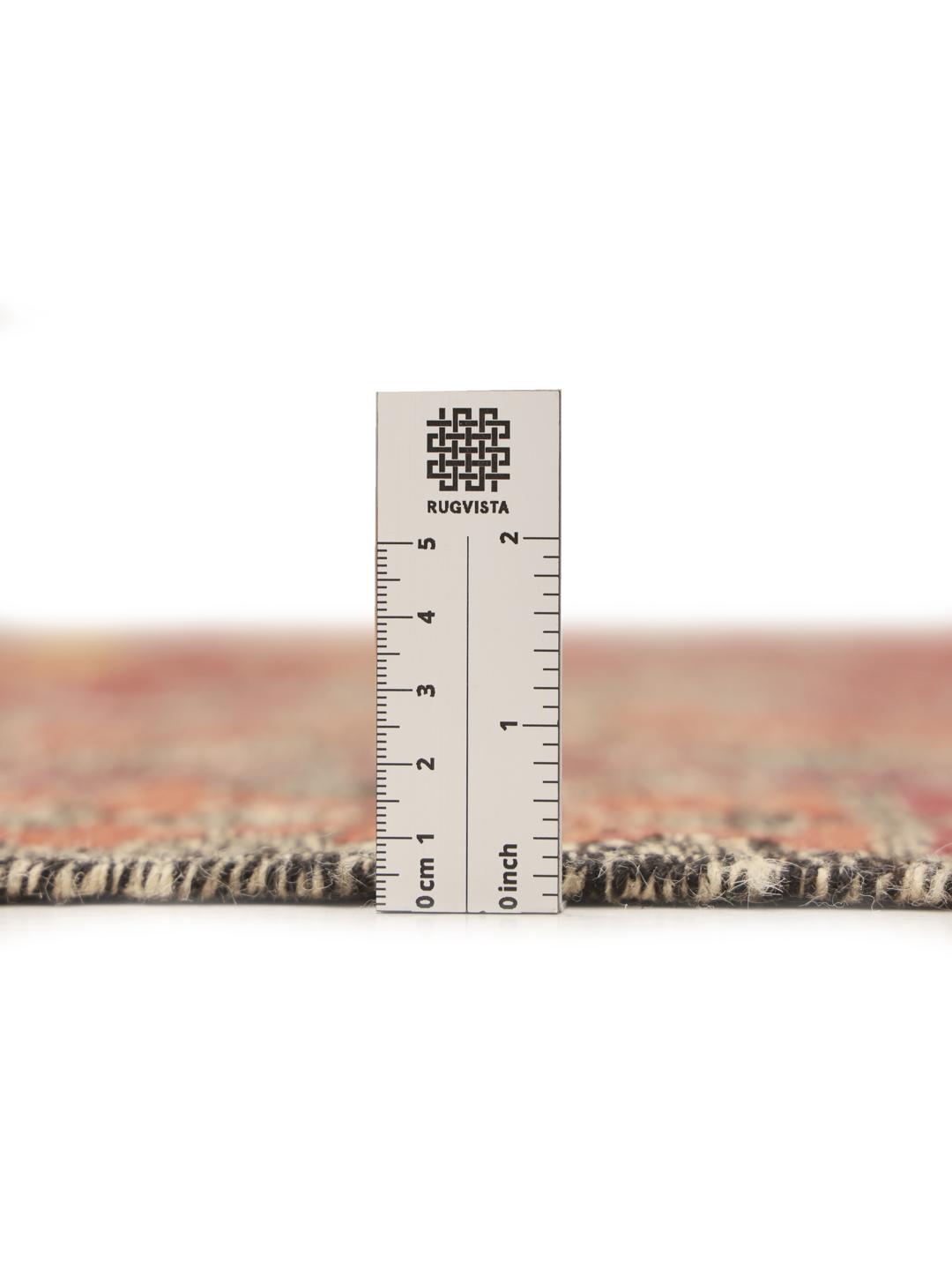
The term Kelim refers to the specific weaving technique where no pile is created, resulting in a smooth, reversible surface. This method requires the weaver to interlace the weft threads tightly through the warp, creating sharp, clean lines for geometric patterns. This lack of pile makes them exceptionally practical for changing climates and nomadic transport.
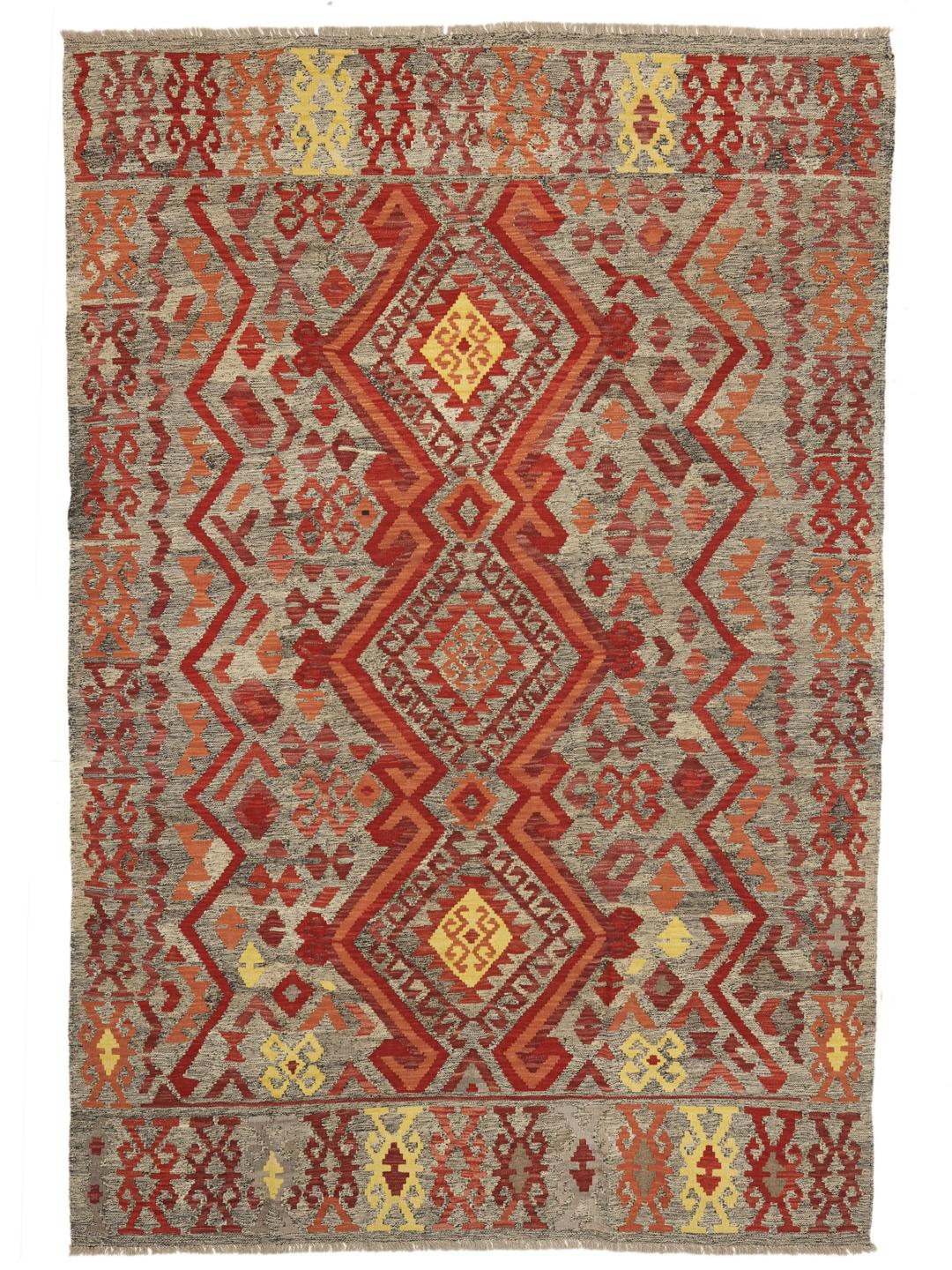
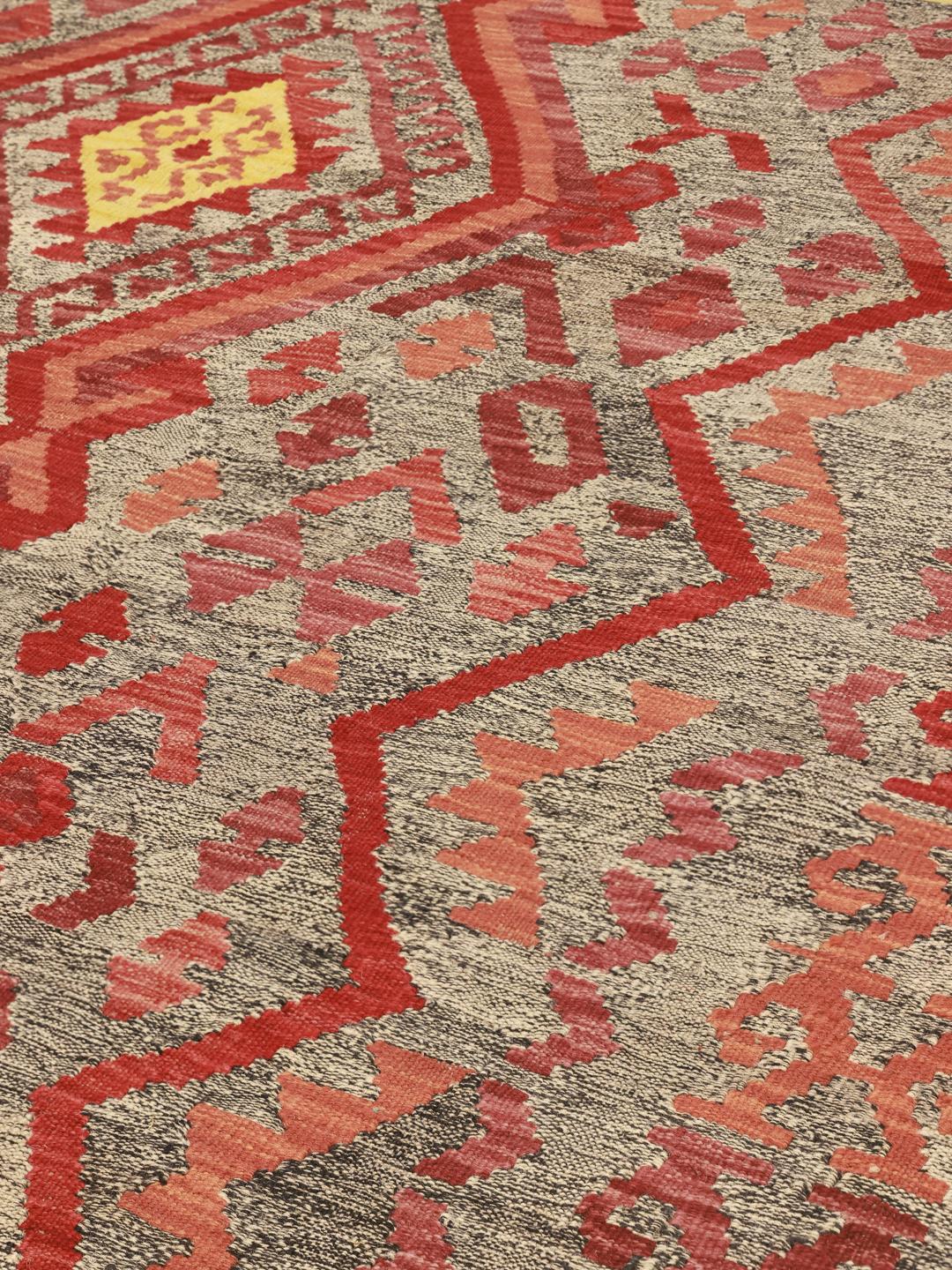
Signature design elements in Afghan Kelims often centre on bold diamond and medallion motifs, frequently surrounded by intricate borders that tell stories of tribal identity and regional symbolism. The use of vibrant, natural-inspired colours is a hallmark of this tradition, designed to bring warmth and vitality to the interior of a traditional dwelling.
Today, these rugs are highly valued by collectors for their cultural significance and the skill required to produce them. Owning a Kelim is more than just purchasing a floor covering; it is an investment in a living tradition that bridges the gap between ancient nomadic heritage and modern living, offering a timeless aesthetic that celebrates human artistry.