Kelim rugs have long been a cornerstone of nomadic life across the Middle East and Central Asia. Originally designed as functional, portable floor coverings, bags, and blankets for tribal families, these flatweave rugs are deeply tied to the history of the Silk Road. The Afghan Kelim, in particular, has evolved from these ancient roots into a celebrated art form that maintains its tribal heritage while adapting to modern aesthetic sensibilities.
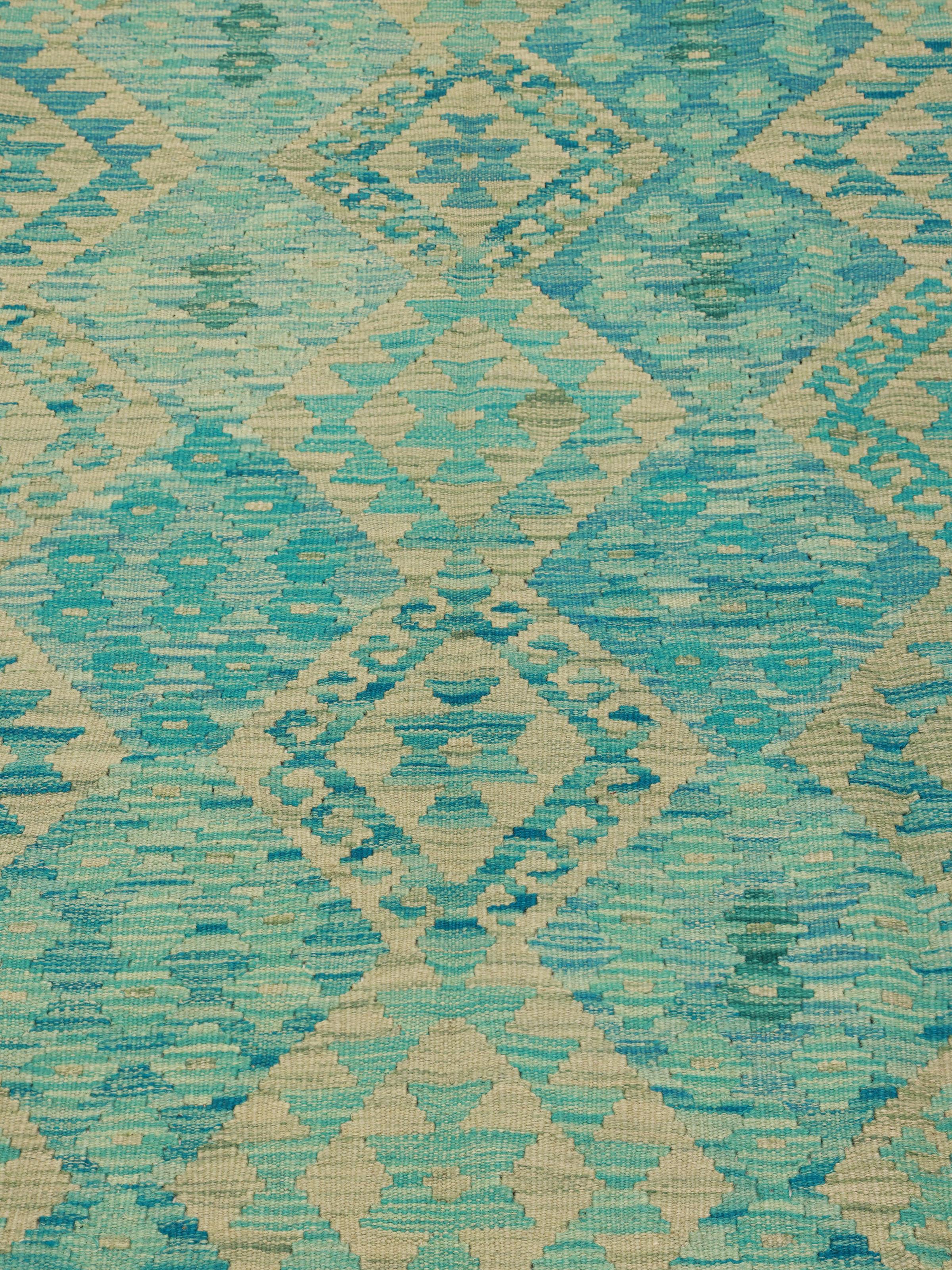
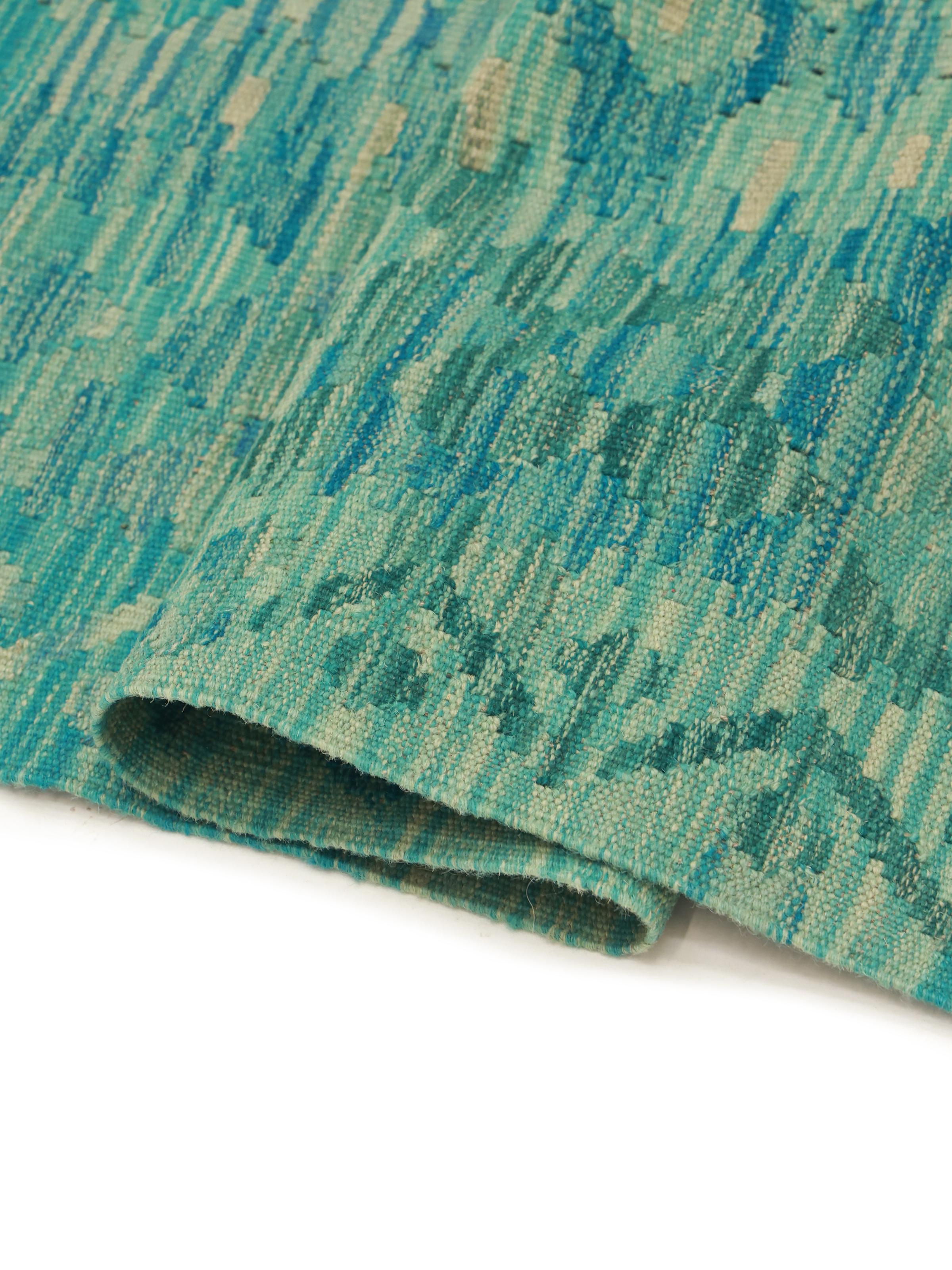
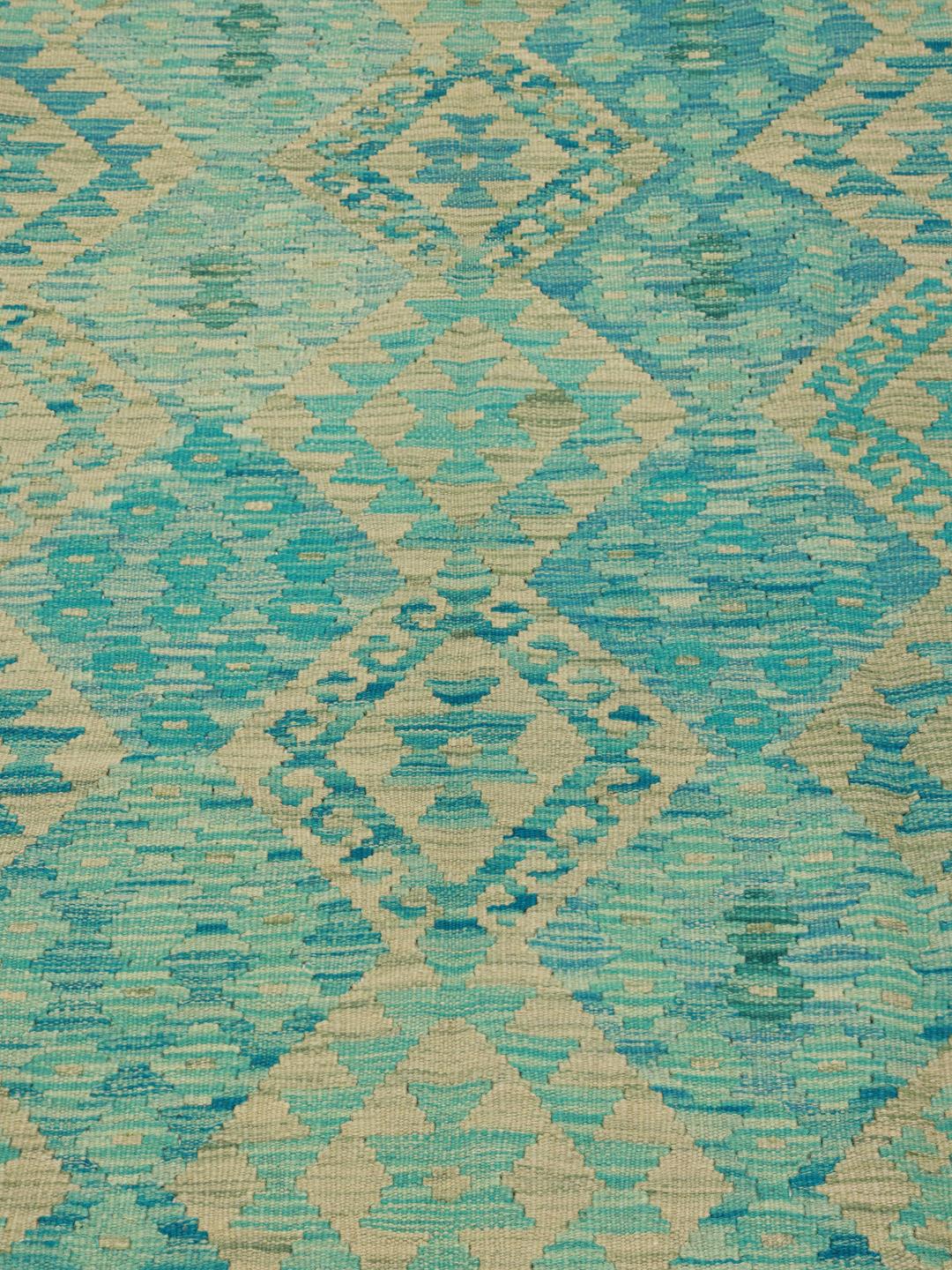
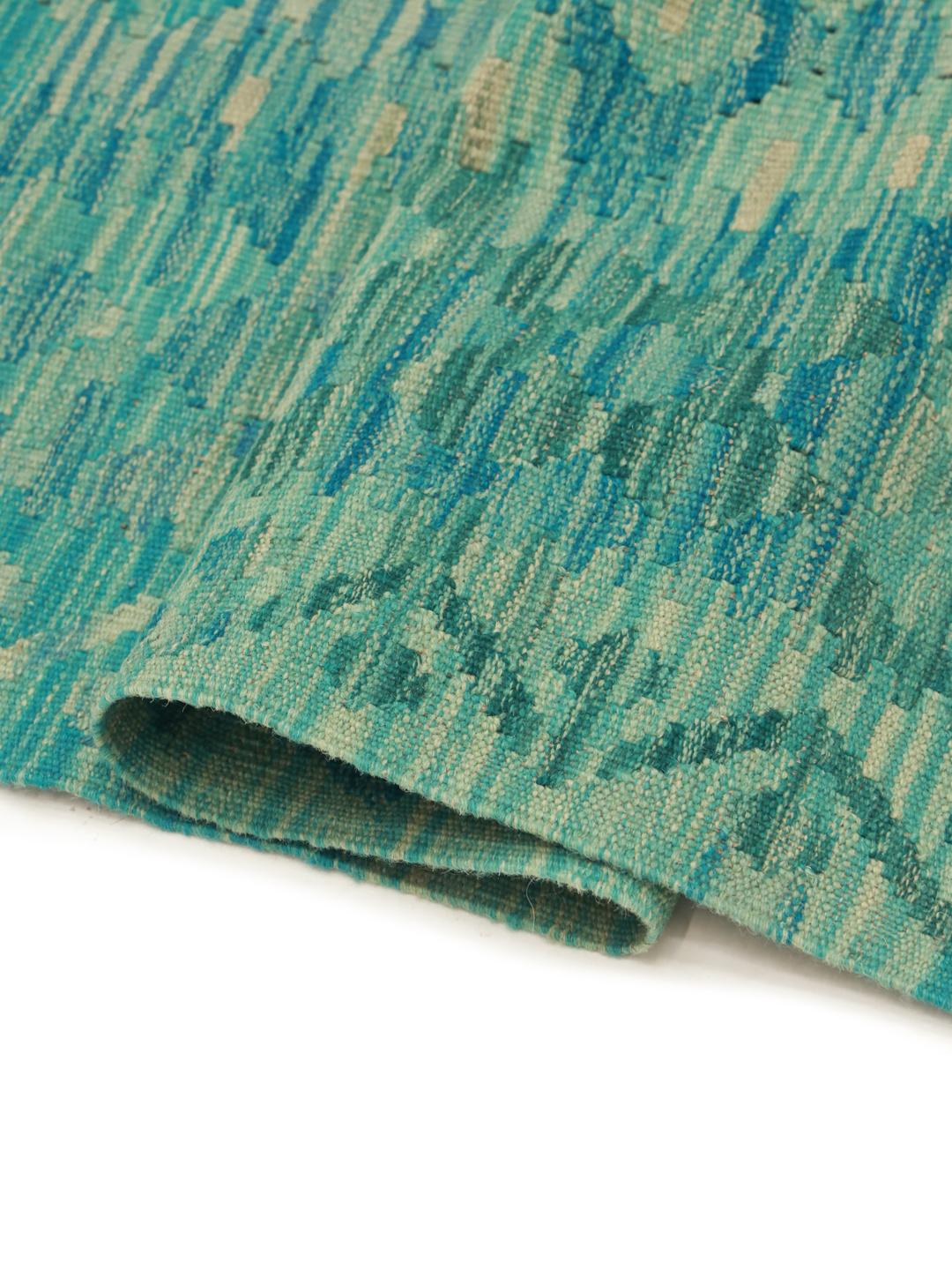
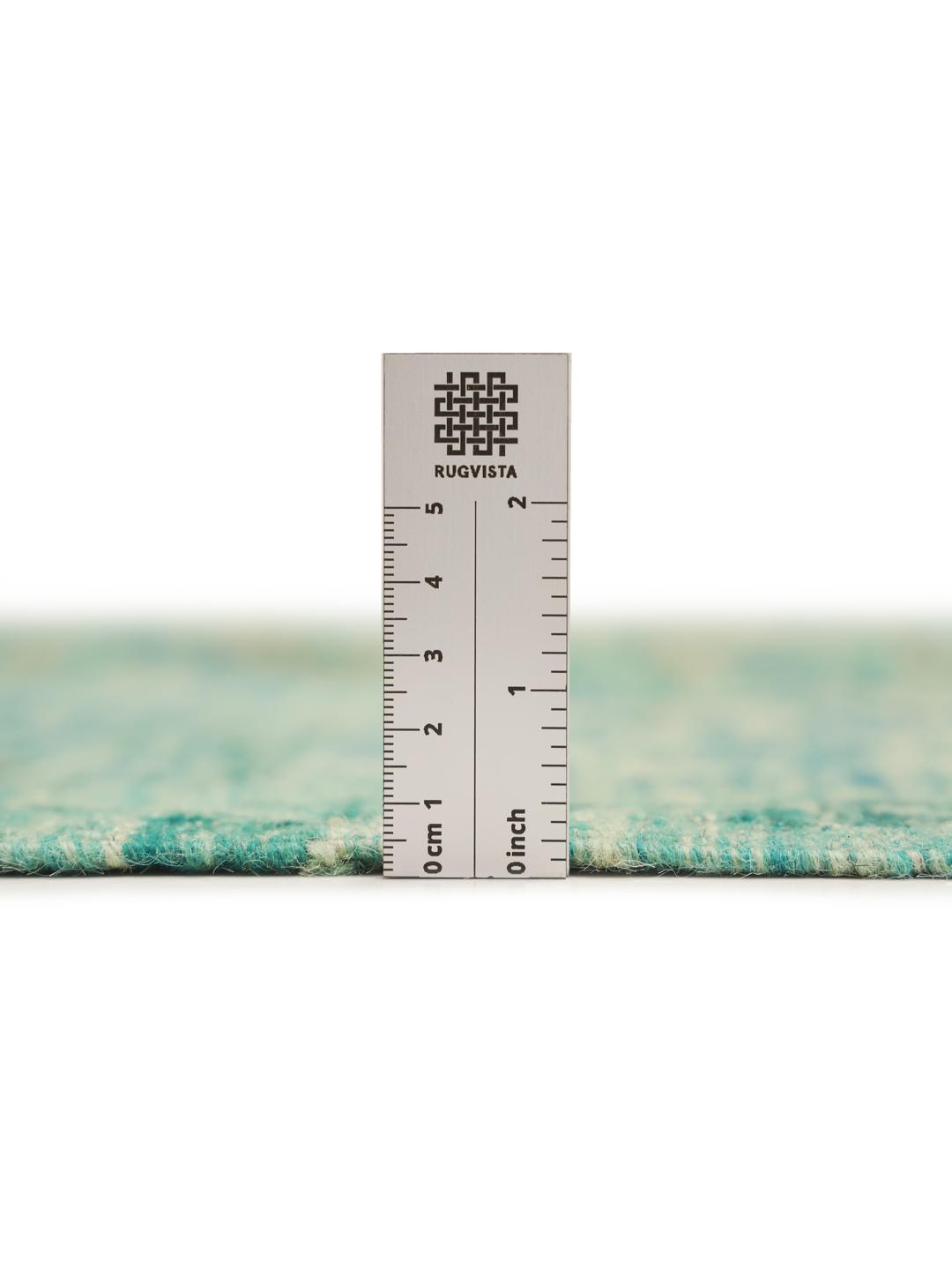
The term 'Kelim' refers specifically to the flat-weaving technique where the weft threads are pulled tightly over the warp to create a smooth, pile-less surface. This method is distinct from knotted rugs, as it relies on the interlacing of horizontal and vertical threads to form the pattern. This technical approach creates a lighter, thinner rug that is highly durable and versatile, allowing for intricate geometric designs that are visible on both sides of the textile.
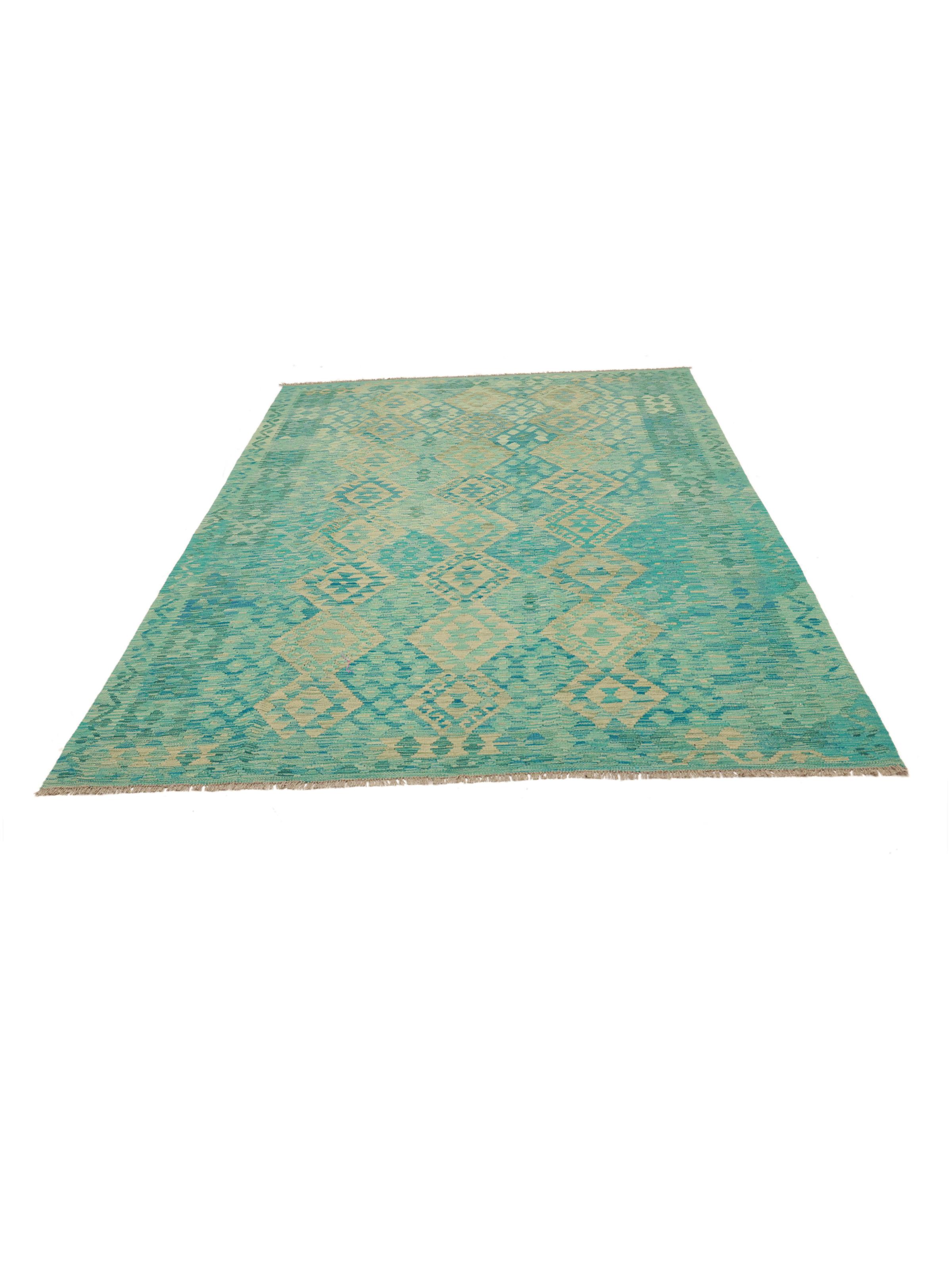
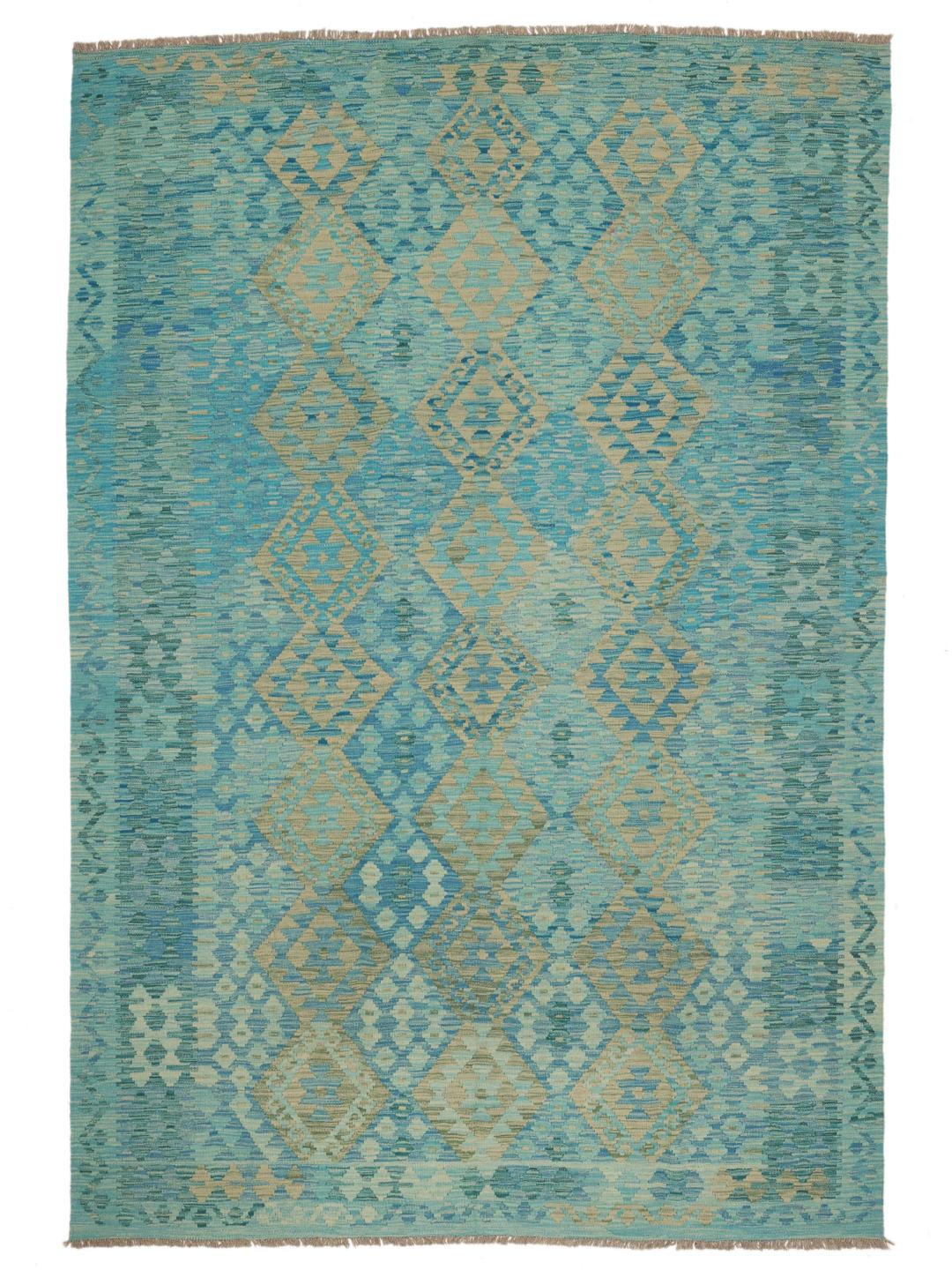
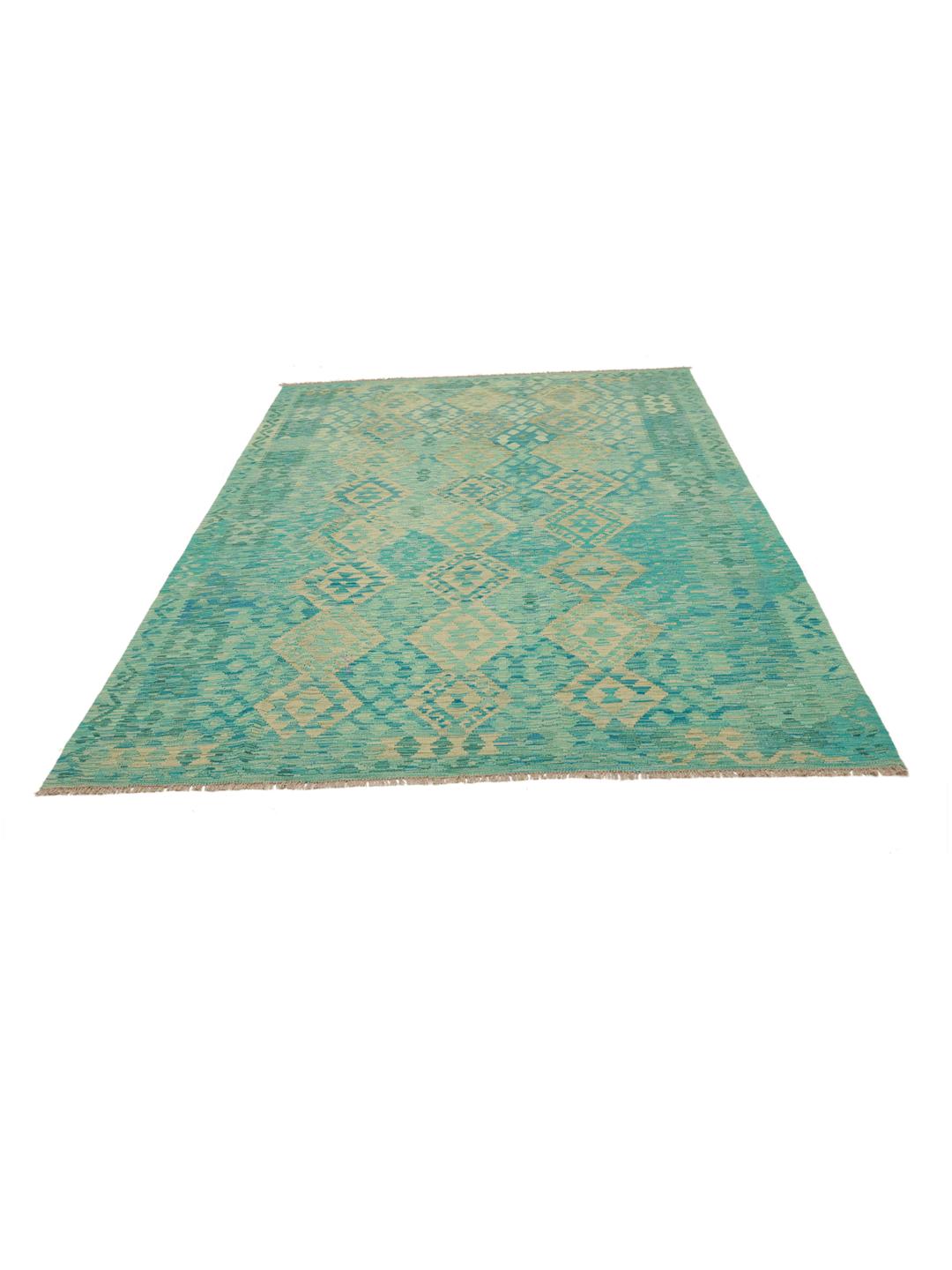
Visually, these rugs are defined by their sharp, angular motifs and rich, often earthy colour palettes. Geometric shapes like diamonds, triangles, and stylized floral elements are common, often organised into repeating patterns that represent cultural symbols and protection motifs. The use of vibrant teal in this specific piece is a beautiful example of how traditional weavers incorporate bold, modern colours while honouring the classic, symmetric layouts that have defined the genre for centuries.
Owning an Afghan Kelim is an invitation to bring a piece of living history into your home. Collectors value these pieces not only for their beauty but for the immense human effort and cultural storytelling woven into every strand. Each rug serves as a bridge between the past and the present, offering a timeless aesthetic that celebrates the mastery of traditional hand-weaving techniques.