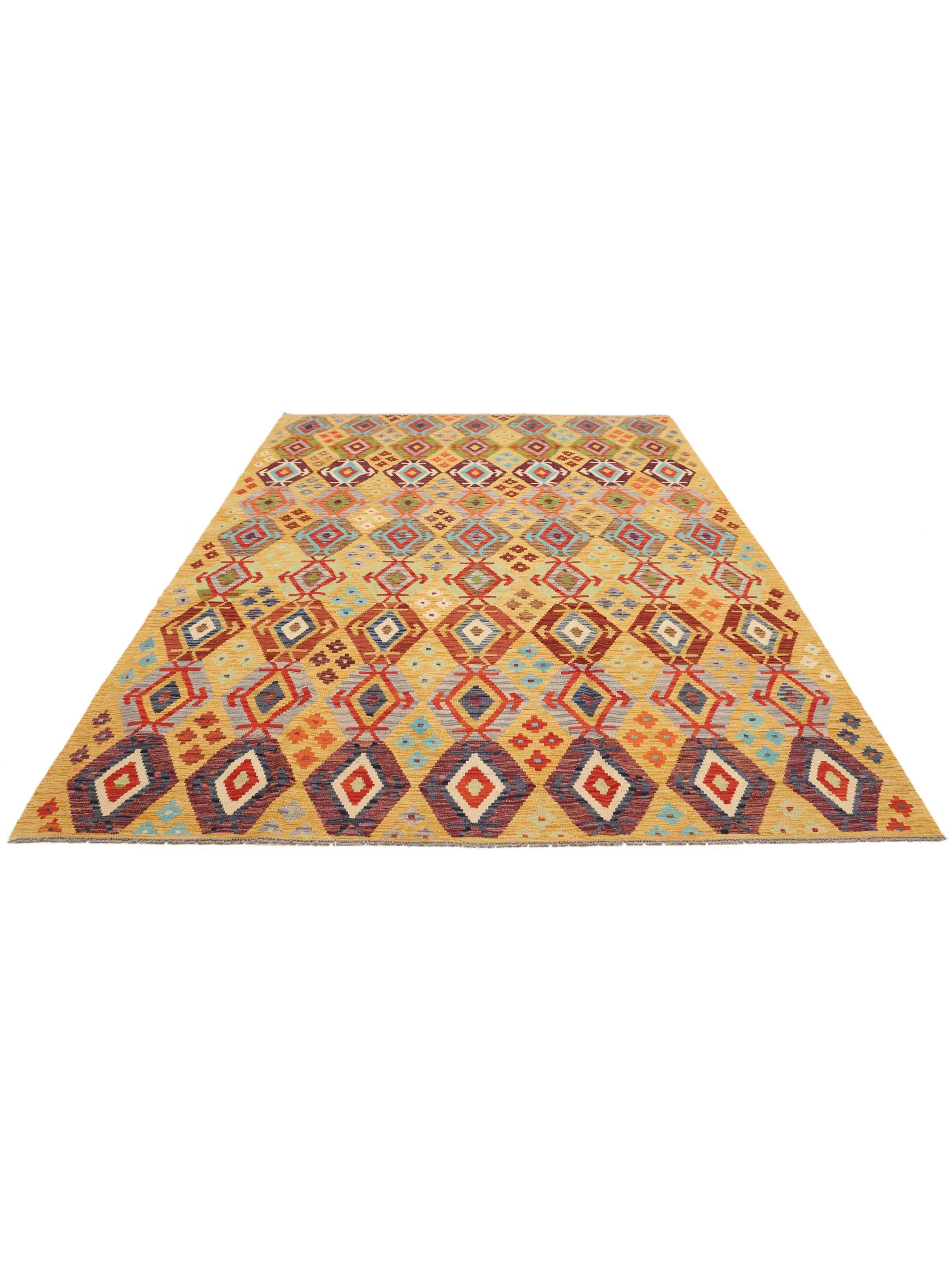
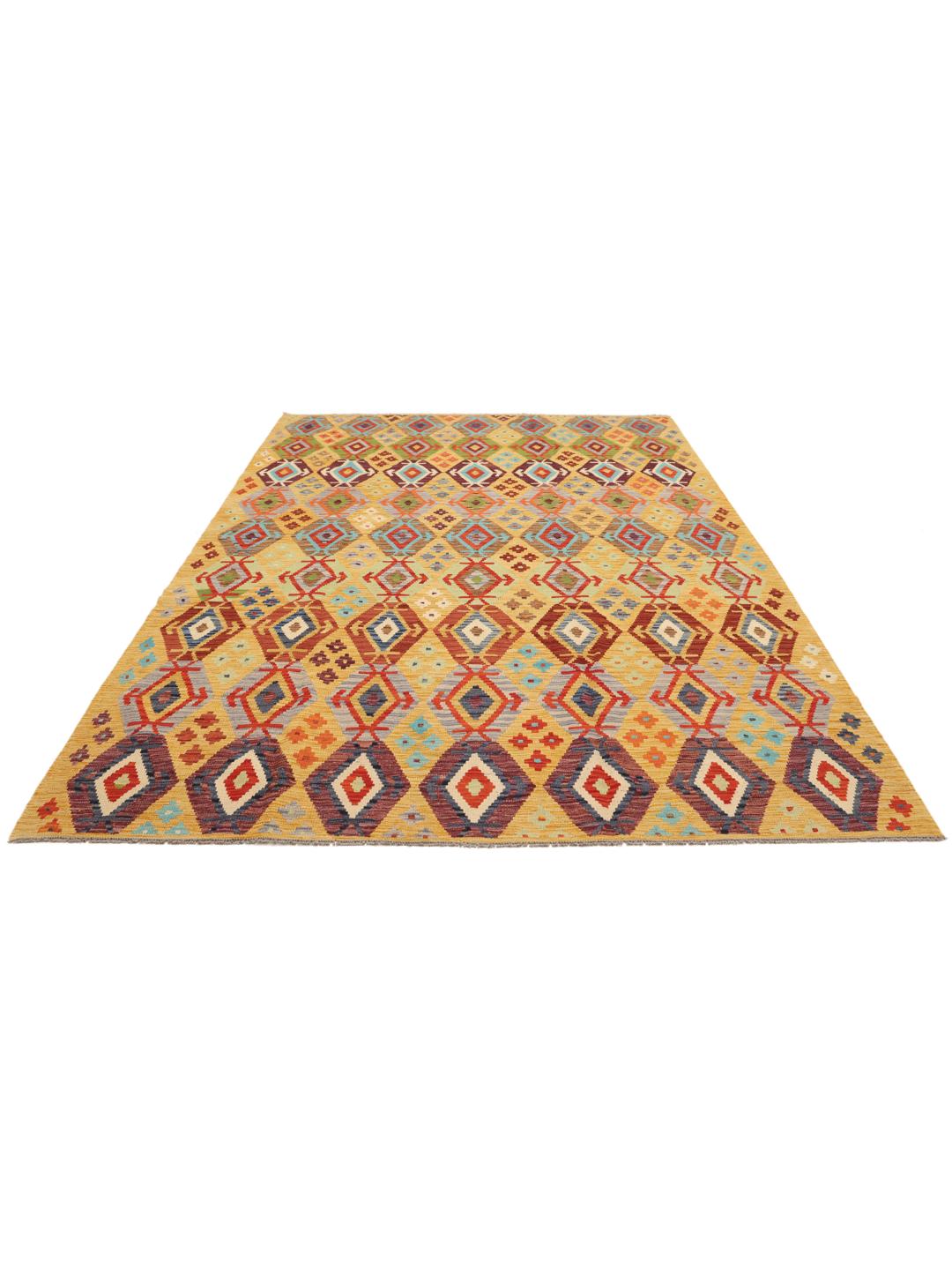
Kelim rugs have long been a cornerstone of Middle Eastern textile traditions, originating from the nomadic tribes who relied on these flat-woven pieces for their versatility and durability. These rugs were essential for daily life, serving as floor coverings, blankets, and storage sacks, which necessitated a construction that could withstand the rigours of travel and environmental shifts.
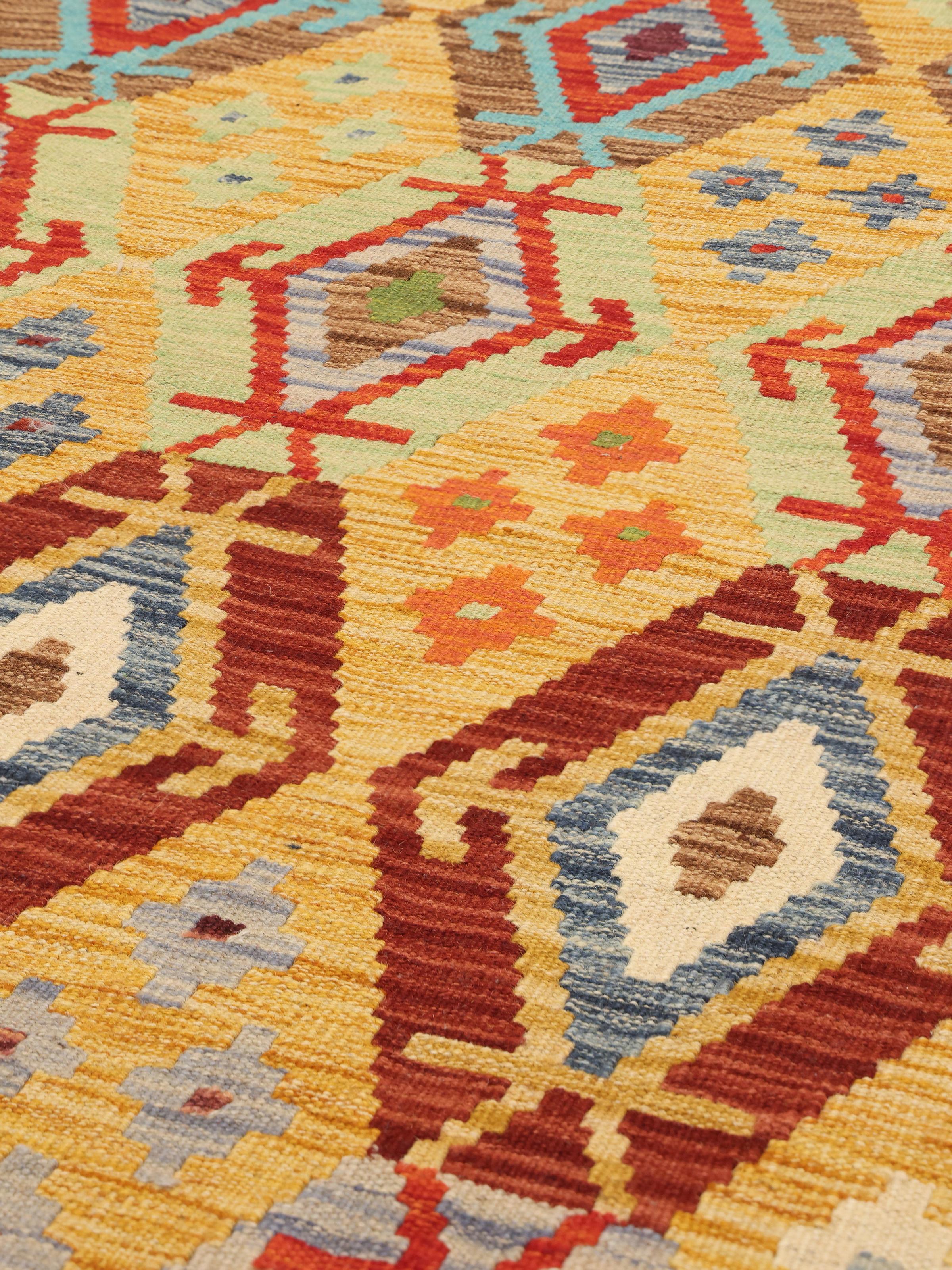
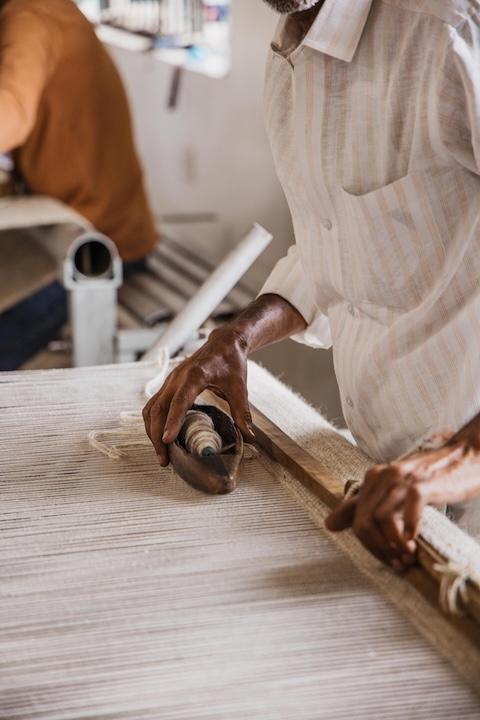
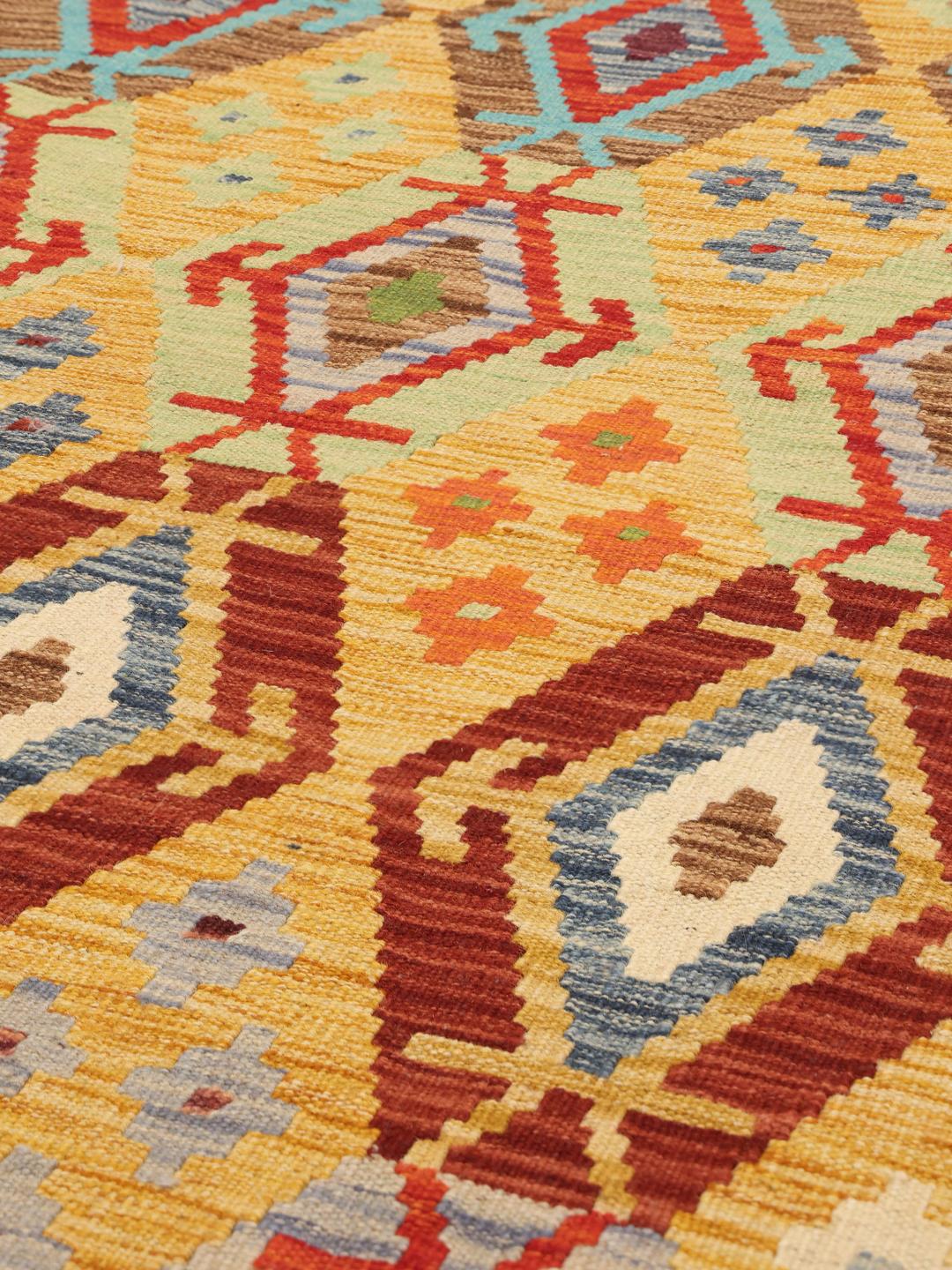
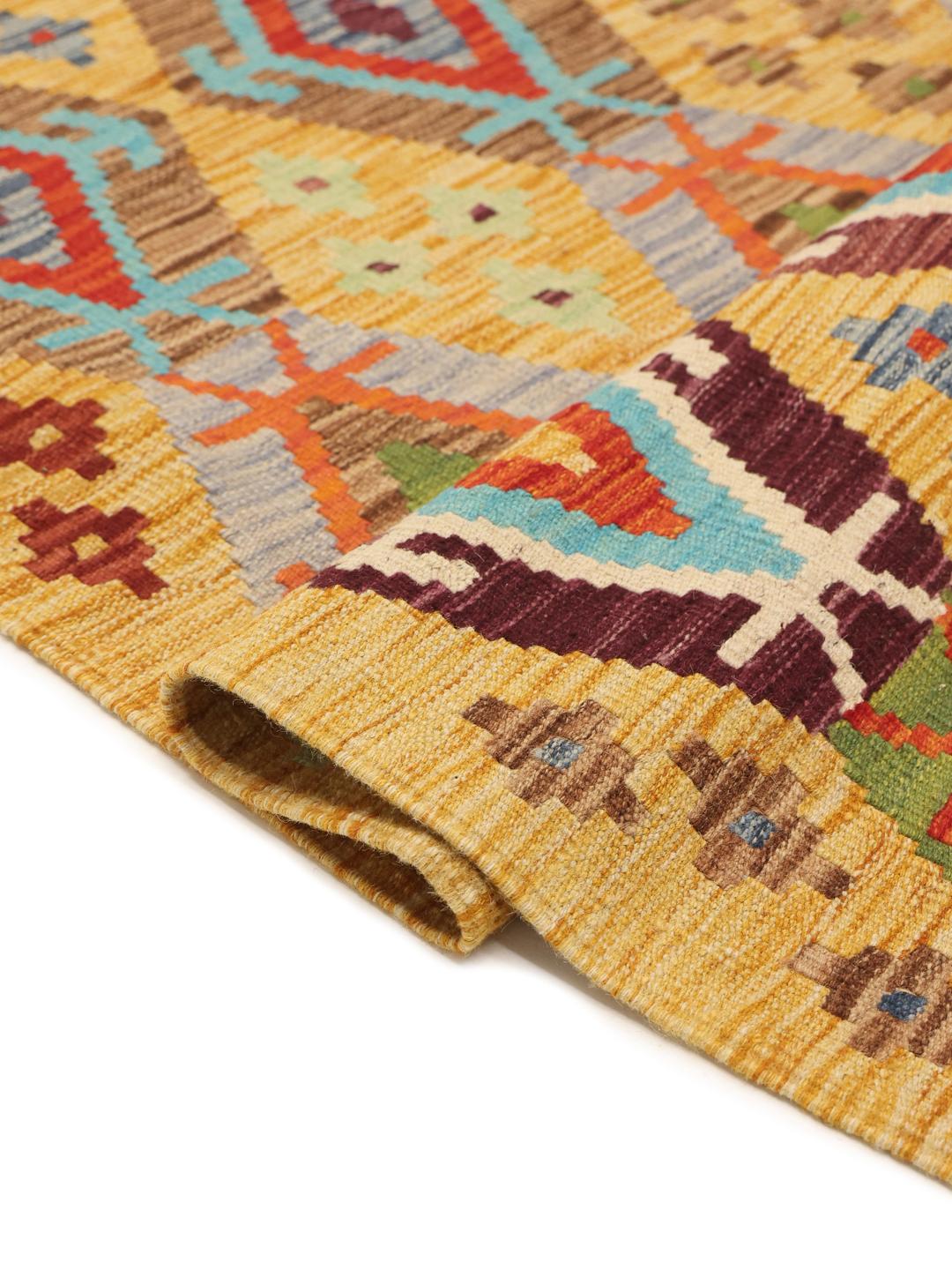
The term Kelim refers to a specific tapestry-weave technique where the weft threads are pulled tightly against the warp to create a smooth, pileless surface. This method is highly valued for its ability to produce crisp, clear geometric designs that are visible on both sides of the fabric. The result is a lightweight yet incredibly strong textile that showcases the technical mastery of the weaver.
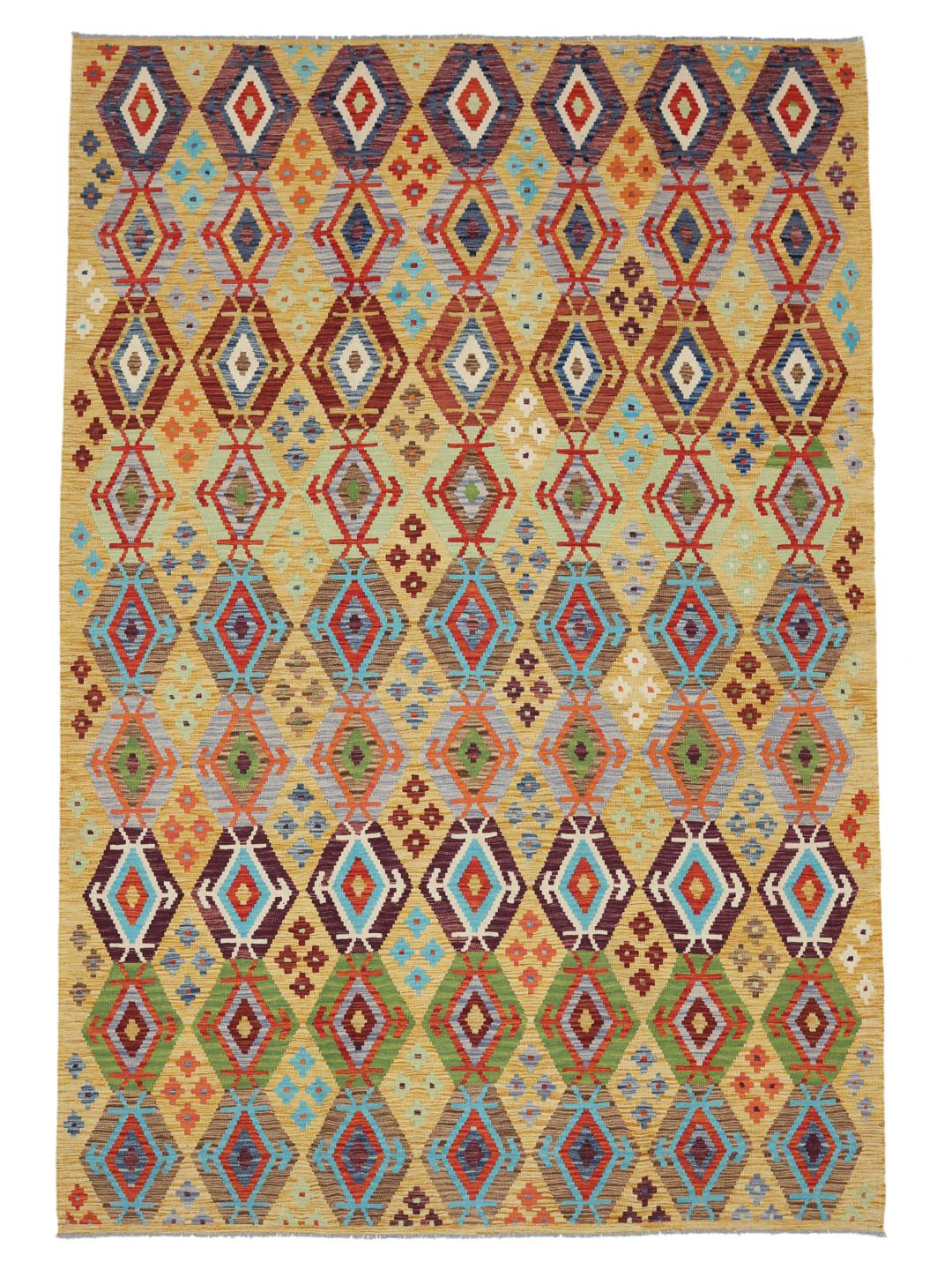
The design language of these rugs is defined by a bold use of geometric motifs, such as diamonds, triangles, and stylised floral elements. These patterns are often arranged in repeating sequences or central medallions, framed by intricate borders that reflect the regional aesthetics of the Afghan highlands. The use of vibrant, natural-inspired colours makes each piece a striking focal point.
Collecting a Kelim is an investment in cultural heritage. These pieces are not merely floor coverings but are records of a region's history, skill, and creative identity. Owning one means preserving an ancient craft, offering a sense of connection to the artisans who have passed down these techniques through generations of nomadic life.