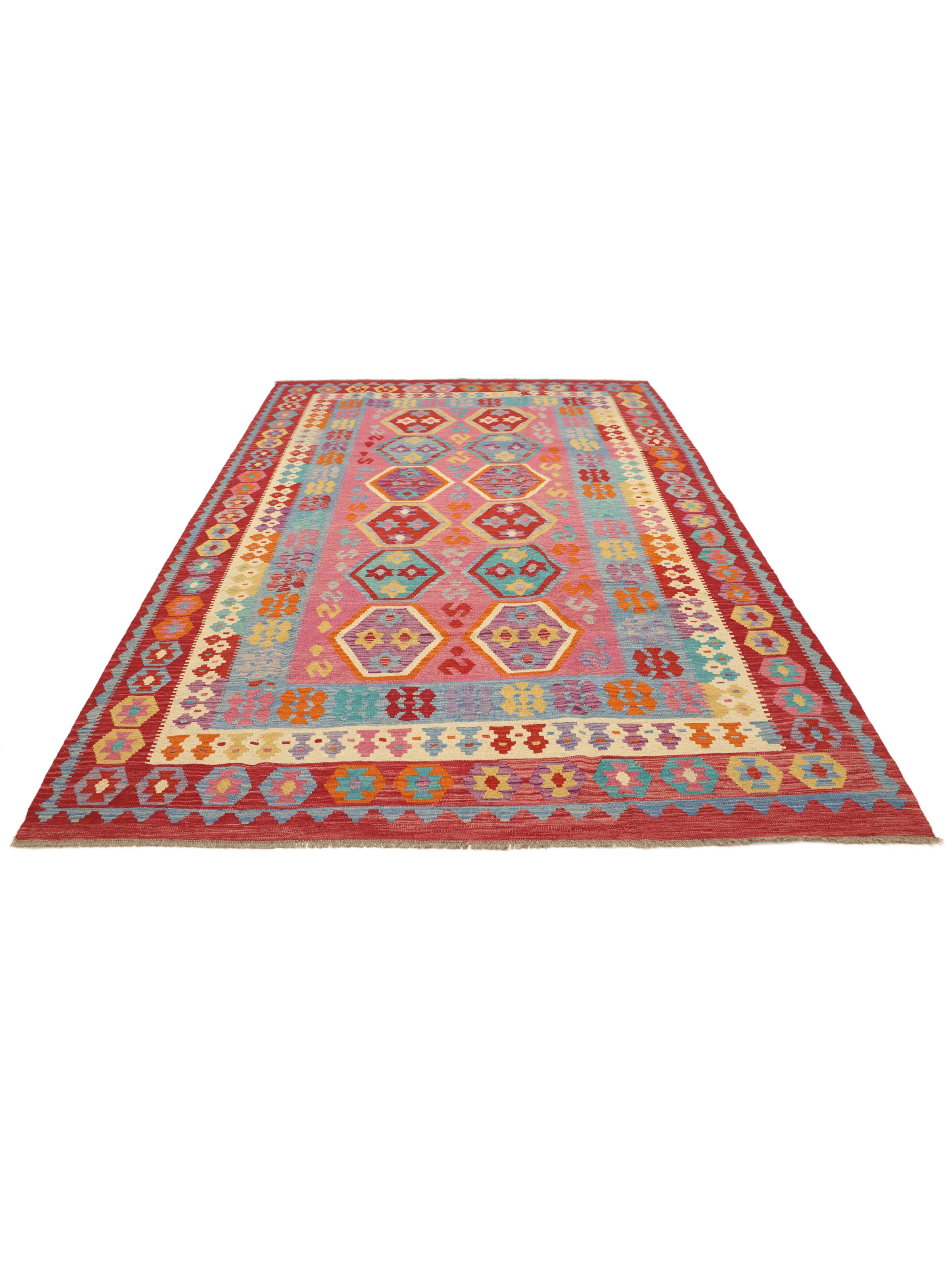
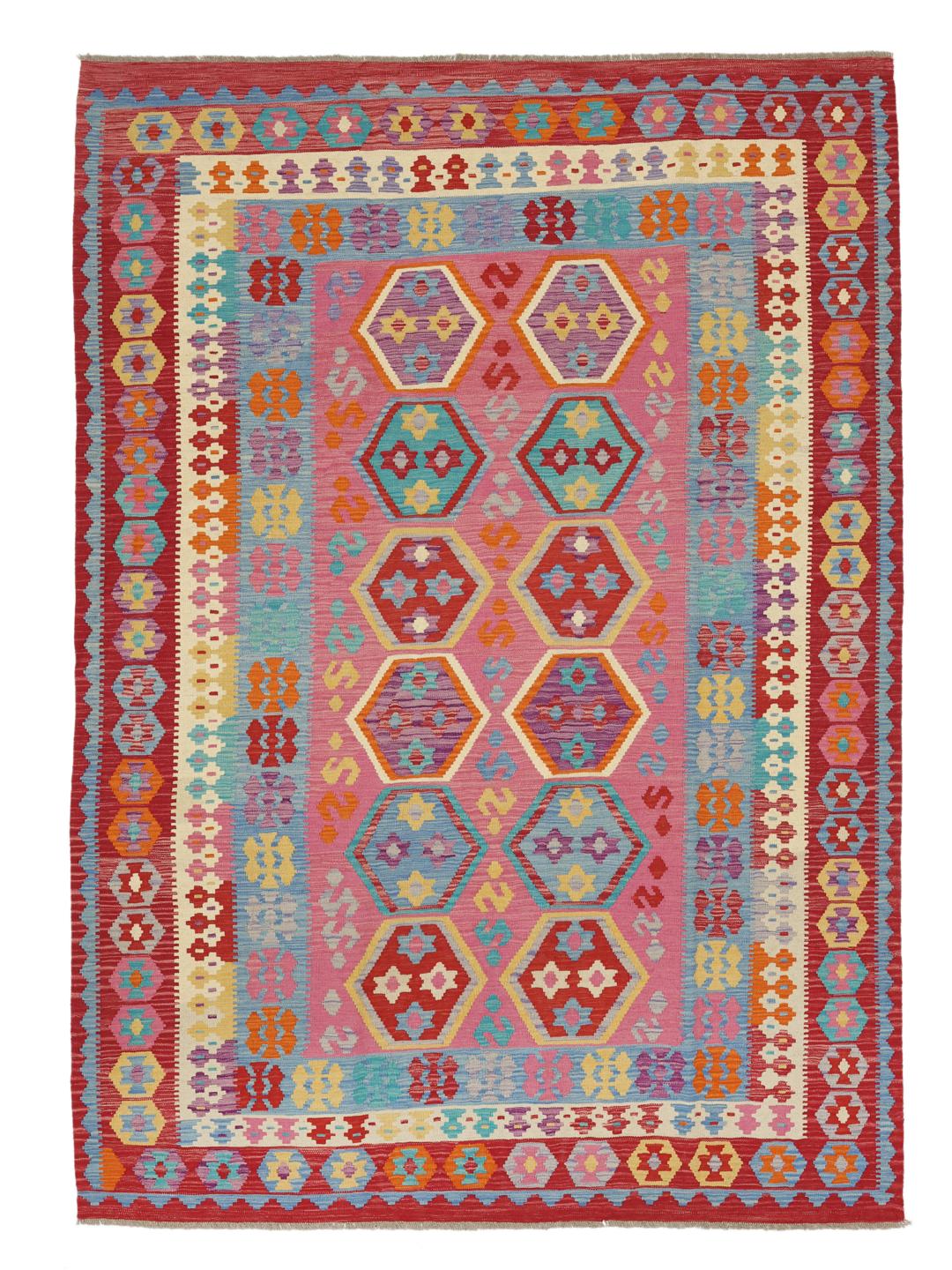
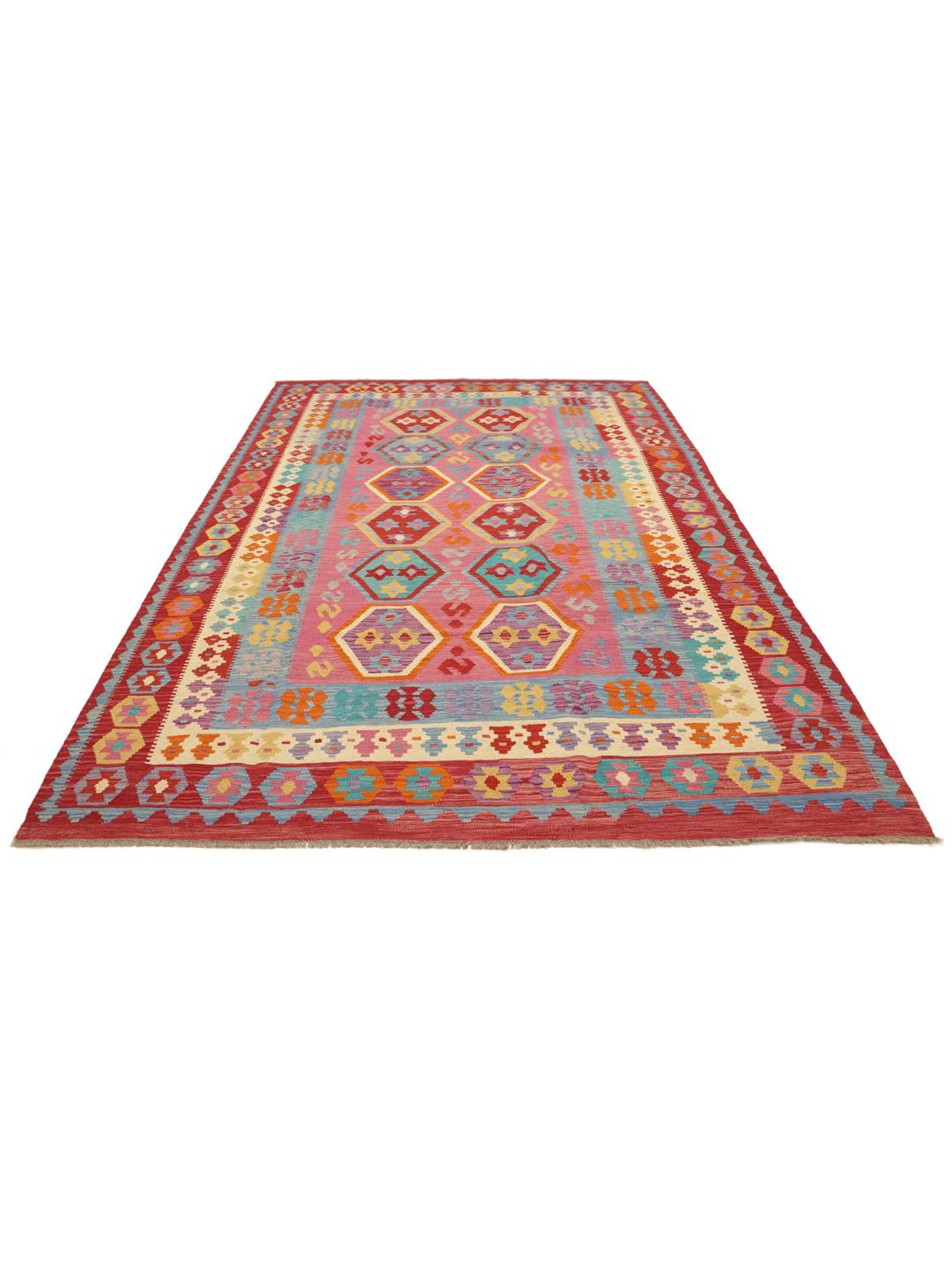
The Kelim, or Kilim, tradition is deeply rooted in the nomadic cultures of the Middle East and Central Asia. These flat-woven rugs were historically designed to be lightweight and versatile, serving as floor coverings, wall hangings, or even saddlebags for travelling tribes. The Afghan Kelim, in particular, has evolved into a celebrated art form, drawing on centuries of regional history where motifs were often used to express the weaver's personal history, family lineage, or hopes for the future.
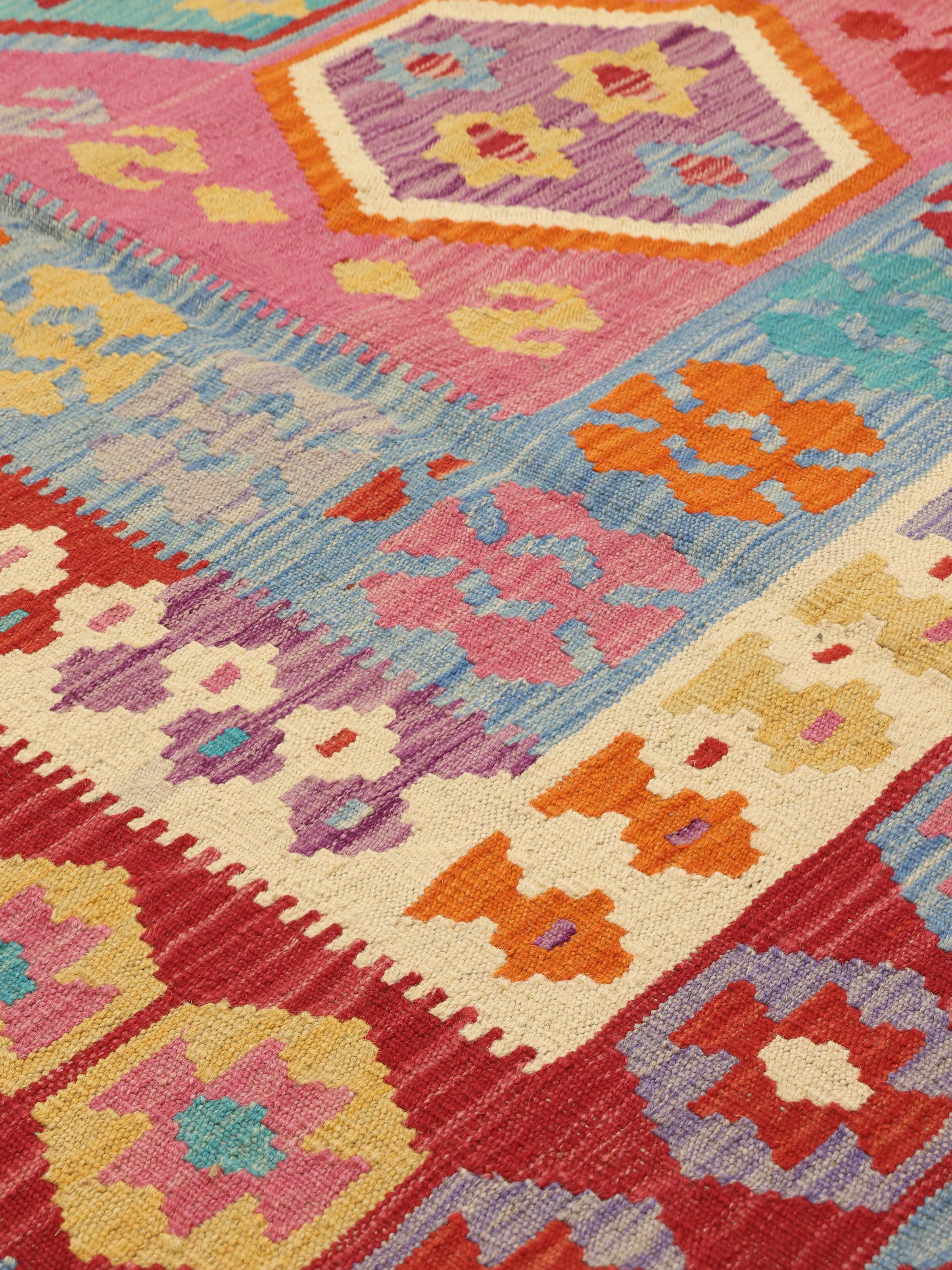
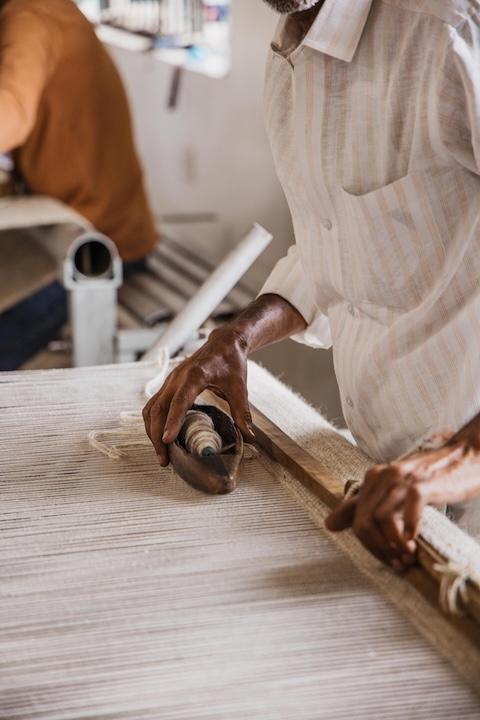
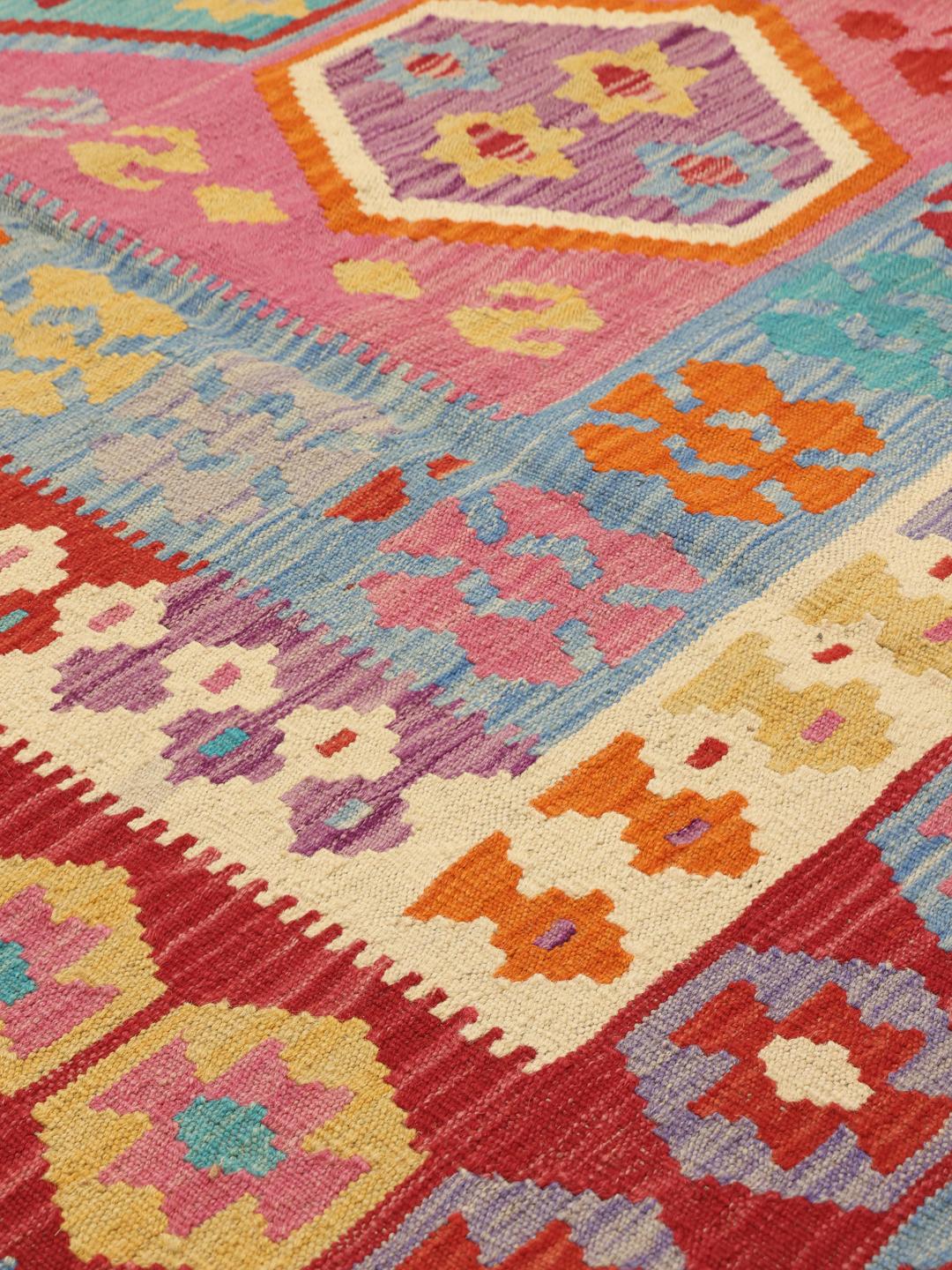
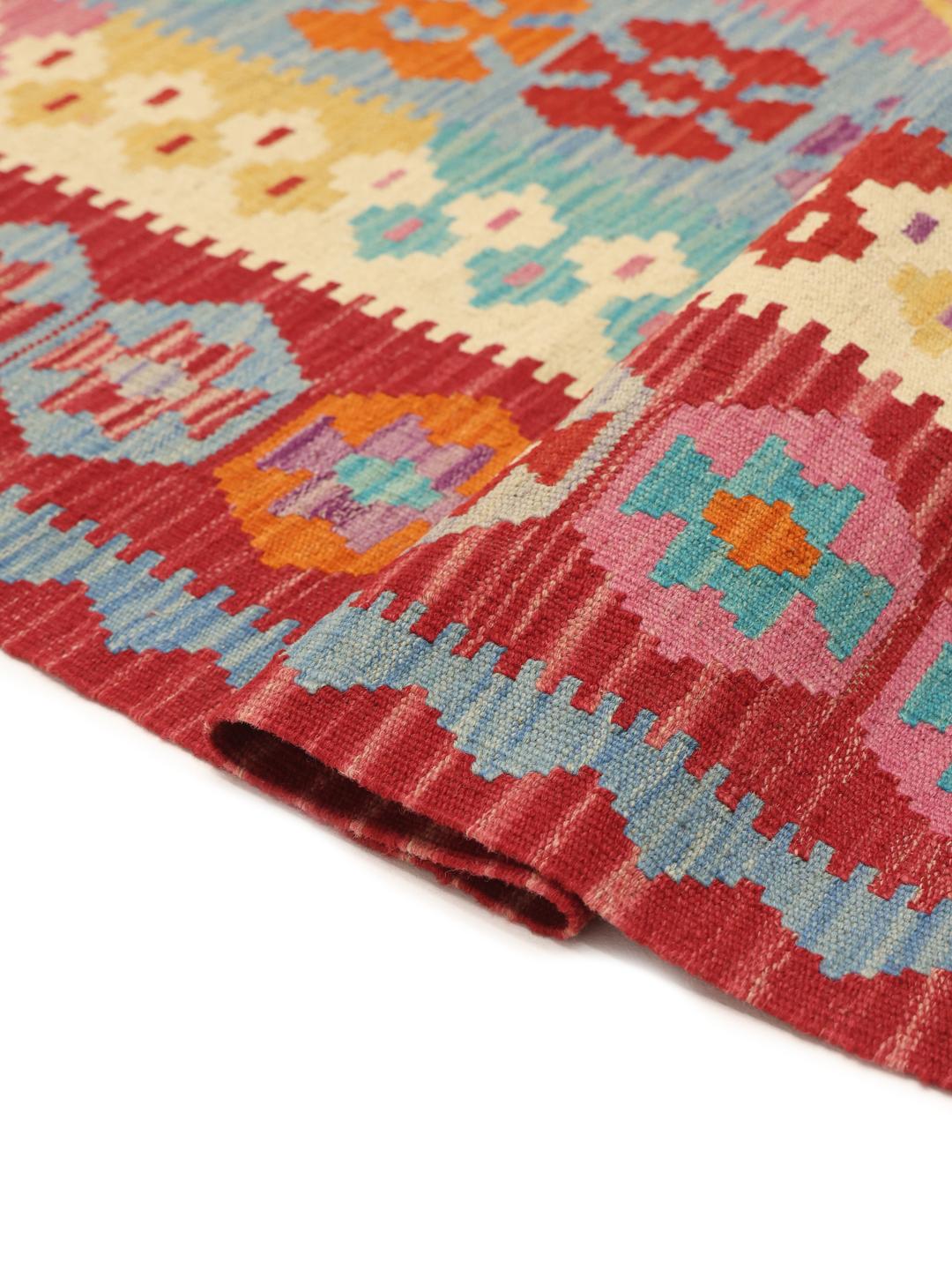
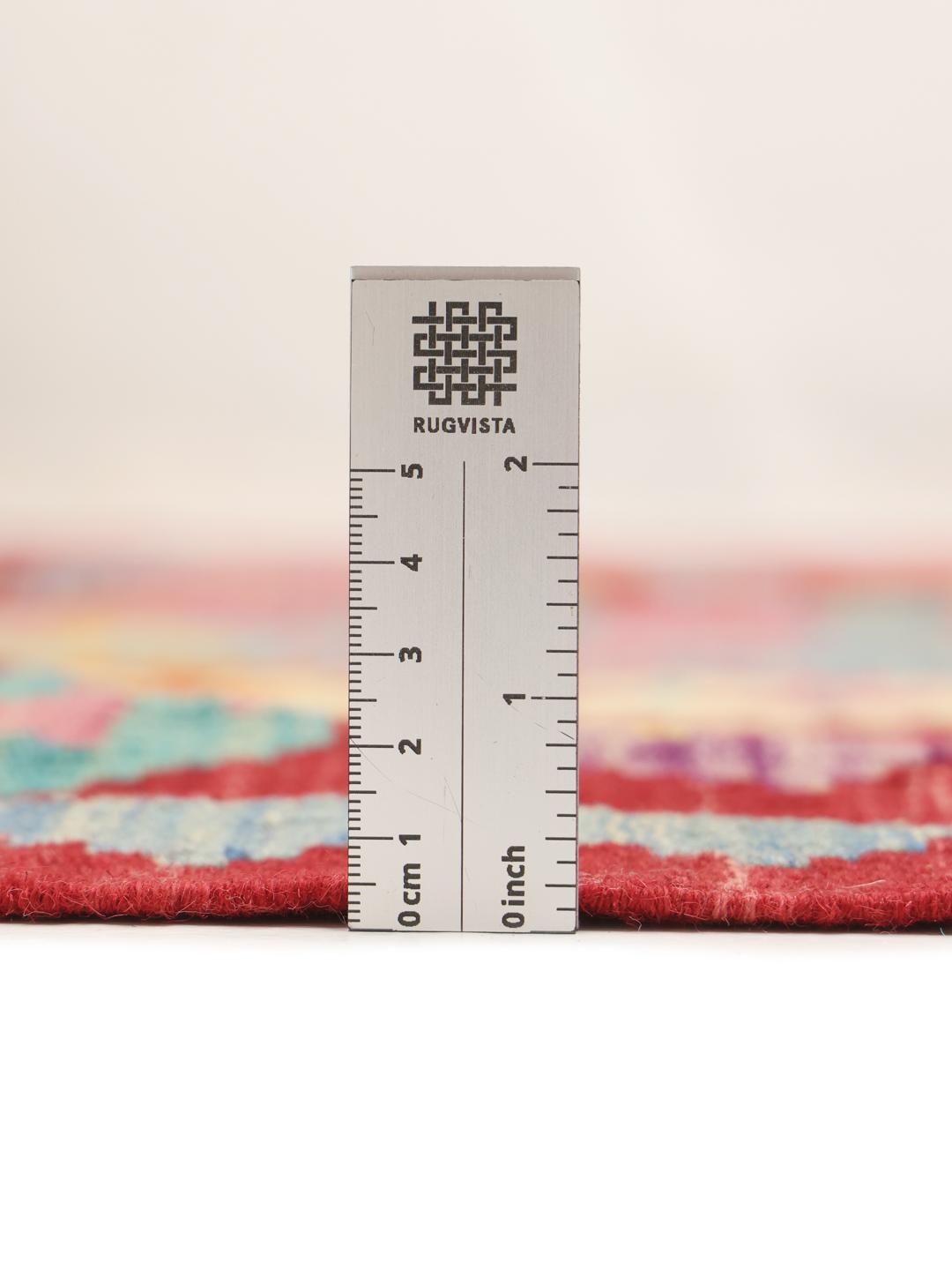
The flat-weave construction is what defines the Kelim category. Because there is no pile, the rug is created by interweaving the warp and weft threads to form the pattern directly into the structure of the fabric. This requires a high level of technical precision, as the weaver must plan the design in advance. This technique results in a reversible rug with a clean, smooth surface that highlights the clarity of the geometric motifs and the strength of the weave.
Signature design elements in Afghan Kelims often include bold, repeating geometric shapes and intricate borders that frame the composition. The use of vibrant, natural-looking colours is a hallmark of the style, often achieved through traditional dyeing methods that produce deep, saturated hues. The interplay of these shapes, combined with a disciplined approach to symmetry, creates a visual language that is both complex and harmonious.
Collecting these rugs is an investment in cultural heritage. Because they are handmade, they capture the spirit and skill of the artisan at a specific moment in time. They are valued not only for their beauty but for their role as a bridge between ancient nomadic traditions and modern interior design. Acquiring a Kelim is a way to bring a piece of history into your home, celebrating the human effort and artistic vision that define this storied craft.