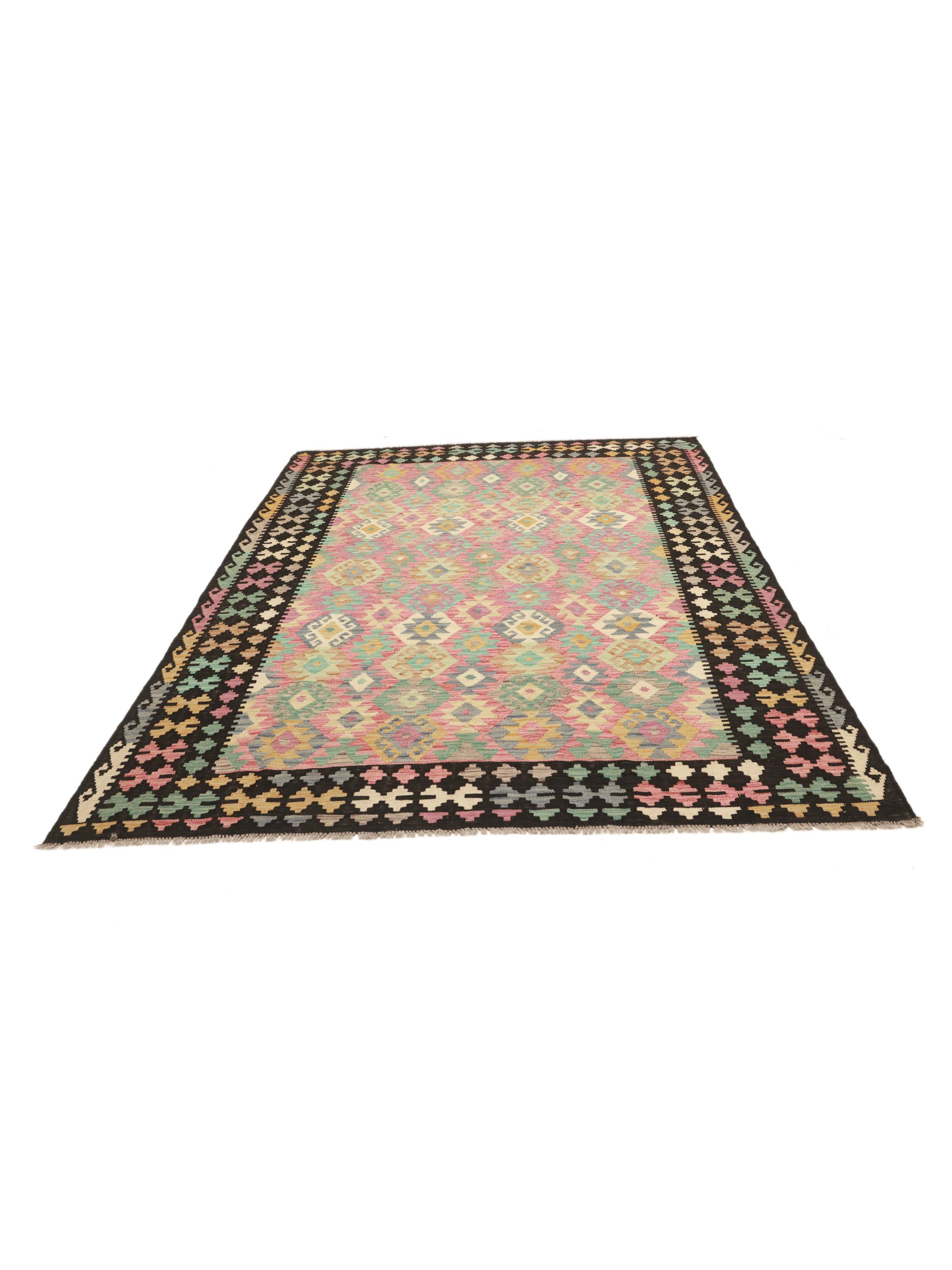
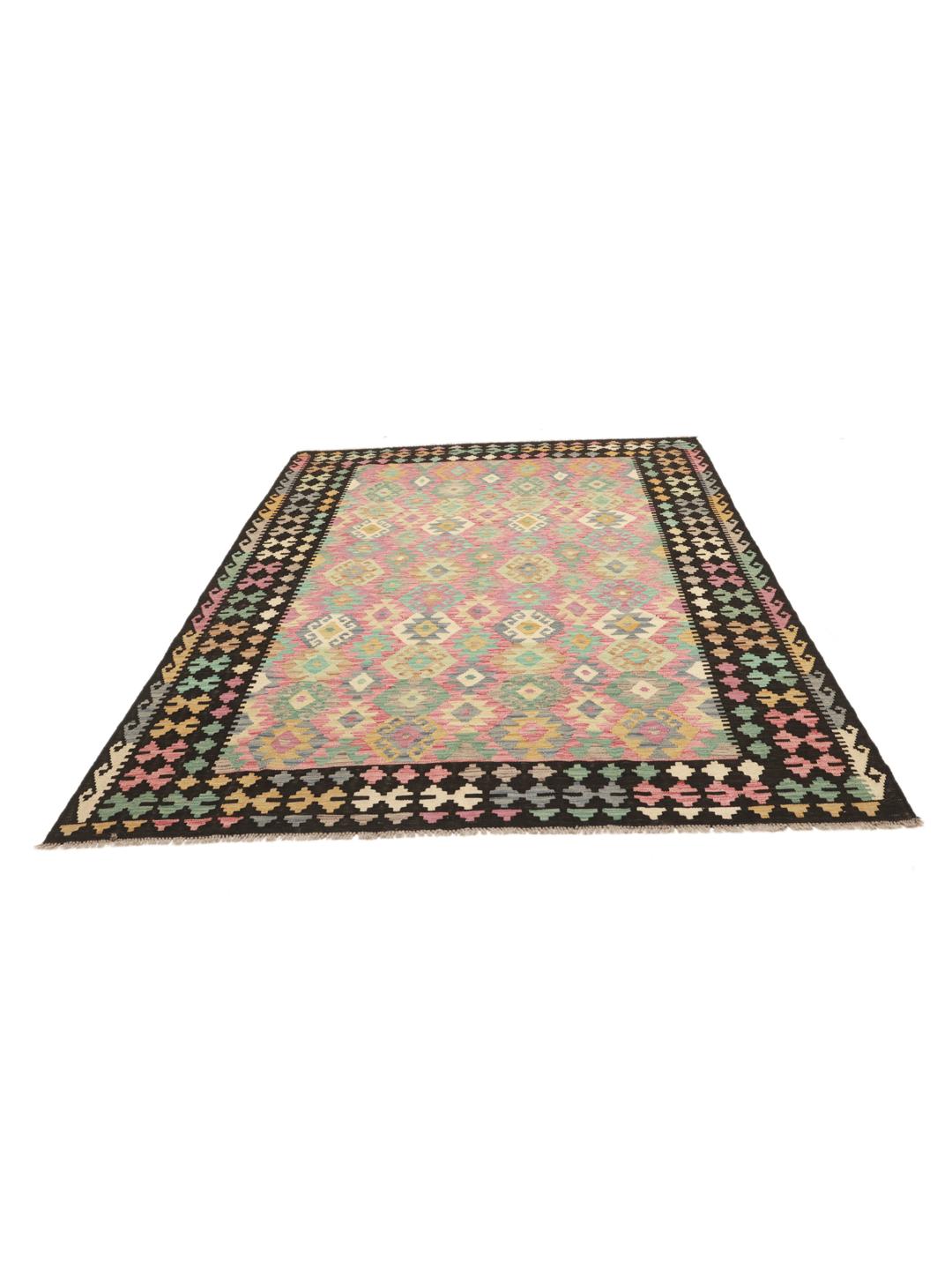
The Kelim tradition in Afghanistan is deeply rooted in the nomadic and semi-nomadic lifestyles of the region's diverse ethnic groups. Historically, these flat-woven textiles were crafted as functional items for daily use, serving as floor coverings, tent partitions, or storage sacks, with designs often reflecting the weaver's personal history and tribal identity.
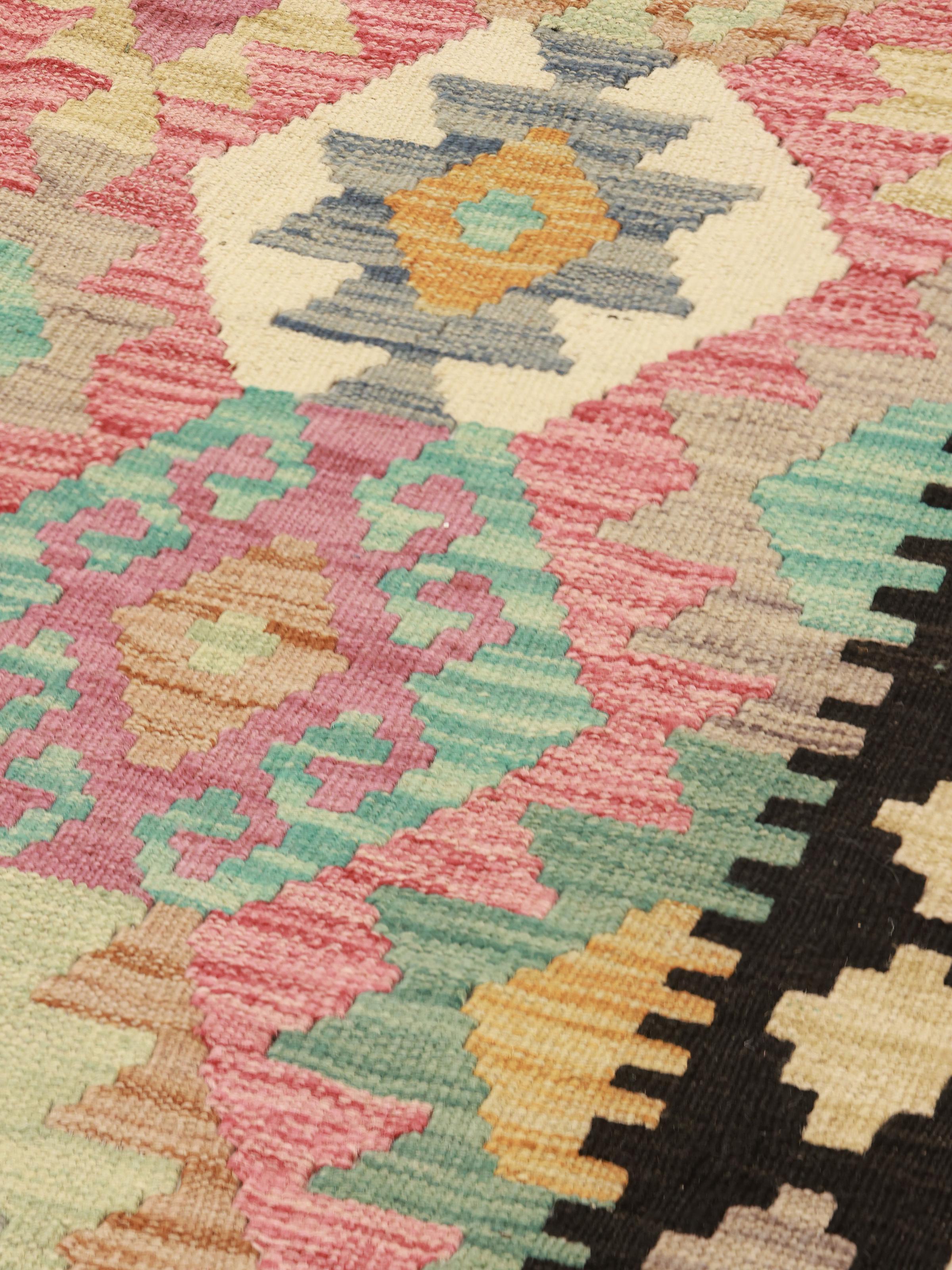
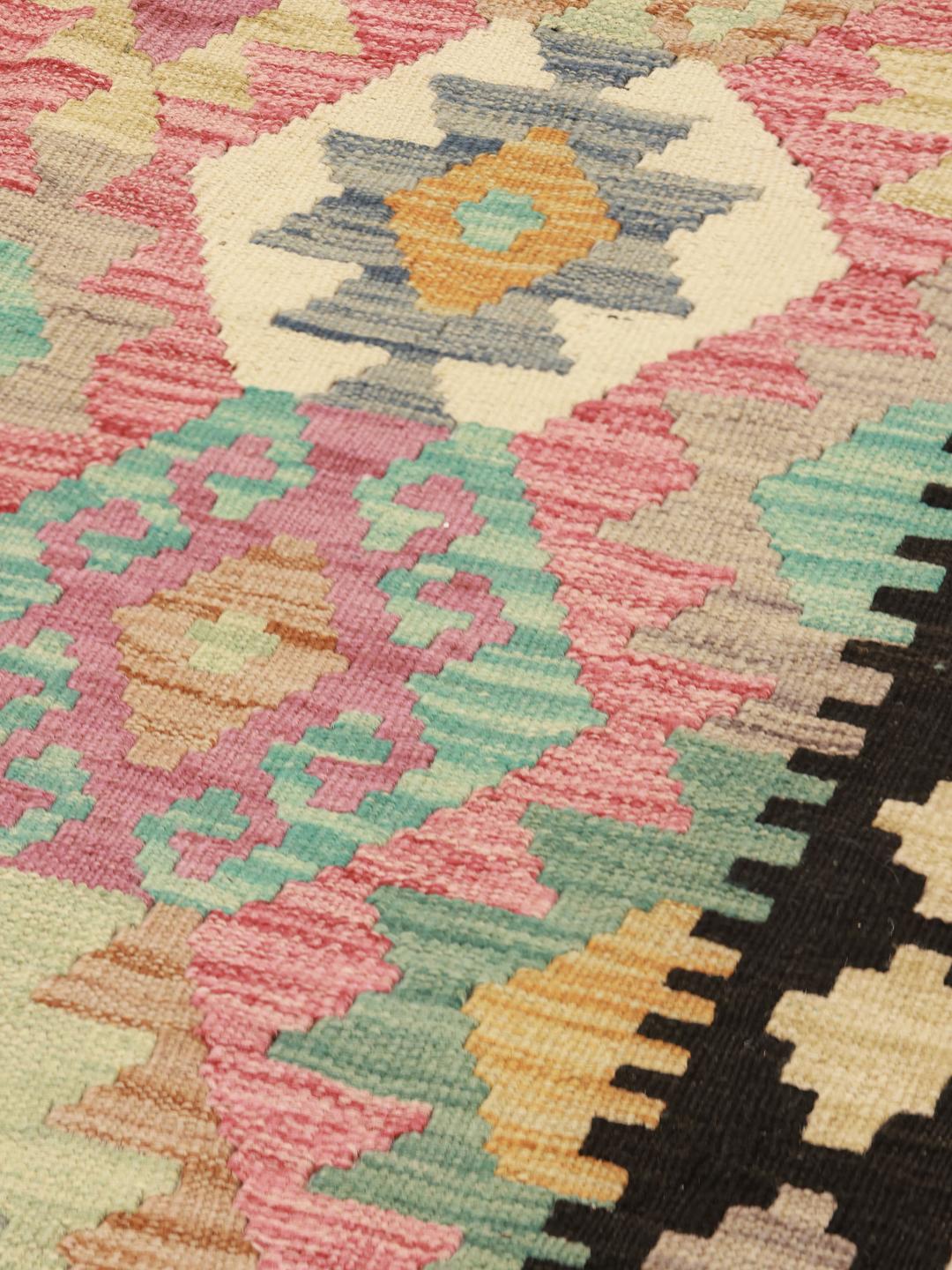
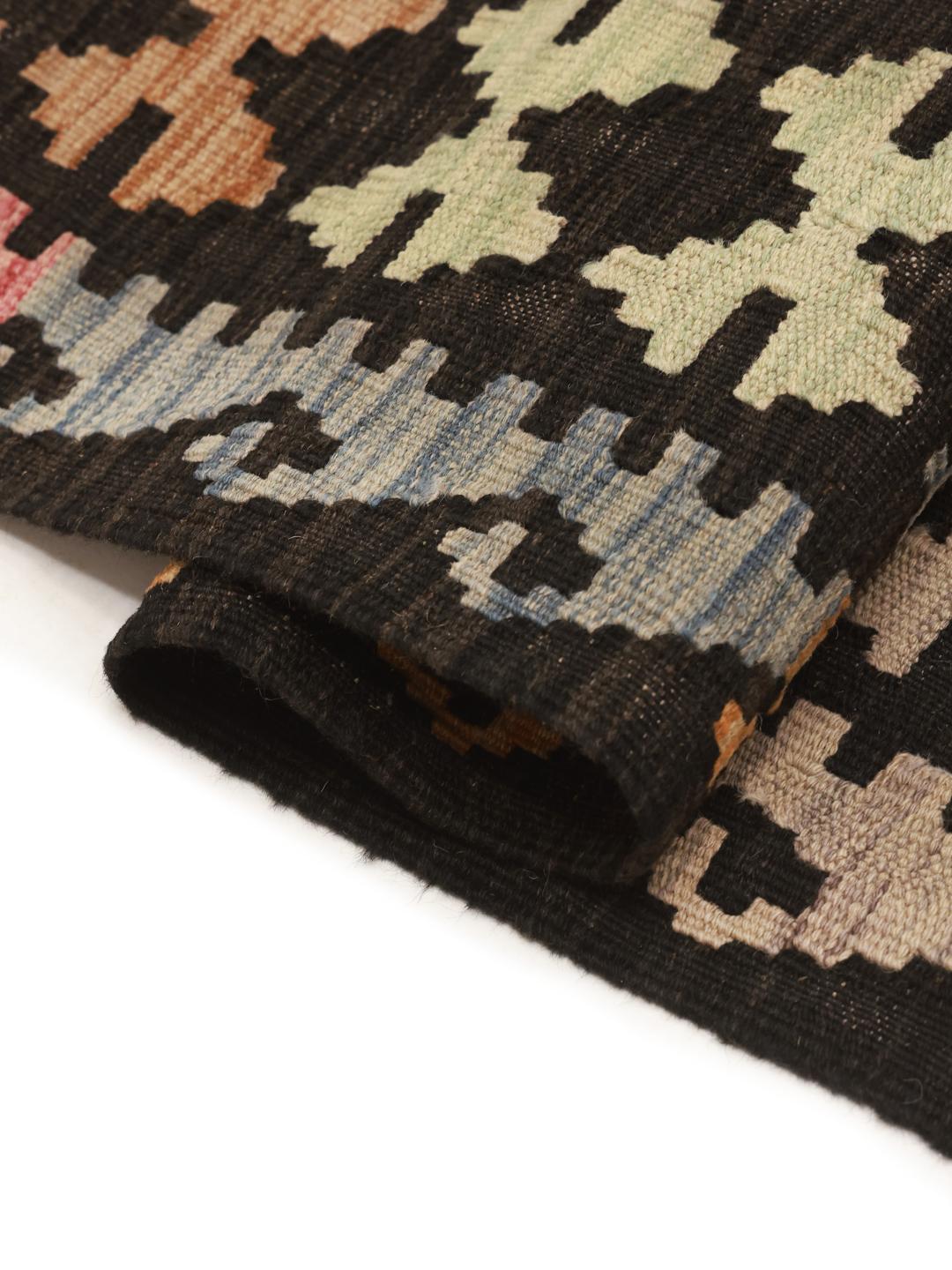
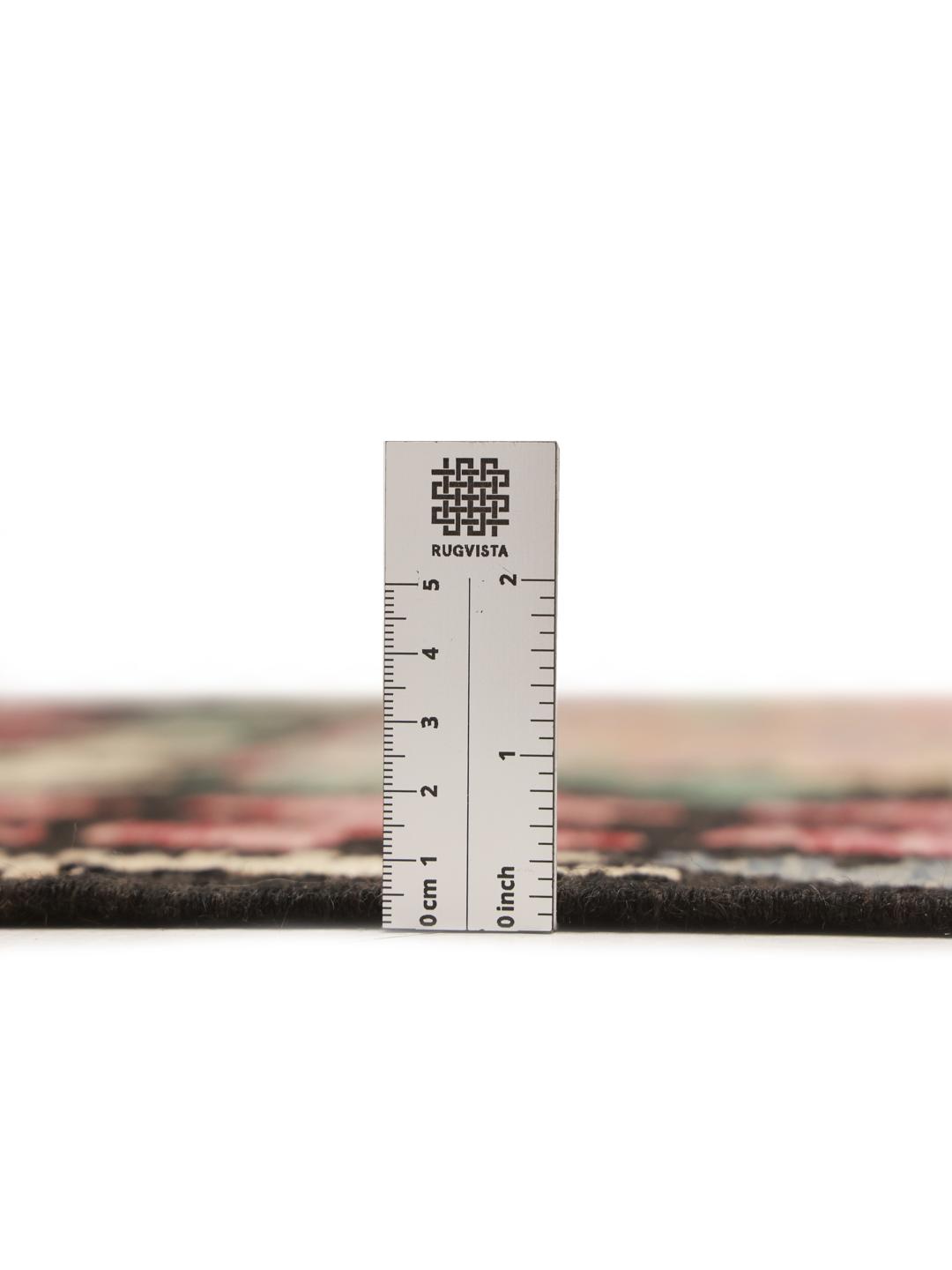
Unlike pile rugs, Kelims are created using a slit-weave technique, where the weft threads are woven back and forth through the warp to create distinct colour blocks. This method is what gives the rug its iconic, clean-lined appearance and makes it exceptionally durable, as the lack of pile prevents wear that might otherwise affect a traditional knotted rug.
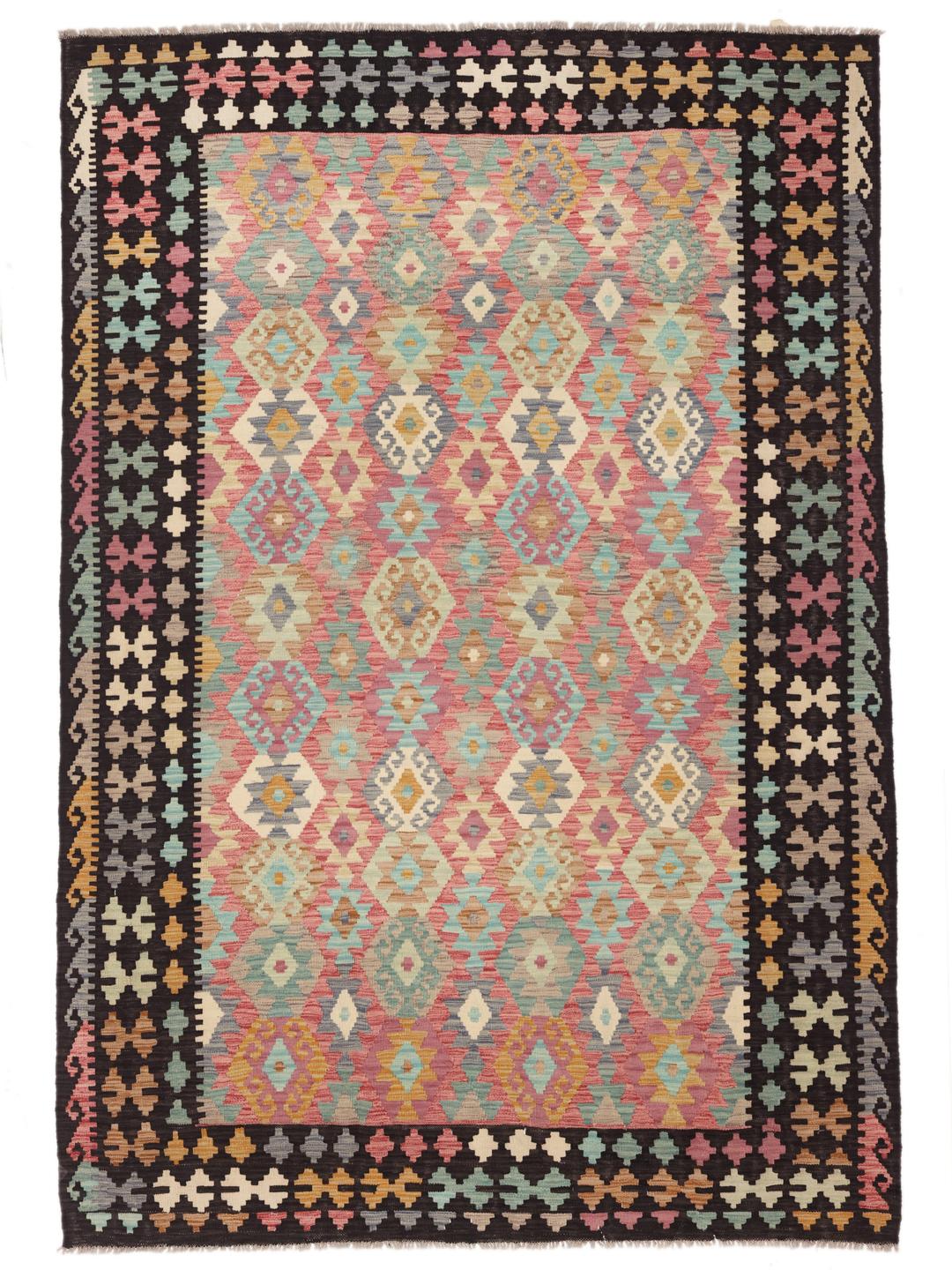
The design language of these rugs is defined by bold, repeating geometric patterns and medallions. In this particular piece, the interplay of colours and shapes creates a rhythmic, harmonious composition that is characteristic of the Afghan weaving style, often utilising a darker border to frame the intricate, vibrant field within.
Today, these rugs are highly valued by collectors and enthusiasts for their cultural significance and the raw, unadulterated skill they represent. Owning an Afghan Kelim is an investment in a storied craft tradition, offering a connection to a centuries-old way of life that prizes both utility and artistic expression in equal measure.