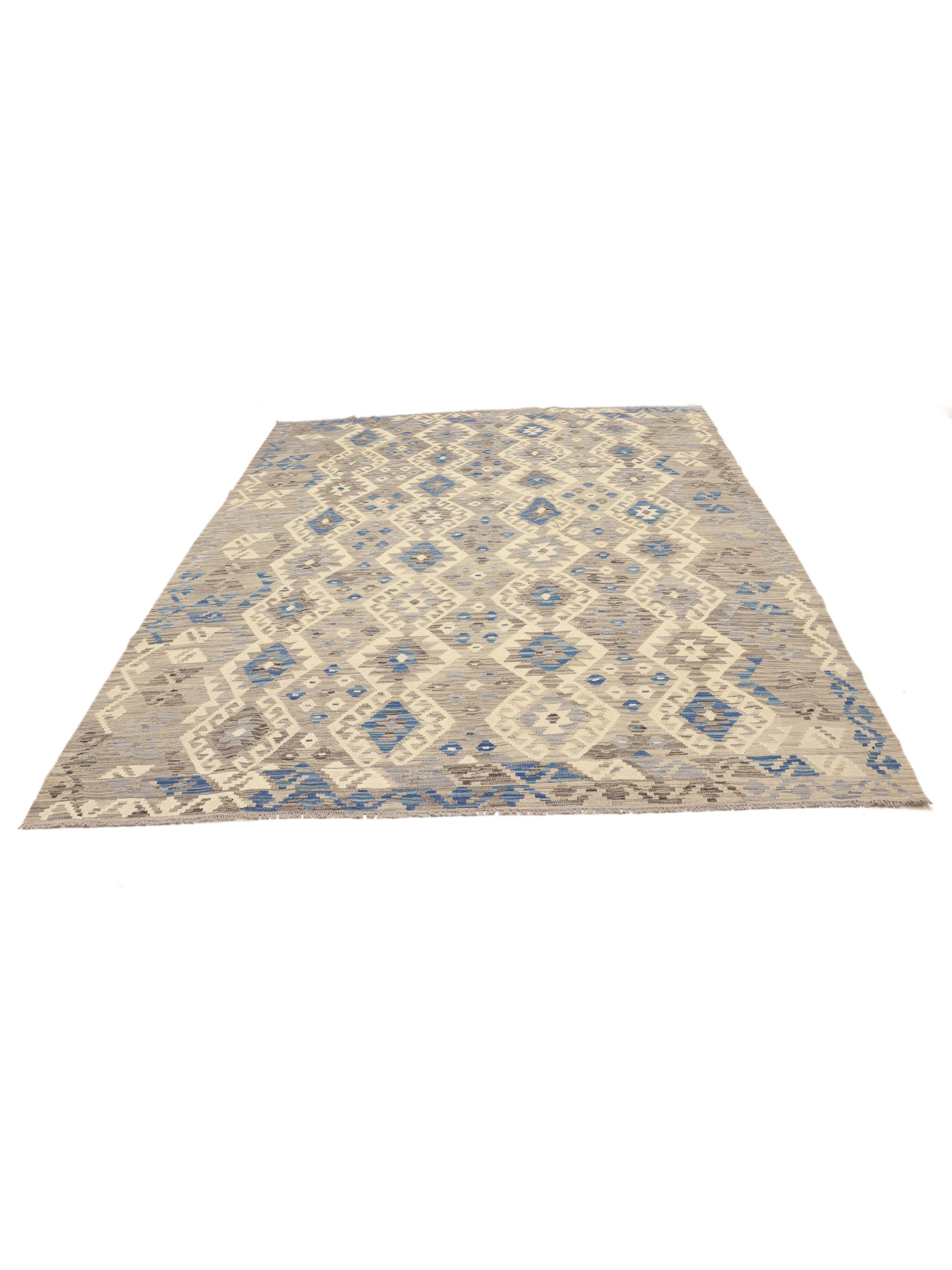
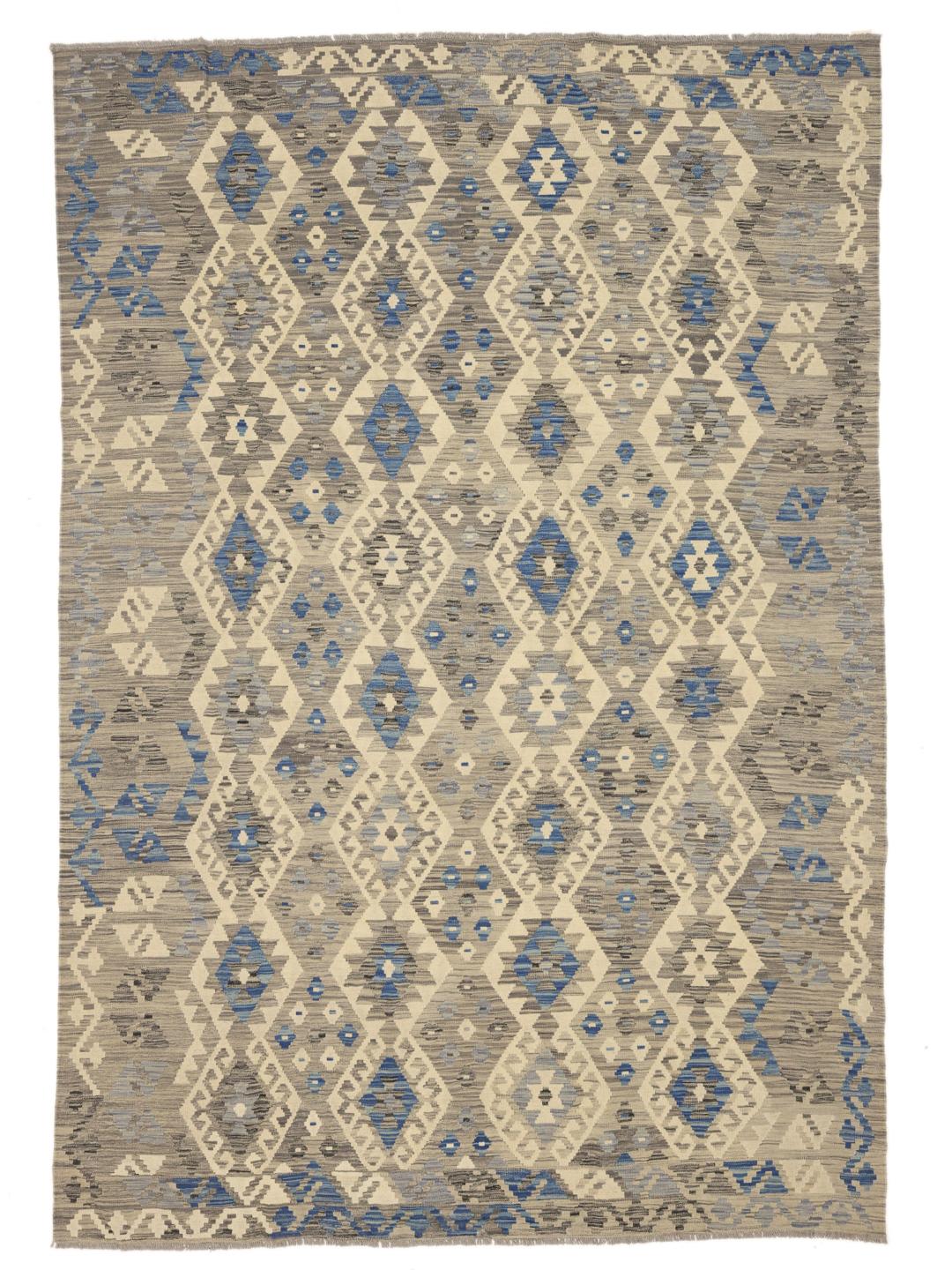
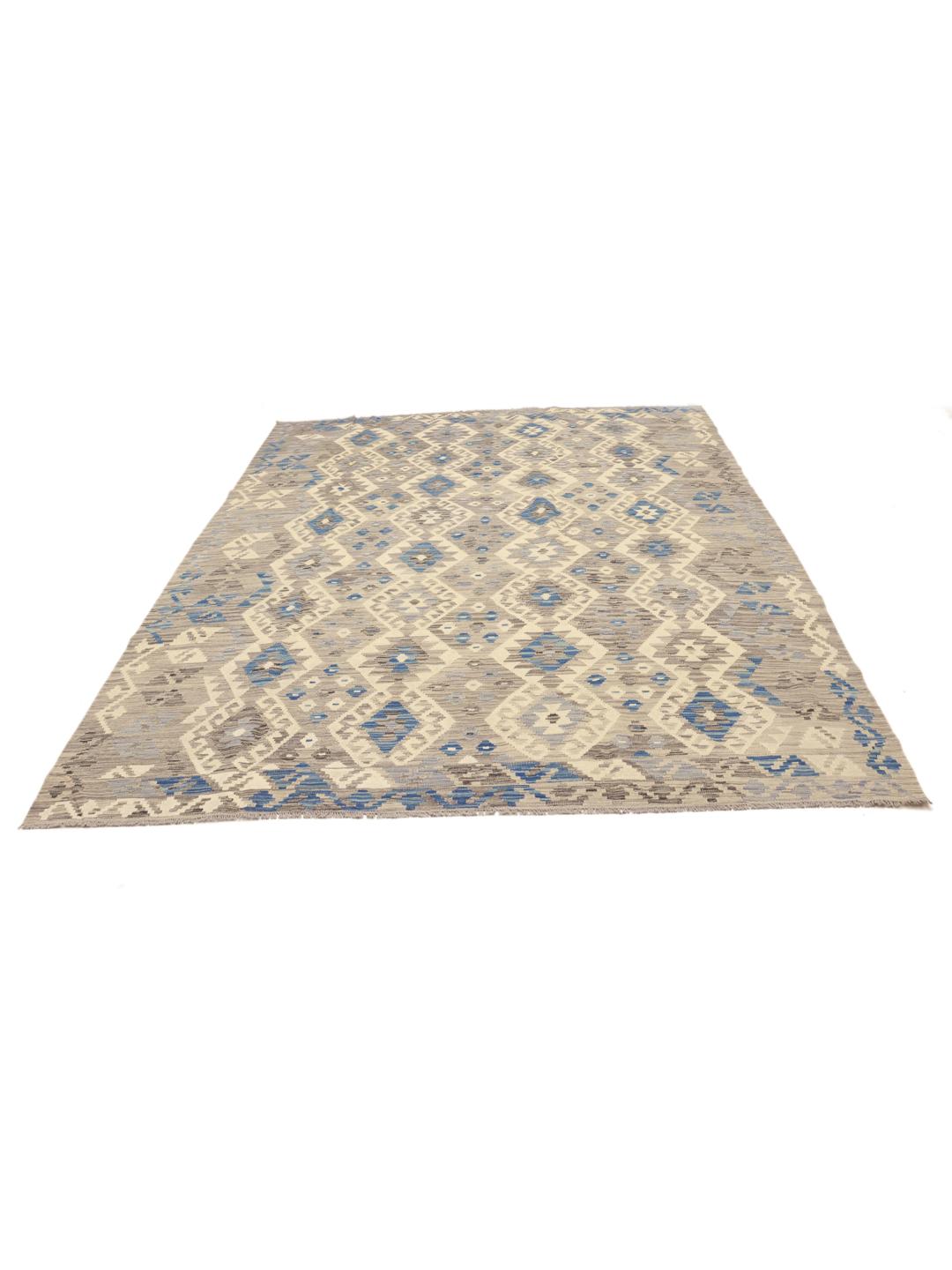
The Kelim tradition in Afghanistan is deeply rooted in the nomadic history of the region, where textiles served as essential, portable elements of daily life. These rugs have evolved from functional floor coverings in tribal tents to celebrated pieces of decor, bridging the gap between ancient necessity and contemporary interior design.
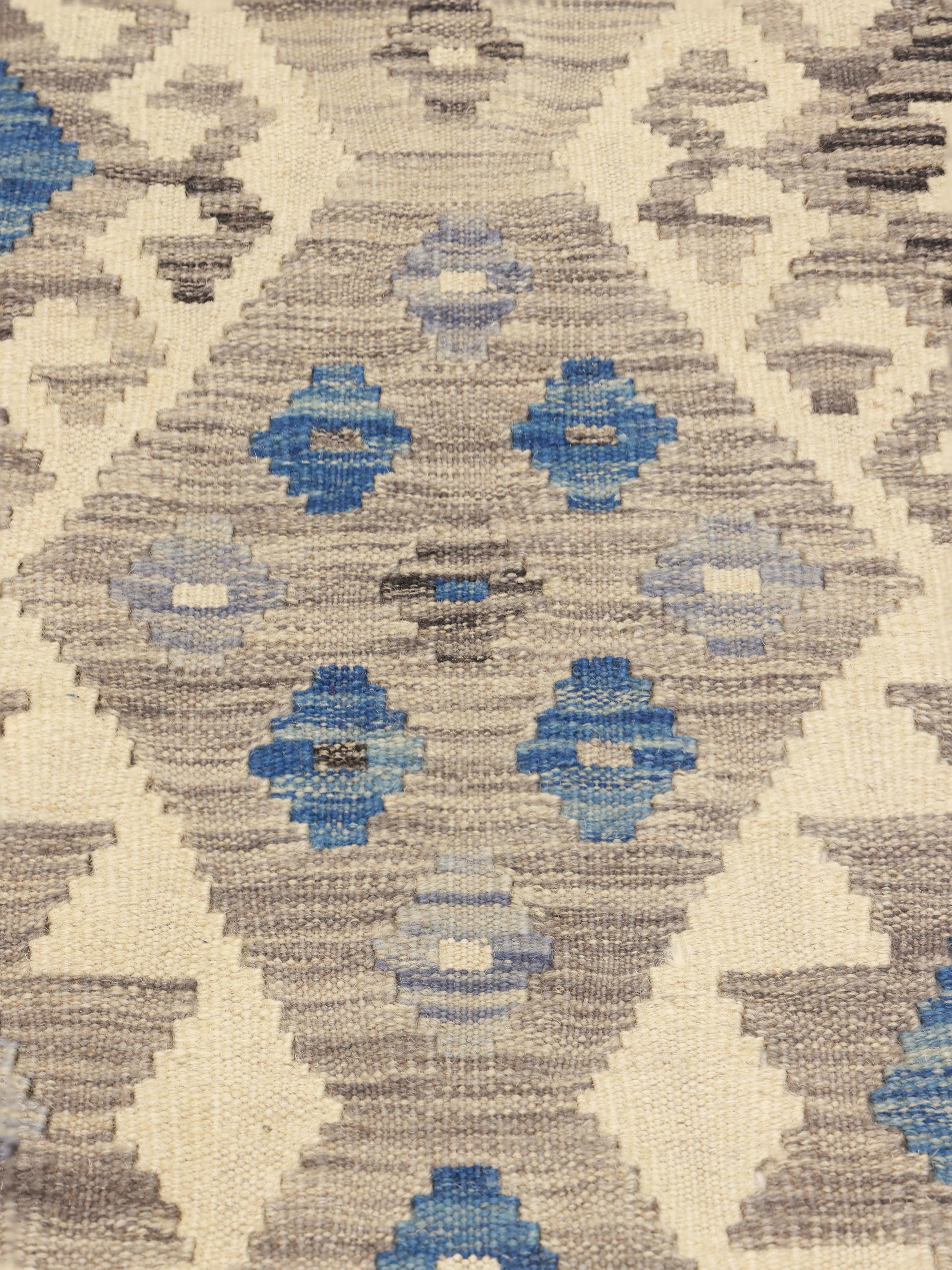
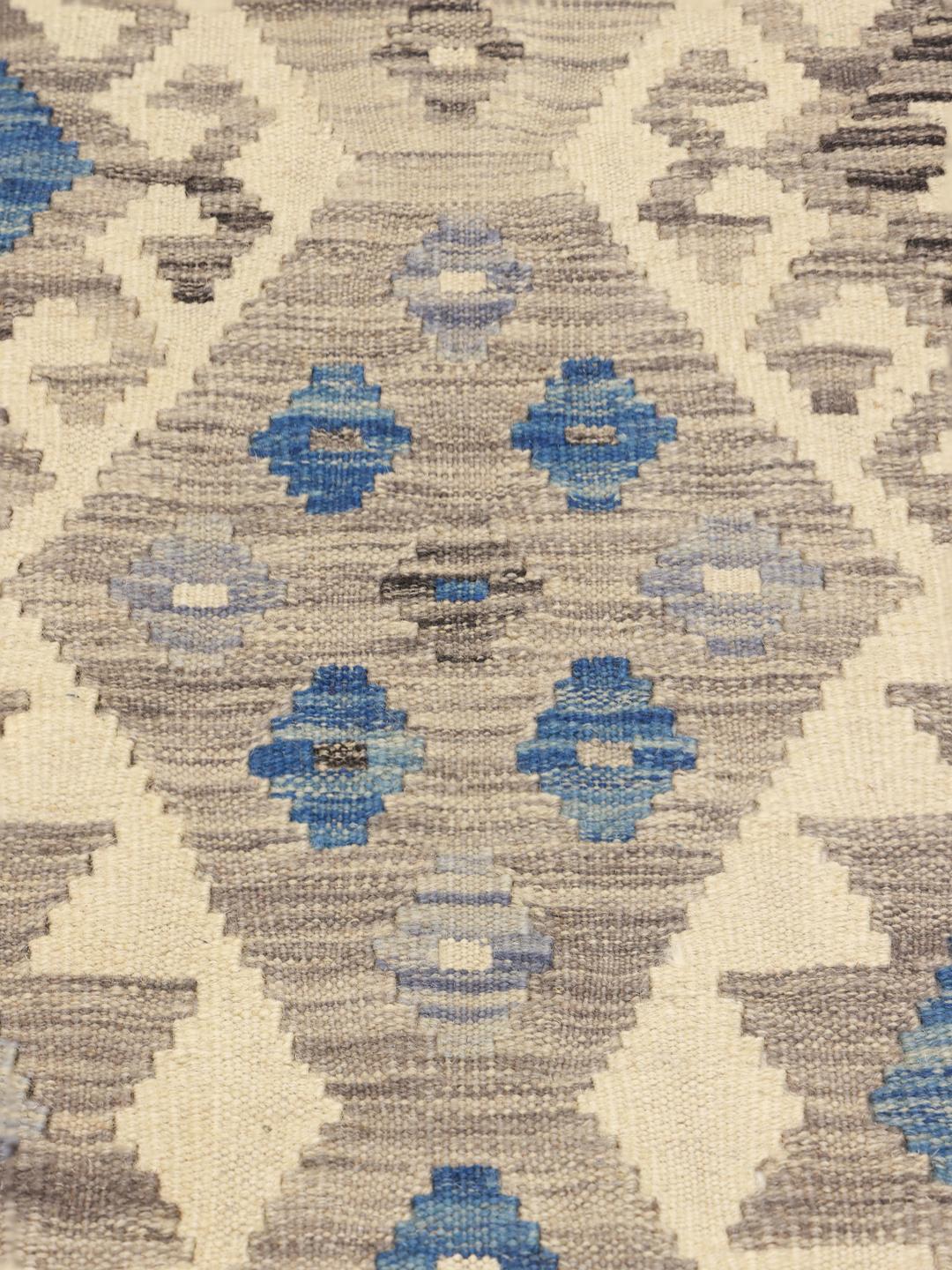
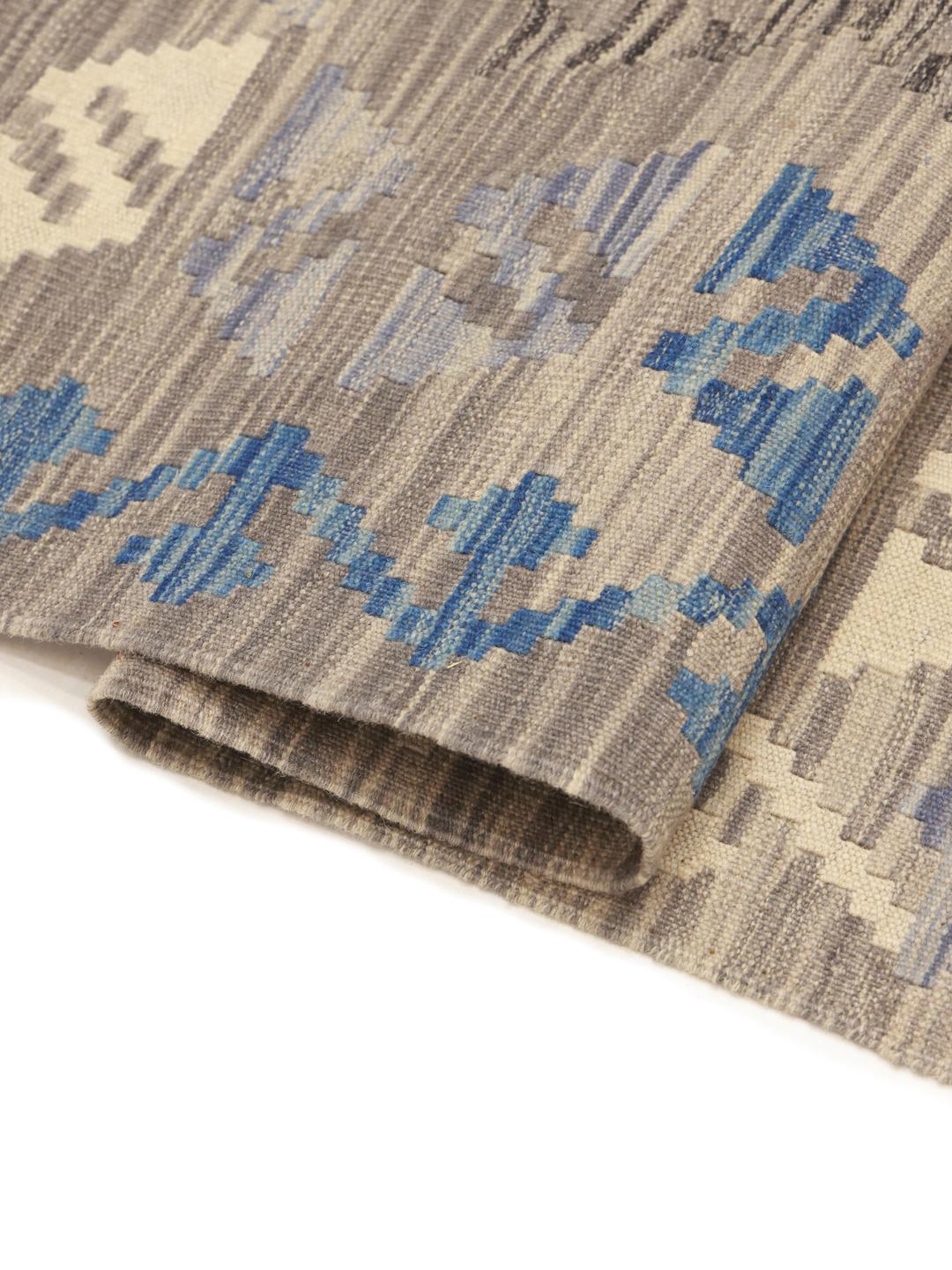
The term 'Kelim' refers to the specific flat-weave technique used to create these pieces. Unlike pile rugs, Kelims are constructed by interweaving the coloured weft threads through the warp, resulting in a smooth, durable surface. This method allows for sharp, crisp geometric patterns and a lightweight structure that is both versatile and easy to maintain.
Design elements in Afghan Kelims often feature strong geometric motifs, such as diamonds and triangles, which are deeply symbolic within the culture. These patterns are frequently arranged in repeating, symmetrical layouts that draw the eye and create a sense of order, while the colour palette is traditionally derived from natural dyes that soften beautifully over time.
Owning an Afghan Kelim is an invitation to connect with a storied tradition of craftsmanship. These rugs are highly valued by collectors not just for their aesthetic beauty, but for the skill required to execute such precise patterns without the aid of modern machinery. It represents a piece of cultural heritage that brings genuine warmth and history into a modern home.