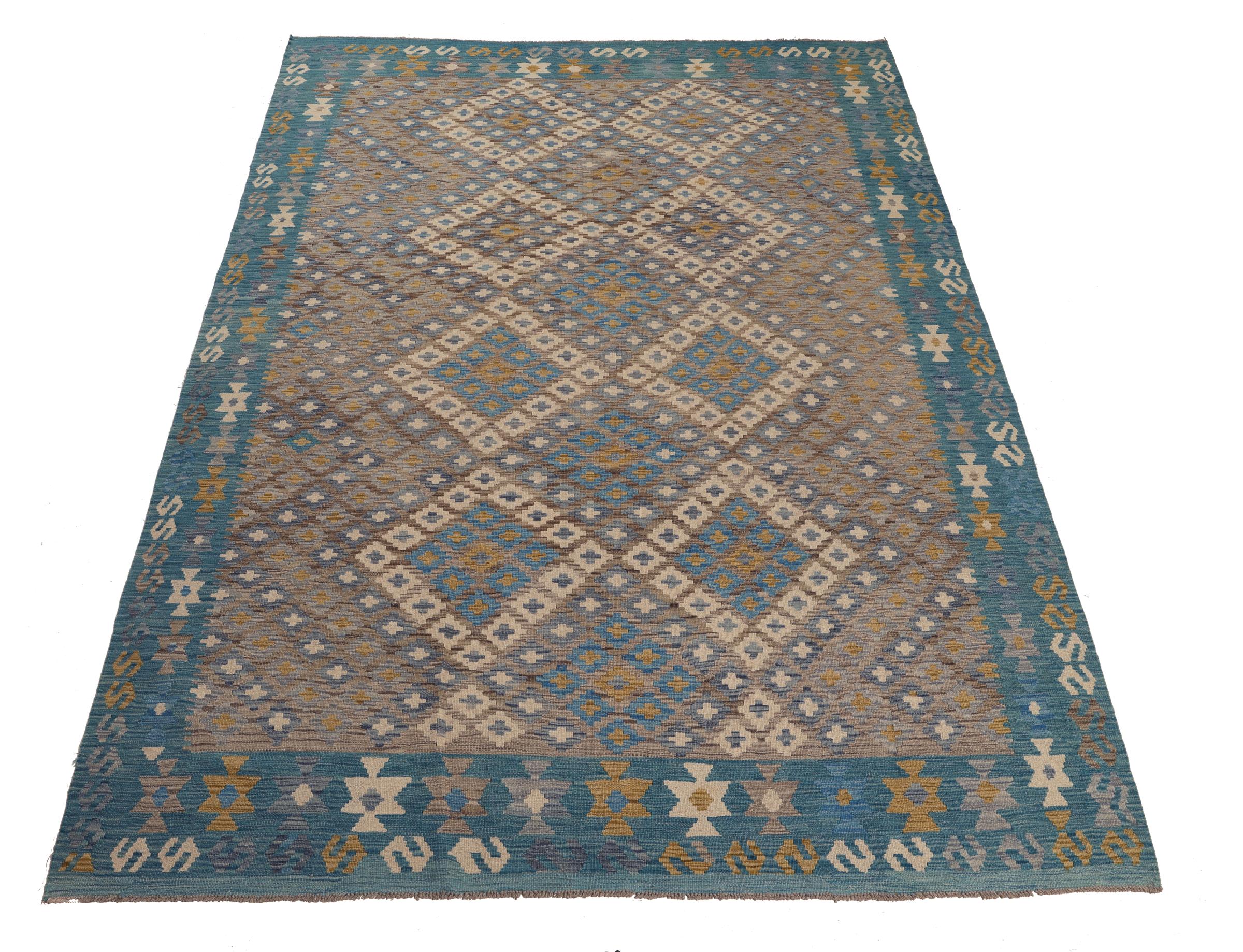
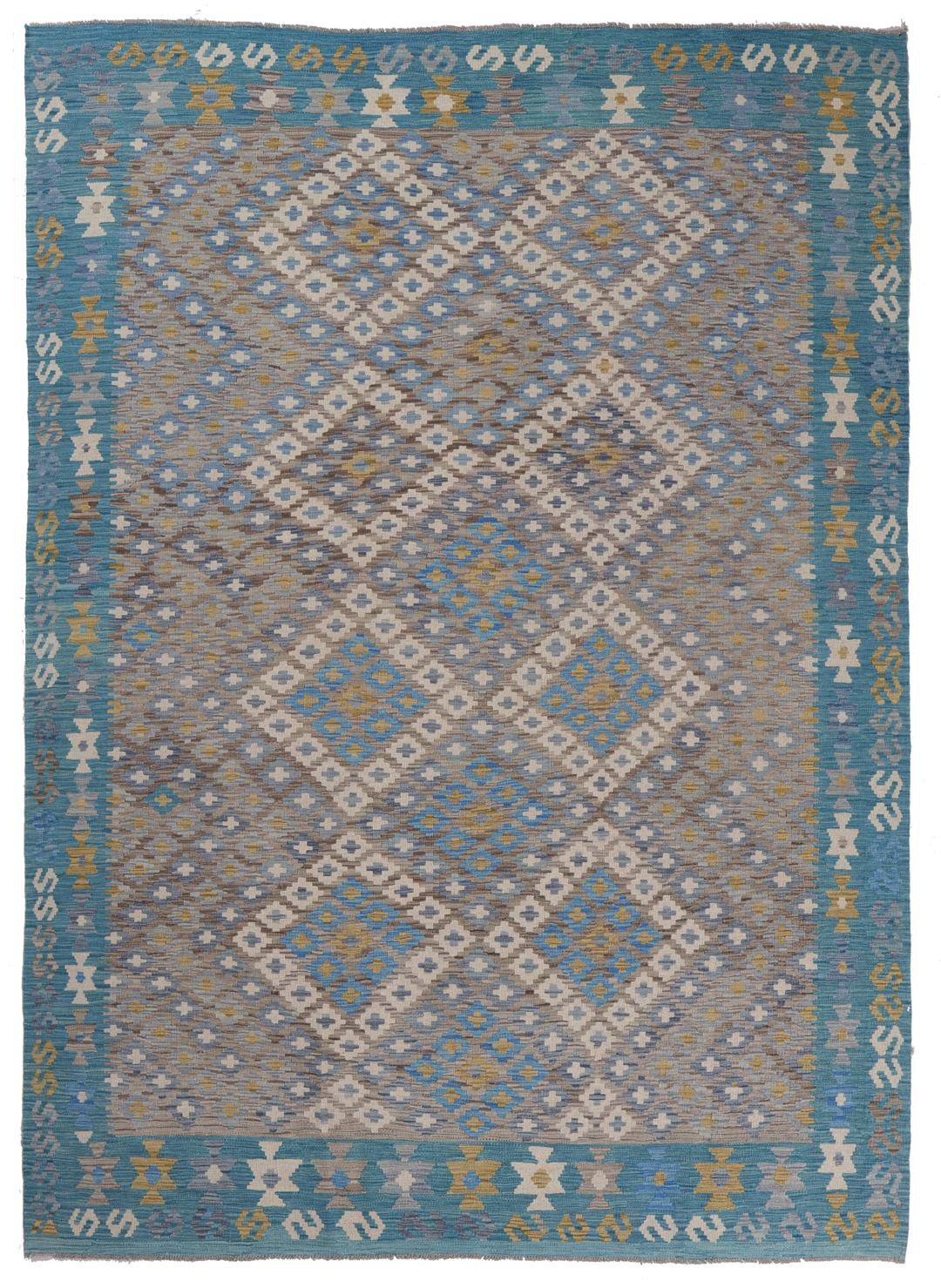
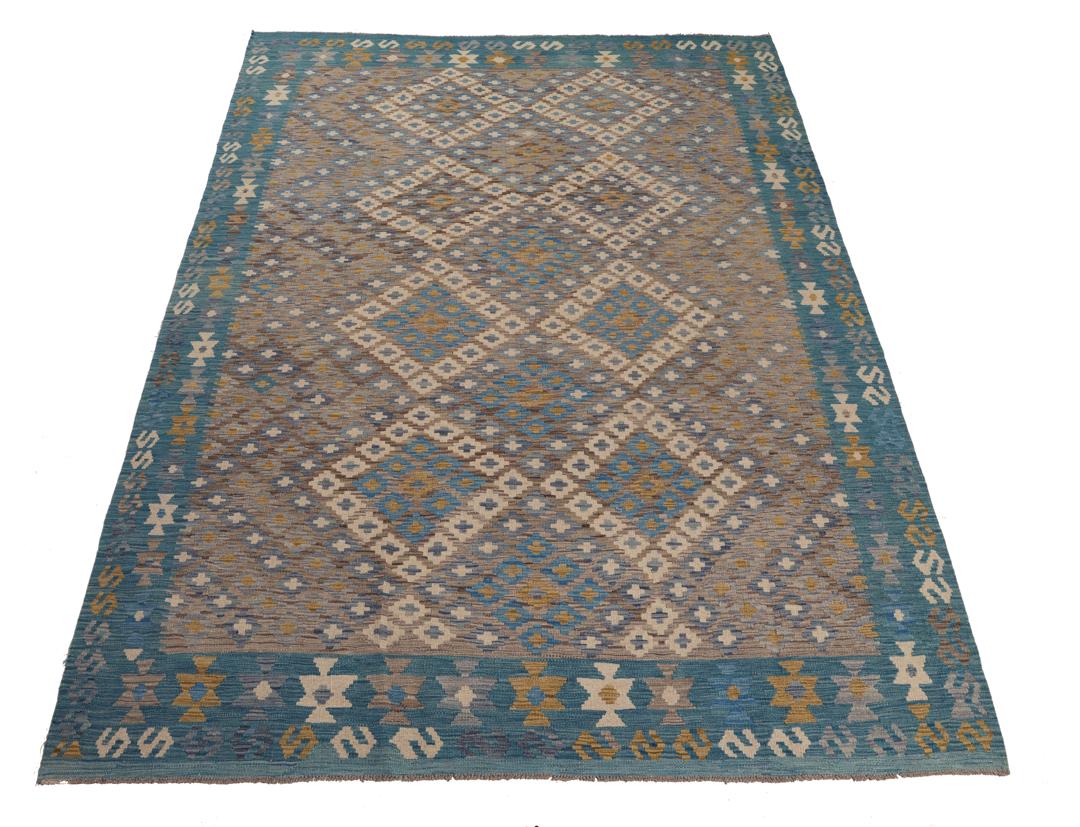
The Kelim Afghan Old Style tradition is deeply rooted in the nomadic history of the Middle East. These rugs were originally created by tribal weavers as functional items for tents, serving as floor coverings, wall hangings, and storage bags. Over generations, these designs evolved into the sophisticated, sought-after pieces we see today, carrying the stories of the cultures that produced them.
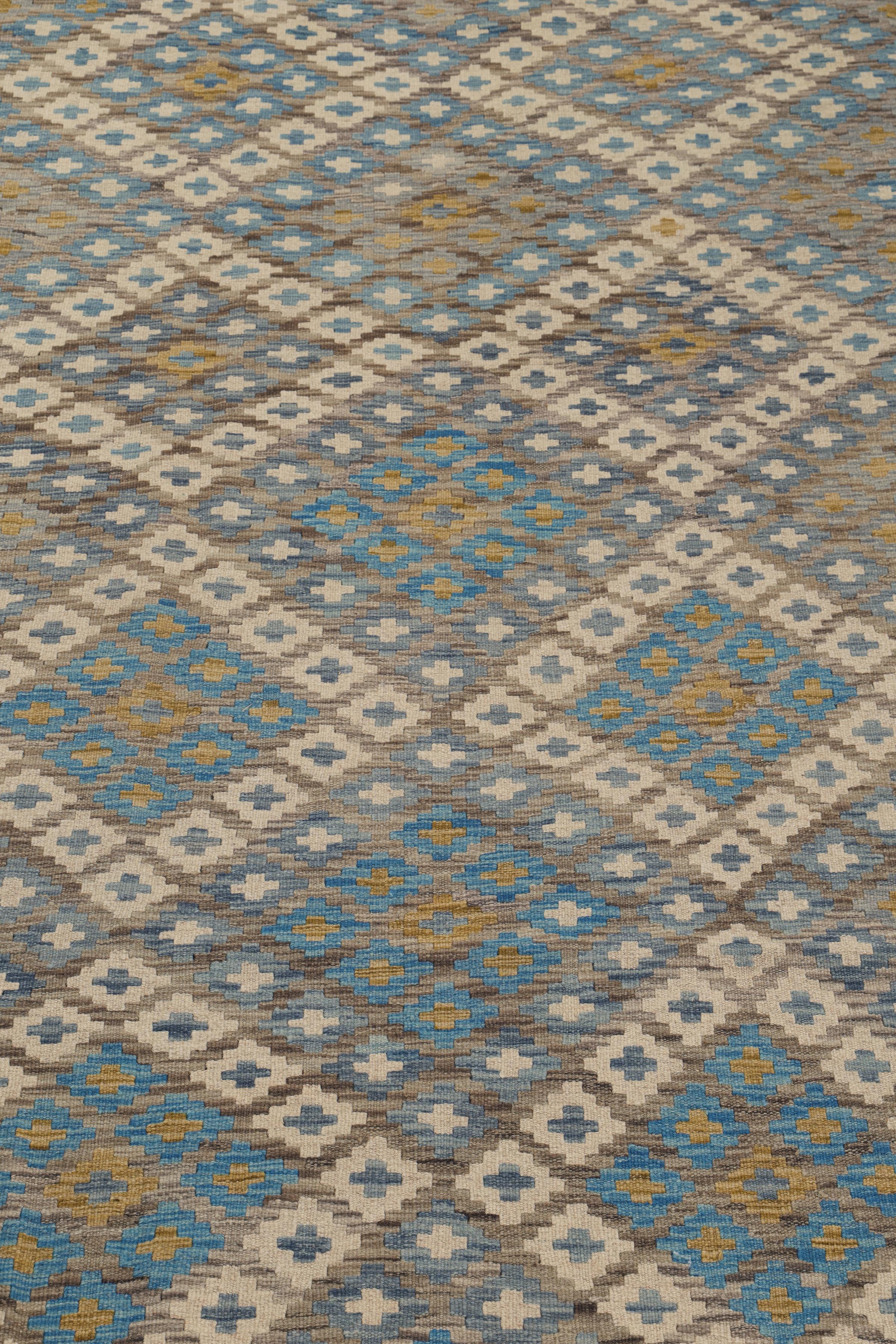
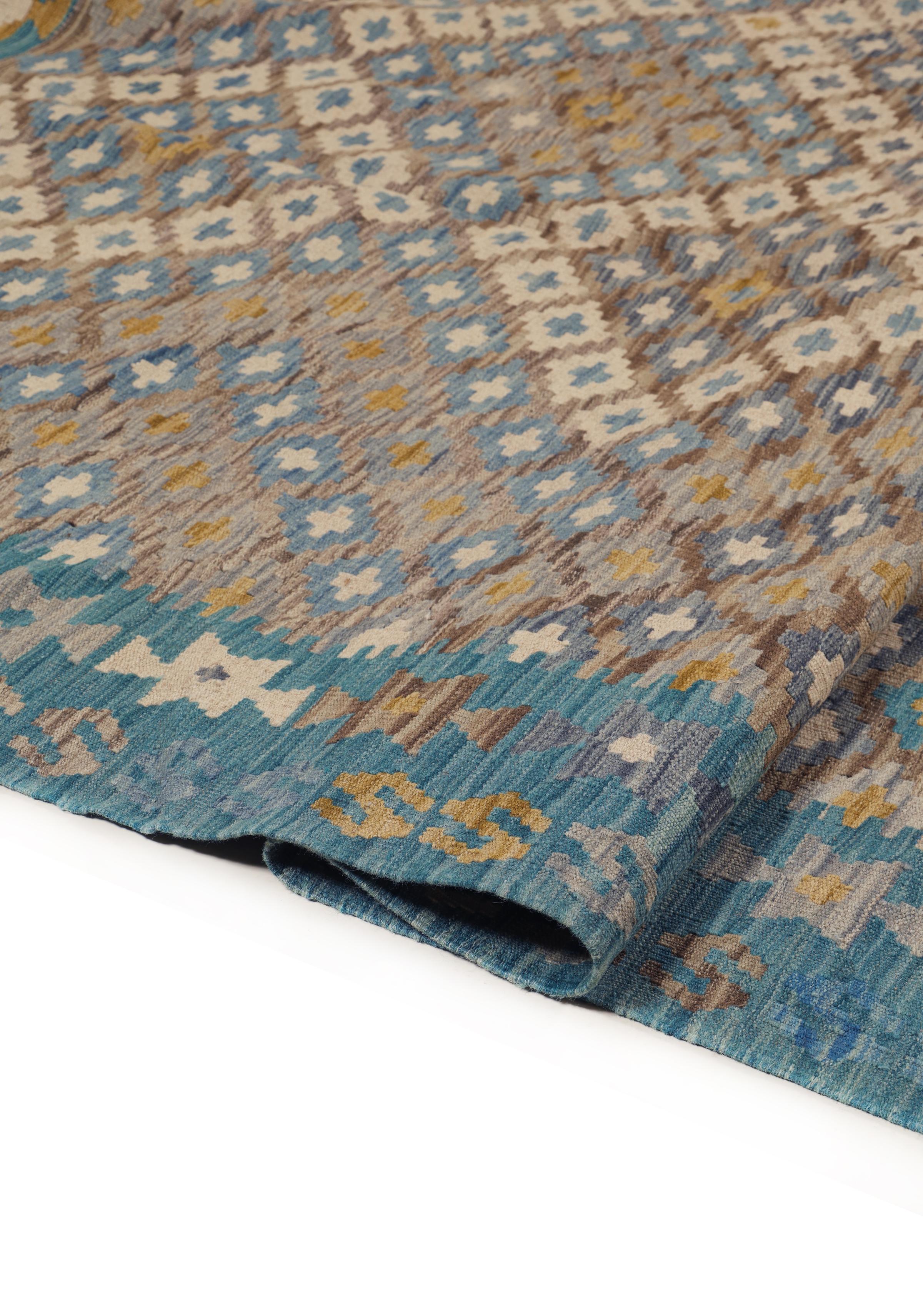
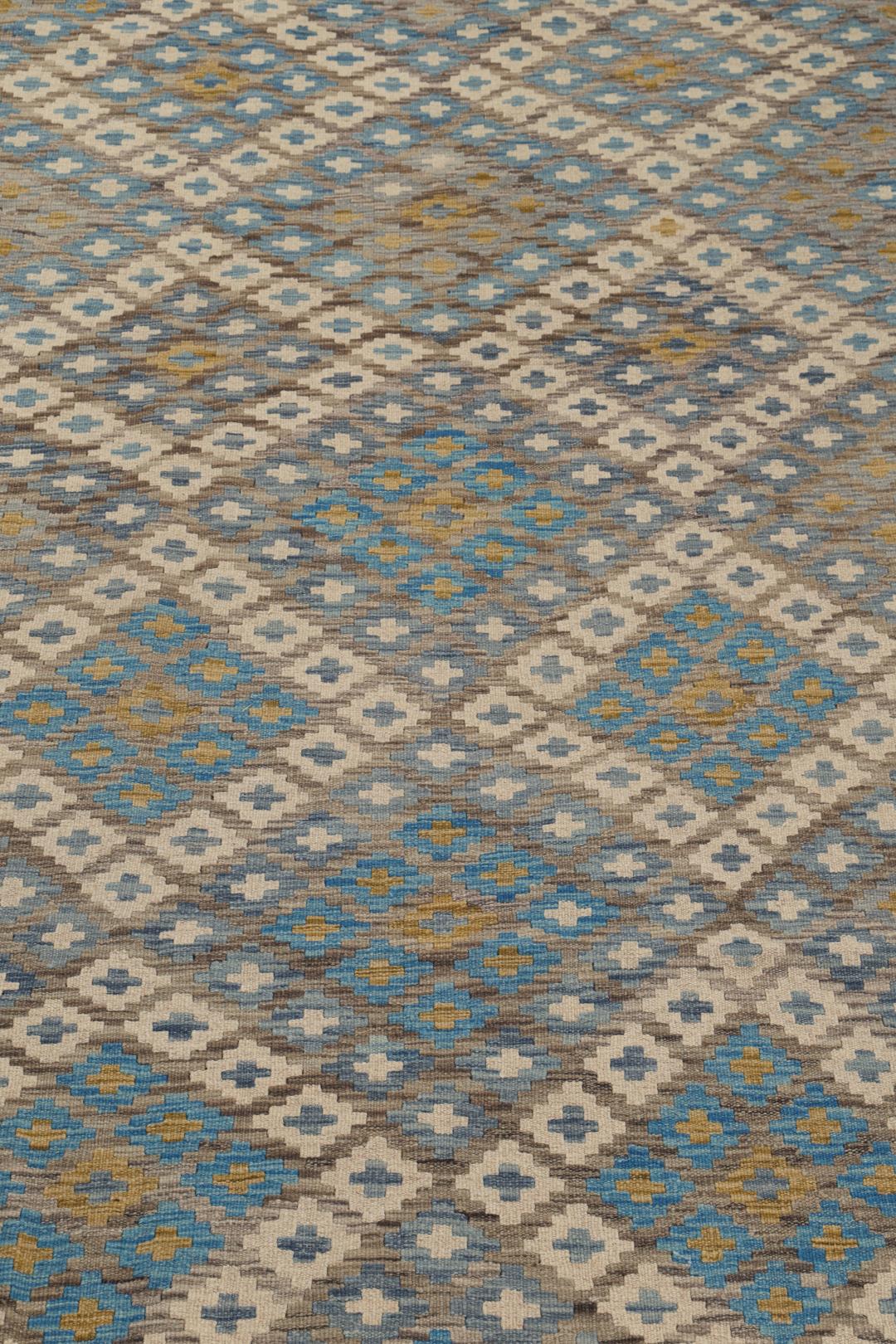
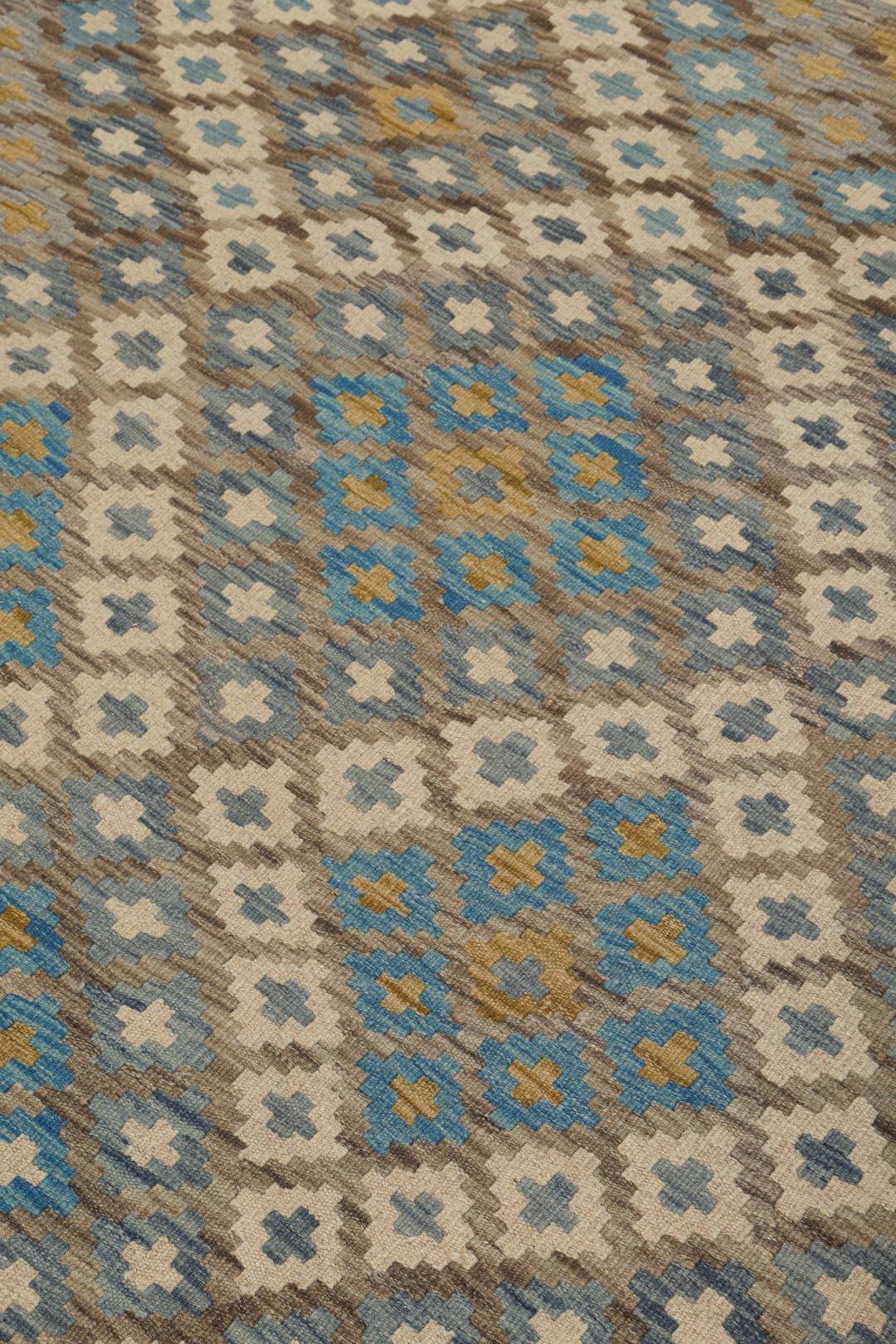
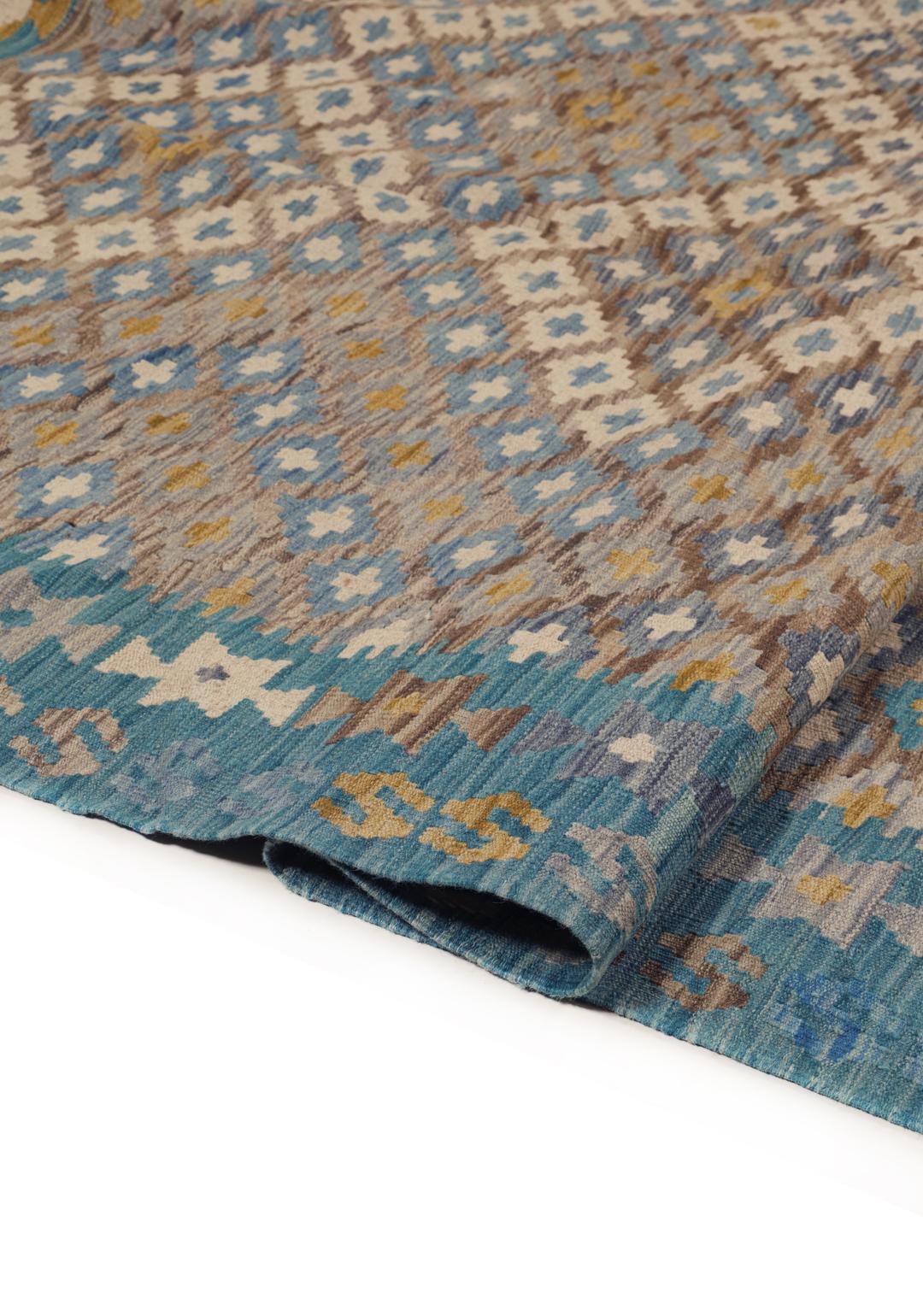
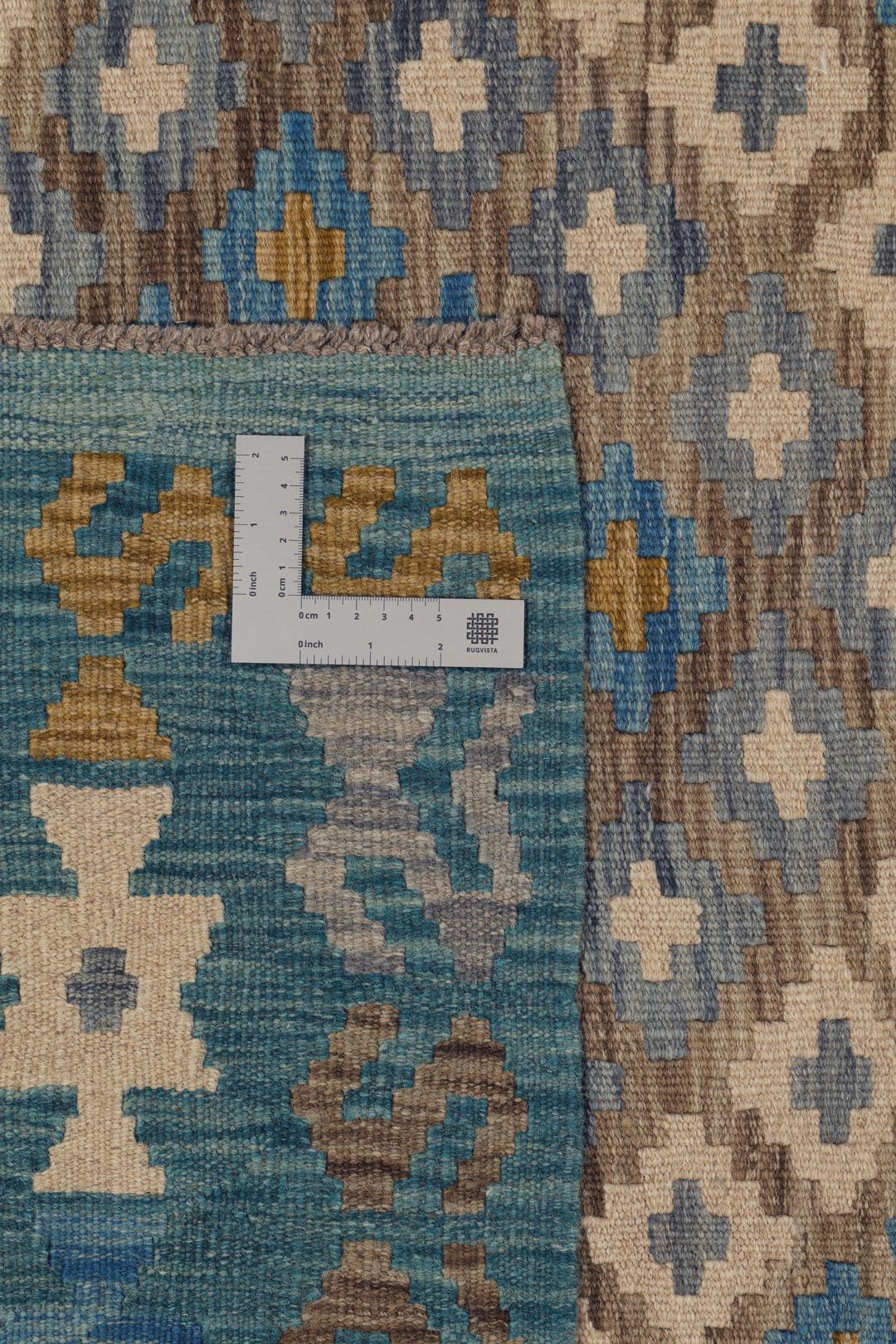
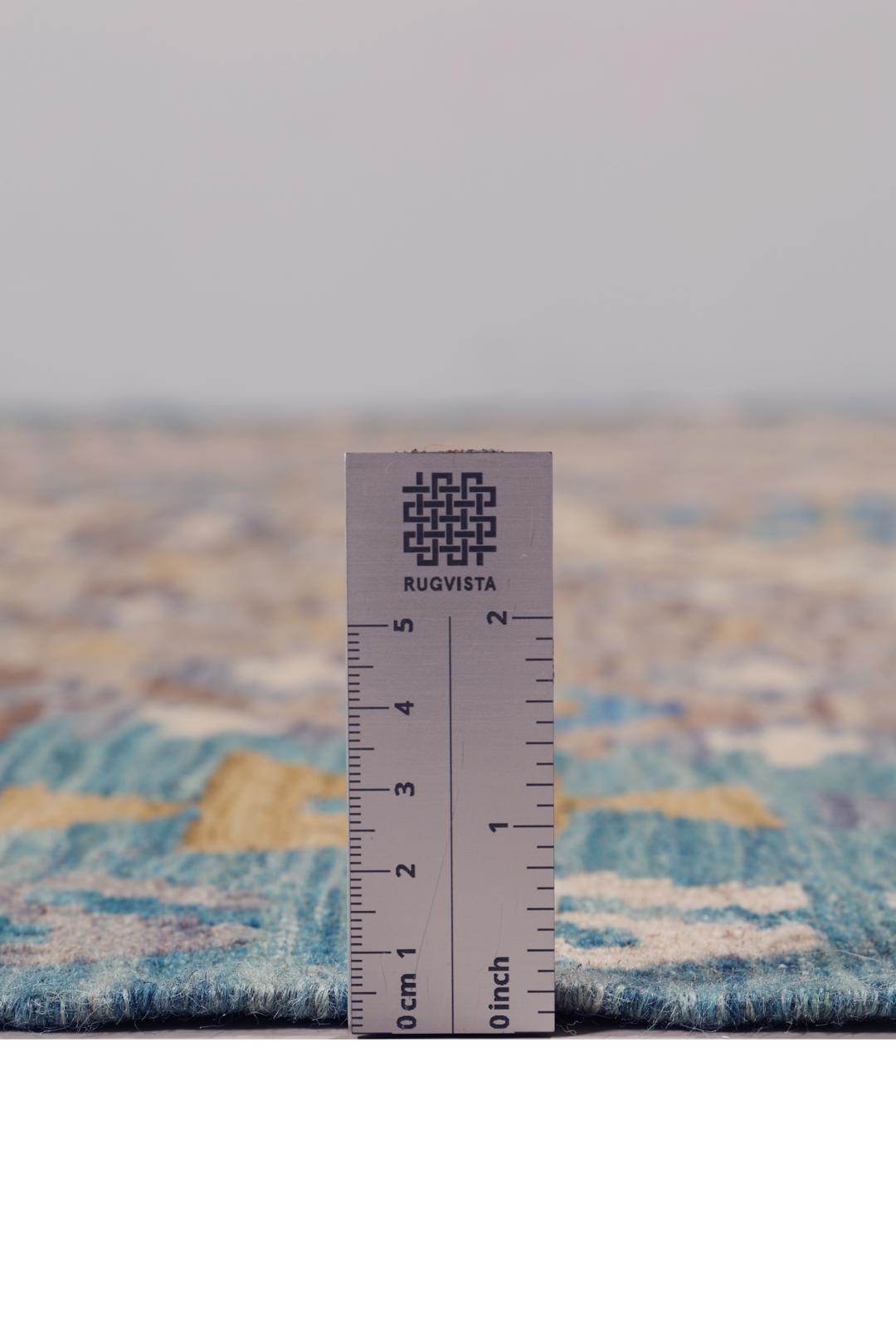
The term 'Kelim' refers to the flat-weaving technique, which is distinct from pile rugs because it lacks a knotted surface. Instead, the coloured weft threads are woven tightly through the warp threads to create the pattern on both sides of the rug. This results in a durable, reversible, and lightweight textile that has been perfected by Afghan artisans over centuries.
Signature design elements of this tradition often include bold geometric shapes, such as diamonds, triangles, and stylised floral motifs. These patterns are not merely decorative but often hold symbolic meaning, representing elements of nature or protective charms. The use of traditional dyes and carefully balanced borders gives these rugs their iconic, harmonious appearance.
Owning an Afghan Kelim is more than just purchasing a rug; it is an investment in cultural heritage. Collectors value these pieces for their authenticity, the skill required to maintain consistent tension across a large loom, and the way they bridge the gap between ancient tradition and modern interior needs. They are truly enduring items that age beautifully with time.