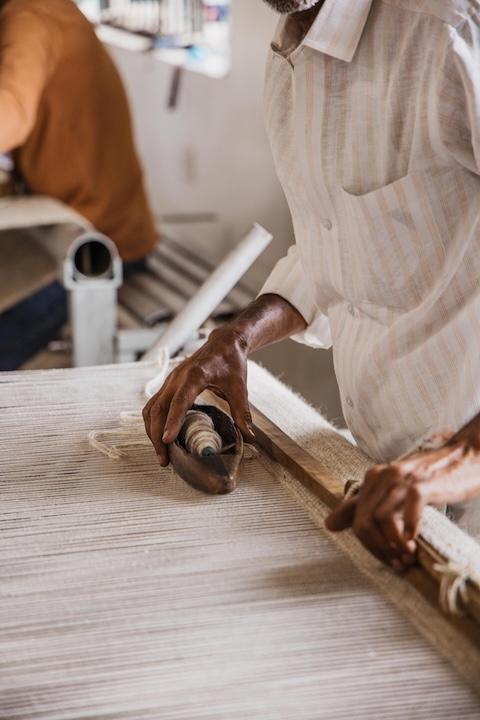
Kelim rugs have long been a cornerstone of nomadic life across the Middle East and Central Asia. Originally created by tribal groups for practical use as floor coverings, tent dividers, and saddlebags, these flat-woven textiles were designed to be both portable and incredibly durable. The tradition of weaving these rugs has been passed down through generations, with each region developing its own distinct visual vocabulary and technical approach.
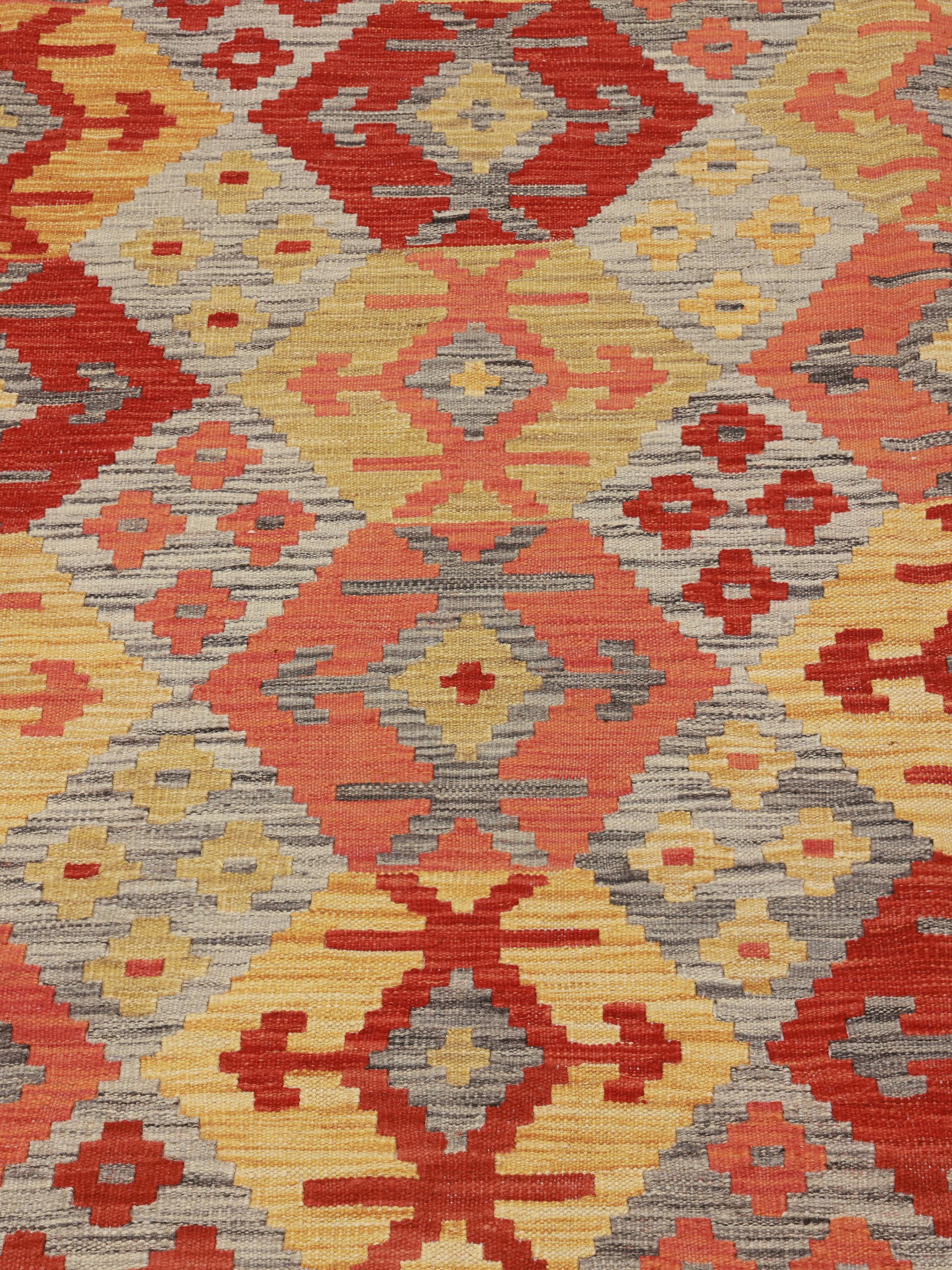
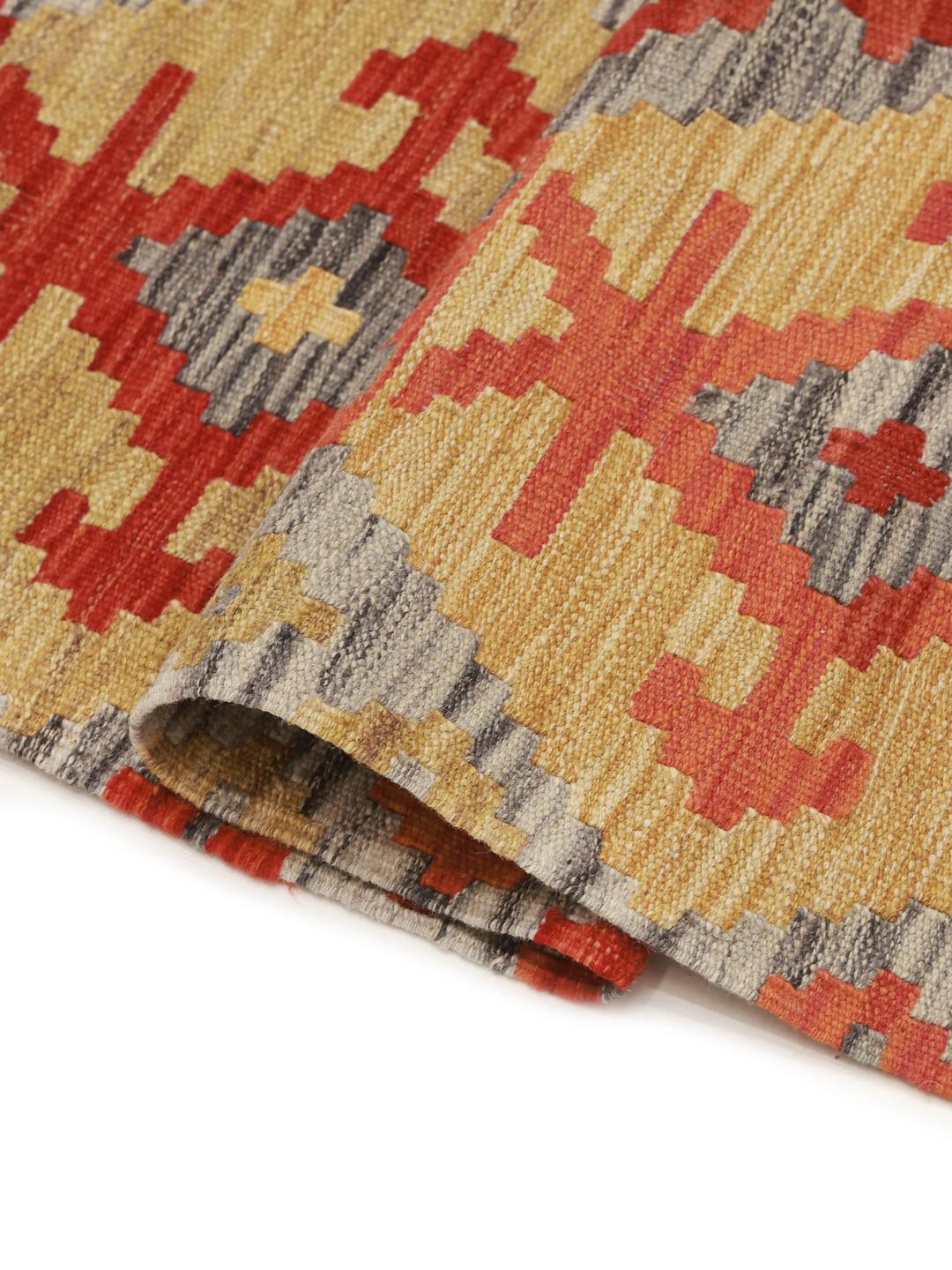
The term 'Kelim' refers specifically to the flat-weaving technique where the weft strands are pulled tightly over the warp strands, resulting in a smooth, pileless surface. This method creates a reversible rug that is naturally robust, as there are no knots to wear down over time. The density of the weave is a direct indicator of the artisan's skill, with tighter weaves offering greater longevity and more intricate pattern clarity.
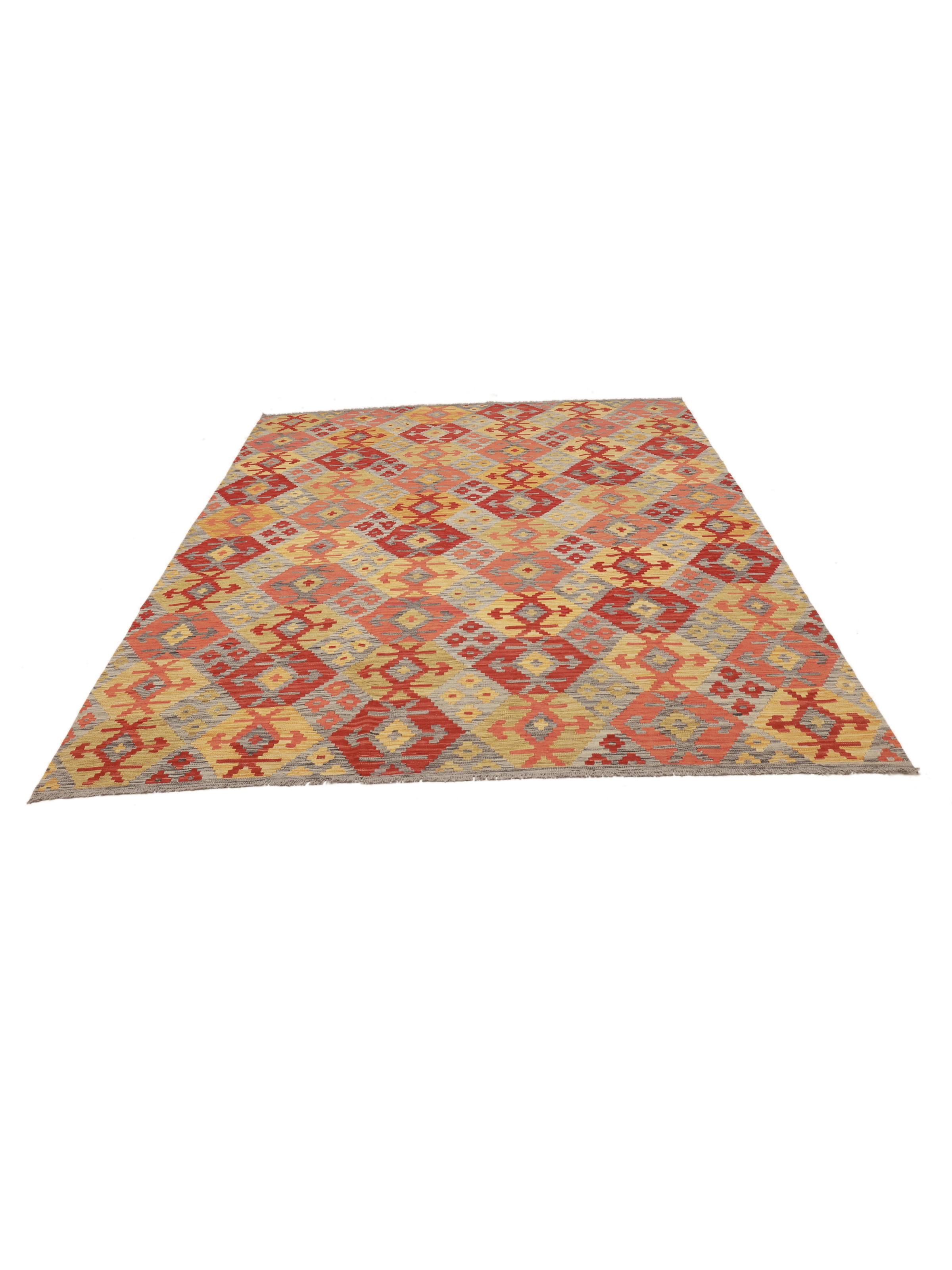
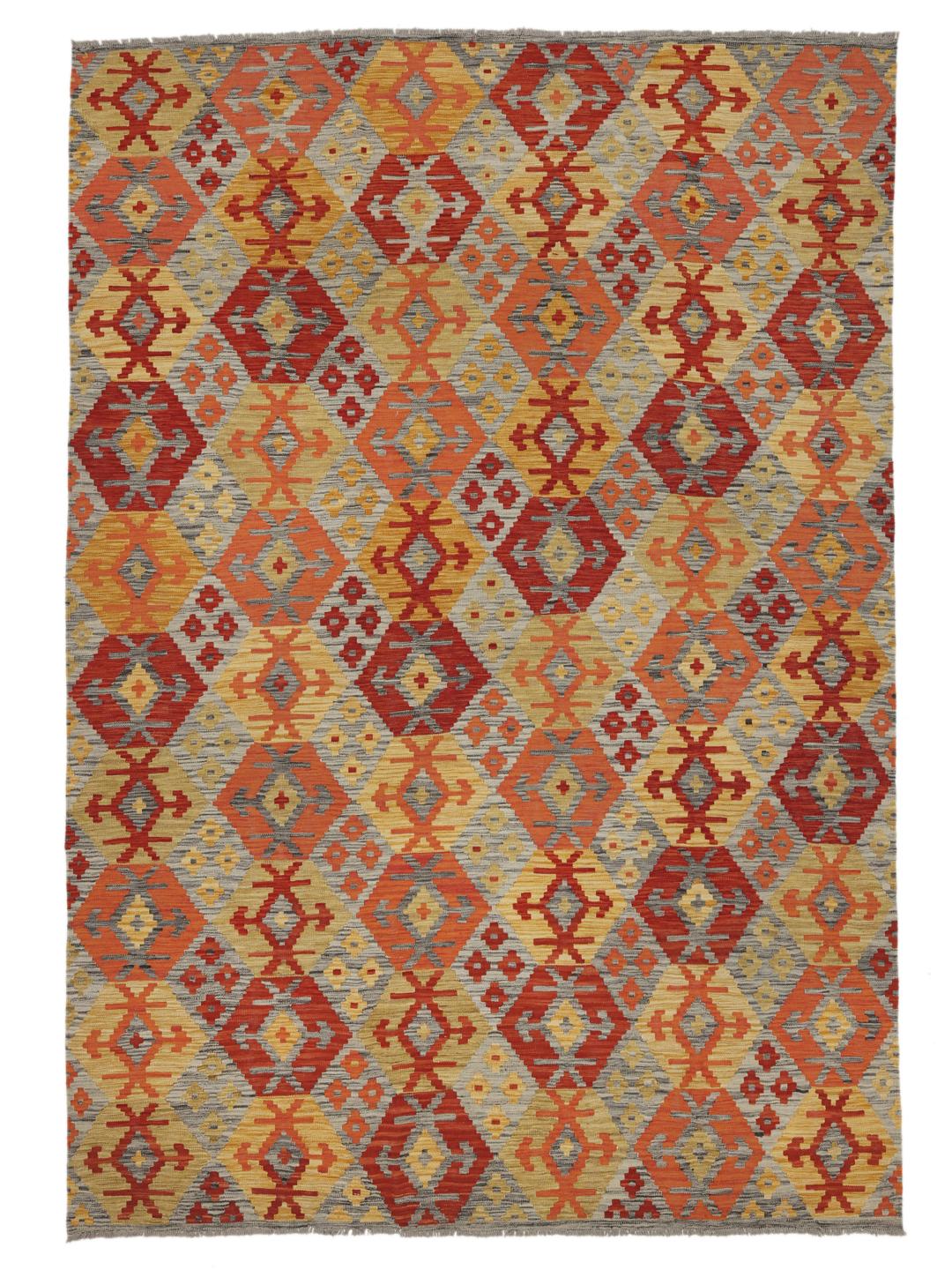
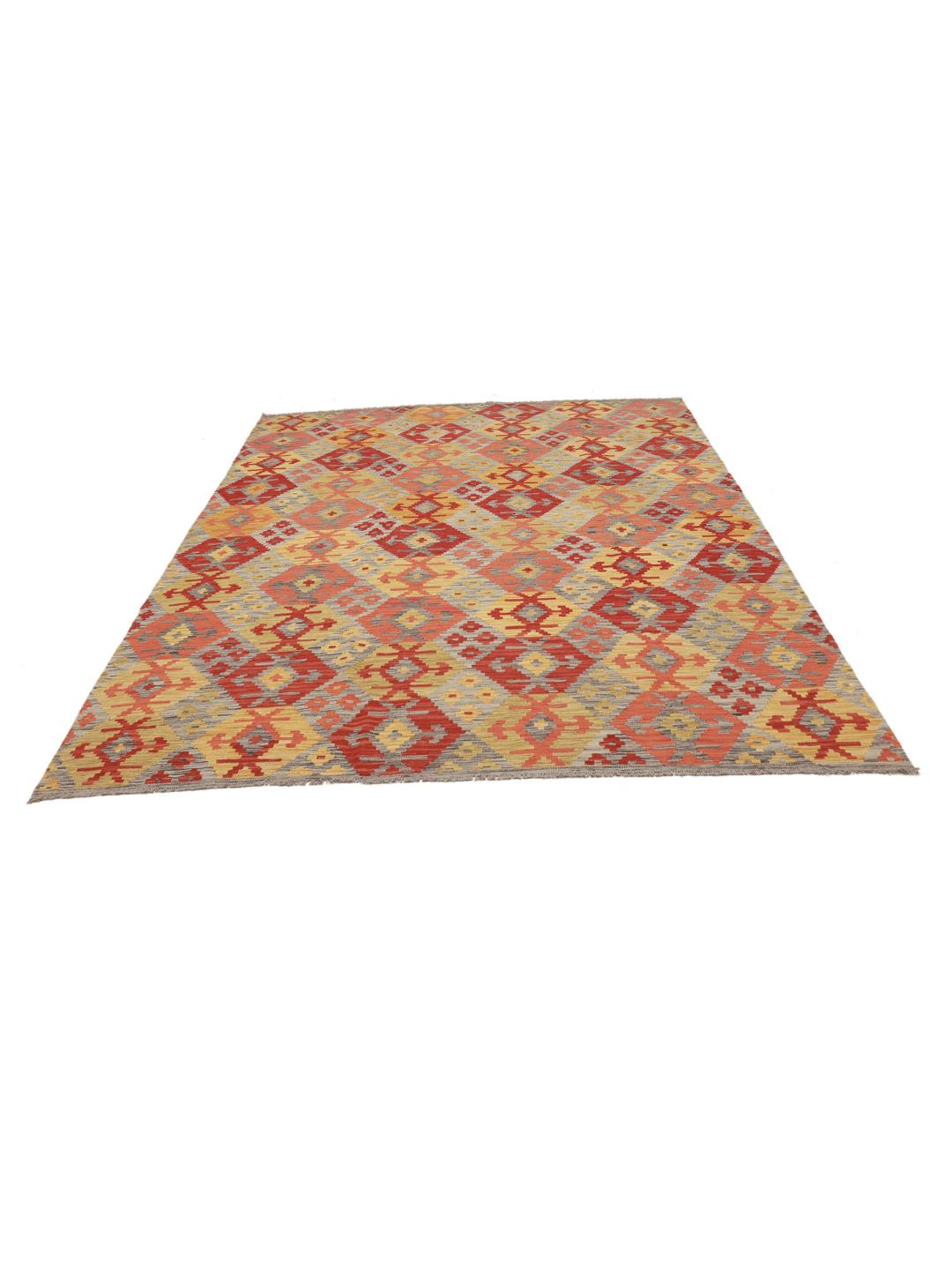
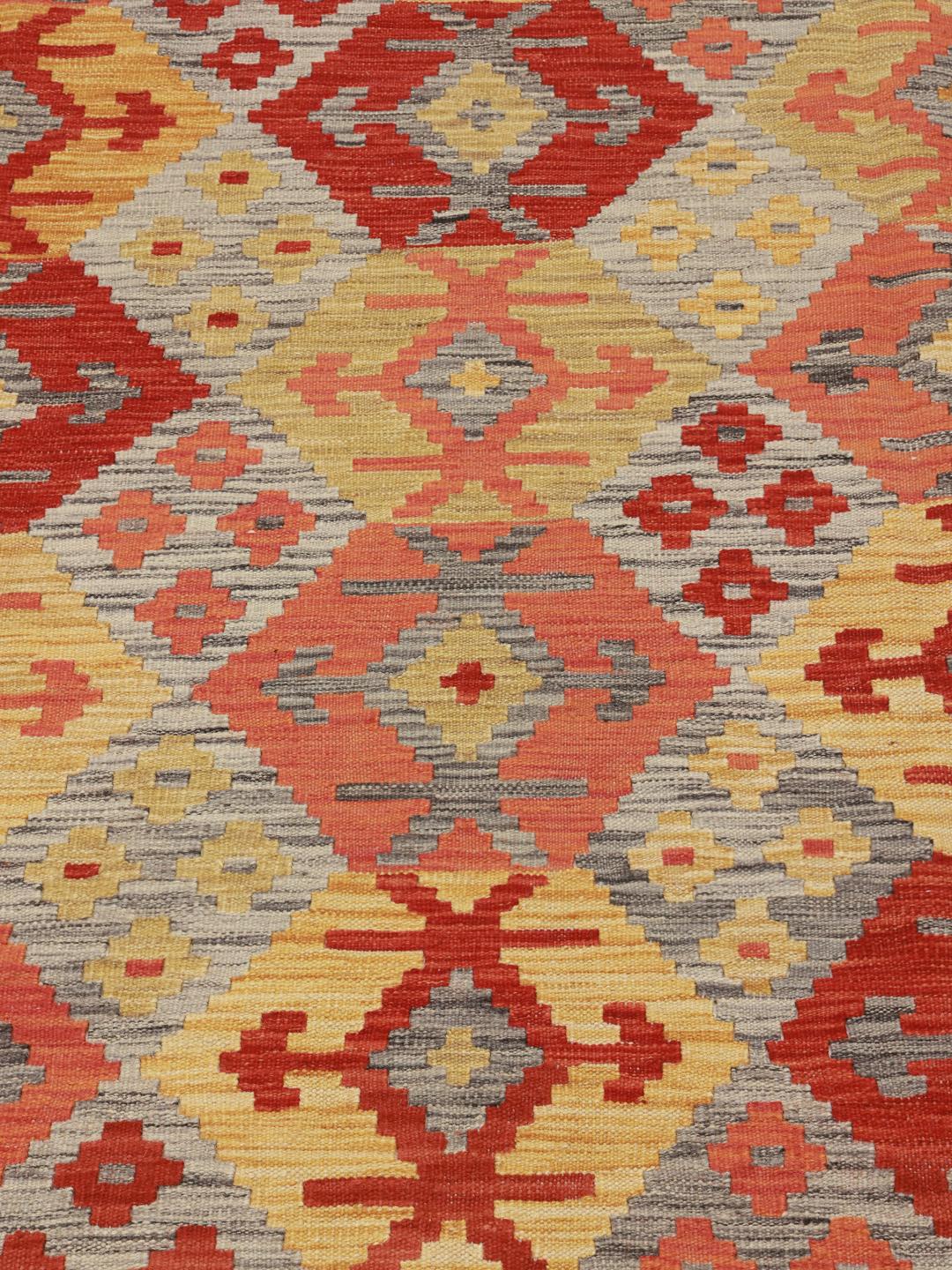
Visually, these rugs are defined by their bold geometric language. You will typically find repeating diamond, triangular, or medallion motifs that reflect the weaver's environment and cultural identity. The use of vibrant, natural dyes and complex borders is a hallmark of the Afghan tradition. This particular piece showcases the classic, rhythmic geometry that has made these rugs prized by collectors and homeowners who appreciate the balance of form and function.
Owning an Afghan Kelim is an invitation to connect with a rich, enduring craft tradition. These rugs are highly valued for their authenticity and the way they bridge the gap between ancient nomadic utility and contemporary interior design. By choosing this piece, you are preserving a craft that celebrates human skill and historical continuity, ensuring that these traditions remain vibrant and relevant in today's world.