Kelim rugs have a storied history rooted in the nomadic traditions of the Middle East and Central Asia. Originally created as utilitarian items for tent living, these flat-weave rugs were essential for insulation, wall coverings, and floor protection. Over centuries, these functional pieces evolved into the intricate works of art we celebrate today, with Afghan weaving traditions remaining among the most respected for their dedication to authentic, age-old methods.
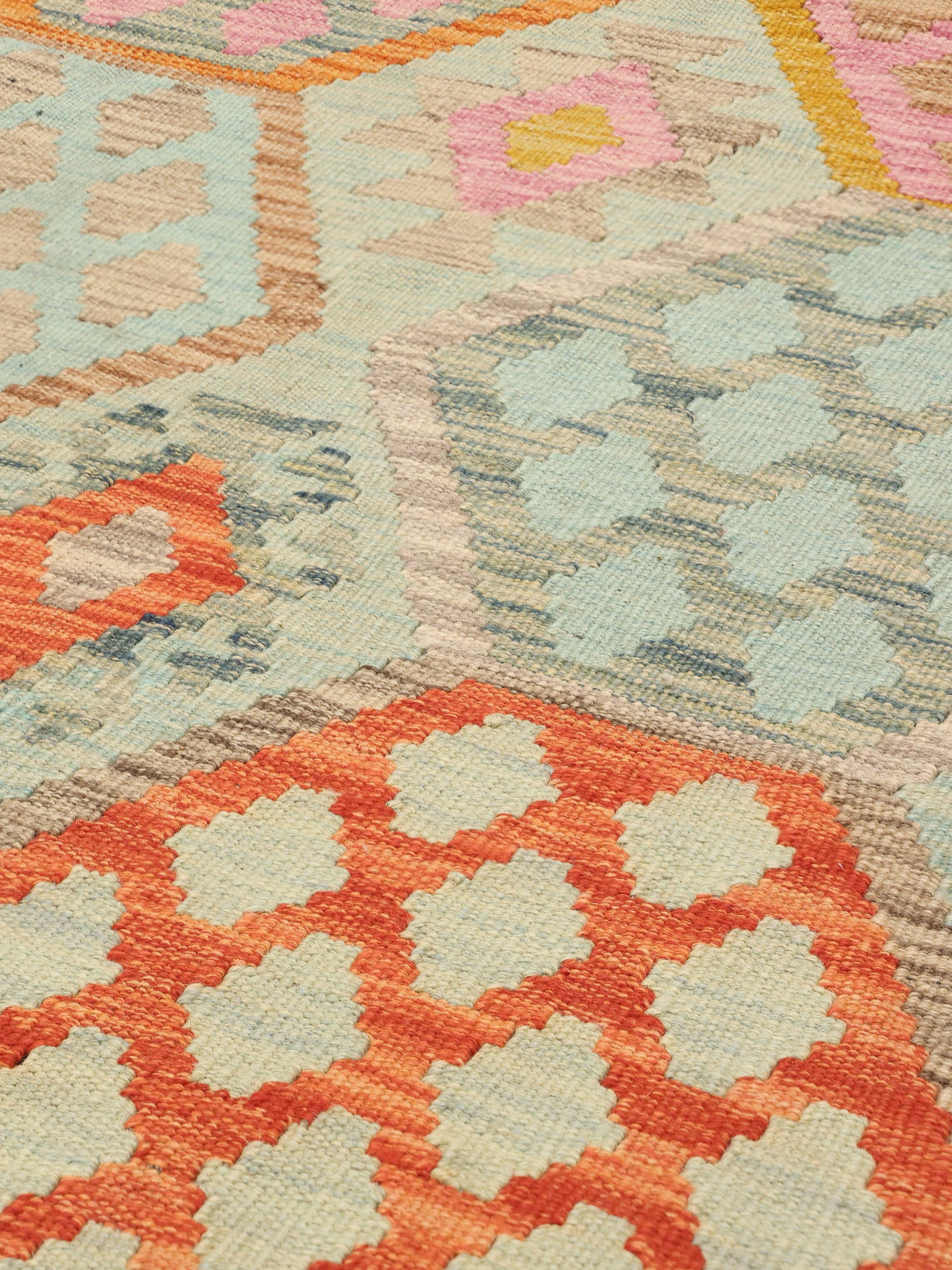
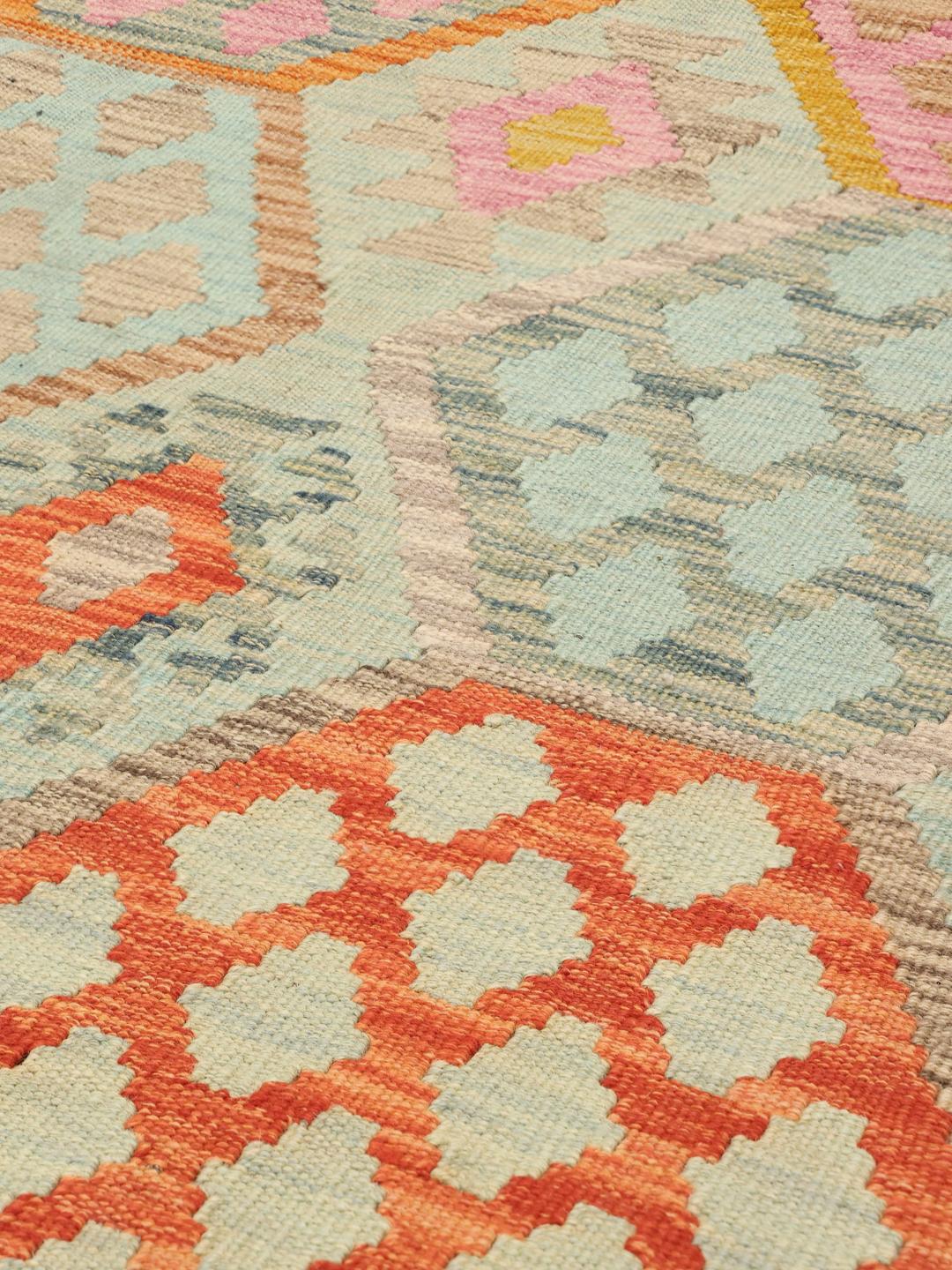
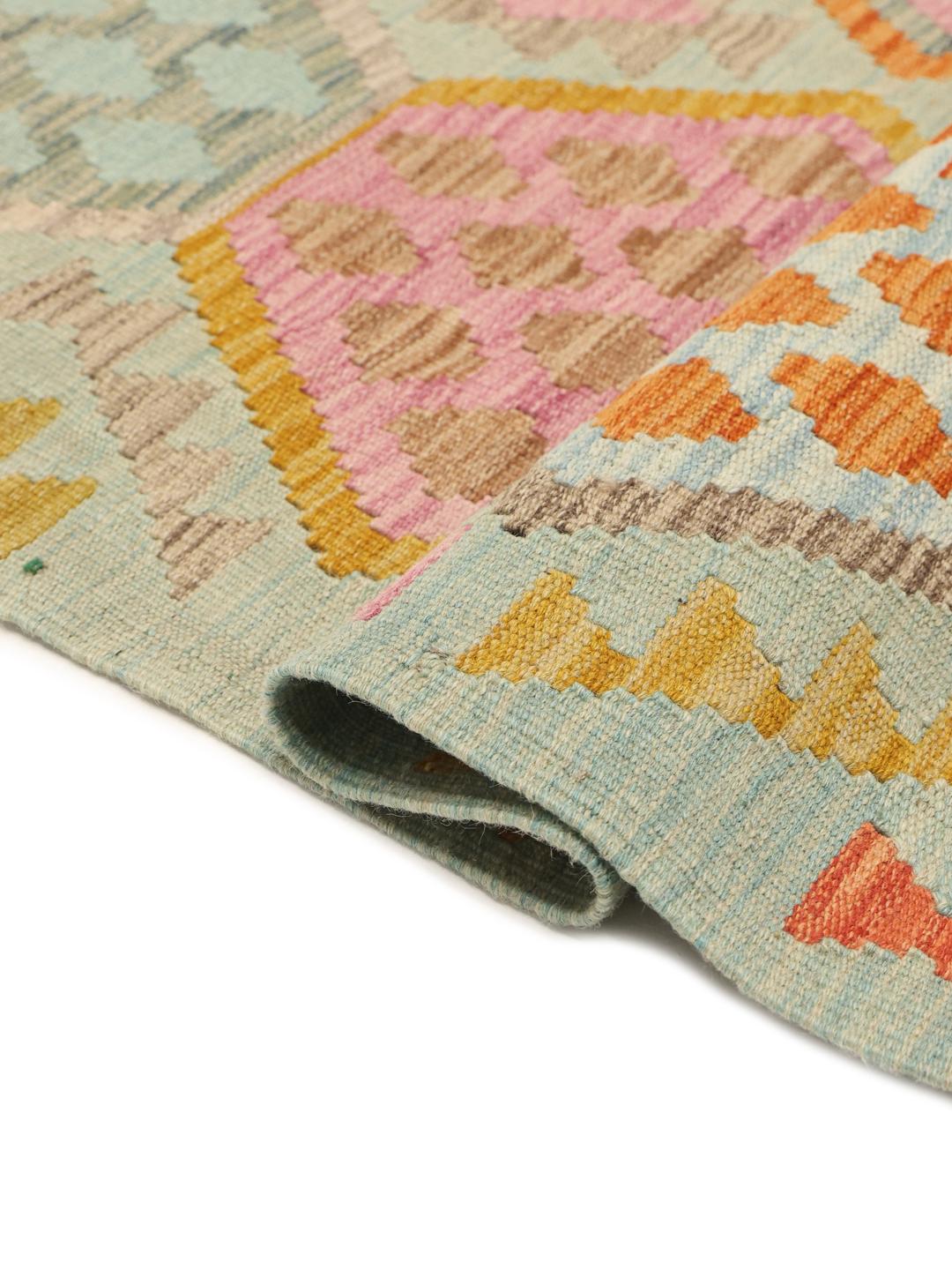
The term Kelim, or Kilim, refers specifically to the tapestry-weave technique used to create these rugs. By interlacing the coloured warp and weft threads, weavers create a flat, pileless surface that is incredibly strong and reversible. This technique allows for the distinct, sharp-edged geometric patterns that define the style, as the design is built directly into the fabric structure rather than added as a separate pile.
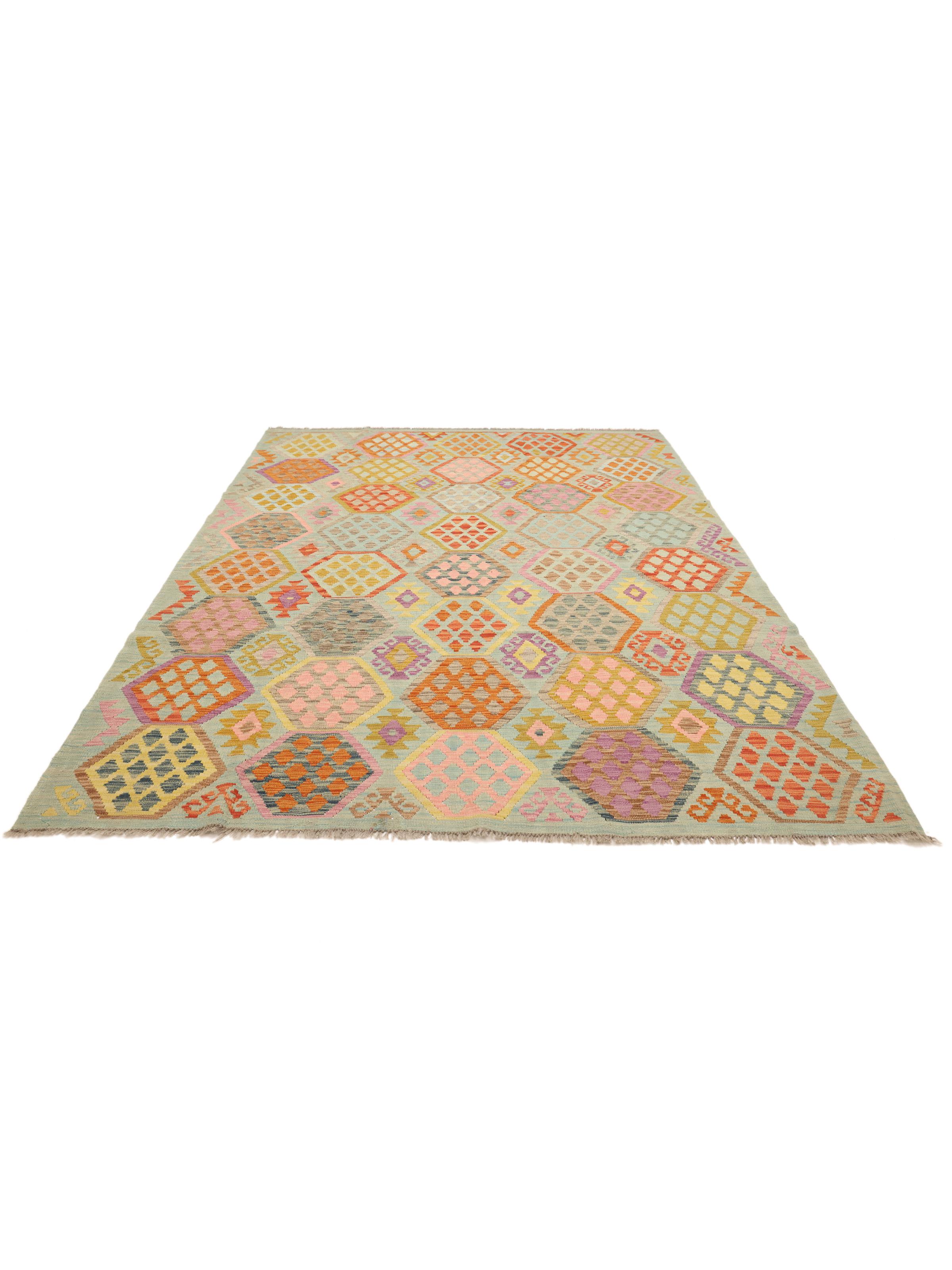
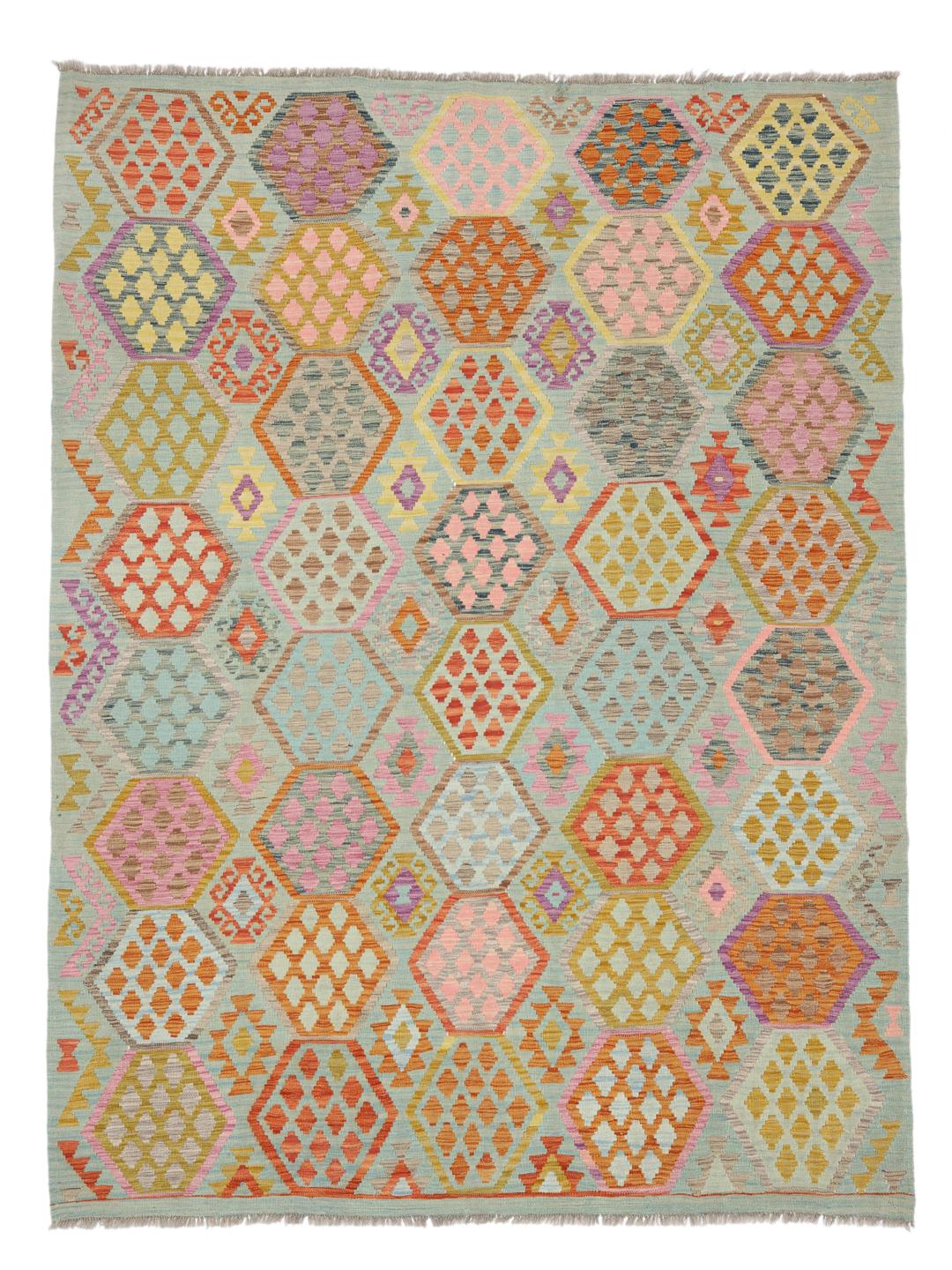
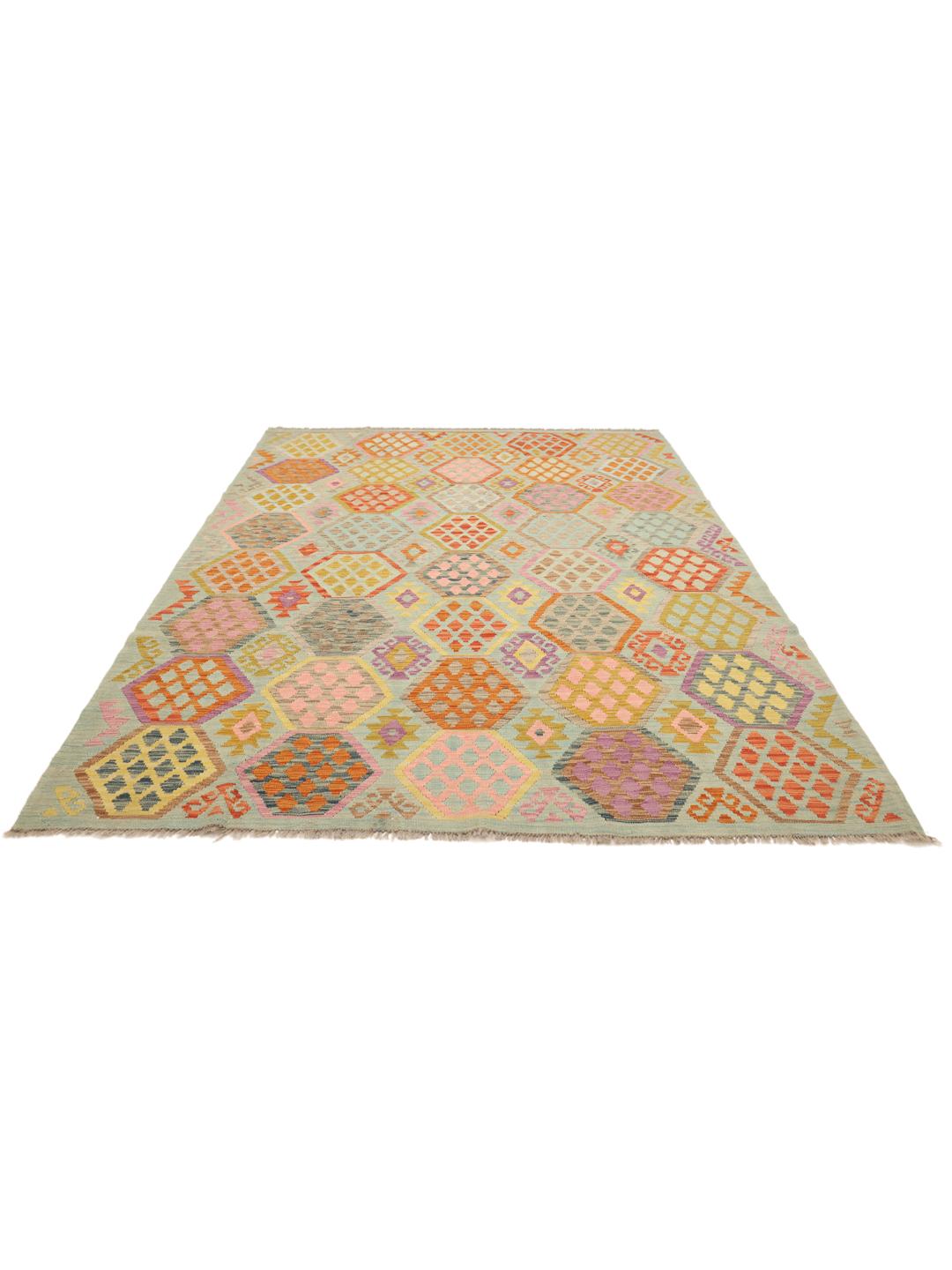
The visual language of this tradition is built upon a foundation of symbolic motifs, with the hexagon and diamond shapes often representing protection, fertility, or the natural landscape. In this specific piece, the vibrant palette and orderly, repeating geometry reflect a lively interpretation of these classic motifs. The use of varied, harmonious colours within each hexagon highlights the weaver's ability to balance complex patterns while maintaining a clean, cohesive look.
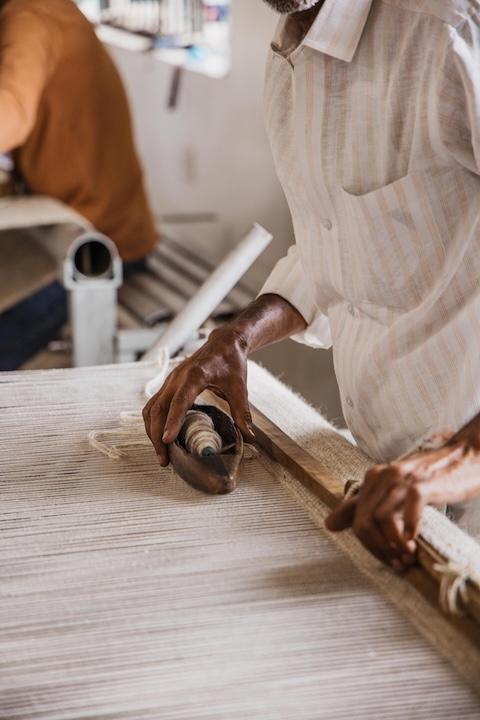
Collecting a hand-woven Afghan Kelim is more than just purchasing a floor covering; it is an investment in human heritage. These pieces are valued for their enduring quality and the distinct personality they bring to a home. By choosing an authentic, hand-woven rug, you are supporting a tradition that values precision, cultural storytelling, and the irreplaceable touch of the human hand.