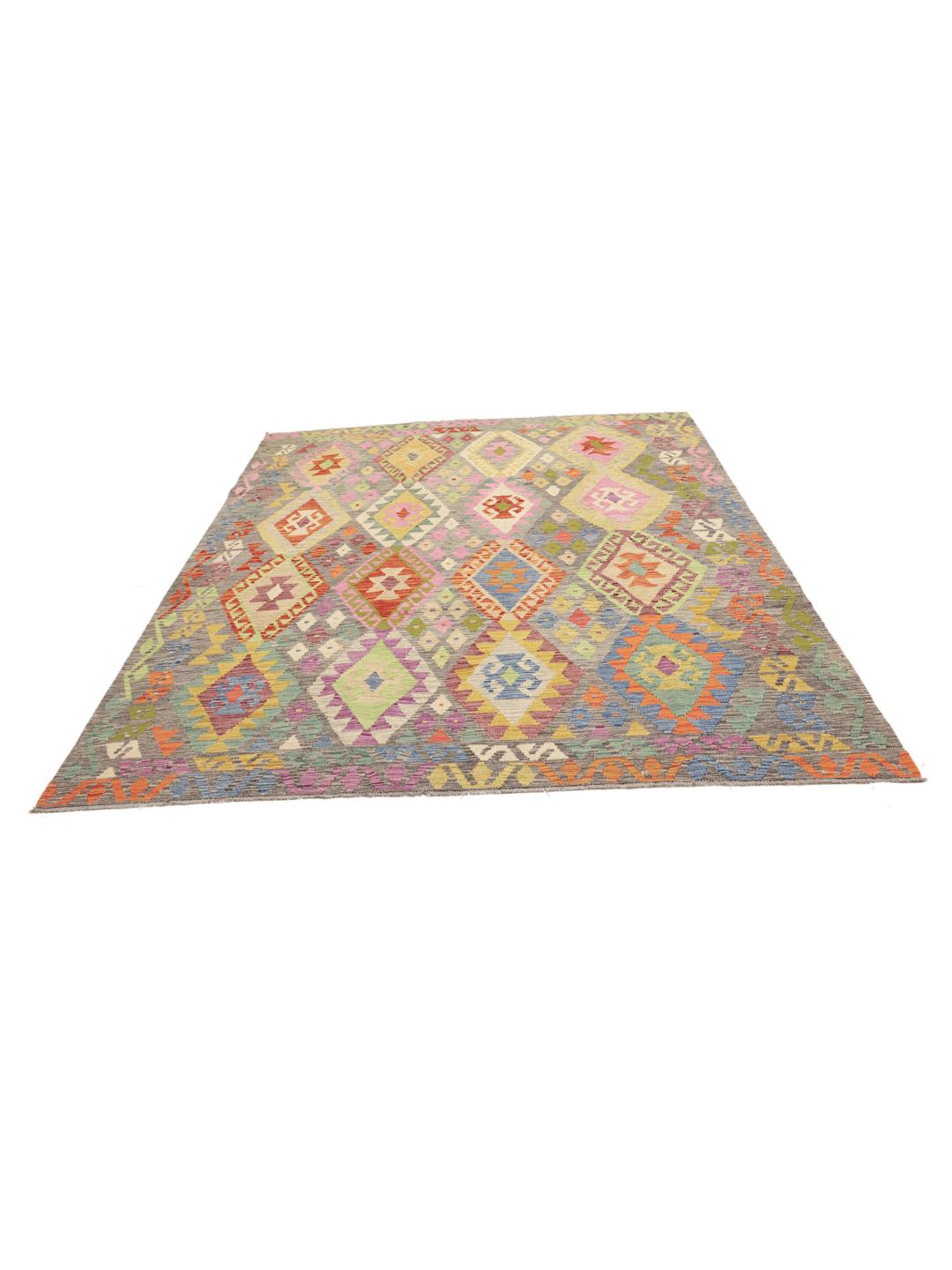
Kelim rugs have been a cornerstone of nomadic life across the Middle East and Central Asia for centuries. These flat-woven textiles were originally created by tribal communities not only as floor coverings but as versatile tools for daily life, serving as bags, blankets, and wall hangings to insulate tents against the elements.
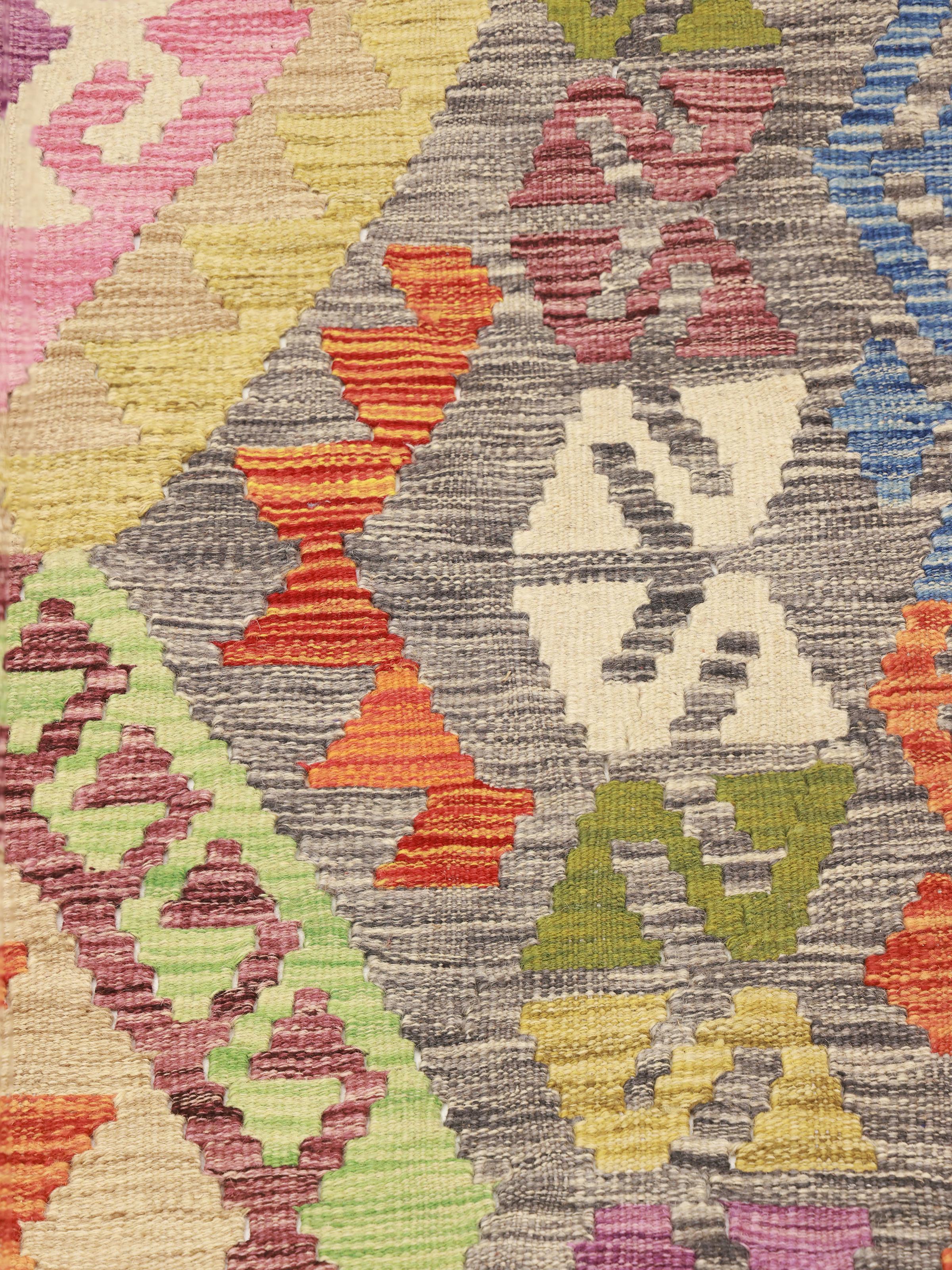
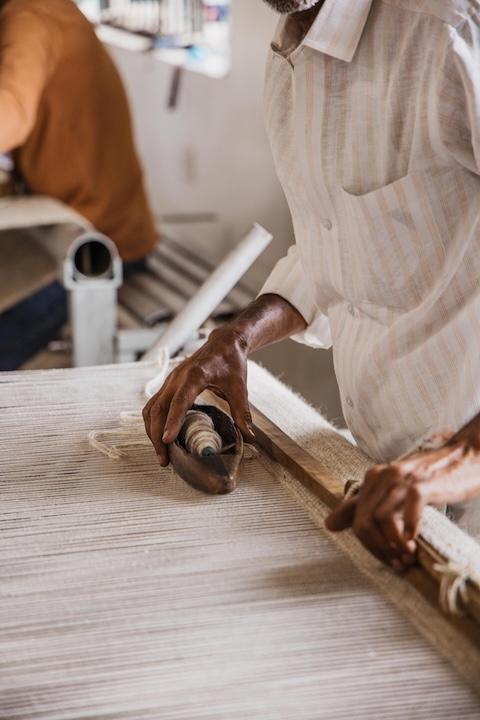
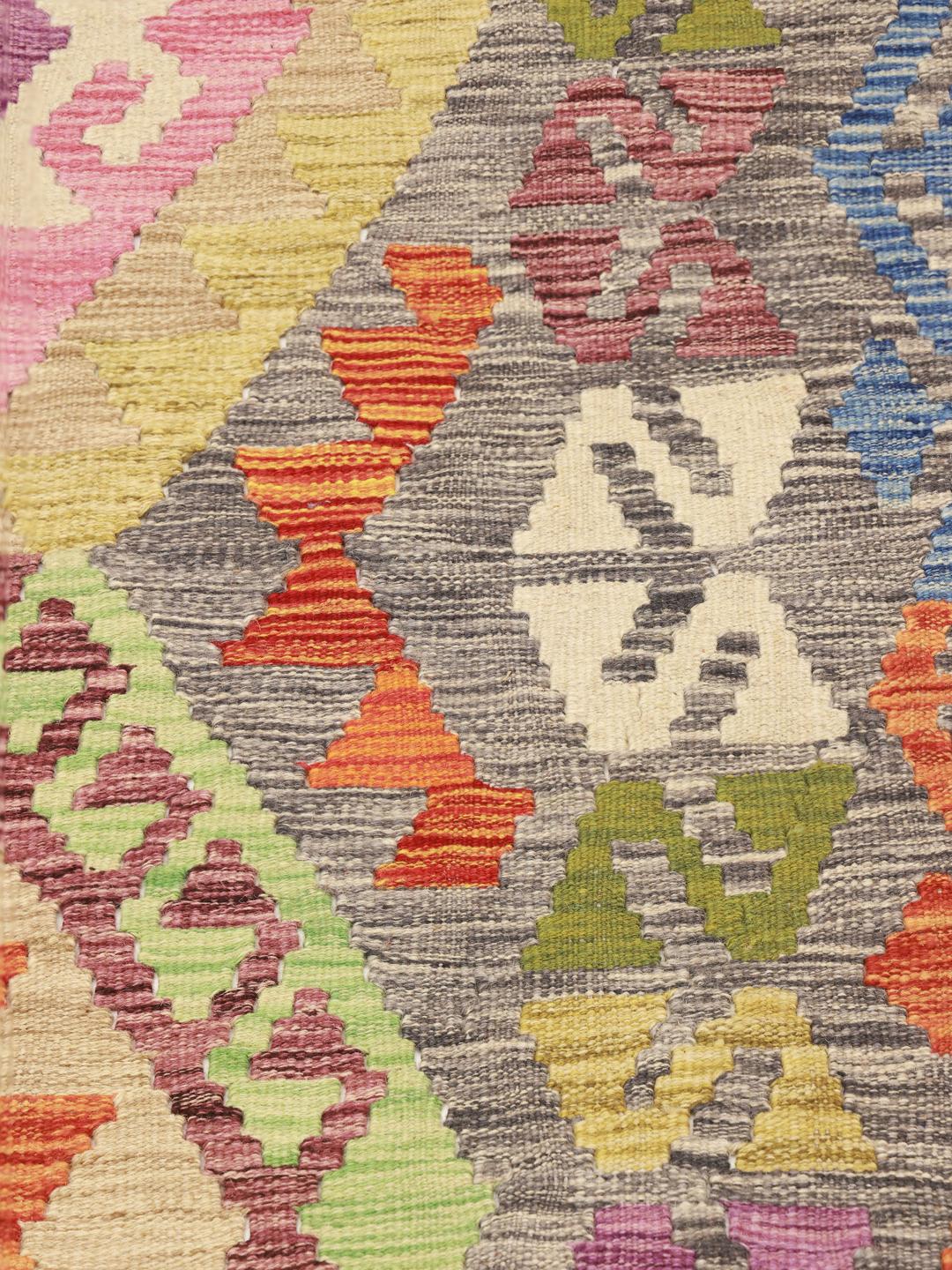
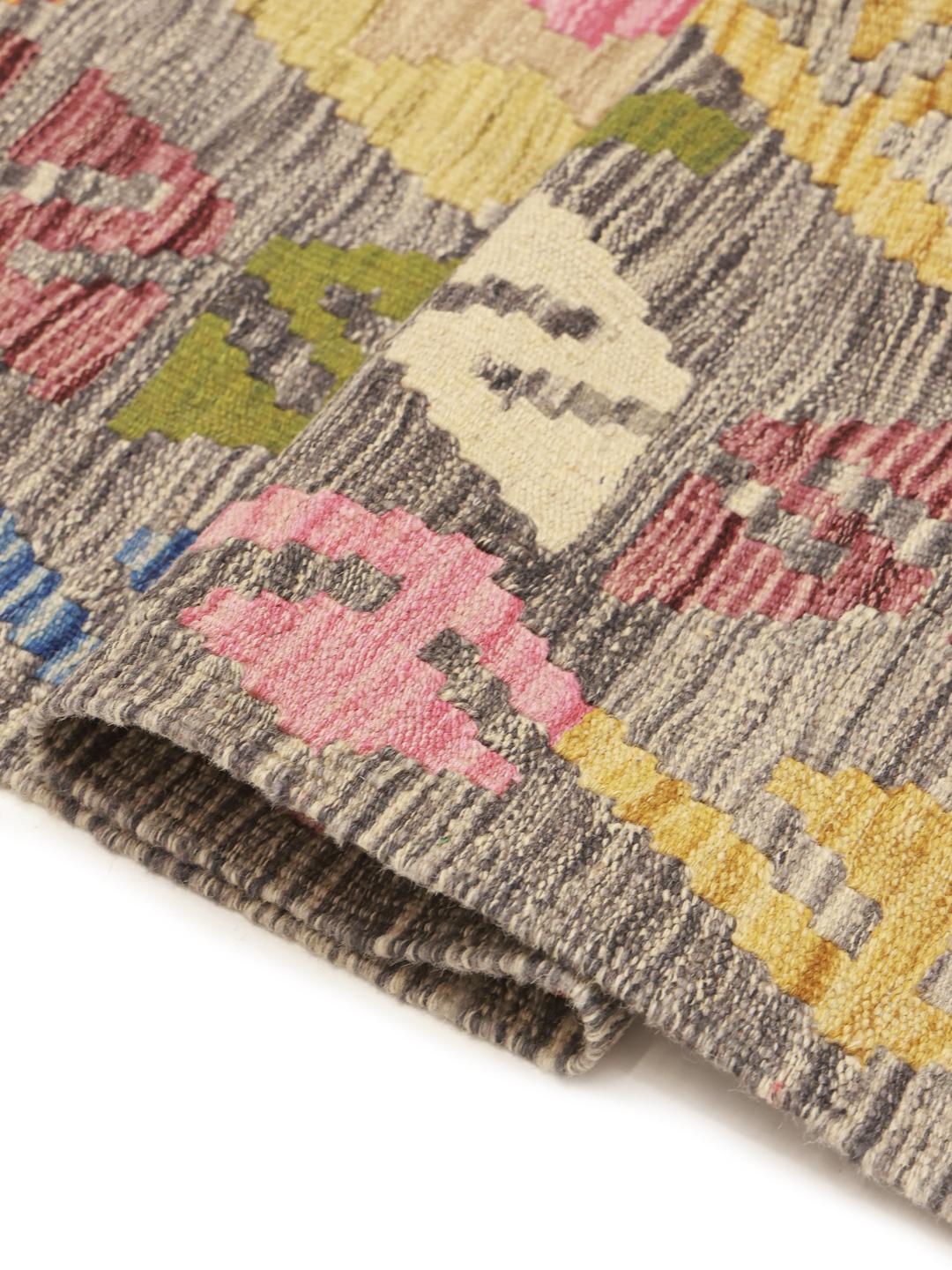
The term Kelim refers to the specific slit-weave technique used to create the design. By interlocking the weft threads tightly around the warp, weavers create a durable, reversible fabric without a pile. This method is highly valued for its ability to produce crisp, graphic patterns that are both bold and precise, showcasing the technical mastery of the weaver.
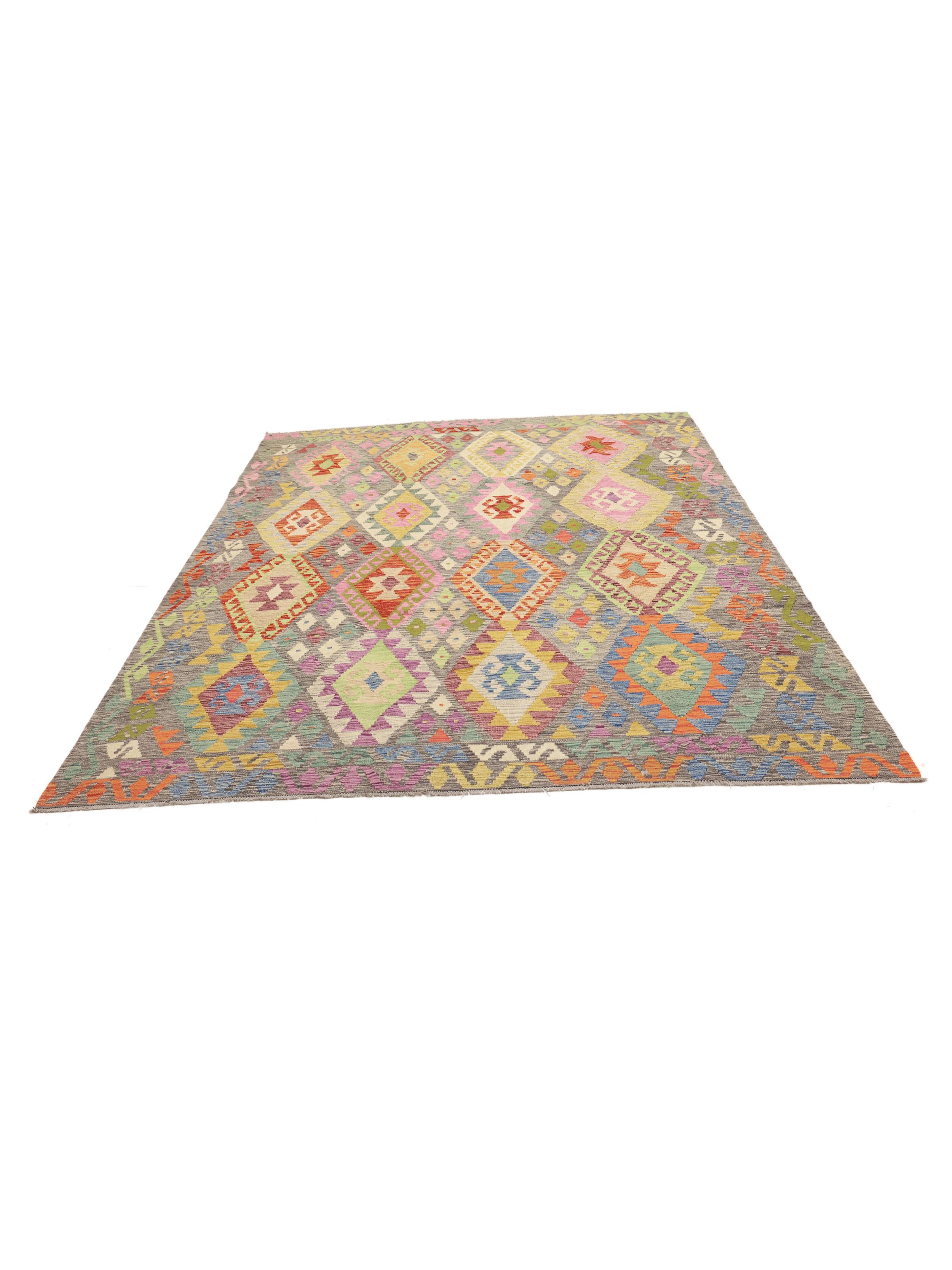
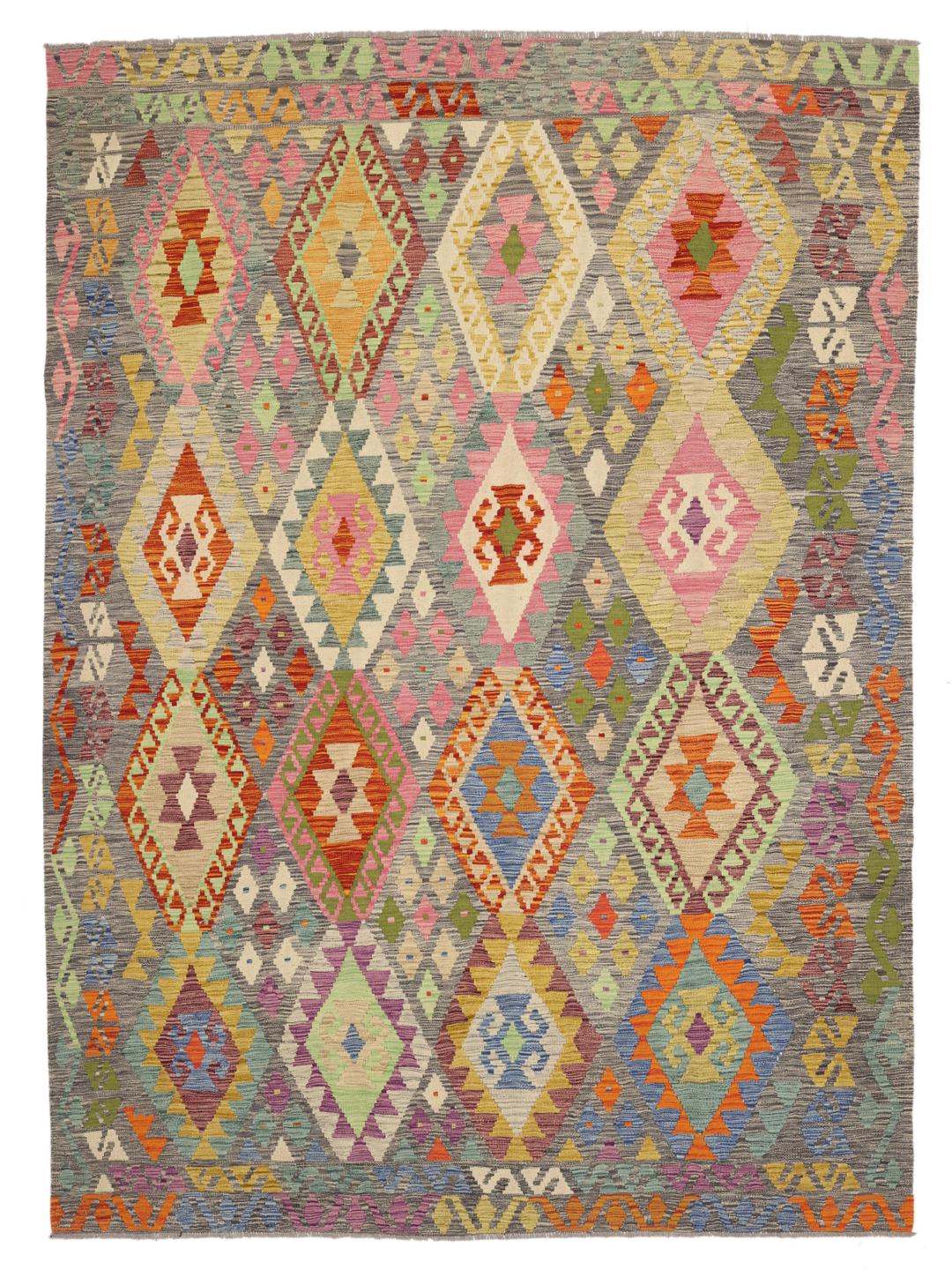
Visually, these rugs are defined by their geometric language. Diamond motifs, stepped triangles, and latch-hook patterns are common, each often carrying symbolic meaning related to protection, fertility, or the natural landscape. In this specific piece, the vibrant interplay of colours highlights the traditional dyes and design evolution that keep the Afghan weaving craft relevant and cherished today.
Owning an Afghan Kelim is a way to preserve a piece of living history. These rugs are highly sought after by collectors and interior enthusiasts alike for their authentic connection to craft traditions that have been passed down through generations. They represent a bridge between ancient nomadic aesthetics and the needs of contemporary, character-filled homes.