Kelim rugs have been a staple of Middle Eastern textile traditions for centuries, serving as both practical floor coverings and meaningful expressions of tribal identity. Originating from the nomadic cultures of the region, these flat-woven textiles were designed to be portable, durable, and easily cleaned, making them essential for life on the move.
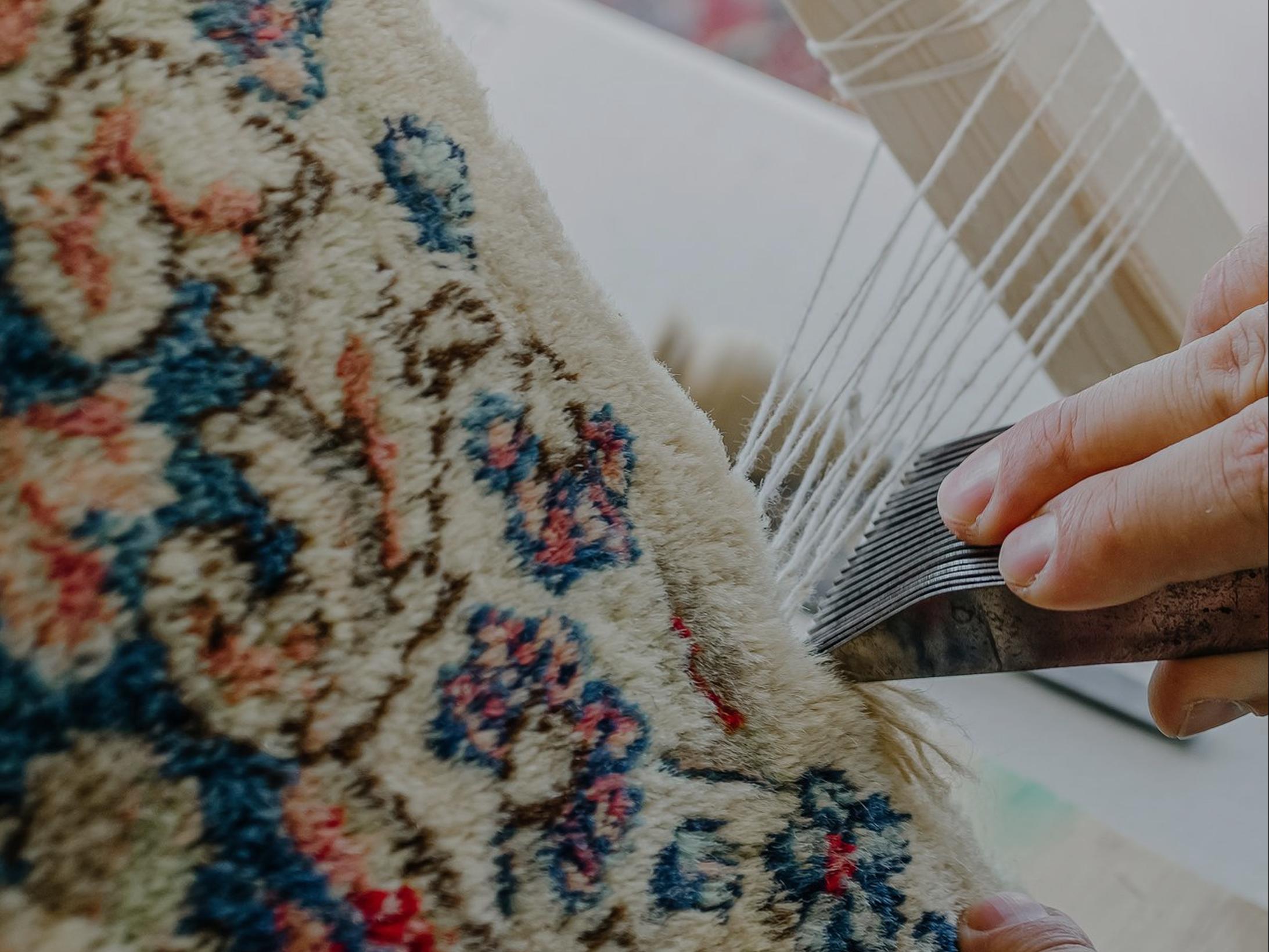
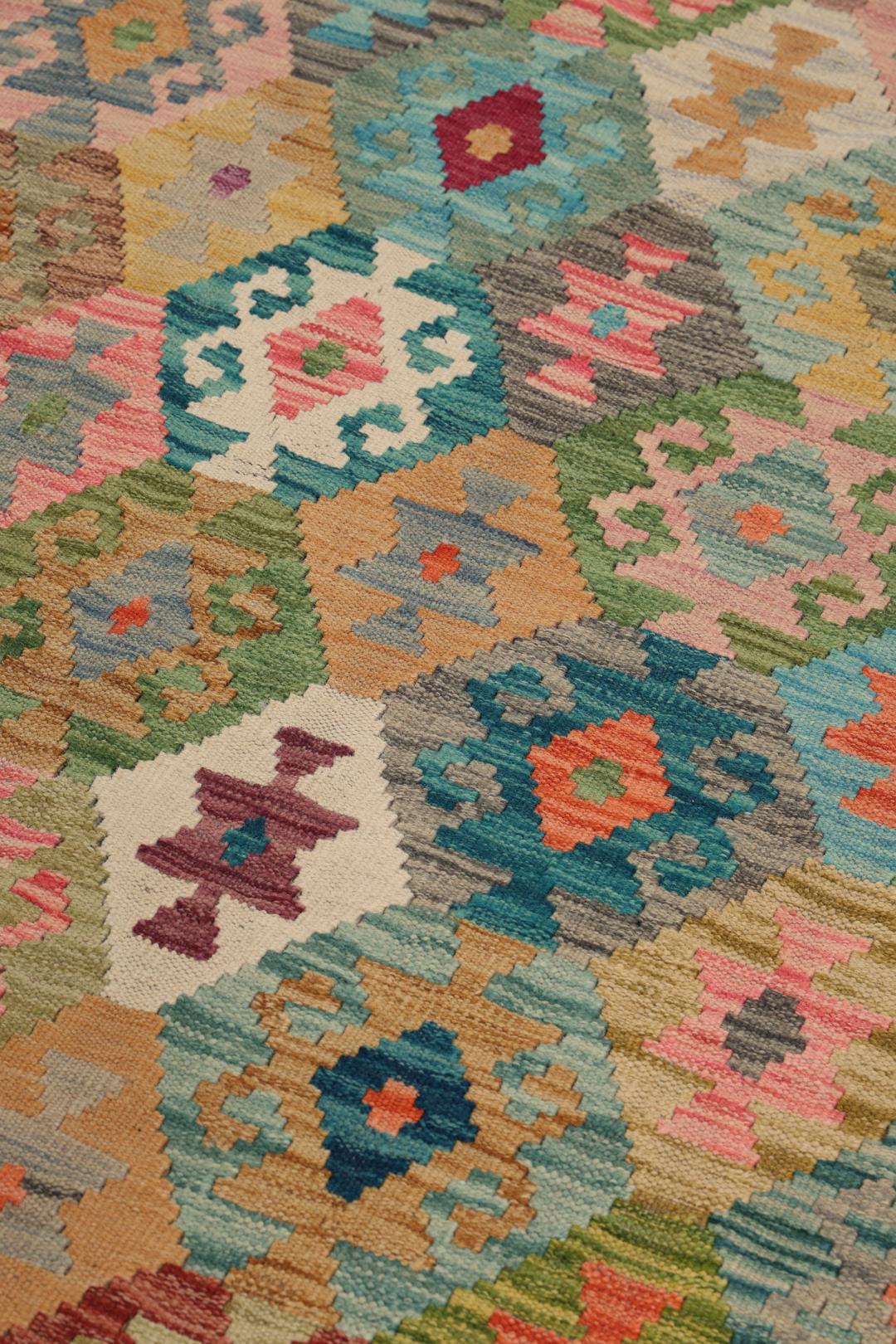
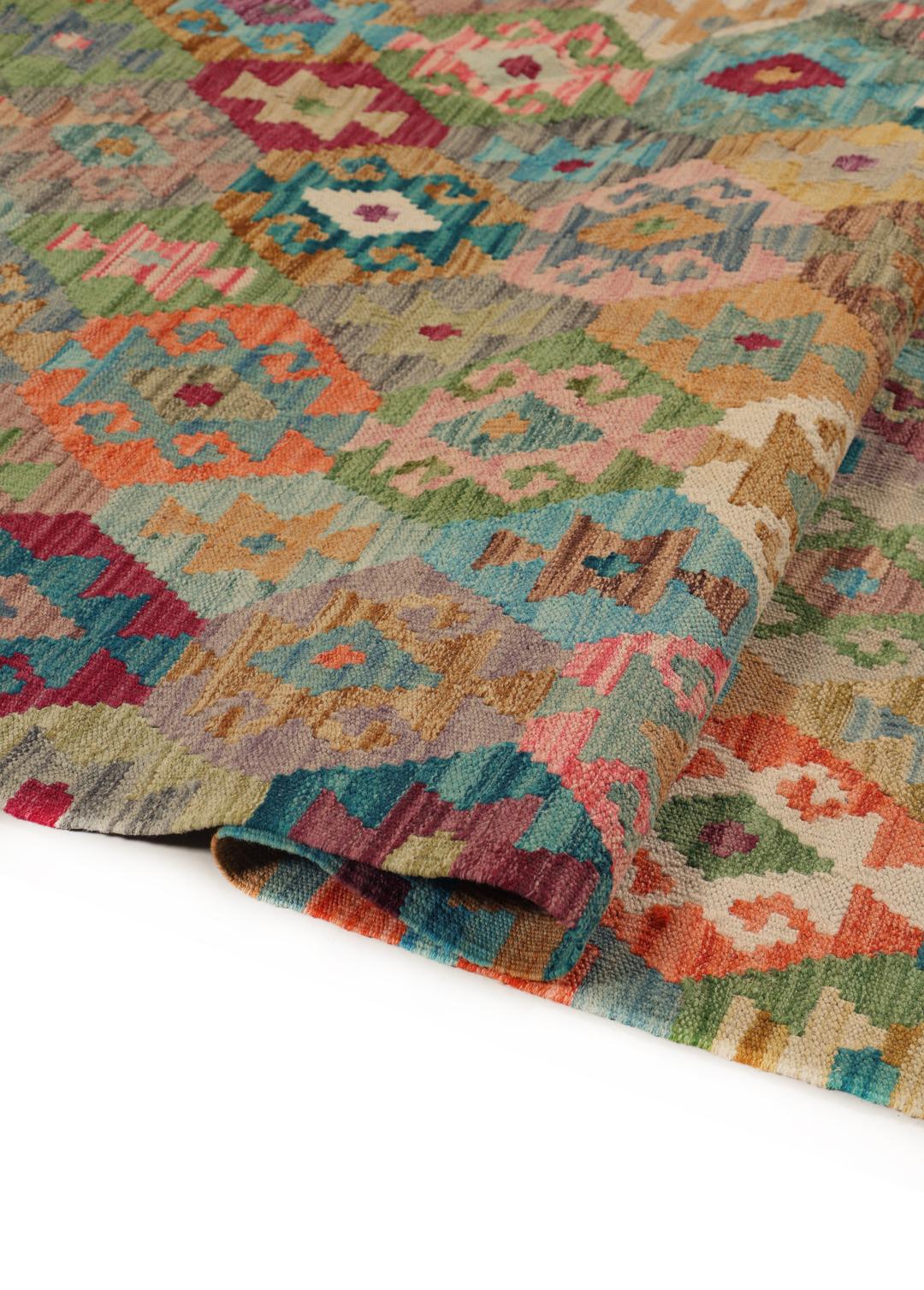
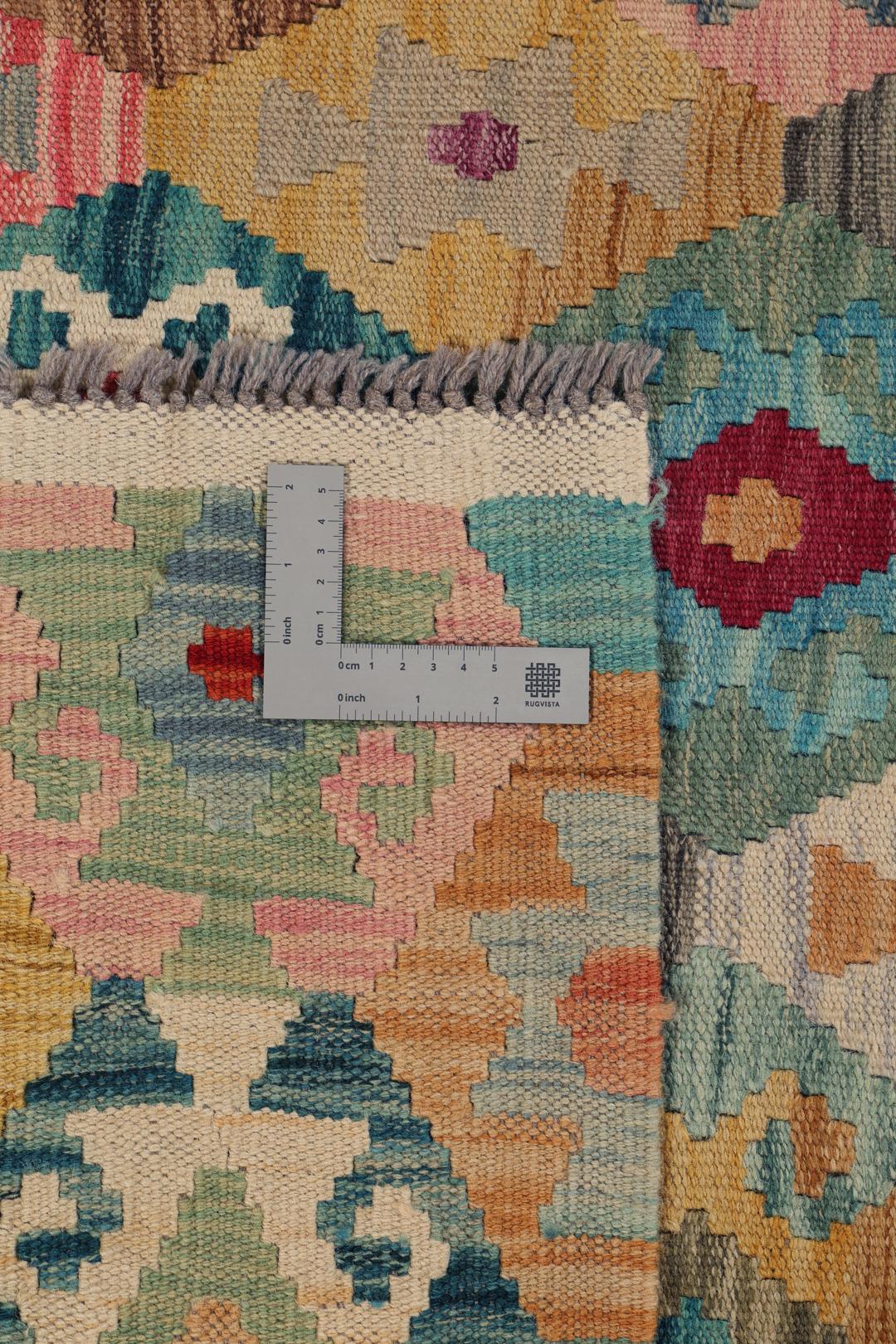
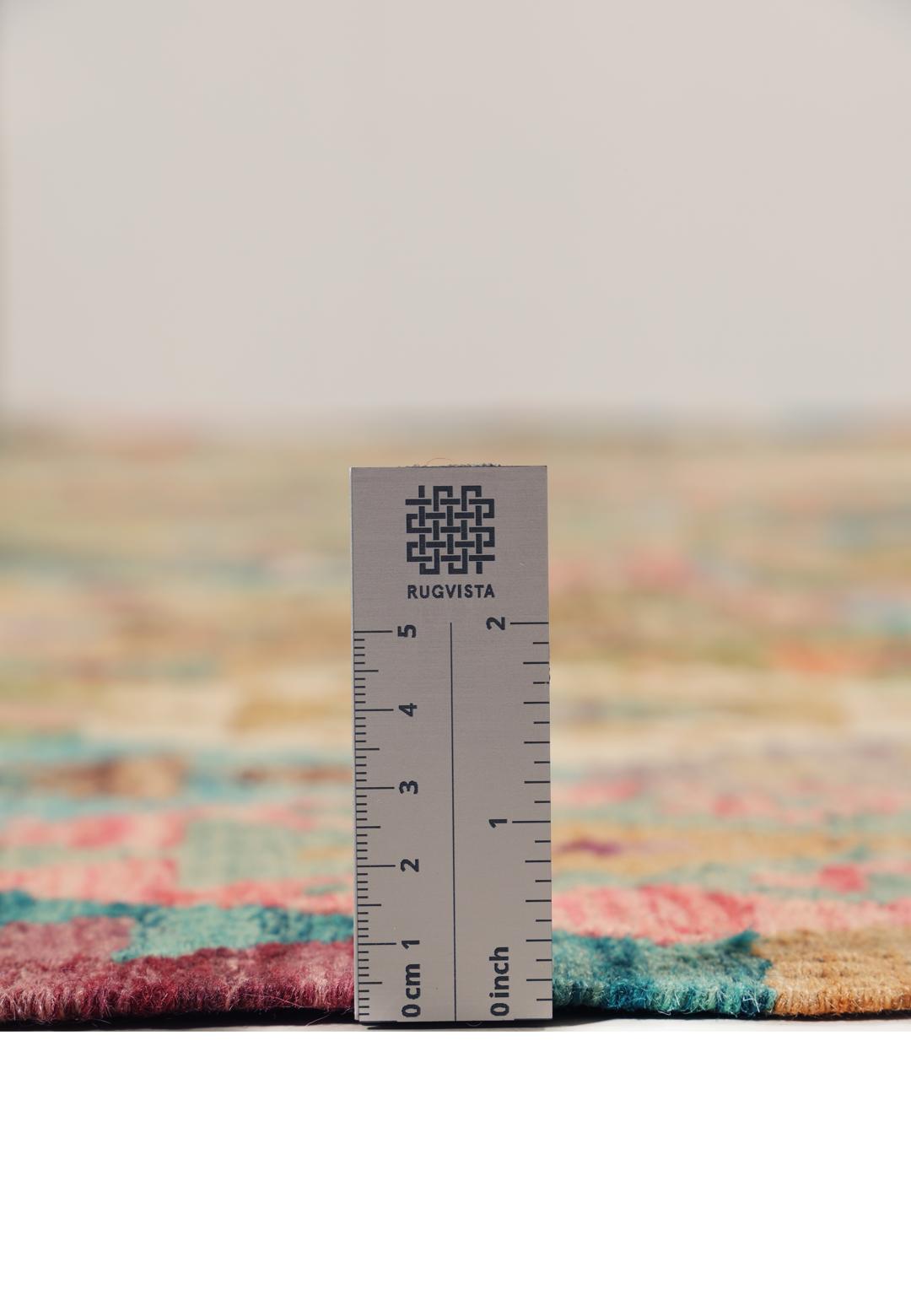
The term 'Kelim' refers to the specific technique of weaving where the weft strands are pulled tightly over the warp strands to create a seamless, pileless surface. This method allows for the creation of sharp, clean geometric shapes and intricate patterns that are woven directly into the foundation of the piece, rather than added on top.
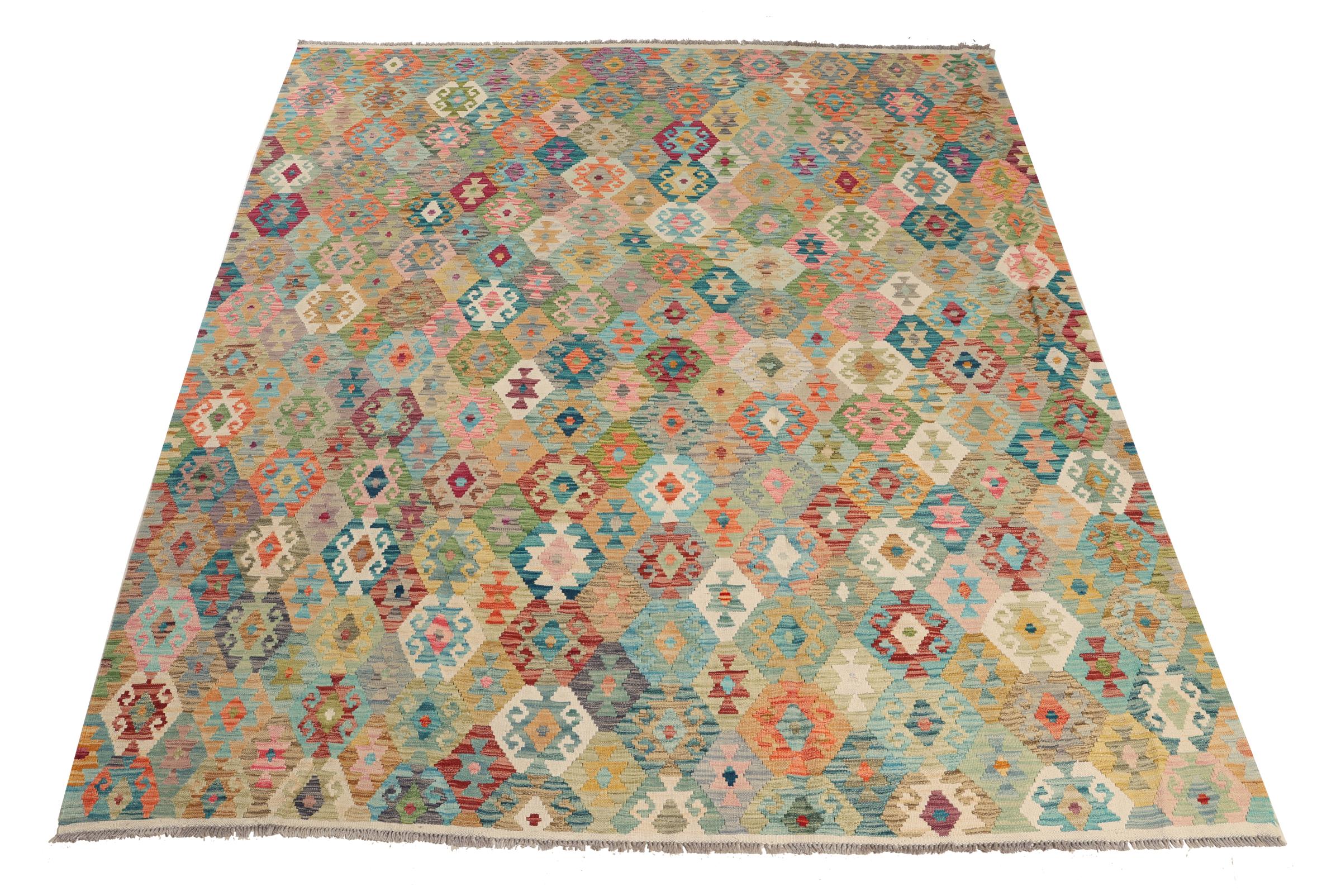
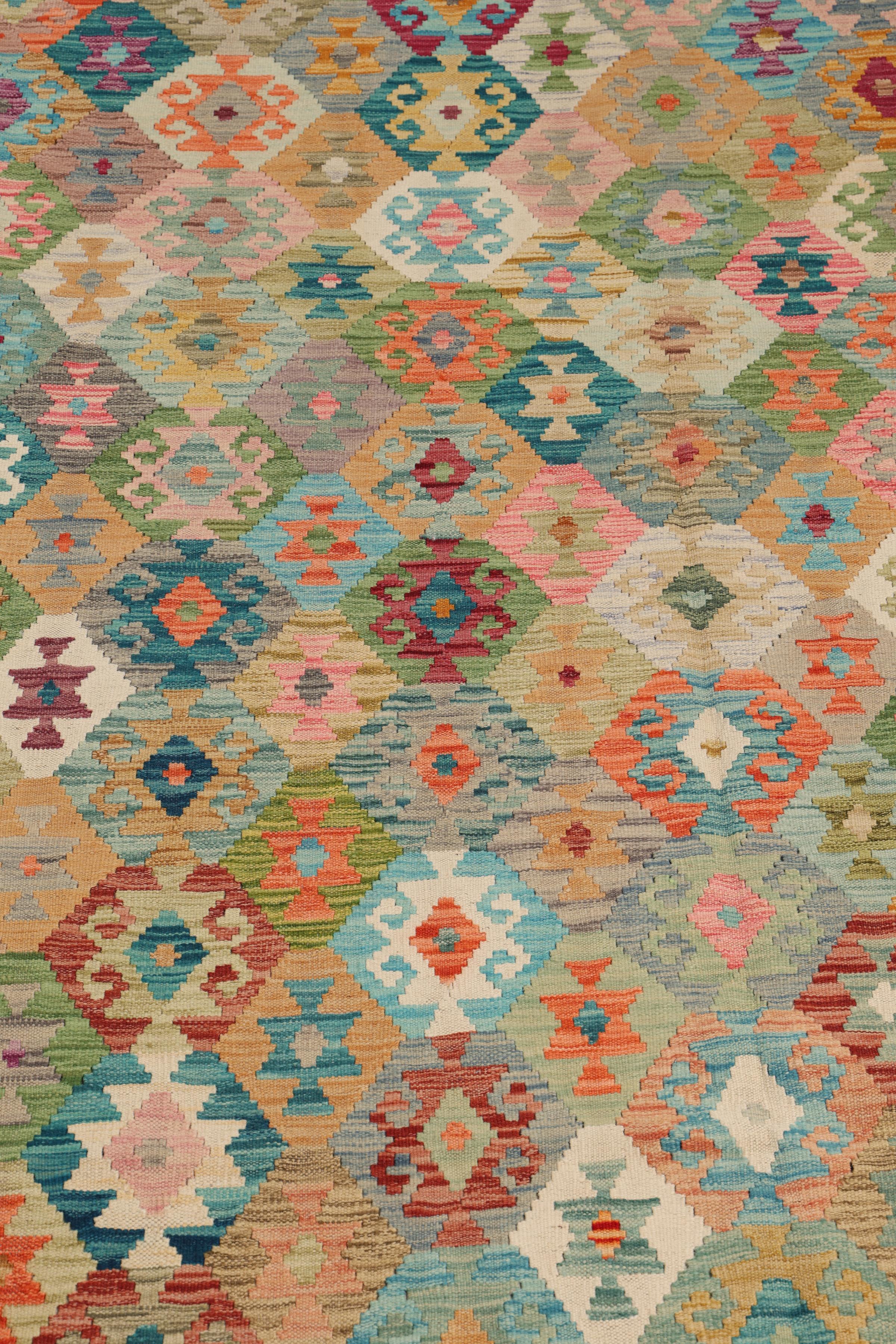
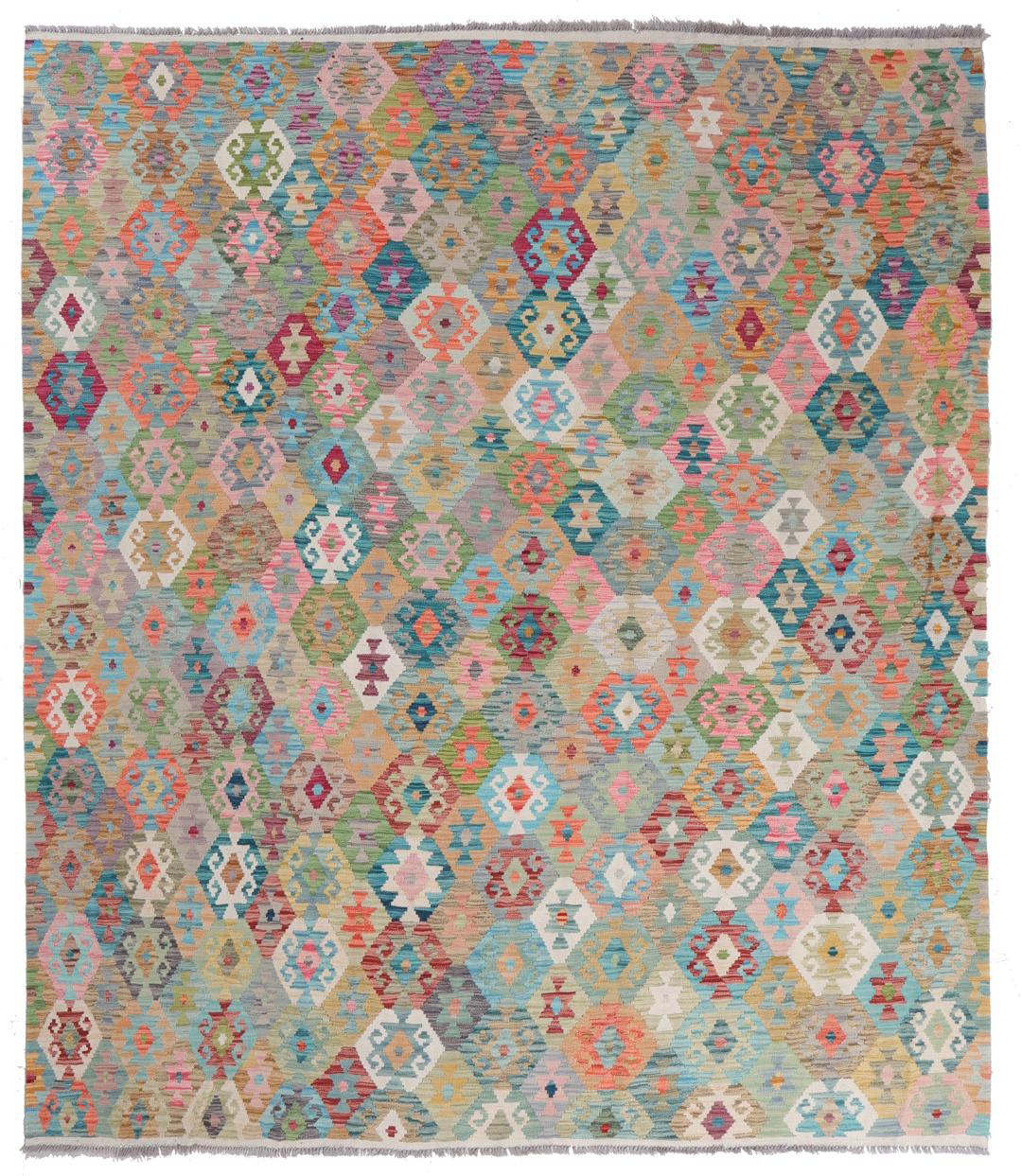
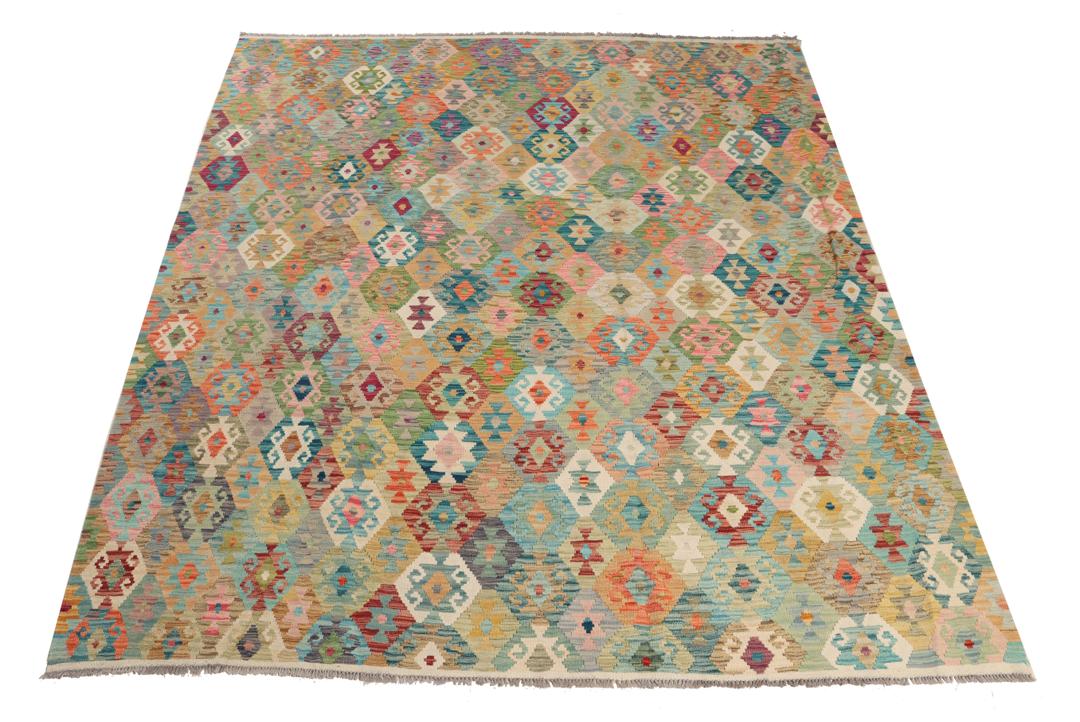
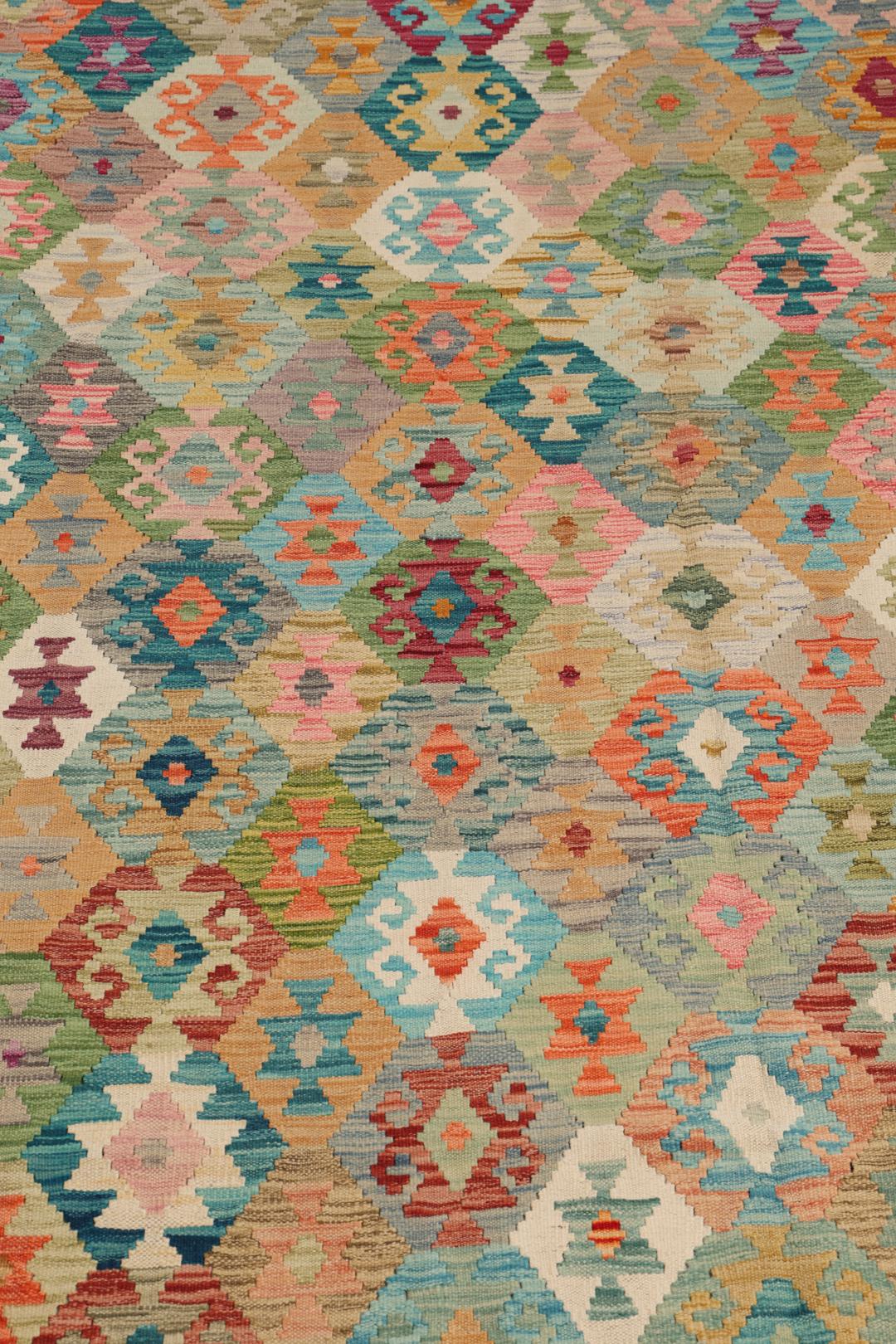
The signature design language of these rugs typically centres on bold geometric shapes, including diamonds, triangles, and stylised floral motifs. These patterns are often symbolic, passed down through generations of weavers to represent local history, nature, or tribal affiliations, resulting in a visual language that is as deep as it is beautiful.
Today, these rugs are highly valued by collectors who appreciate the skill and history embedded in every thread. Owning an Afghan Kelim means connecting with a long-standing tradition of craftsmanship, where the focus remains on the beauty of the weave and the authenticity of the materials used.