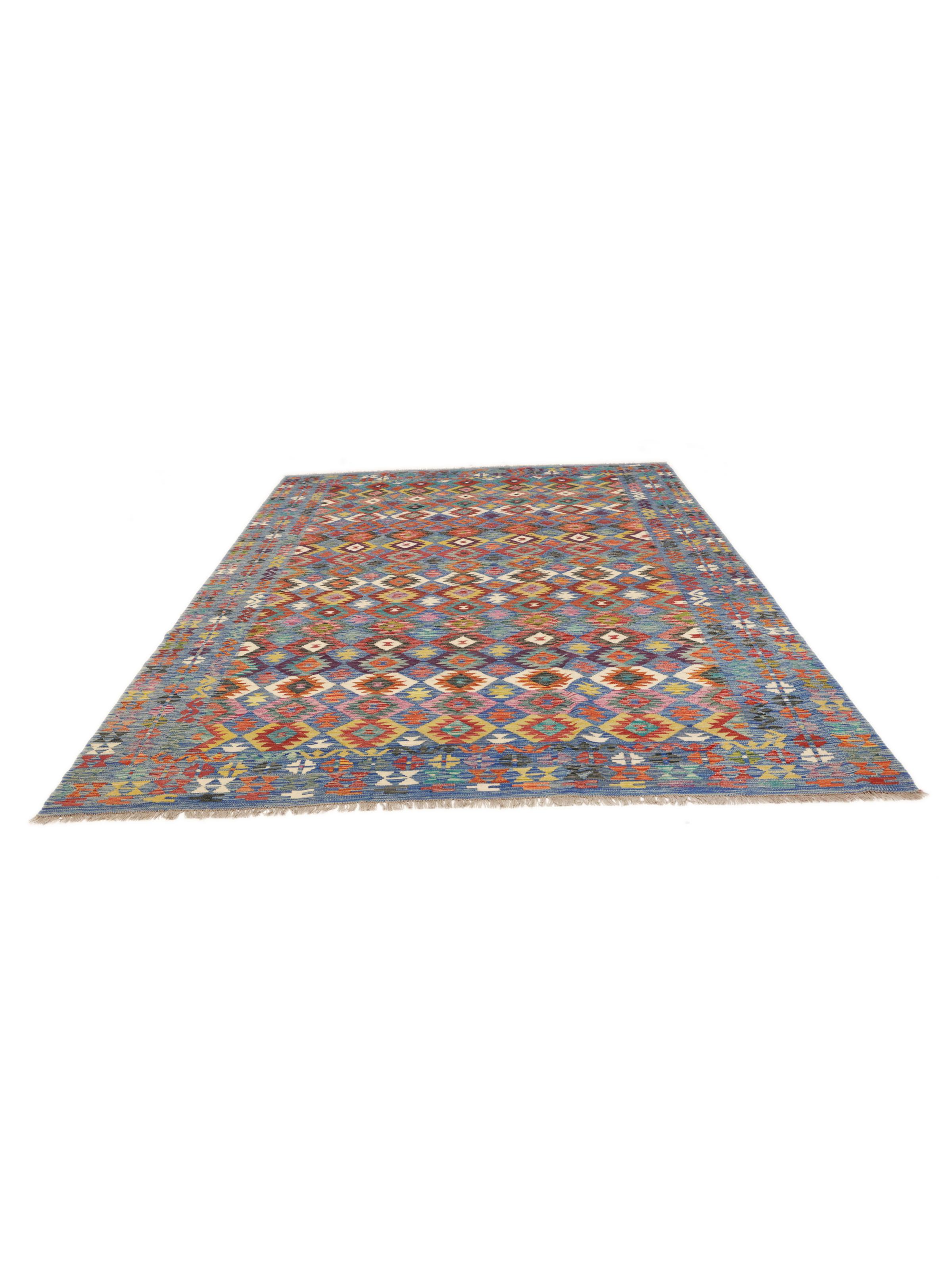
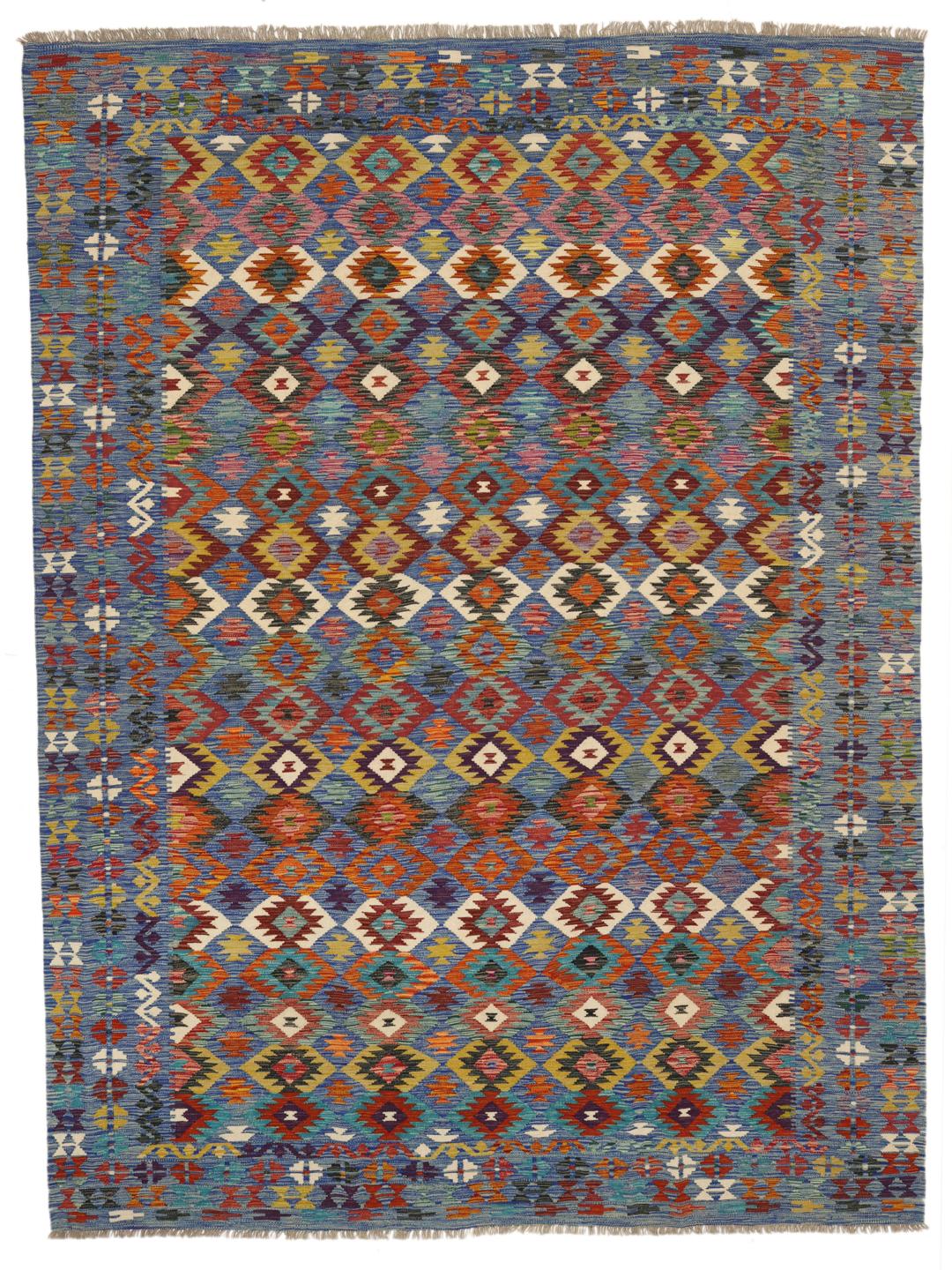
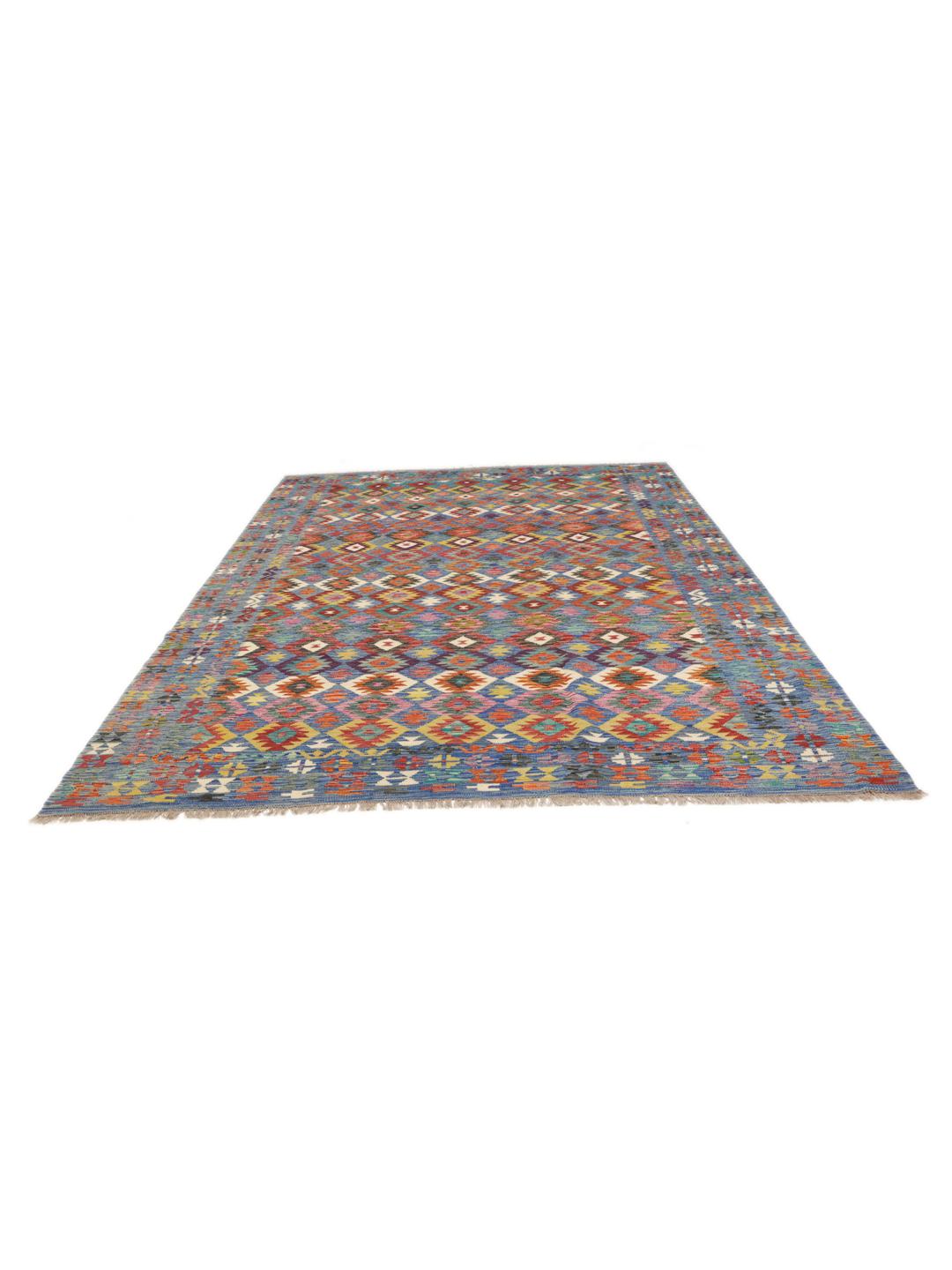
The Kelim tradition in Afghanistan is deeply rooted in the nomadic and village cultures of Central Asia. For centuries, these rugs have served as essential, multi-functional items in the home, used as floor coverings, blankets, and storage bags. The transition of these designs into the global market has preserved the ancient techniques of the Afghan weavers, who continue to use traditional methods that reflect the history of the Silk Road.
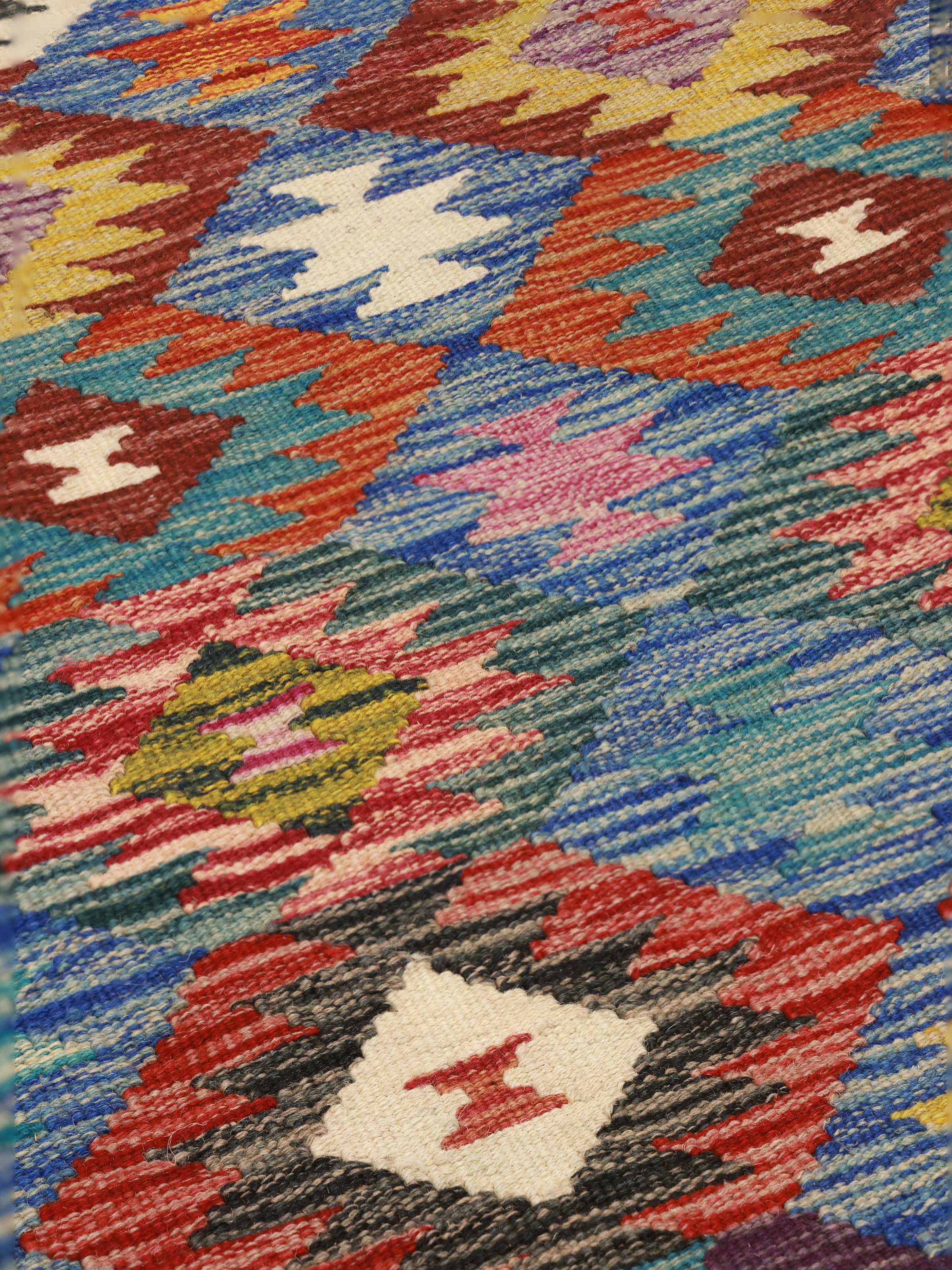
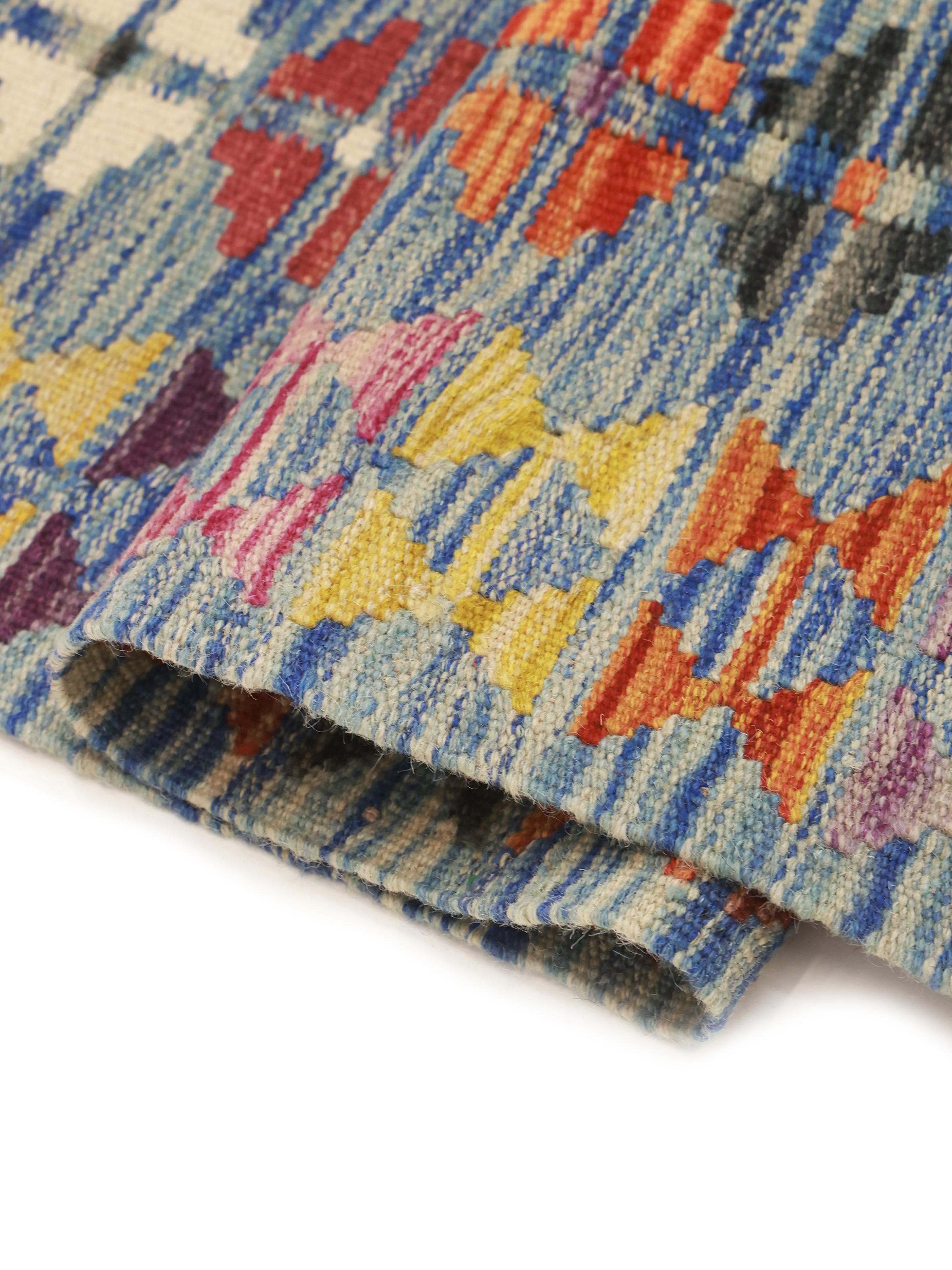
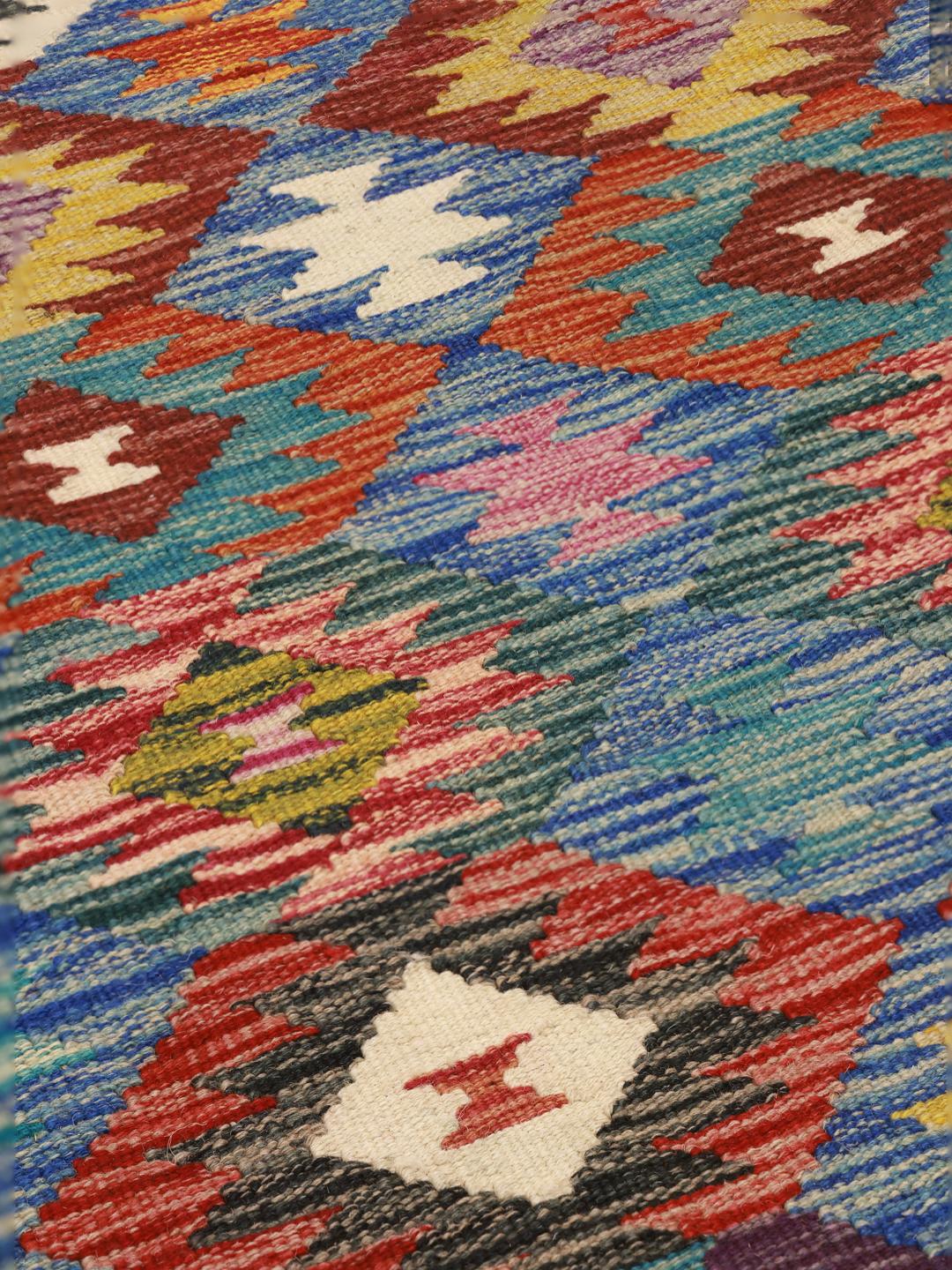
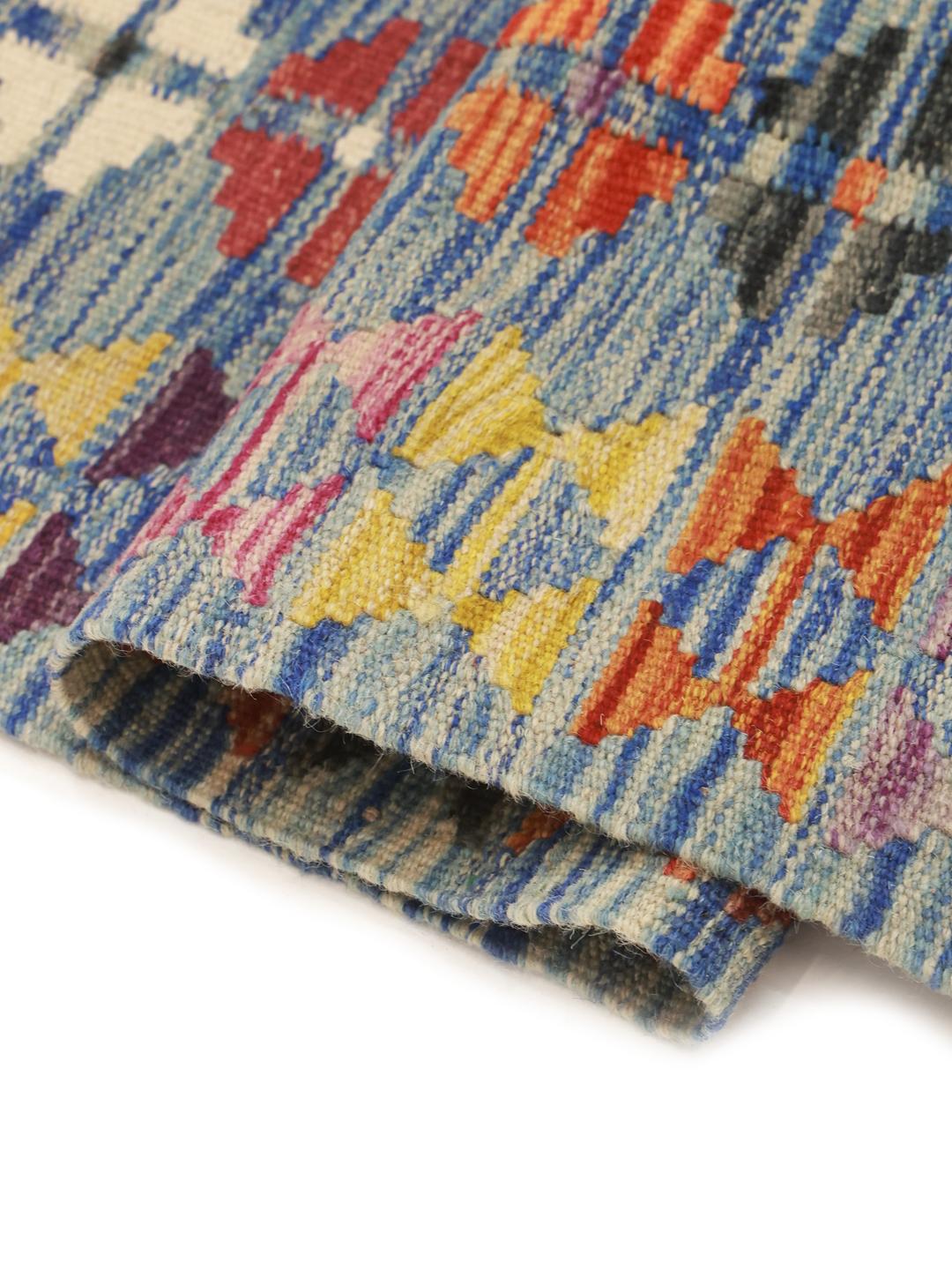
A Kelim is defined by its flat-weave construction, which distinguishes it from pile rugs by the absence of a knotted surface. In this technique, the warp and weft threads are interlaced to create the design, resulting in a lighter, reversible, and highly durable textile. This structural simplicity is a hallmark of the craft, requiring the weaver to have a precise understanding of tension and pattern layout from the very first thread.
The signature design elements of this tradition revolve around geometric motifs, often featuring bold diamonds, triangles, and intricate borders. These patterns are not merely decorative but are symbolic, often representing tribal identity or protective motifs. The use of vibrant, contrasting colours is a defining characteristic, often achieved through natural or high-quality synthetic dyes that have been refined over generations to produce the iconic, saturated look associated with Afghan textiles.
Owning a Kelim is an investment in cultural heritage and human skill. These rugs are highly valued by collectors for their authenticity and the way they bridge the gap between ancient necessity and contemporary decor. To bring one into your home is to participate in a long-standing tradition of artistry, where every thread tells a story of the person who wove it and the landscape from which the design emerged.