Kilim weaving in Afghanistan represents one of the oldest flatweaving traditions in Central Asia. Woven historically by nomadic and village communities, these flatweaves served both practical and aesthetic purposes in daily life, functioning as floor coverings, wall hangings, and protective blankets.
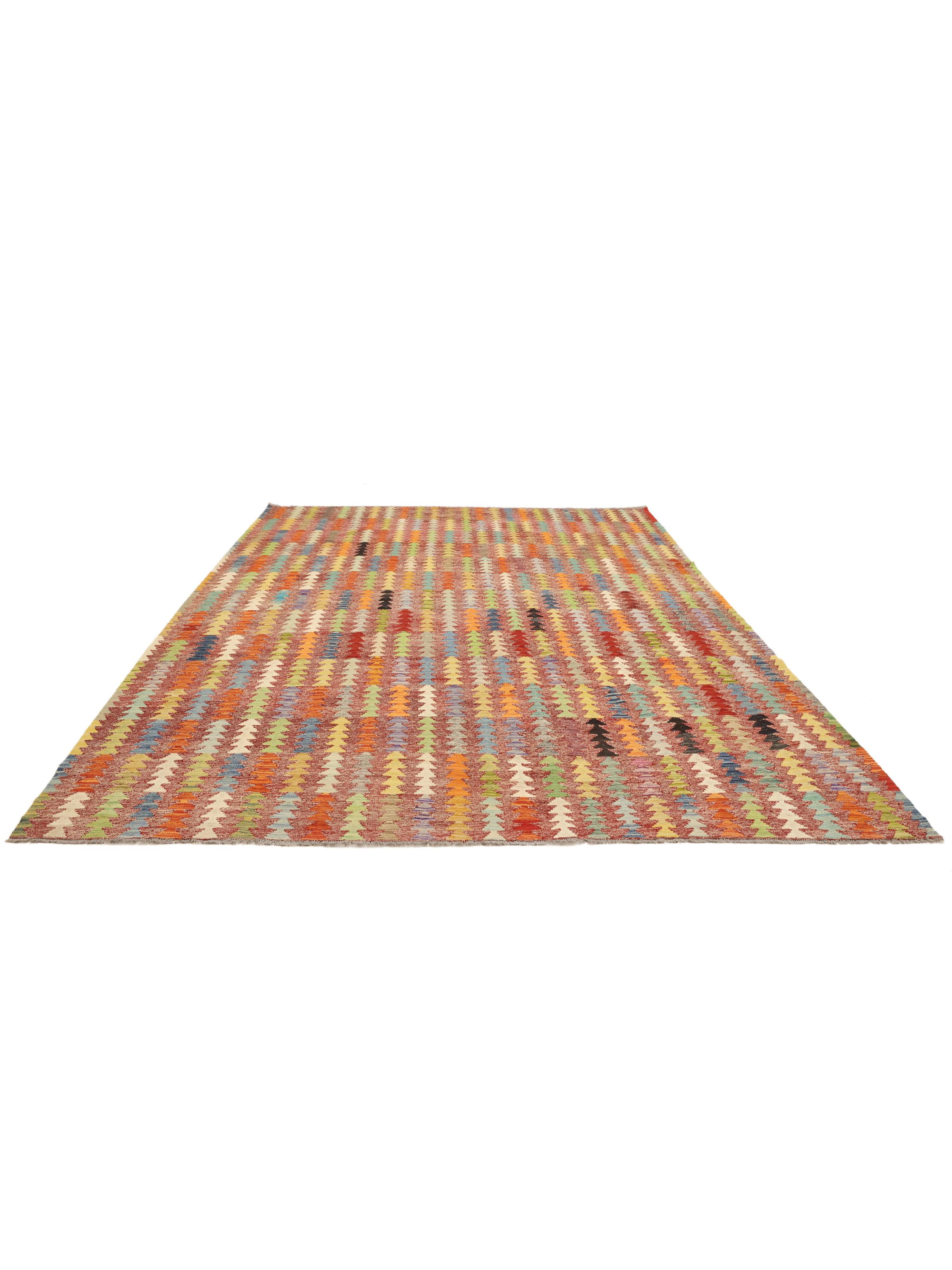
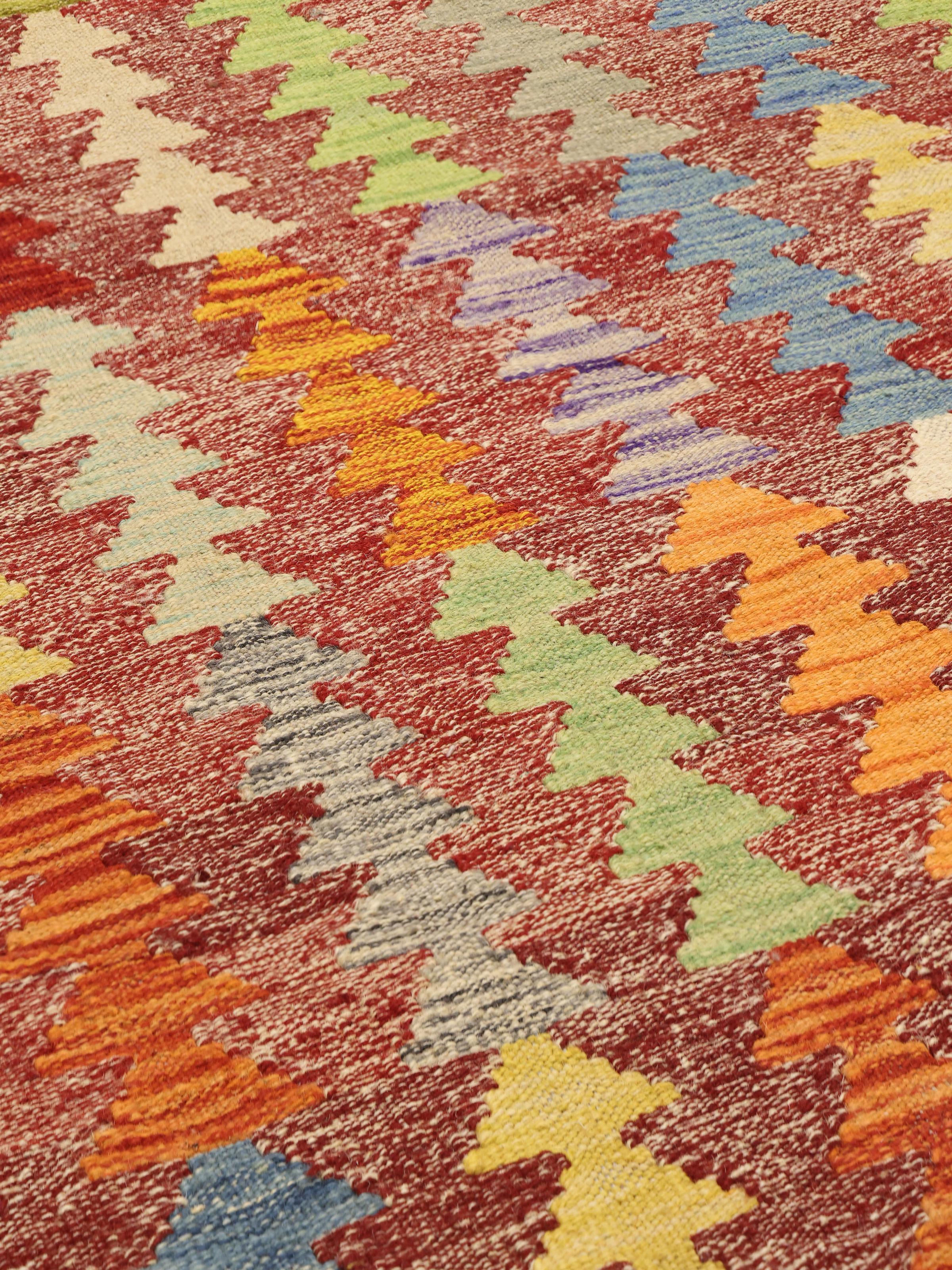
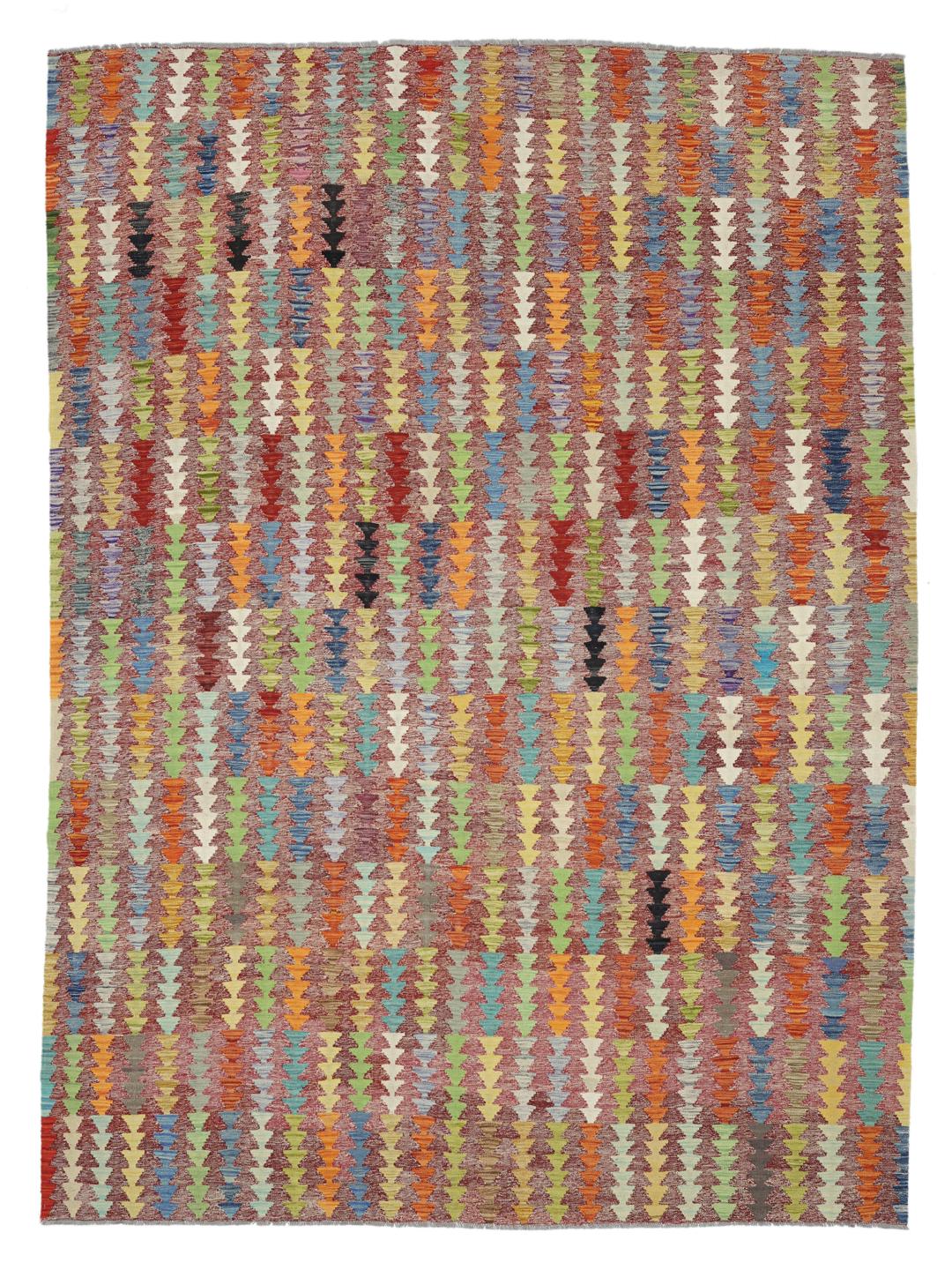
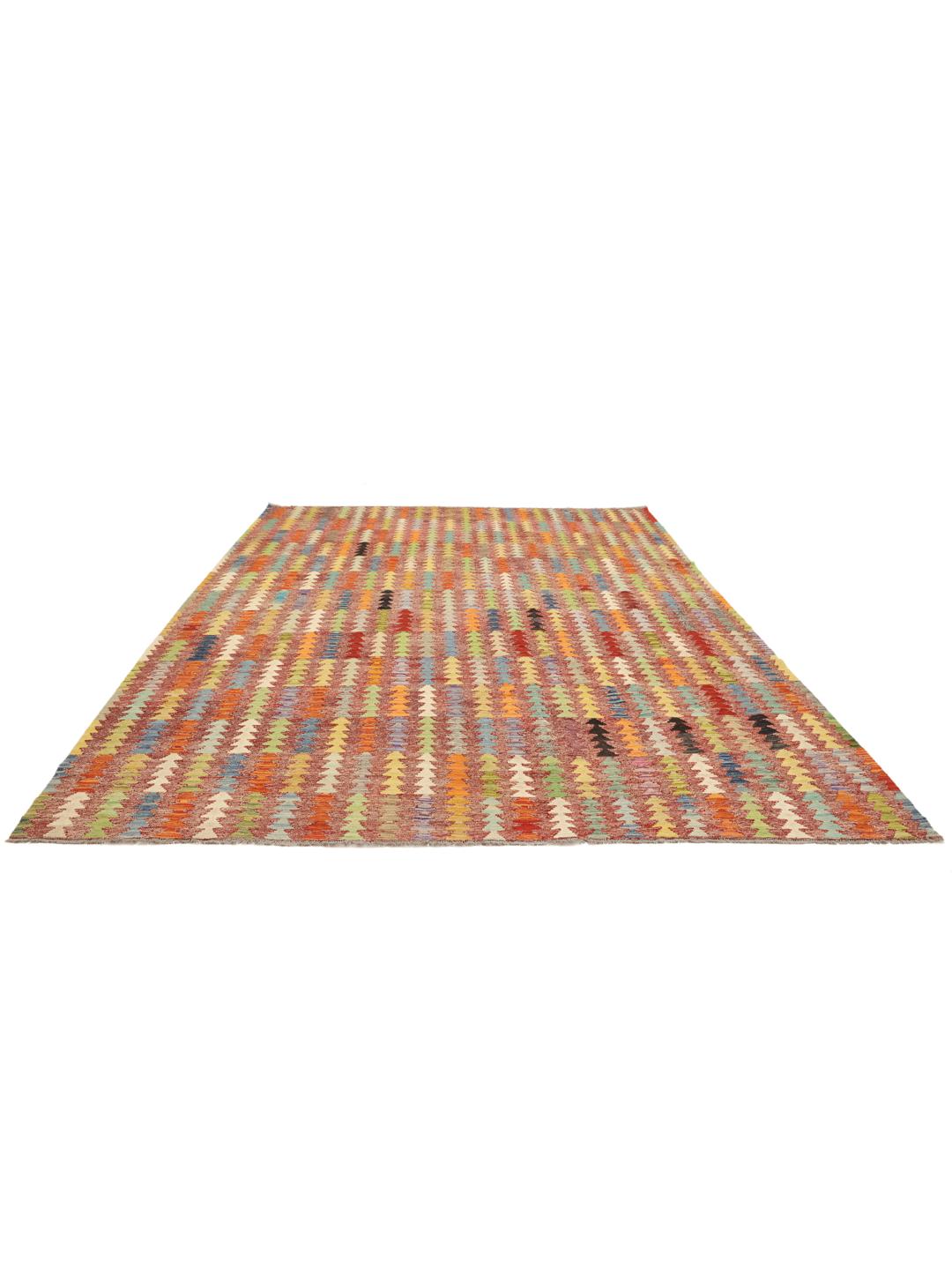
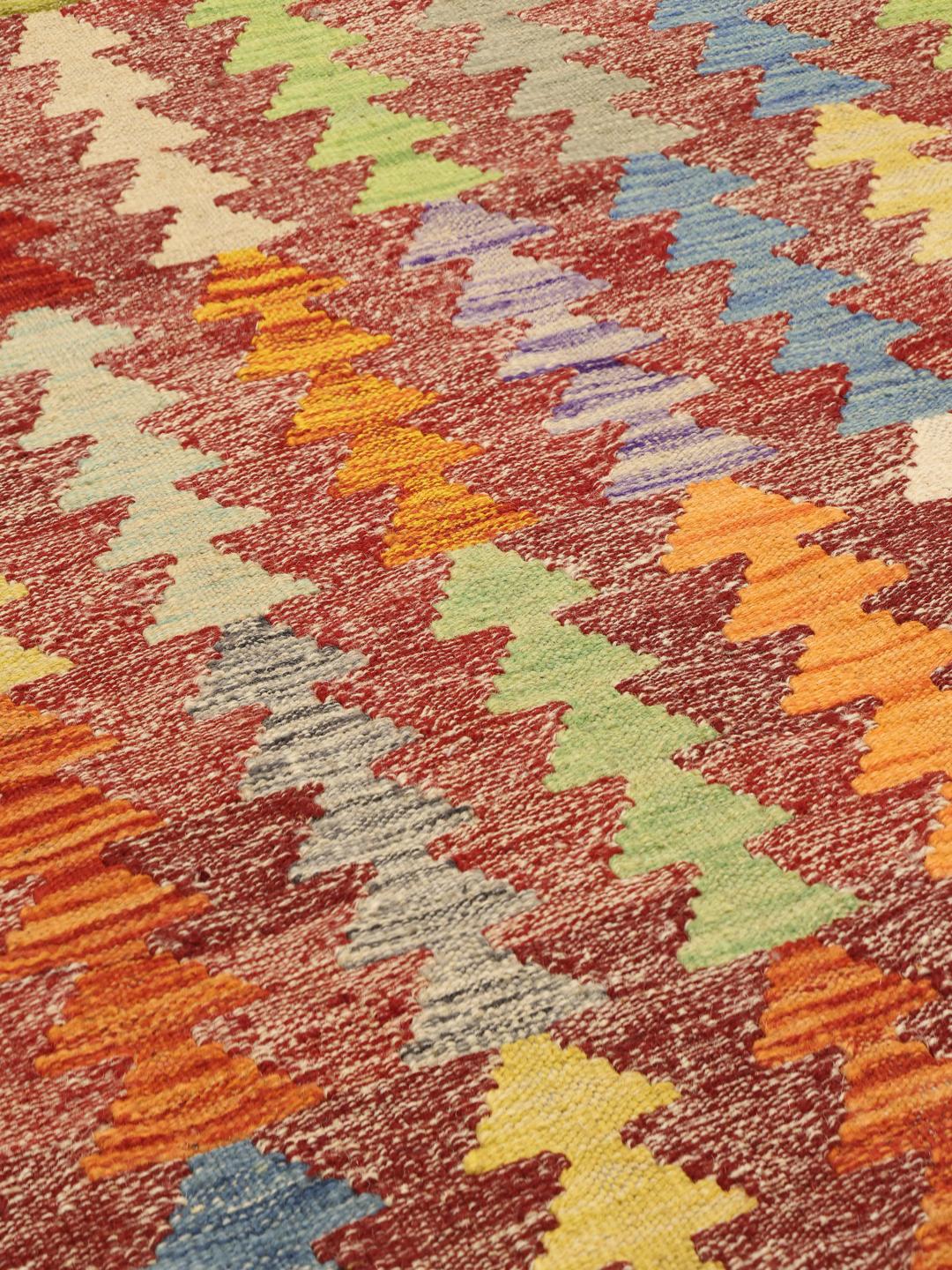
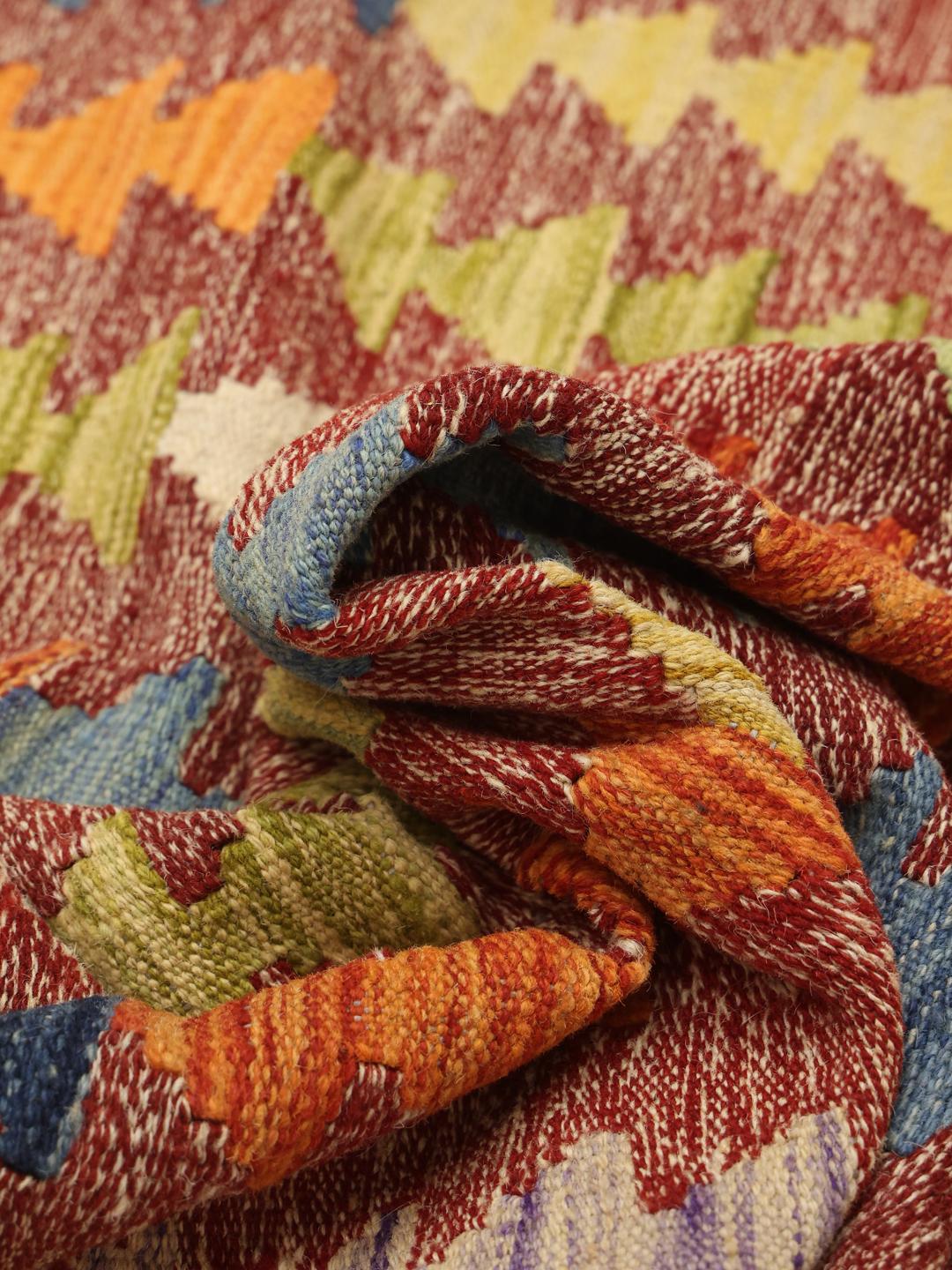
The Old Style Afghan kilim tradition is defined by its slit-weave technique, where the weaver wraps colored weft threads around warp threads to form sharp, precise geometric designs. This construction produces a smooth surface free of pile, leaving the flat geometric pattern sharp and clear on both sides of the rug.
Visual language in Afghan kilims often features repeating step-like motifs, diamond shapes, and geometric arrow rows set against earthy base colors. Natural brown and terracotta tones are traditionally paired with accent shades of deep red, green, and orange to form structured, rhythmic panels.
prized by collectors for their honest craftsmanship and connection to ancient living traditions, Afghan kilims represent genuine regional heritage. Owning an authentic hand-woven Afghan kilim means preserving a piece of Central Asian textile history within a contemporary living environment.