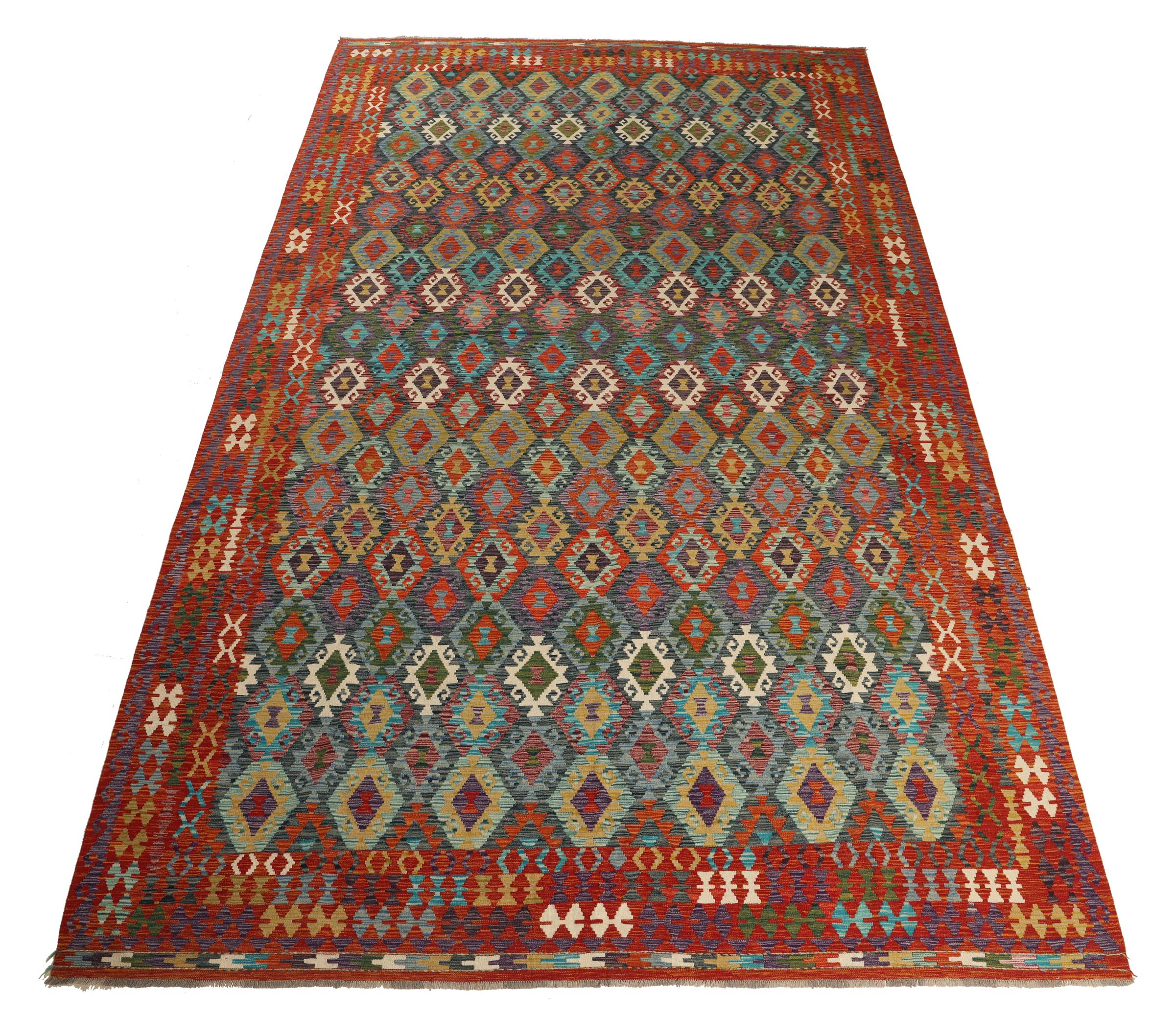
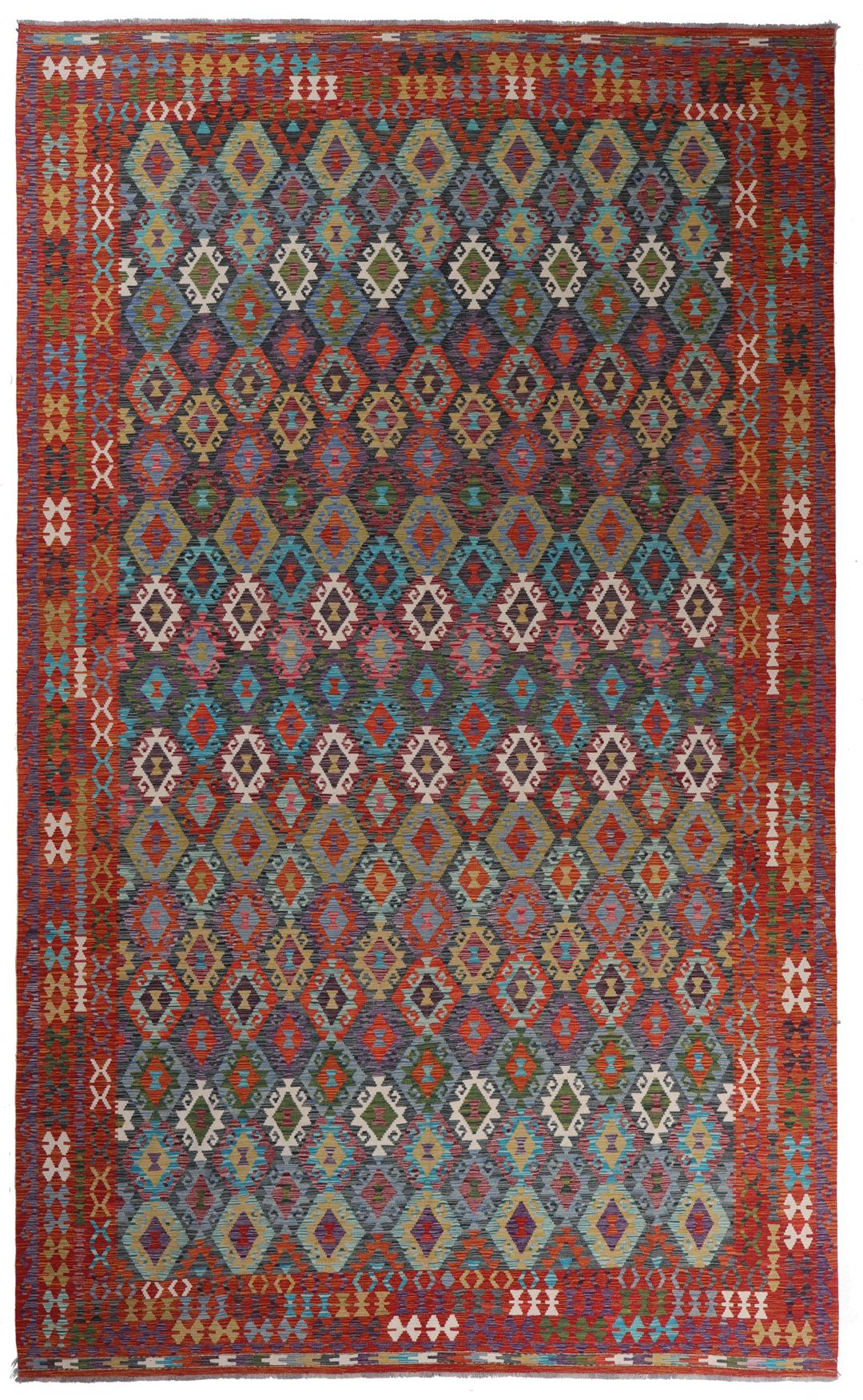
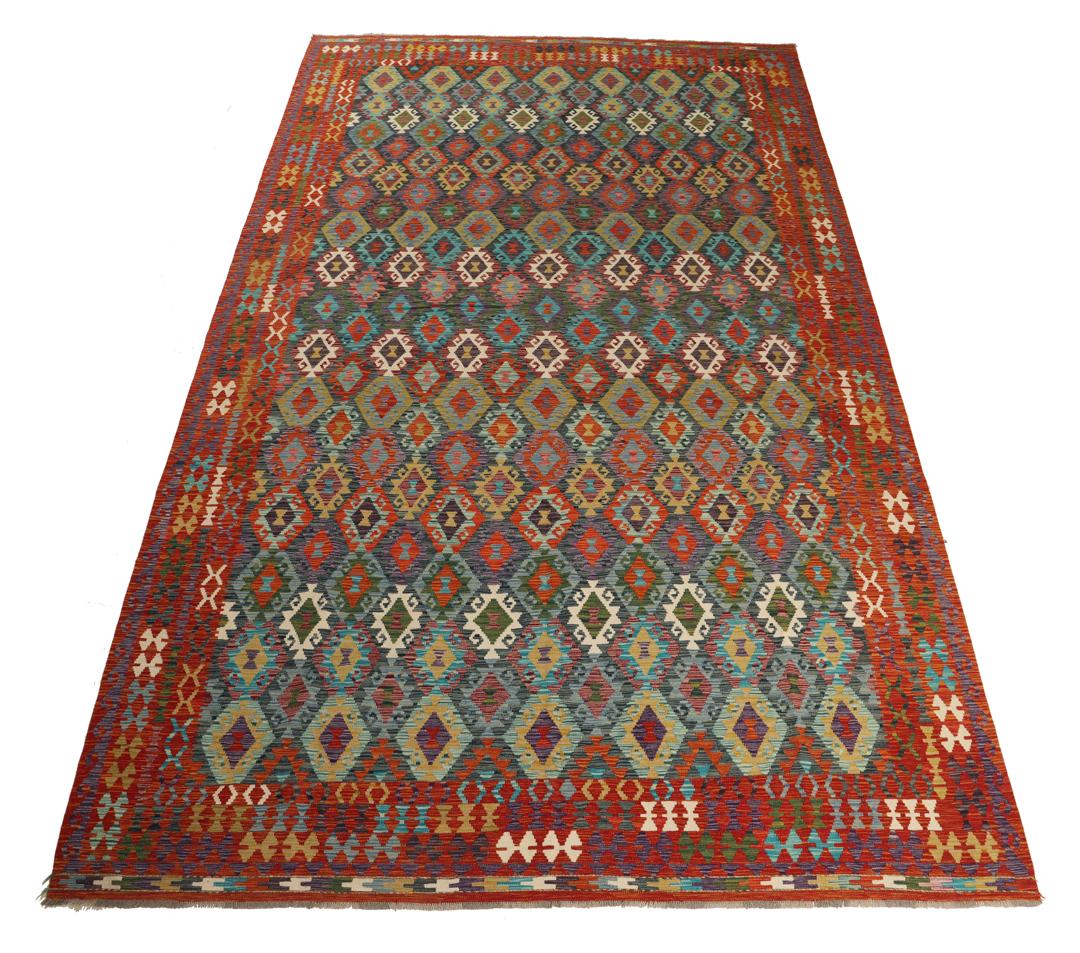
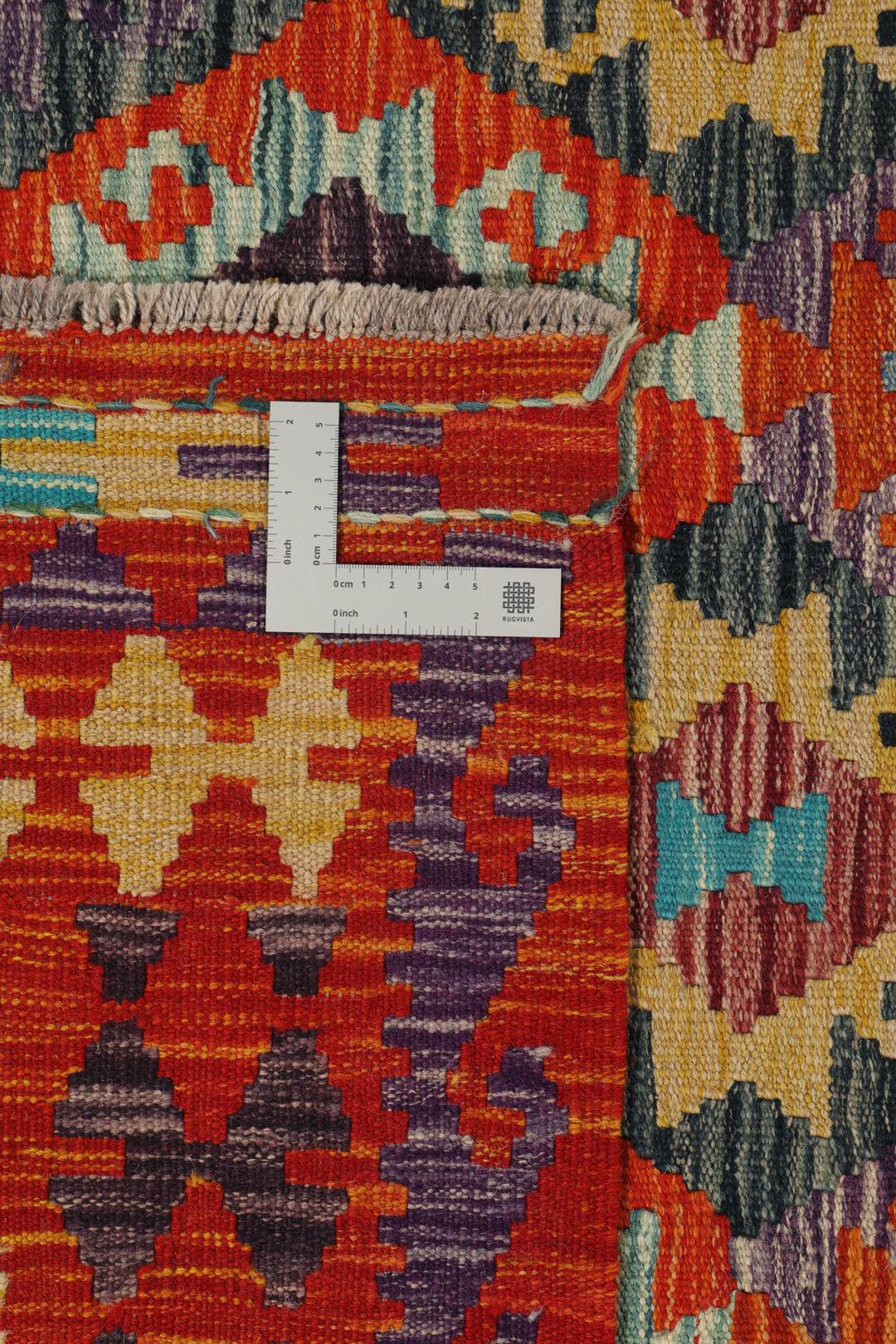
Kelim rugs from Afghanistan are deeply rooted in the nomadic traditions of the region, where flat-woven textiles served as versatile, essential household items. Historically, these rugs were designed to be durable enough for life on the move, serving as floor coverings, blankets, and storage bags. Over centuries, these functional objects evolved into the decorative masterpieces we recognise today, blending ancient tribal motifs with a sophisticated aesthetic that has captivated collectors worldwide.
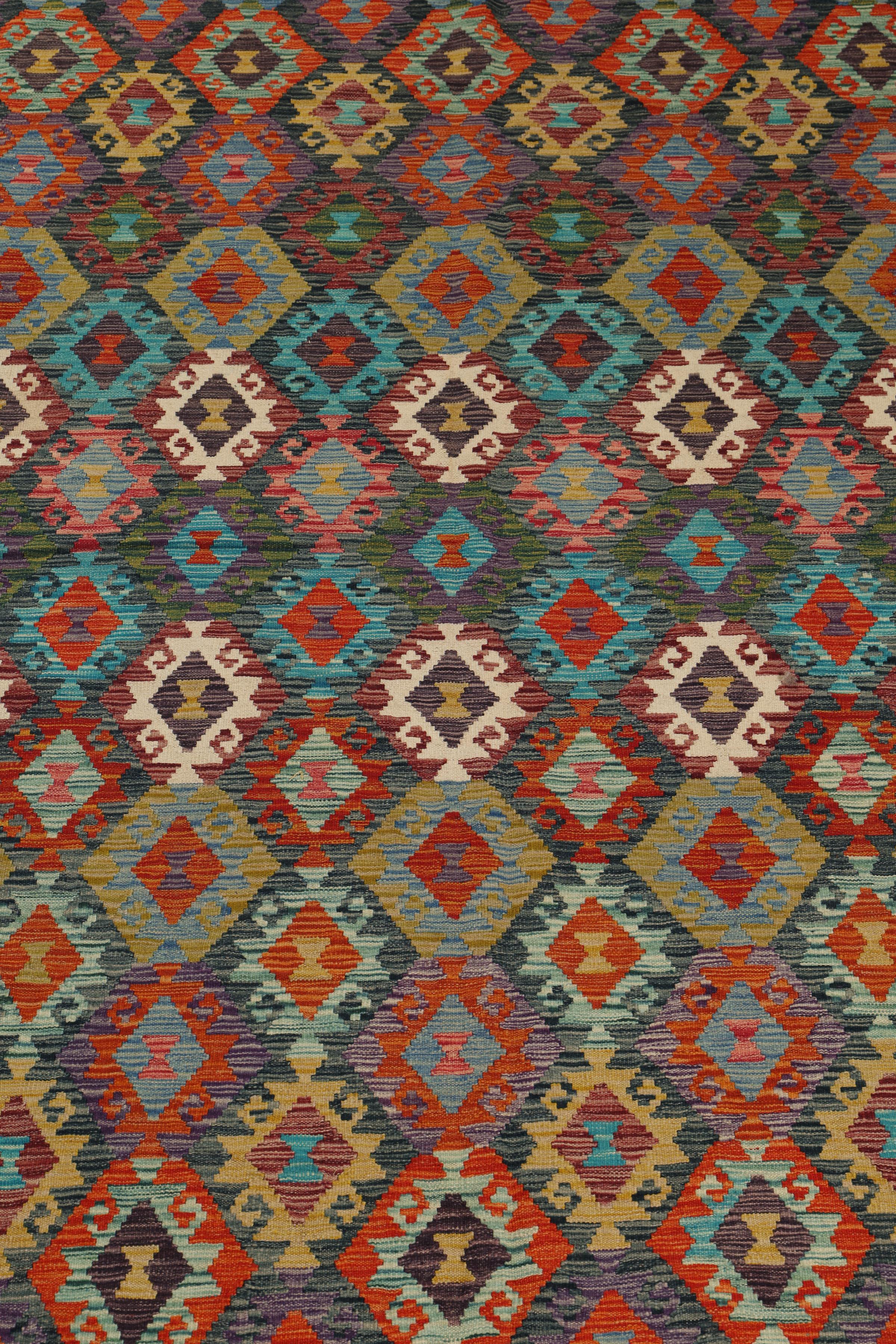
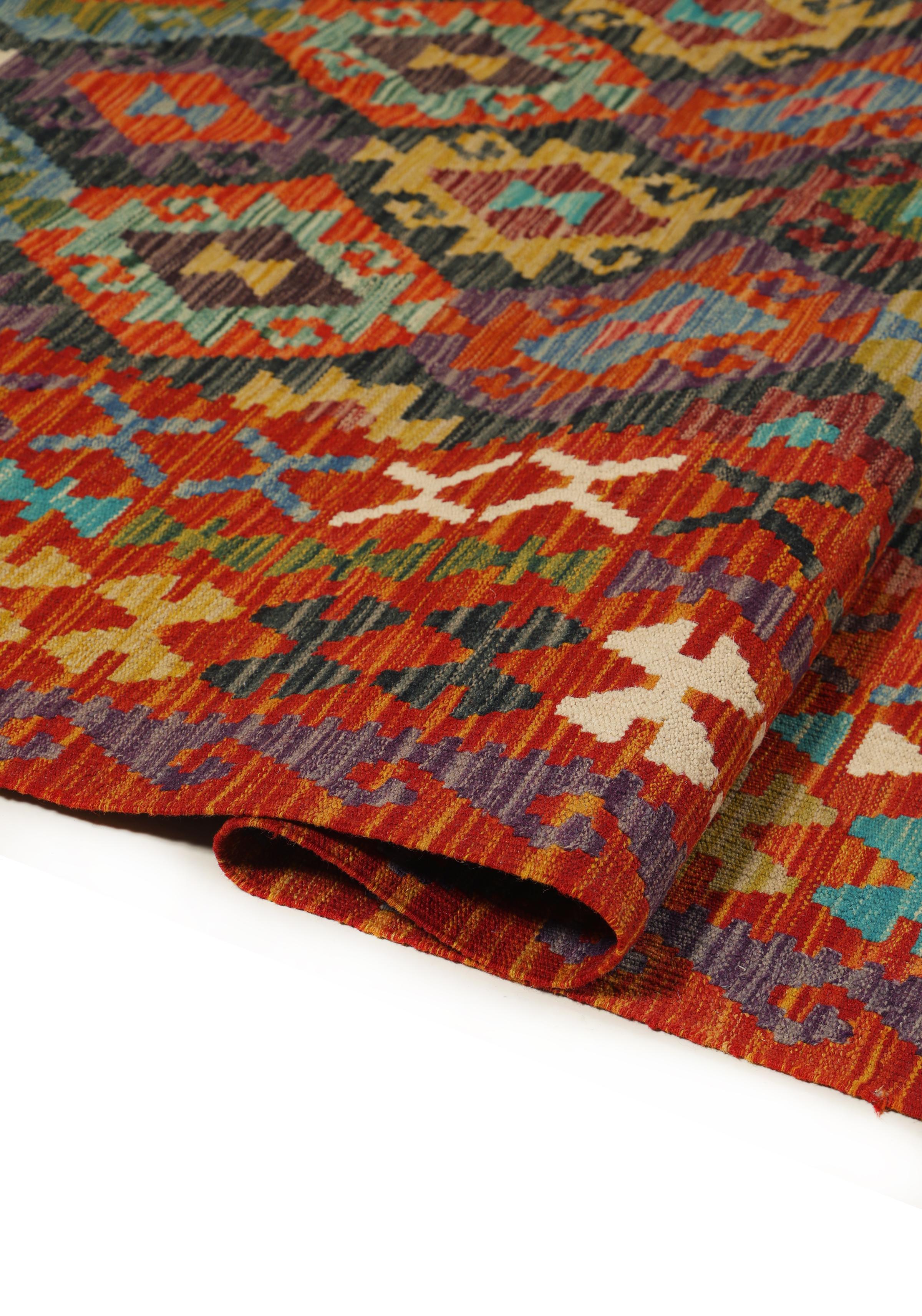
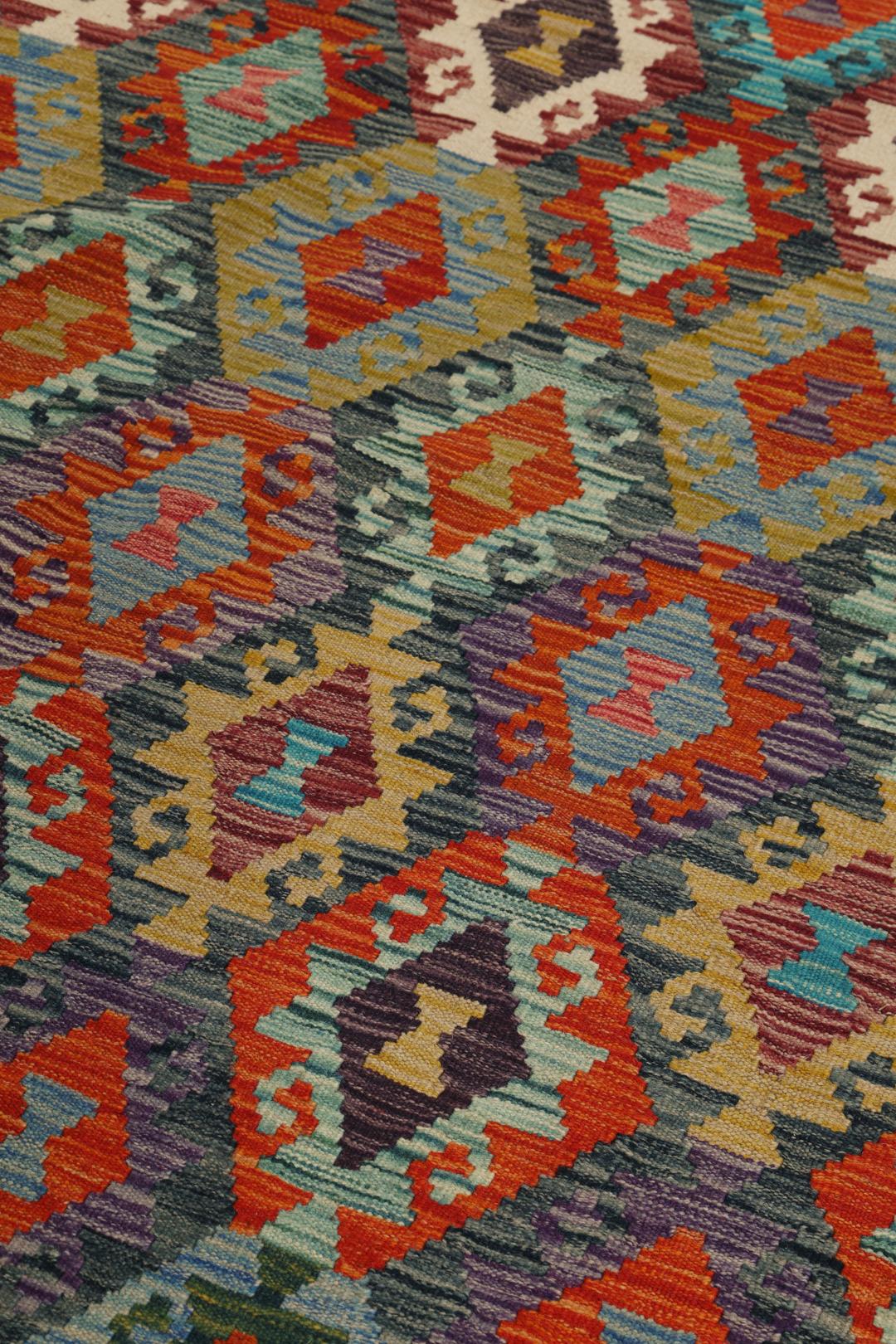
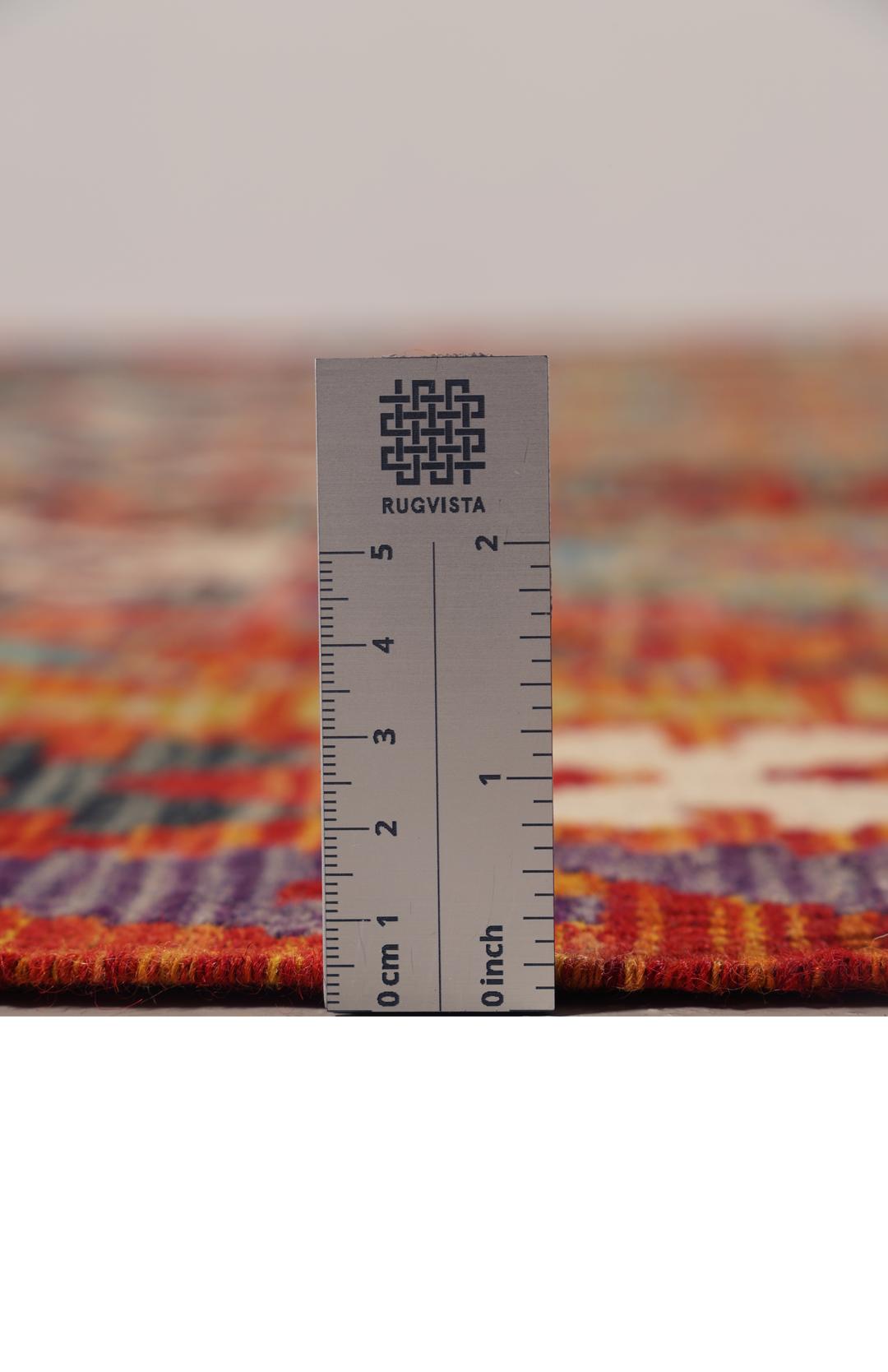
The term 'Kelim' refers specifically to the flat-weaving technique where the weft threads are pulled tightly over the warp threads, completely concealing the foundation. This method creates a reversible, pile-less rug that is exceptionally strong and resilient. The 'Old Style' designation refers to a return to traditional, ancestral designs that prioritise authentic geometry and a specific, earthy colour palette, reflecting a deep respect for the cultural heritage of the weavers.
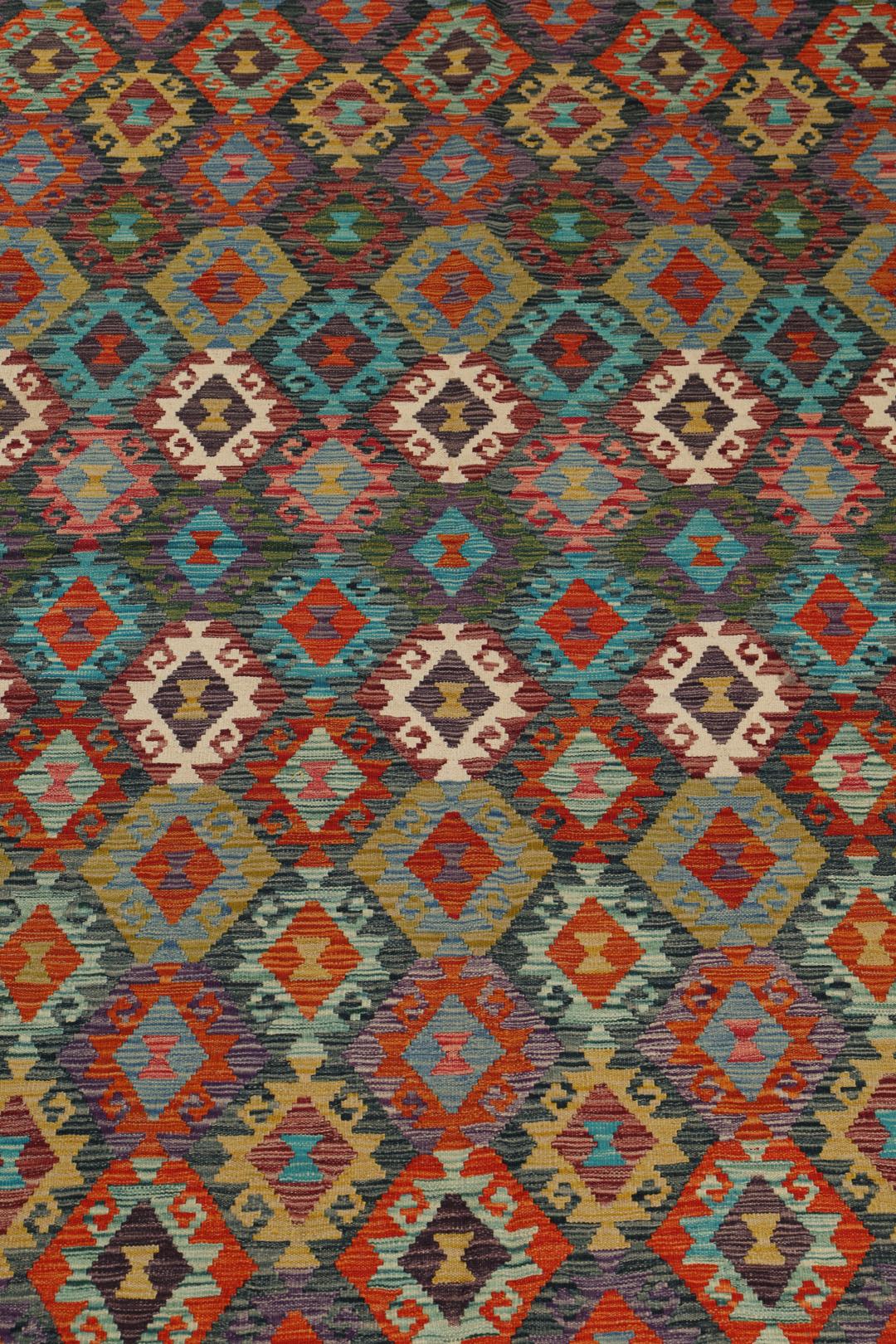
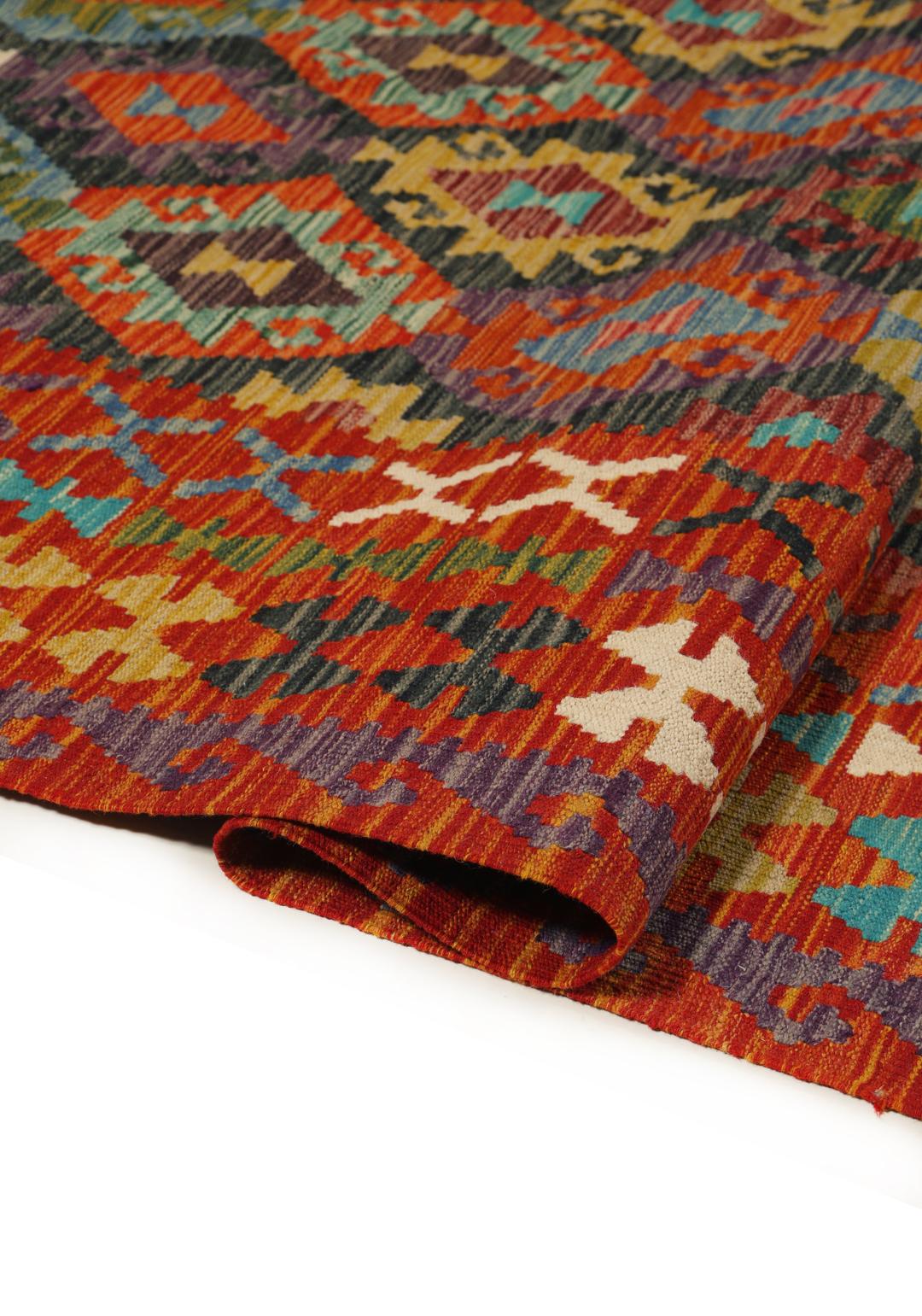
Visually, these rugs are characterised by repeating geometric patterns, often featuring diamonds, triangles, and stylised floral motifs. These designs are not merely decorative but often carry symbolic meanings, representing protection, fertility, or the natural landscape of the Afghan highlands. The borders are typically finished with decorative elements that frame the central field, providing a sense of order and completion to the intricate, busy patterns.
Collecting a Kelim from this tradition is an investment in cultural history. These rugs are highly valued for their authenticity and the skill required to produce them without the aid of modern machinery. Owning one connects you to a lineage of artisans whose work has remained remarkably consistent in quality and spirit. It is a choice that honours the past while adding a timeless, grounded element to a modern home.