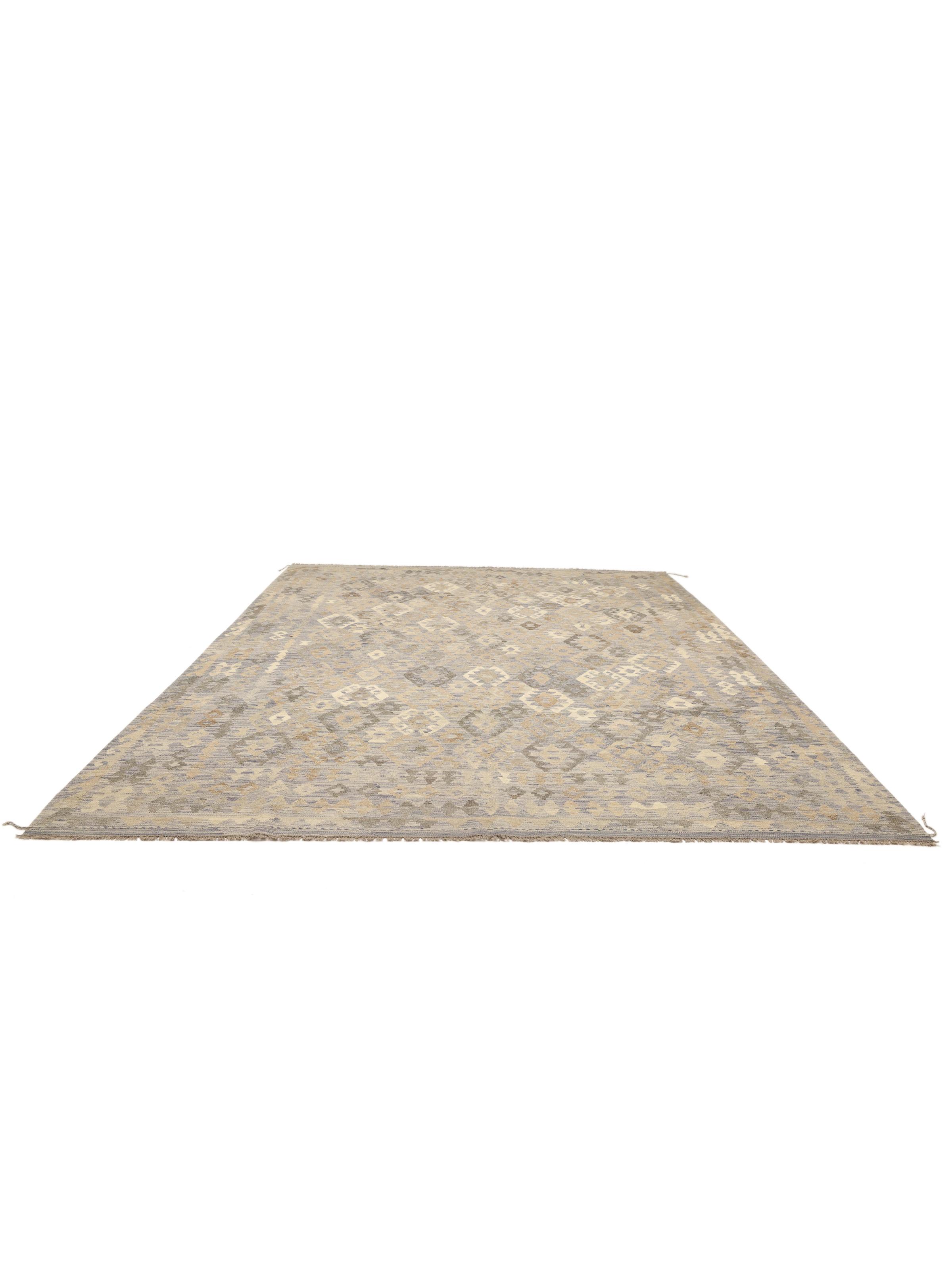
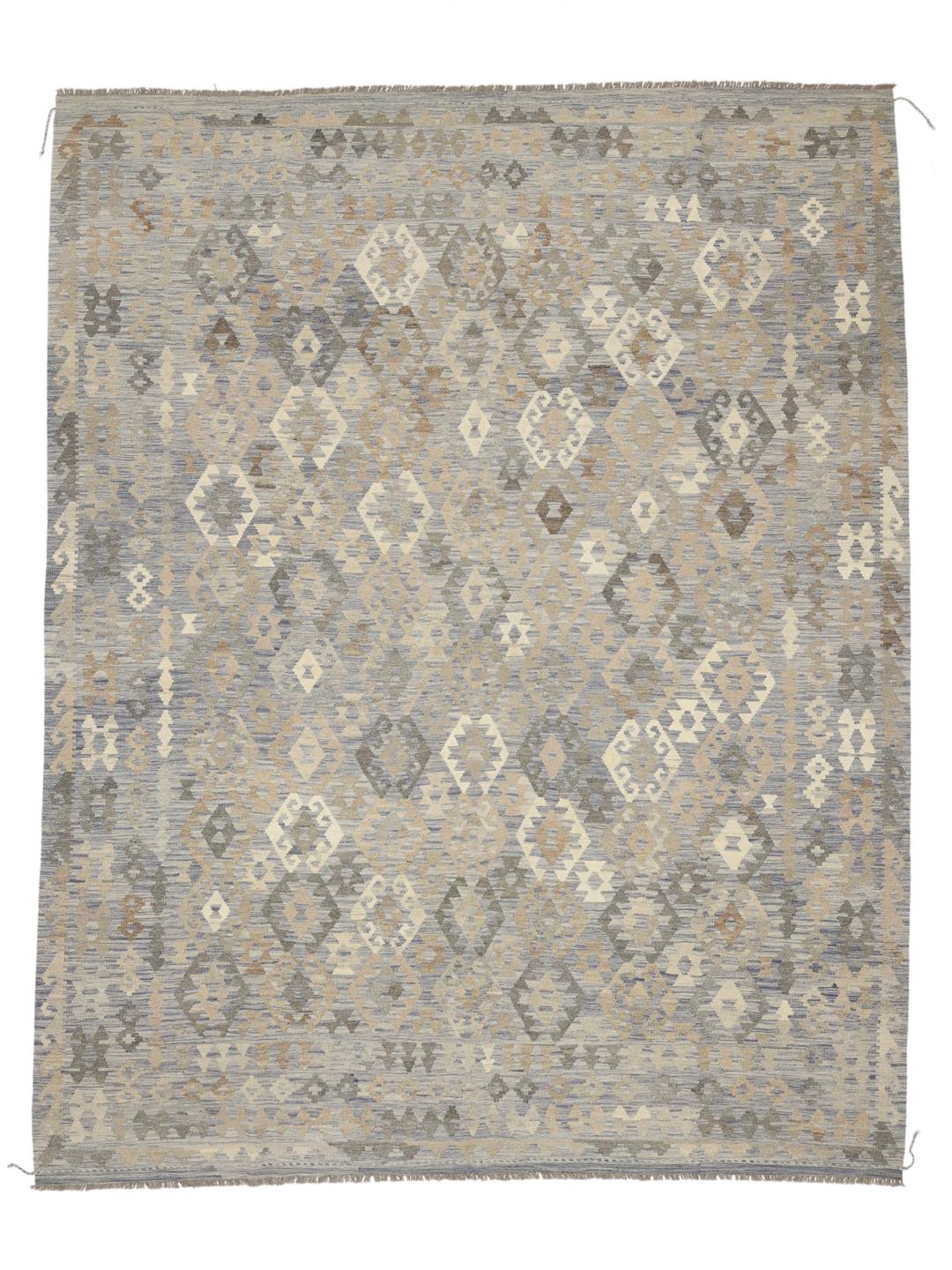
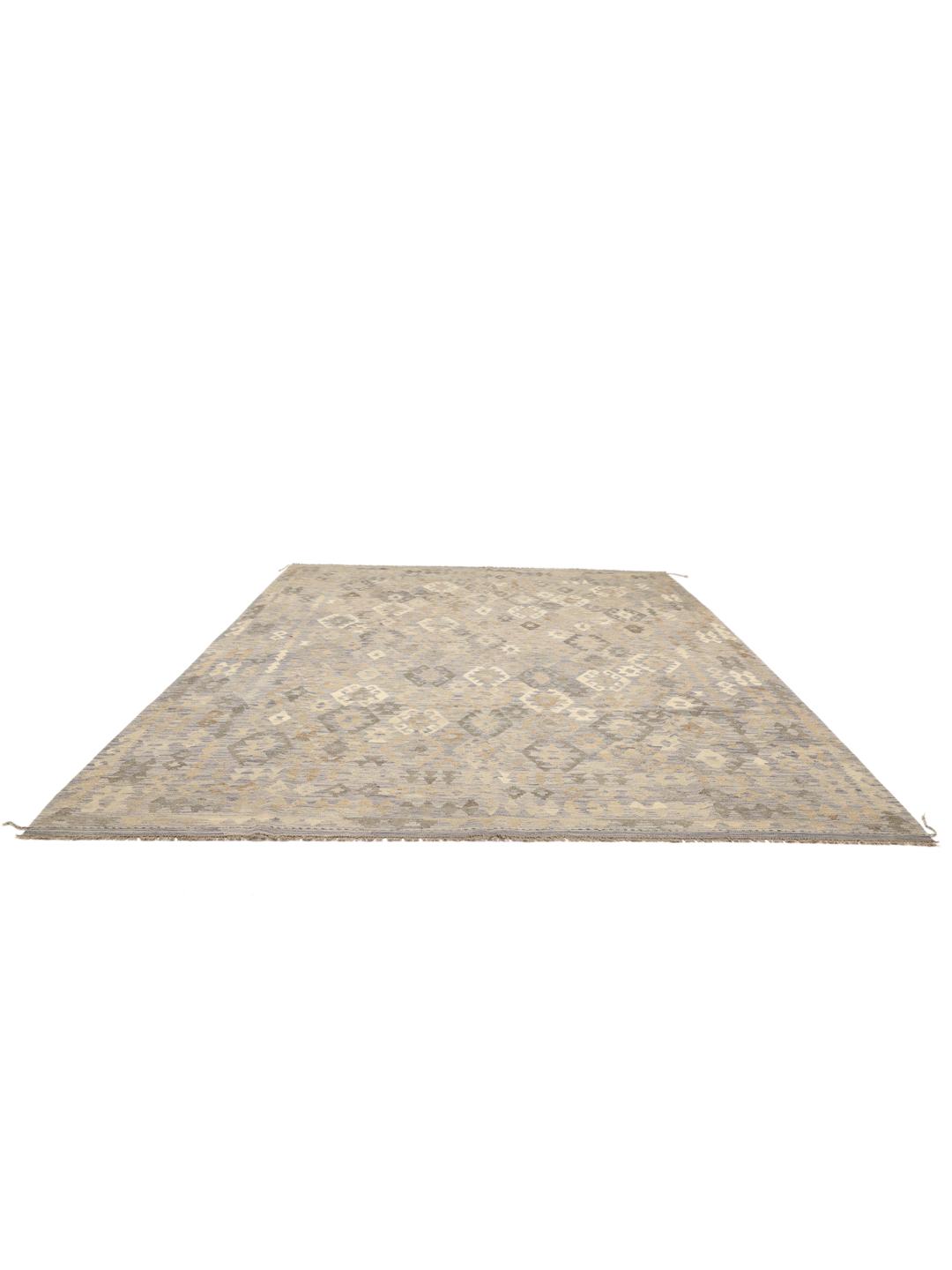
The tradition of weaving kelims in Afghanistan is deeply rooted in the nomadic and semi-nomadic cultures of the region. These flat-woven textiles were originally created as functional, portable items for life on the move, serving as floor coverings, blankets, and storage sacks. Over generations, the craft evolved into the sophisticated artistic expression we see today, with weavers drawing on centuries of shared knowledge to create functional art for the home.
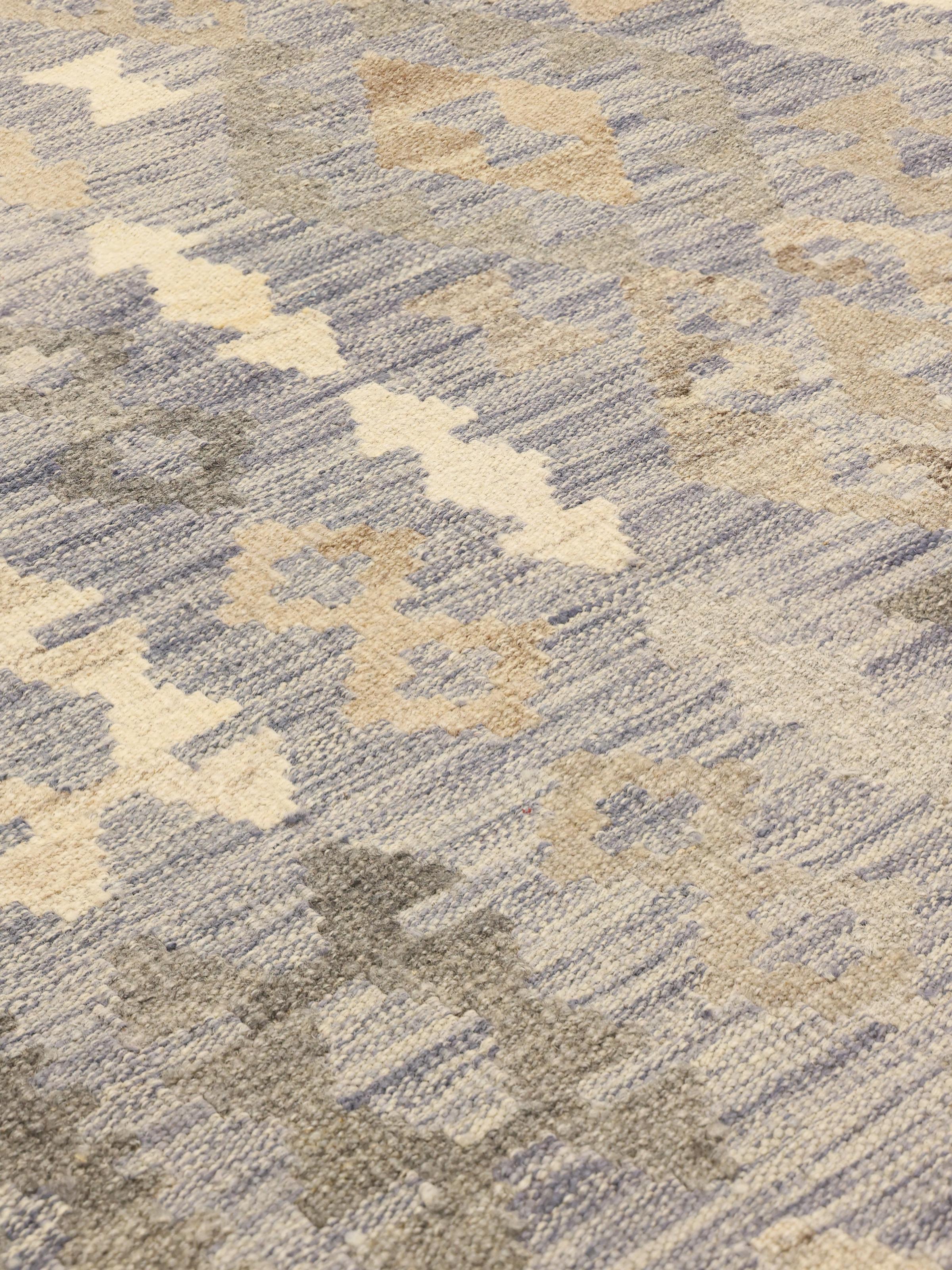
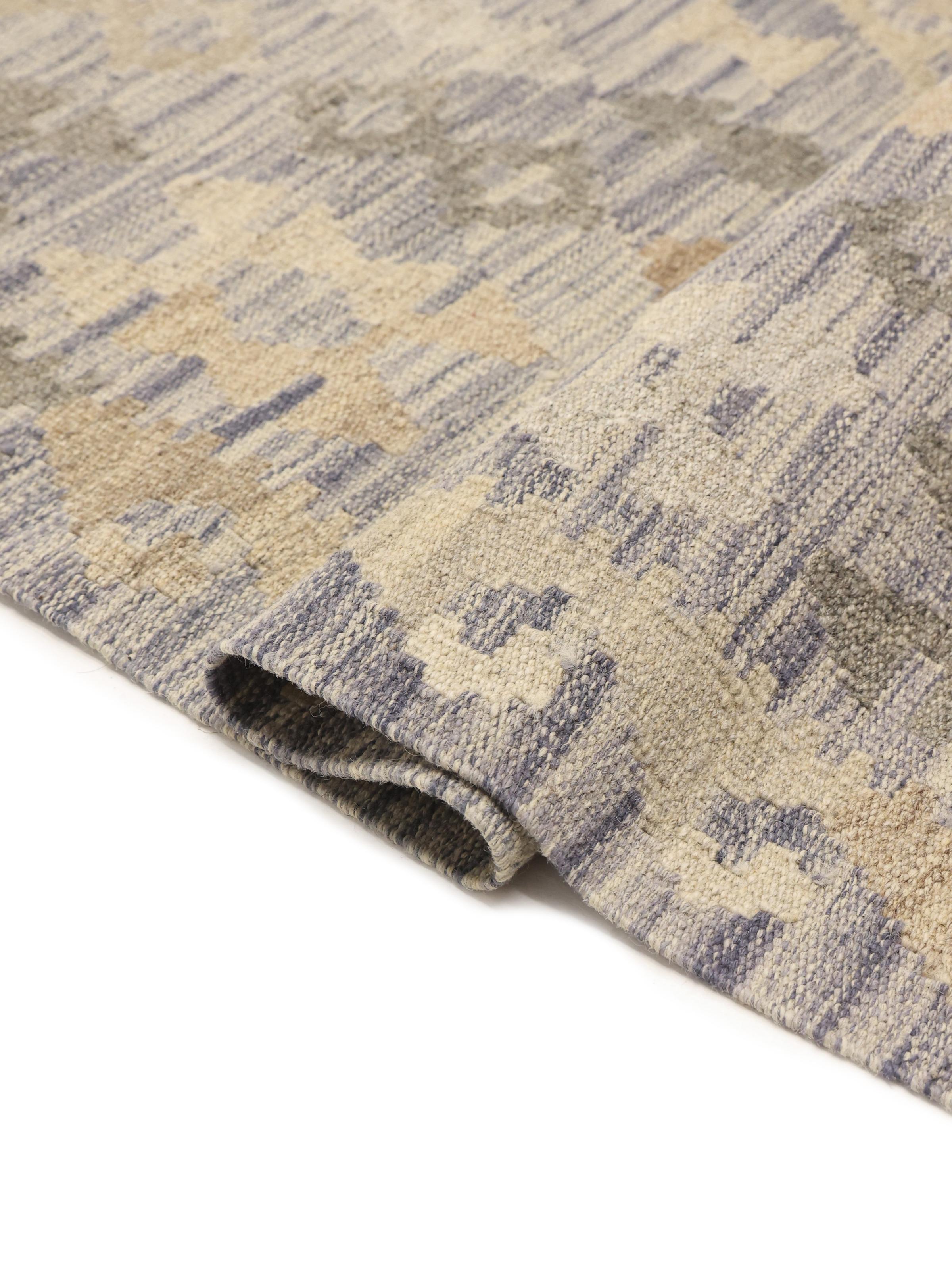
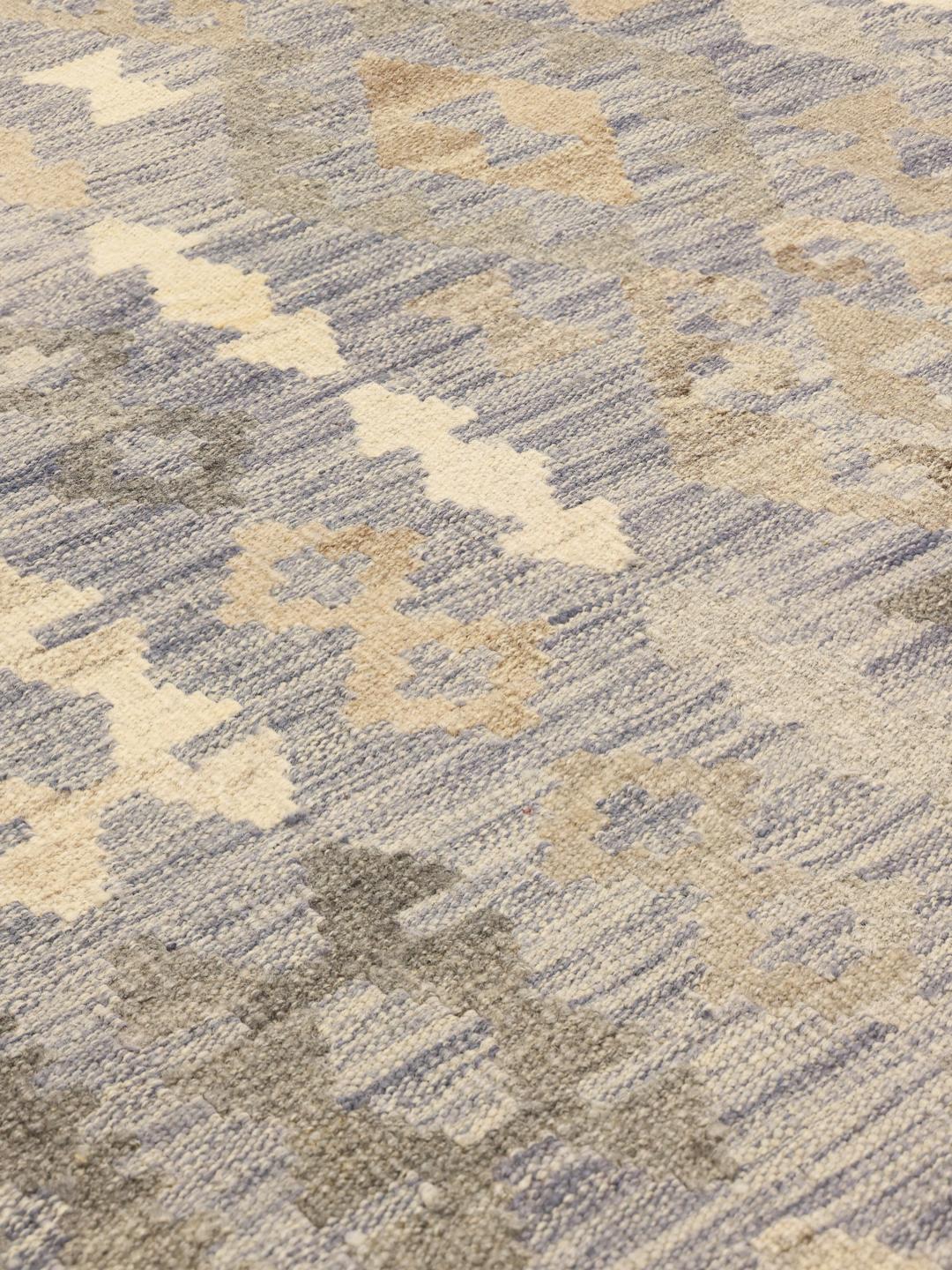
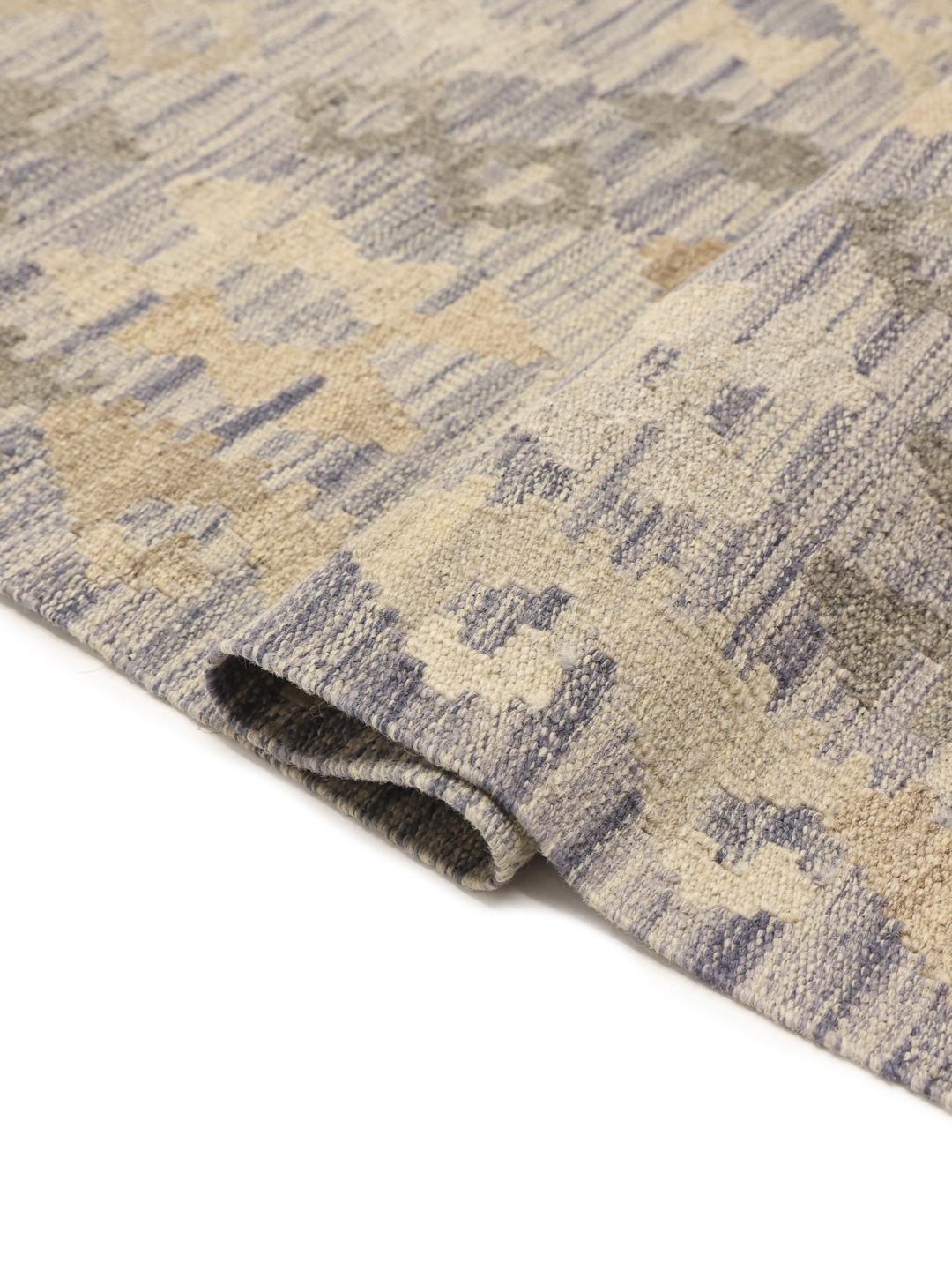
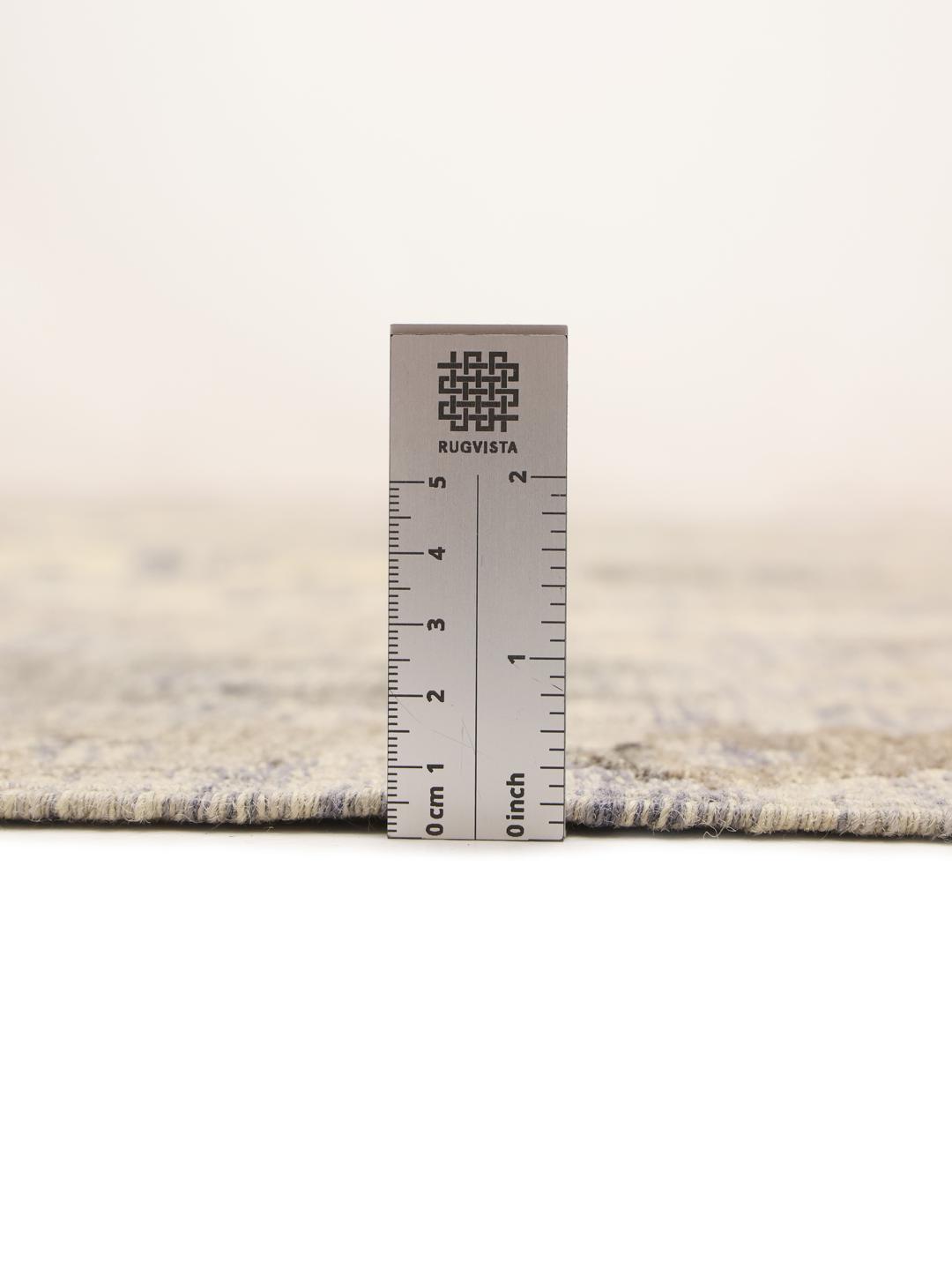
The term 'kelim' refers to the specific flat-weave technique used to produce these rugs. By interweaving coloured weft threads through the warp threads, the weaver creates a pattern that is visible on both sides of the fabric. This method does not involve the use of pile knots, resulting in a thinner, lighter rug that is remarkably sturdy and versatile. This construction is highly valued for its ability to lay flat and withstand the rigours of daily life.
Signature design elements in Afghan kelims often feature geometric motifs such as diamonds, triangles, and stylized floral or tribal symbols. These patterns are frequently arranged in repeating grids or medallions, framed by detailed borders that provide a sense of structure and balance. The use of natural, earthy tones is a hallmark of the old-style aesthetic, often achieved through traditional dyeing methods that produce rich, nuanced colours that age gracefully over time.
Collecting these rugs is an investment in cultural heritage and human skill. Each piece acts as a record of the weaver's environment, personal expression, and the collective memory of their community. By bringing such a rug into your home, you are not just adding a decorative element but are also preserving a piece of history that celebrates the patience, precision, and artistic vision of the Afghan weaving tradition.