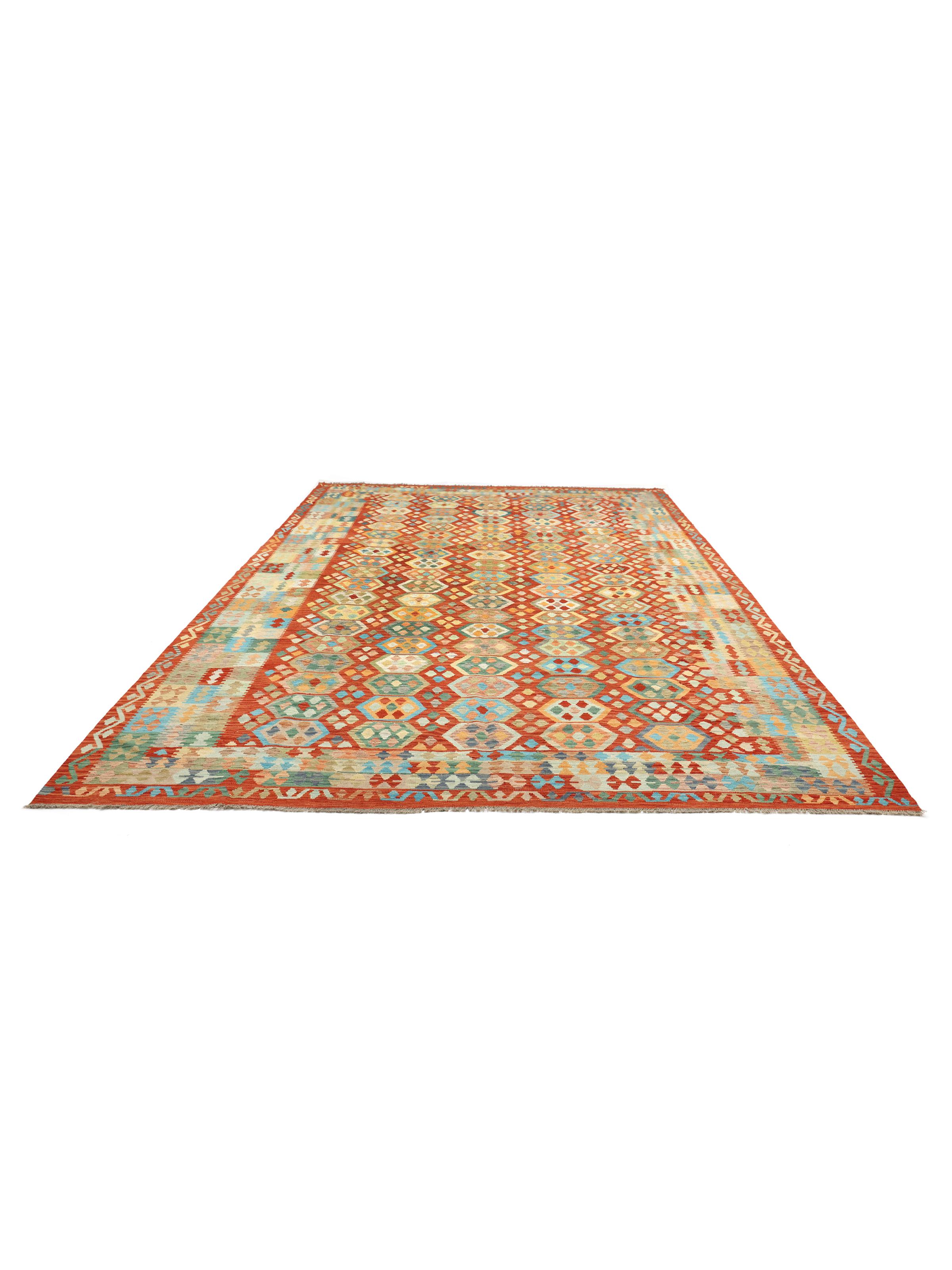
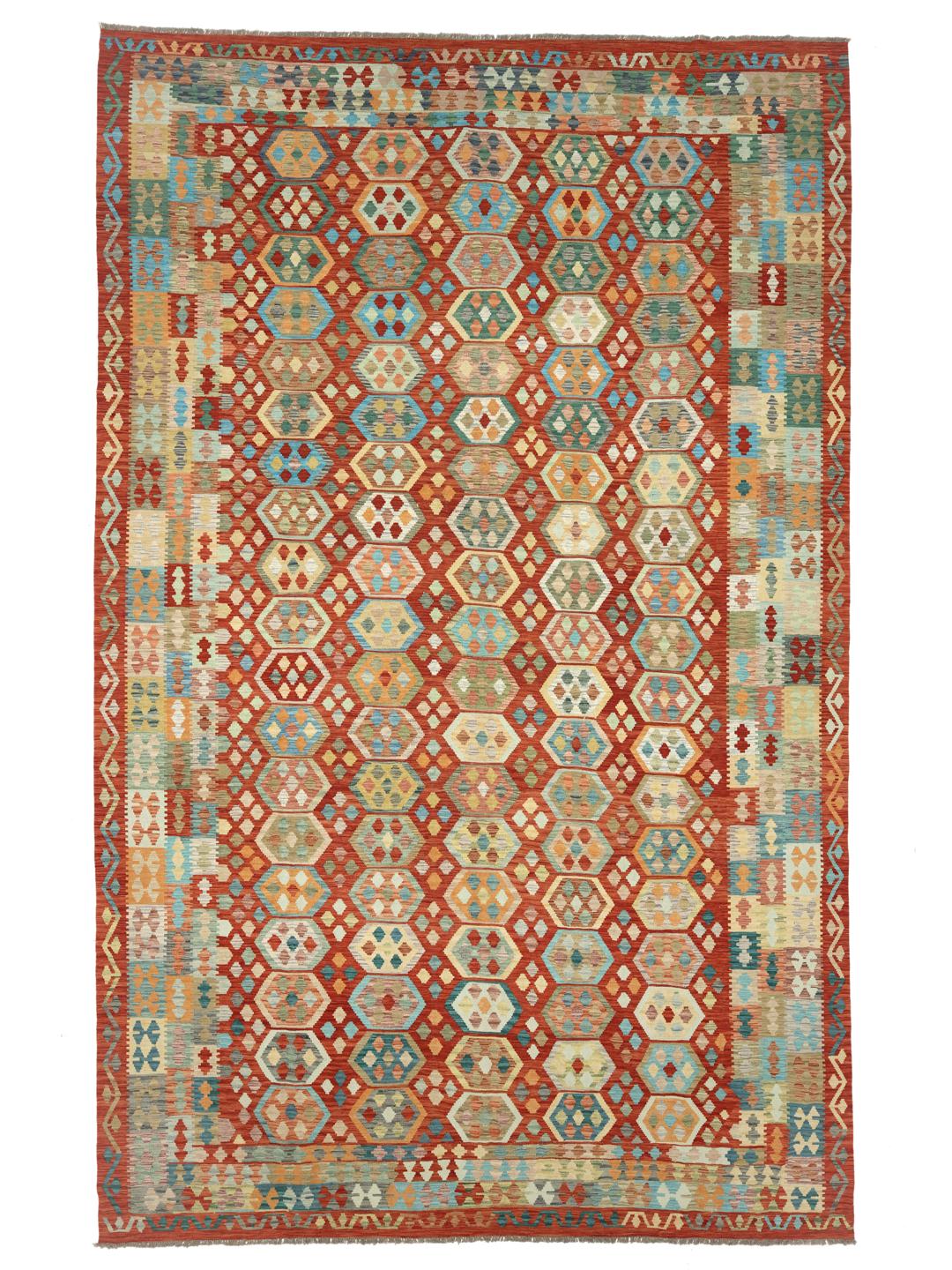
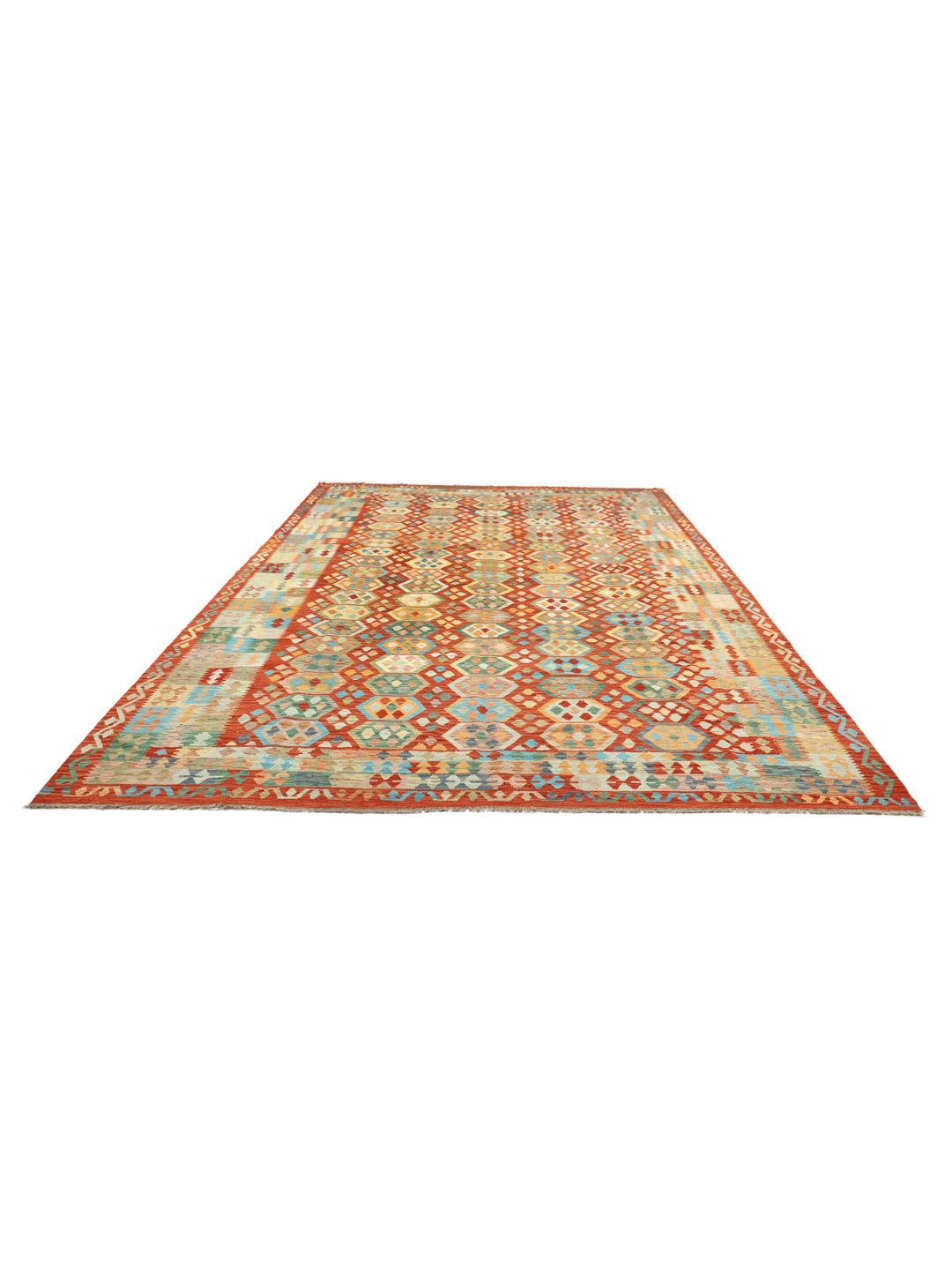
The Kelim Afghan Old Style rug is deeply rooted in the nomadic traditions of the Middle East. Historically, these flat-woven textiles were crafted by tribal groups for practical use in tents, serving as floor coverings, blankets, and storage bags. Today, the tradition continues in Afghanistan, where weavers maintain the ancient methods of creating these durable and colourful floor pieces.
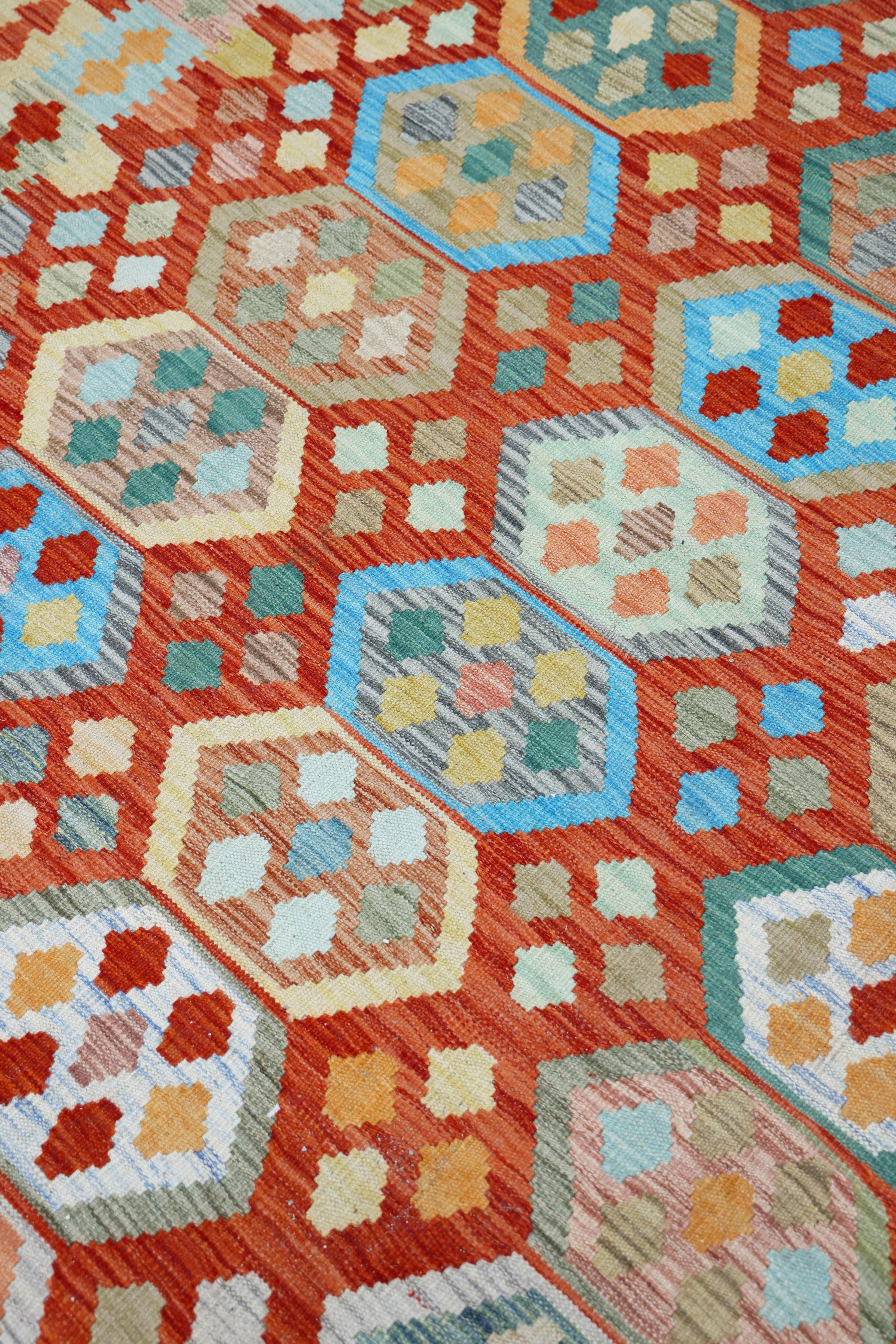
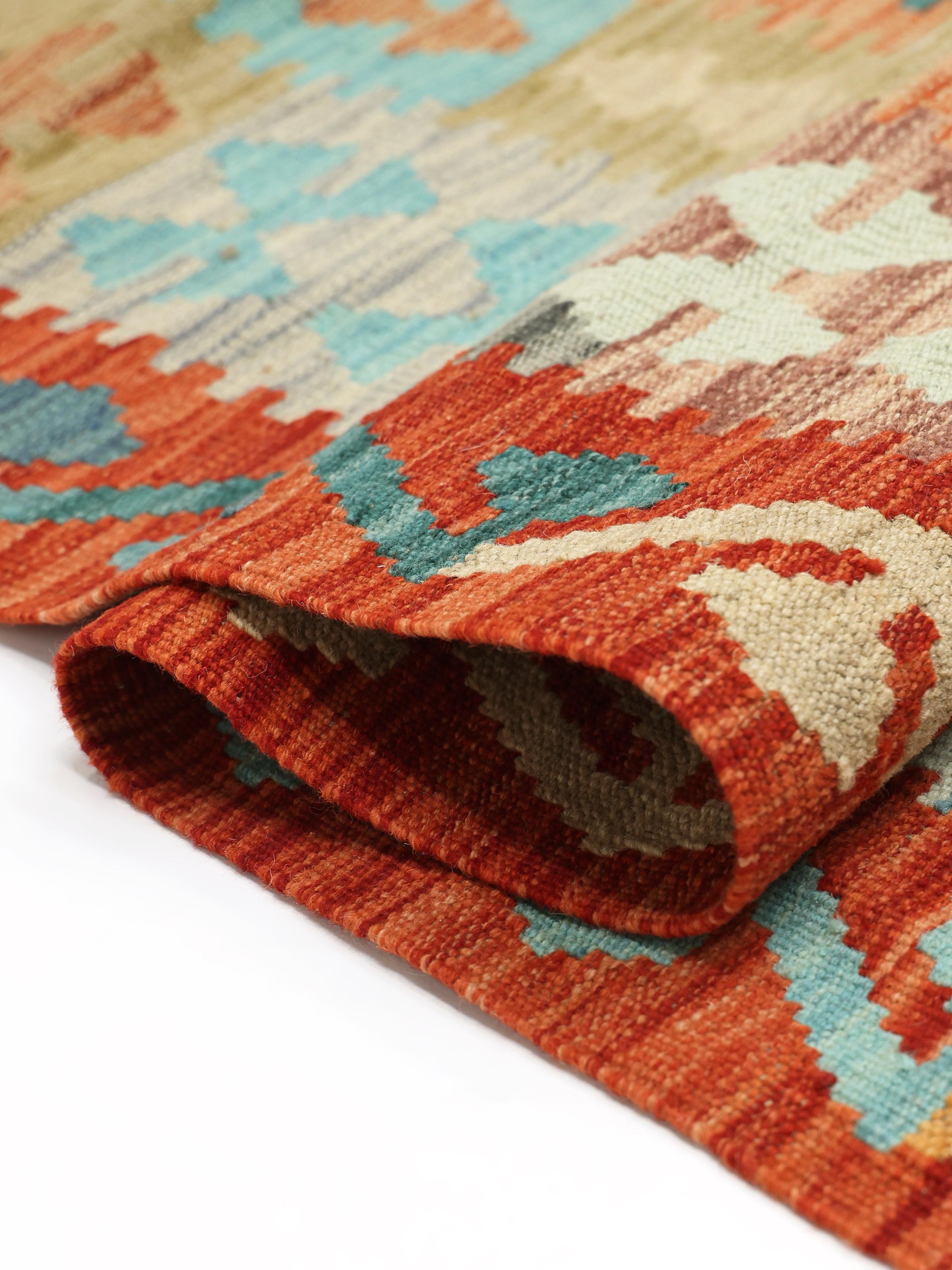
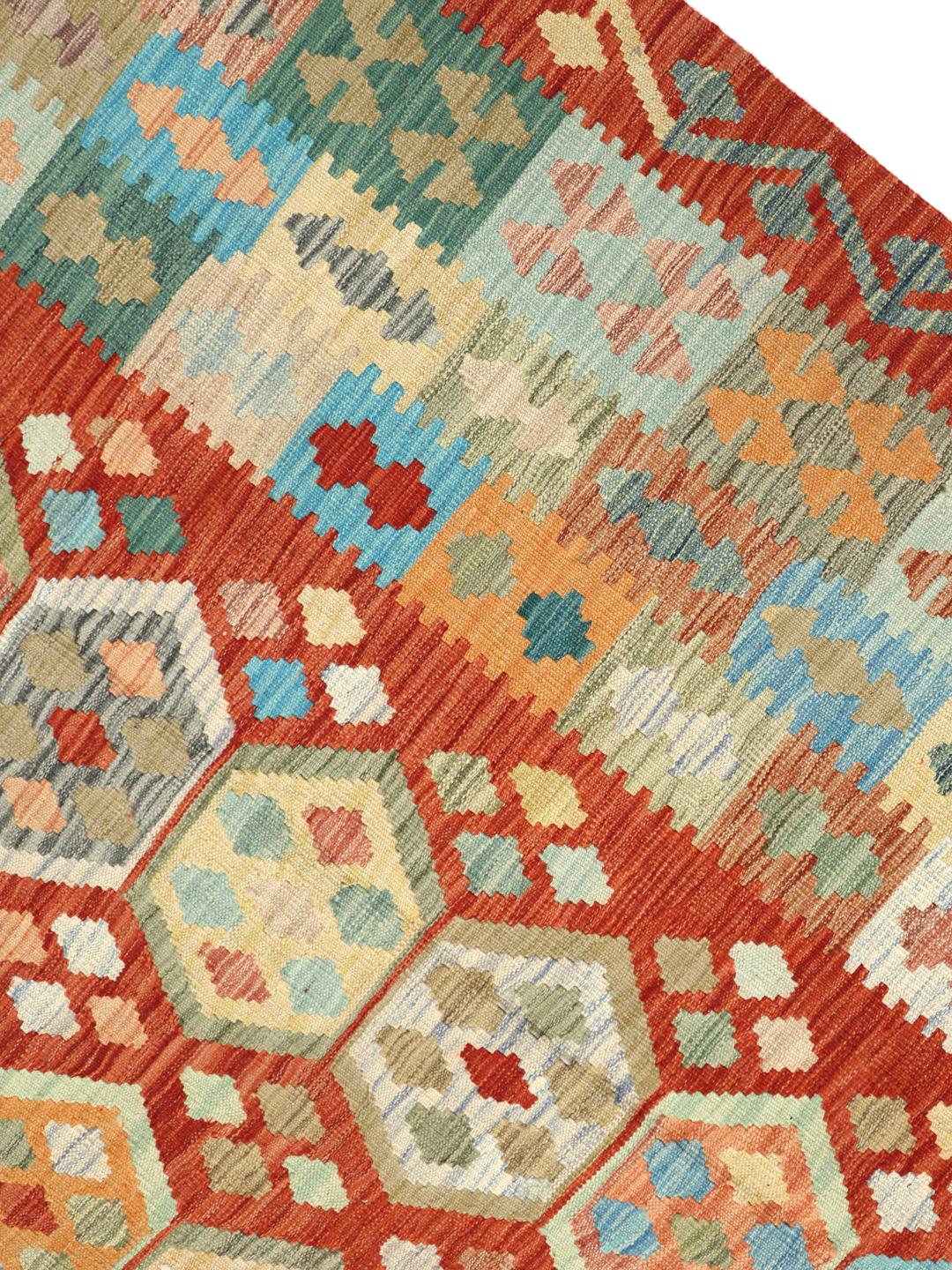
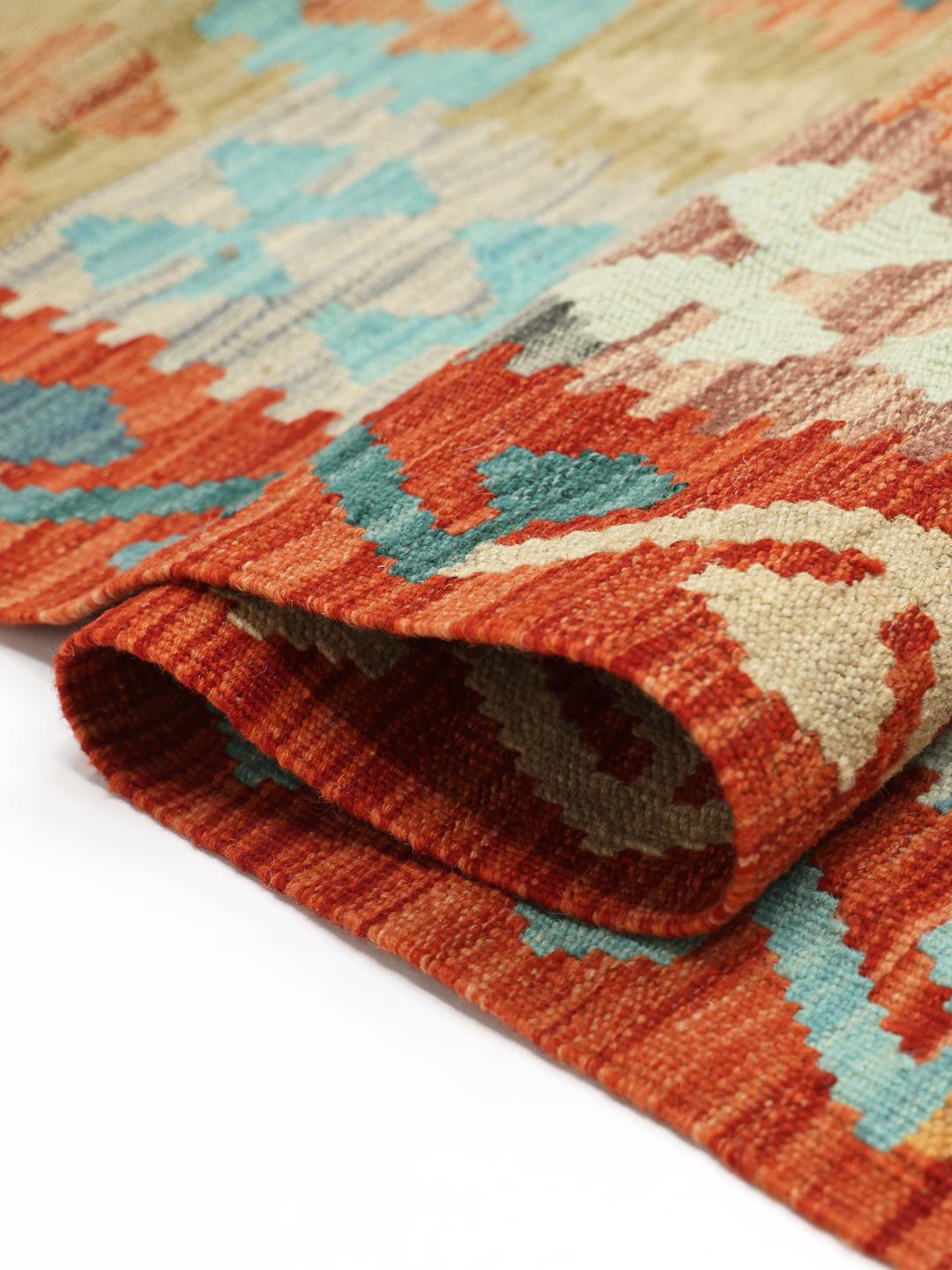
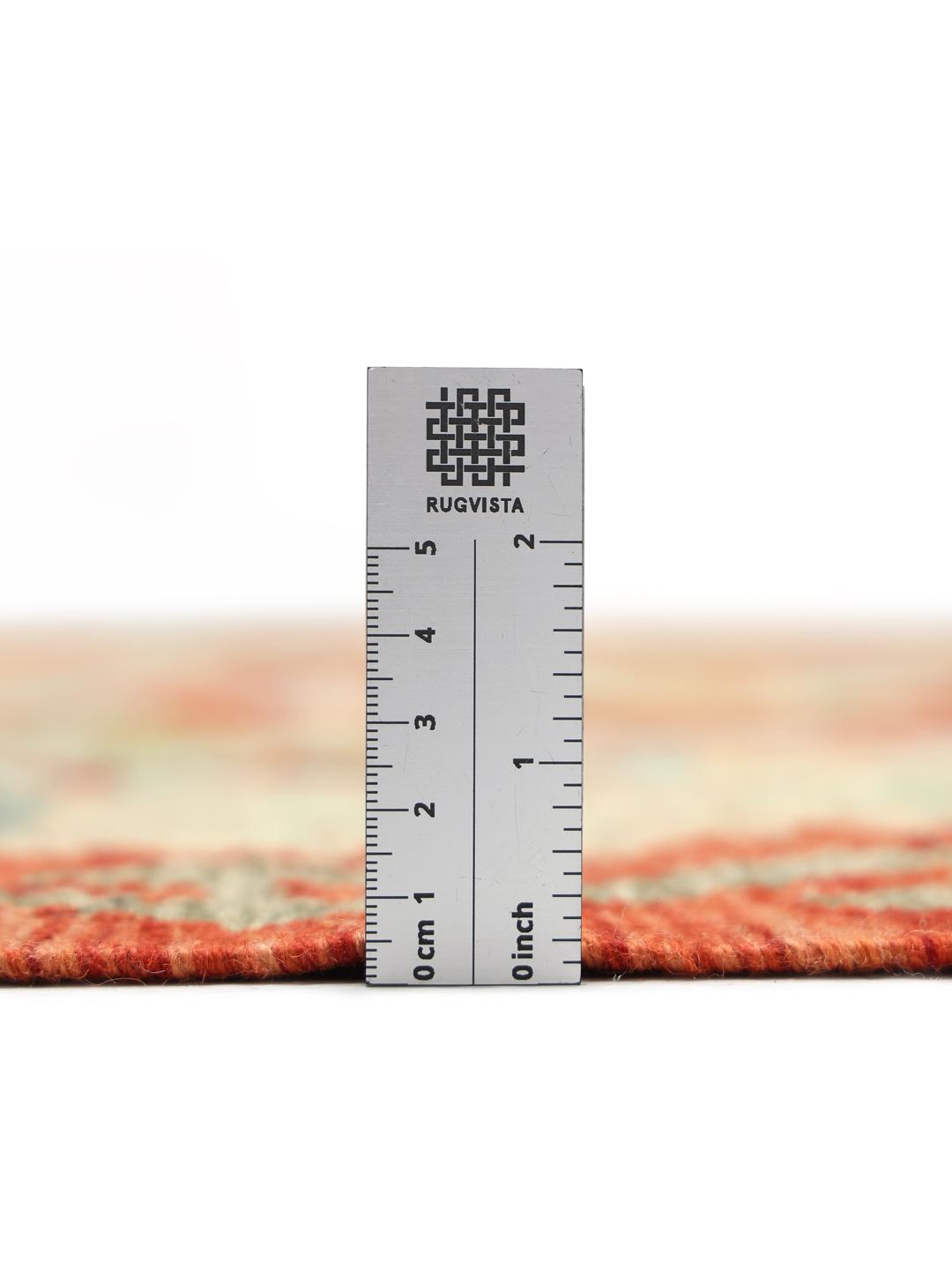
The term 'kelim' refers to a specific tapestry-weave technique where the weft threads are passed through the warp threads to create the pattern. Unlike knotted rugs, this method produces a flat, thin finish that is highly prized for its versatility and clean appearance. The lack of pile does not compromise durability, as the tightly interlaced Wool fibres are naturally resilient and designed to withstand generations of use.
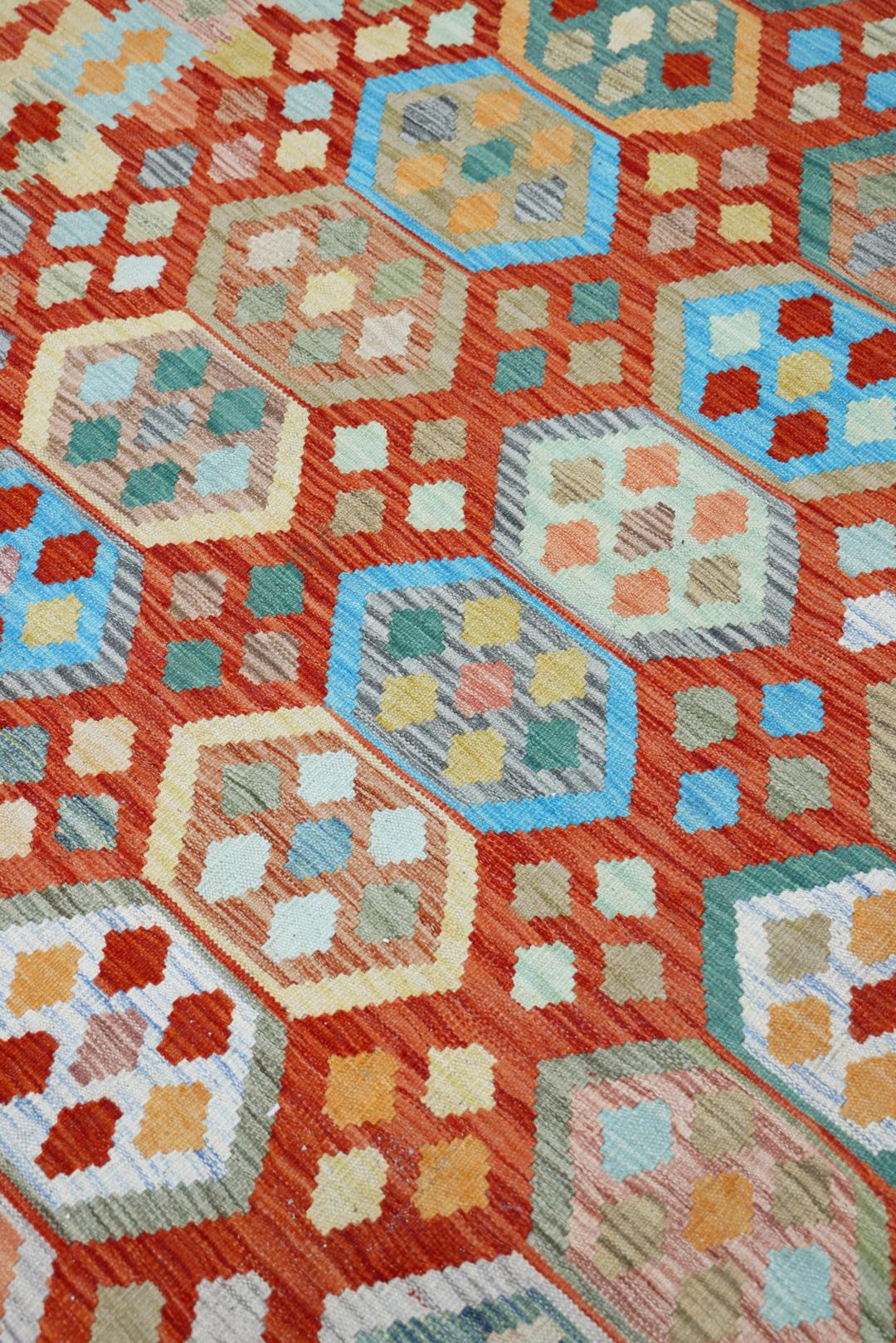
This particular style is defined by its iconic geometric language. The field is often filled with repeating shapes like diamonds or hexagons, framed by elaborate, symbolic borders. These patterns are not merely decorative but often carry cultural significance, telling stories of the weaver's environment and heritage through a stylized, abstract visual vocabulary.
Collecting an Afghan kelim is an investment in cultural heritage and artisanal skill. These pieces are valued for their authenticity and the way they bridge the gap between ancient nomadic art and modern interior design. By bringing one into your home, you are preserving a legacy of craftsmanship that has been refined over centuries, adding both colour and history to your living space.