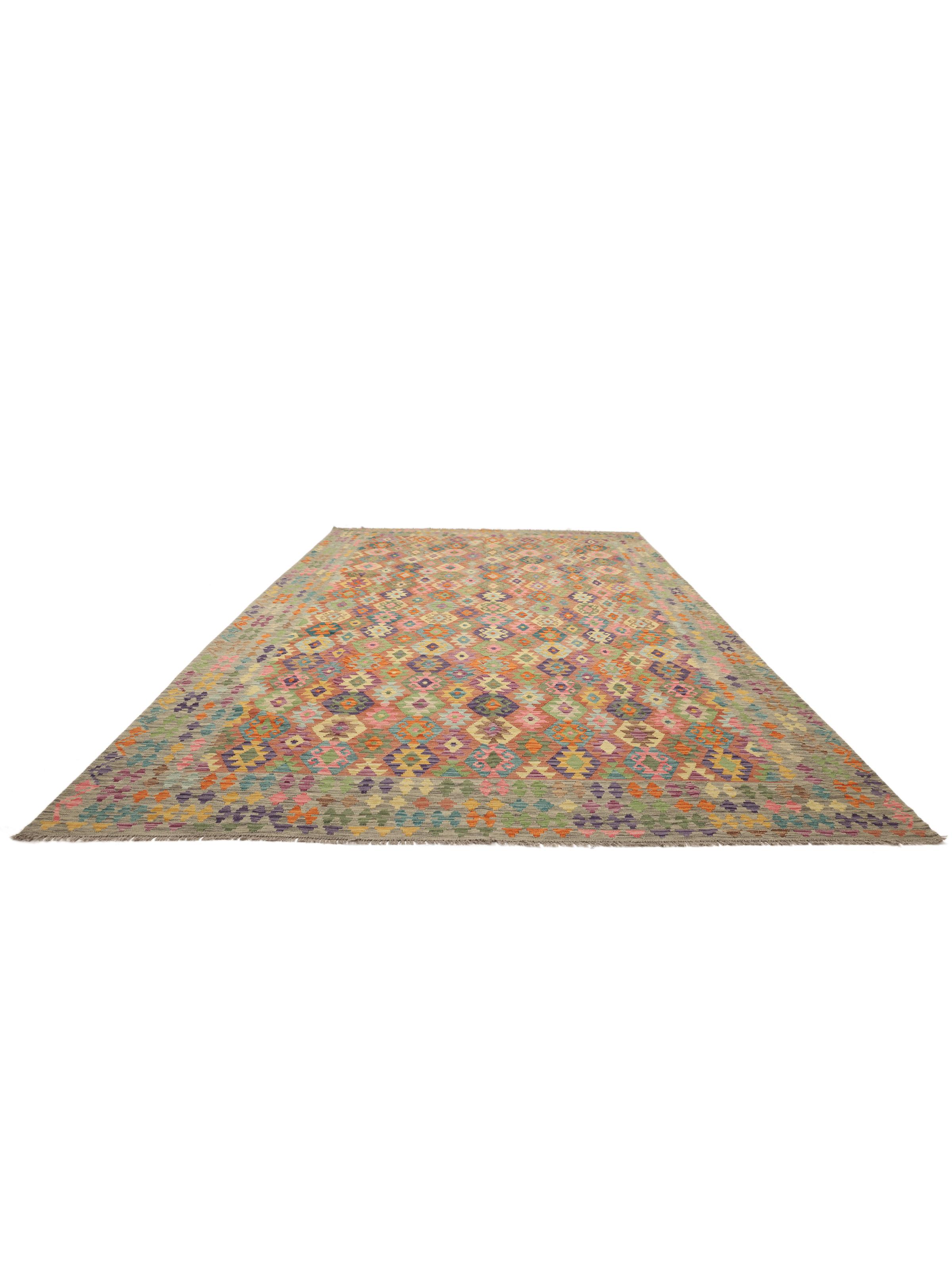
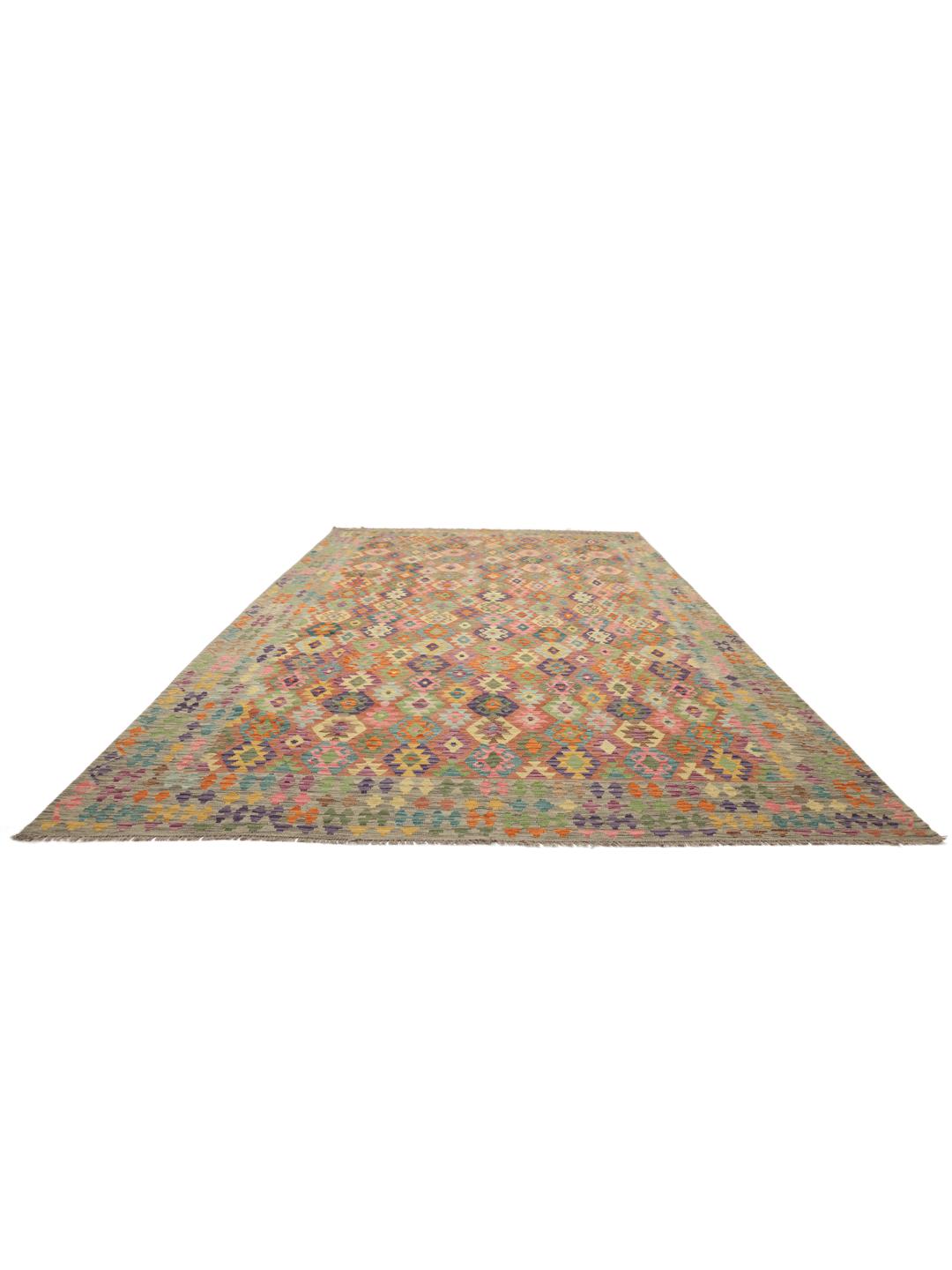
Kelim rugs have long been a cornerstone of nomadic and village life across the Middle East and Central Asia. Historically, these flat-woven textiles were crafted for practical purposes, serving as floor coverings, blankets, and storage bags for travelling tribes. The tradition of the Afghan Kelim is particularly noted for its use of local, high-quality wool, which is valued for its durability and natural sheen.
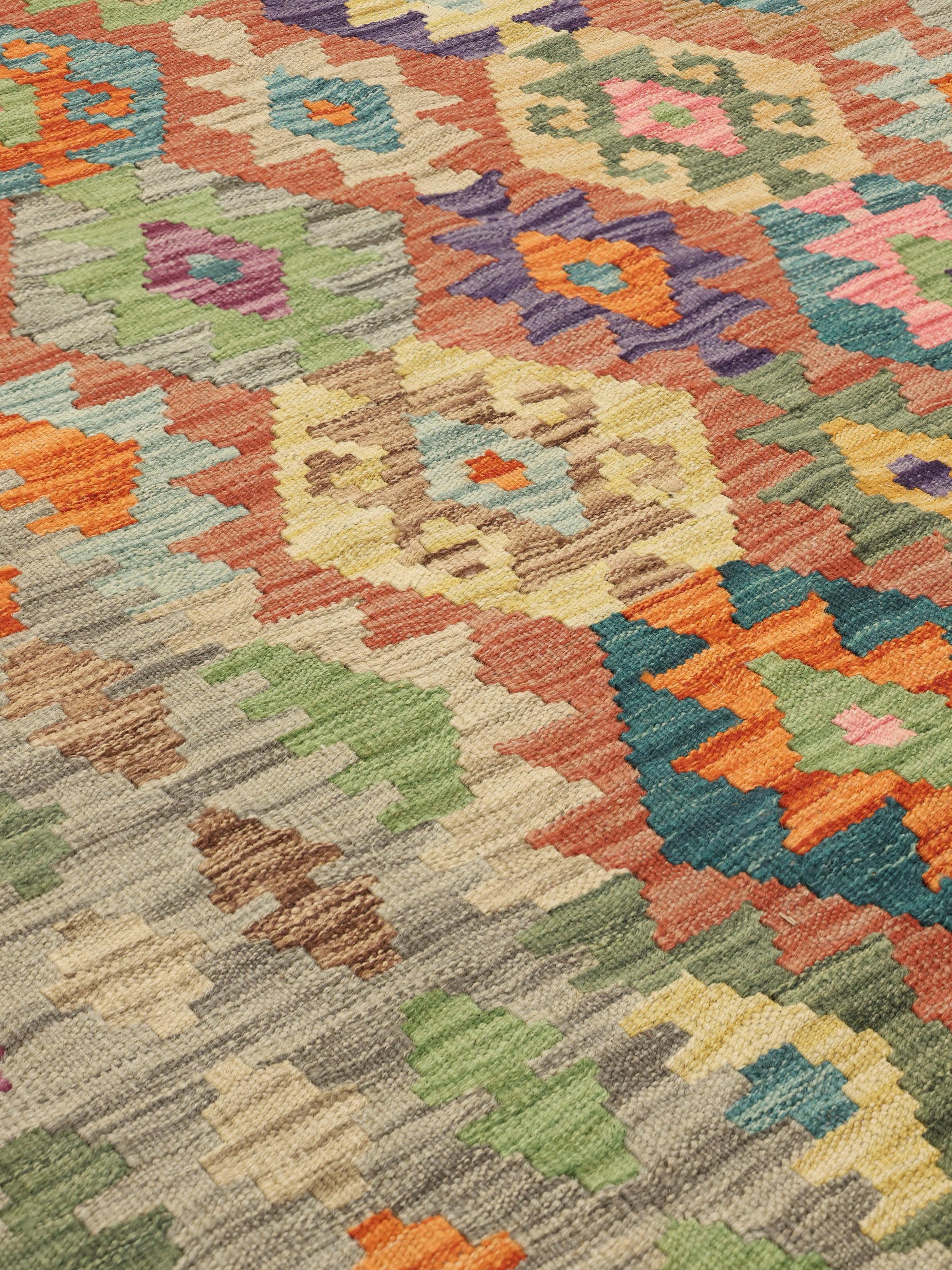
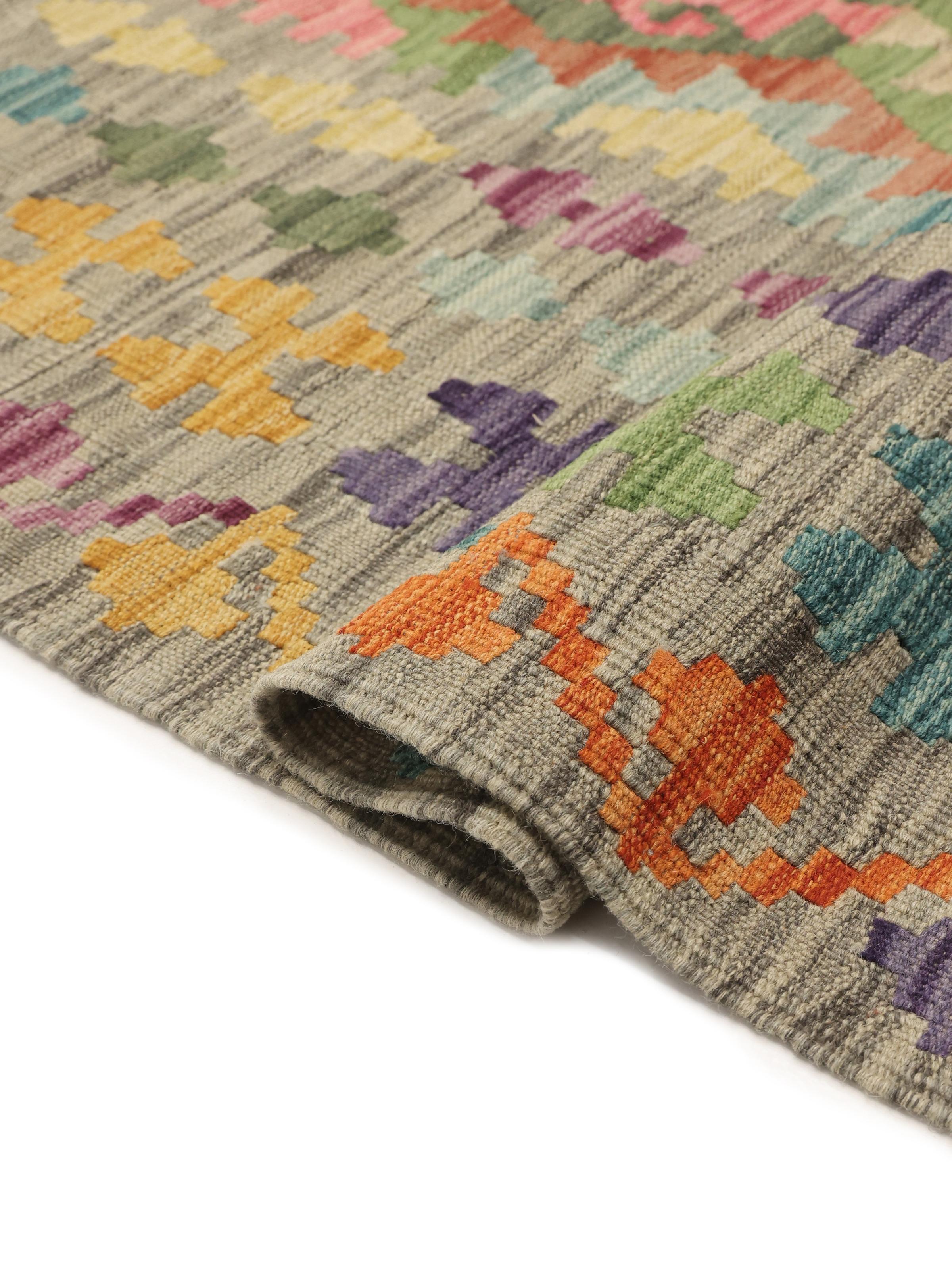
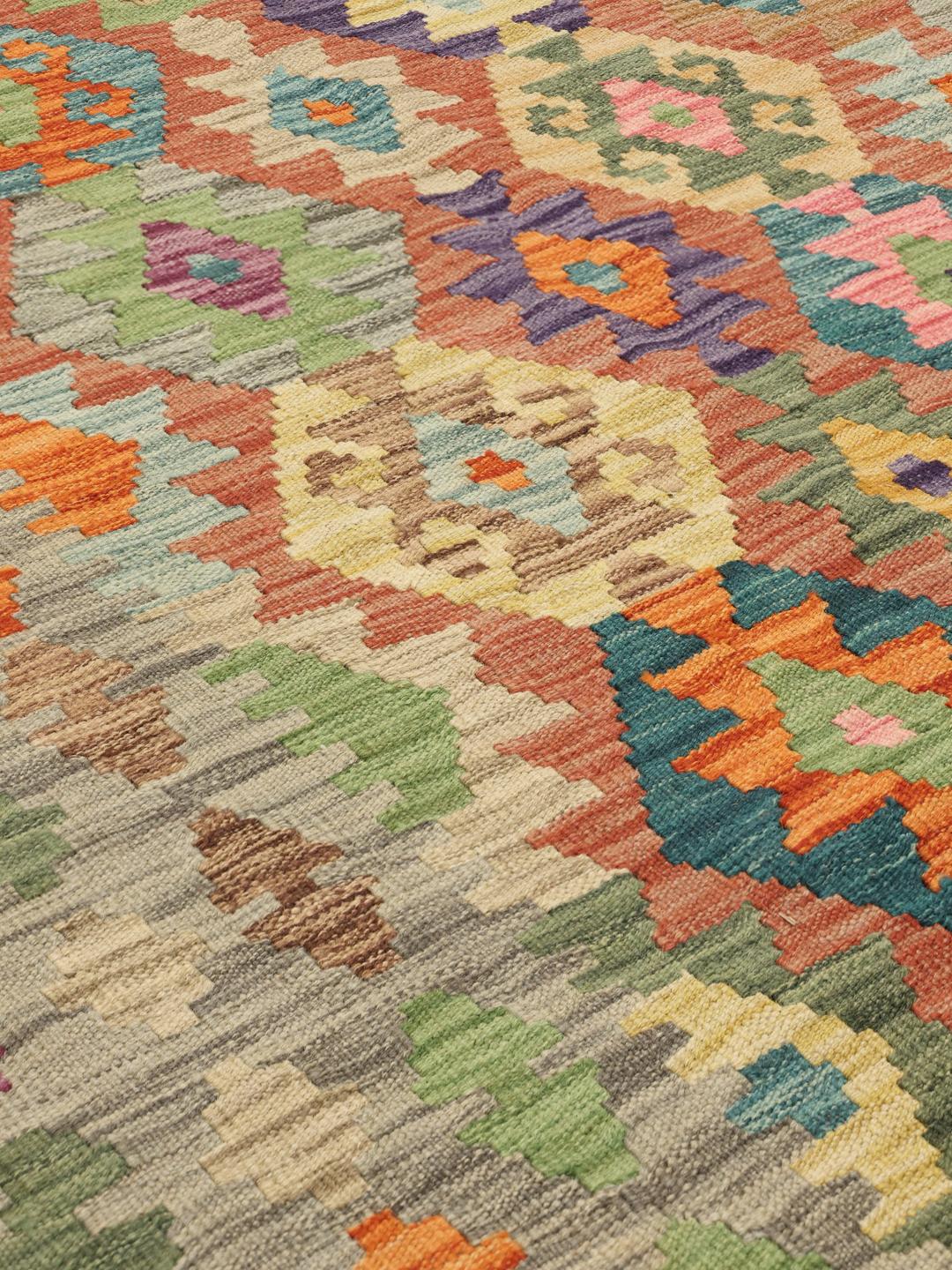
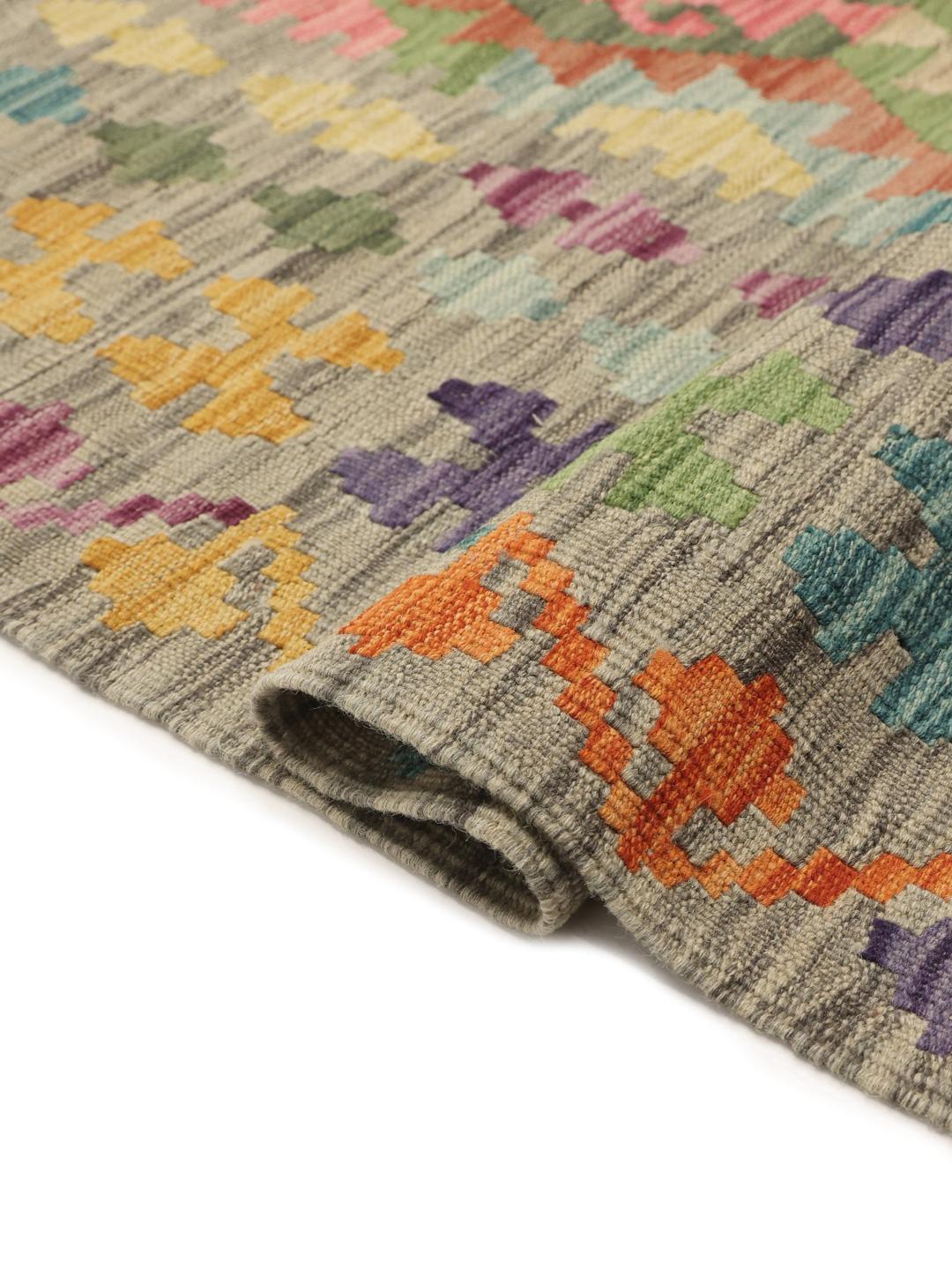
The term Kelim refers to the specific slit-weave technique where the weft threads are woven tightly back and forth around the warp threads. This method creates a clean, graphic appearance and allows for a reversible rug that is lightweight yet incredibly robust. In the context of the Afghan Old Style, this technique is used to create sharp, clear geometric designs that have been passed down through generations of weaving families.
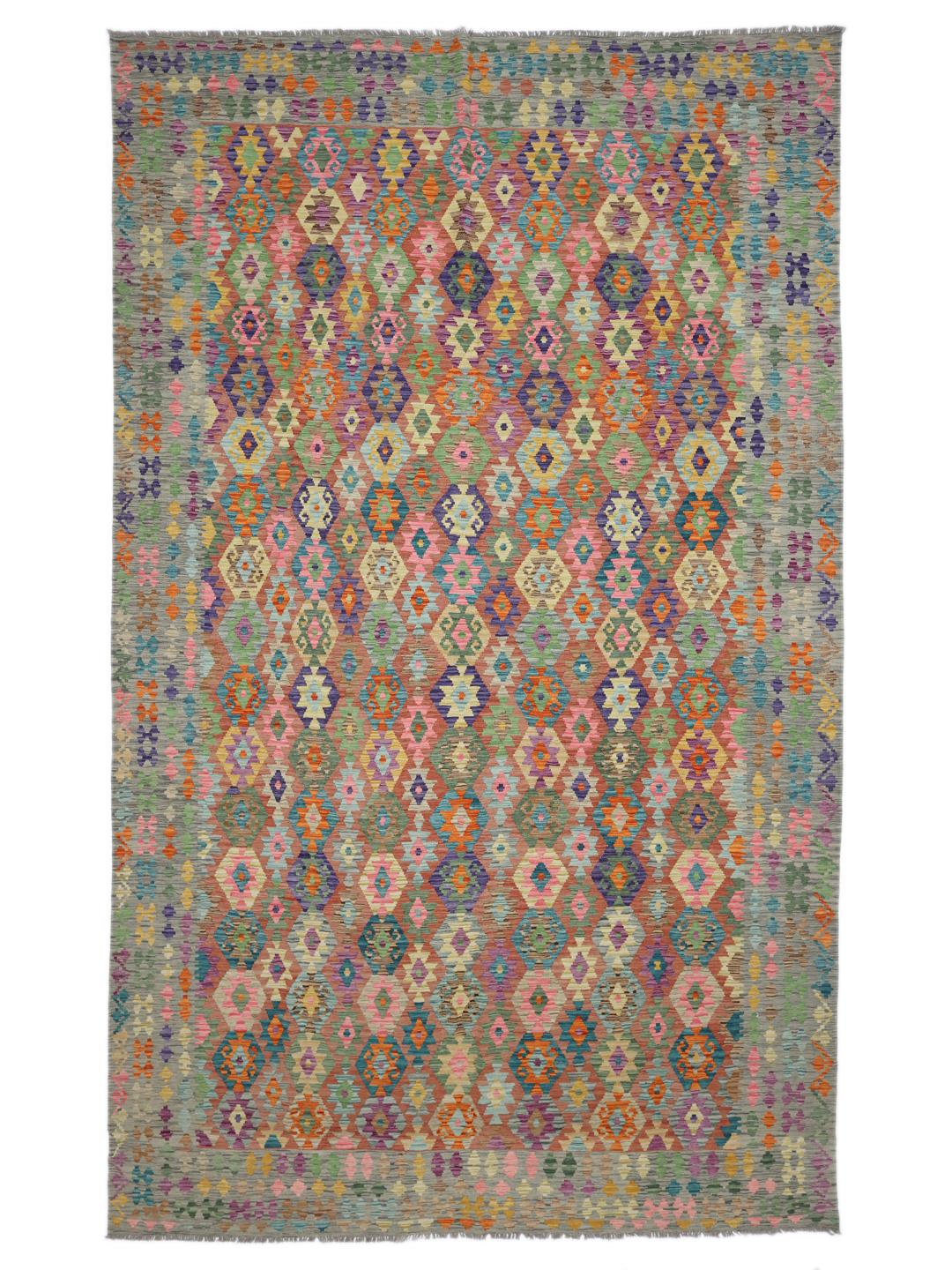
Visually, these rugs are defined by their bold geometric language, often featuring diamonds, medallions, and intricate borders. The use of vibrant, earthy dyes is a hallmark of the region, creating a visual depth that feels both ancient and contemporary. The patterns are not merely decorative but often carry symbolic meanings, representing the weaver's environment, tribal identity, and hopes for prosperity.
Owning an Afghan Kelim is an investment in a storied tradition that values human skill above all else. These rugs are highly sought after by collectors who appreciate the authentic, slightly irregular charm that only hand-woven pieces can provide. By bringing this rug into your home, you are preserving a piece of cultural heritage and supporting a craft that has survived the pressures of modernity through sheer resilience and artistic spirit.