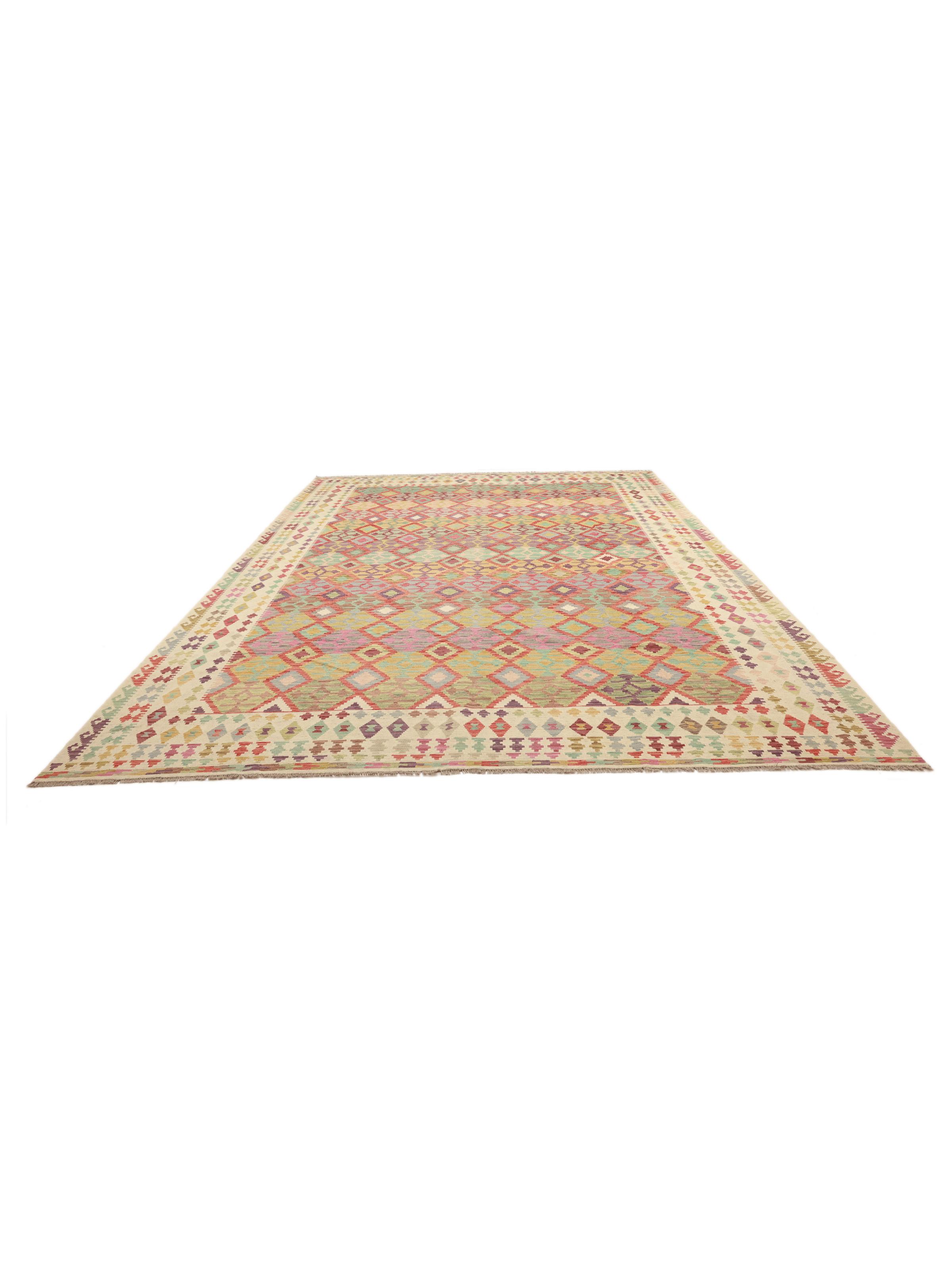
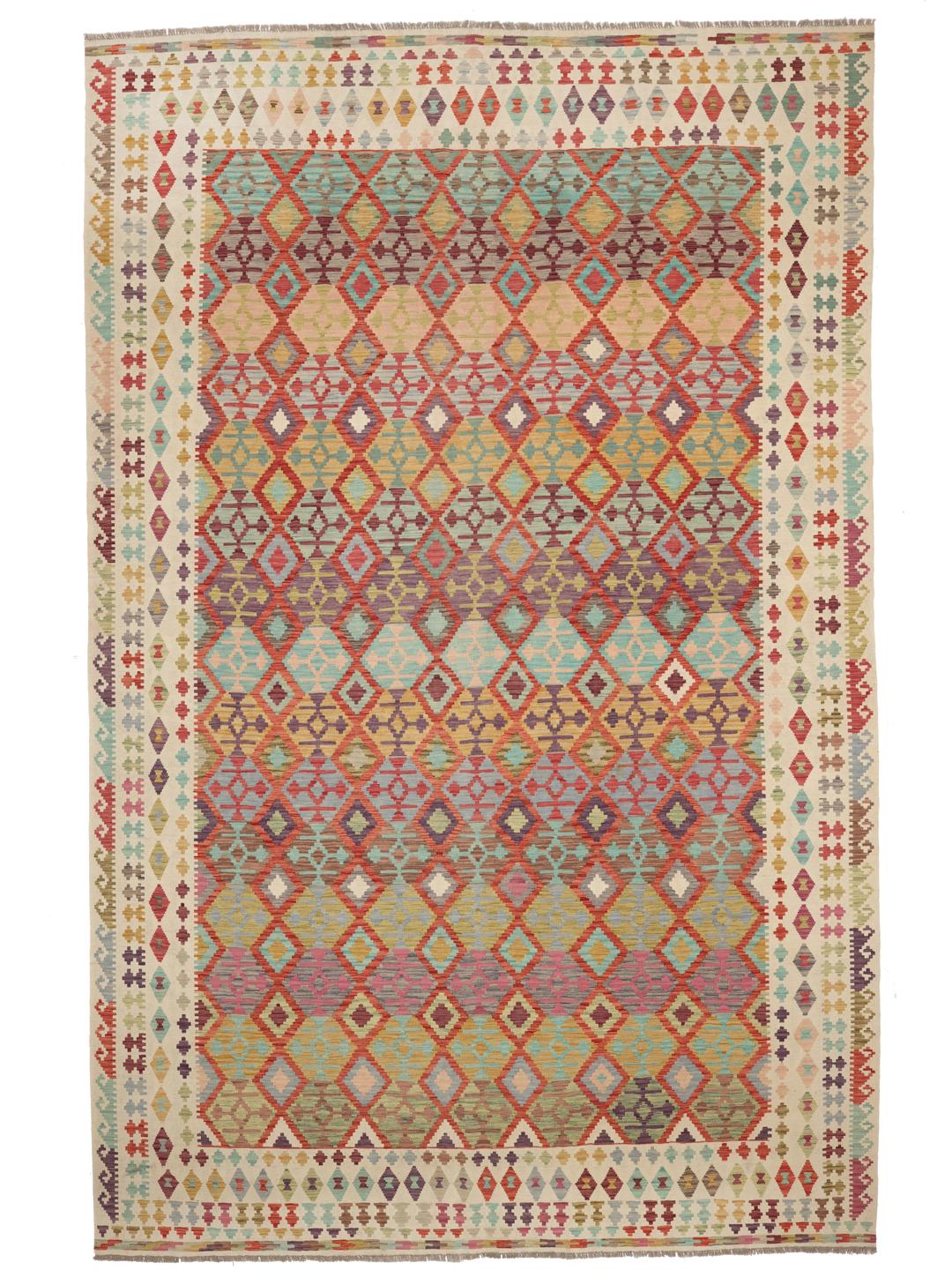
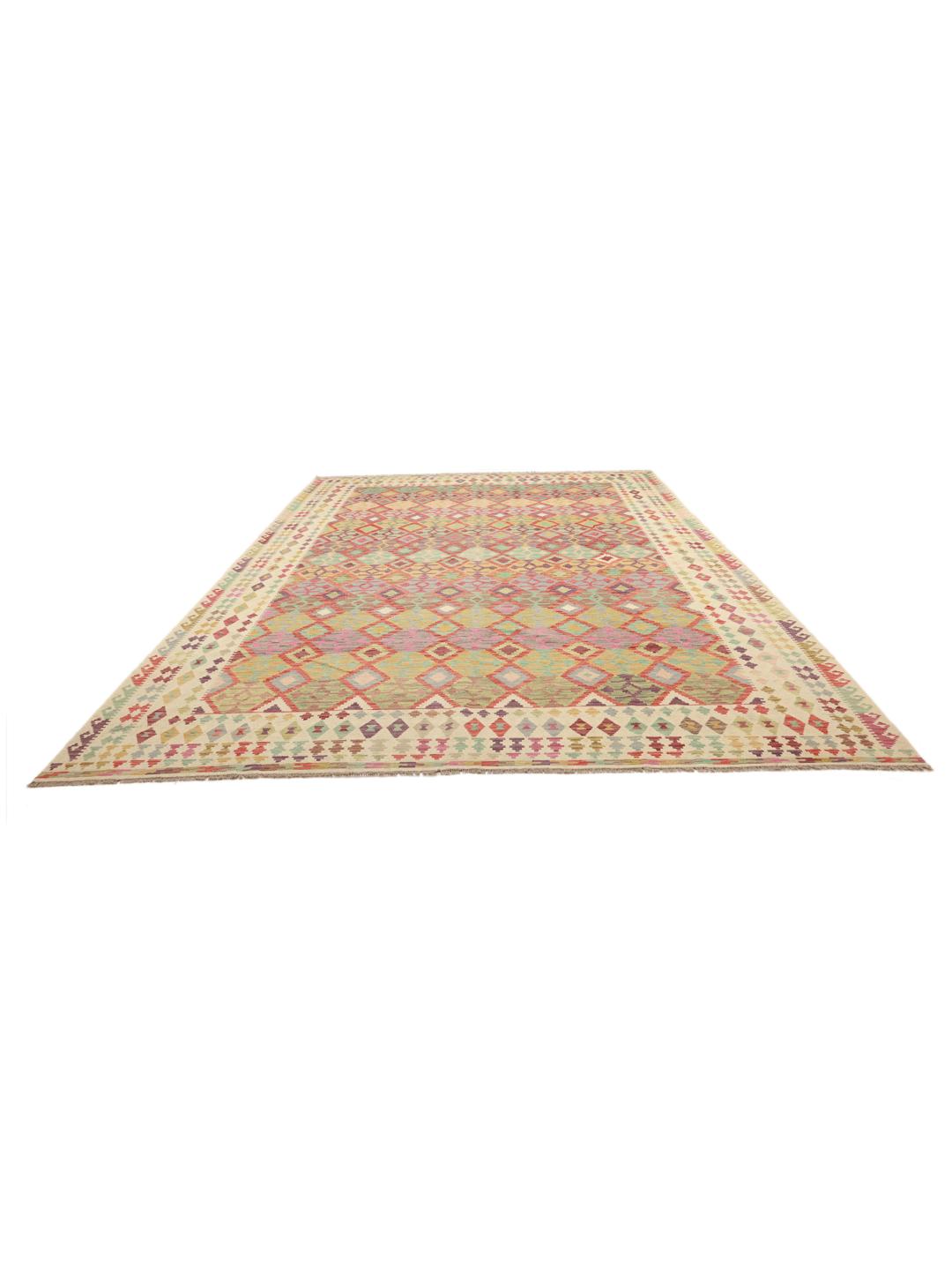
Kelim rugs have a storied history rooted in the nomadic cultures of the Middle East and Central Asia. Originally designed for practical purposes such as floor coverings, wall hangings, and storage bags, these rugs were essential to the mobile lifestyle of tribal communities. The tradition of weaving these flat-weave textiles has been passed down through generations, with Afghanistan remaining a vital centre for the production of authentic, high-quality Kelims that reflect the cultural identity of the region.
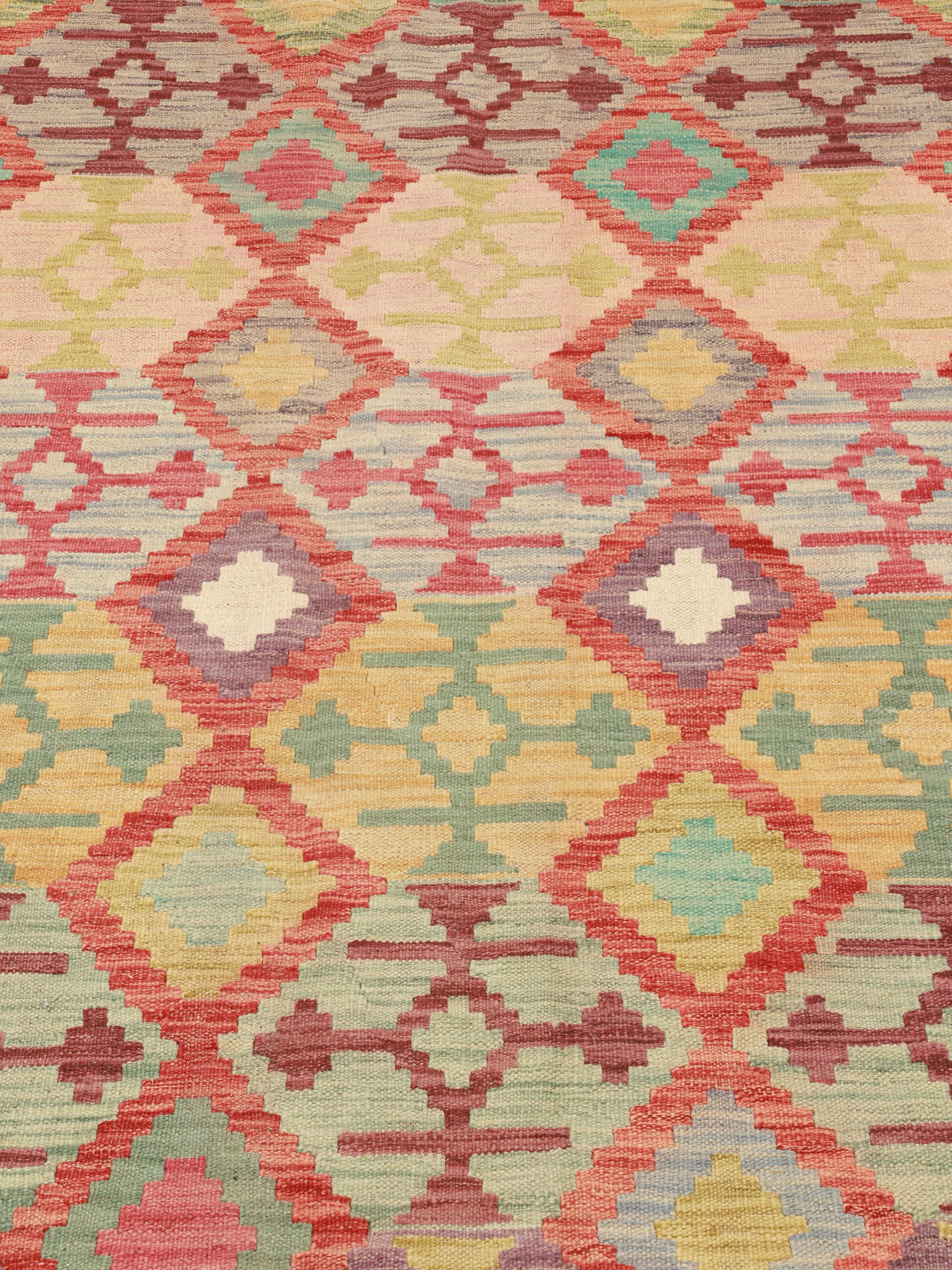
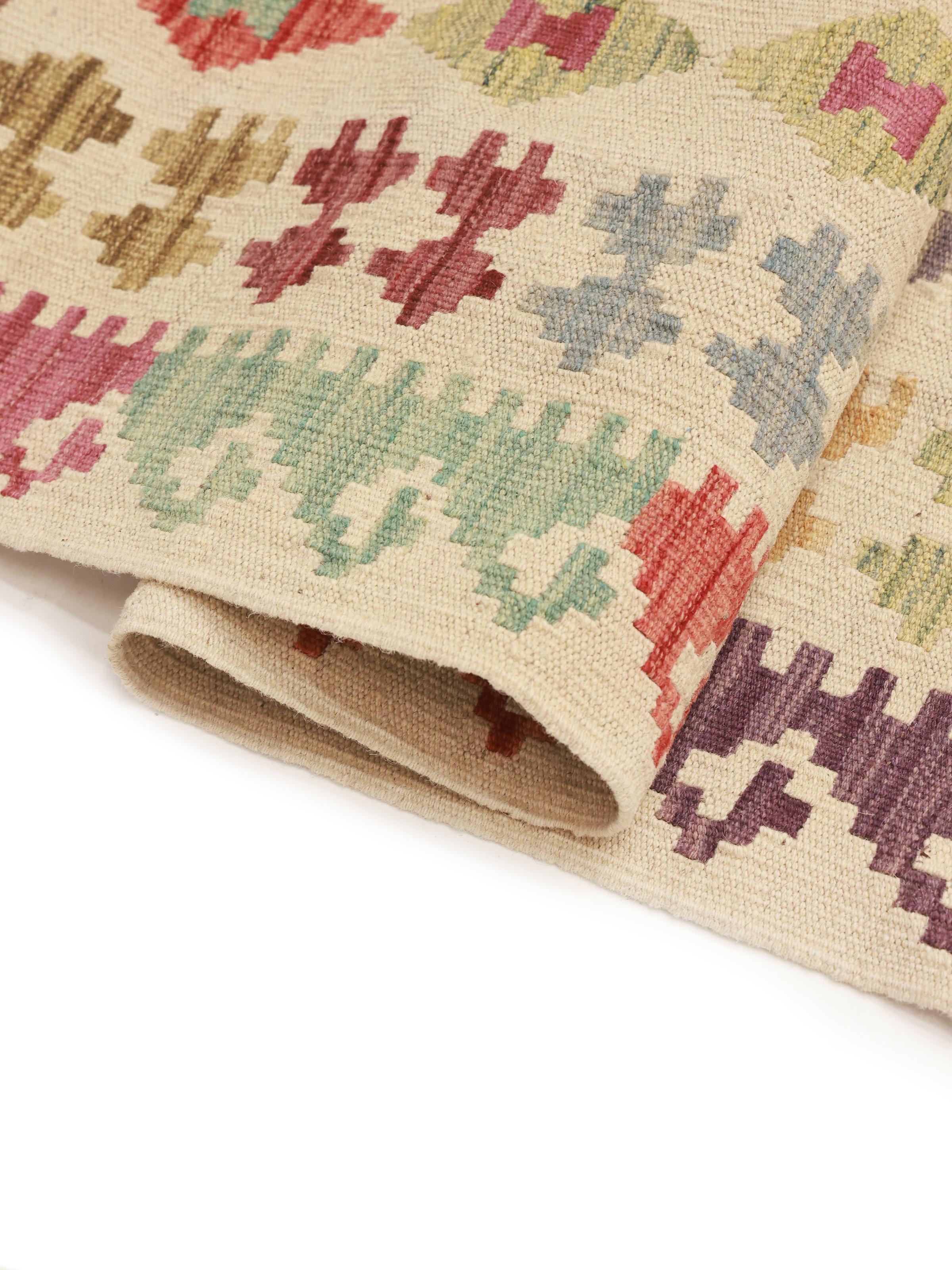
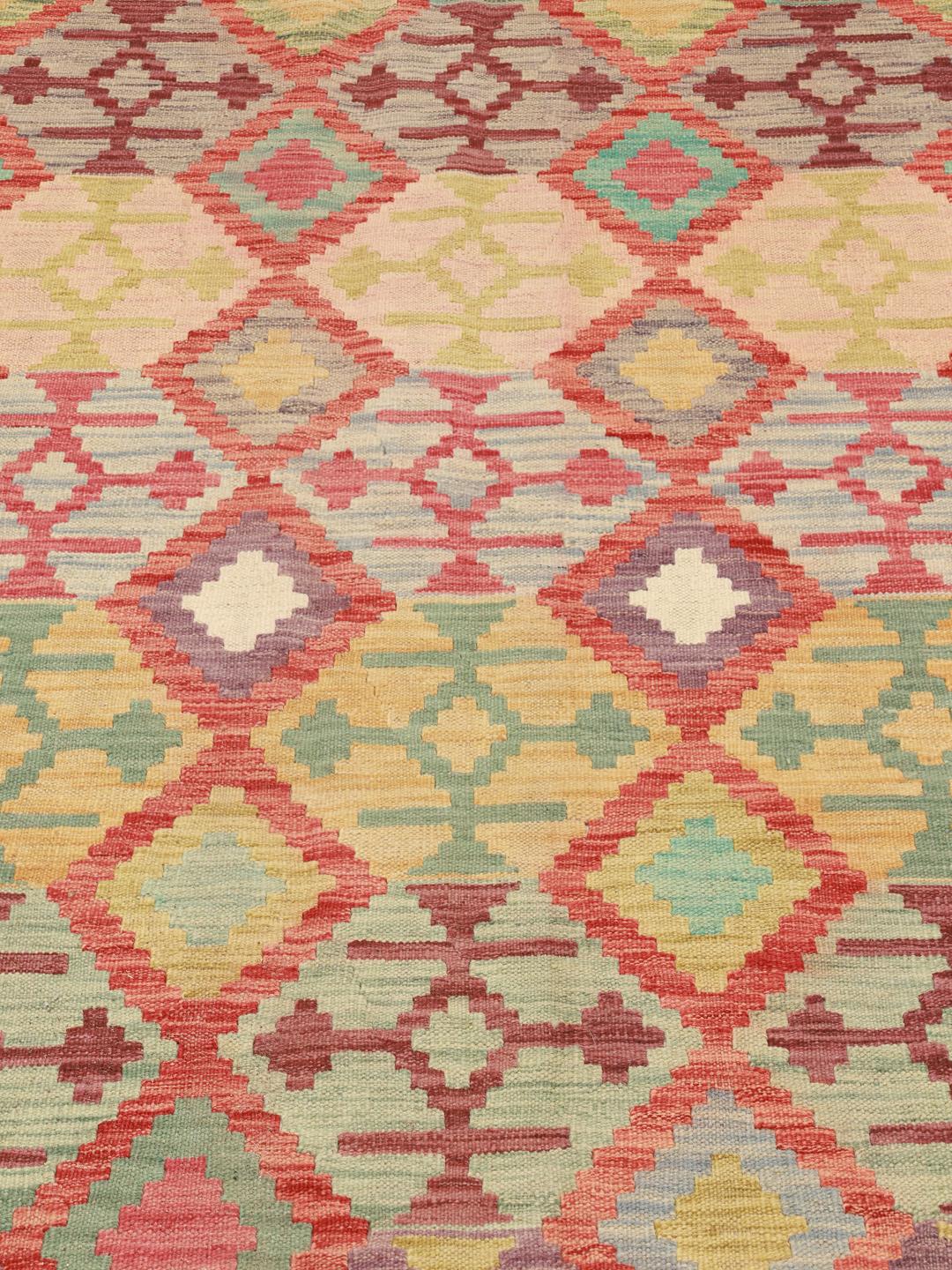
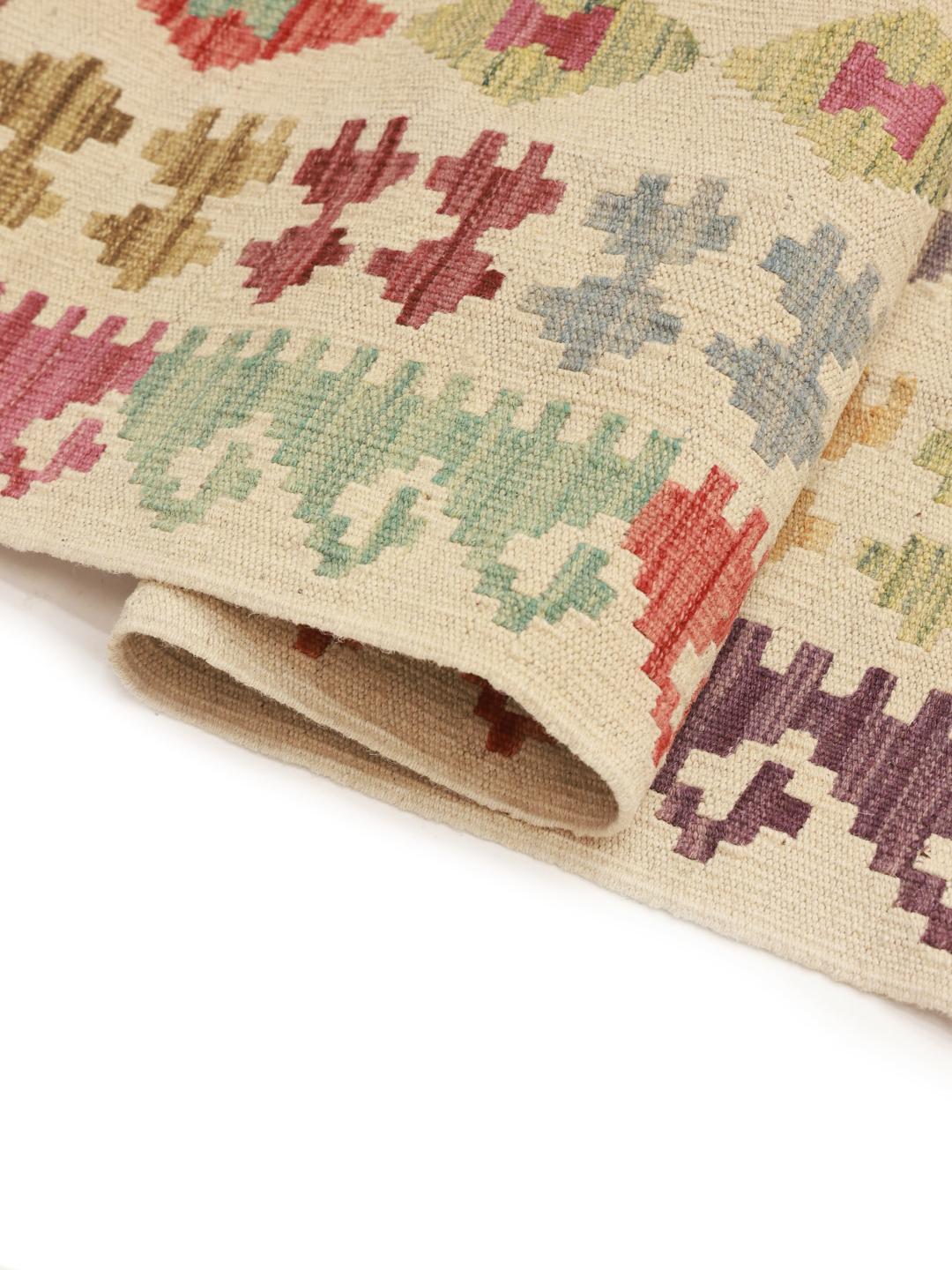
The term Kelim refers to the specific flat-weave technique where the weft threads are passed through the warp threads to create the pattern, omitting the pile found in traditional knotted rugs. This method results in a reversible textile that is both lightweight and incredibly durable. The precision required to maintain straight lines and sharp geometric edges in this technique is a hallmark of a skilled weaver, ensuring that the finished product is both functional and aesthetically refined.
Signature design elements of the Afghan Kelim tradition include bold geometric shapes, most notably the diamond or lozenge motif, which often represent protection or prosperity within the weaver's culture. The borders are typically filled with intricate, smaller patterns that frame the central field, creating a sense of order and balance. While traditional palettes often utilised earthy tones from natural dyes, contemporary Afghan Kelims frequently incorporate a wider spectrum of vibrant colours, showcasing the evolution of the craft.
Collecting a Kelim rug is an investment in a living heritage. Because these rugs are not produced using automated machinery, each one captures the specific aesthetic choices and technical skill of the individual weaver. Owning a piece from this tradition connects you to a global lineage of craftsmanship, offering a sense of cultural weight that synthetic floor coverings cannot provide. These rugs are highly valued for their ability to bring warmth, history, and unique character into modern interiors.