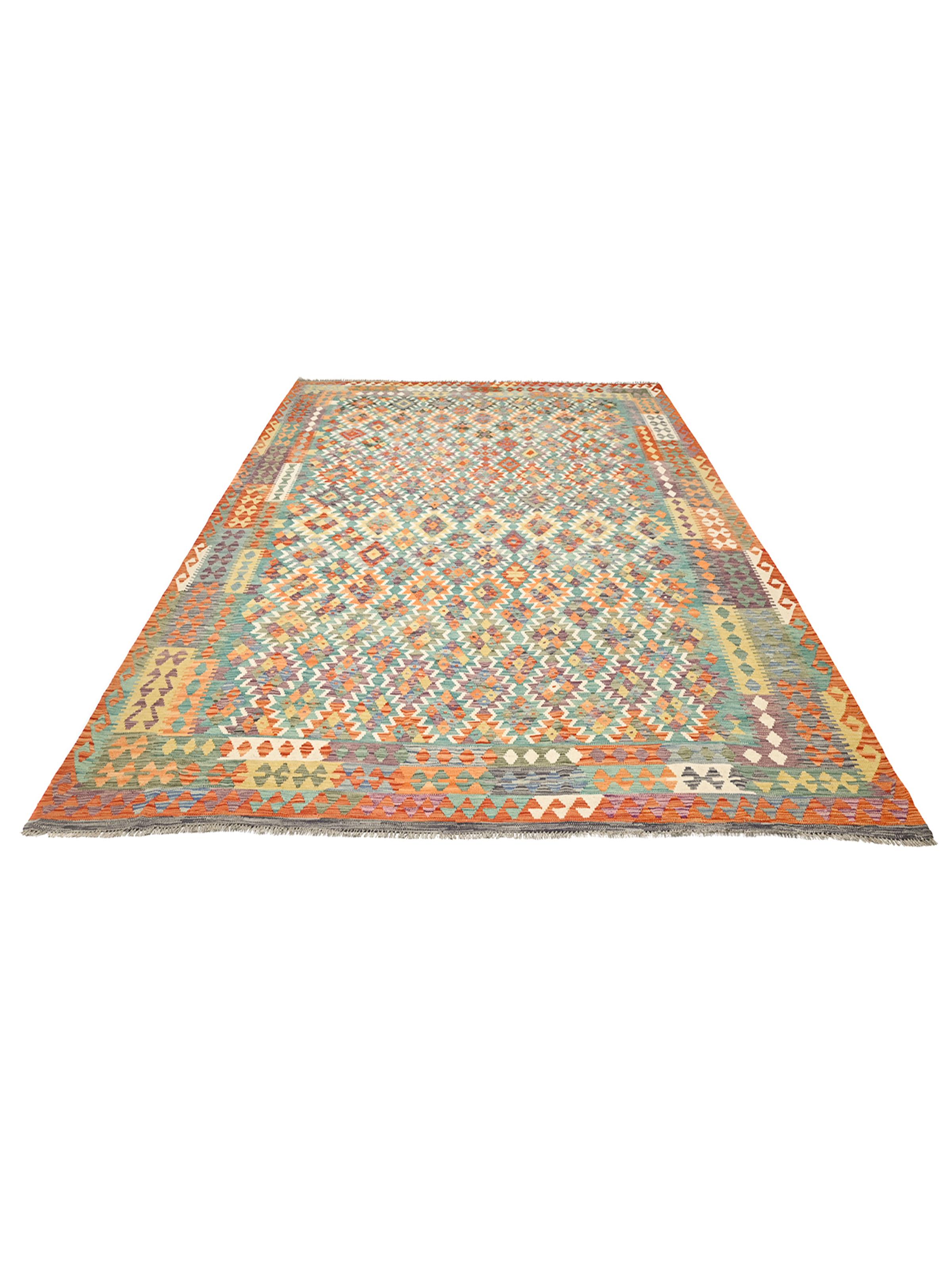
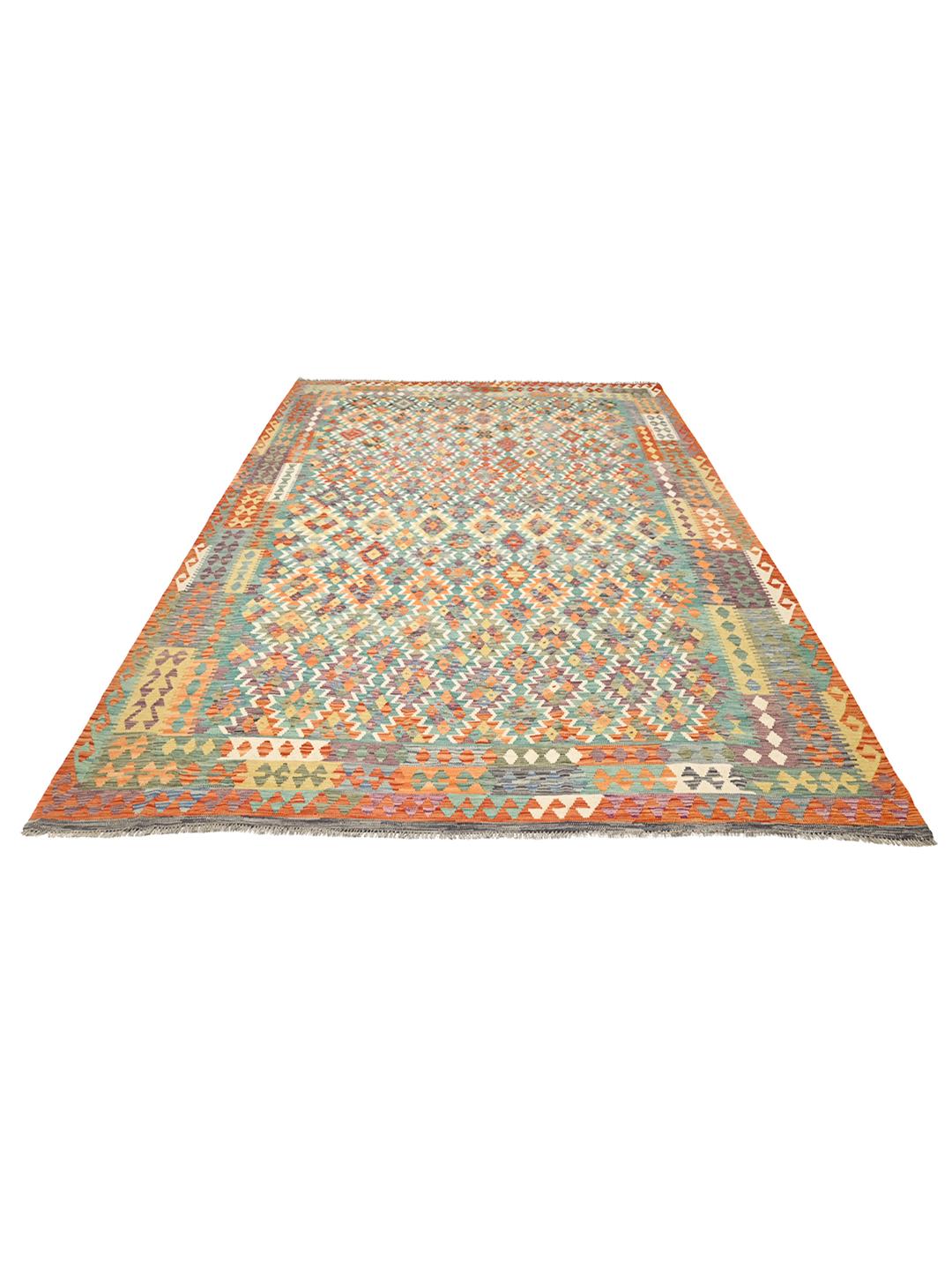
Kelim weaving in Afghanistan is an ancient craft practice deeply woven into the cultural life of nomadic and village communities. Historically created for practical household use, ground insulation, and trade, these flatwoven rugs represent centuries of shared knowledge passed down through generations of weavers across the region.
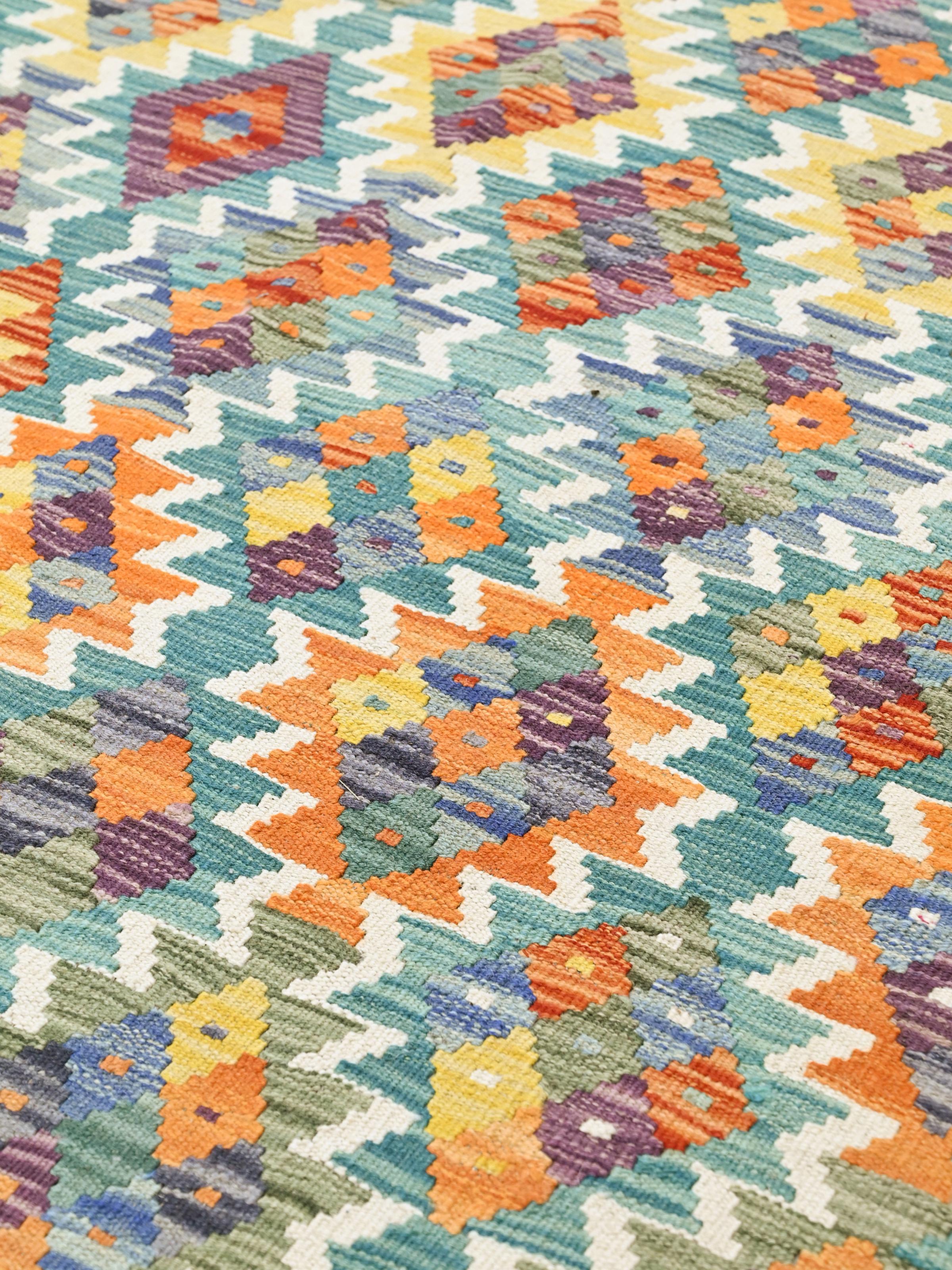
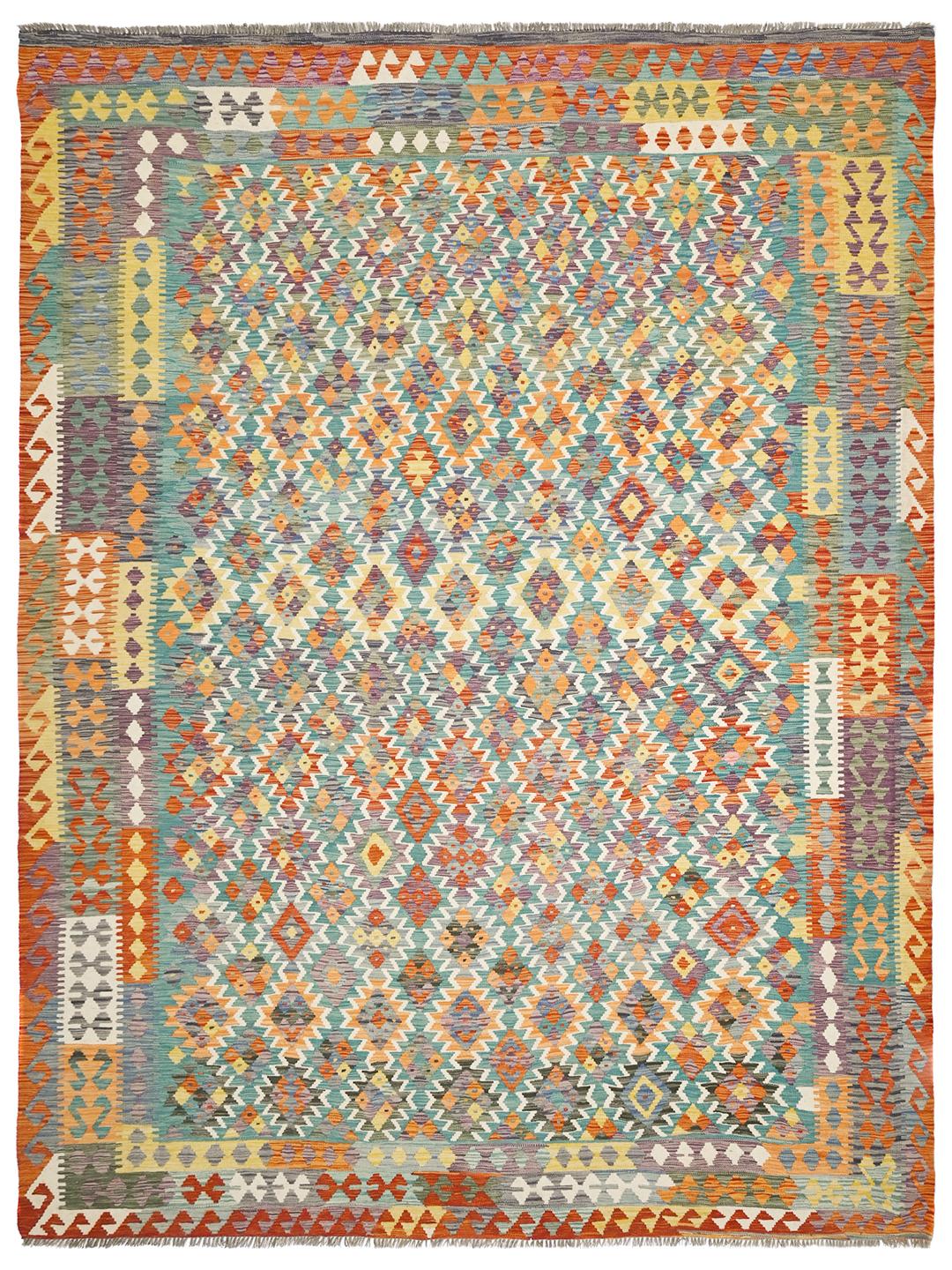
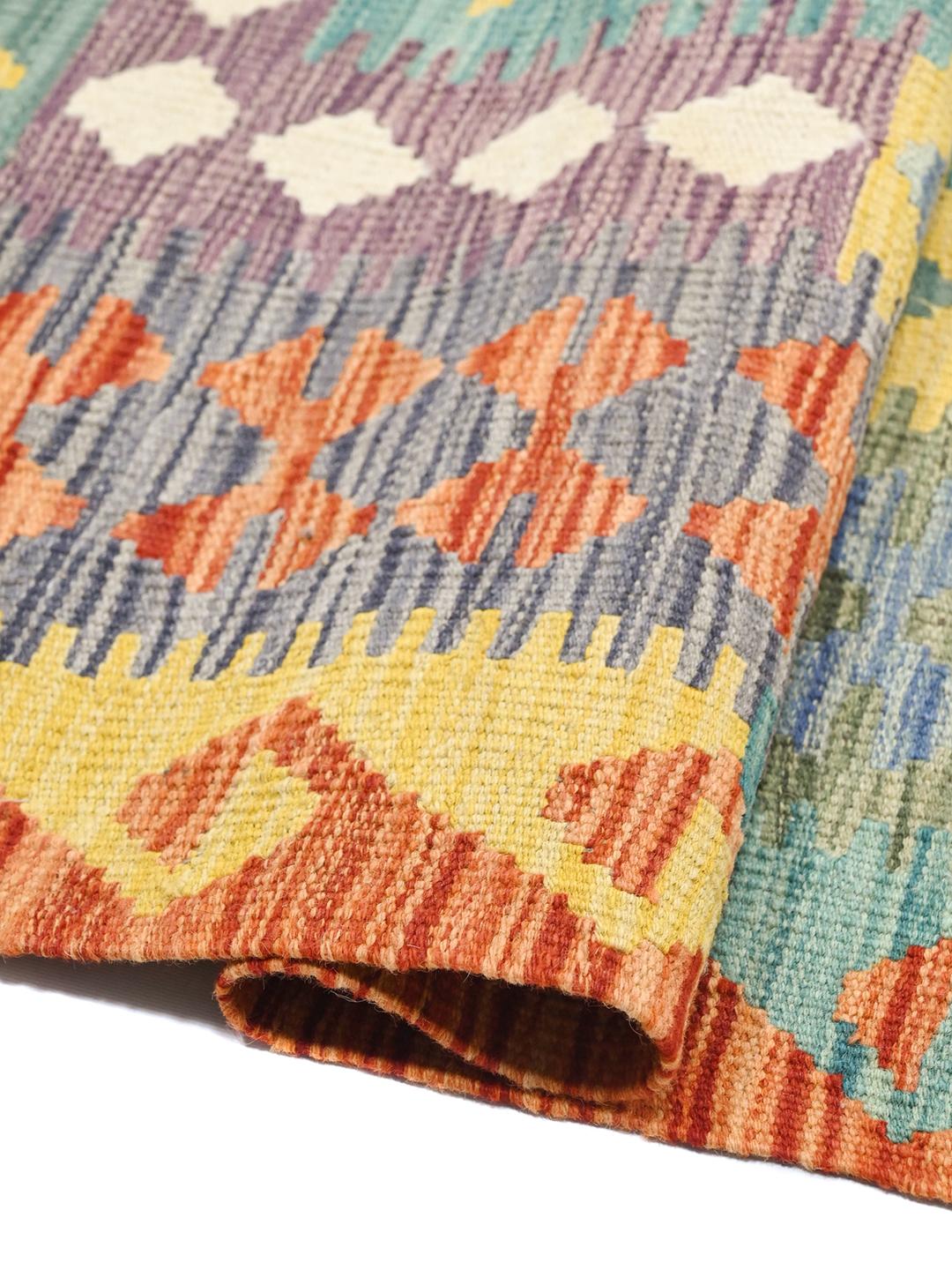
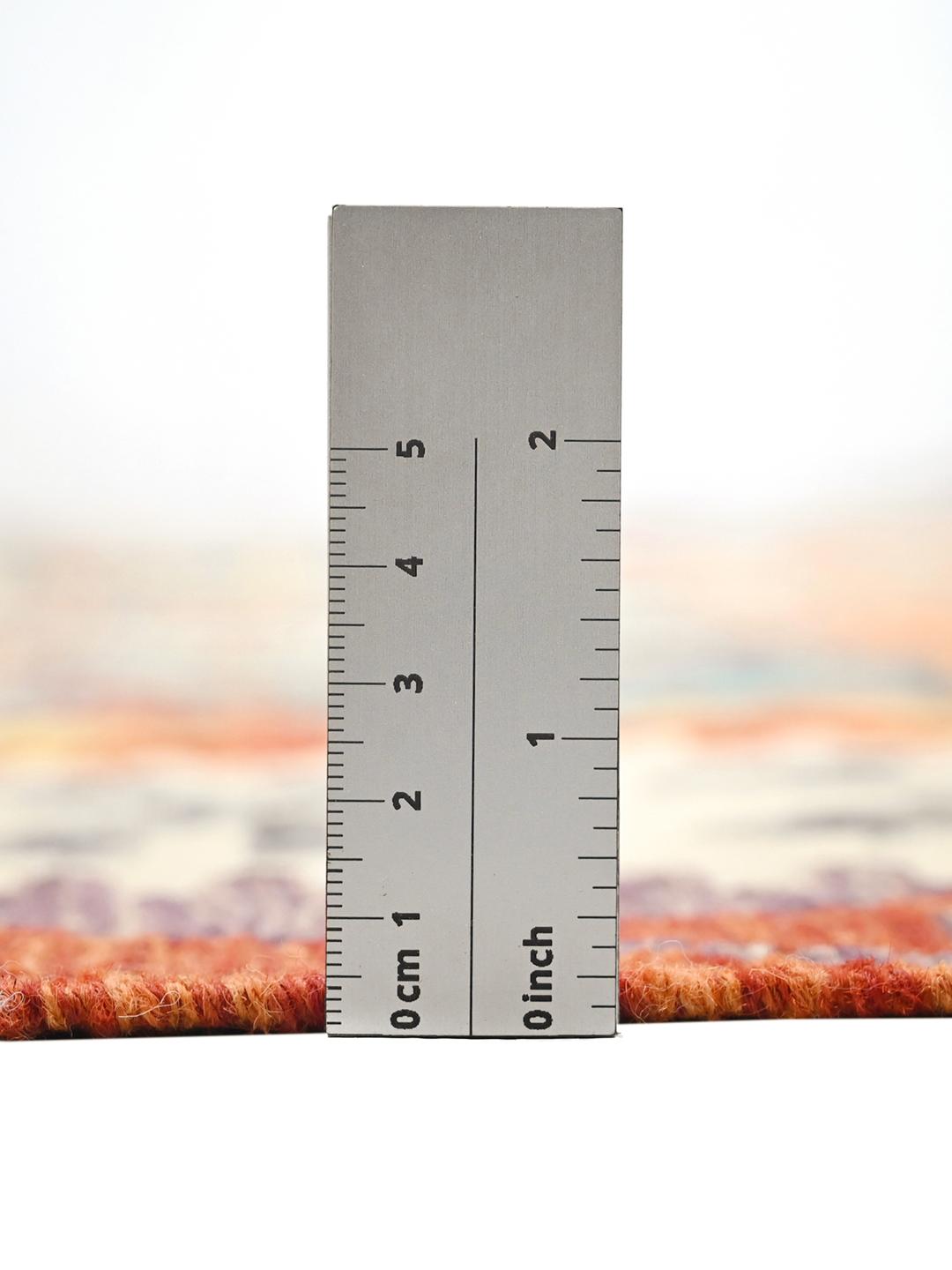
Unlike pile carpets, a kelim is created by tightly interlacing the warp and weft strands to produce a flat, pileless surface. The term 'Old Style' refers to traditional weaving methods where natural wool is used for both the structural warp threads and the visible pattern wefts, creating a cohesive, durable textile with a distinctive flat texture.
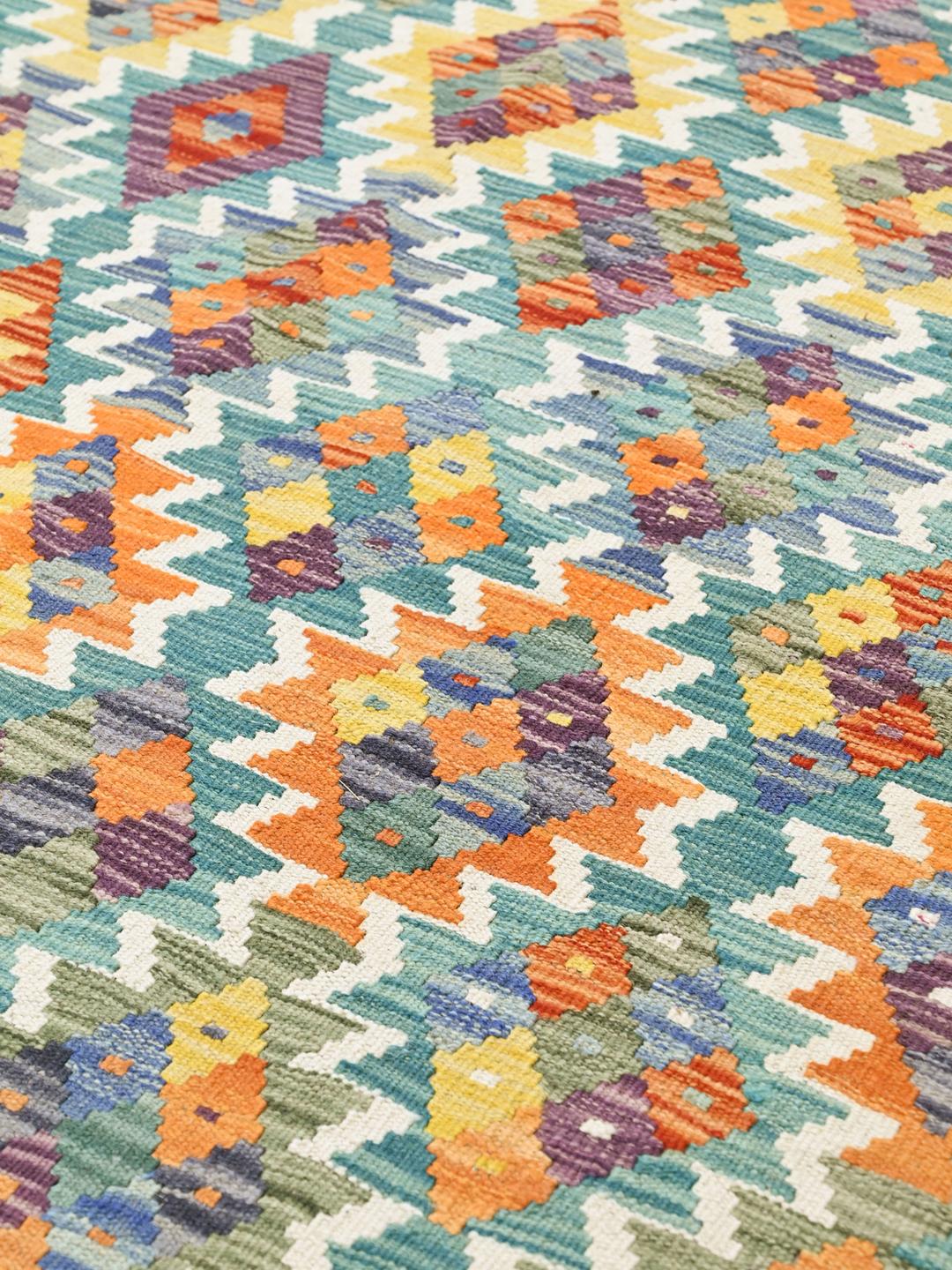
The visual identity of Afghan kelims centers on geometric structure, featuring bold diamond motifs, serrated zig-zag borders, and stylized tribal symbols. Color choices traditionally relied on locally available dyes, resulting in rich combinations of indigo blues, warm terracottas, and vibrant accent shades organized in horizontal bands.
Afghan kelims are widely appreciated by textile enthusiasts for their expressive graphic quality and authenticity. Owning a traditional Afghan flatweave connects your interior to an enduring artistic tradition, offering a tangible link to regional cultural heritage.