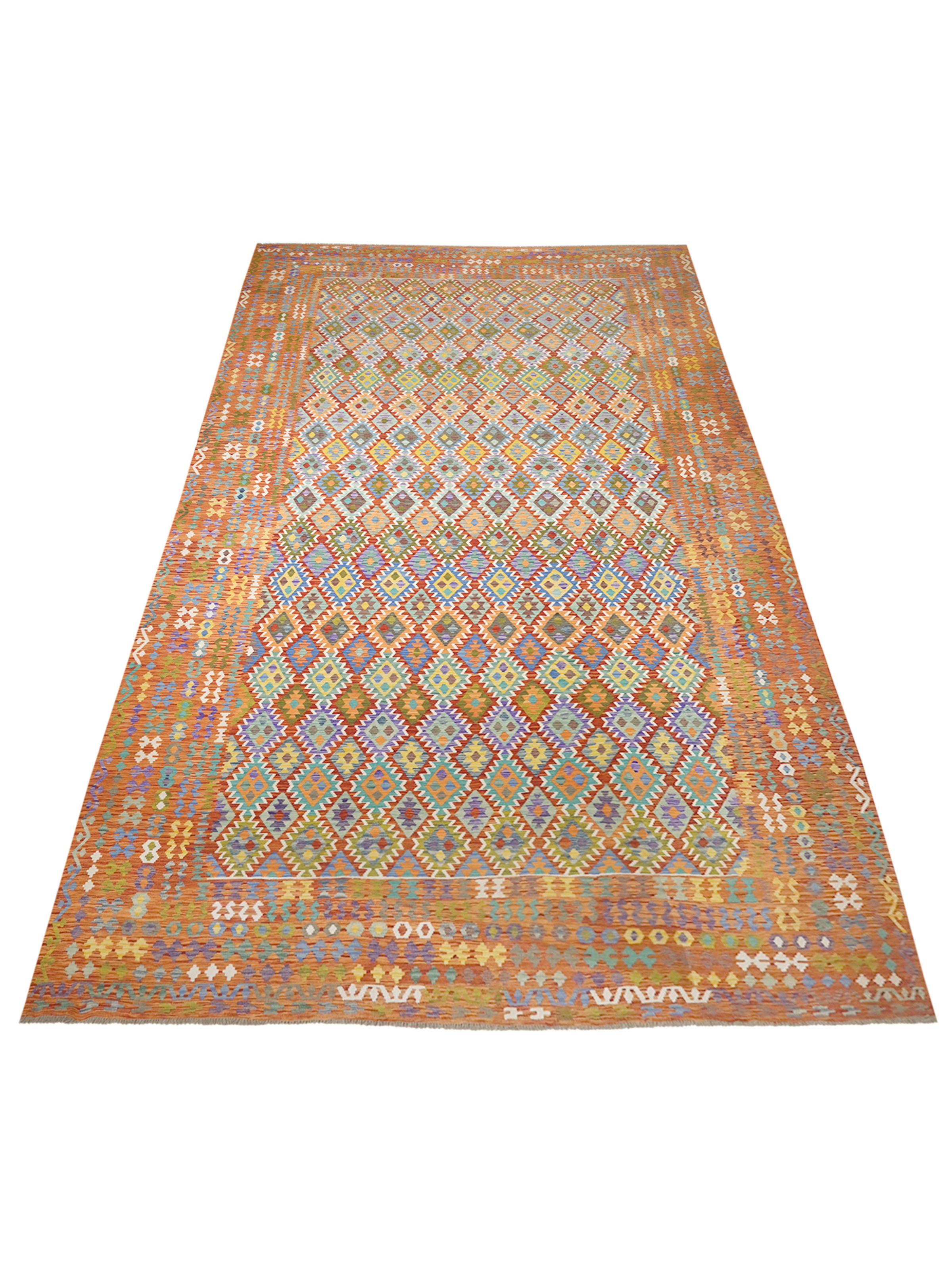
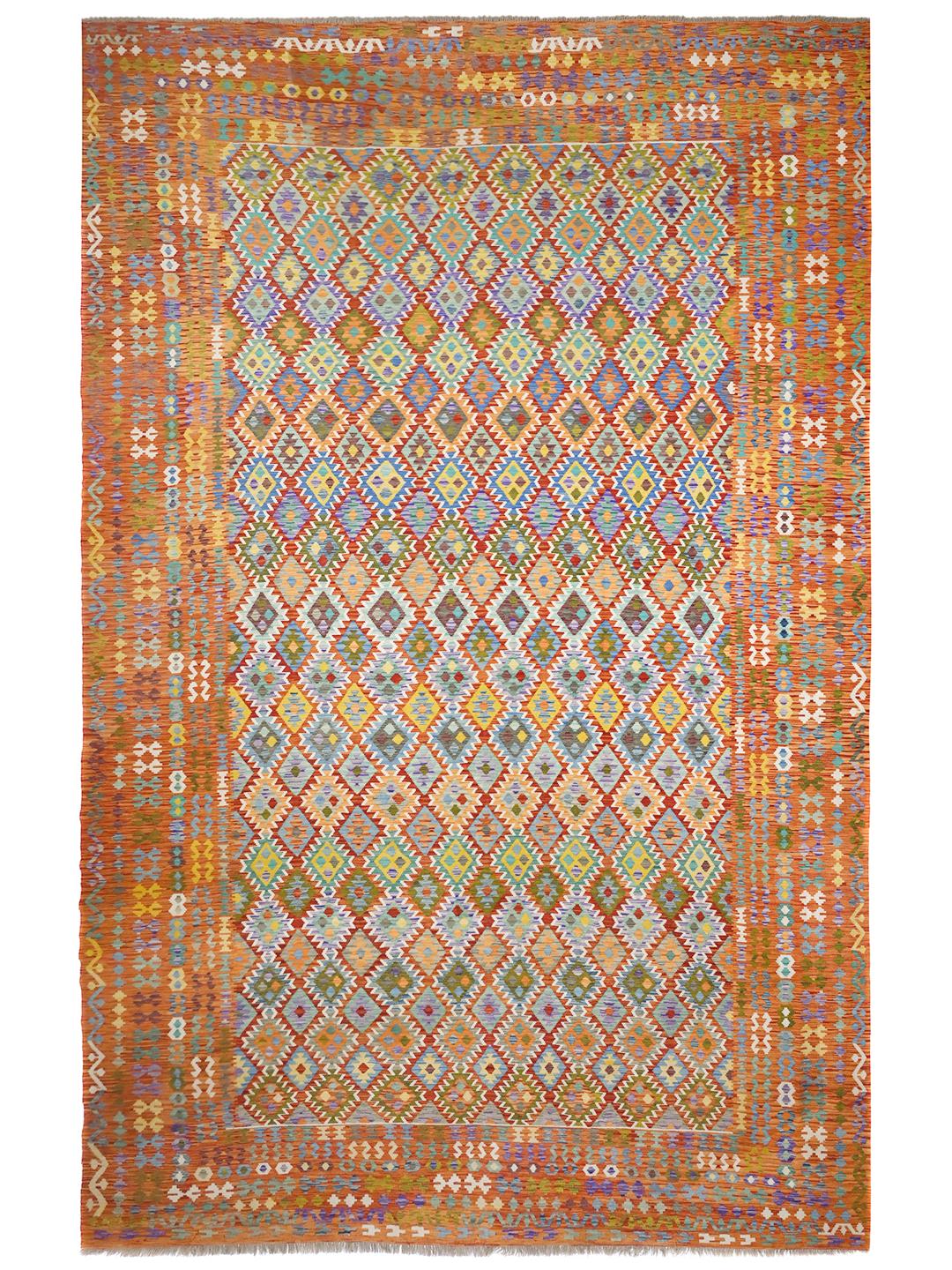
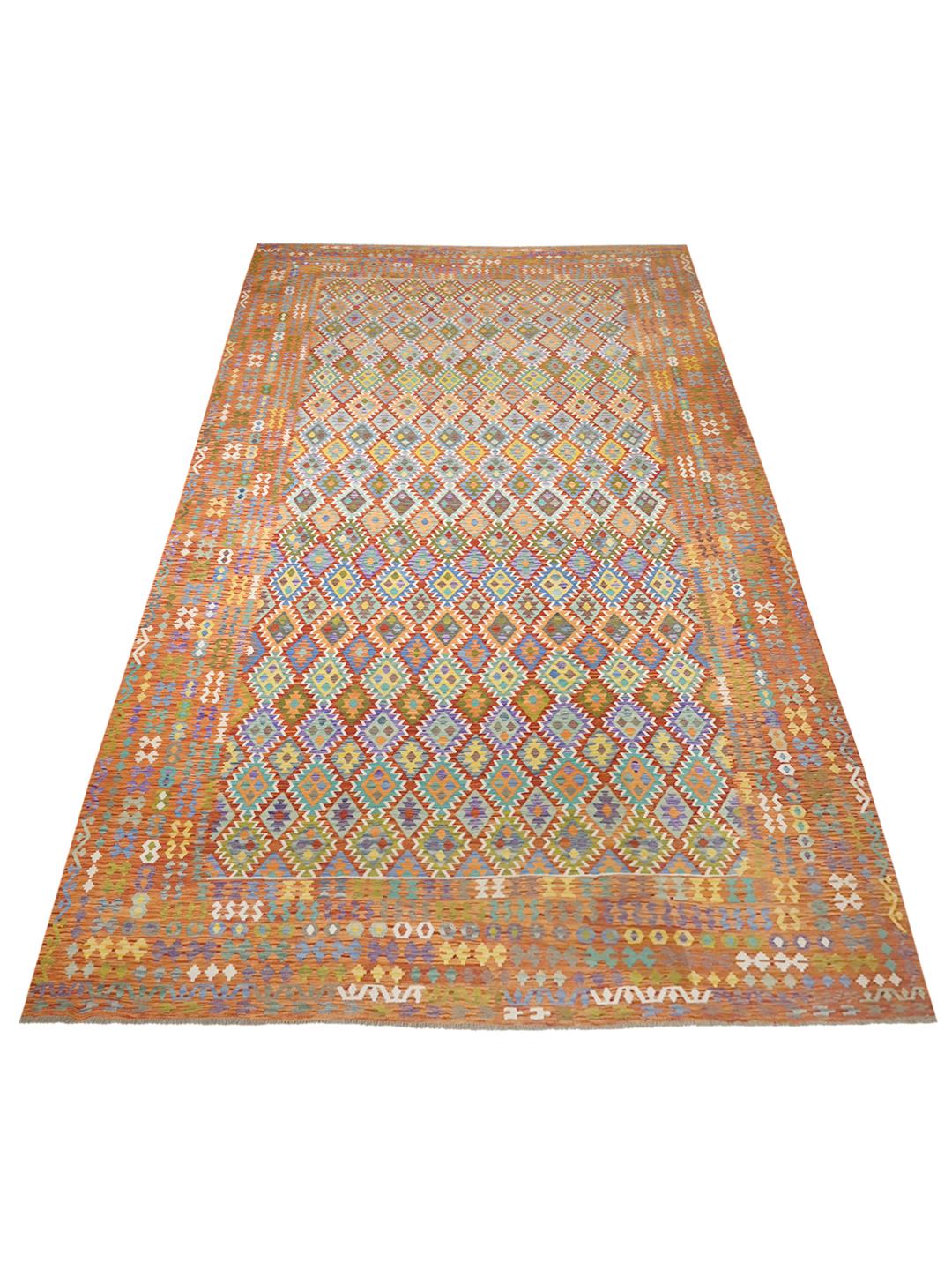
Kelim rugs originate from a long-standing flat-weaving tradition spread across Central Asia, the Middle East, and parts of Eastern Europe. Afghanistan holds a prominent place in this heritage, where nomadic and village weavers developed distinct styles characterized by striking geometric compositions and durable flat surfaces.
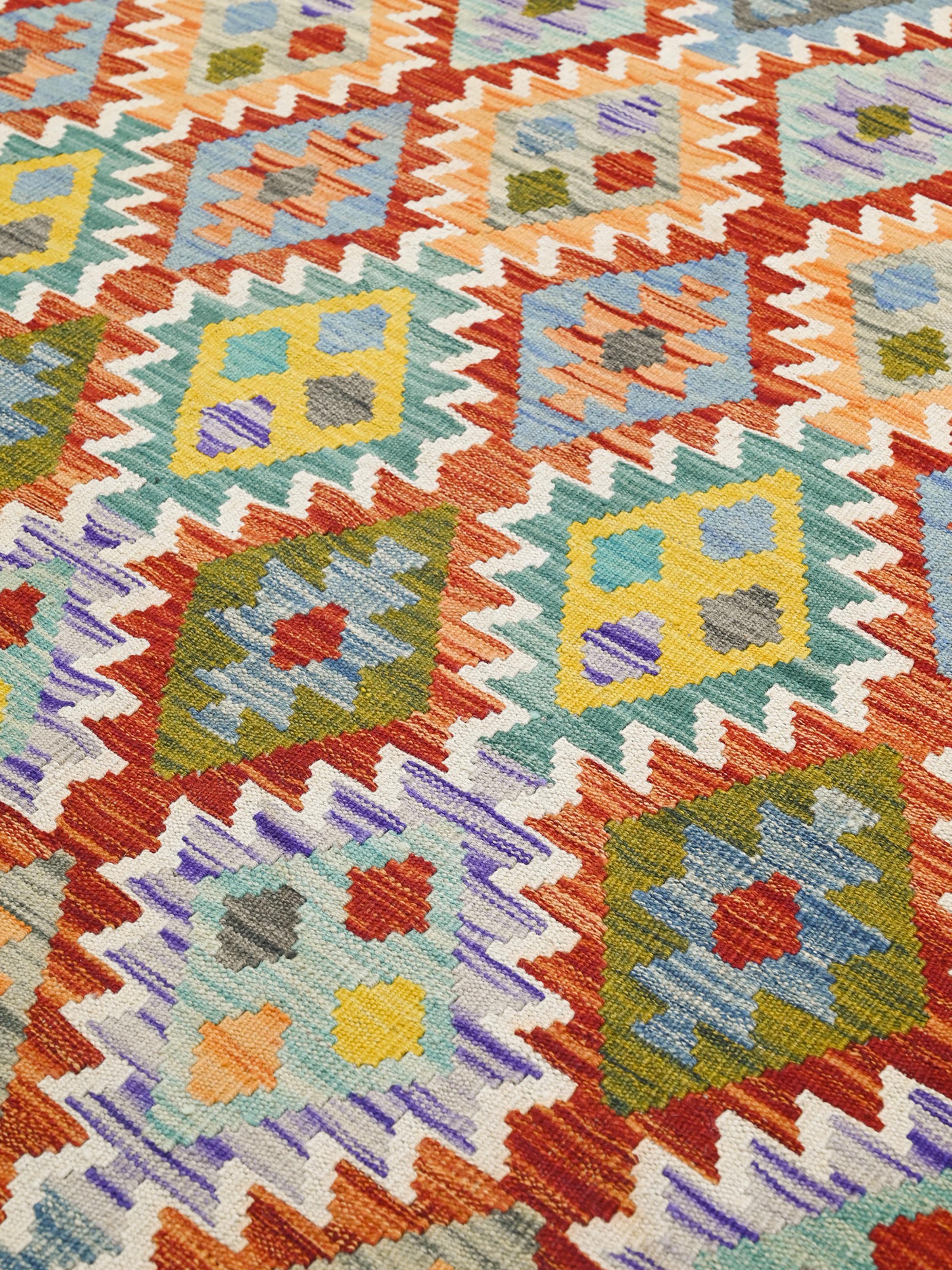
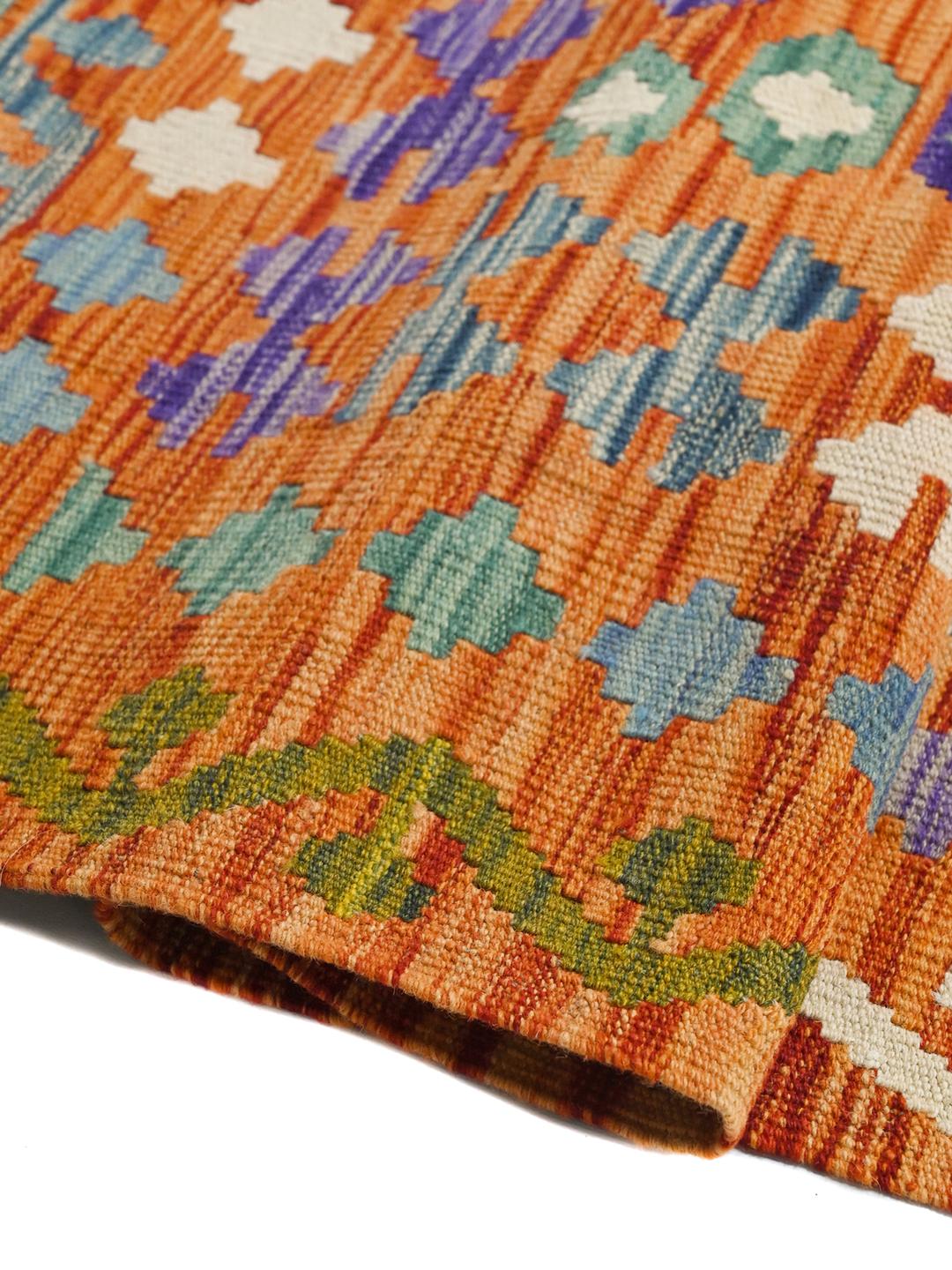
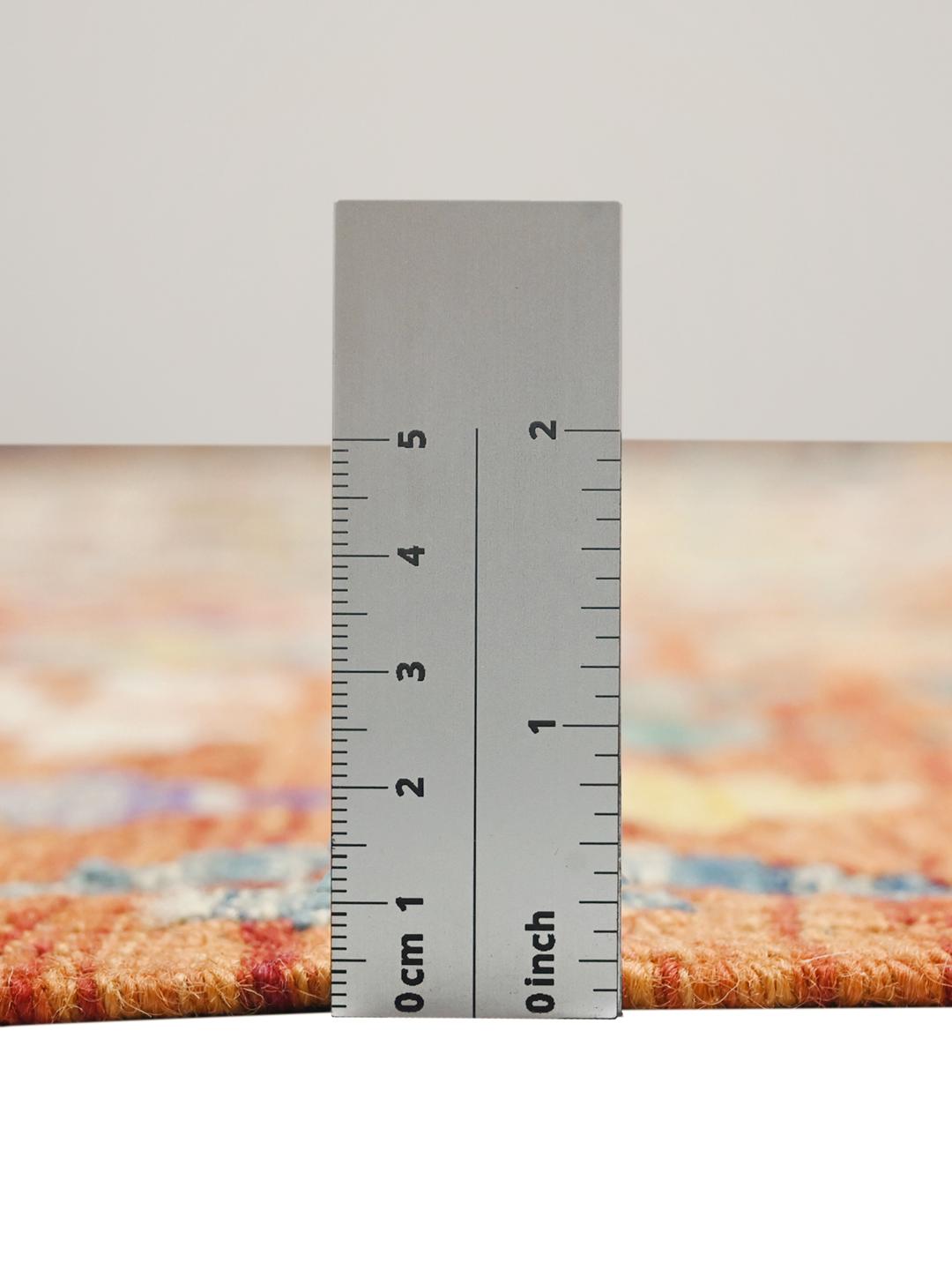
Unlike pile rugs, Kelims are crafted by tightly interweaving the warp and weft threads to produce a smooth, reversible fabric. This flat-woven technique requires precise control over tension and pattern placement, resulting in a lightweight yet remarkably strong textile tradition.
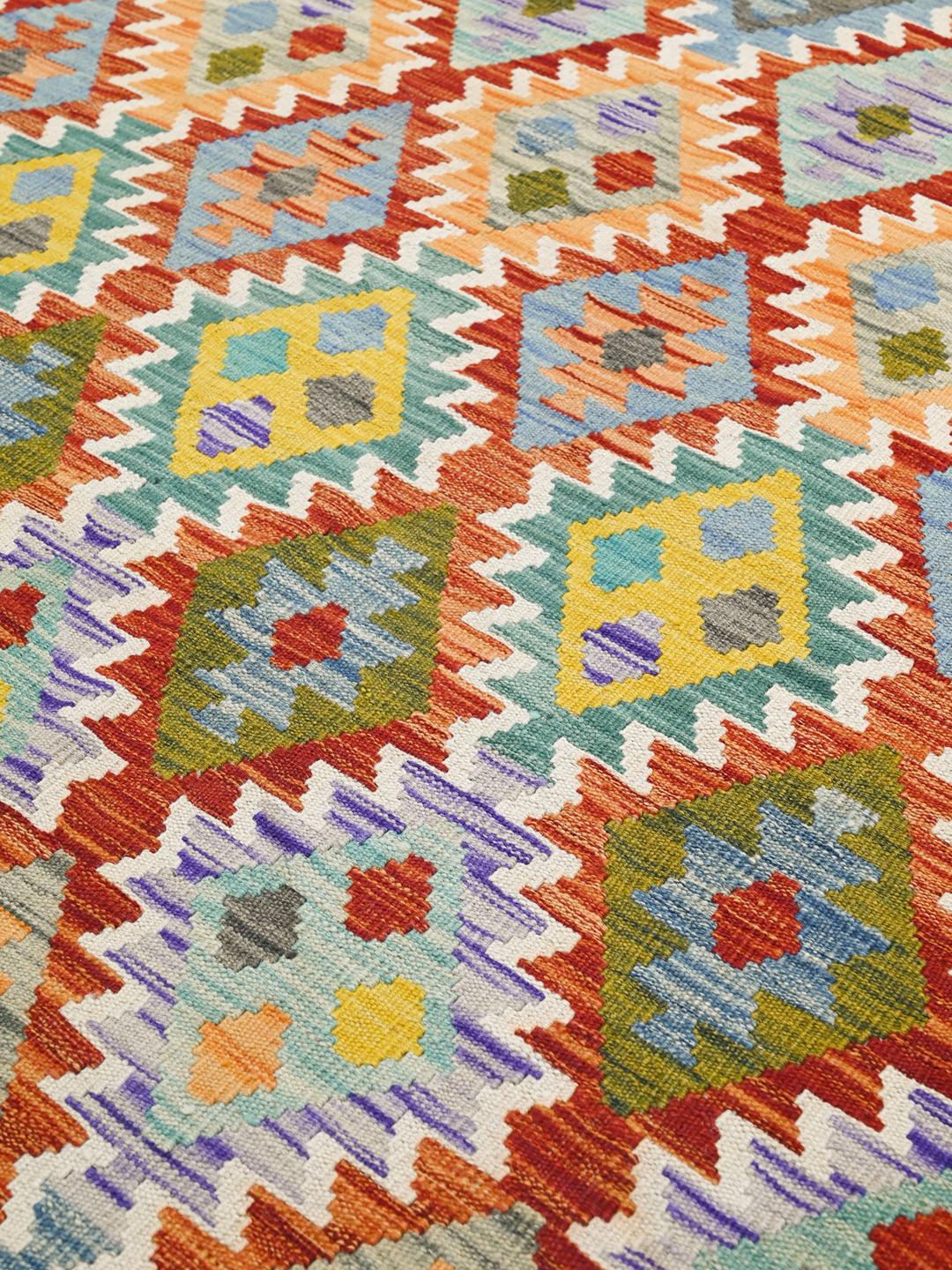
The visual language of Afghan Kelims often centers on repeating geometric motifs such as diamonds, triangles, and tribal symbols. These patterns are typically arranged in symmetrical rows and framed by detailed decorative borders that draw inspiration from local flora, fauna, and cultural symbols.
Owning a traditional Afghan Kelim connects your home to an ancient craft rooted in resourcefulness and artistic expression. These rugs are valued by collectors and enthusiasts alike for their authentic storytelling, vibrant use of color, and the enduring skill required to bring each individual design to life.