Kelim rugs have a long and storied history across the Middle East, serving as essential items for nomadic and village life. These flat-woven textiles were originally created by tribal communities for practical needs, including floor coverings, wall hangings, and storage sacks. Their portability and durability made them perfect for families on the move, and the patterns often served as a visual language to represent tribal identity and local folklore.
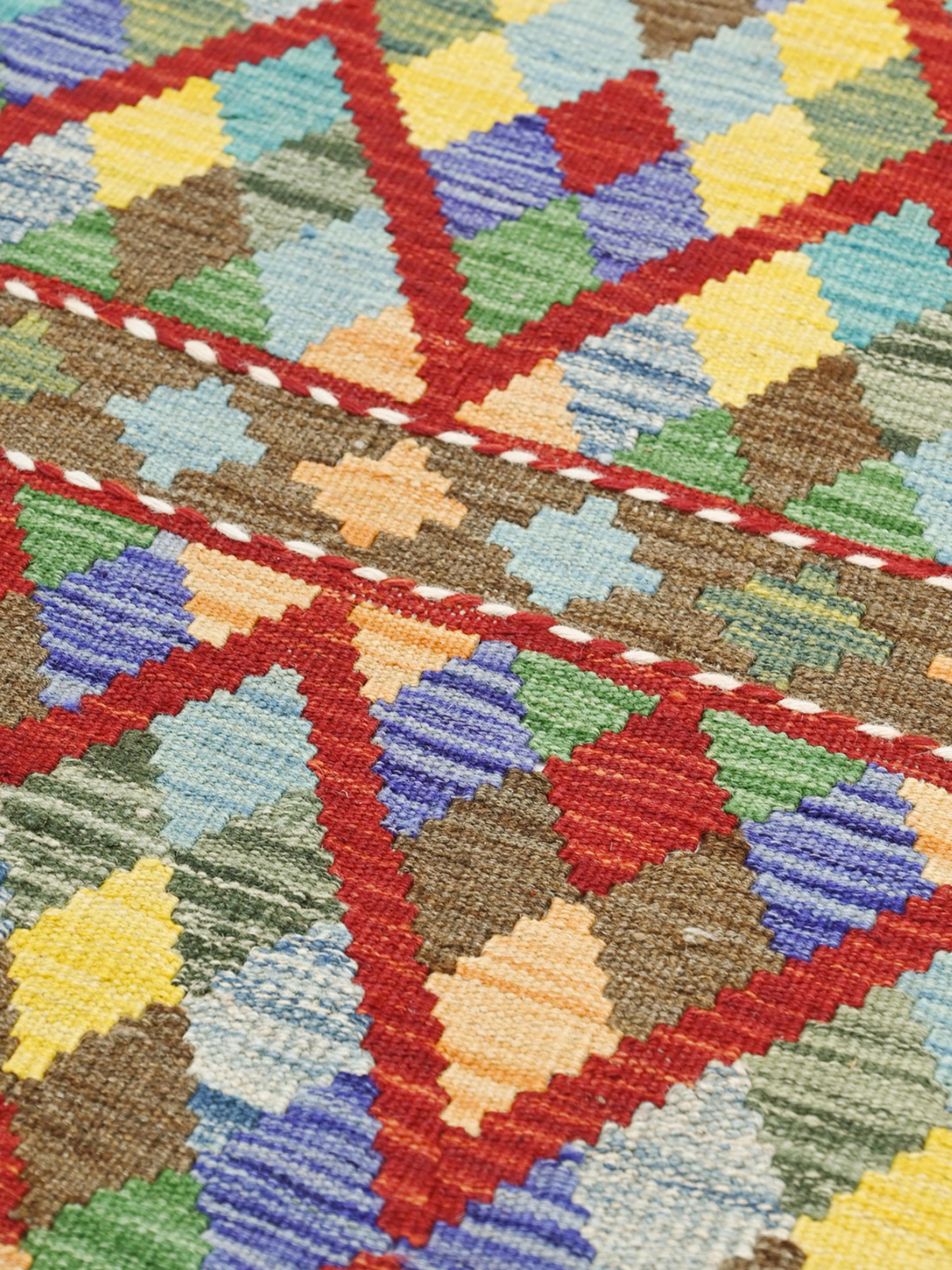
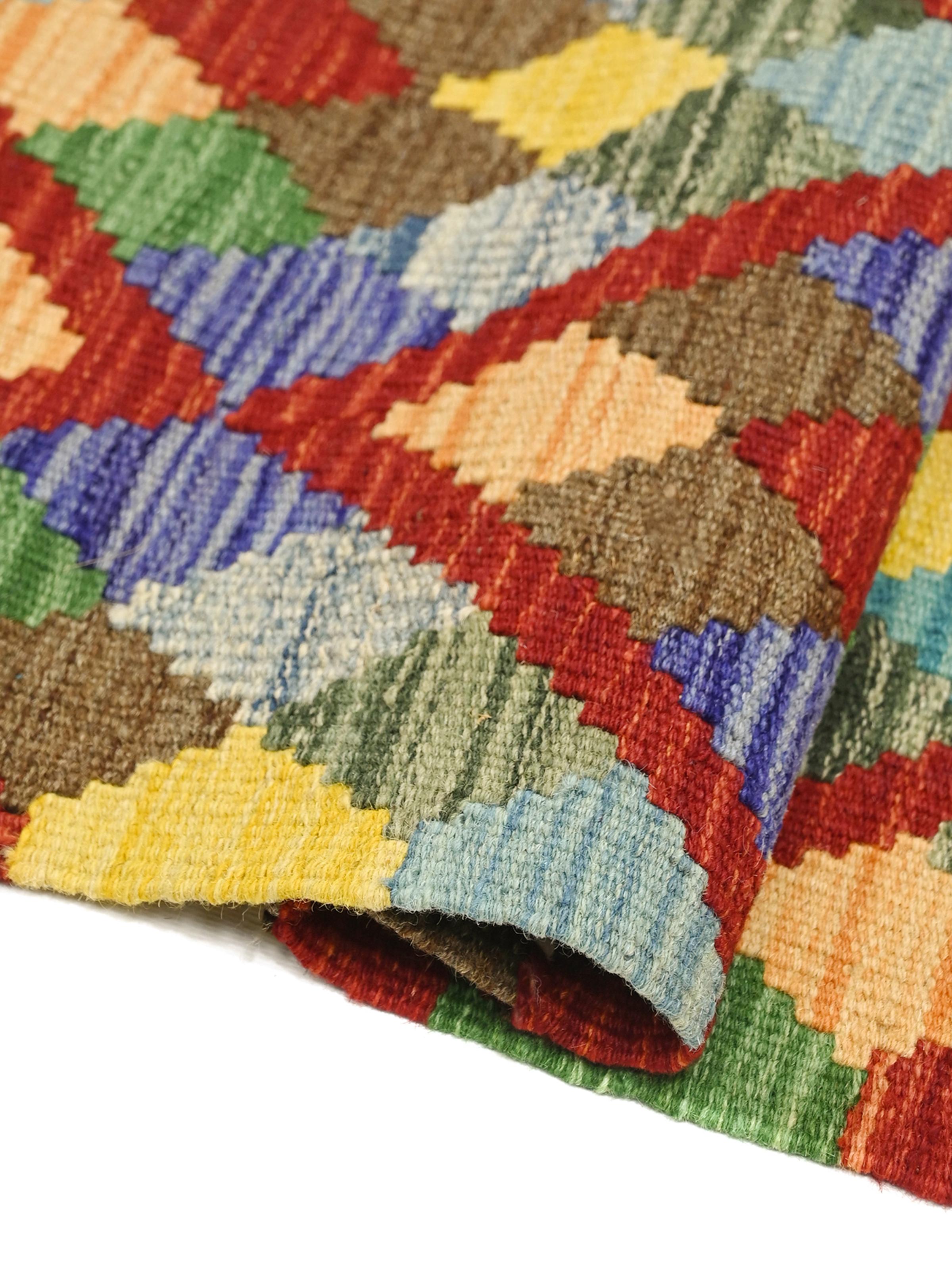
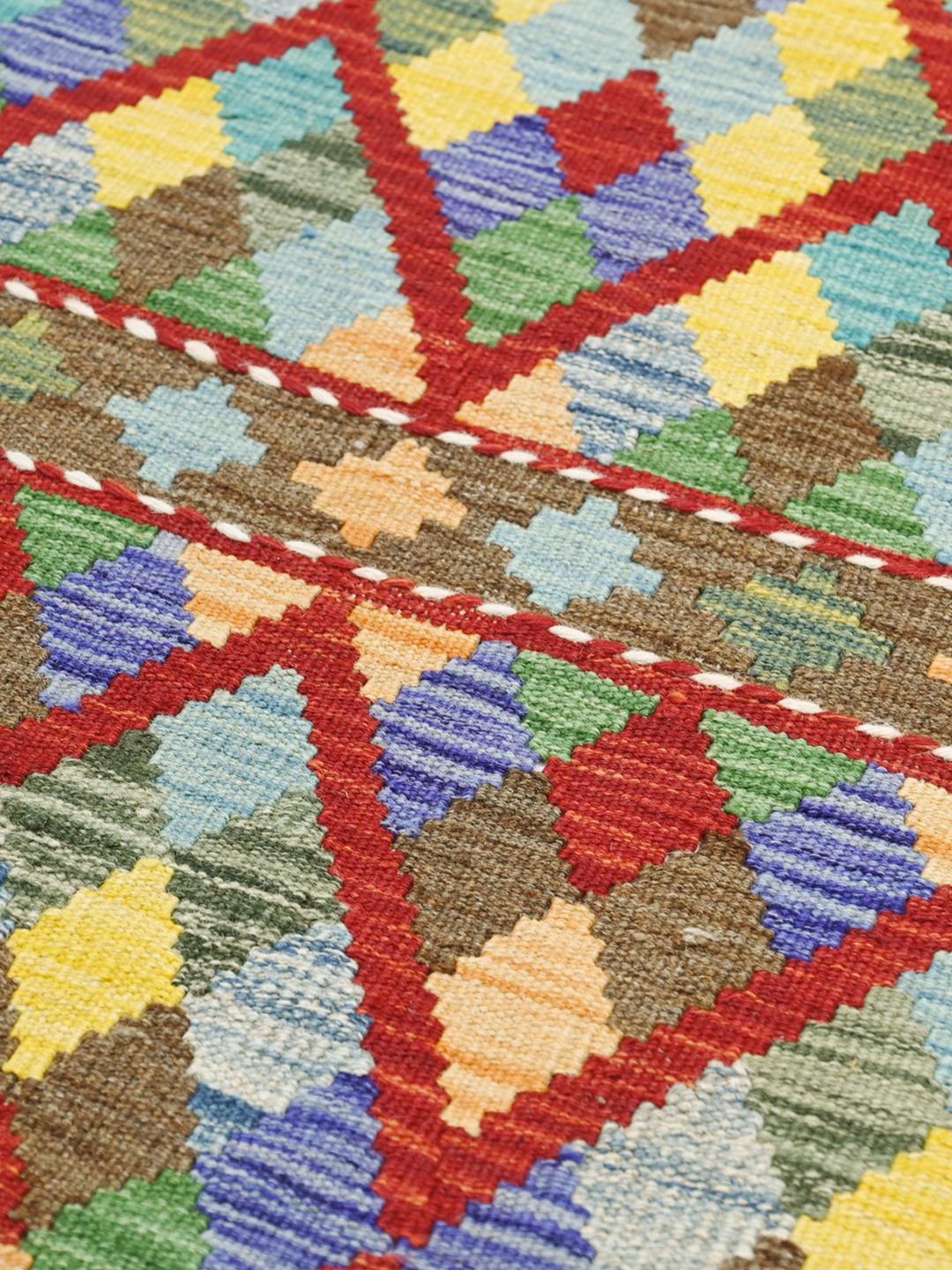
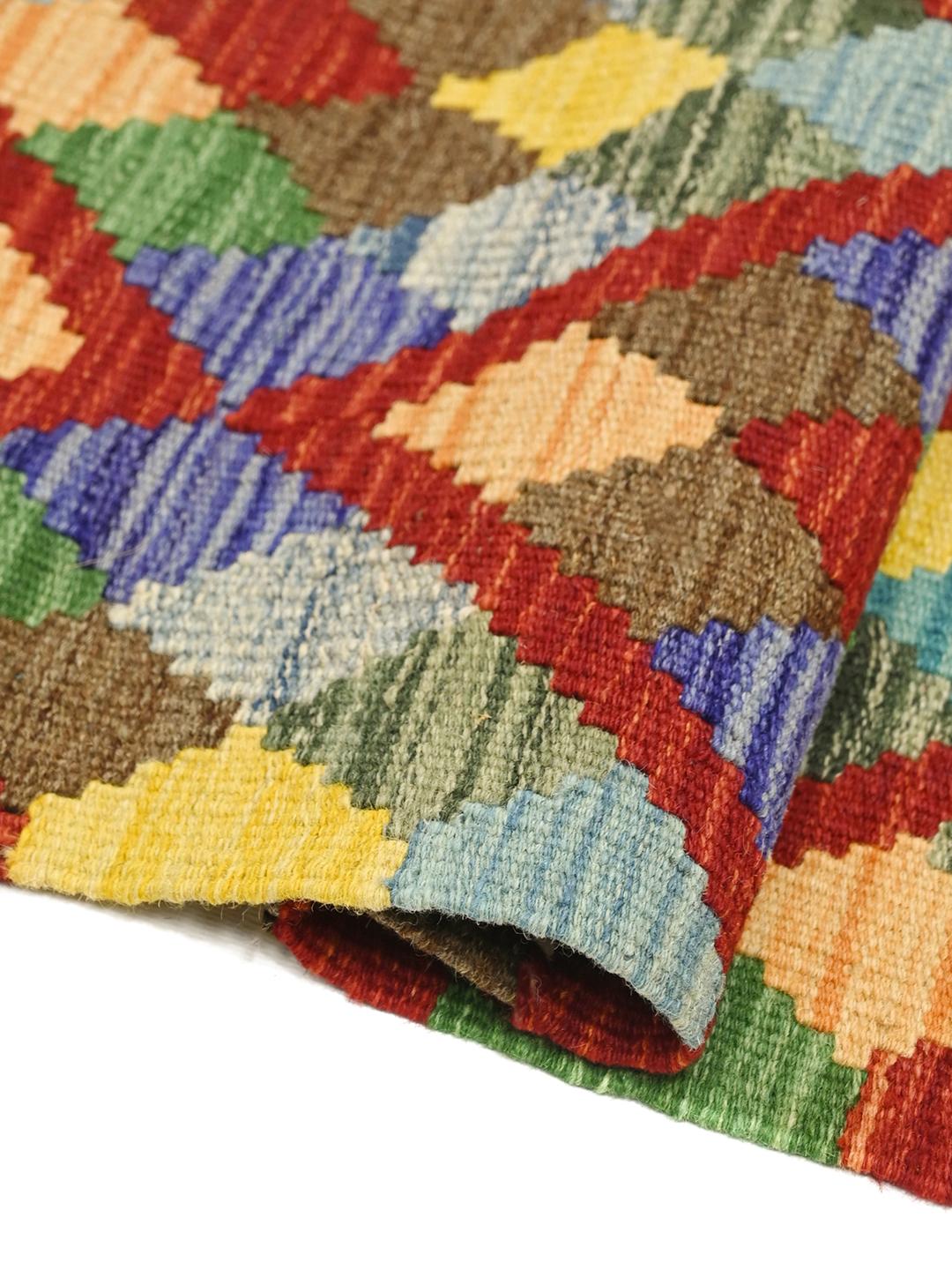
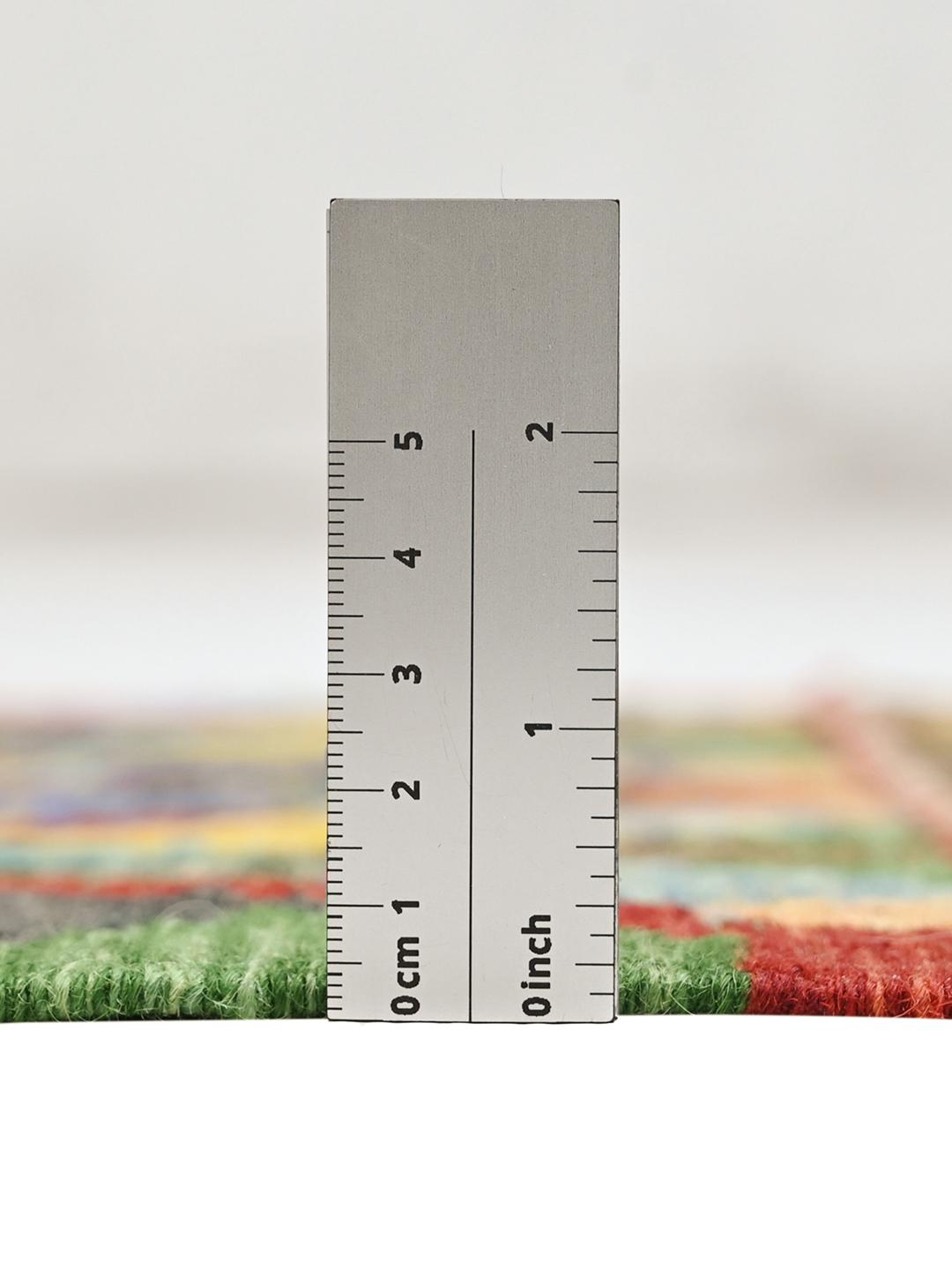
The term 'Kelim' refers to the specific flat-weaving technique where the weft threads are pulled tightly to cover the warp completely. This creates a reversible, lightweight fabric that lacks the deep pile of traditional knotted rugs. This style of construction is highly valued for its clean lines and the ability to showcase intricate geometric designs with remarkable clarity and precision.
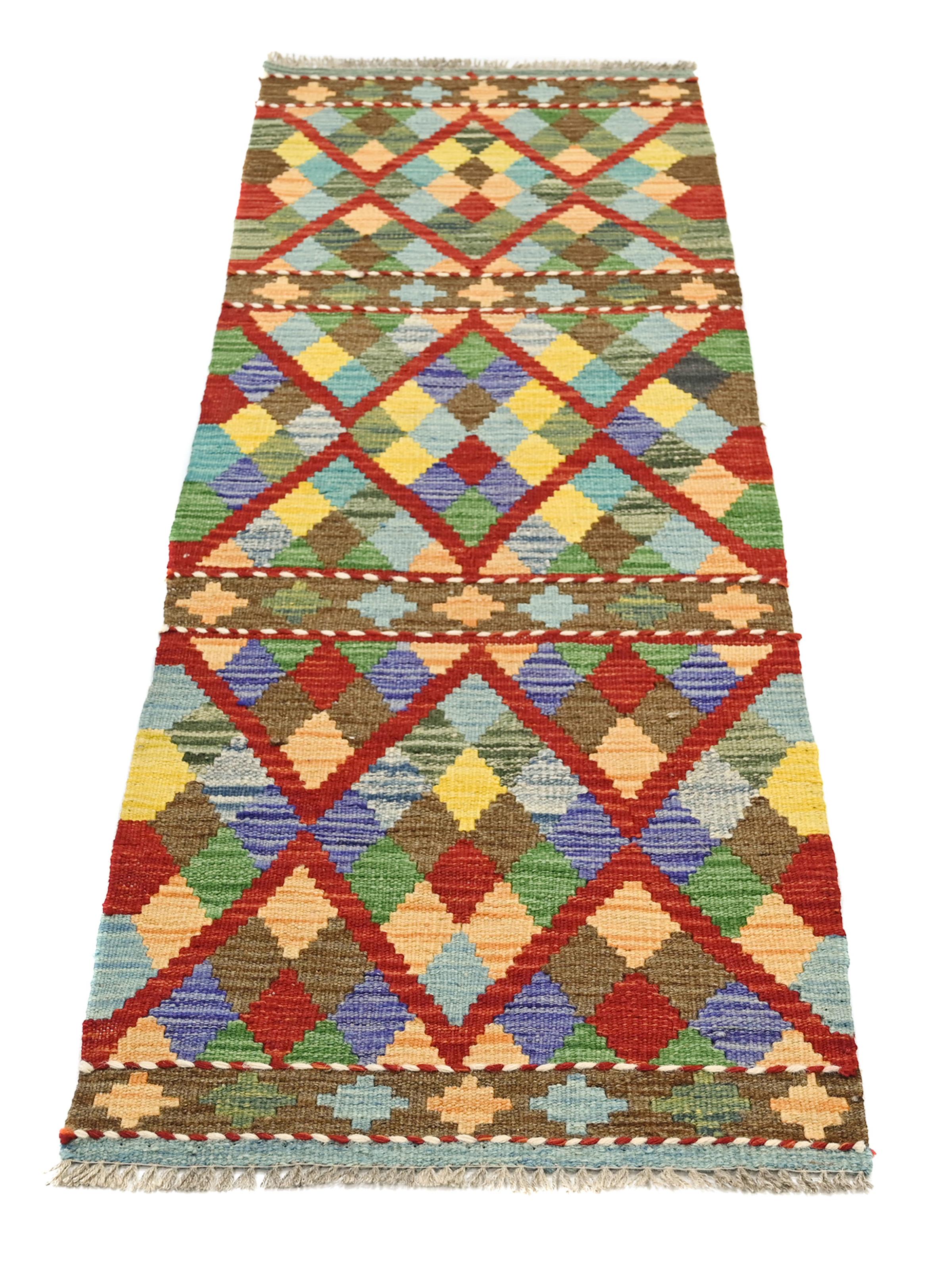
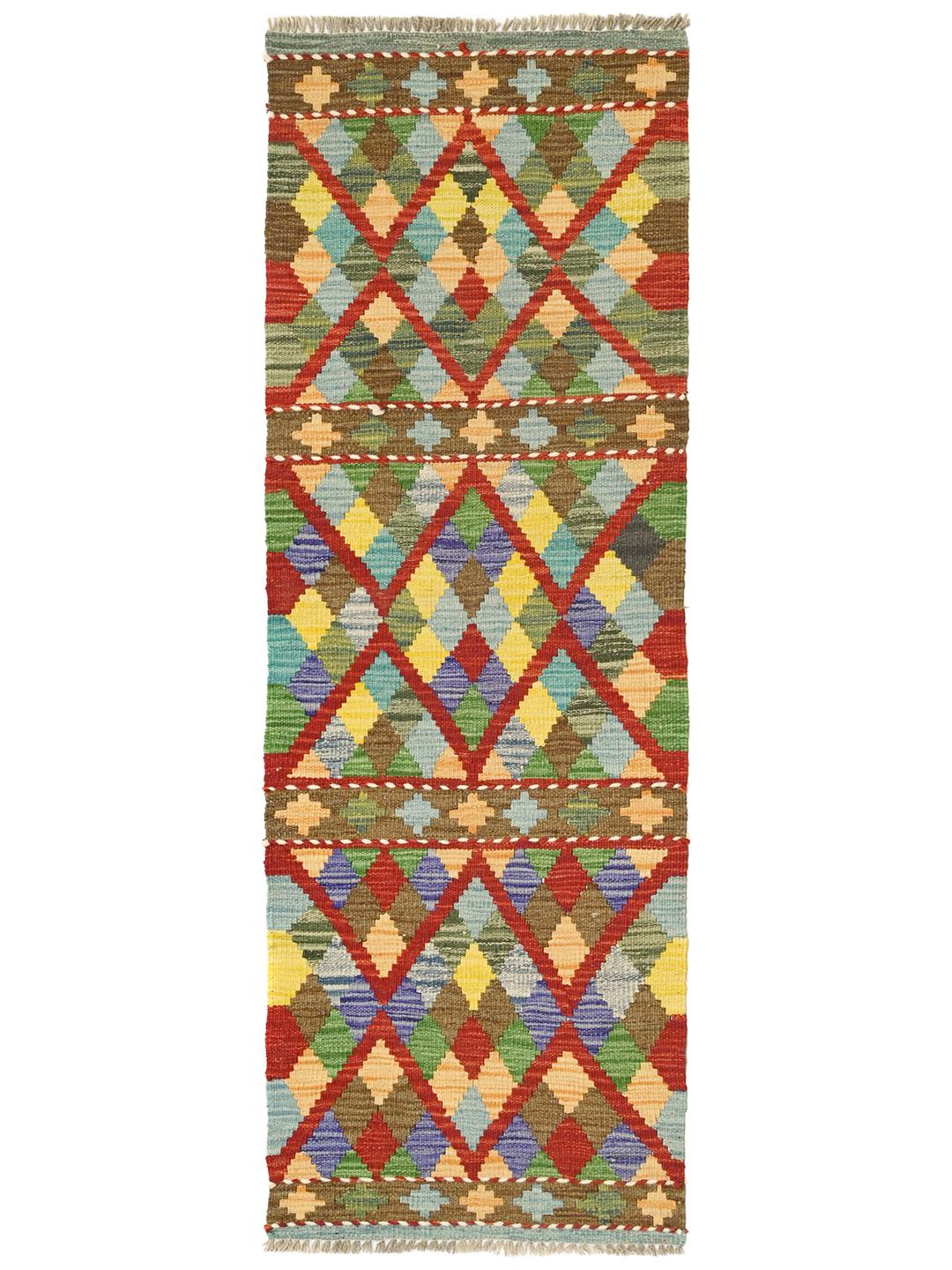
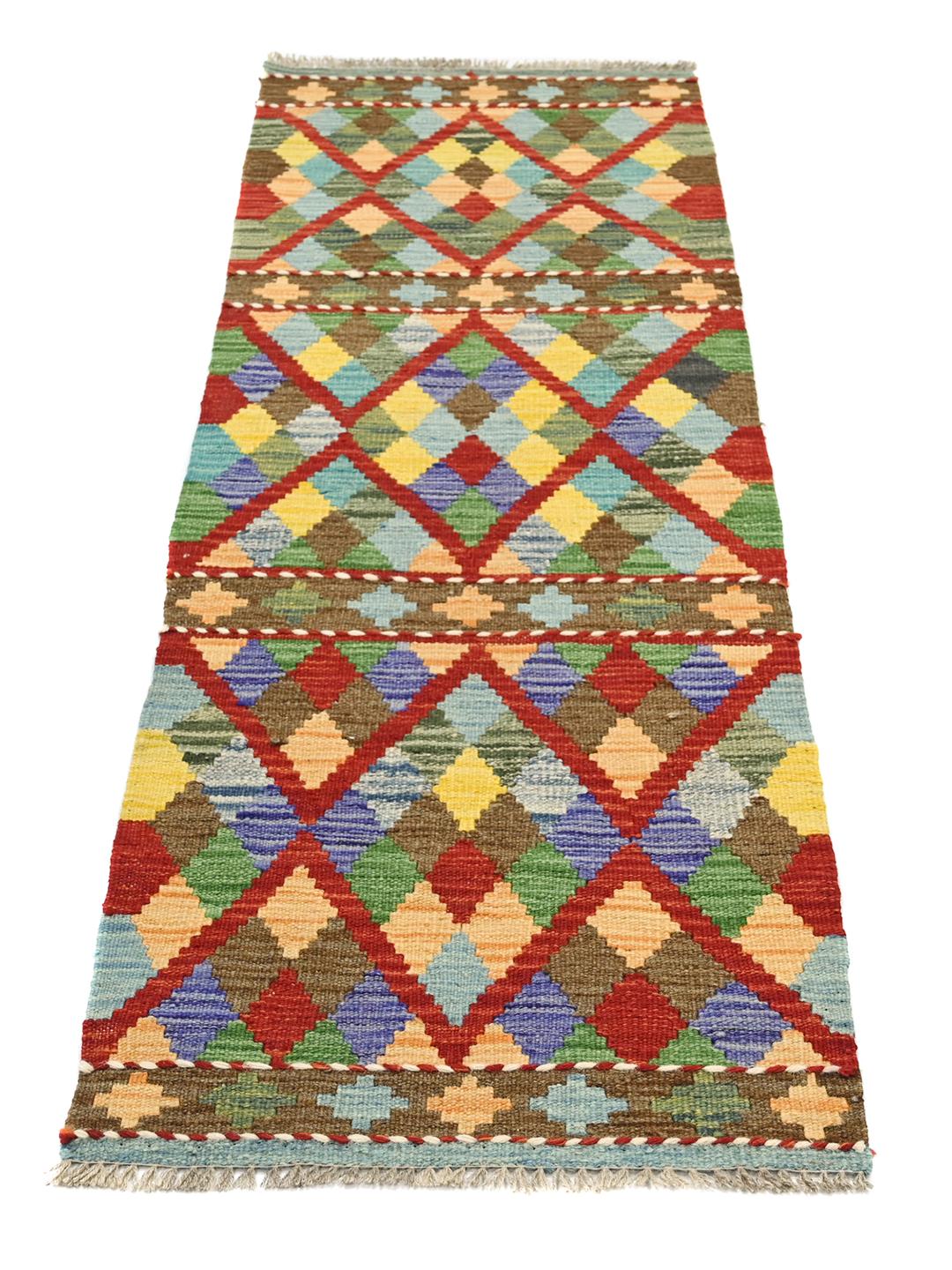
Signature design elements in Afghan Kelims often include bold, geometric motifs such as diamonds, triangles, and stripes. These patterns are not just decorative but are steeped in regional tradition, with weavers often utilising a vibrant palette of natural dyes to create strong contrasts. This particular rug features a repeating diamond motif, a classic design that emphasises the symmetry and balance often found in historical weaving practices.
Collecting these pieces is a way to preserve a tangible link to ancient craft traditions. Because each rug is a reflection of the weaver's individual choices and the regional style of their home, they carry a cultural weight that mass-produced items cannot replicate. Owning a Kelim is an invitation to bring a piece of living history into your home, celebrating the enduring skill of generations of artisans.