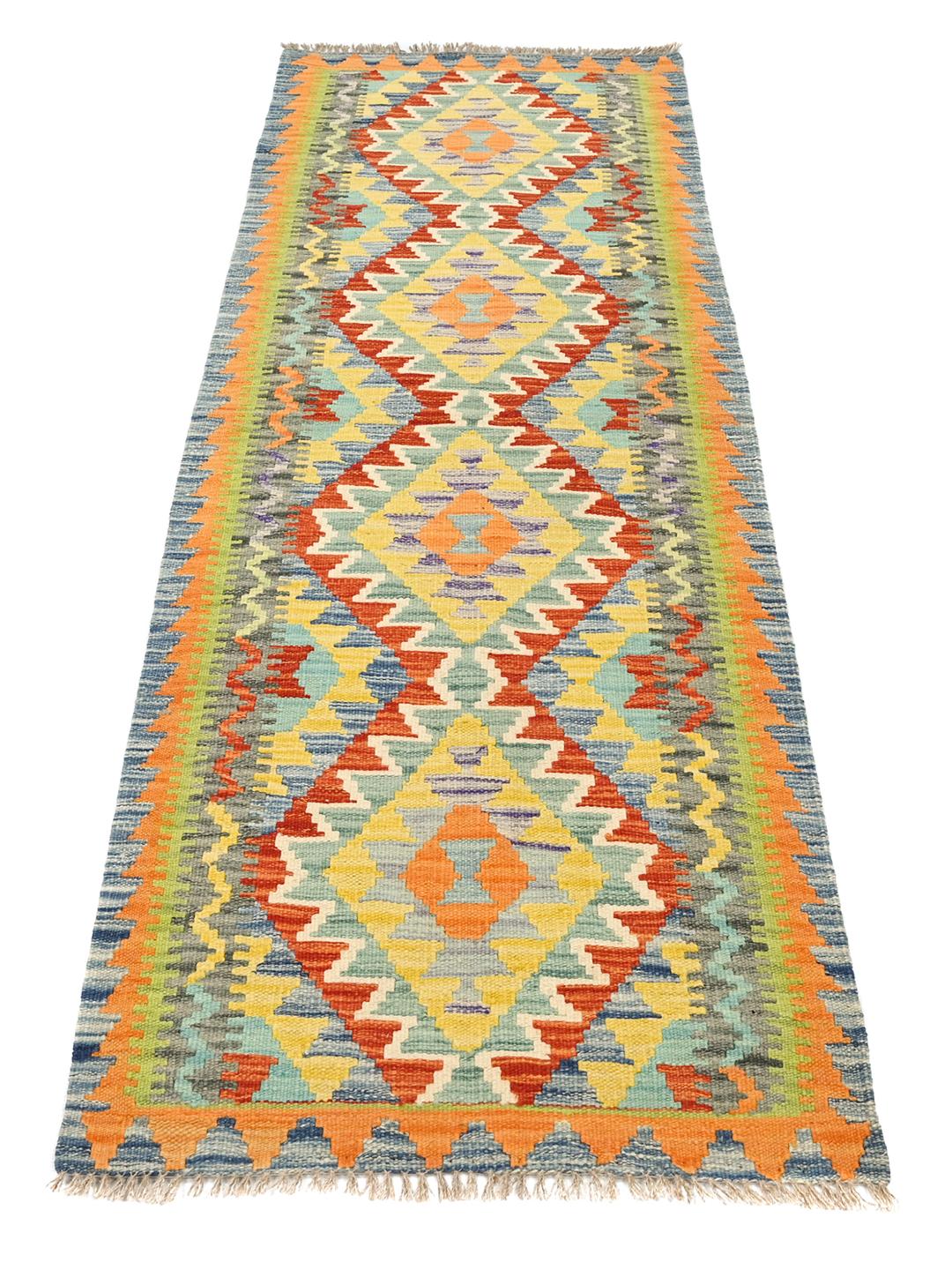
Kelim rugs have a long history in the Middle East and Central Asia, serving as essential elements of nomadic life for centuries. These flat-woven textiles were traditionally created by tribes for utilitarian purposes, such as floor coverings, tent dividers, and storage bags, and were designed to be portable yet incredibly durable.
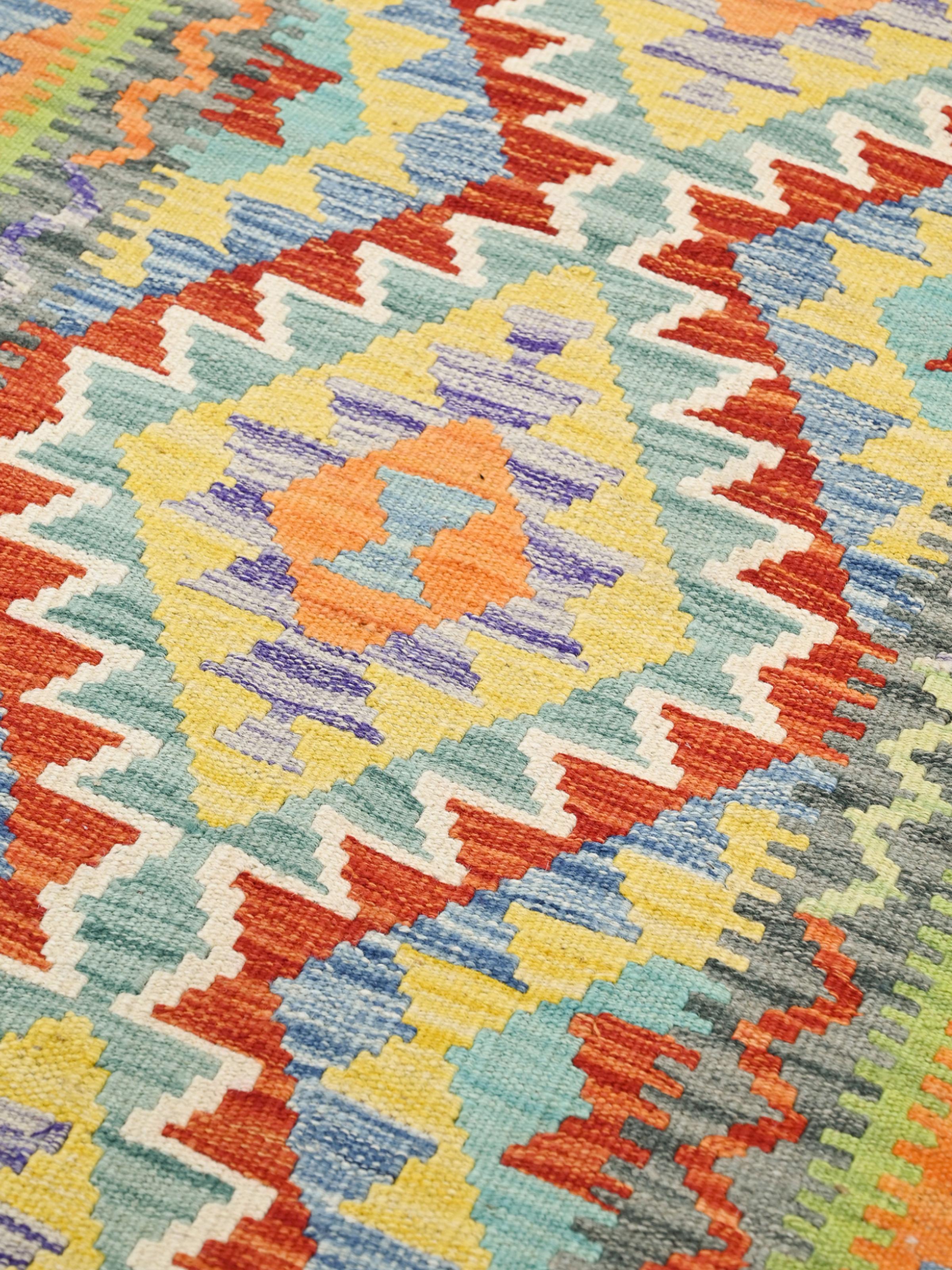
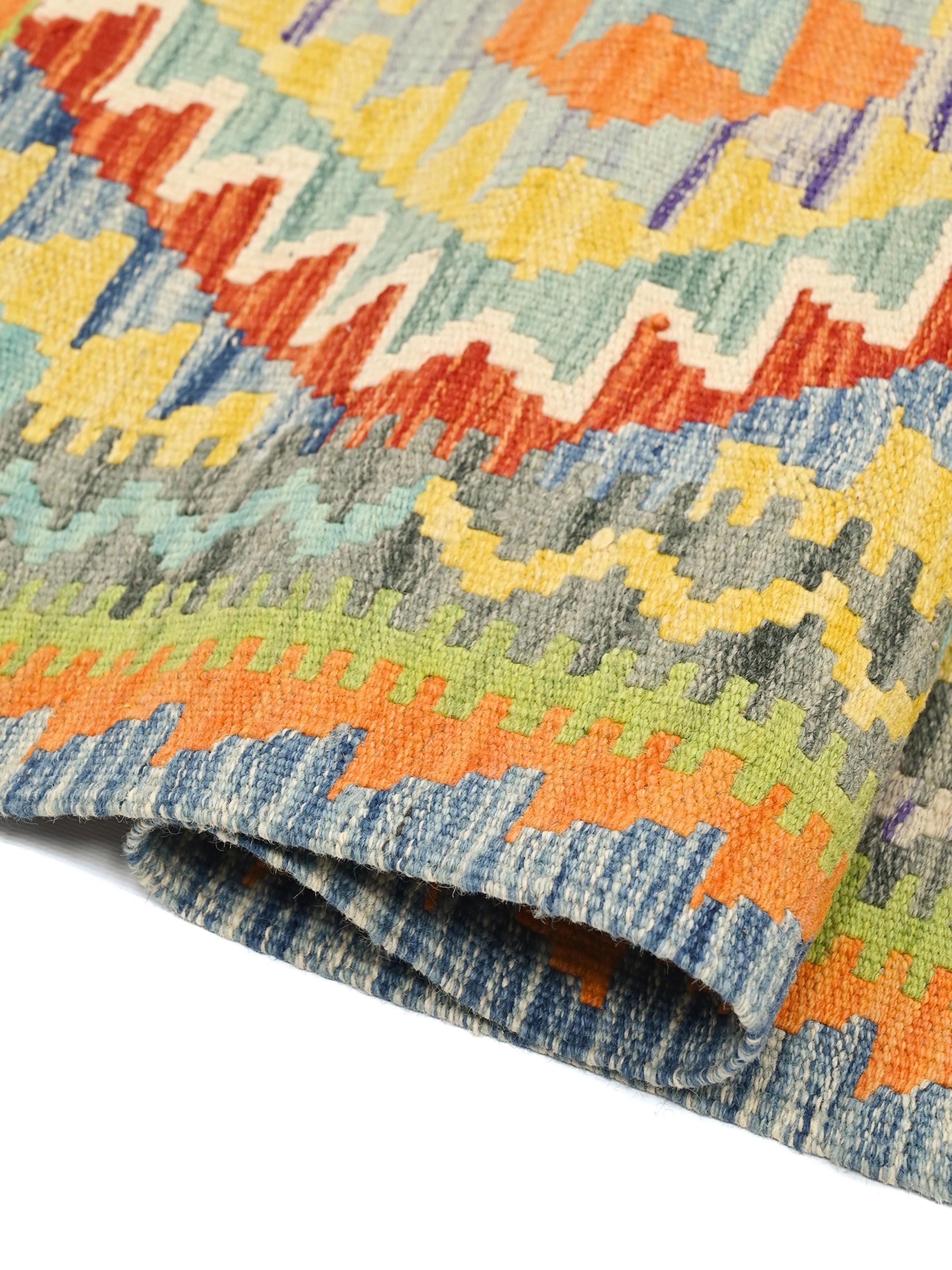
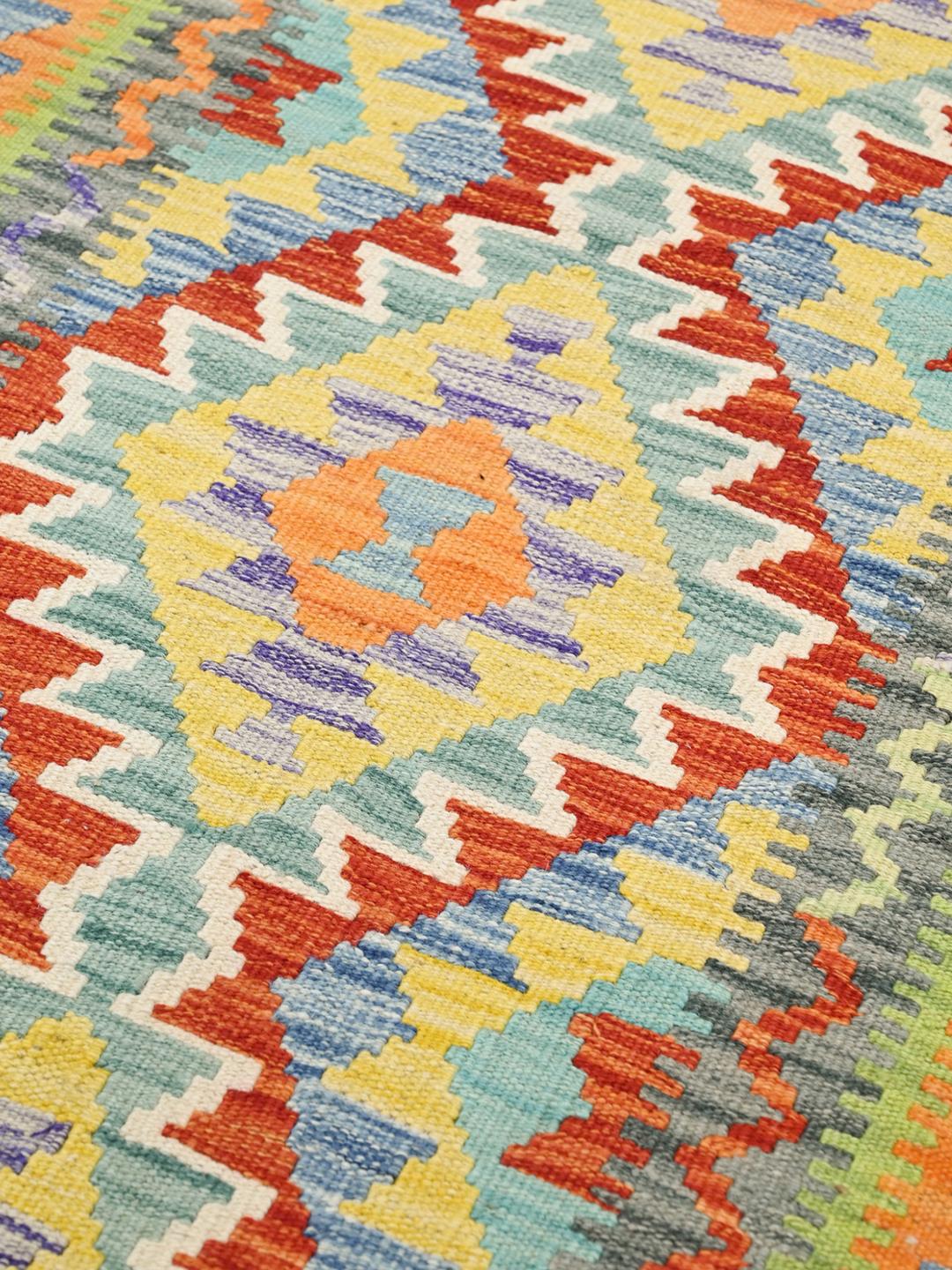
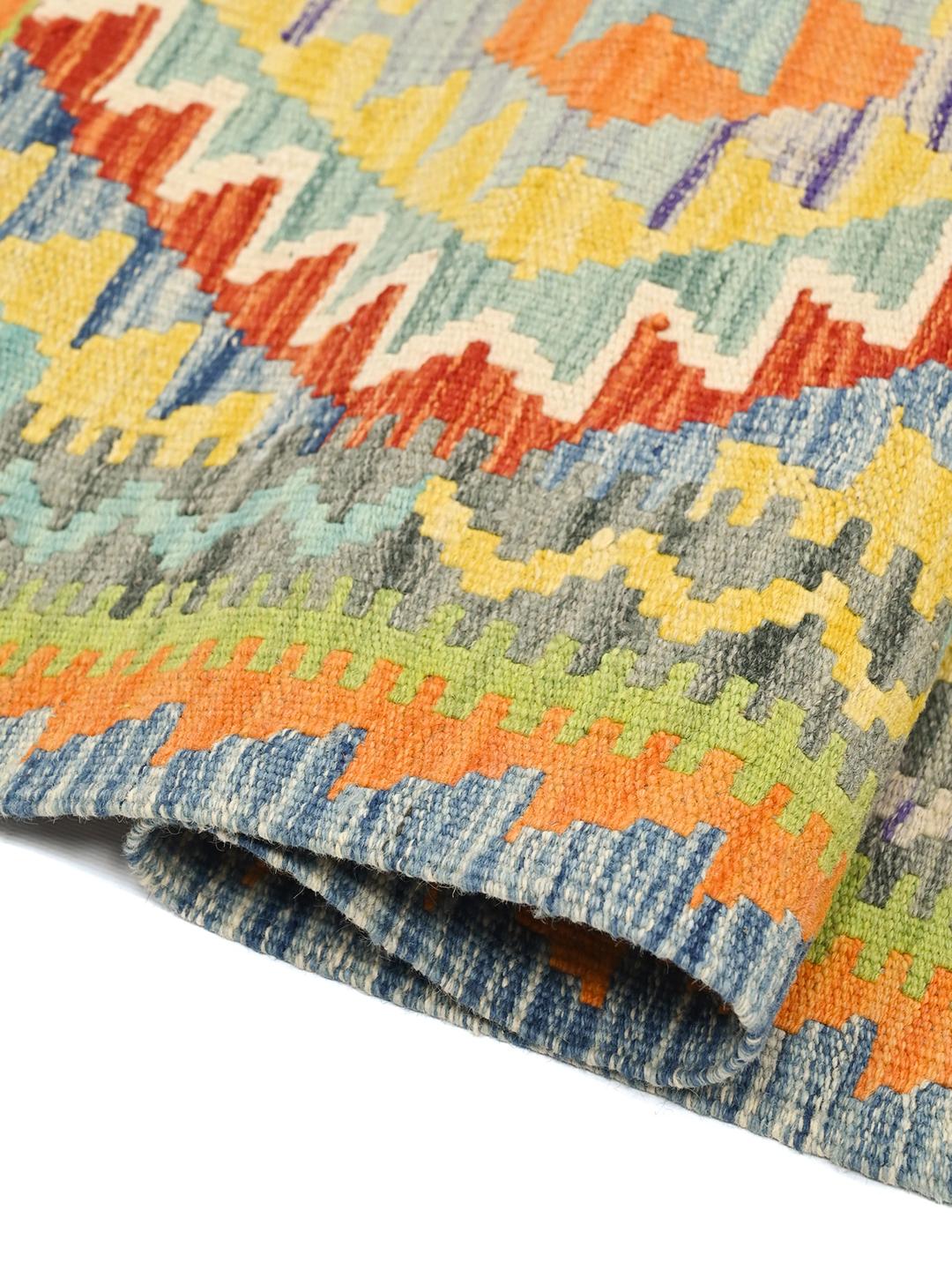
The term 'Kelim' refers to the specific tapestry-weave technique used to create these rugs. Unlike pile rugs, Kelims are made by interweaving the coloured weft threads, which produces a flat, reversible surface that is lightweight and versatile. This technique allows for sharp, clean geometric patterns that have become the hallmark of the style.
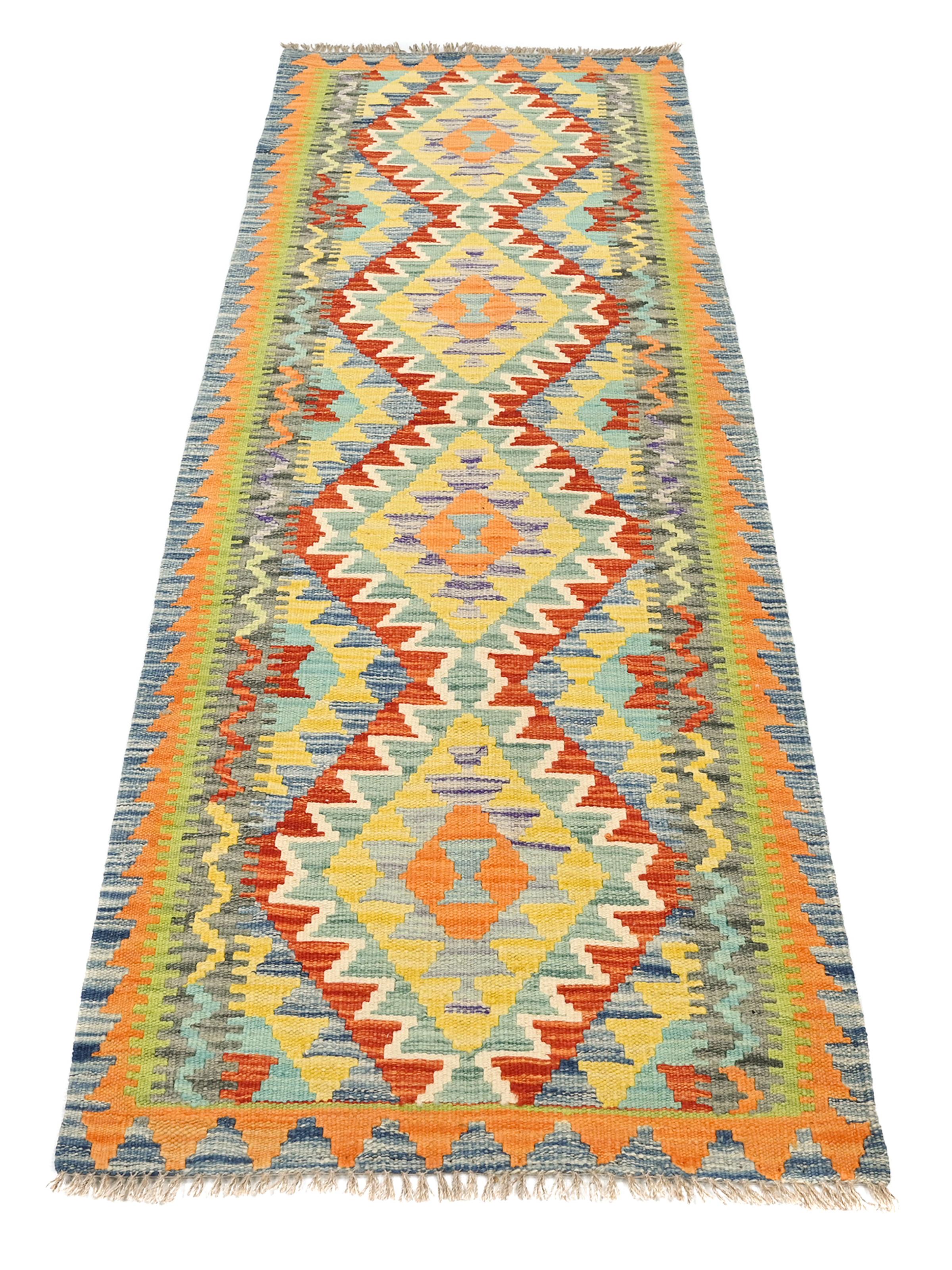
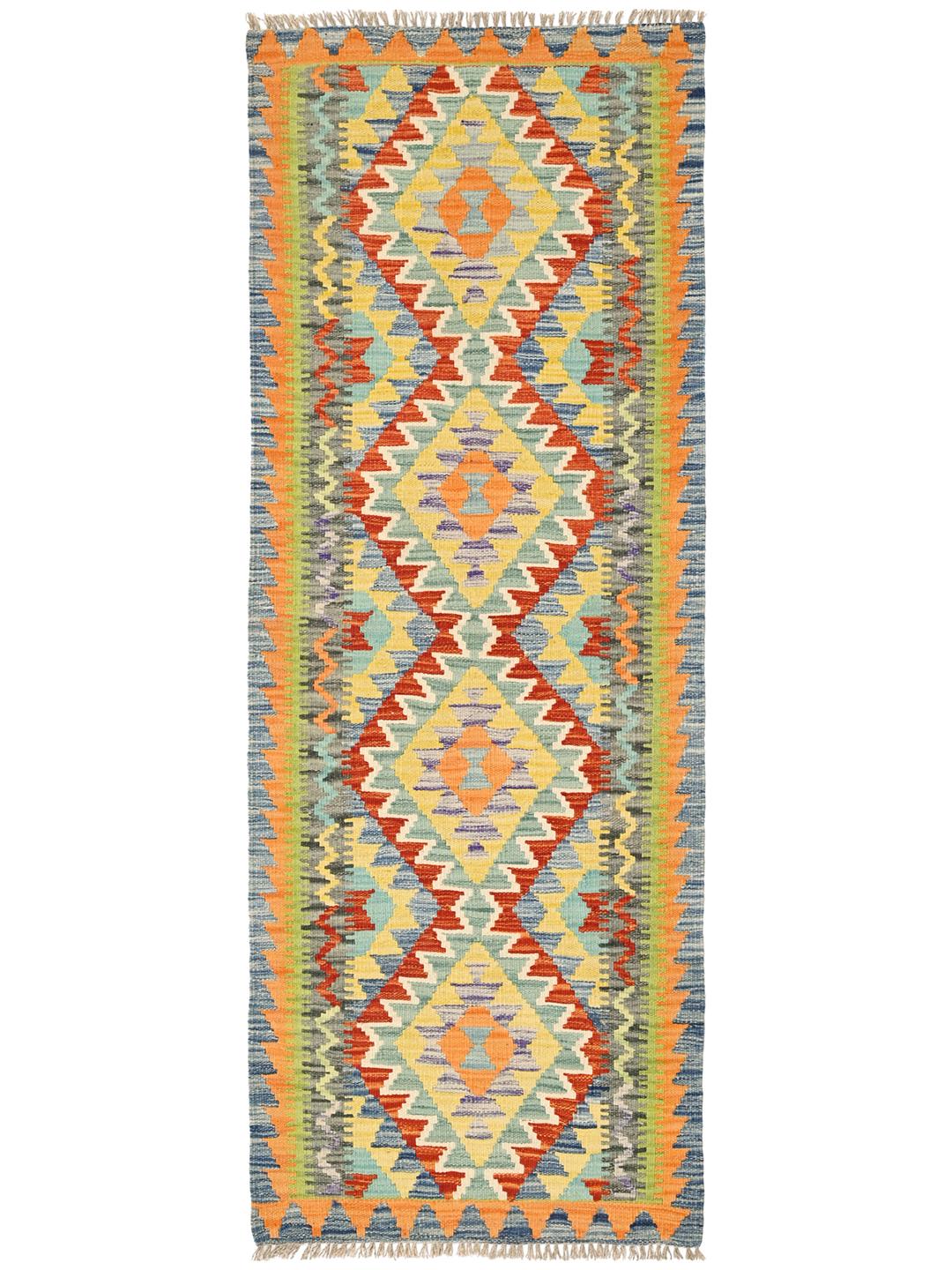
Afghan Kelims are particularly celebrated for their use of bold, earthy, and vibrant palettes. The designs often feature repeating geometric motifs, such as diamonds and zig-zags, which are deeply rooted in the cultural symbolism of the region. Each motif often tells a story or represents a protective charm passed down through generations of weavers.
Owning an Afghan Kelim is an investment in a living tradition. These rugs are highly valued by collectors for their authenticity and the human effort required to produce each piece. By bringing one into your home, you are not just adding a decorative element, but honouring a craft that has survived and evolved across the centuries.