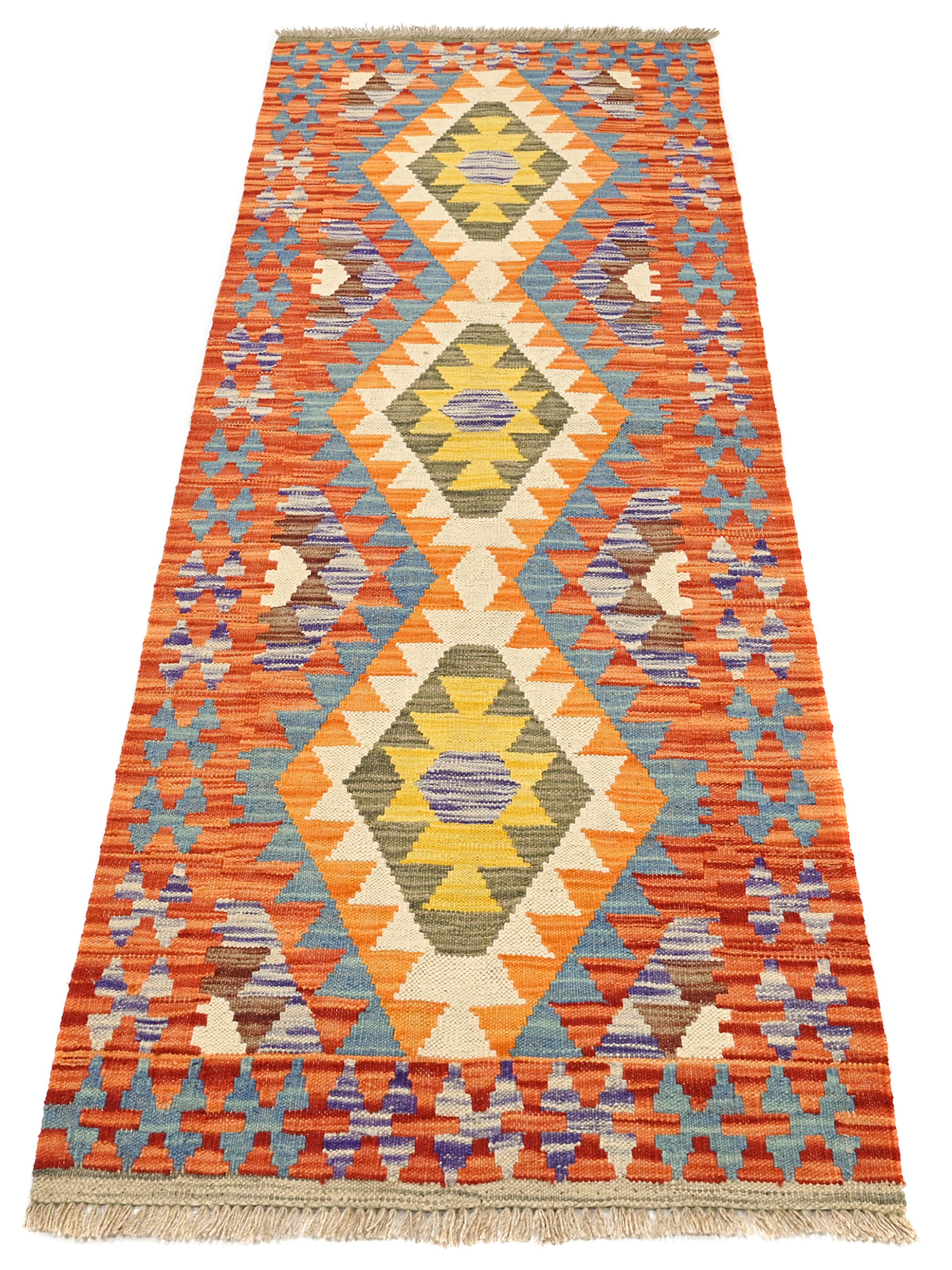
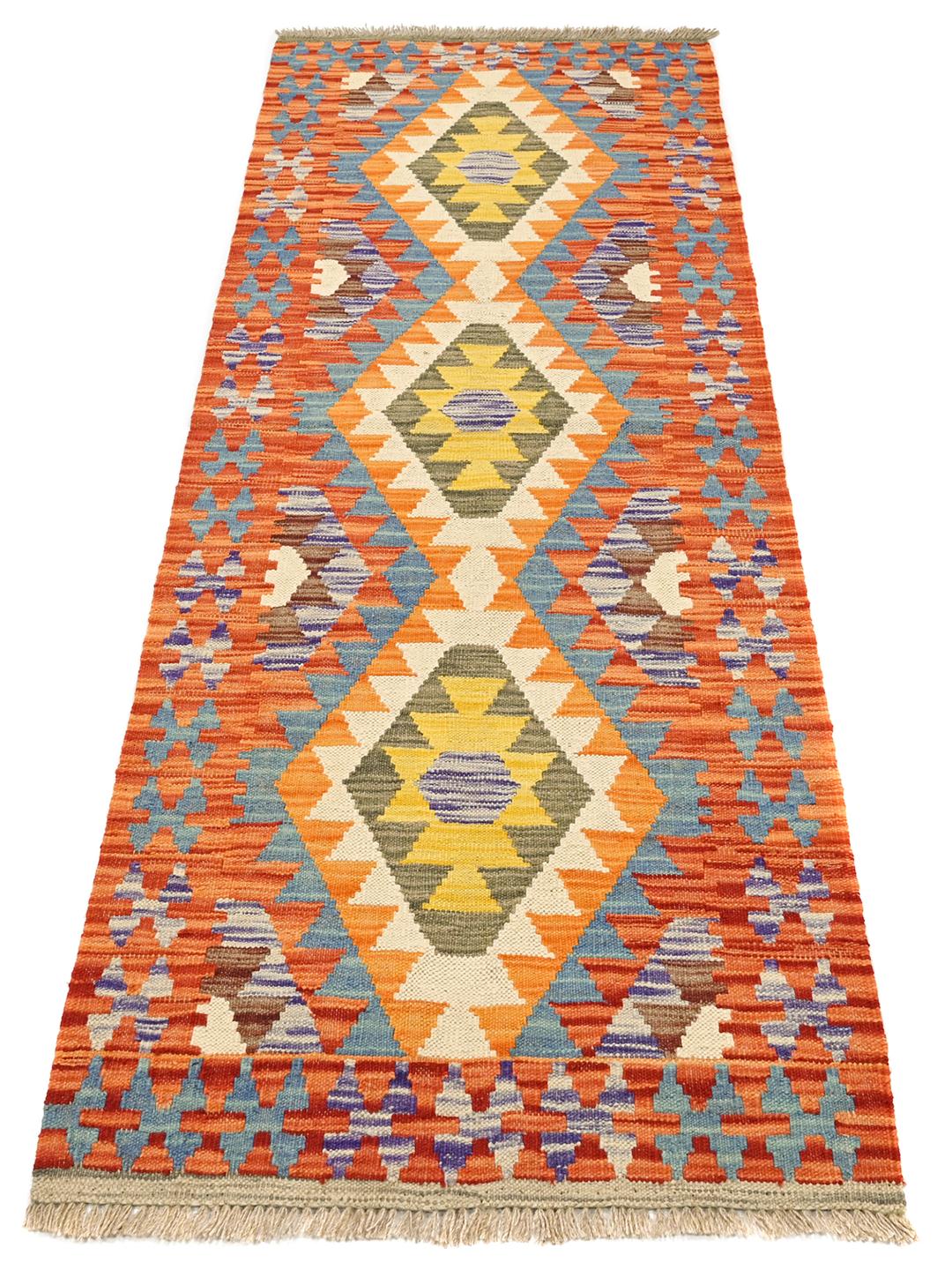
The Kelim tradition in Afghanistan is deeply rooted in the semi-nomadic lifestyles of the region, where flat-woven rugs served as versatile, essential items for daily life. These rugs were designed to be portable yet durable, often used as floor coverings, blankets, or wall hangings within the home.
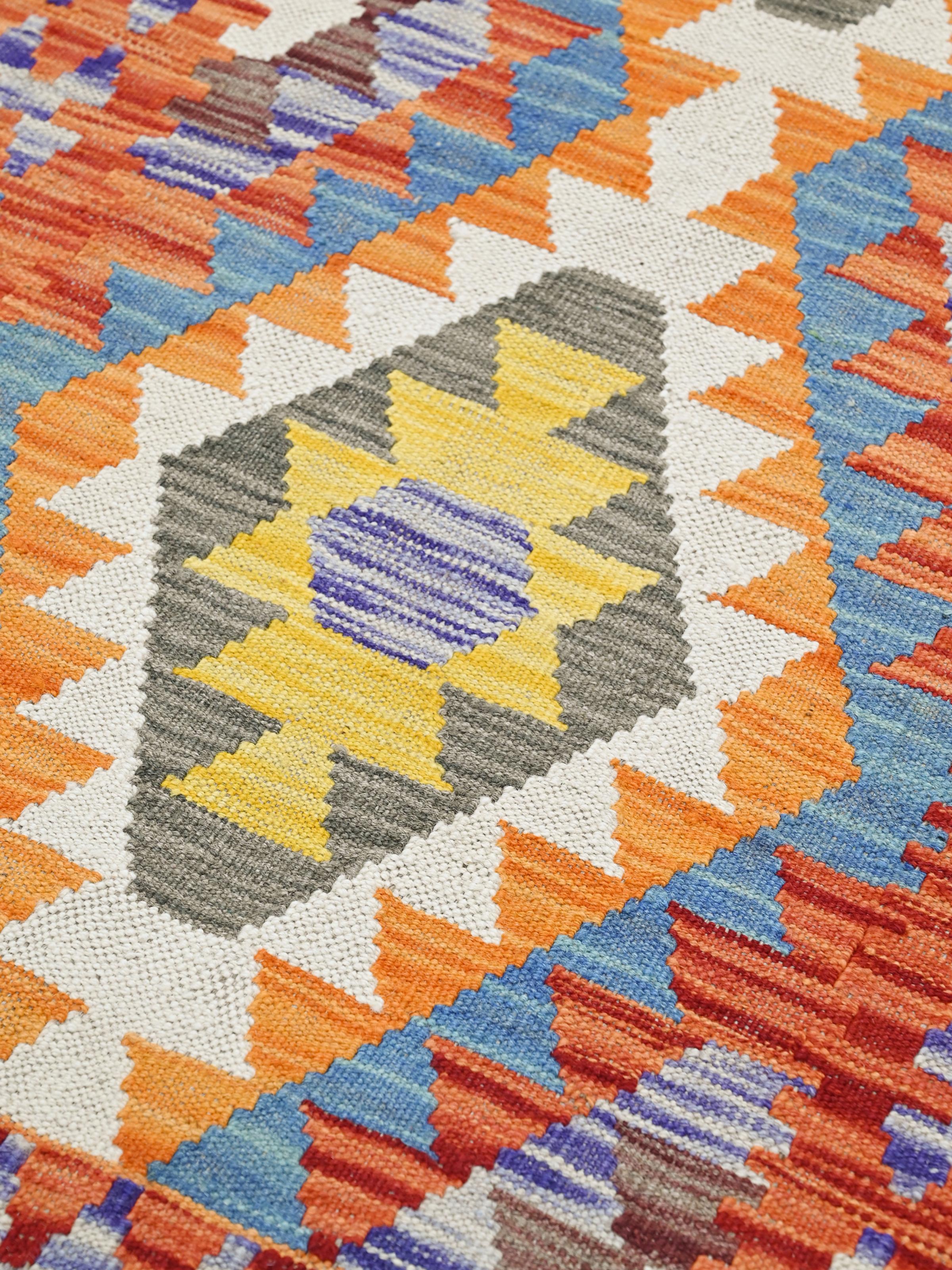
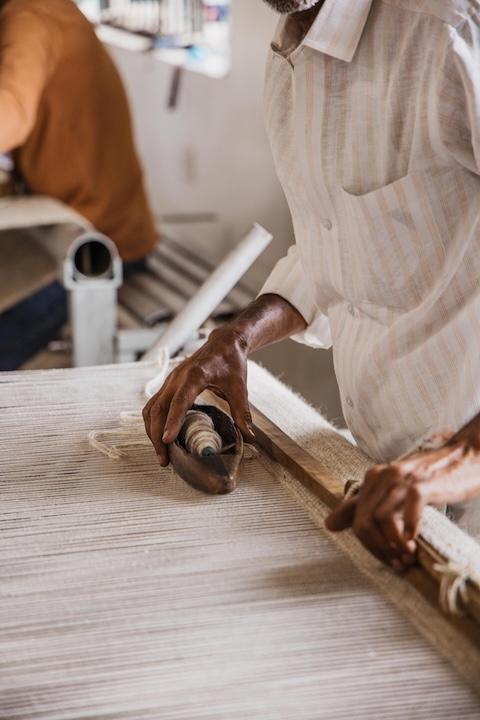
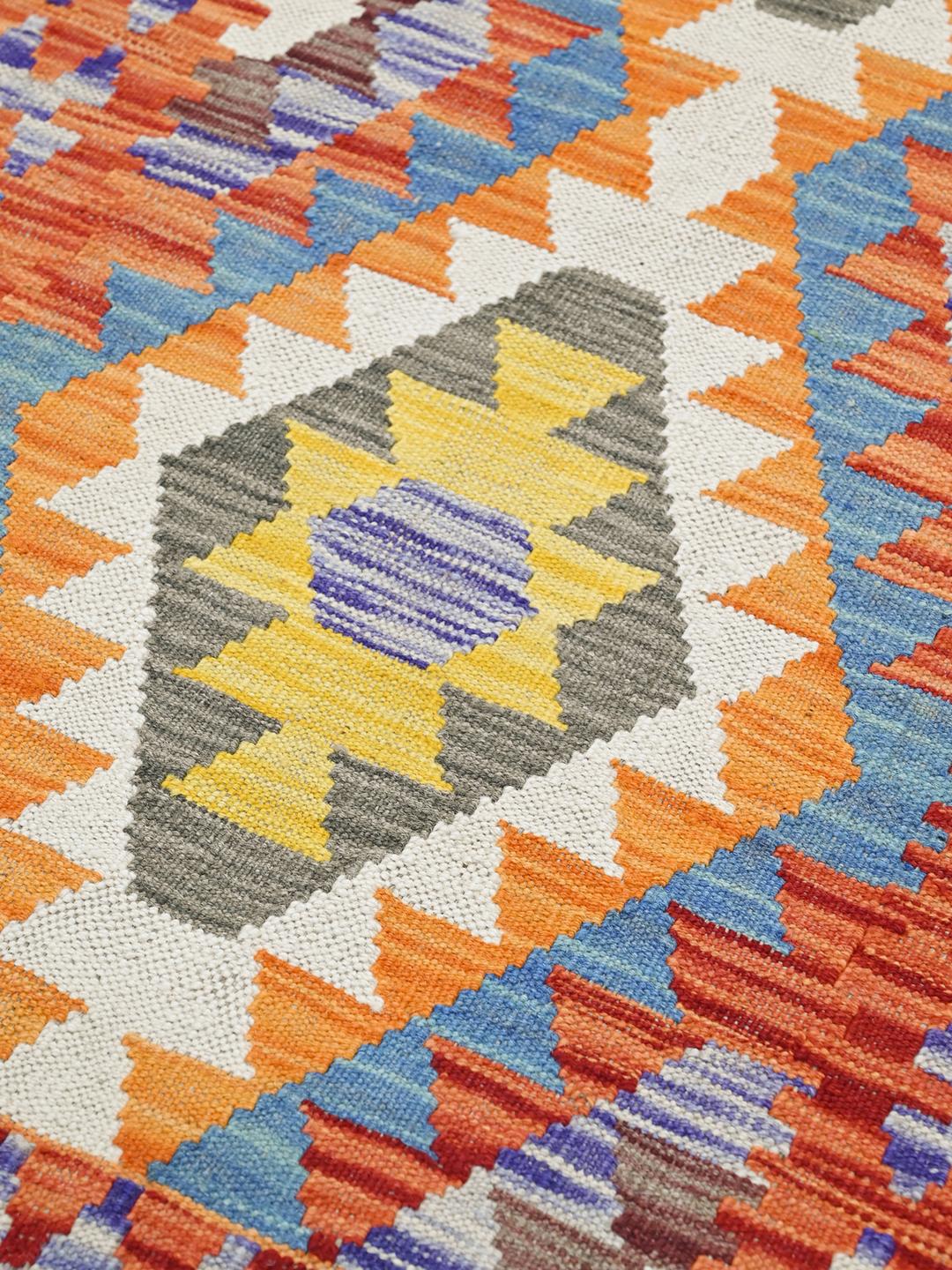
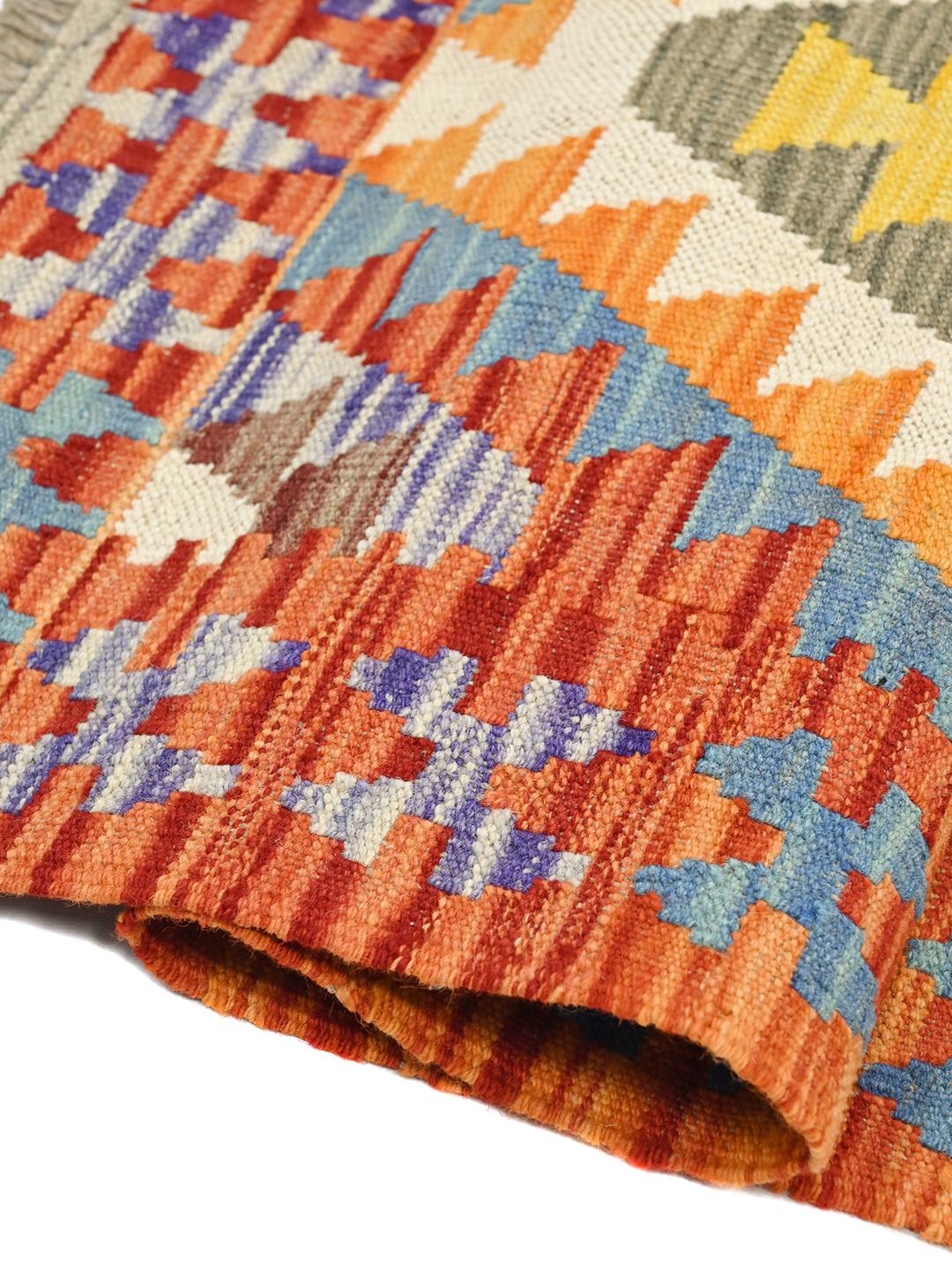
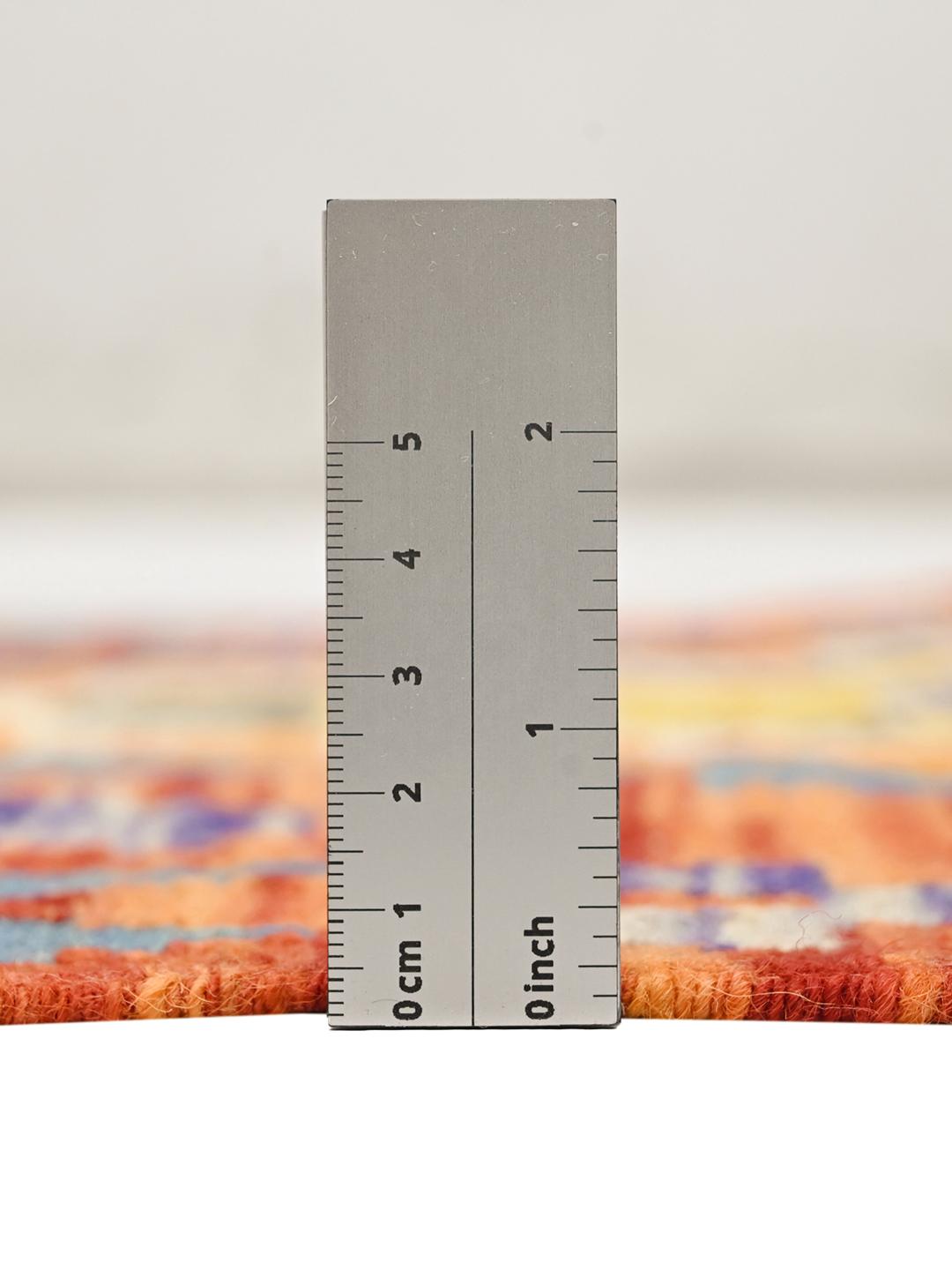
The term 'Kelim' specifically refers to the flat-weaving technique where the warp and weft are interlaced to create a smooth, pile-less surface. This method results in a lightweight yet exceptionally strong fabric. The absence of a pile means the design is identical on both sides, allowing the rug to be flipped for even wear, which is a hallmark of high-quality, practical craftsmanship.
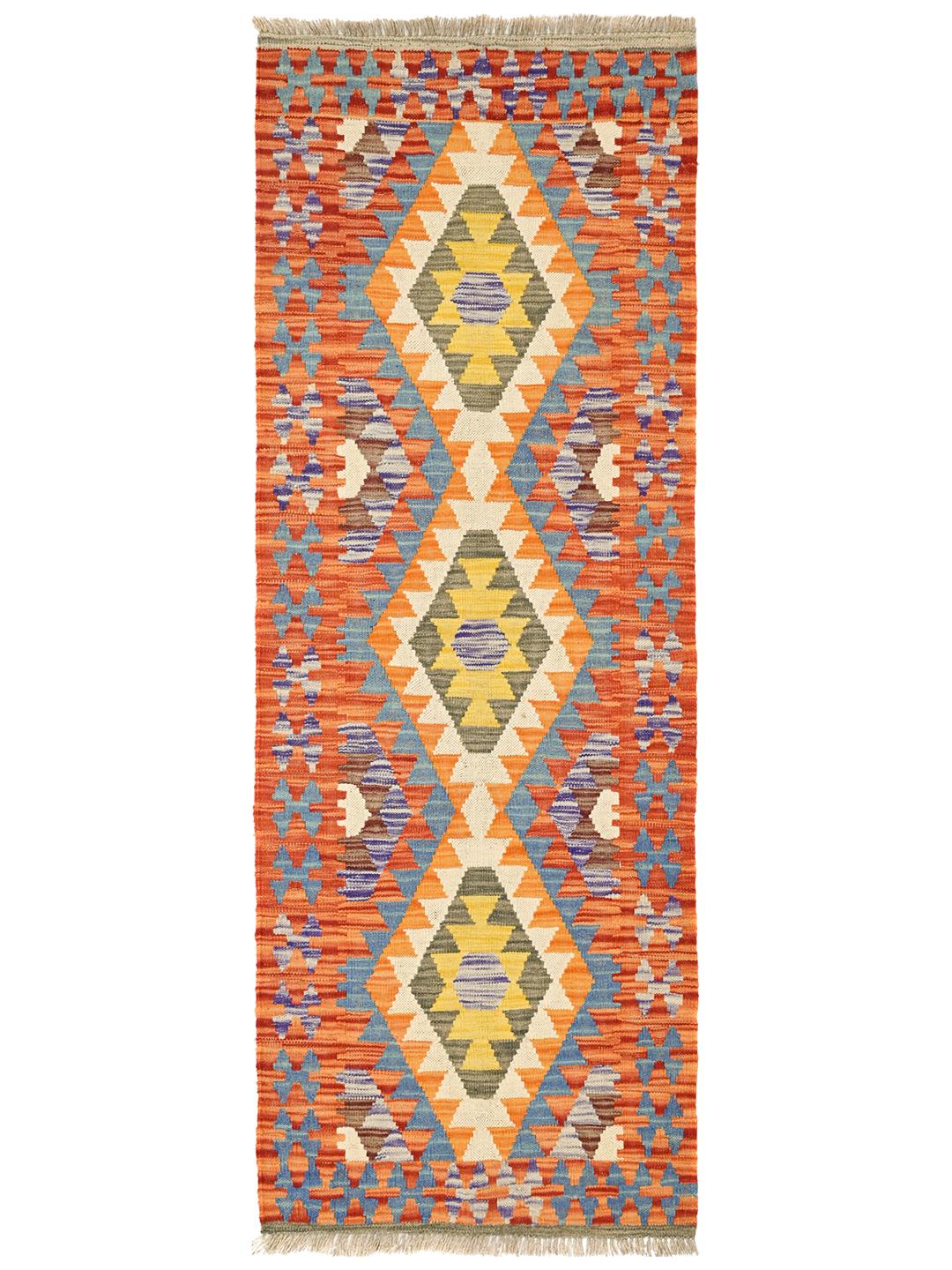
The visual language of these rugs is defined by sharp, geometric motifs and bold, earthy colour palettes. You will often find diamonds, triangles, and intricate borders that carry symbolic meaning, passed down through generations of weavers. The use of vibrant, saturated colours is a traditional way to bring warmth and joy into the home, making these rugs a celebrated part of Middle Eastern design heritage.
Collecting these pieces is an investment in cultural continuity. Each rug acts as a visual record of a specific time and place, showcasing the artistic evolution of regional patterns. Owning an authentic Afghan piece means preserving a long-standing tradition of skill and creativity, ensuring these historic techniques continue to be valued in modern homes.