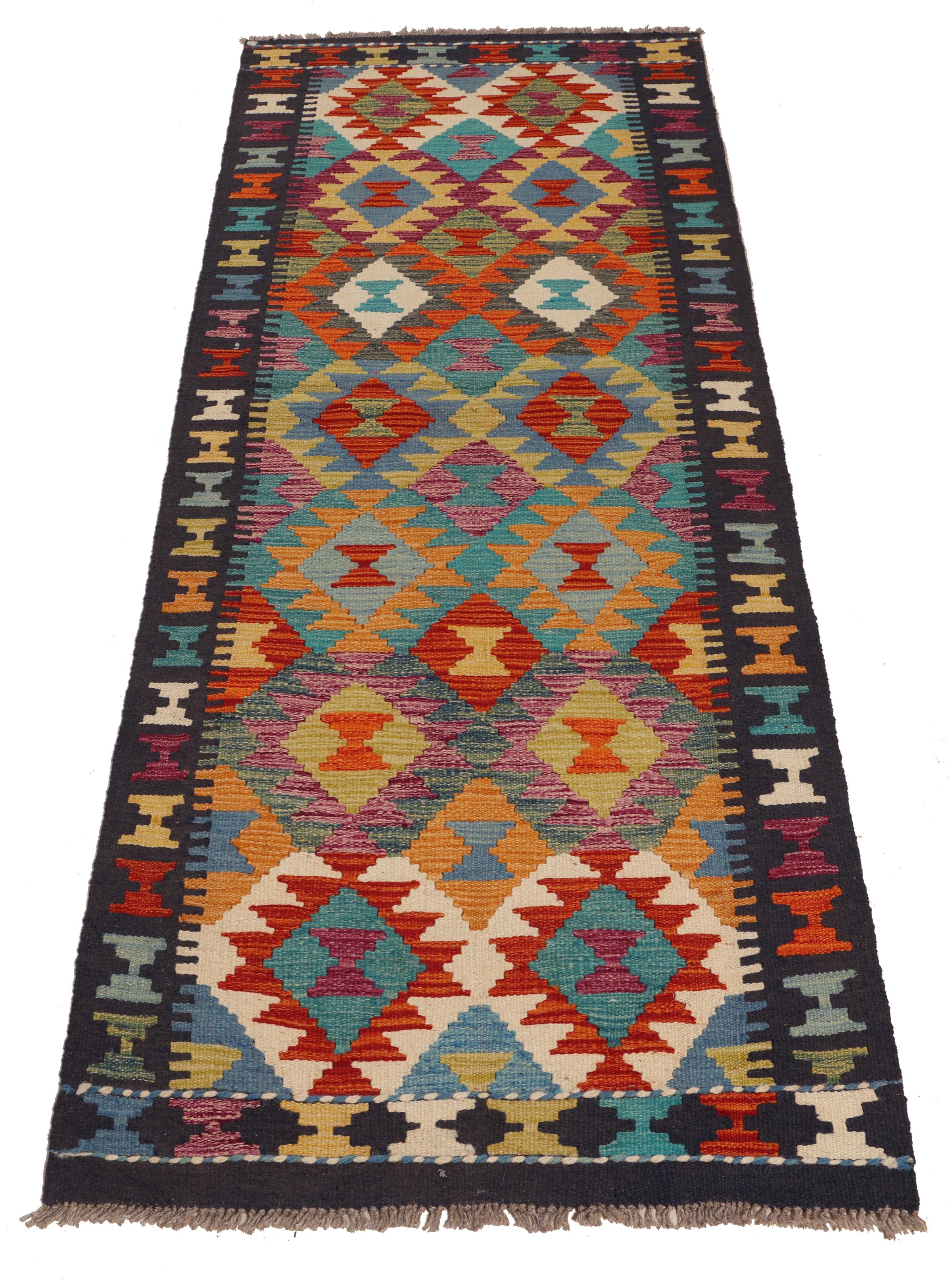
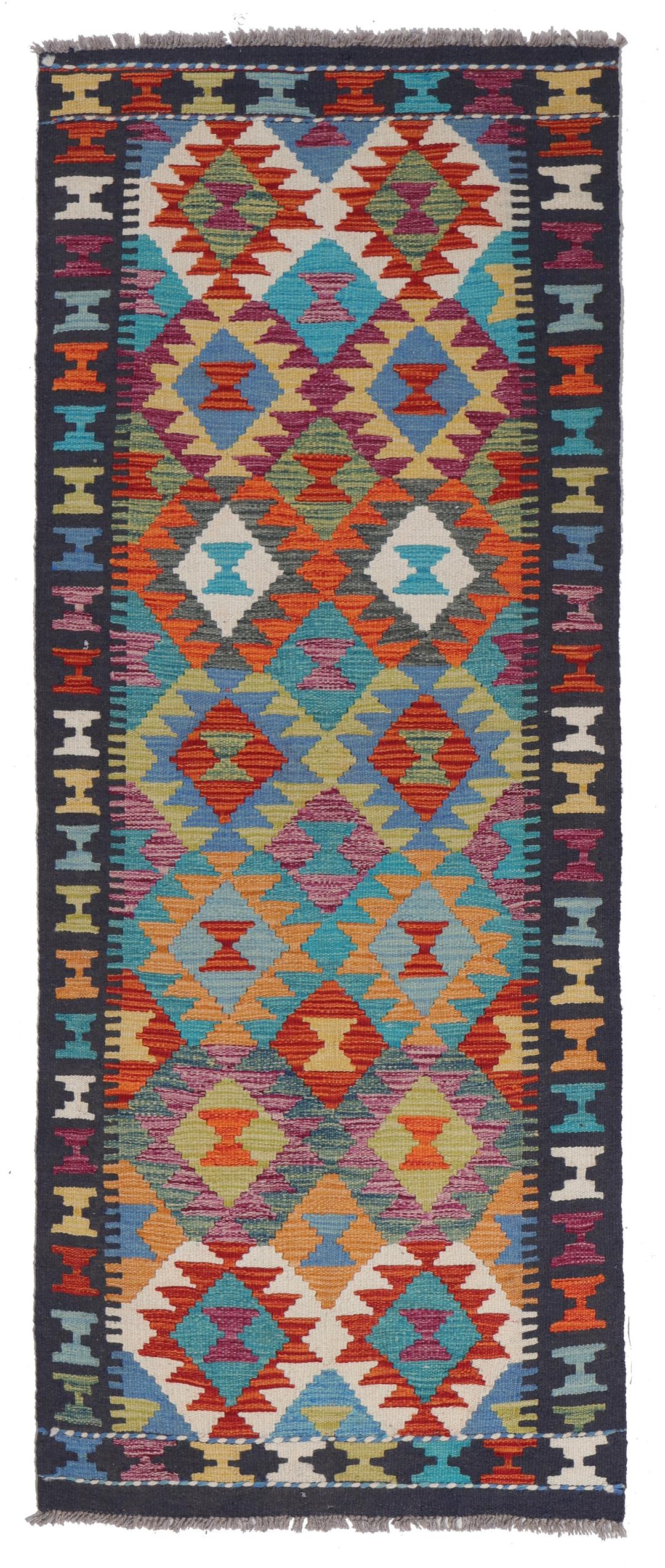
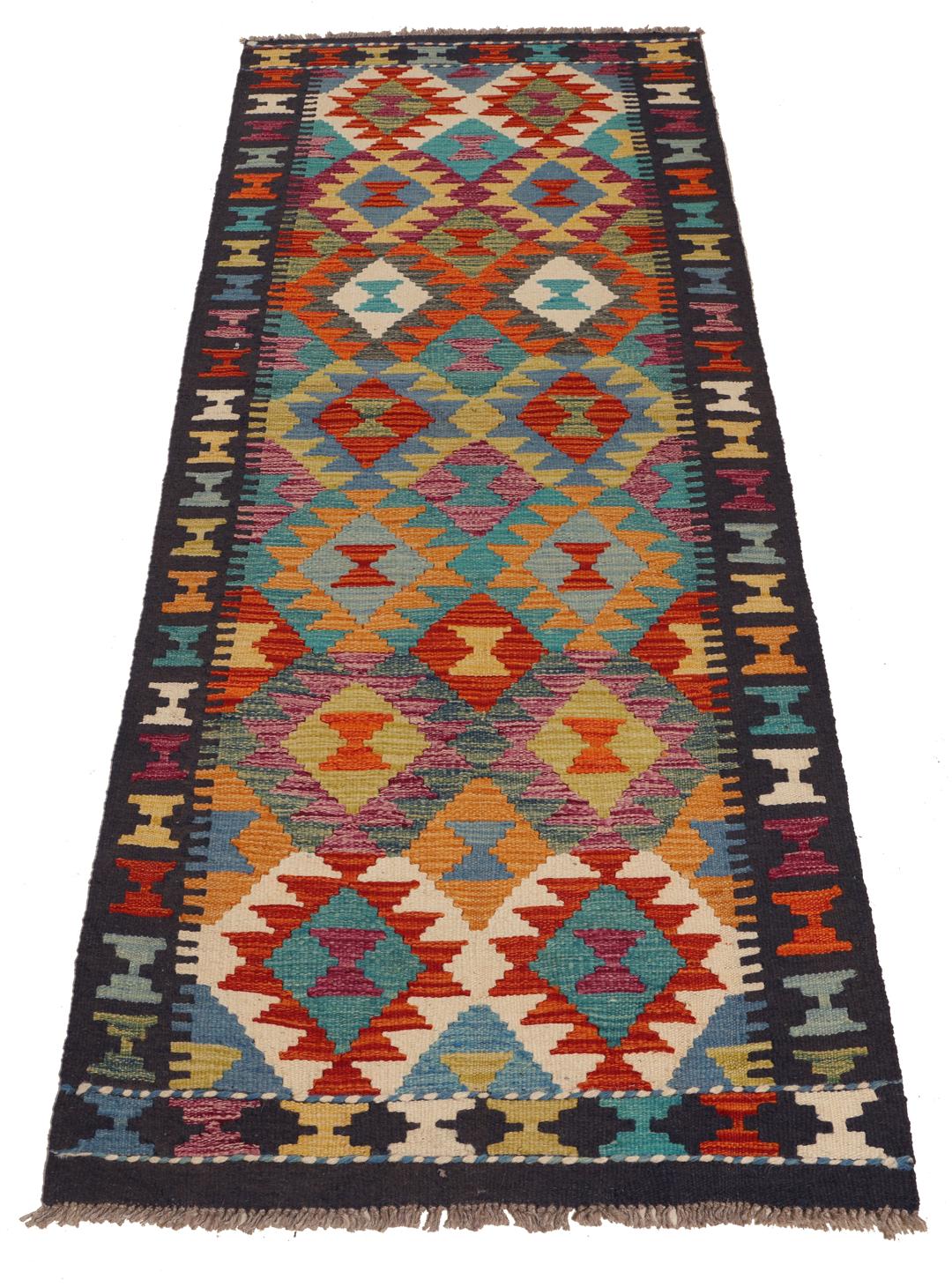
The tradition of weaving flat-weave rugs, or kilims, is deeply embedded in the history of the Middle East and Central Asia. These rugs were historically created by nomadic tribes for practical purposes, serving as floor coverings, blankets, and storage bags, and their designs often reflected the specific identity and environment of the weaver.
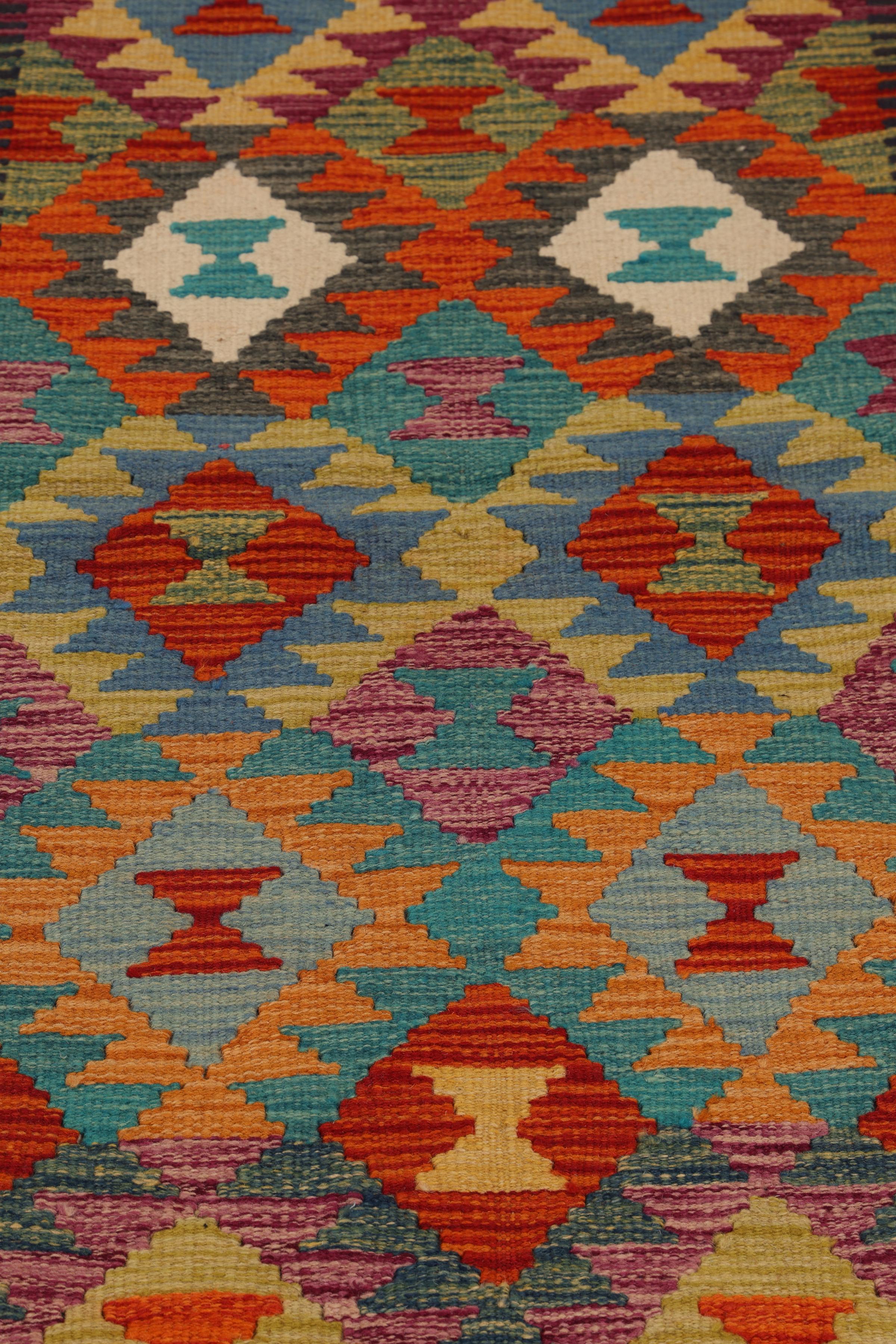
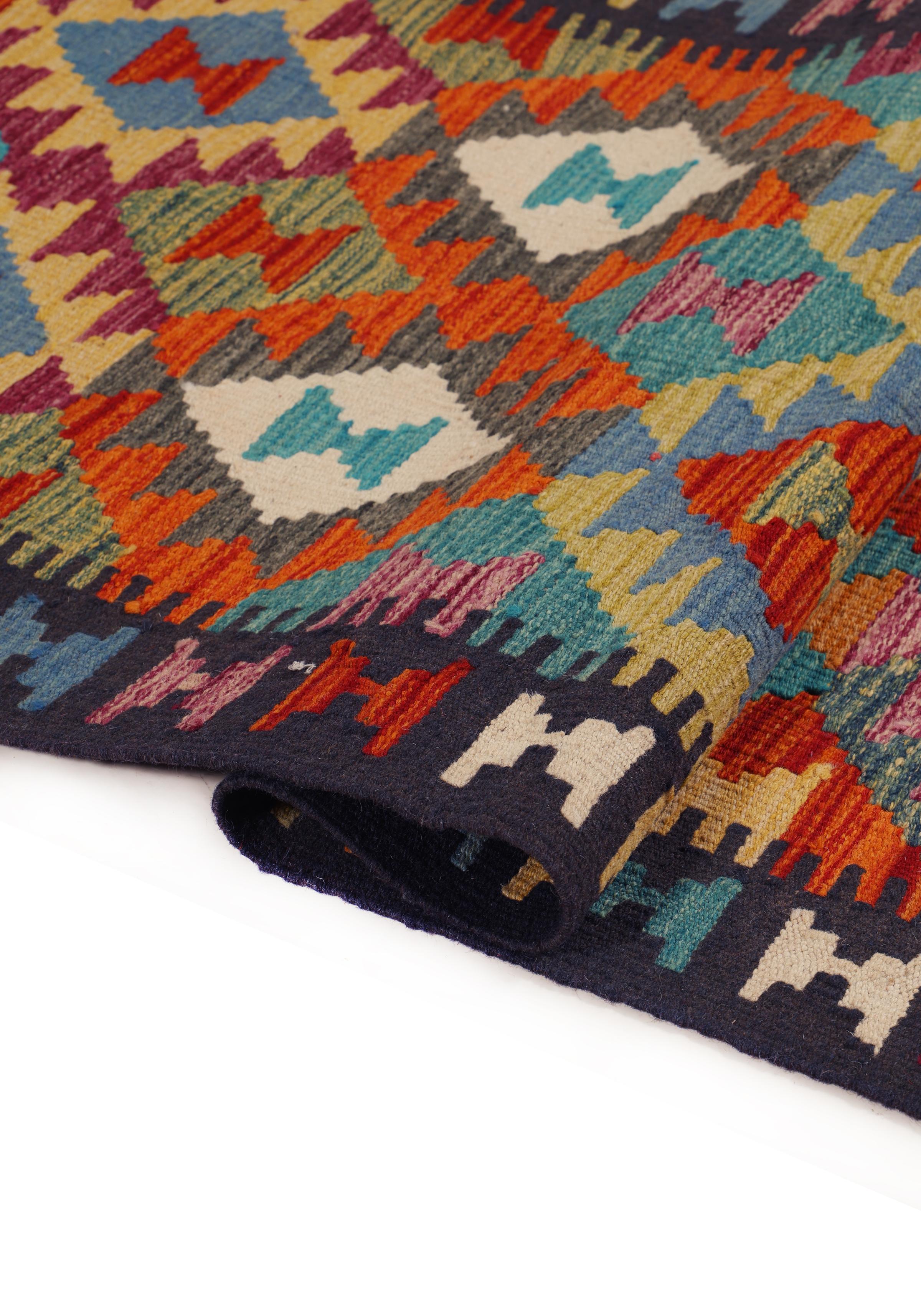
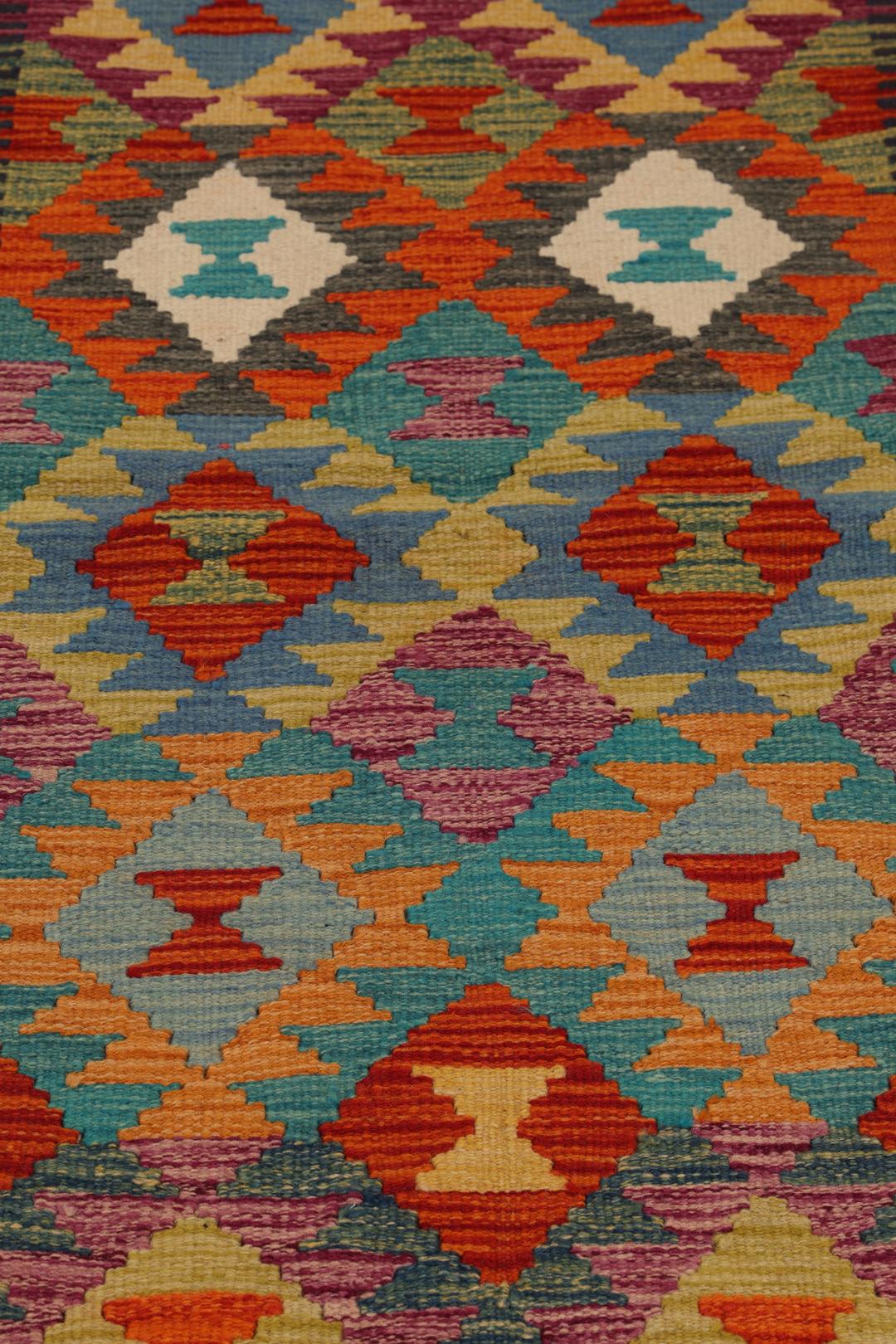
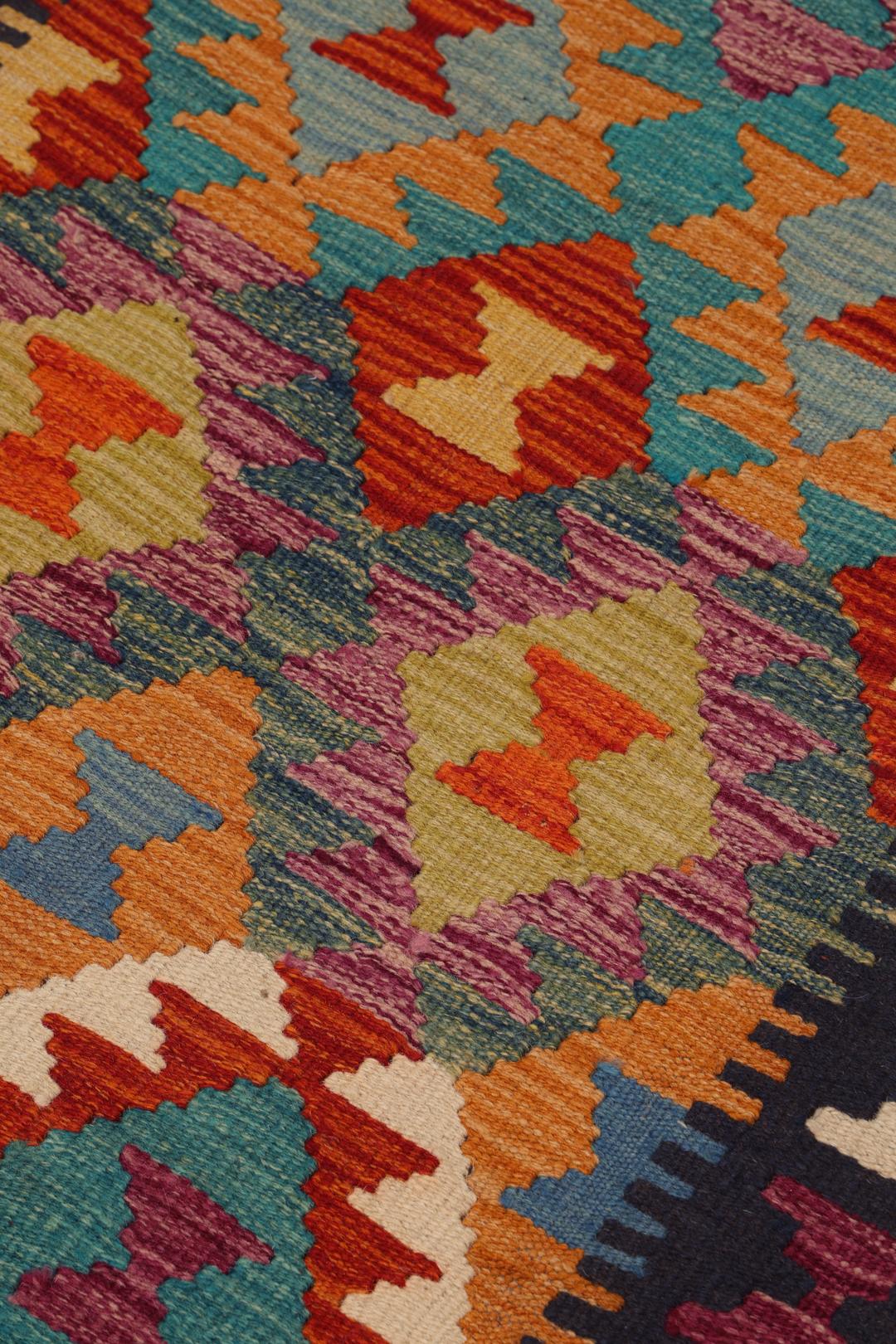
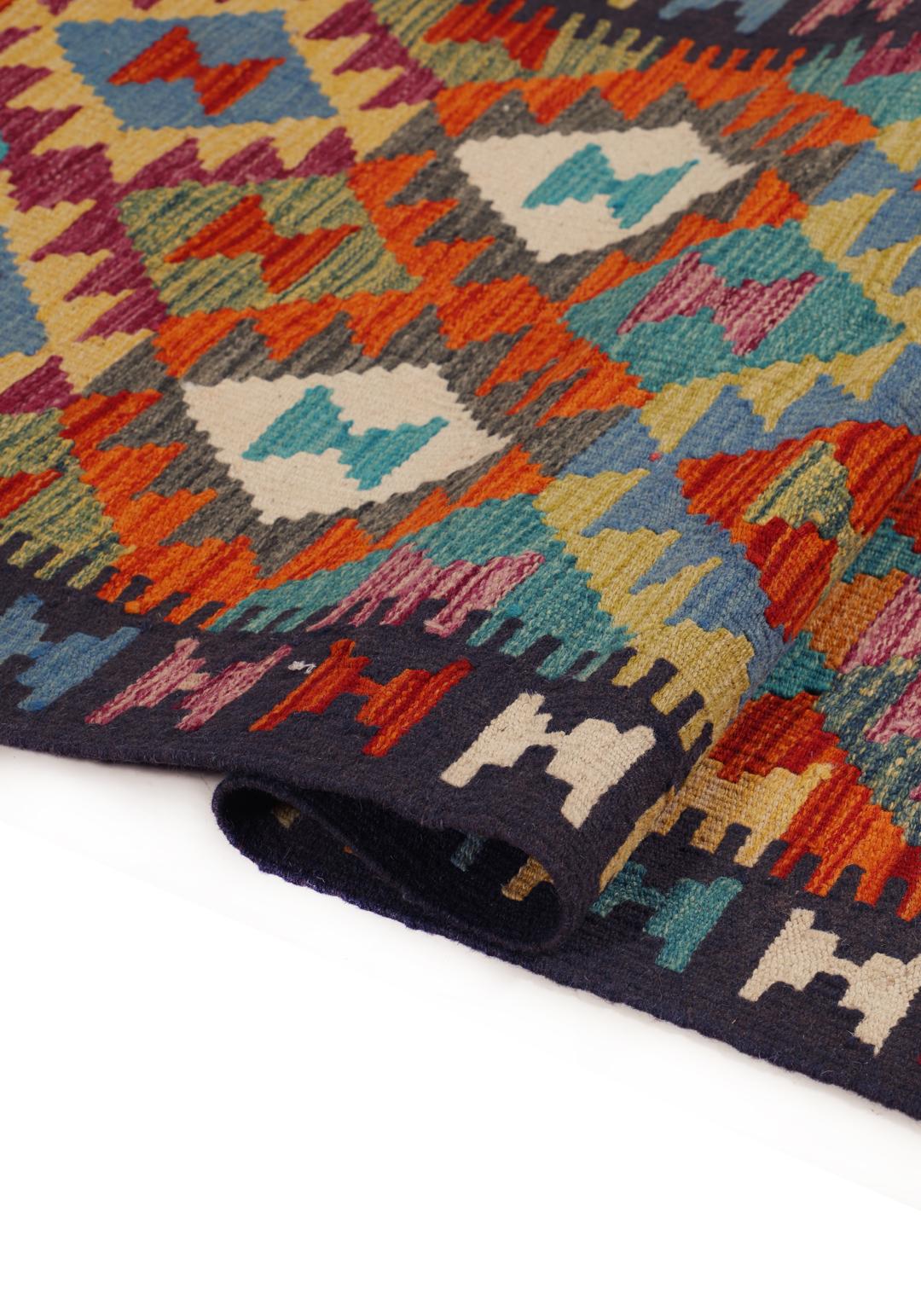
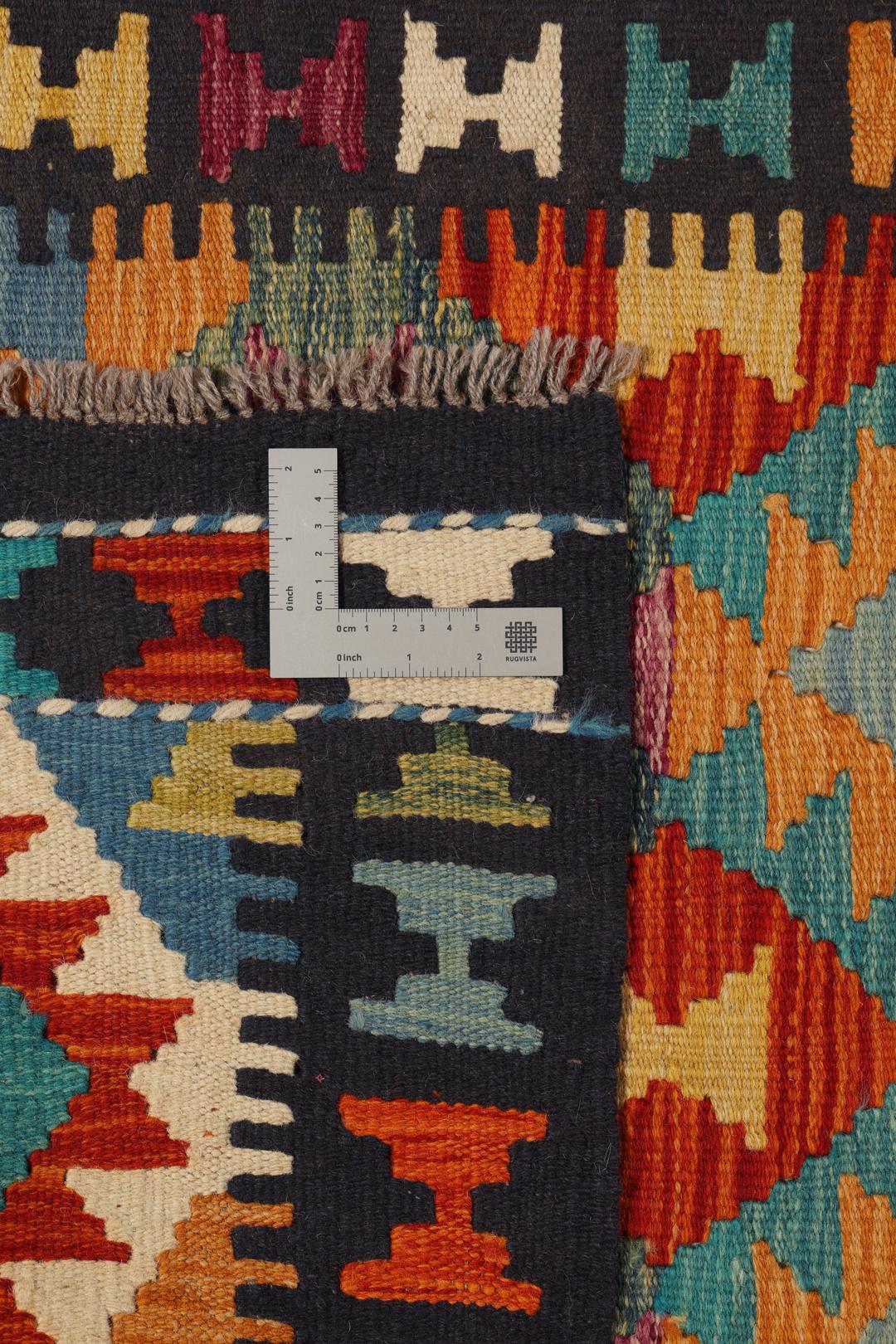
The term 'kilim' refers to the specific tapestry-weave technique where the weft threads are passed through the warp to create a flat, pileless surface. This method allows for sharp, crisp geometric patterns that are visible from both sides of the rug. The technique requires a high degree of precision, as the weaver must manage multiple colour changes throughout the process to build the intricate motifs.
Afghan kilims are celebrated for their bold, tribal-inspired designs, often featuring serrated diamonds, medallions, and symbolic motifs that have been passed down through generations. The use of vibrant, contrasting colours is a hallmark of this tradition, reflecting the natural dyes historically used and the vivid landscapes of the region.
Owning an Afghan kilim is an opportunity to connect with a centuries-old craft. These rugs are highly valued by collectors for their cultural authenticity and the individual spirit each weaver brings to the design. By bringing this piece into your home, you are preserving a legacy of skill and adding a layer of heritage that mass-produced items simply cannot replicate.