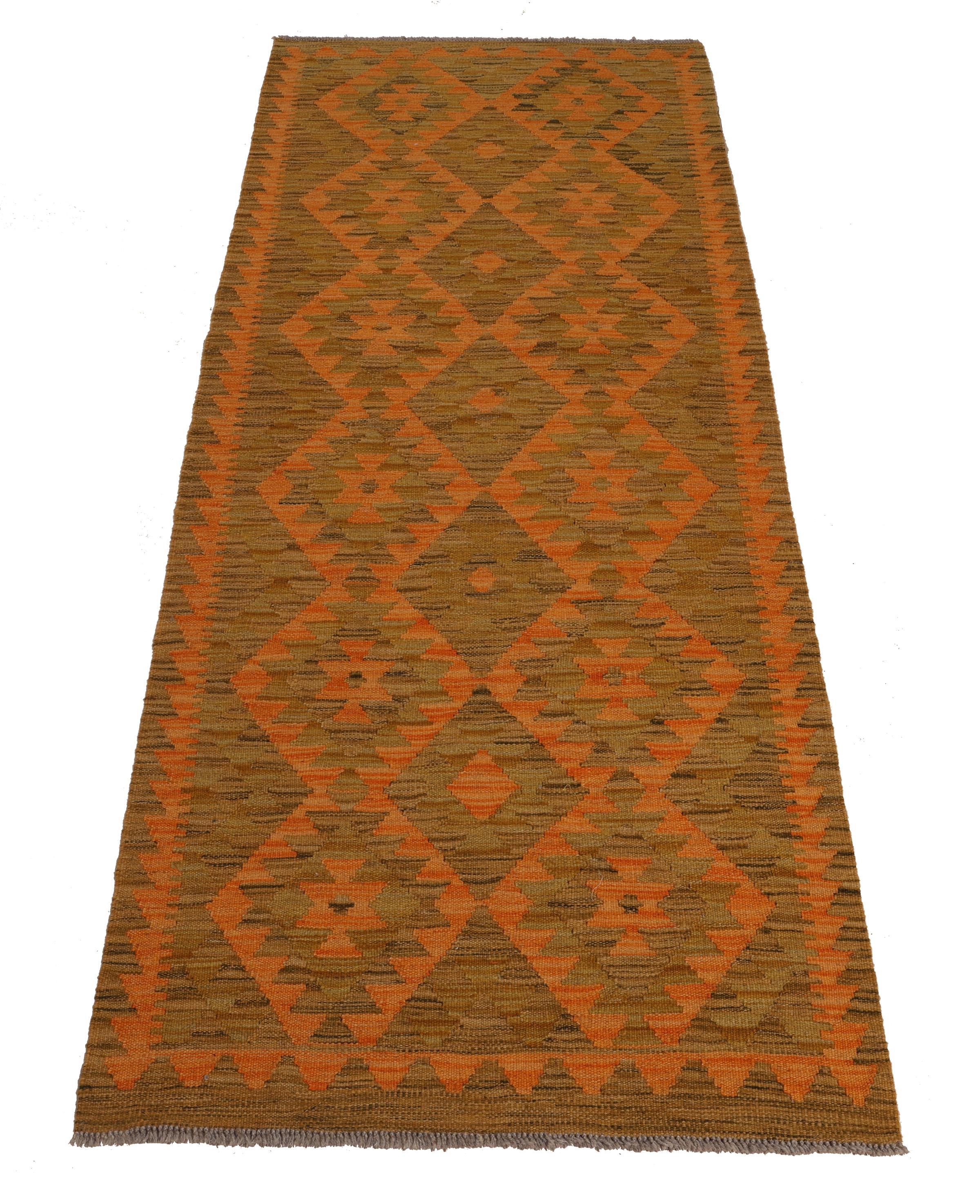
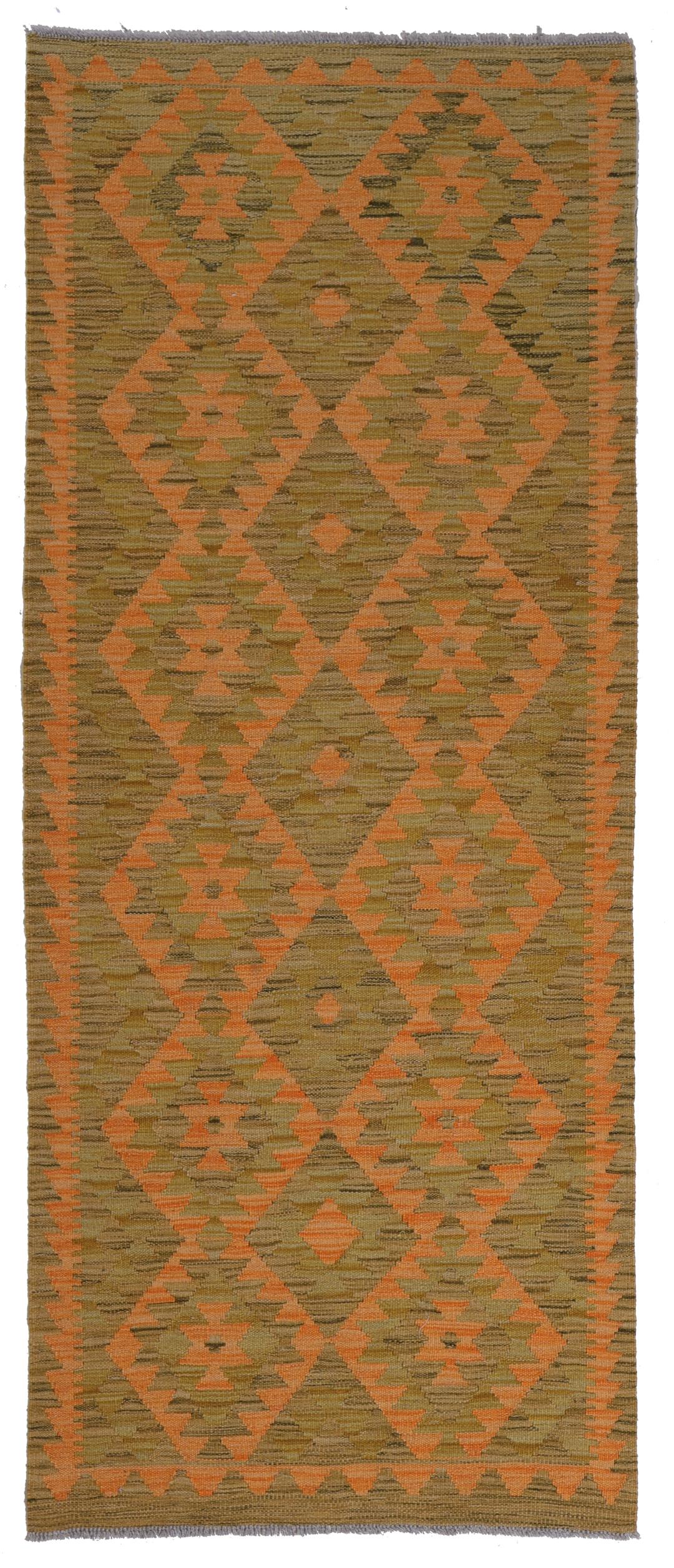
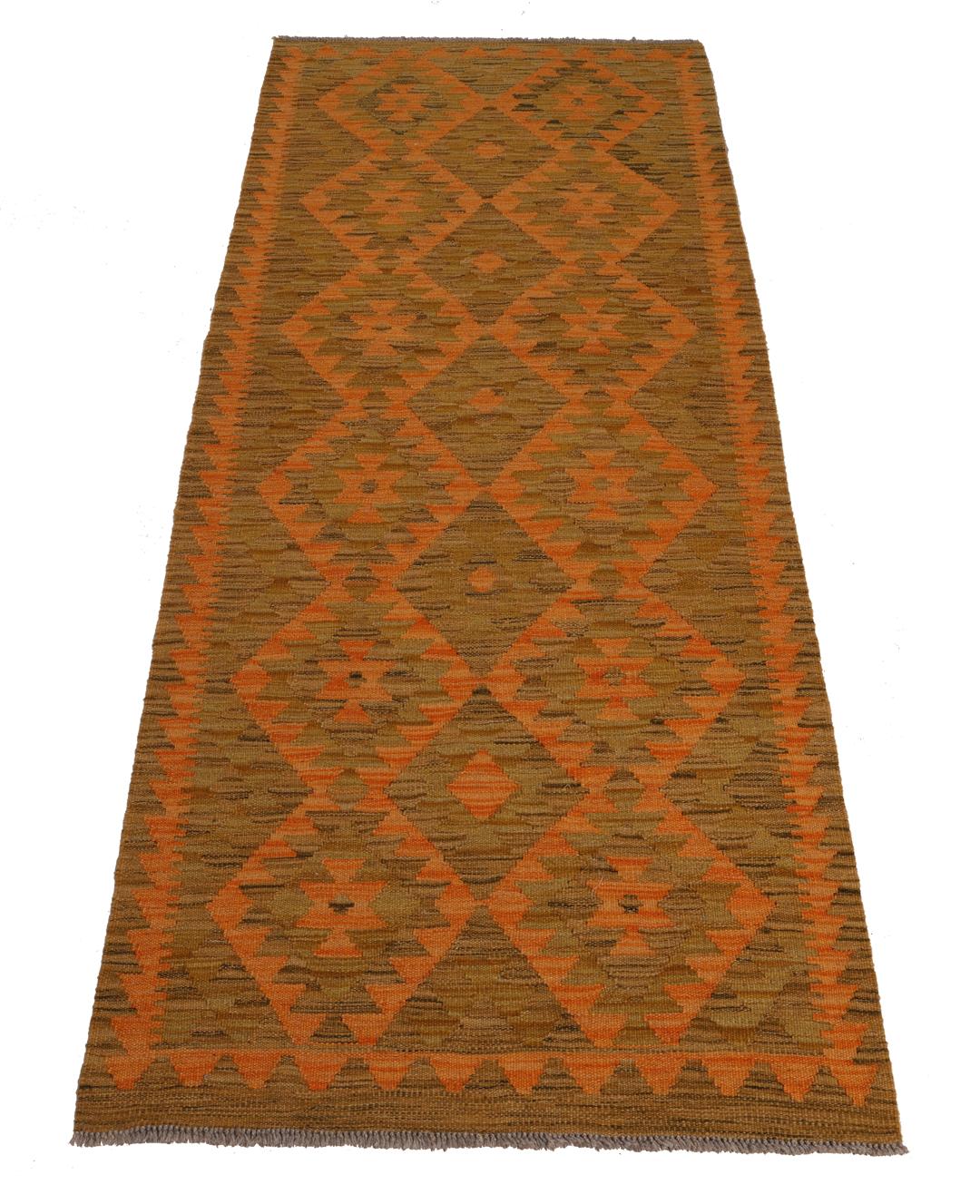
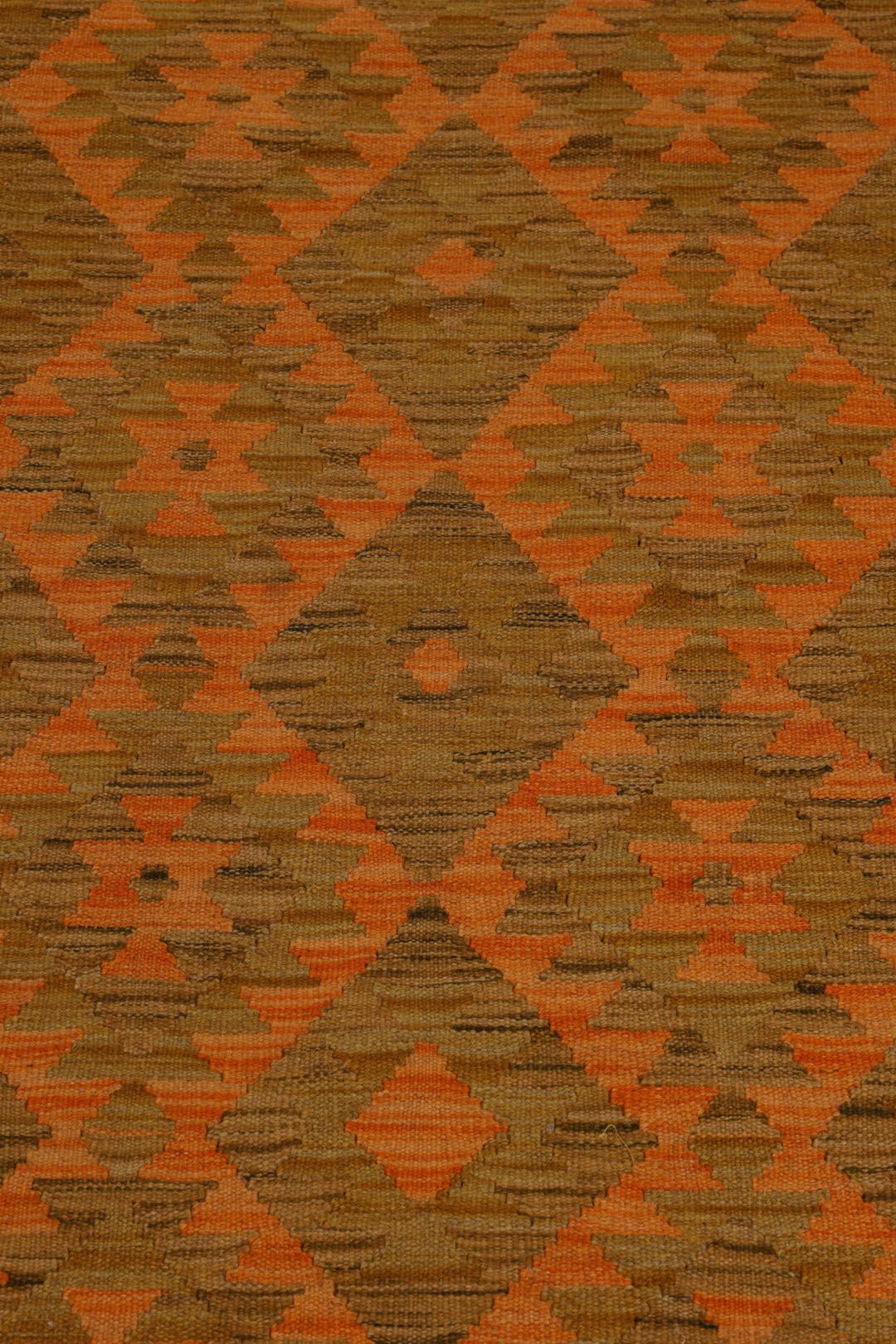
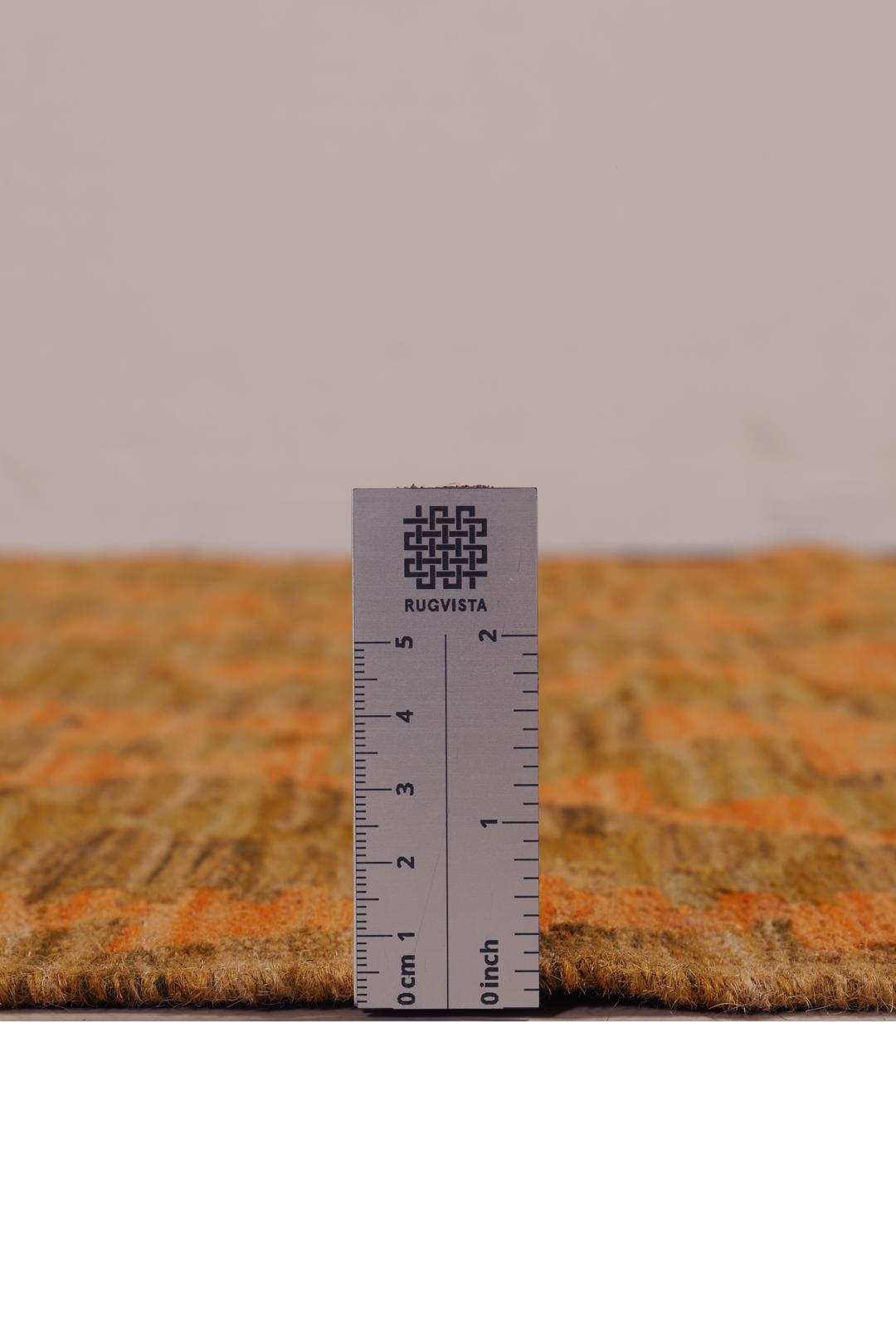
The Kelim tradition in Afghanistan is deeply rooted in the nomadic history of the region, where flat-woven rugs served as essential, portable furnishings. These rugs were traditionally created to withstand the rigours of travel and daily life, utilising natural materials that were readily available to the weaving communities.
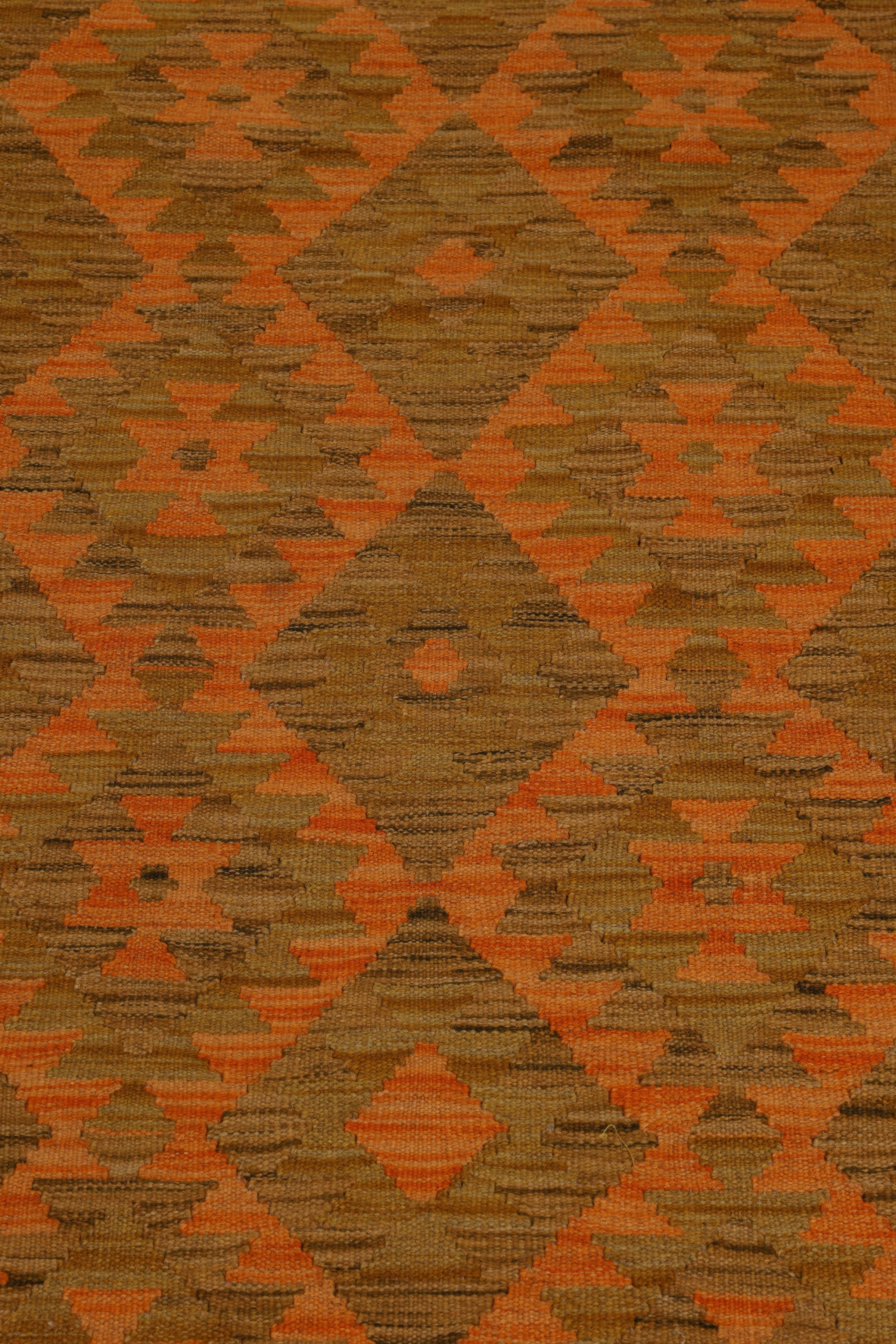
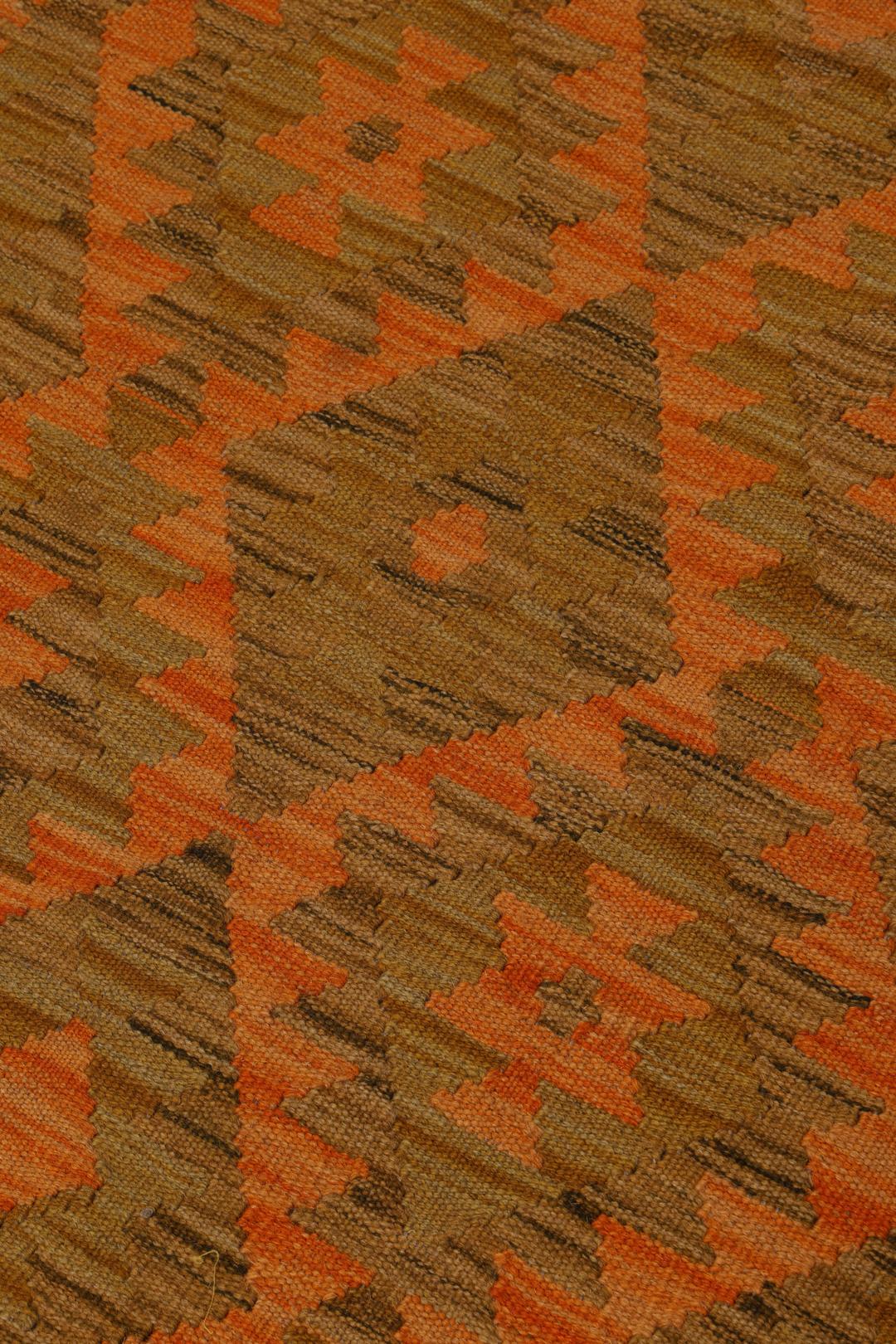
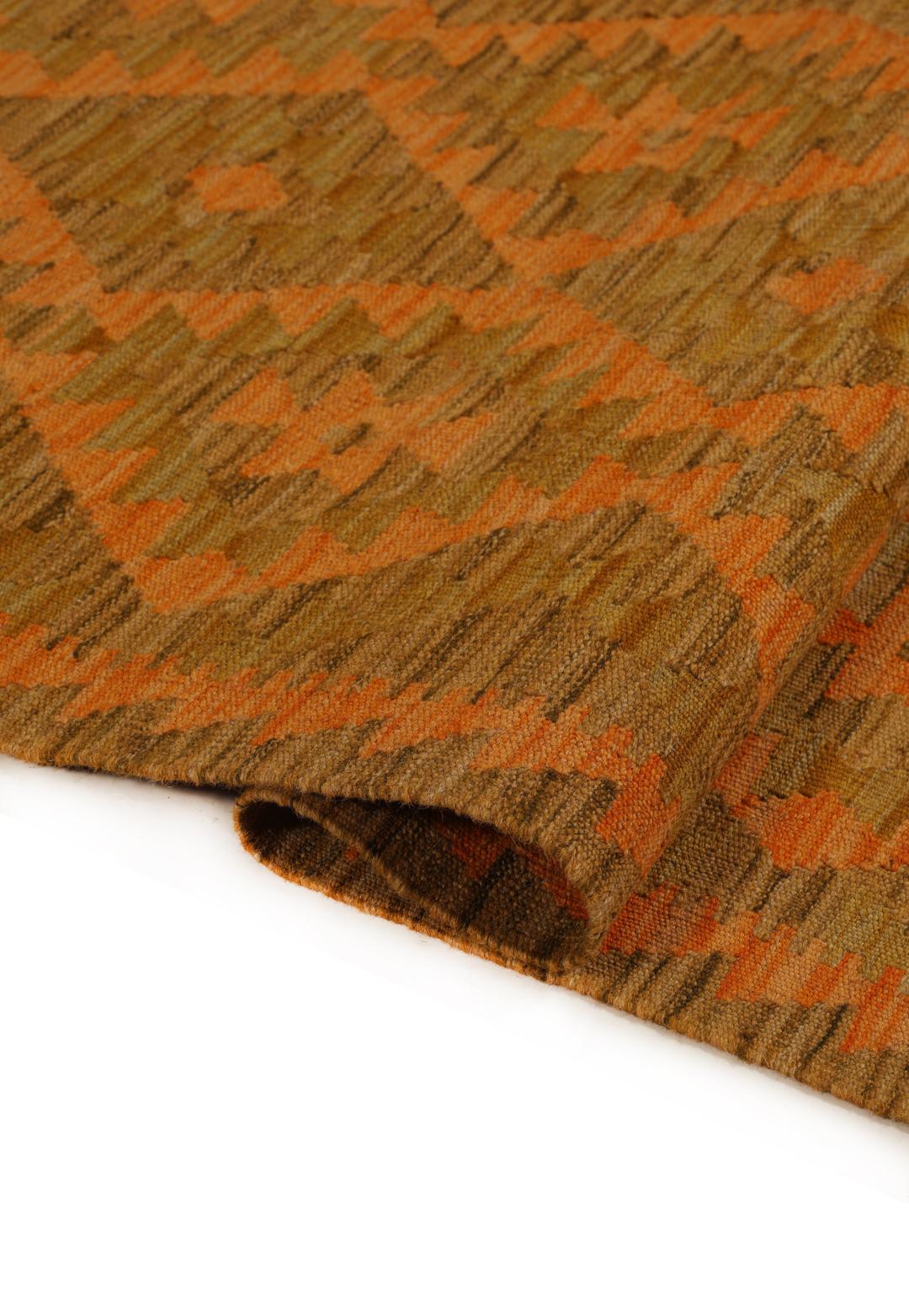
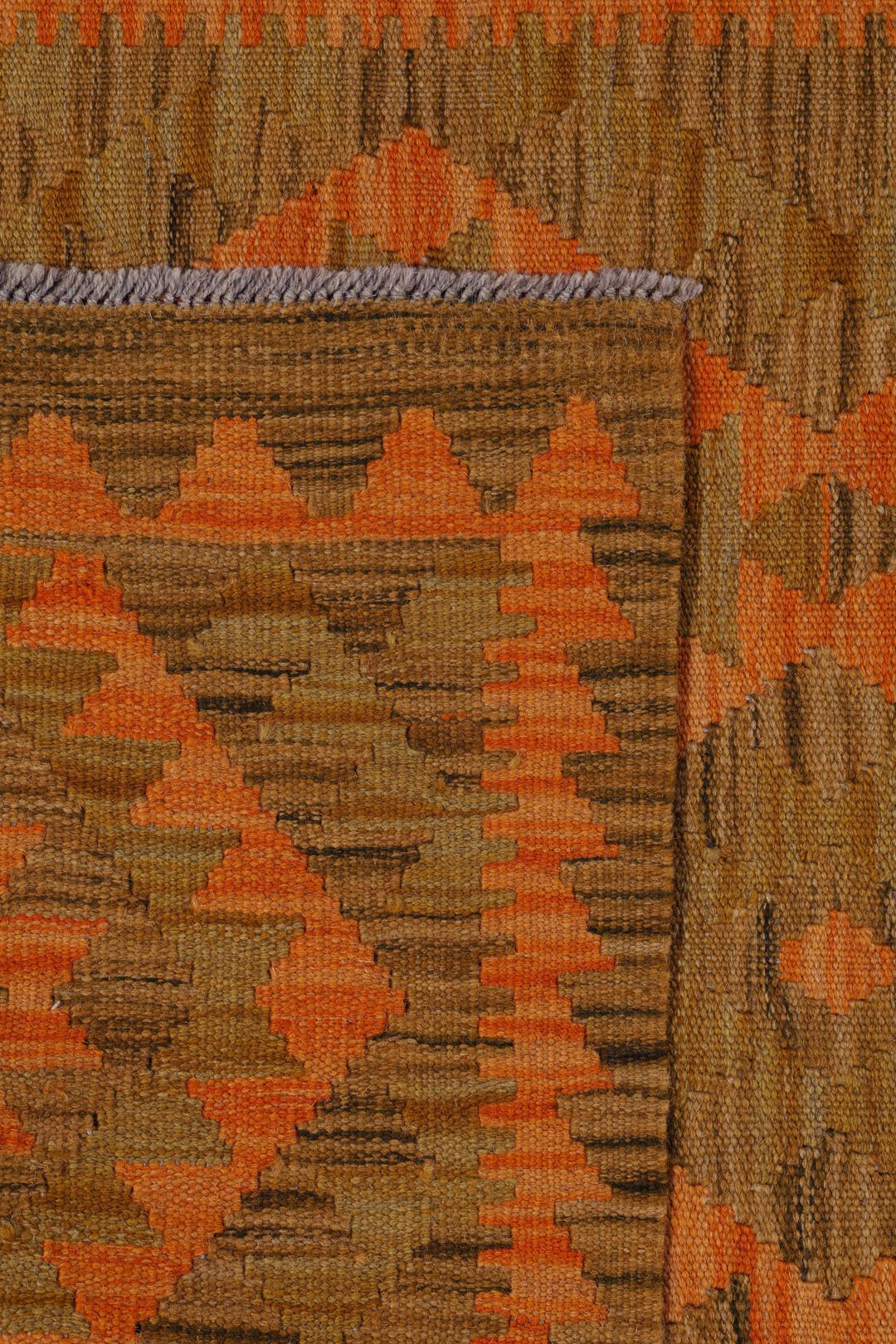
The term 'Kelim' refers specifically to the flat-weaving technique where there is no pile. This method results in a thinner, more versatile rug that is prized for its clarity of design and its ability to lie flat. The weavers use a tapestry-style weave, which allows for crisp geometric shapes and complex colour transitions that define the distinct aesthetic of the Afghan style.
Signature design elements in these rugs often include bold geometric motifs such as diamonds, triangles, and stylised floral forms. The patterns are typically arranged in repeating sequences, reflecting a deep cultural appreciation for symmetry and order. The use of earth-toned Wool, often sourced from local sheep, is a hallmark of this tradition, grounding the rugs in the natural palette of the Afghan landscape.
Today, these rugs are highly valued by collectors and homeowners alike for their authenticity and the skill involved in their creation. Owning a traditional Afghan flat-weave is a way to connect with a long-standing craft legacy, where each motif and colour choice carries the historical influence of the Middle Eastern weaving traditions passed down through generations.