Kelim rugs have a long and storied history across the Middle East and Central Asia, serving as both functional floor coverings and essential components of nomadic and village life. The Afghan tradition of weaving these pieces is deeply rooted in local customs, where patterns are often passed down through generations, reflecting the identity and environment of the weaving community.
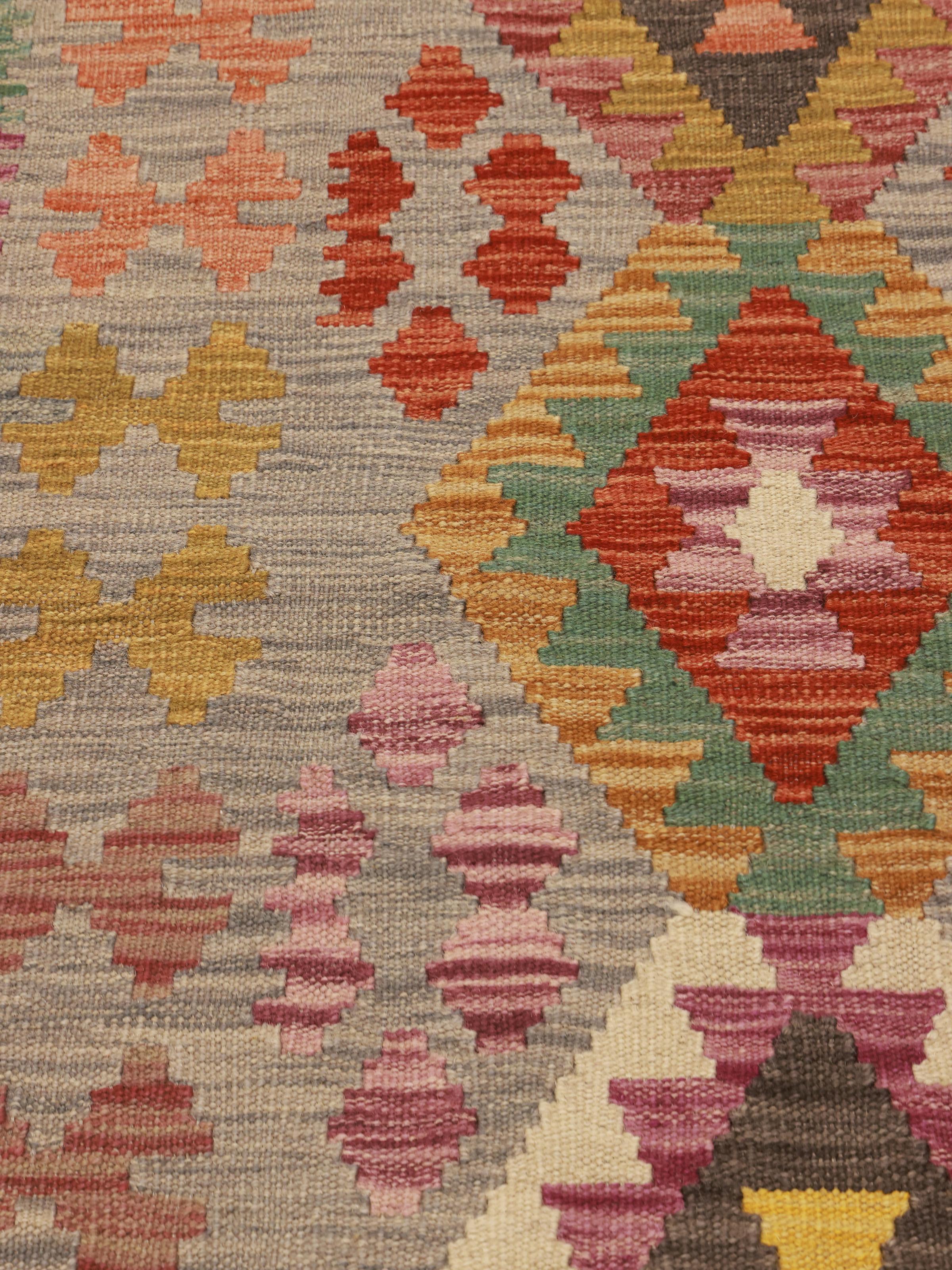
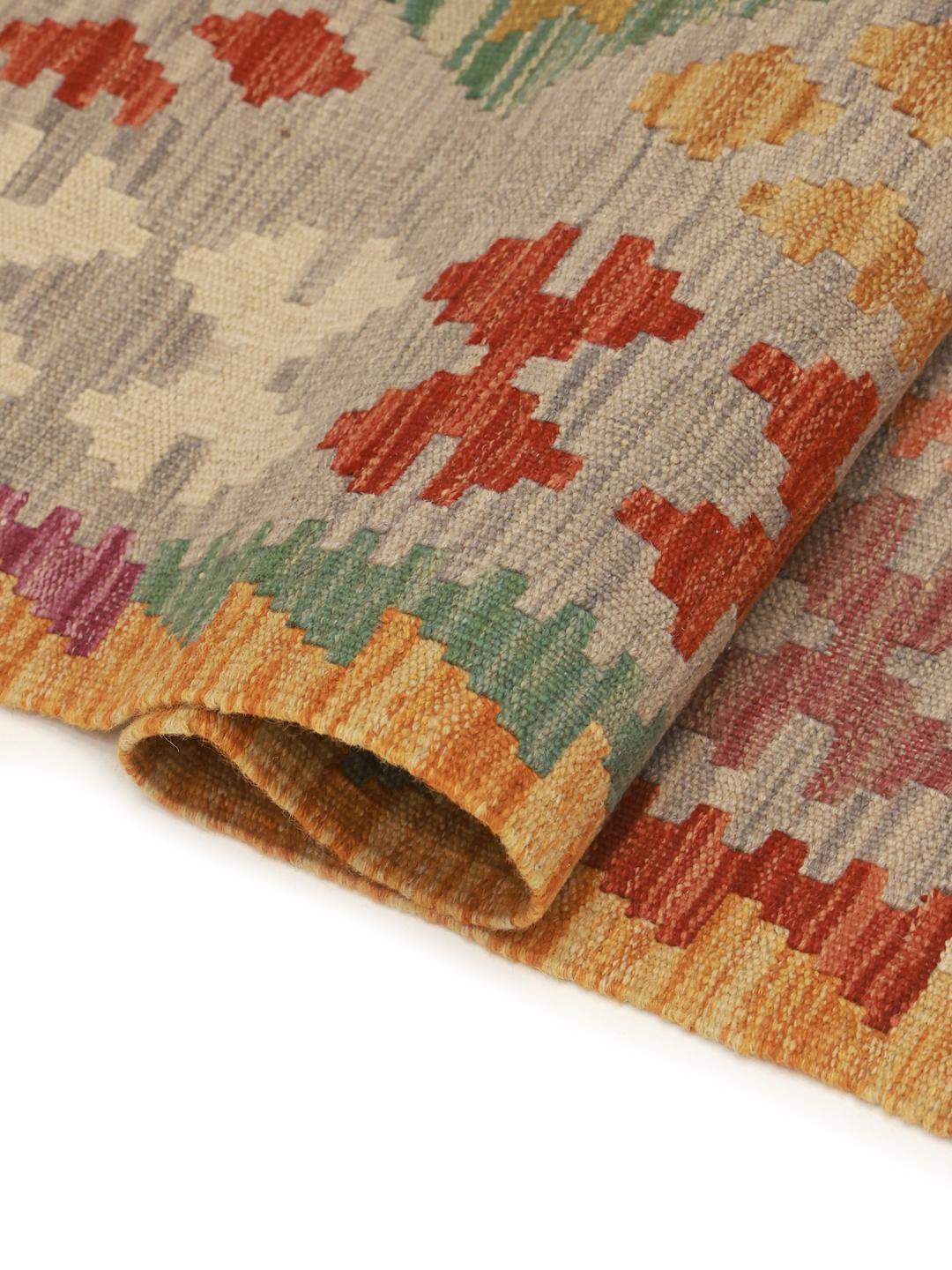
The term 'Kelim' refers to the specific flat-weaving technique used, which distinguishes these rugs from pile-heavy carpets. By forgoing a knotted pile, the weaver creates a reversible, lightweight, and durable textile that is remarkably versatile. This technical approach requires immense precision, as the pattern is formed directly by the warp and weft threads being woven together.
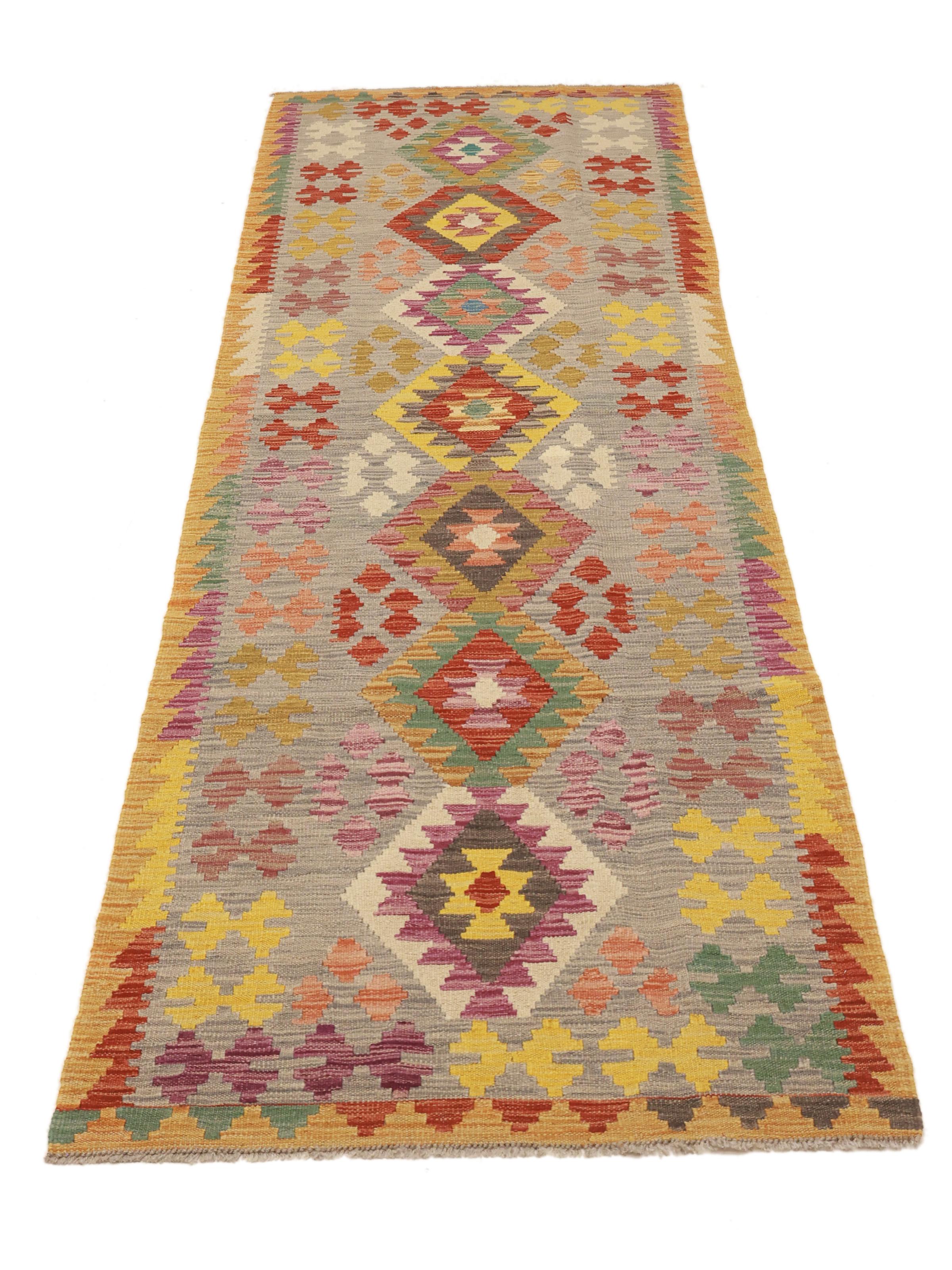
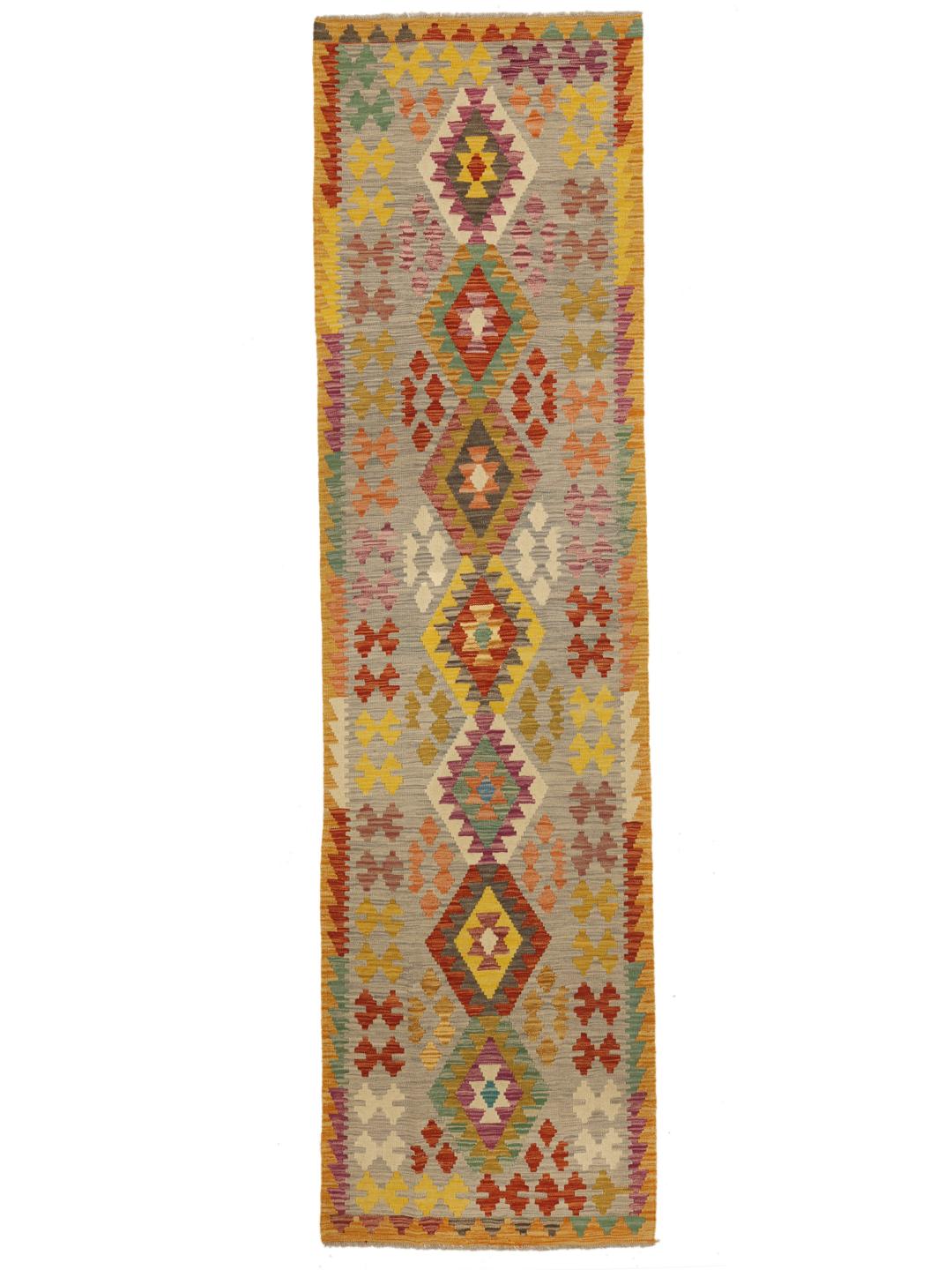
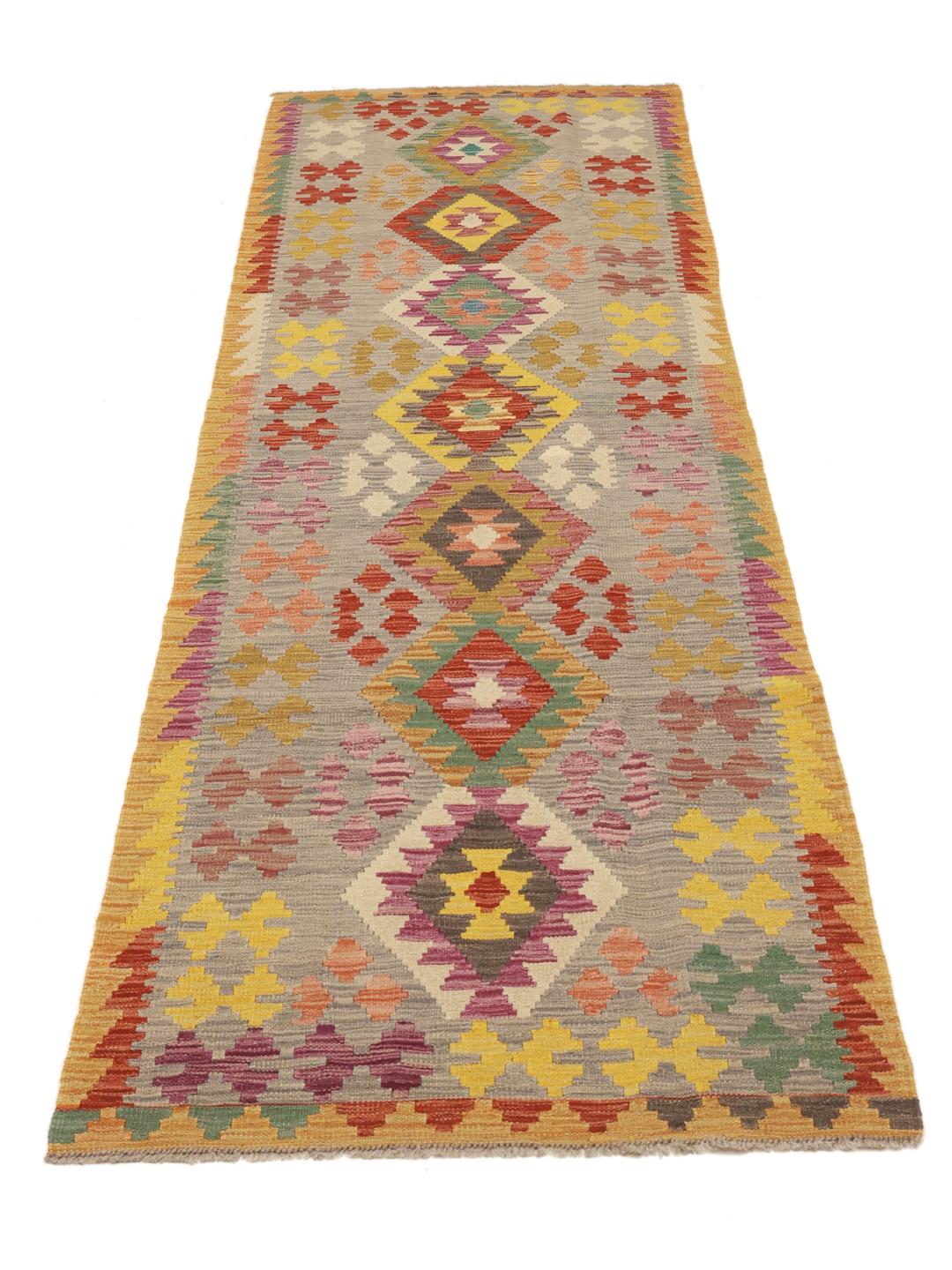
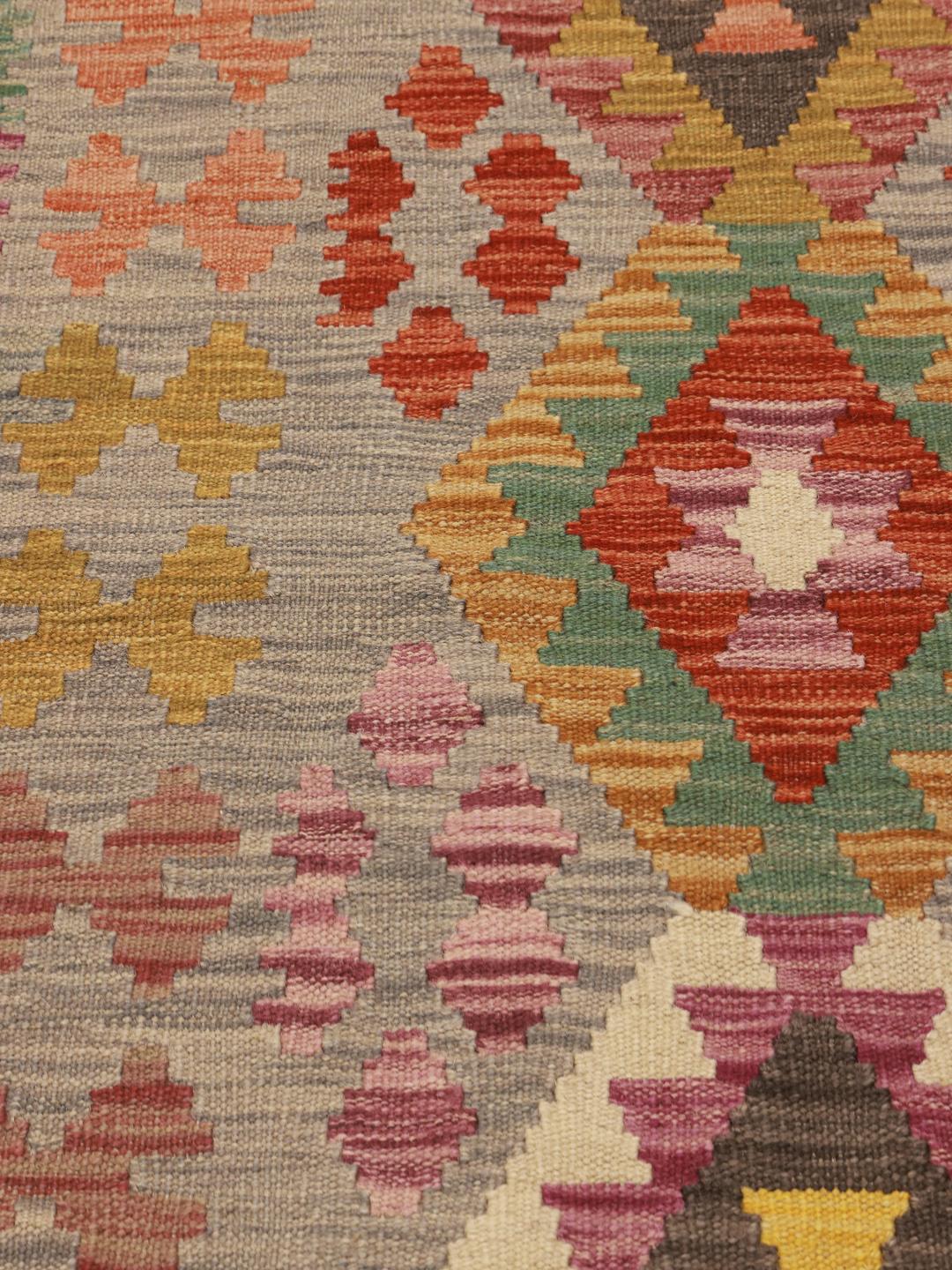
Visually, these runners are defined by their sharp geometric motifs and bold, earthy colour palettes derived from natural dyes. You will often see repeating diamond shapes and intricate borders that tell a story of regional artistry. The use of vibrant, contrasting colours is a signature element, designed to bring life and visual energy to the interiors of traditional homes.
Collecting a Kelim rug is an investment in cultural heritage and human skill. Because these pieces are made entirely by hand, they carry the imprint of the individual weaver, making them highly valued by those who appreciate authentic craftsmanship. Owning one is a way to preserve a piece of history and support a tradition that continues to thrive through the dedication of skilled artisans.