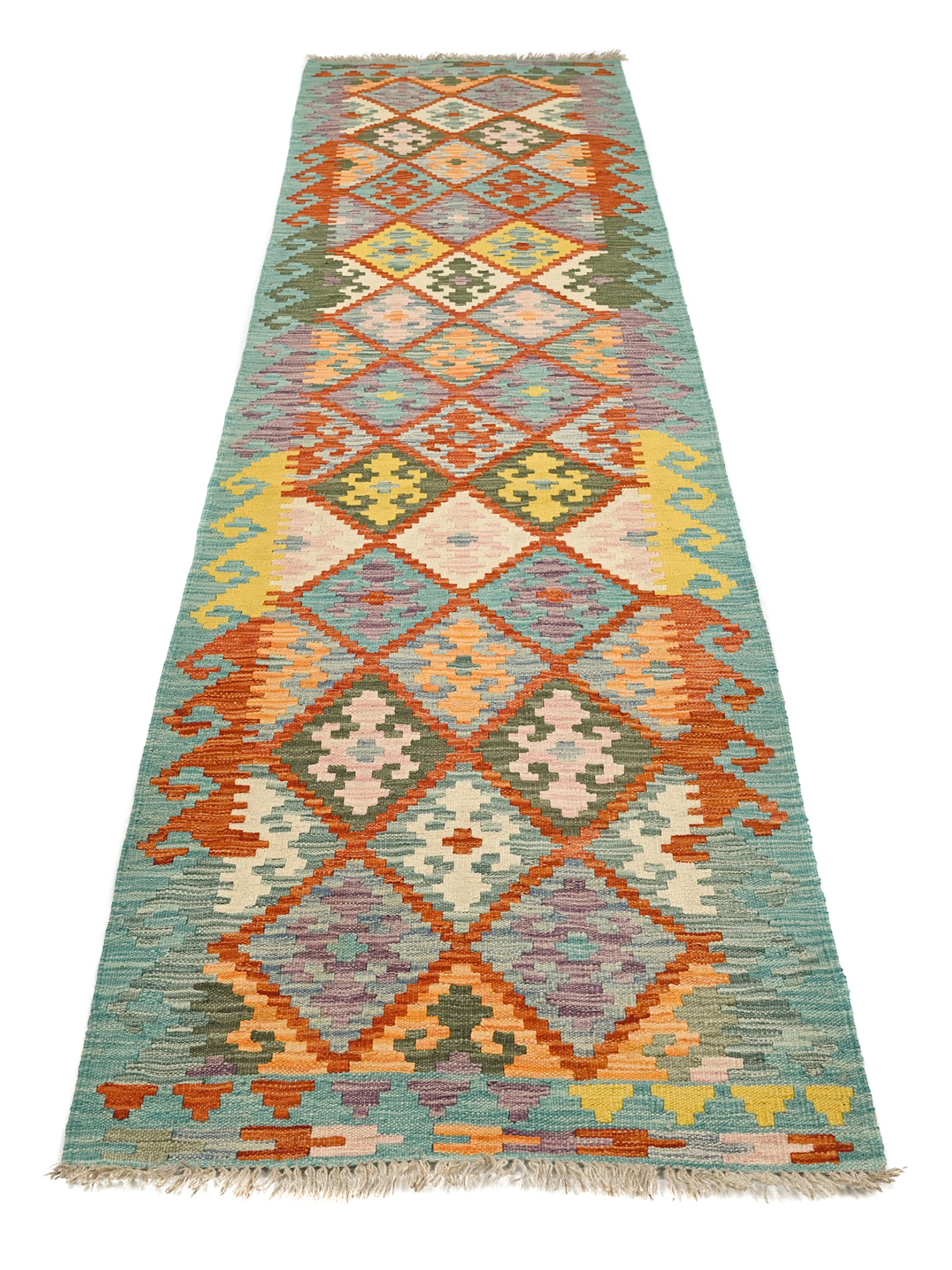
The tradition of weaving kelim rugs is deeply rooted in the history of Afghanistan, where nomadic and semi-nomadic tribes have produced these flat-woven textiles for generations. These rugs were originally created for practical purposes, such as floor coverings, tent dividers, and storage bags, serving as essential components of daily life in the rugged landscape of the region.
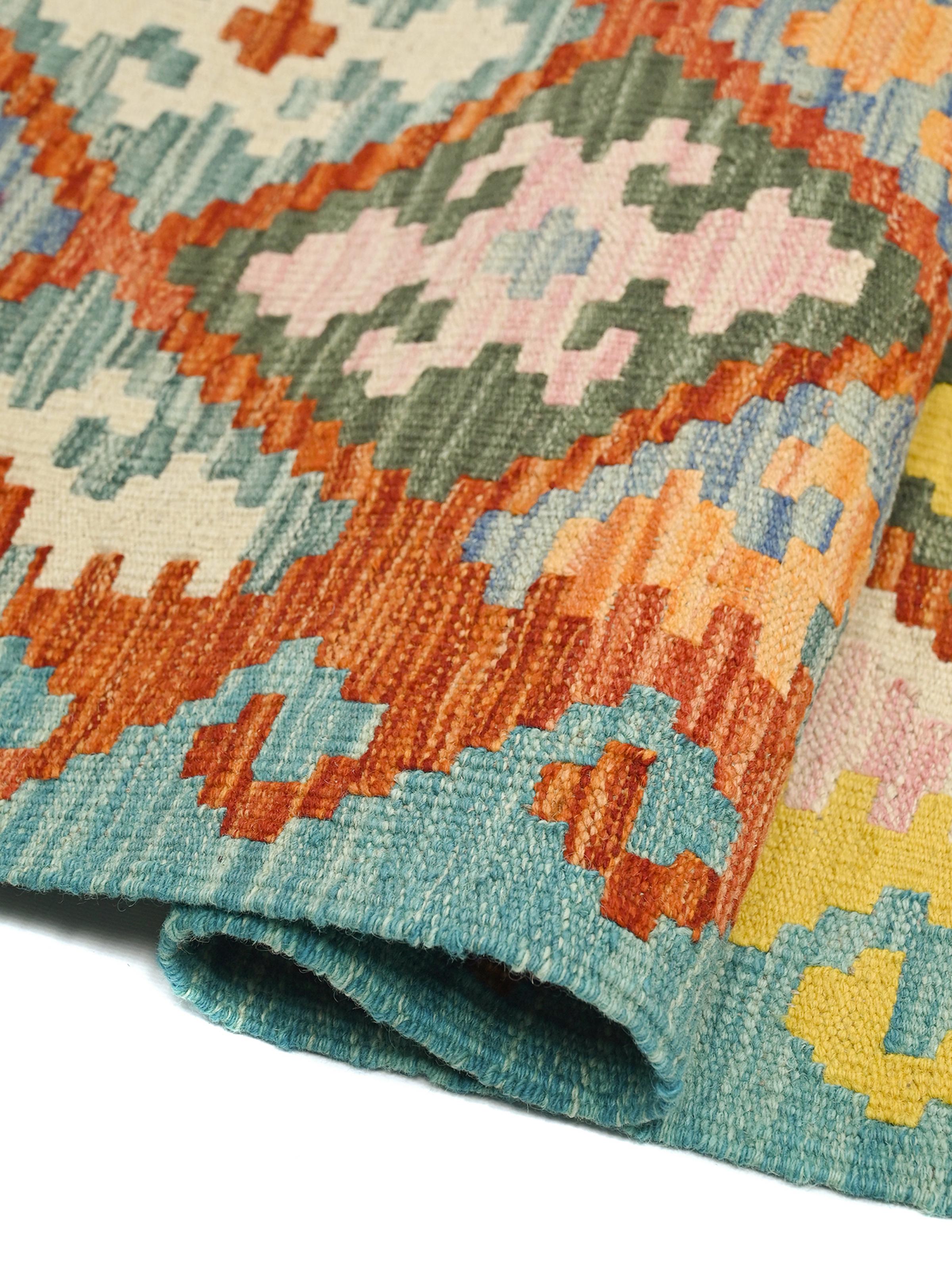
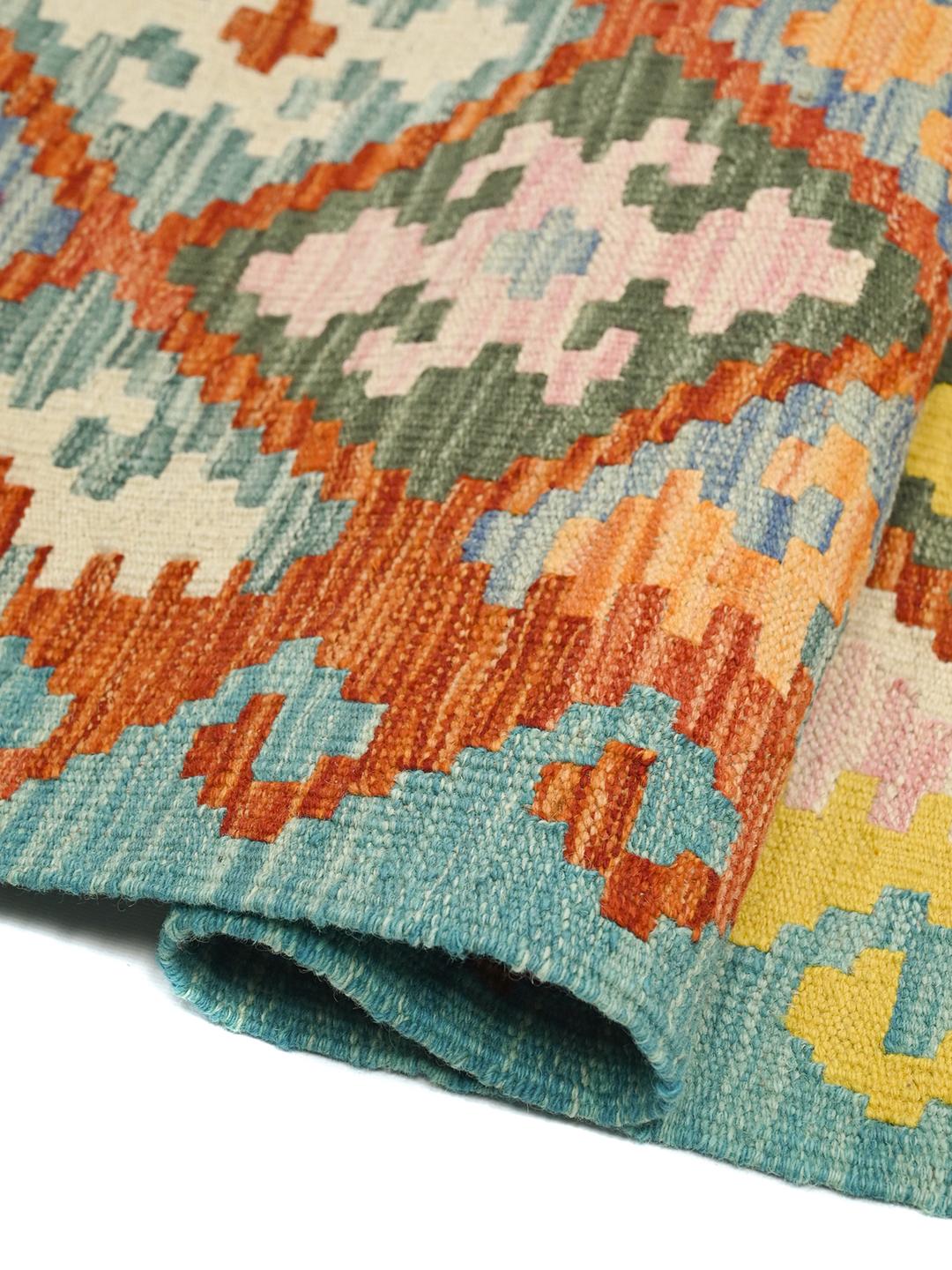
The term kelim specifically refers to the tapestry-weave technique, which relies on the weft-faced method to create its signature flat, pile-less surface. This method is highly technical and requires the weaver to carefully manage colour changes to form sharp, clean lines in the design, a skill that is passed down through families and maintained with great pride.
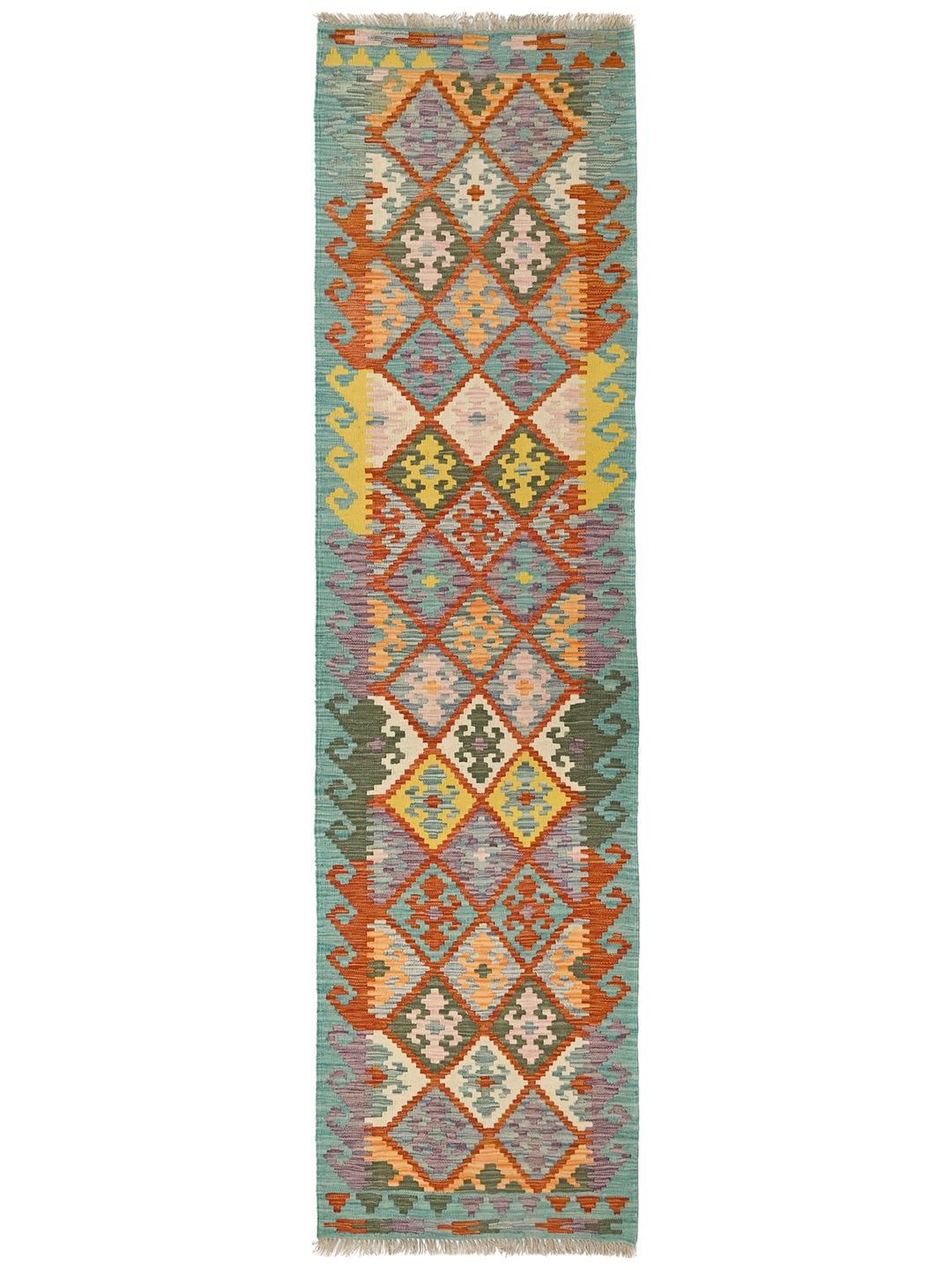
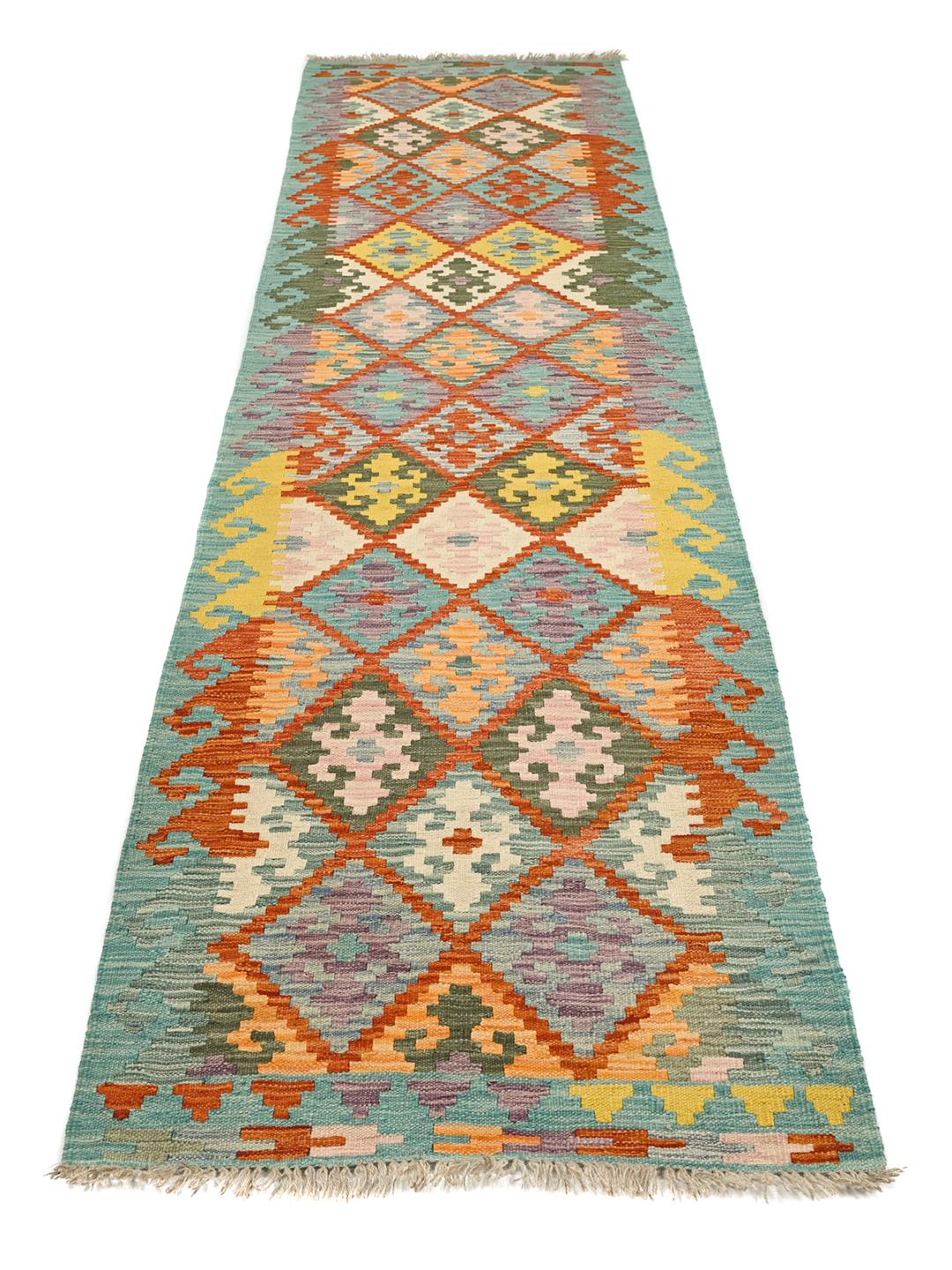
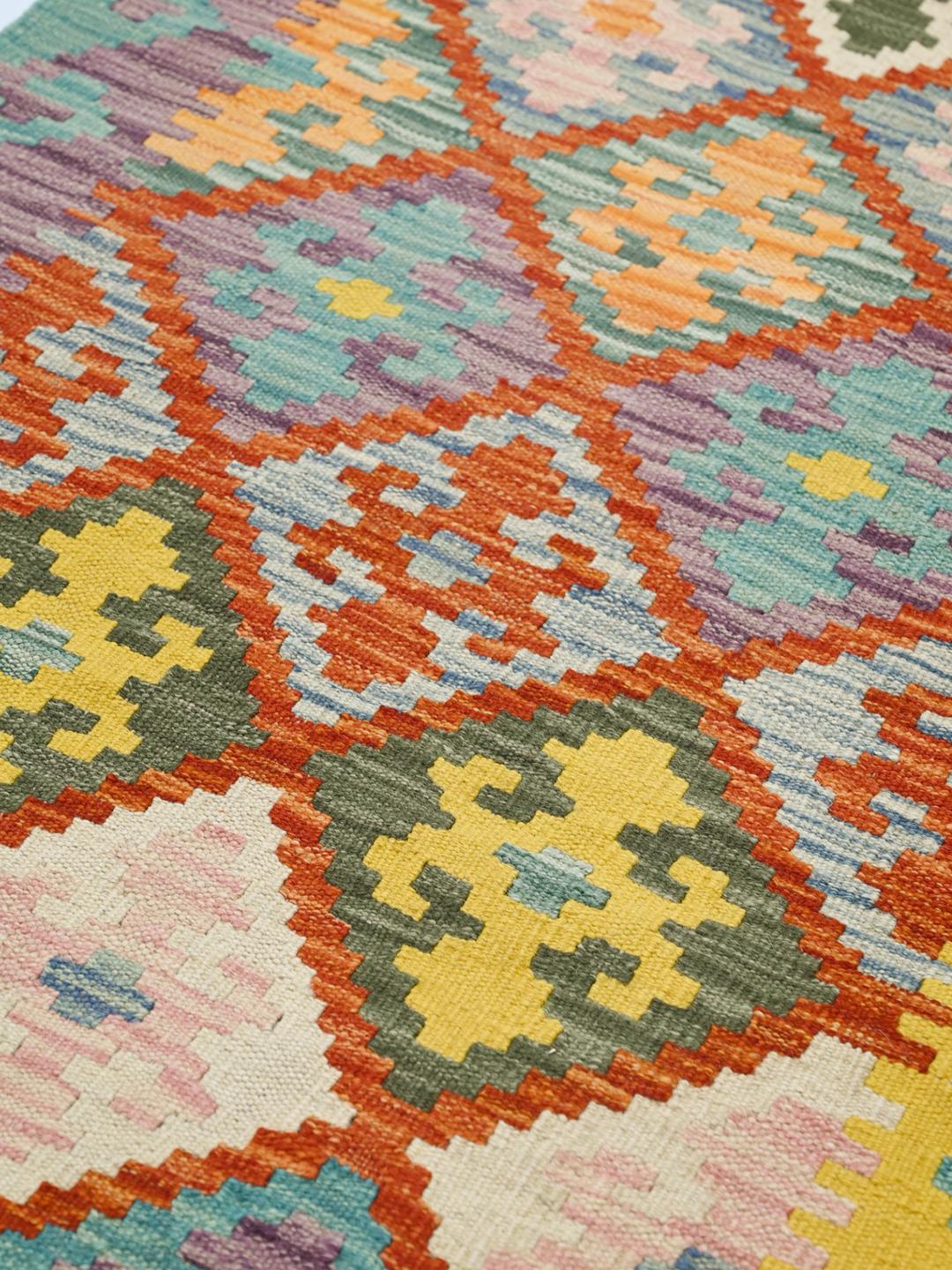
Visually, these rugs are defined by their bold geometric motifs, which often carry symbolic meanings related to protection, fertility, and the natural world. The use of vibrant, contrasting colours is a hallmark of this tradition, reflecting the lively aesthetic preferences of the weavers and the natural dyes traditionally available in the Middle Eastern landscape.
Owning an Afghan kelim is an invitation to connect with a storied tradition of craftsmanship. These pieces are highly valued by collectors not only for their aesthetic appeal but also for the human effort and cultural heritage they embody, representing a timeless connection to the artisanal spirit of Central Asia.