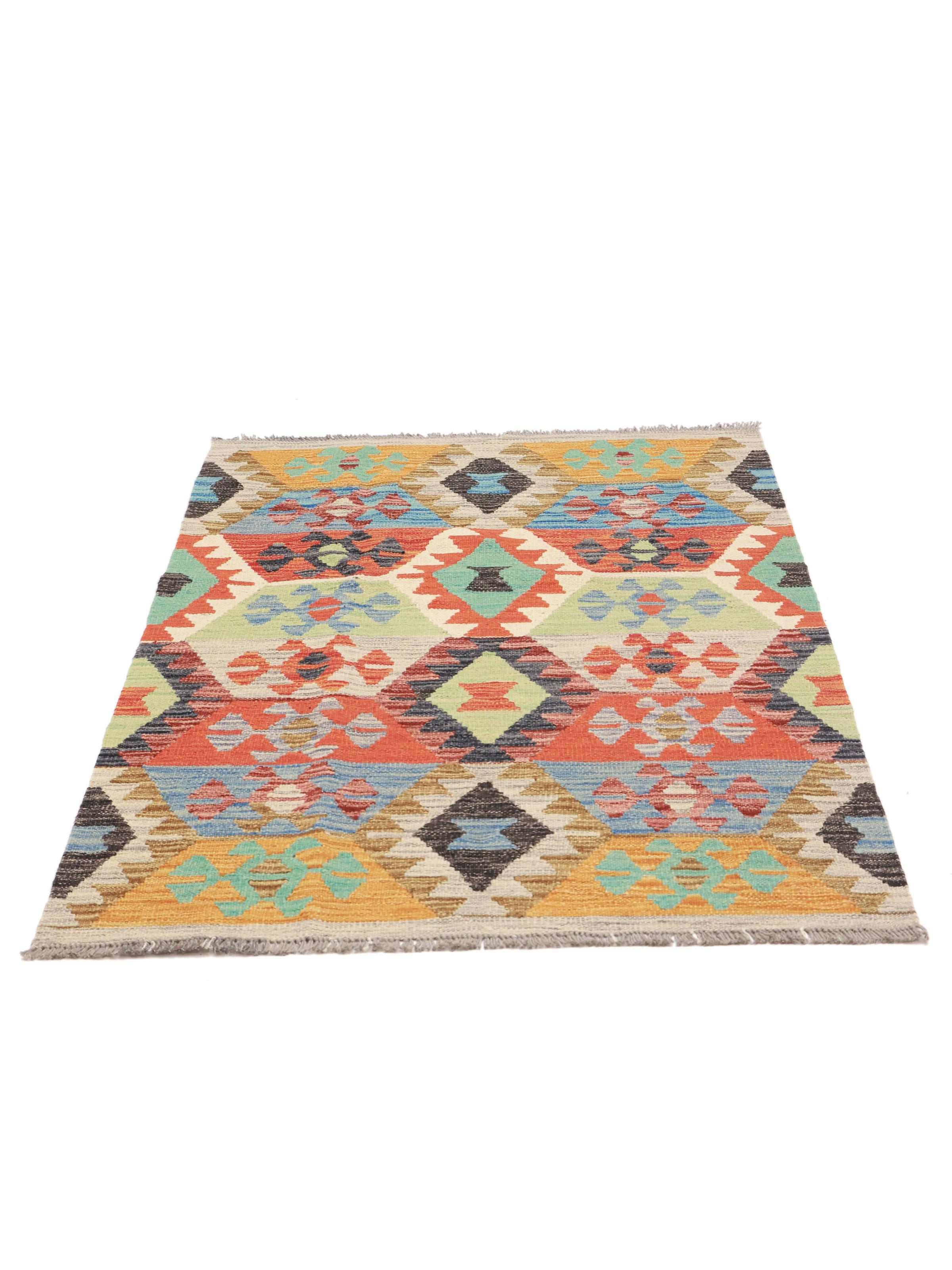
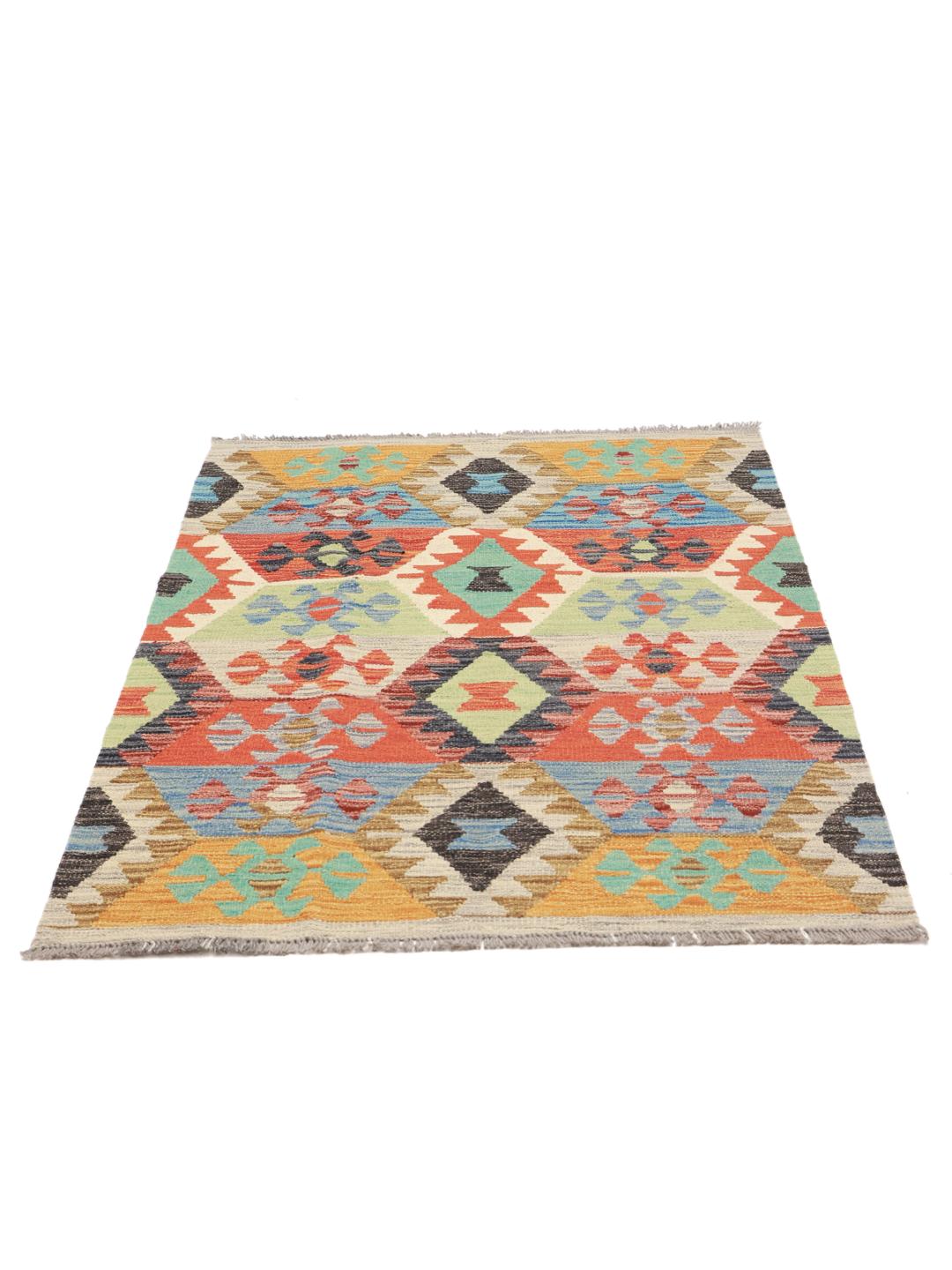
The tradition of weaving Kelim rugs is deeply rooted in the nomadic cultures of the Middle East and Central Asia. These rugs were historically created by tribal groups who needed functional, portable, and durable floor coverings that could withstand the rigours of a migratory lifestyle, eventually evolving into the highly sought-after decorative pieces we admire today.
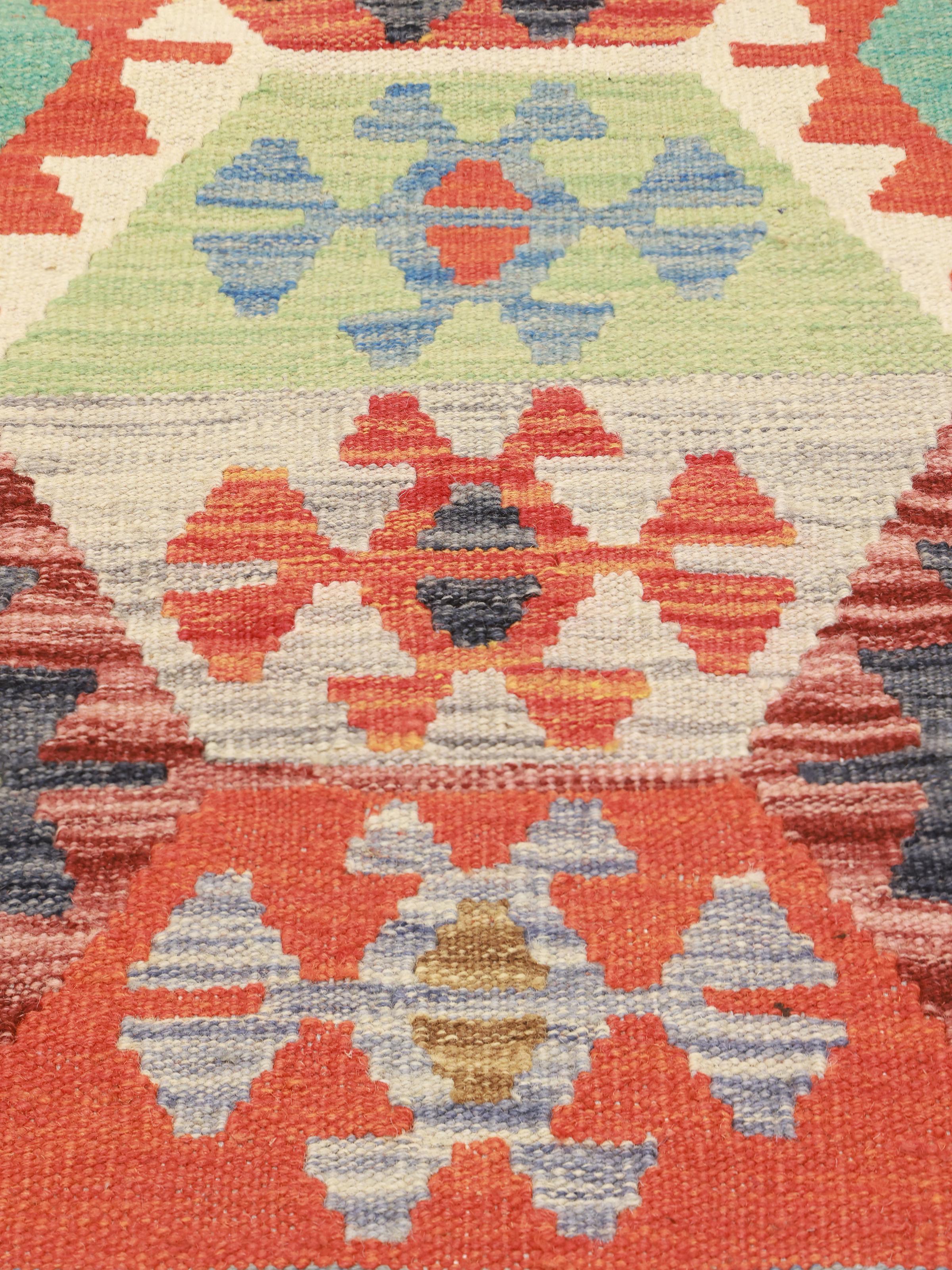
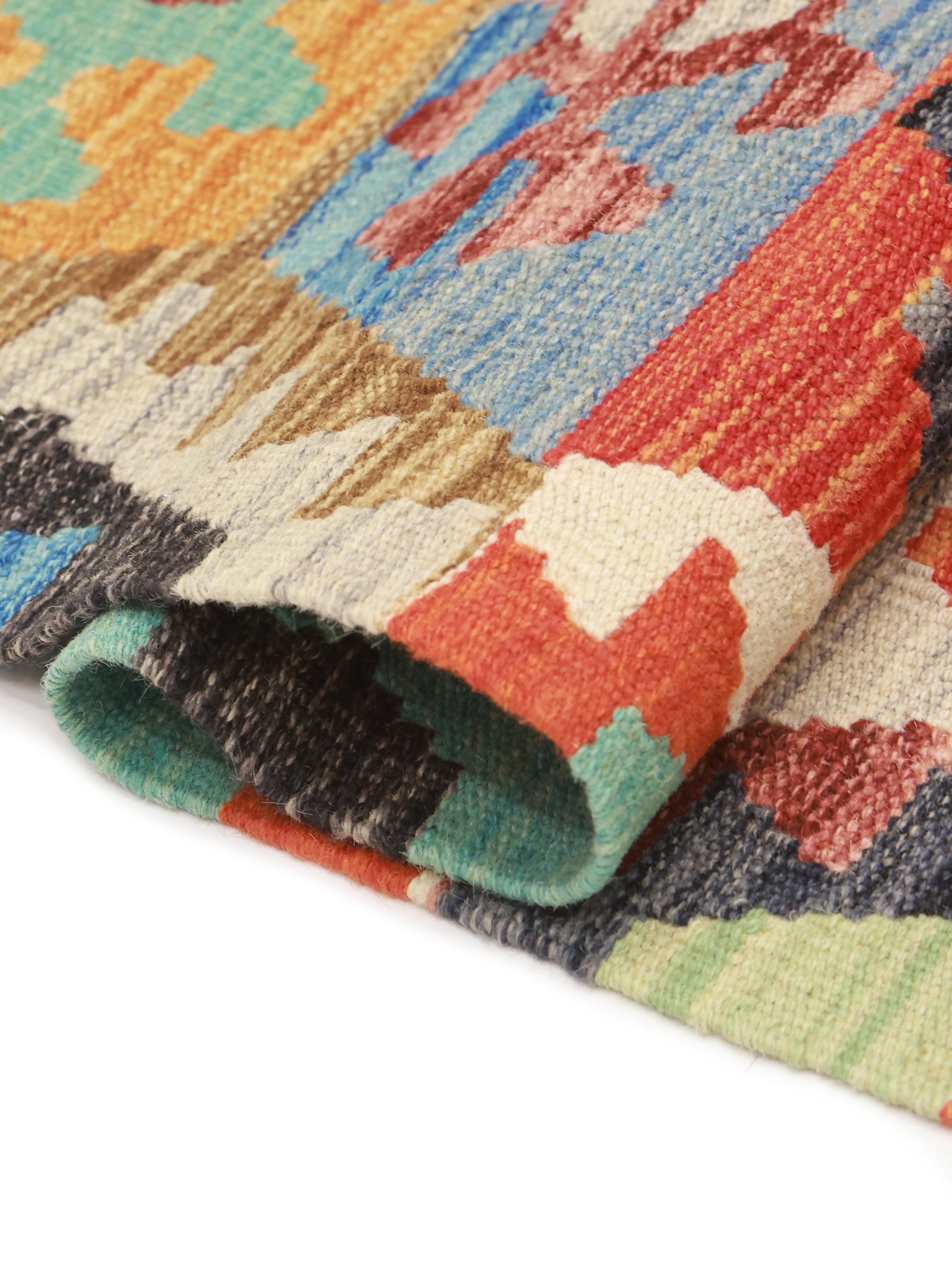
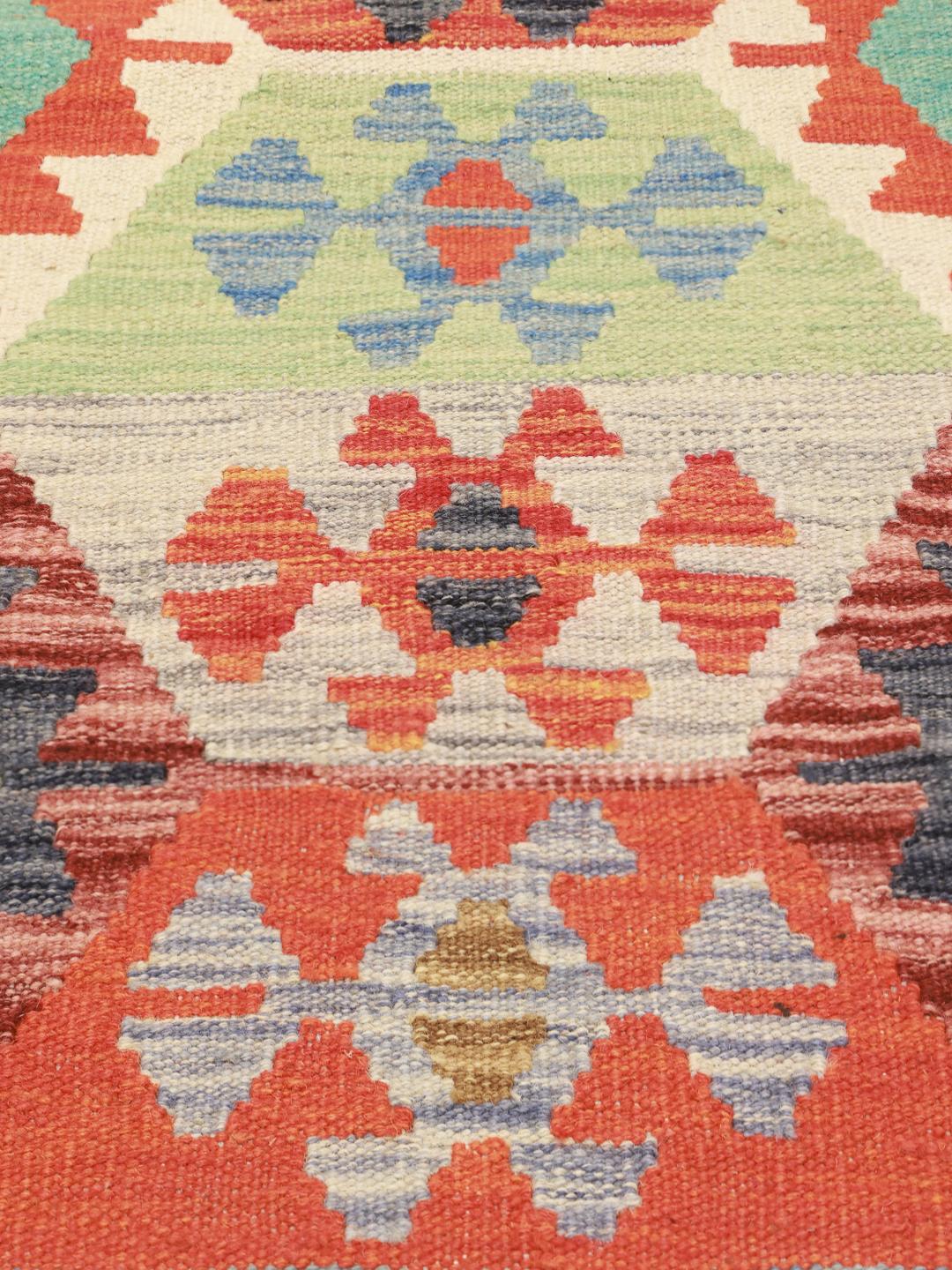
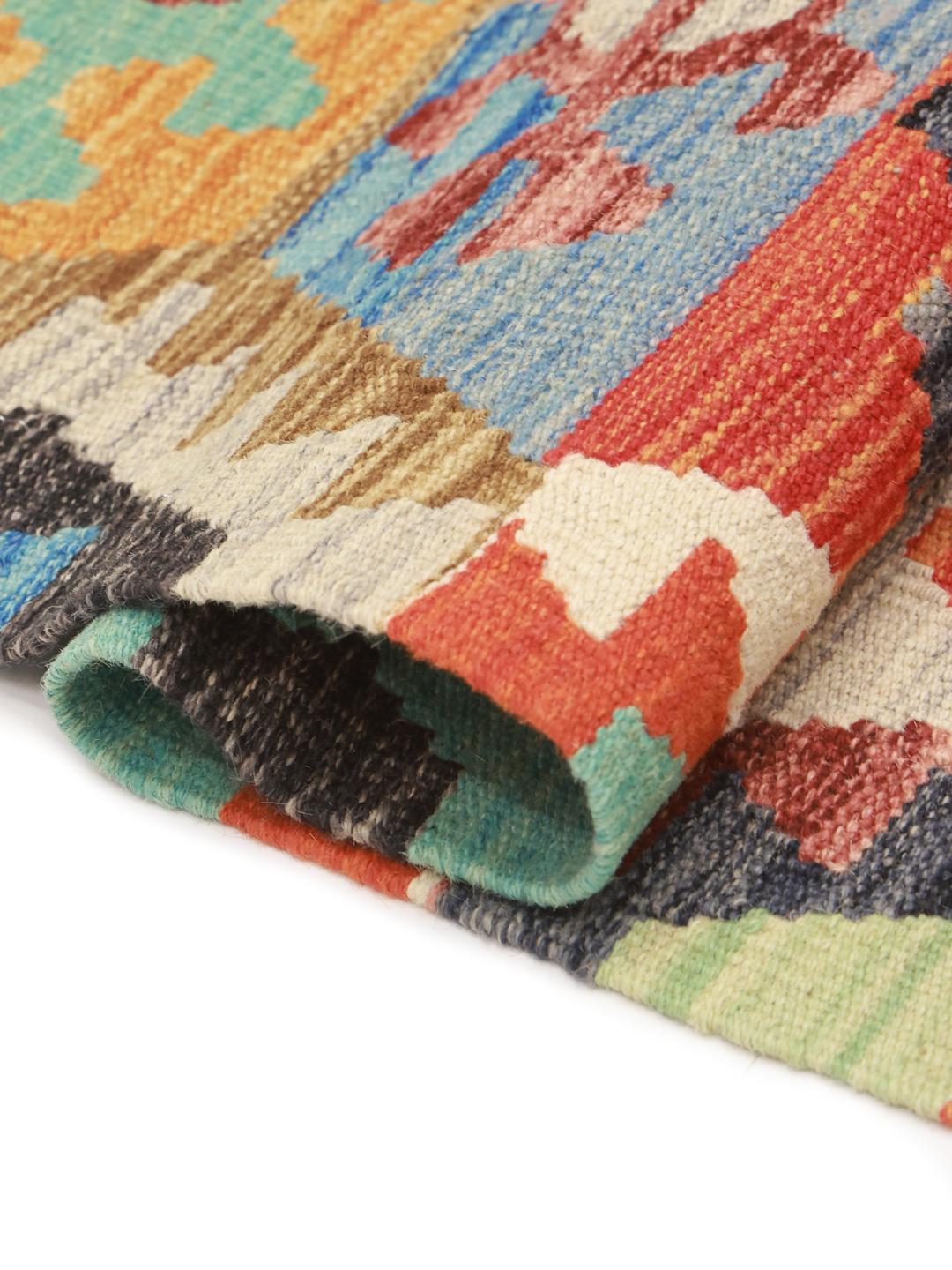
A Kelim is defined by its flat-weave technique, where no pile is created. Instead, the warp and weft threads are interlaced to form the design directly into the structure of the rug. This method requires immense skill, as the weaver must manage multiple colour changes and complex geometric transitions without the benefit of a hidden foundation, resulting in a rug that is reversible and remarkably lightweight.
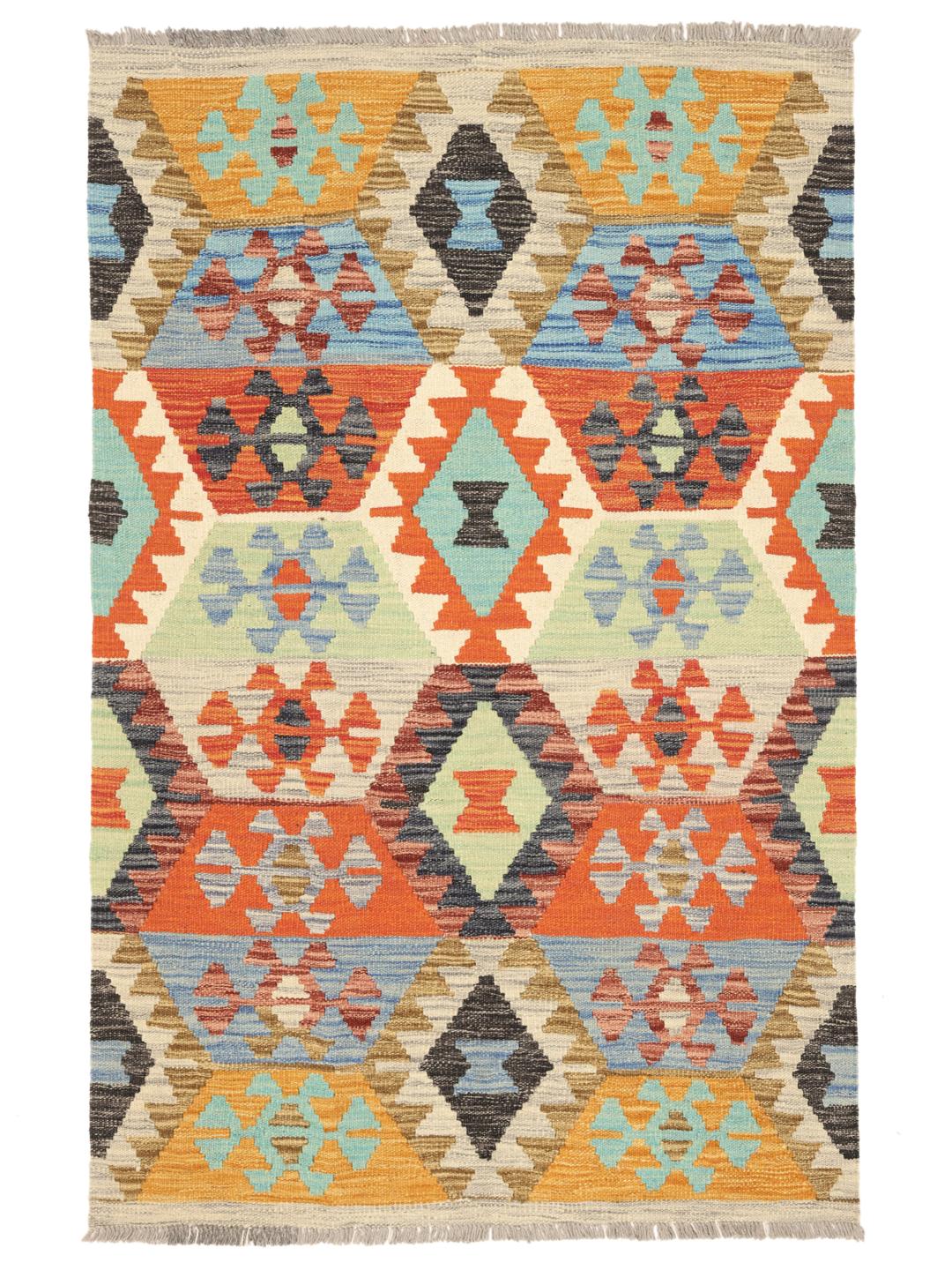
The signature design language of Afghan Kelims is characterised by bold, geometric motifs often inspired by tribal history and the surrounding landscape. The use of repeating diamonds, triangles, and stylised floral elements is common, with each colour chosen to reflect local natural dyes or traditional palettes that have been passed down through generations of weavers.
Owning a Kelim is more than just a decor choice; it is an investment in cultural heritage. These pieces are valued for their ability to tell a story through their patterns and colours, serving as a tangible connection to the ancient craft traditions of the region. They are collected by those who appreciate the intersection of utility, history, and human artistry.