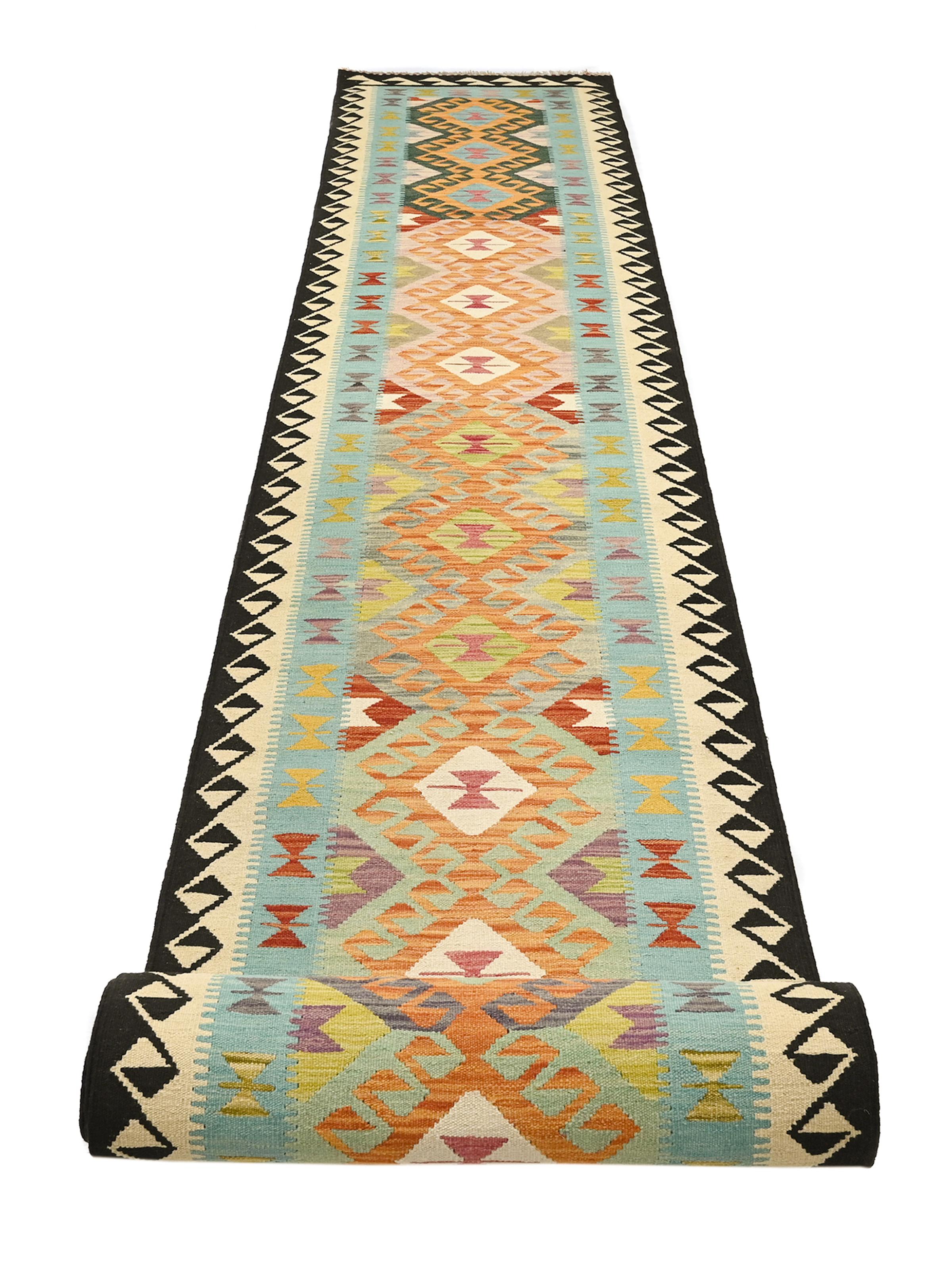
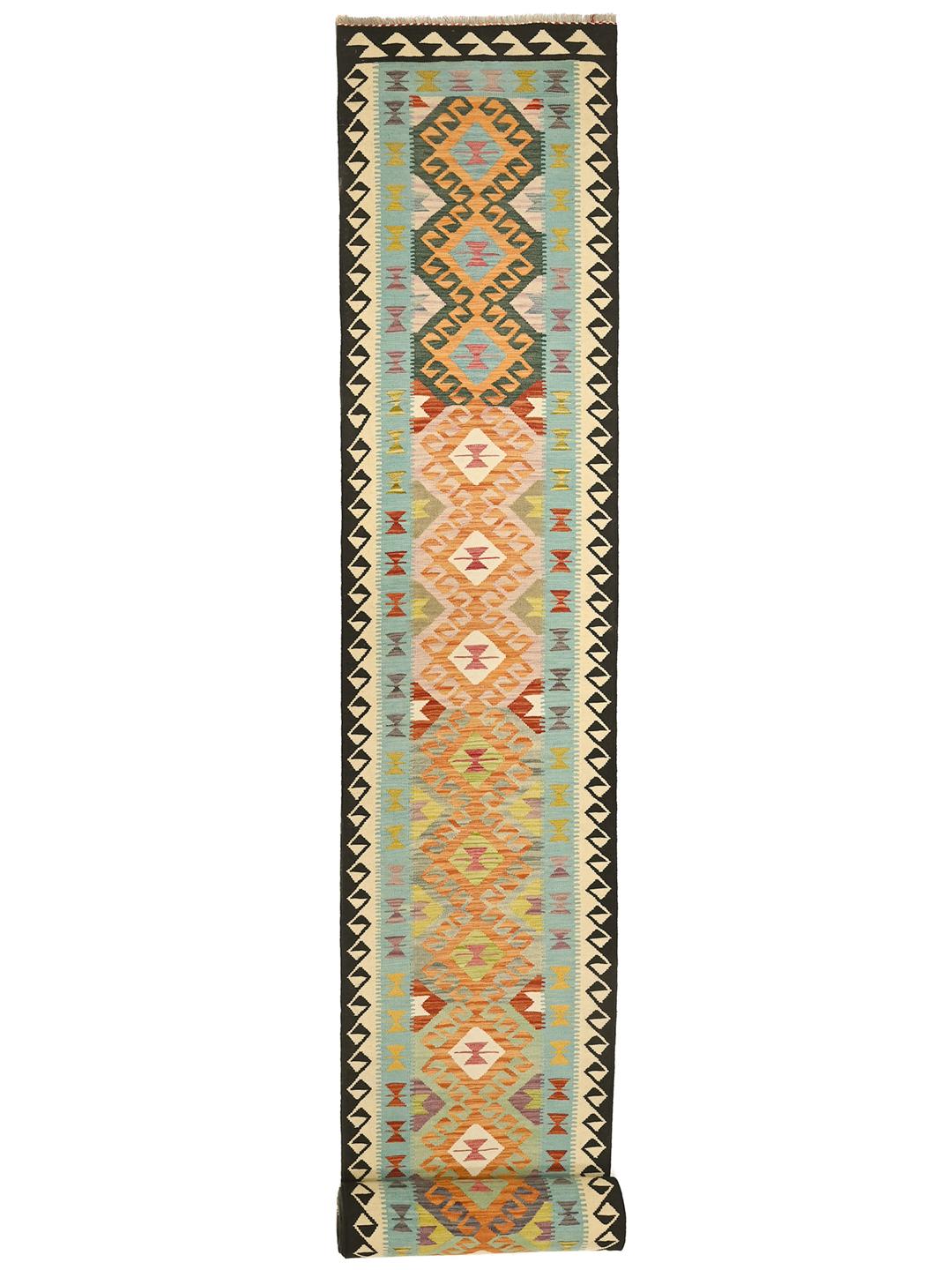
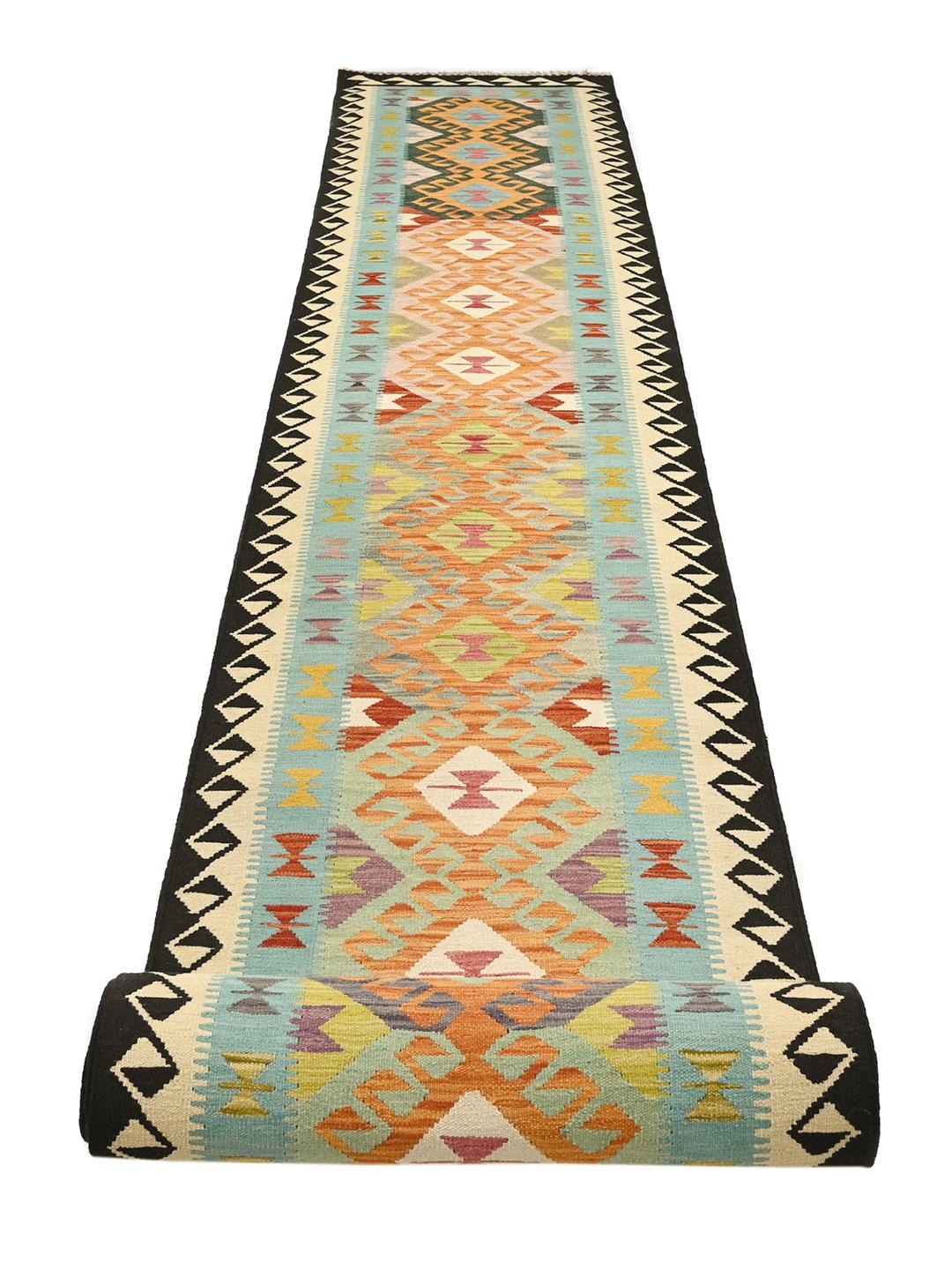
The Kelim Afghan Old Style rug finds its roots in the nomadic traditions of Afghanistan, a region with a deep and storied history of textile art. These rugs are deeply connected to the cultural landscape of the Middle East, where weaving has long been a vital social and economic practice passed down through generations. The evolution of these styles reflects the migration of patterns and techniques across the rugged terrain, resulting in a distinct aesthetic that is both ancient and remarkably adaptable to modern homes.
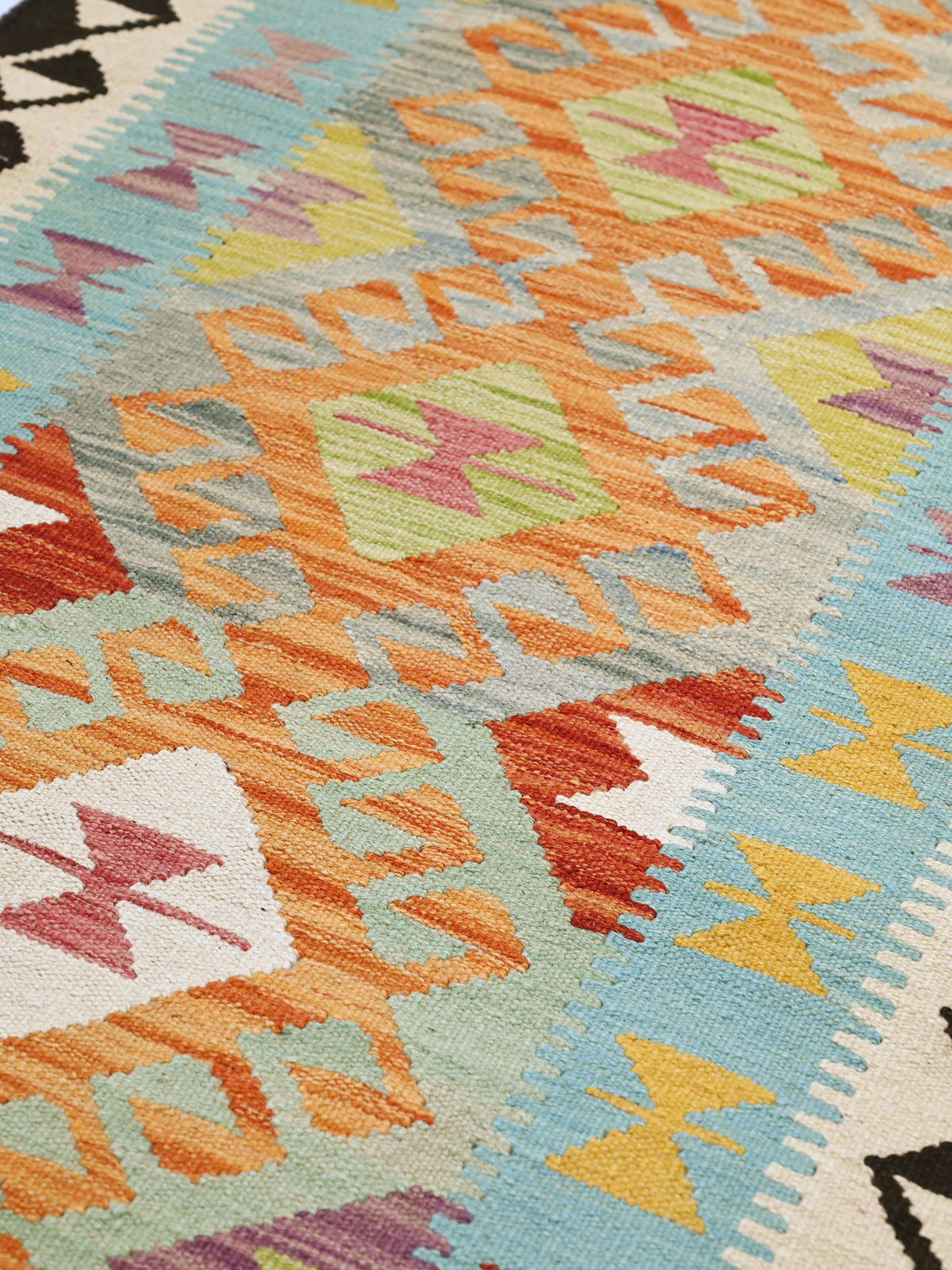
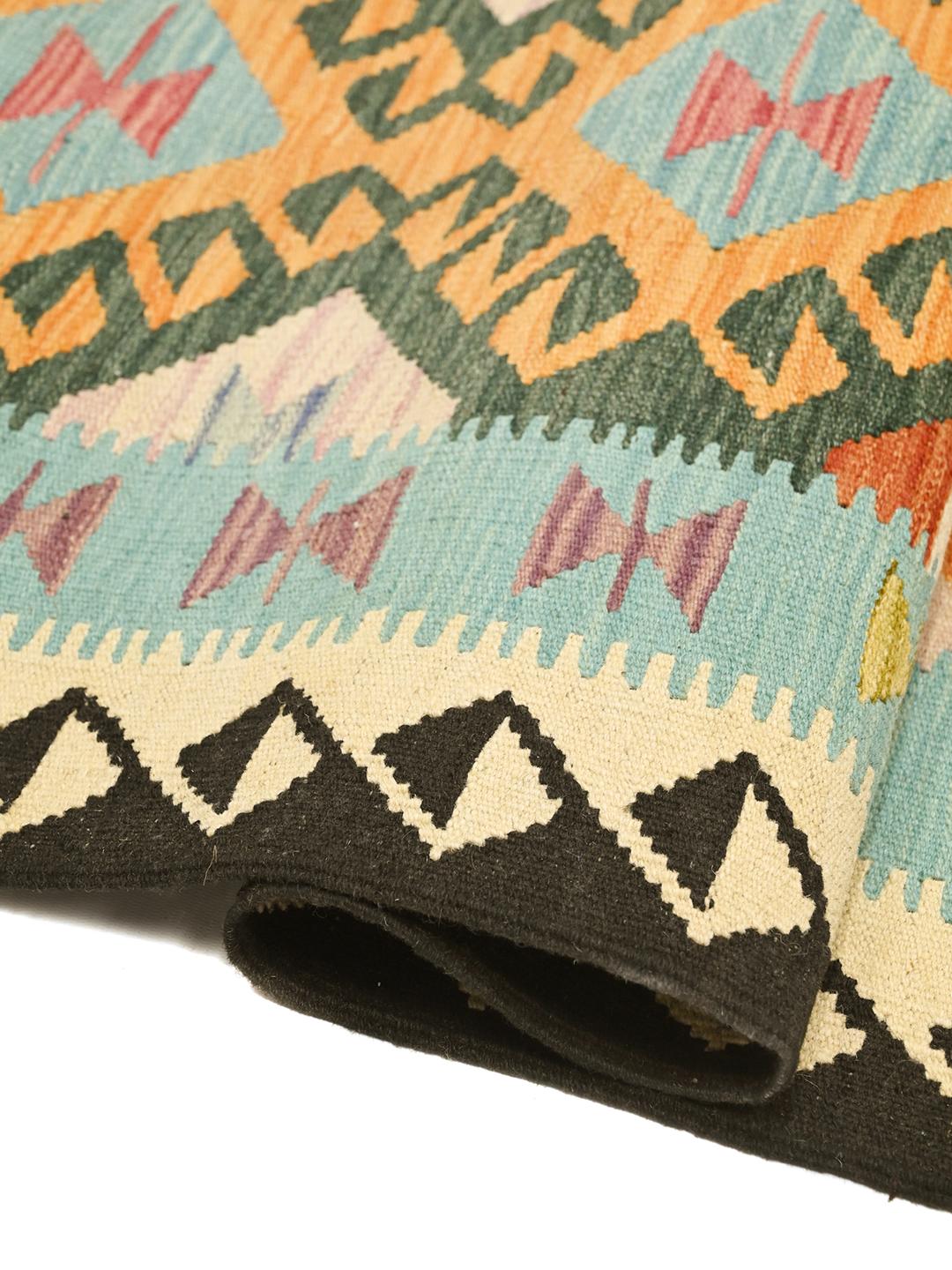
The term 'Kelim' refers to a flat-woven textile, meaning the rug is constructed without a pile. This technique relies on the interweaving of the warp and weft to create the pattern, which produces a thin, lightweight, and reversible rug of exceptional strength. For the owner, this means a versatile piece that is easy to move and maintain, while also showcasing the raw, structural beauty of the Wool used in its creation. This technique is a hallmark of regional craftsmanship, prioritising durability and functionality.
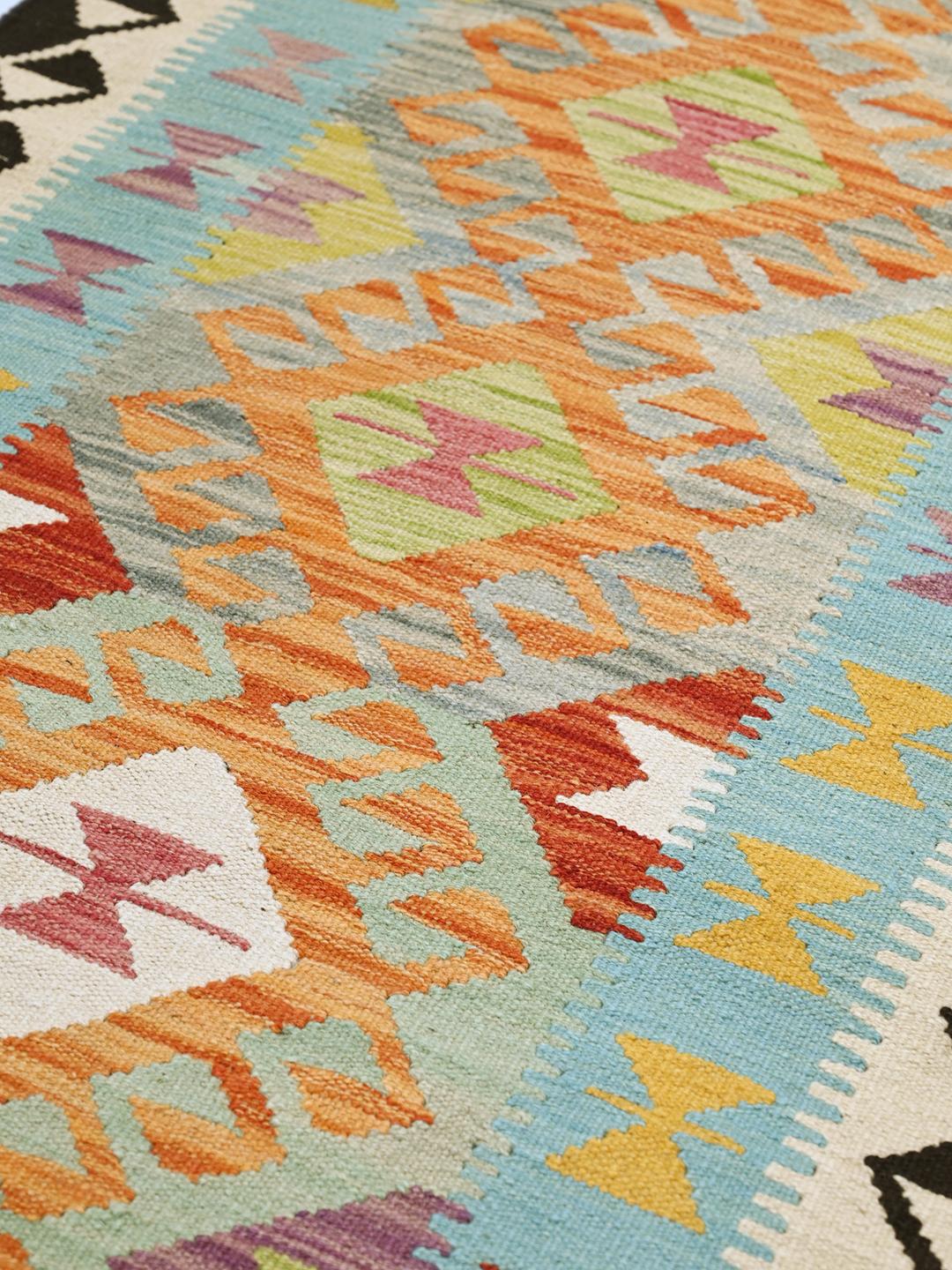
Signature design elements of these rugs often include bold geometric motifs such as diamonds, triangles, and stylized floral shapes. These patterns are typically arranged in repetitive sequences that create a rhythmic, hypnotic effect. The use of vibrant, earthy tones is traditional, often achieved through natural dyes that give the rug a depth and character that synthetic alternatives simply cannot replicate. This particular rug honours these traditions by balancing complex geometric layouts with a modern, elongated format.
Owning an Afghan Kelim is more than just a decorative choice; it is an act of preserving a heritage of skill and artistic expression. These rugs are highly valued by collectors for their authenticity and the human effort required to complete each piece. By bringing this rug into your home, you are connecting with a legacy of makers who have refined these patterns over centuries, ensuring that this cultural narrative continues to thrive in contemporary living spaces.