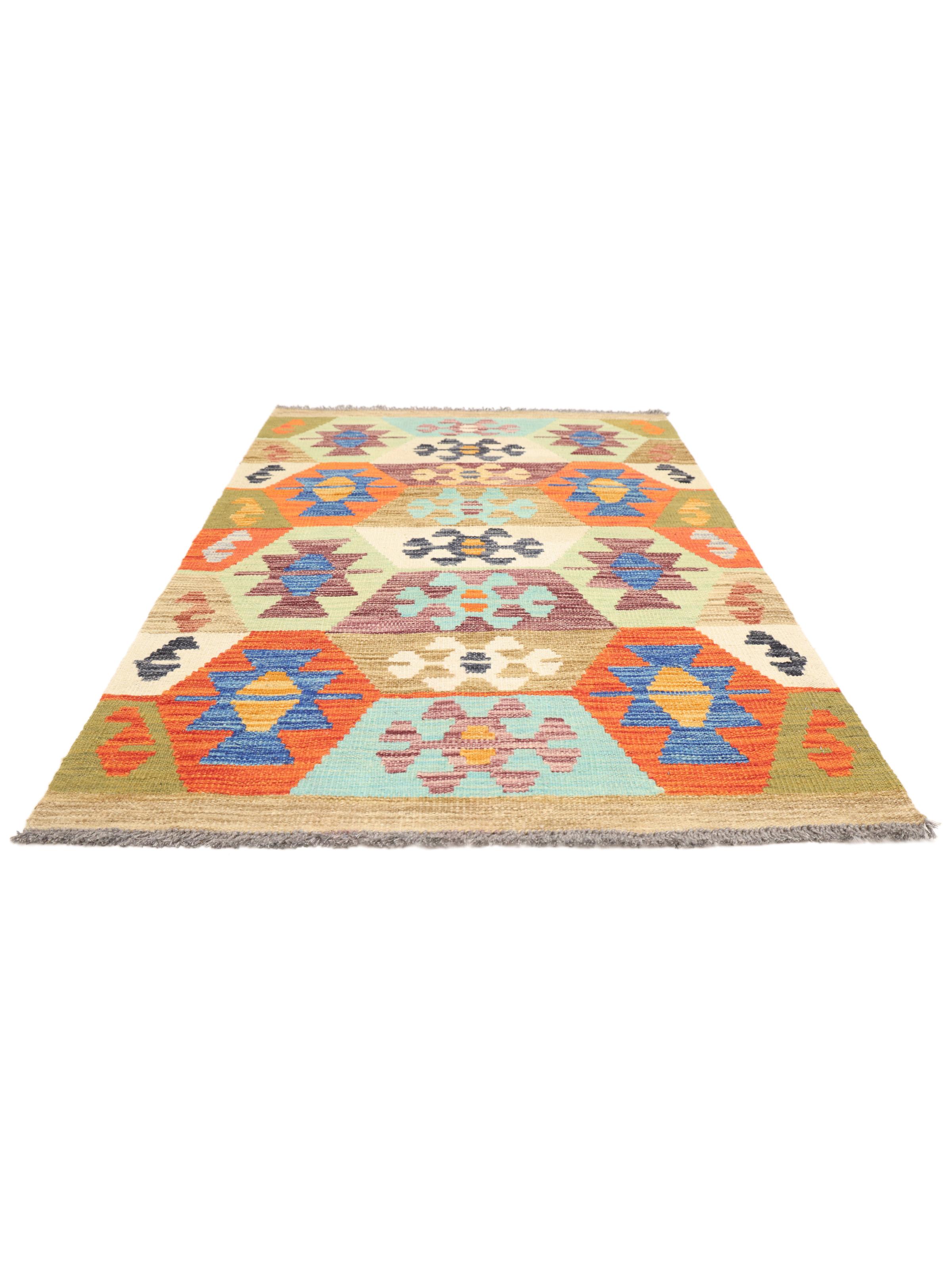
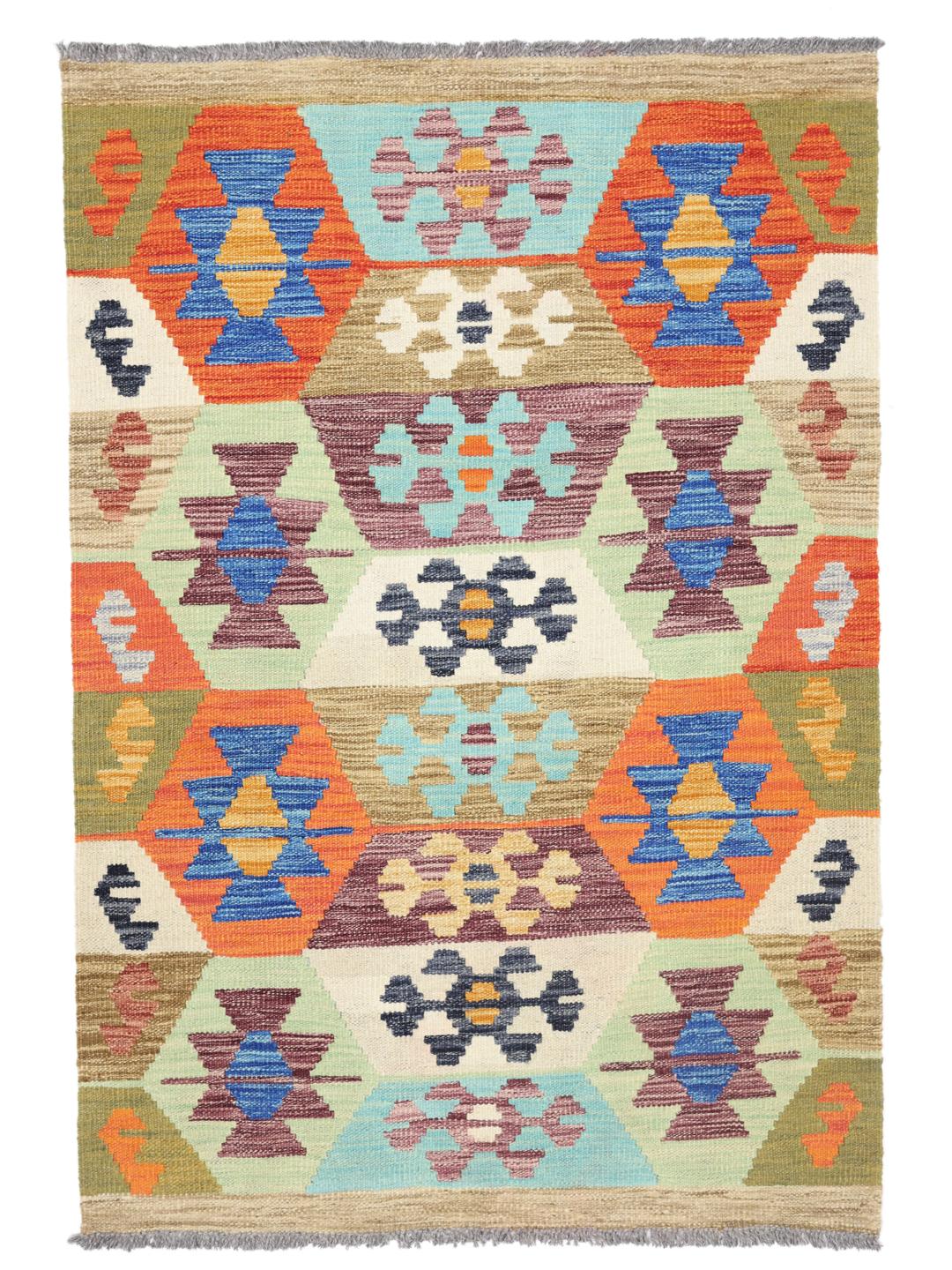
The Kelim tradition in Afghanistan is deeply rooted in the nomadic history of the region. These flat-woven rugs were historically created by tribal weavers for practical use in tents, serving as floor coverings, blankets, and storage bags. The knowledge of these patterns and weaving techniques has been passed down through generations, evolving from purely functional items into the celebrated art form we admire today.
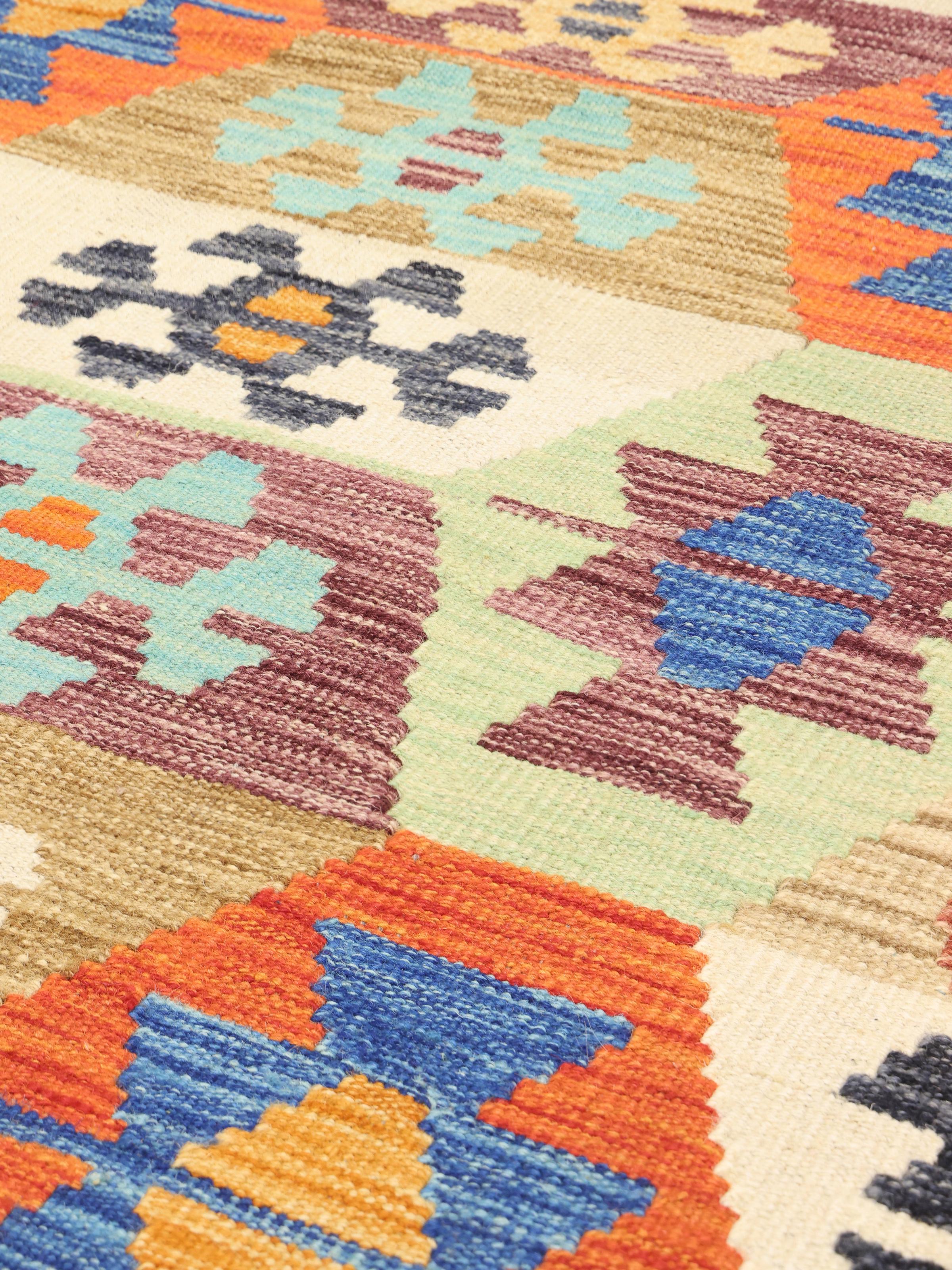
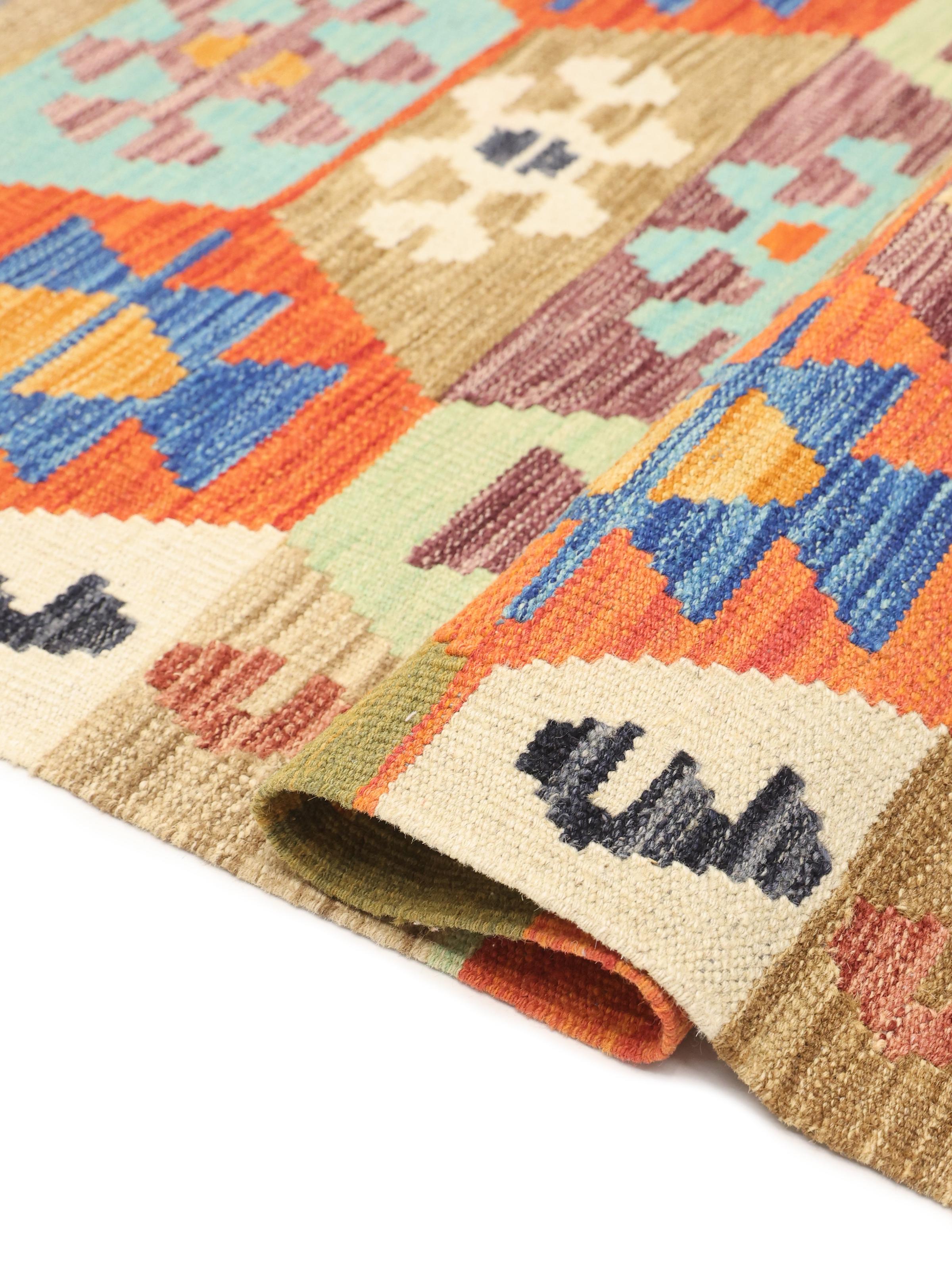
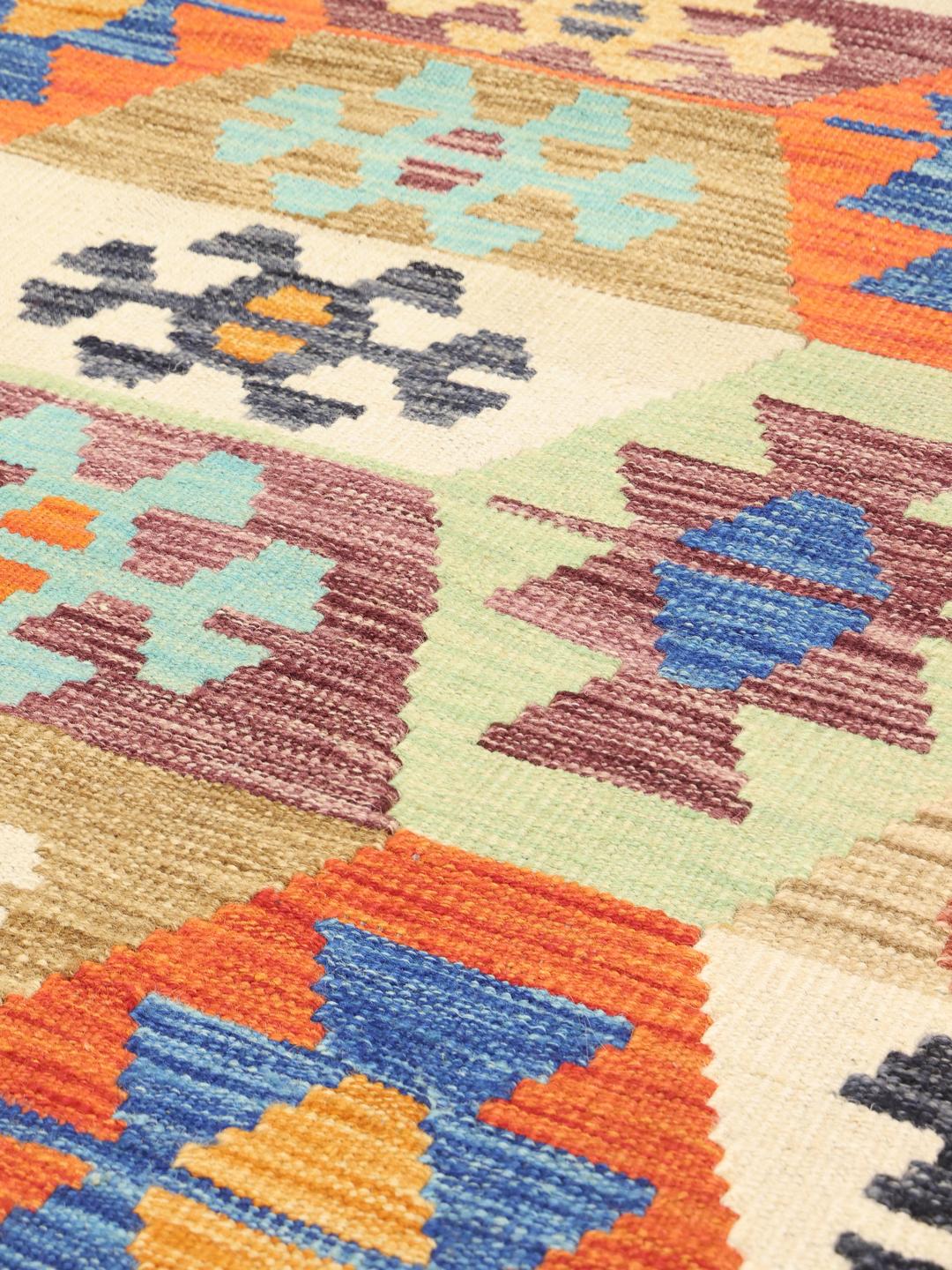
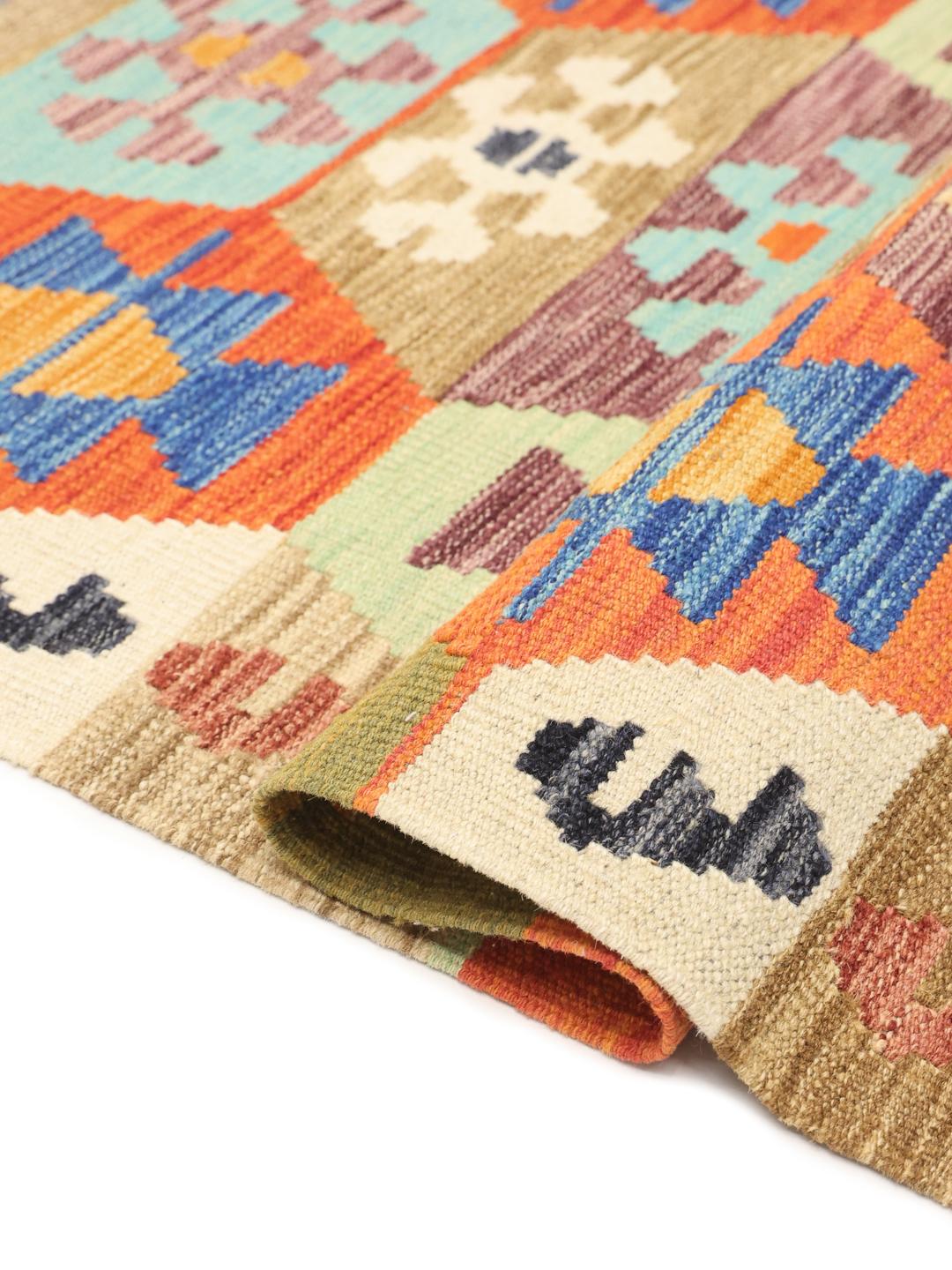
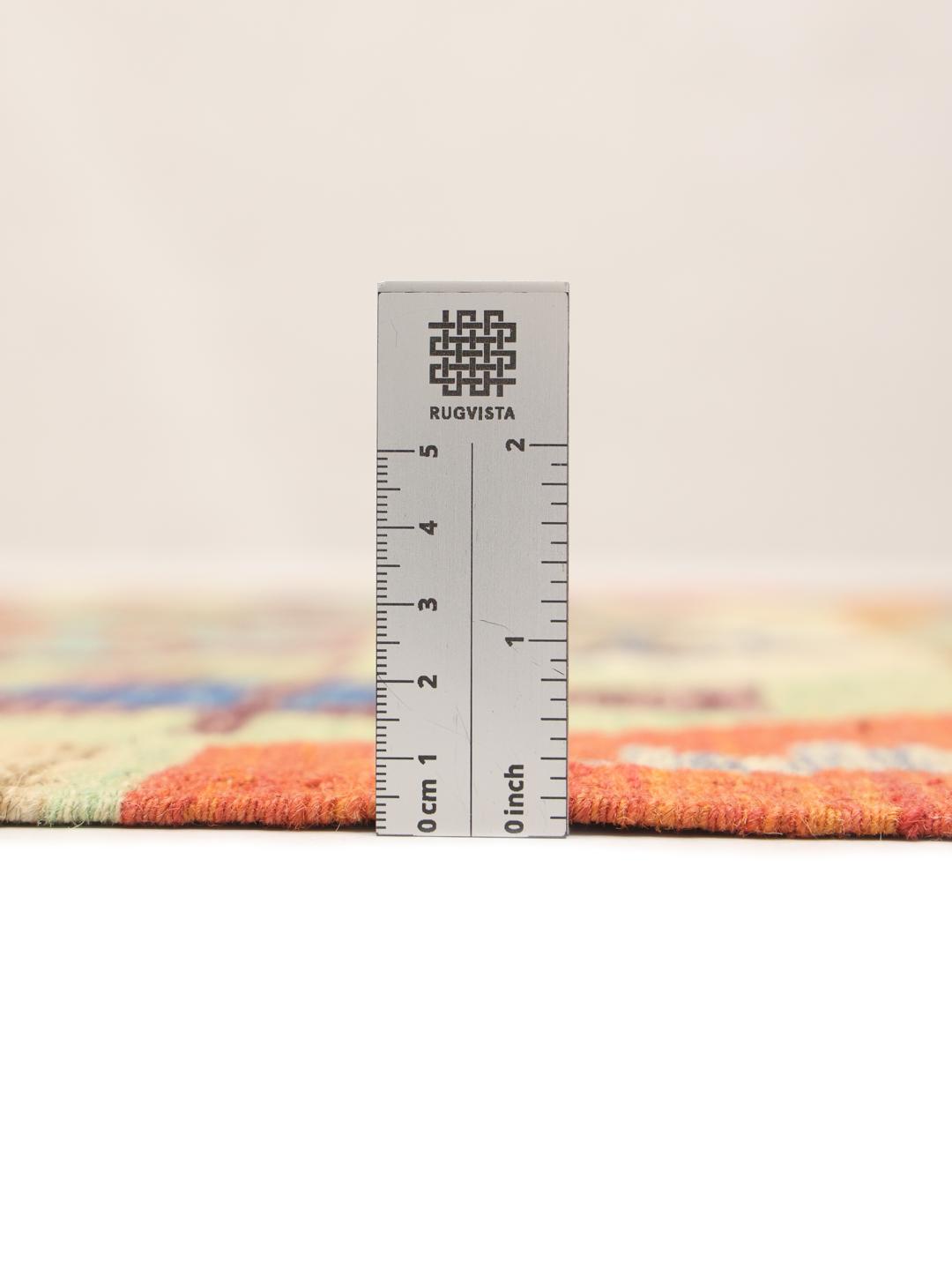
A Kelim is distinct from pile rugs because it is created by interweaving the coloured weft threads through the warp, resulting in a flat, reversible surface. This technique allows for the crisp, geometric designs that are the hallmark of the style. The absence of a pile means the rug is lightweight yet incredibly robust, a feature that was essential for nomadic life where portability was just as important as durability.
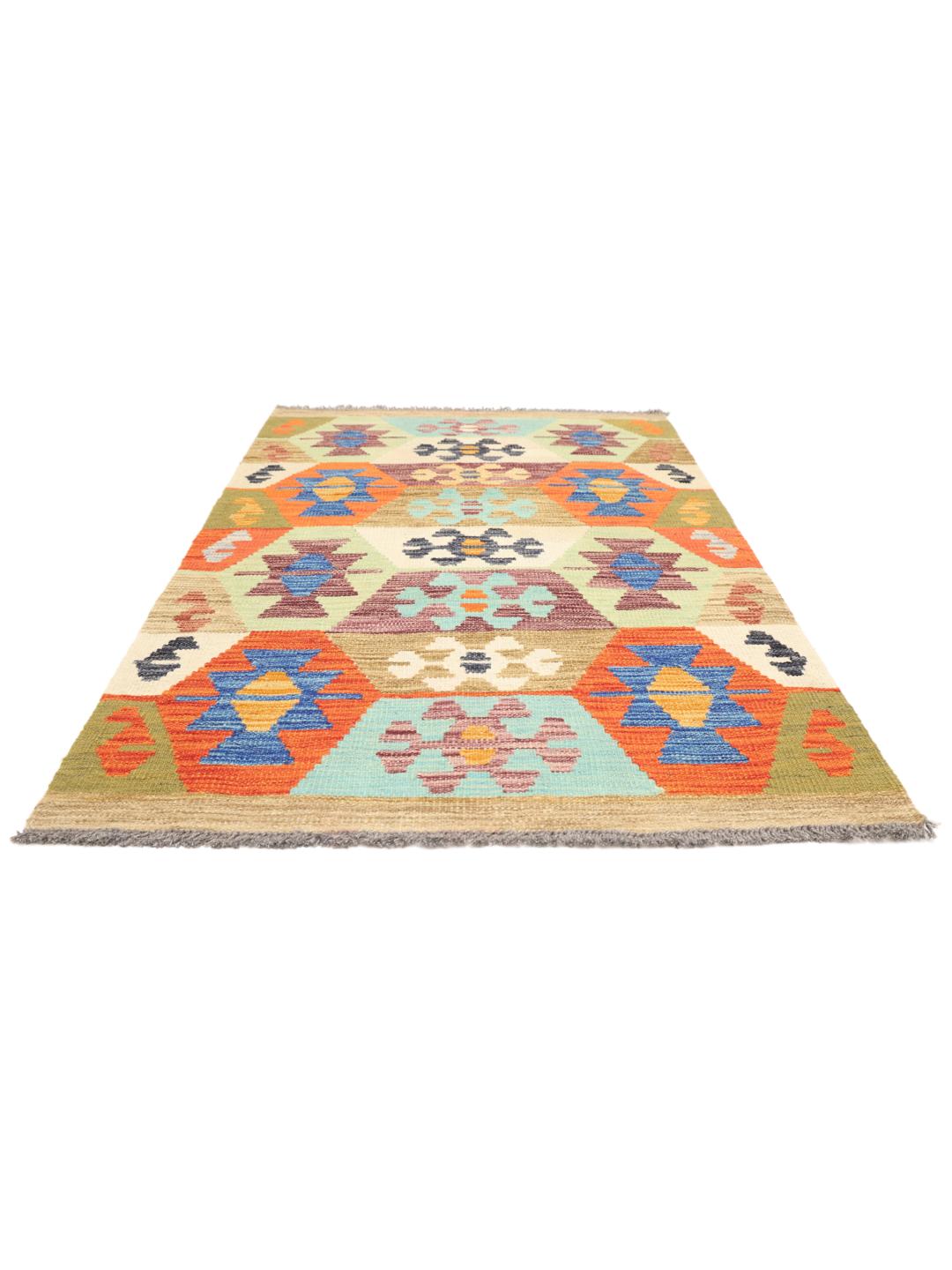
The design language of these rugs is characterised by bold, repeating geometric motifs. You will often see stylised representations of tribal symbols, which serve as a visual language of the weaver's heritage. The use of vibrant, natural-inspired colours is a signature of the Afghan tradition, creating a sense of energy and life that defines the aesthetic of the region.
Today, these rugs are highly valued by collectors for their cultural significance and the genuine human effort embedded in every piece. Owning a traditional Afghan Kelim is more than just a decorative choice; it is a way to support the preservation of ancient craft traditions that continue to thrive in modern homes, bridging the gap between the nomadic past and contemporary interior design.