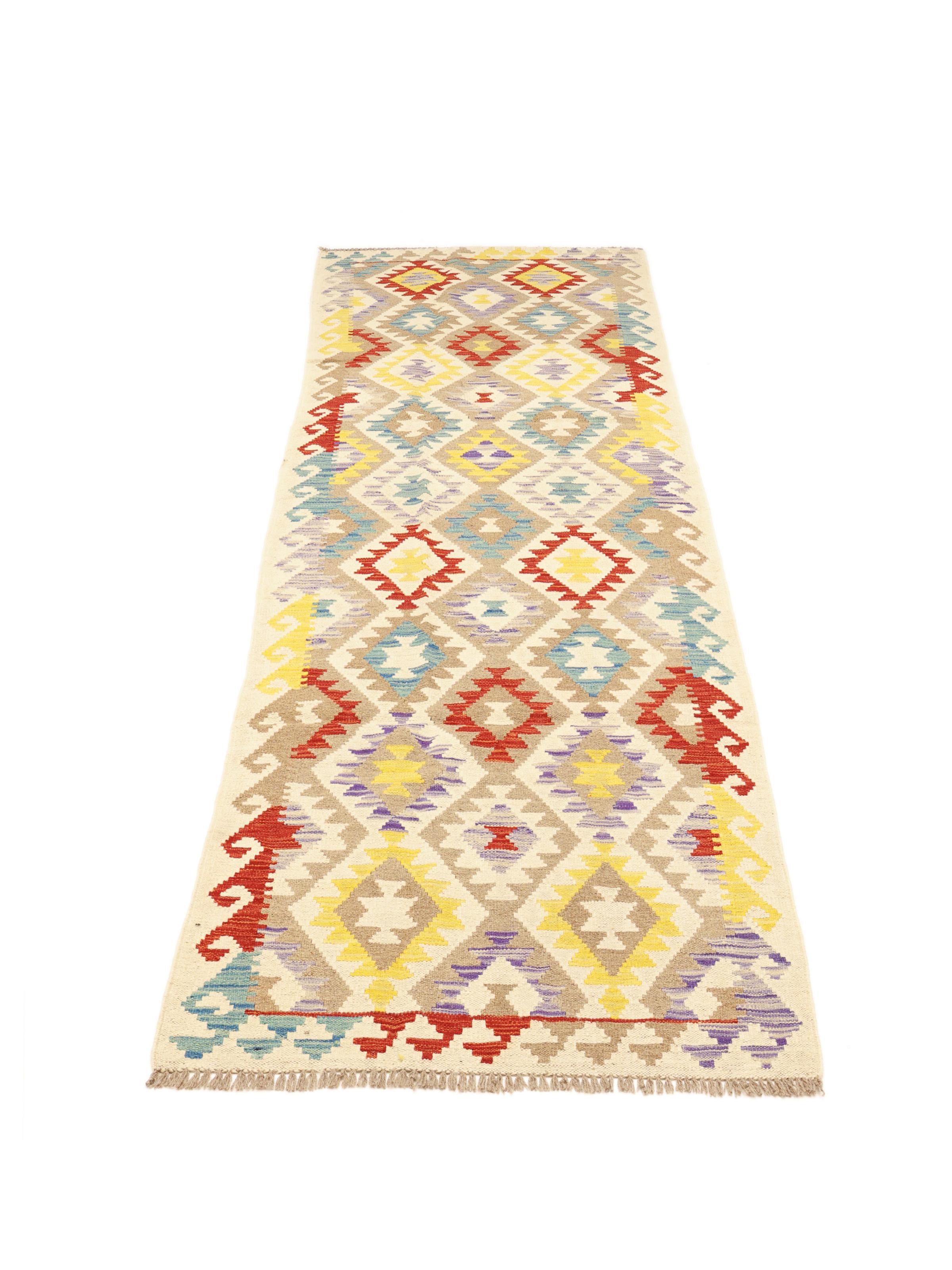
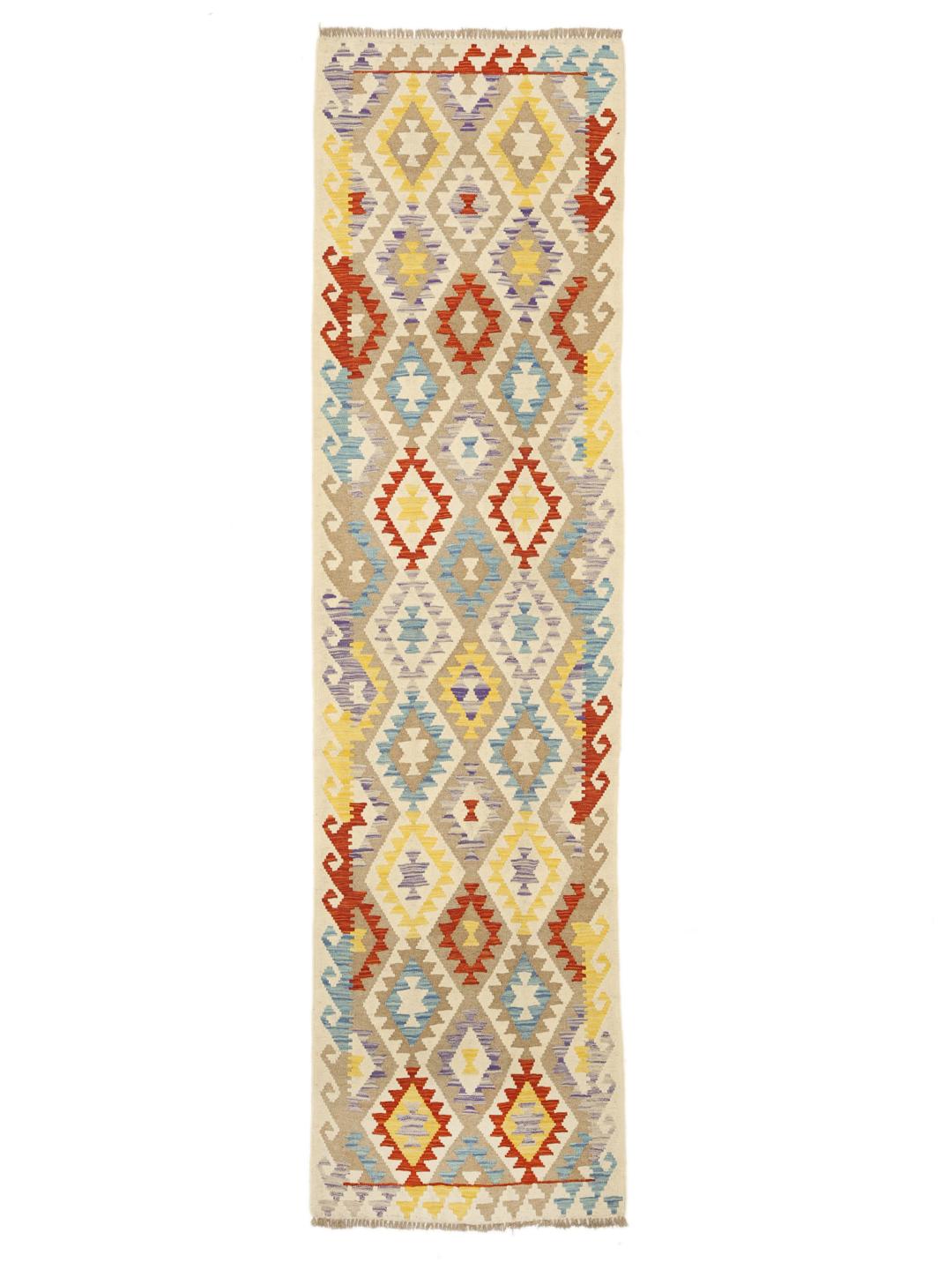
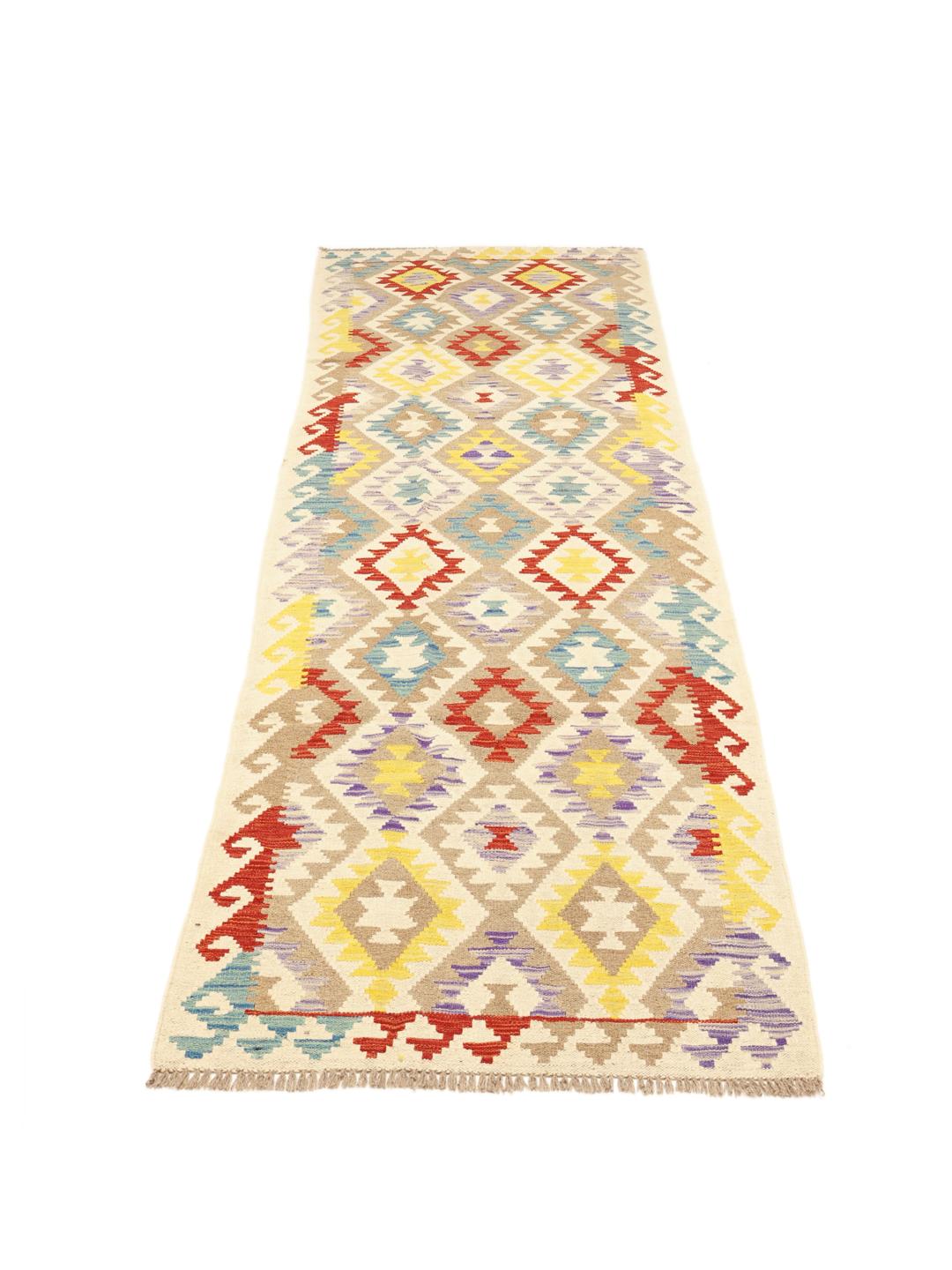
The tradition of Kelim weaving in the Middle East is deeply rooted in the nomadic history of the region. For generations, these flat-woven rugs have been created by tribal communities not just as floor coverings, but as essential, portable elements of daily life. The skills required to produce these rugs are passed down through families, preserving techniques that have remained largely unchanged for centuries.
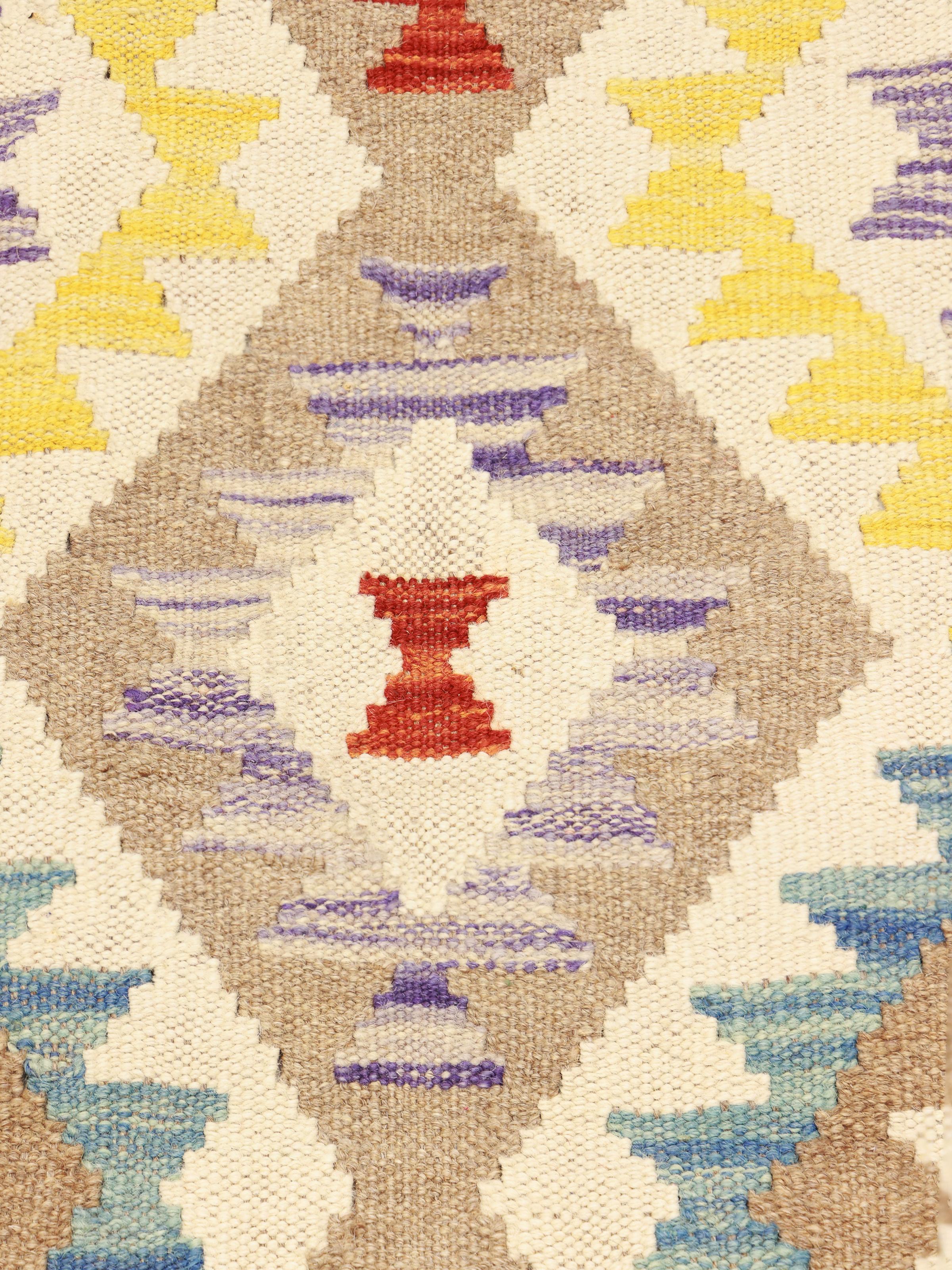
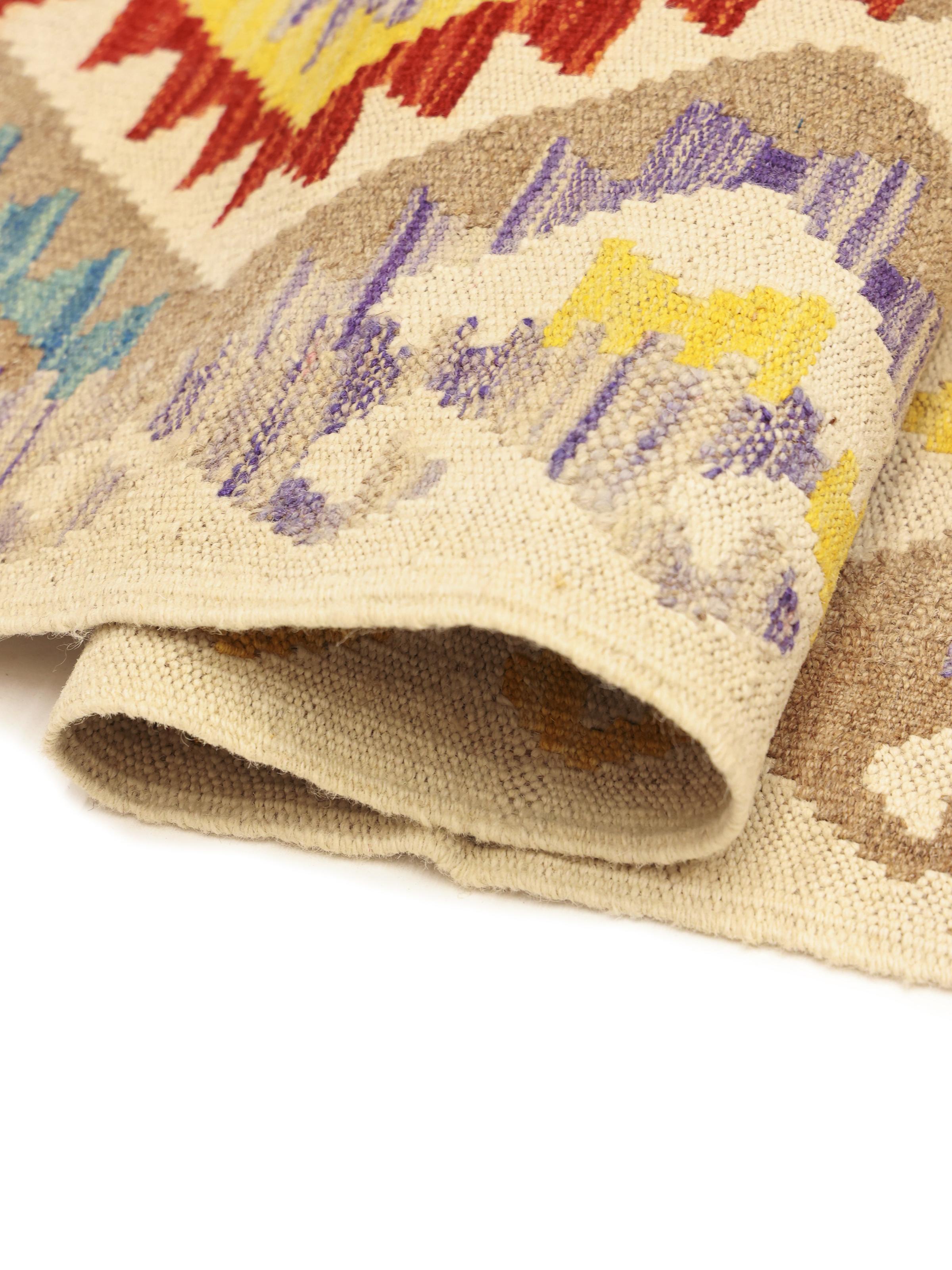
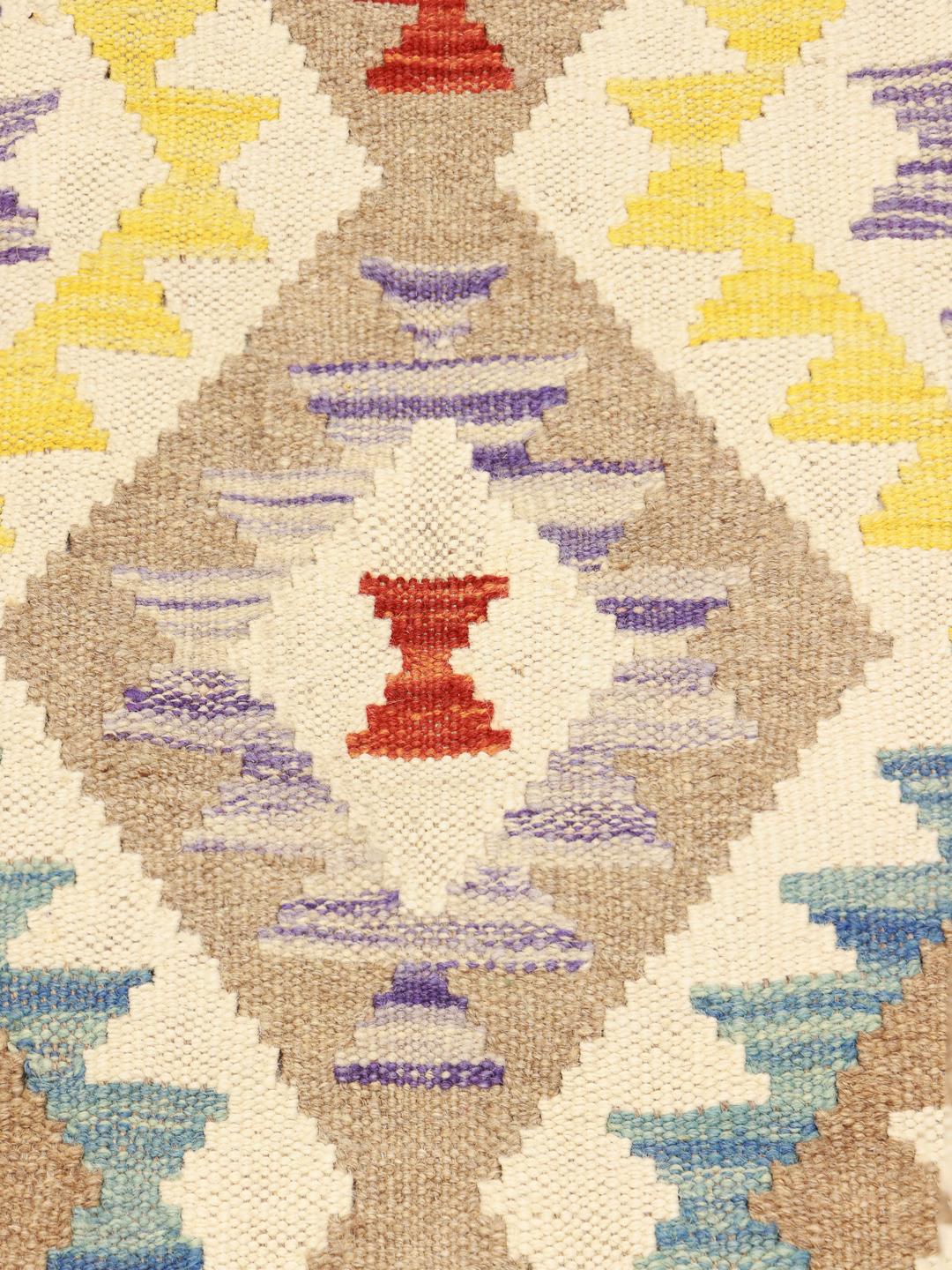
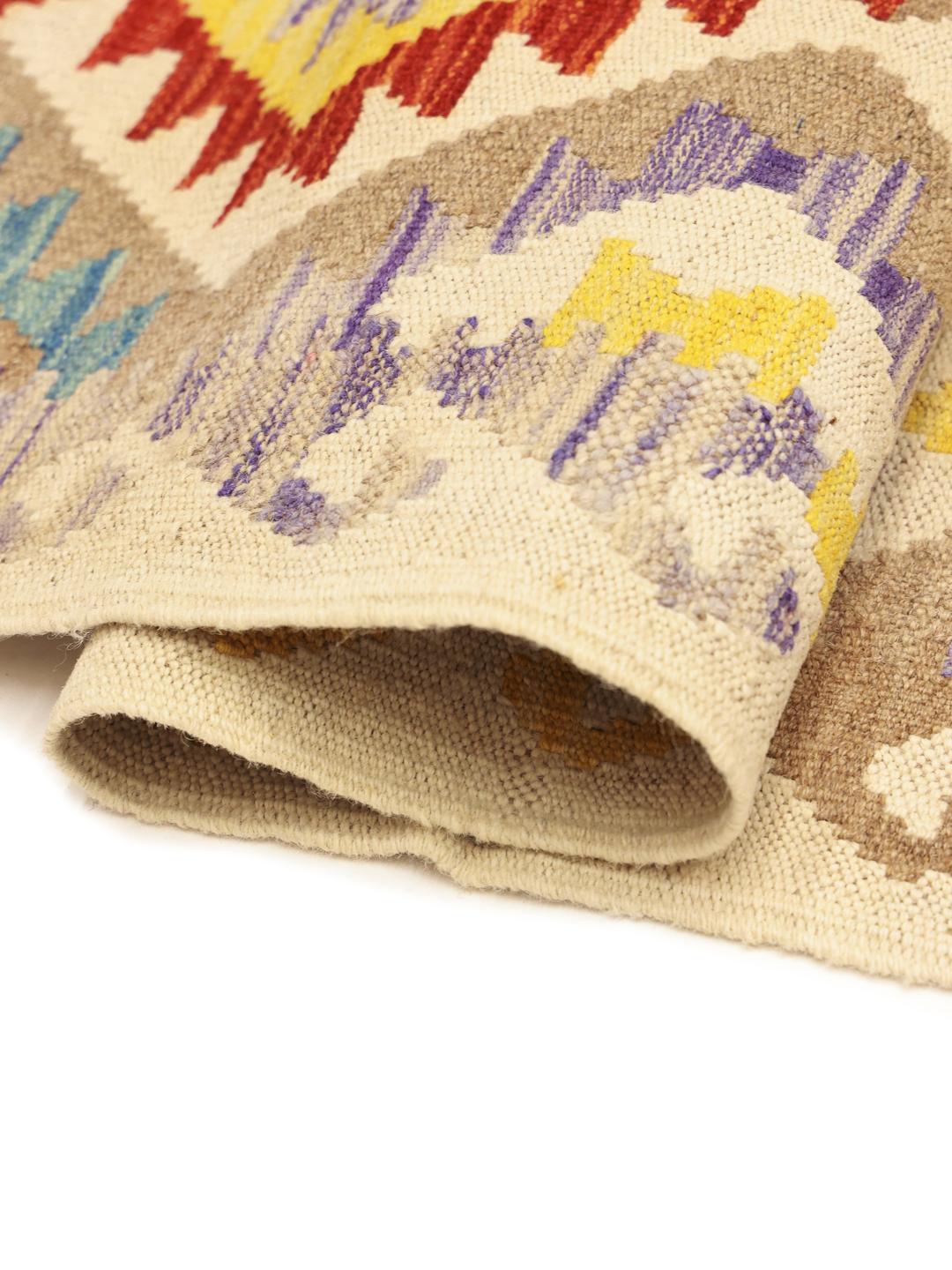
The term Kelim refers to the specific flat-weaving technique used, where the warp and weft threads are interlaced to create a smooth surface without a pile. This method allows for crisp, sharp geometric designs and a lightweight, reversible structure that is highly valued for its versatility. The absence of pile means that the design is integrated directly into the foundation, requiring a precise and steady hand to maintain the symmetry of the patterns.
The signature design elements often feature bold, geometric shapes like diamonds, triangles, and stepped motifs. These patterns are not merely decorative but often hold cultural symbolism, reflecting the landscape and environment of the weavers. The use of vibrant, contrasting colours is a hallmark of the Afghan style, designed to bring warmth and light into the interior of a tent or home.
Today, these rugs are celebrated by collectors for their authenticity and the human story behind every thread. Owning an Afghan Kelim is a way to connect with a rich cultural heritage, where each piece serves as a record of the weaver's artistic expression. Their enduring popularity is a testament to their ability to bridge the gap between ancient tradition and modern interior design.