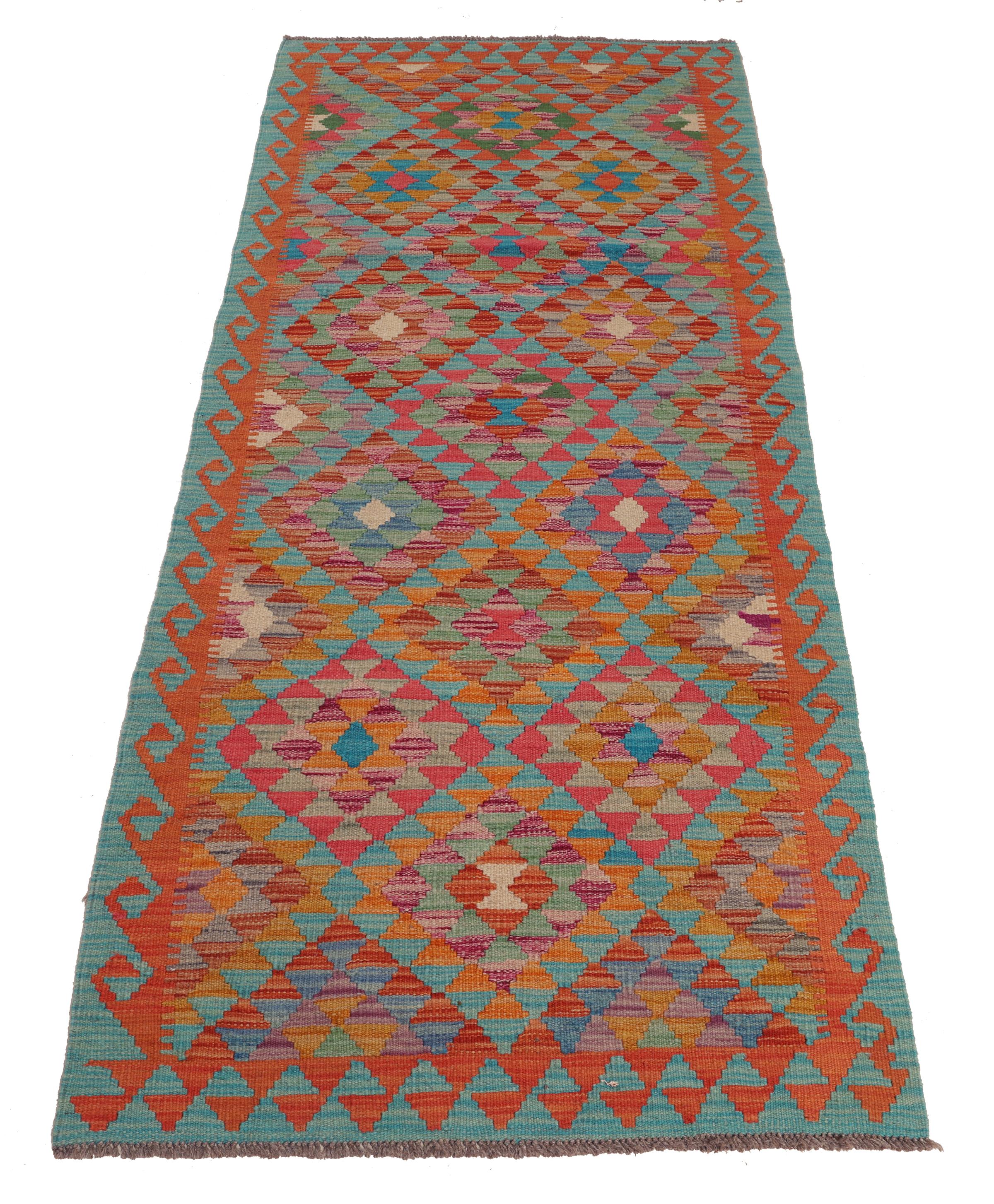
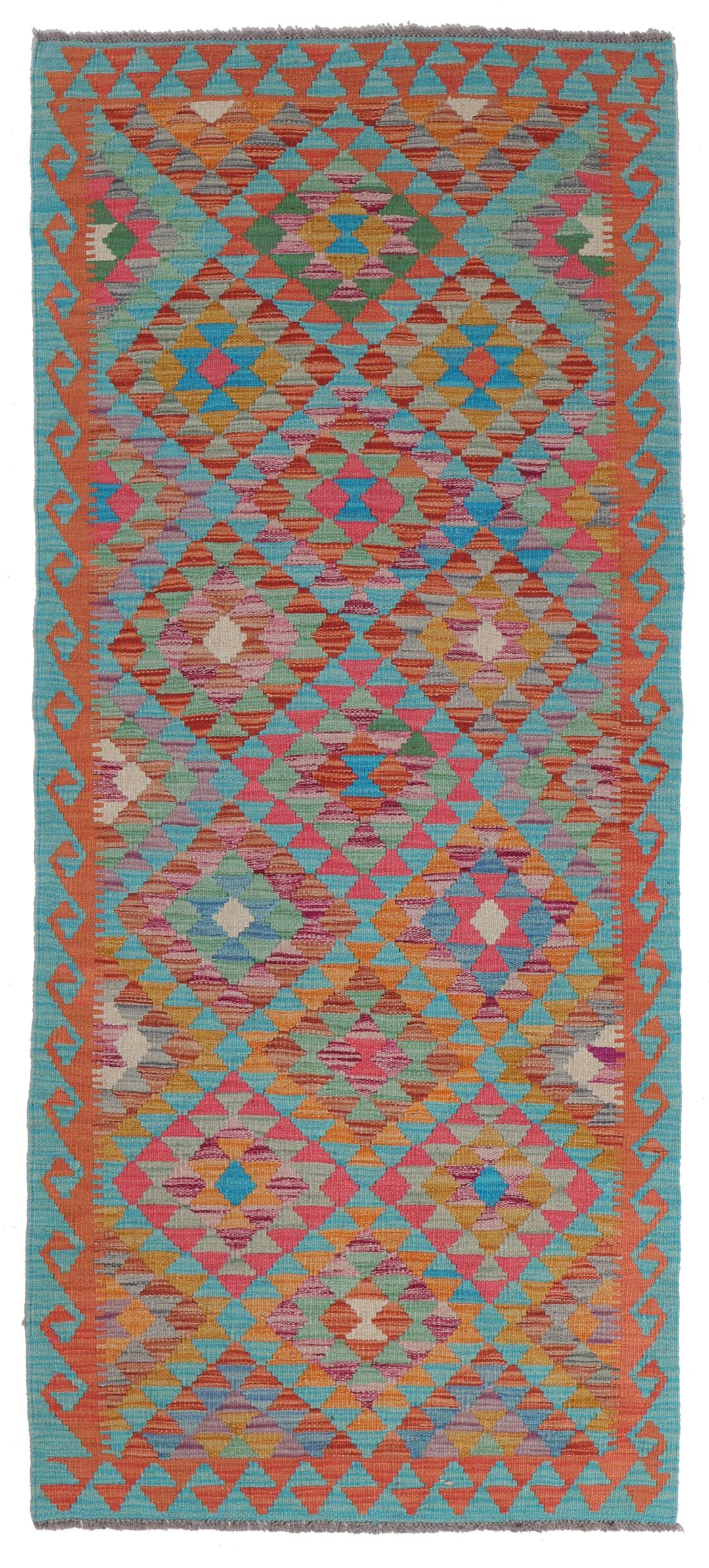
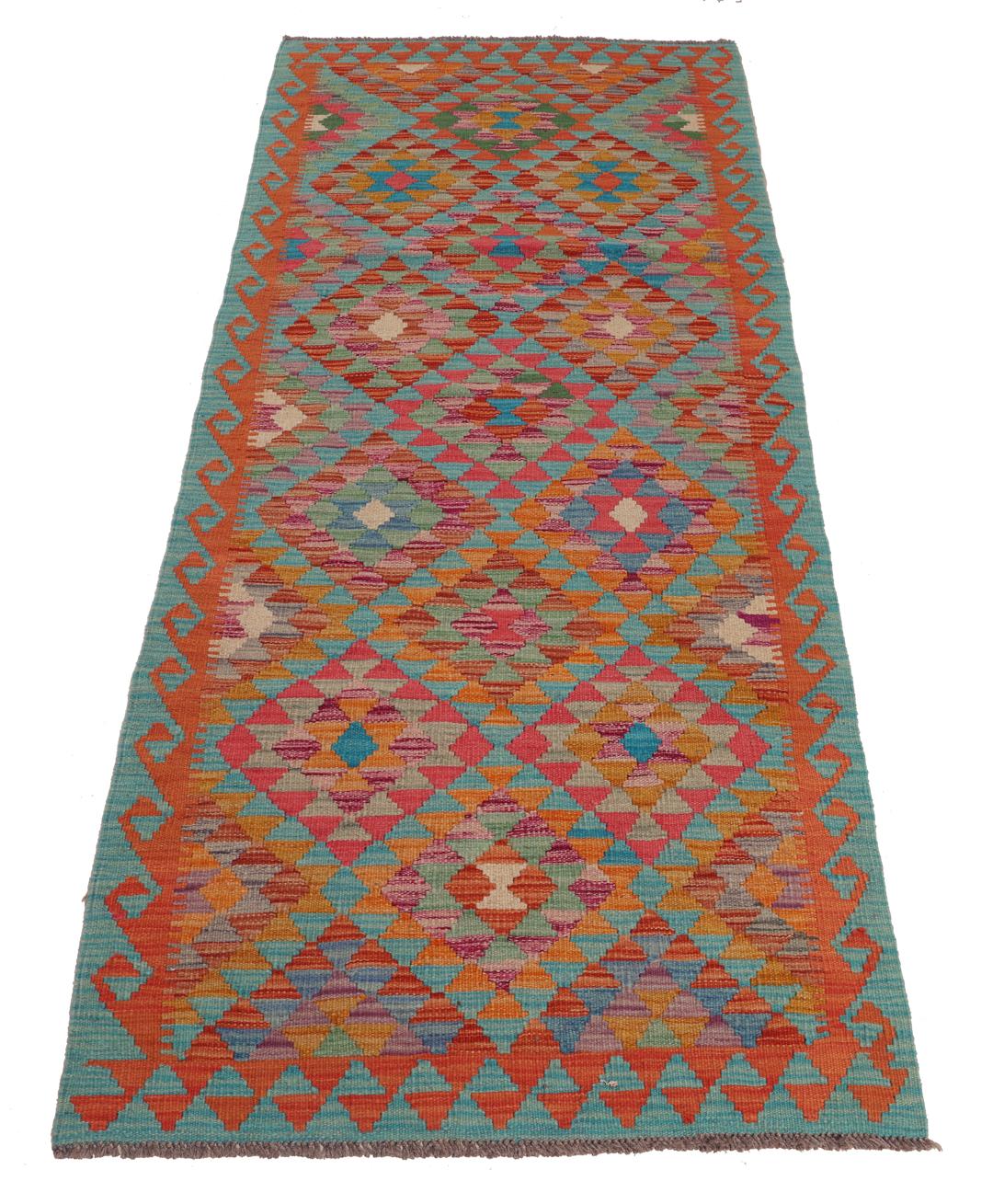
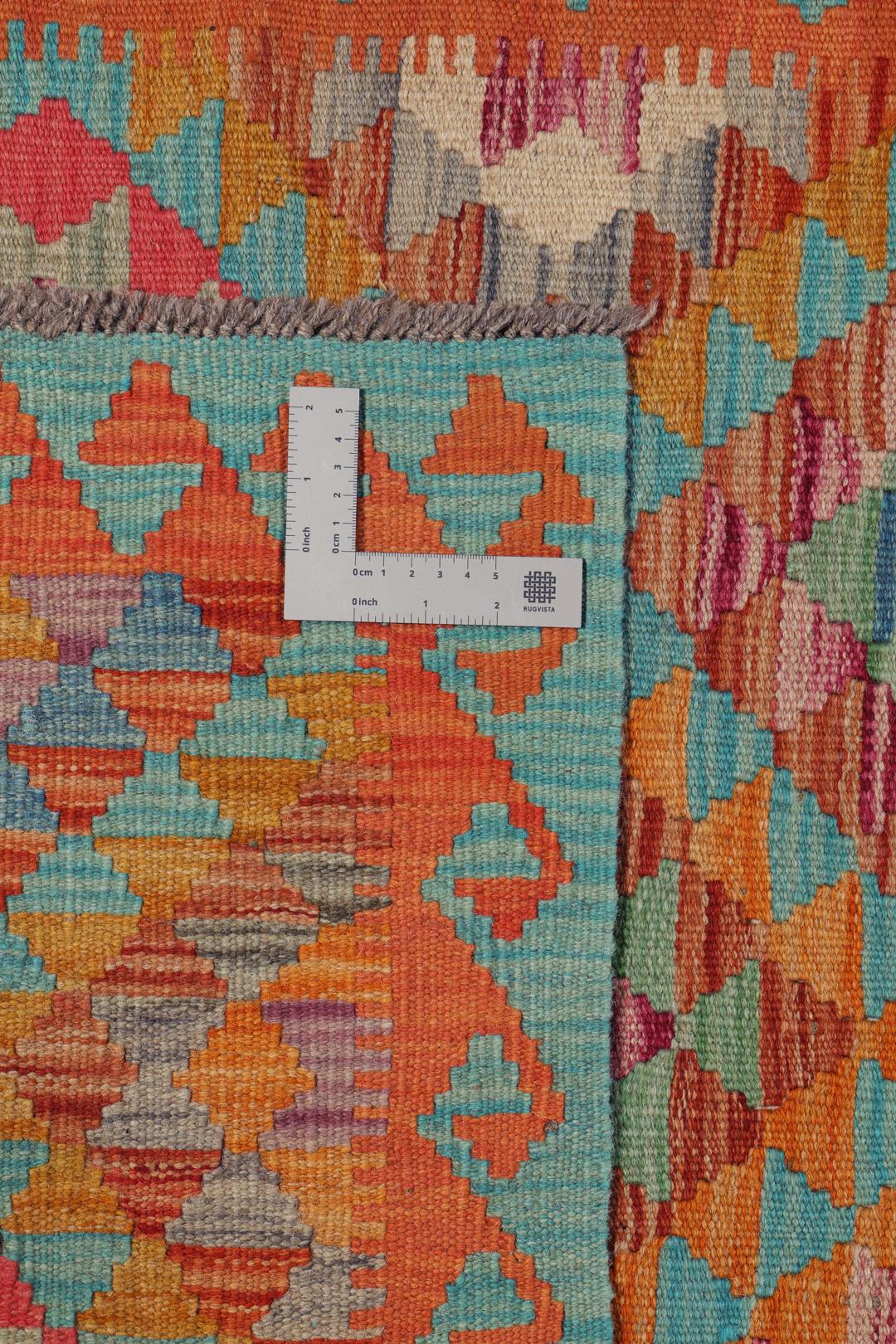
Kelim rugs have a long and storied history across the Middle East, particularly within nomadic and semi-nomadic cultures. These flat-woven textiles were originally created for practical use in tents, serving as floor coverings, blankets, or saddlebags, which necessitated a construction that was both lightweight and exceptionally durable.
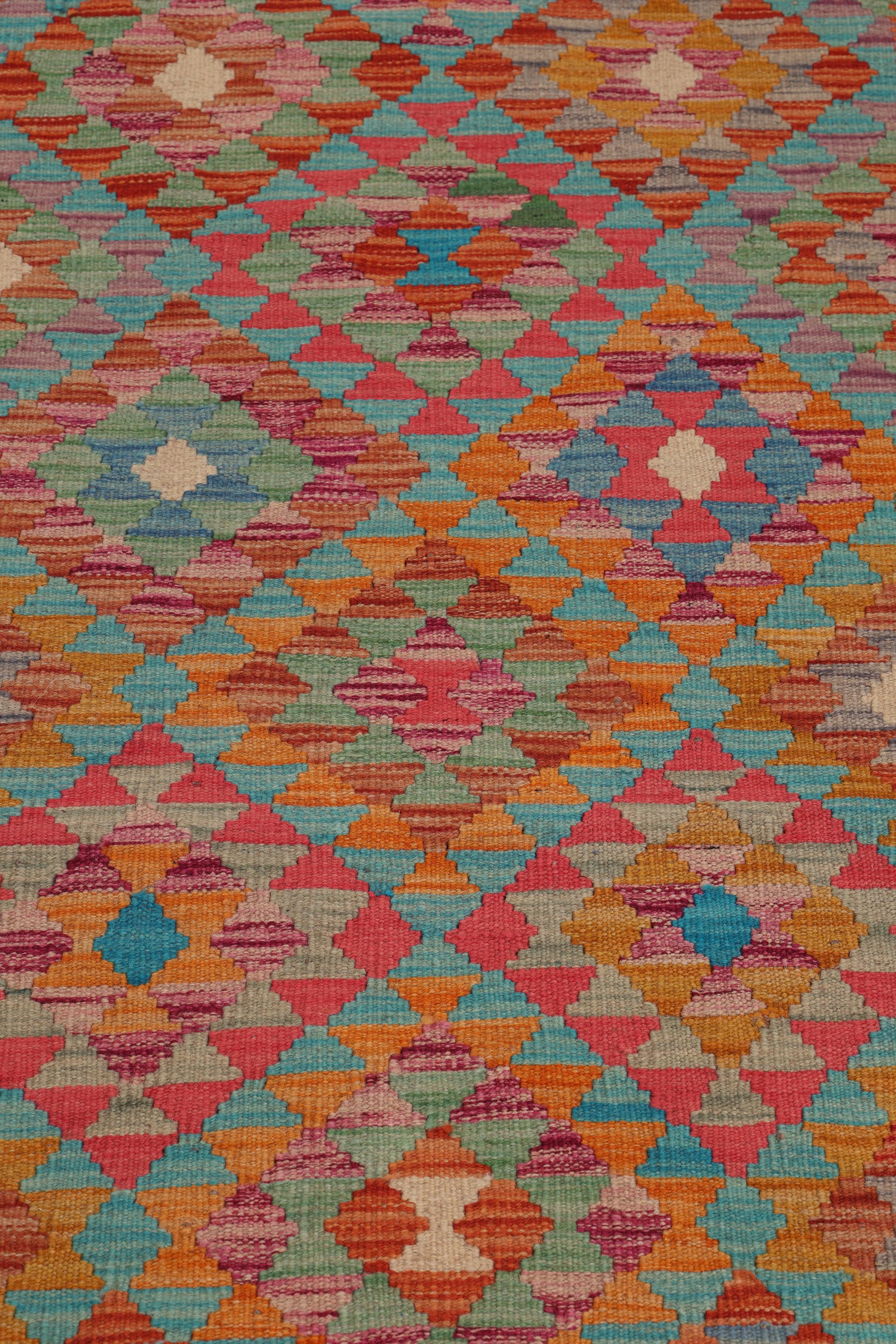
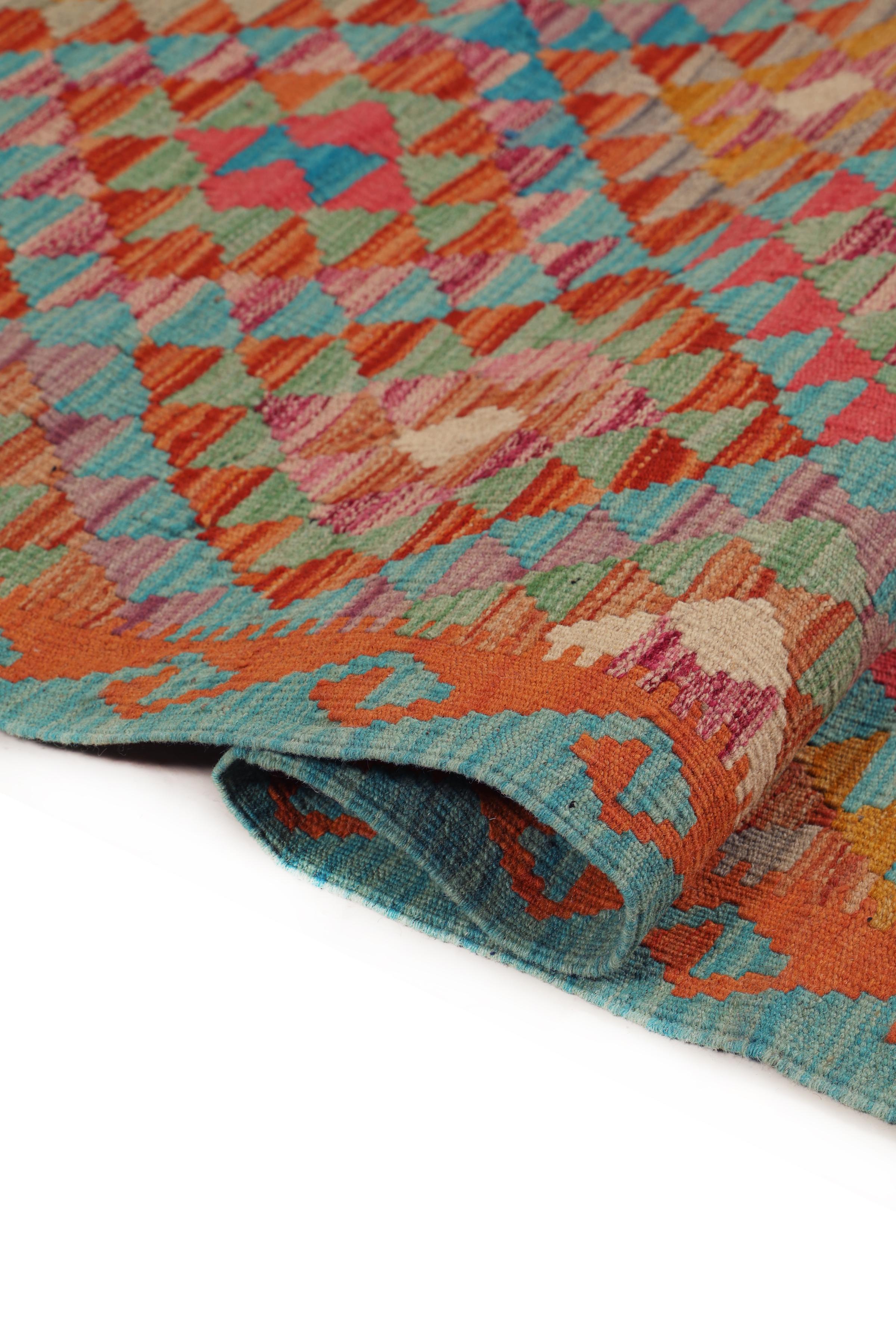
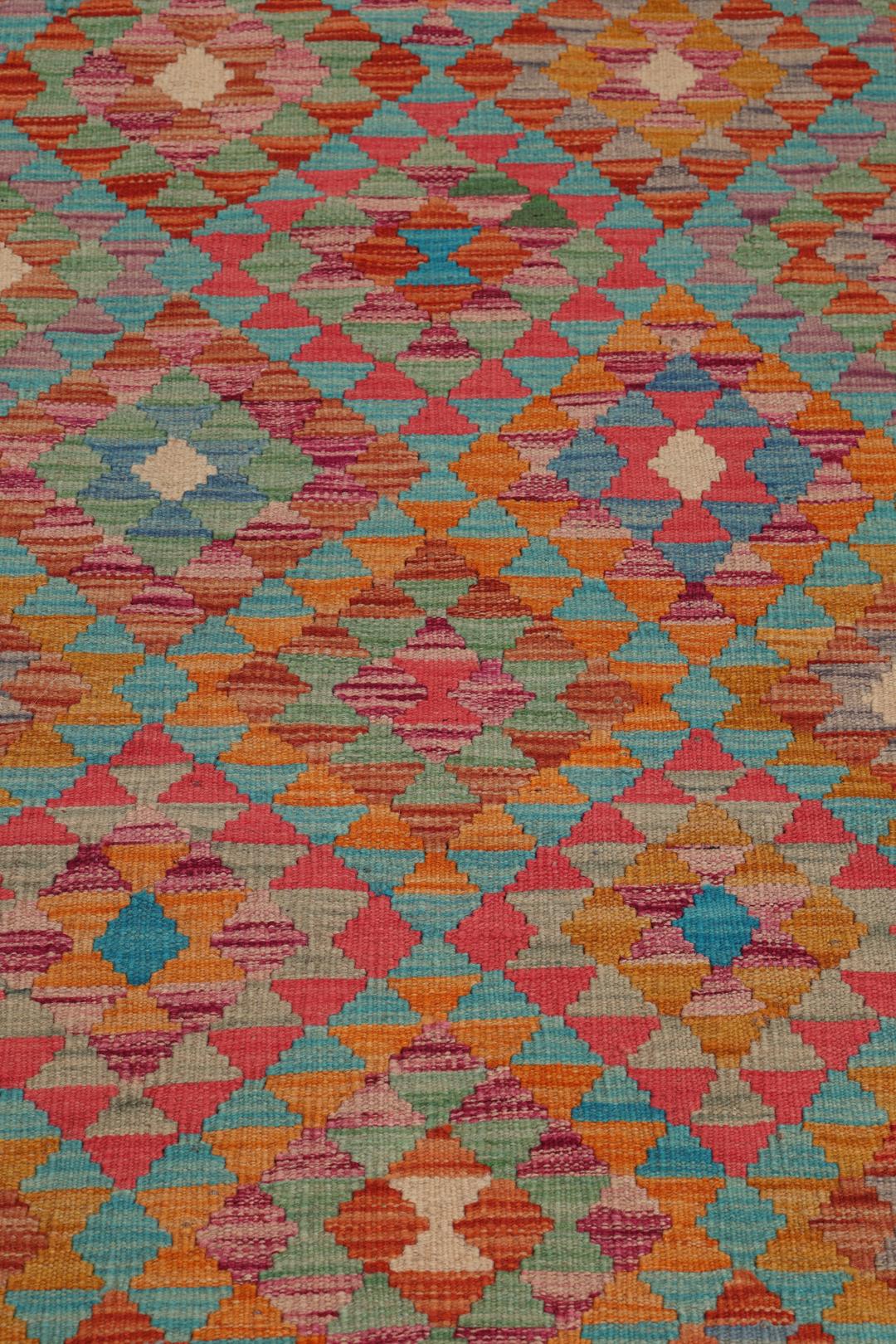
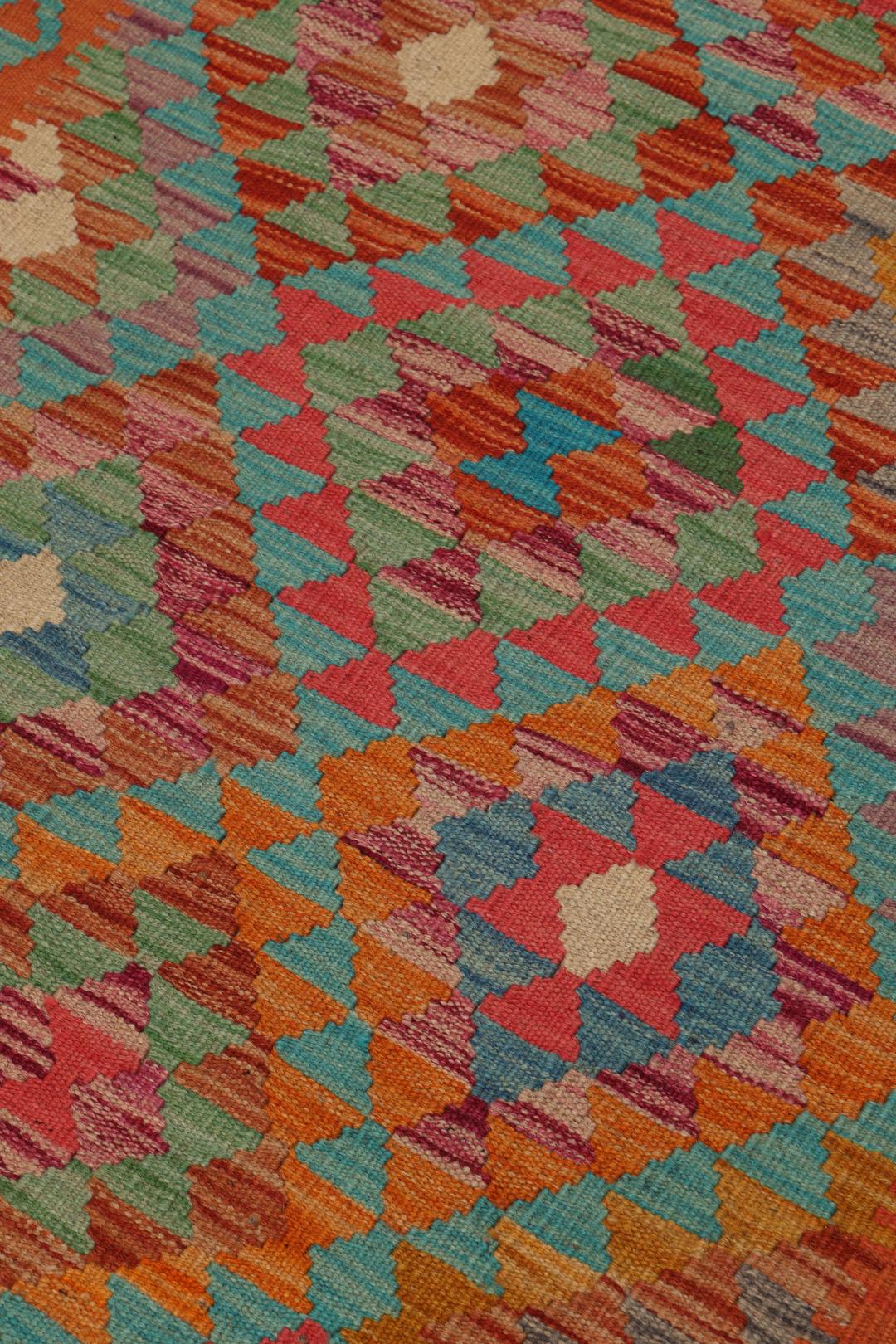
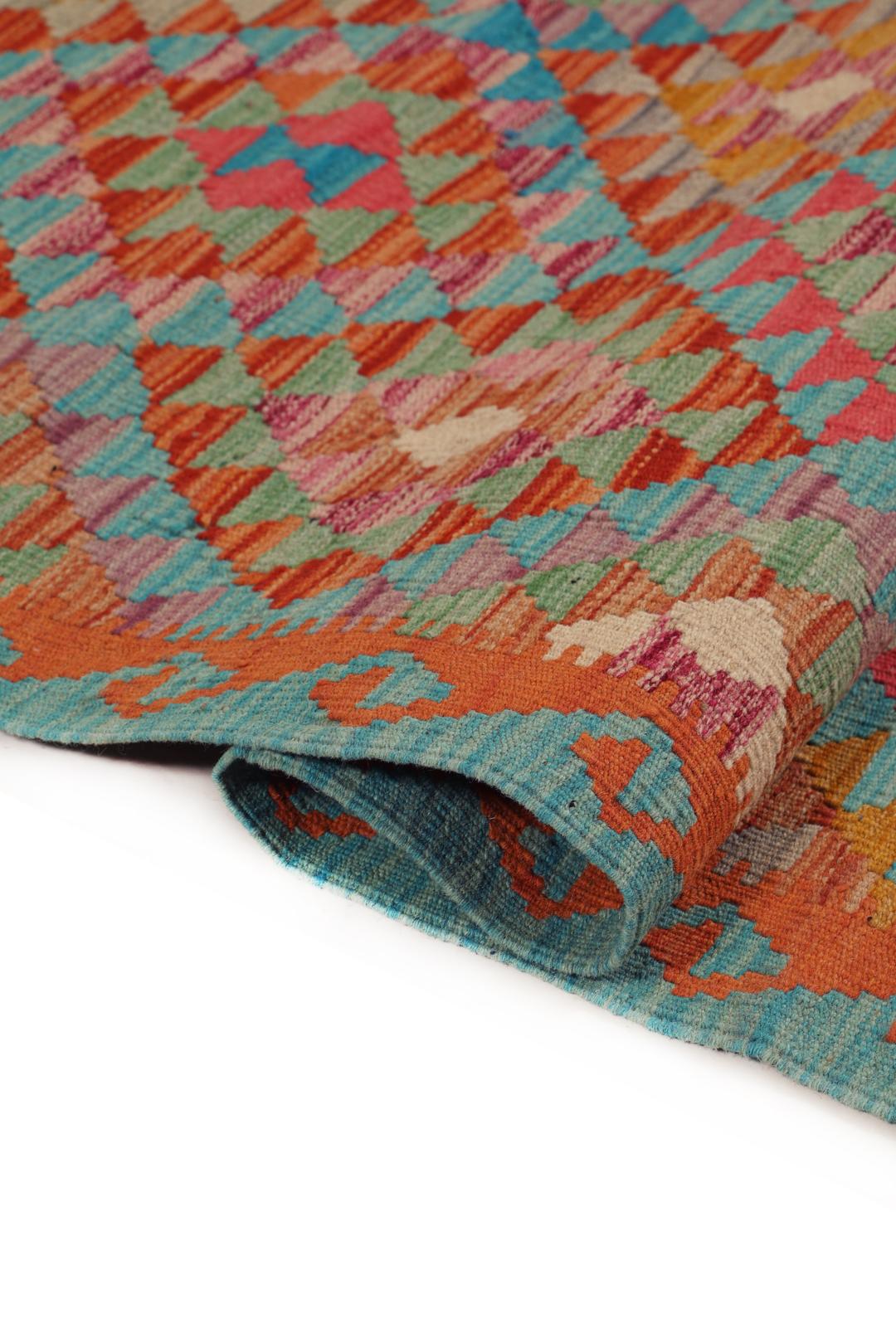
The term 'Kelim' refers to the specific slit-weave technique used to create the pattern, where the weft threads are passed back and forth through the warp threads. This method results in a reversible rug with no pile, a style that has been refined over centuries to produce clean, sharp edges and intricate, geometric designs.
Signature design elements for these Afghan pieces often include repeating diamonds and tribal motifs, frequently framed by decorative borders. The use of bold, saturated colours is a hallmark of the tradition, reflecting the local natural dyes that were historically used to bring these patterns to life.
Owning a piece from this tradition is a way of connecting with a rich cultural heritage that values patience and skill. These rugs are highly sought after by collectors and interior enthusiasts alike, as they represent a bridge between ancient craftsmanship and contemporary living, adding depth and narrative to any room.