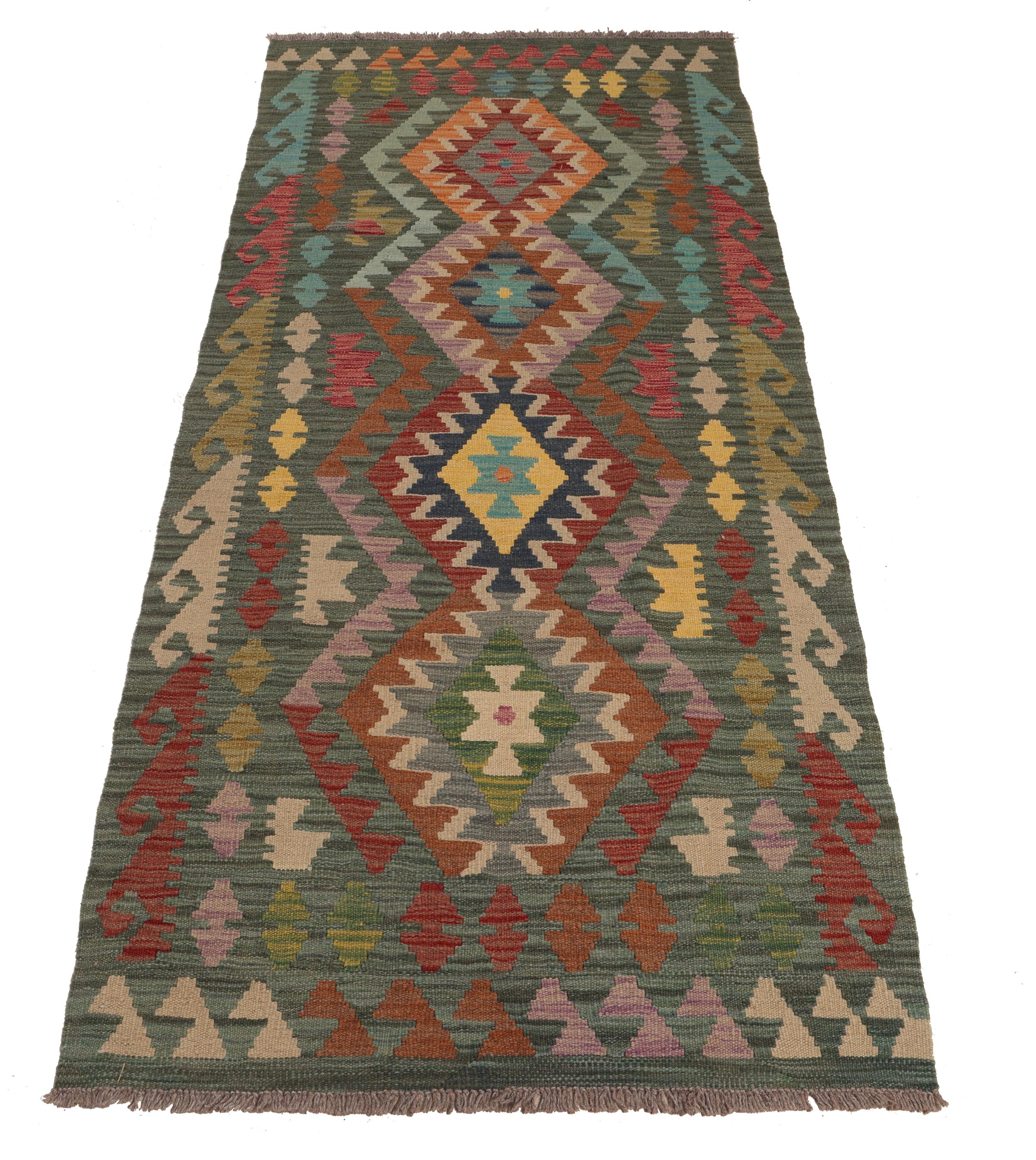
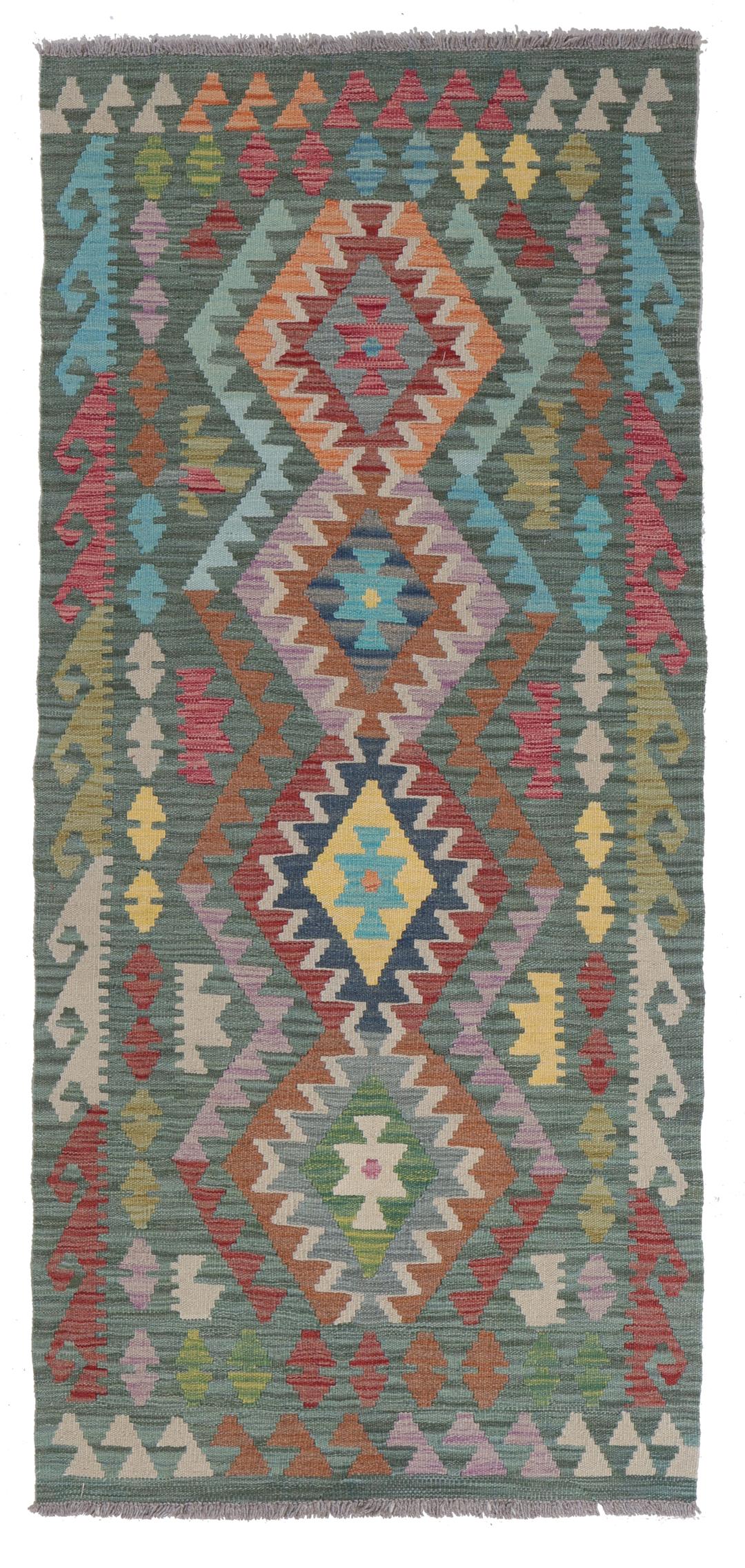
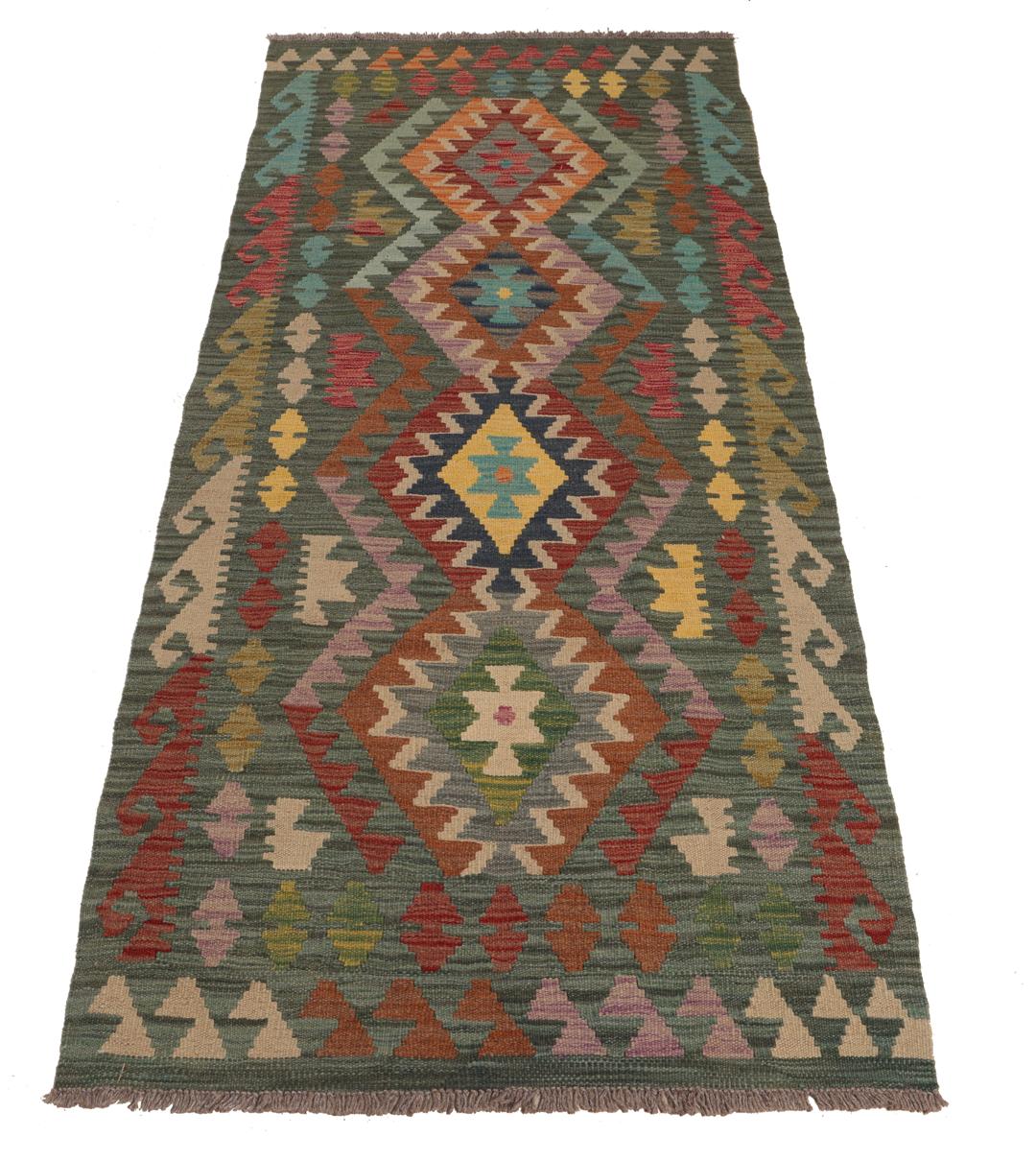
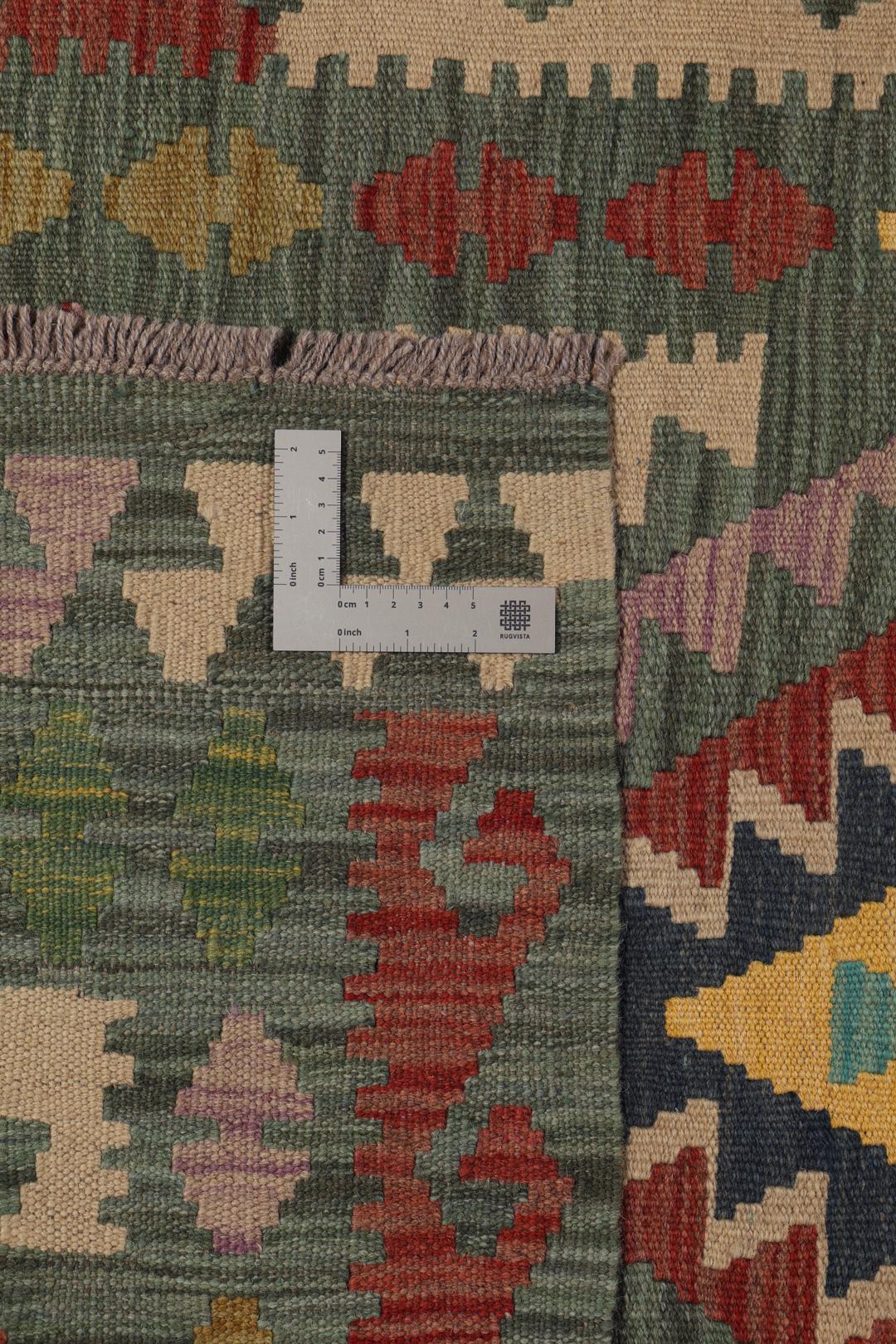
The Kelim tradition is one of the oldest and most respected forms of textile art in the Middle East and Central Asia. These rugs are traditionally flat-woven, meaning they lack the knotted pile found in many other rug styles, which gives them a distinct, versatile character that has been cherished by nomadic tribes for centuries. Afghan Kelims, in particular, are celebrated for their bold use of colour and their ability to blend ancient tribal aesthetics with a functional design that suits modern living.
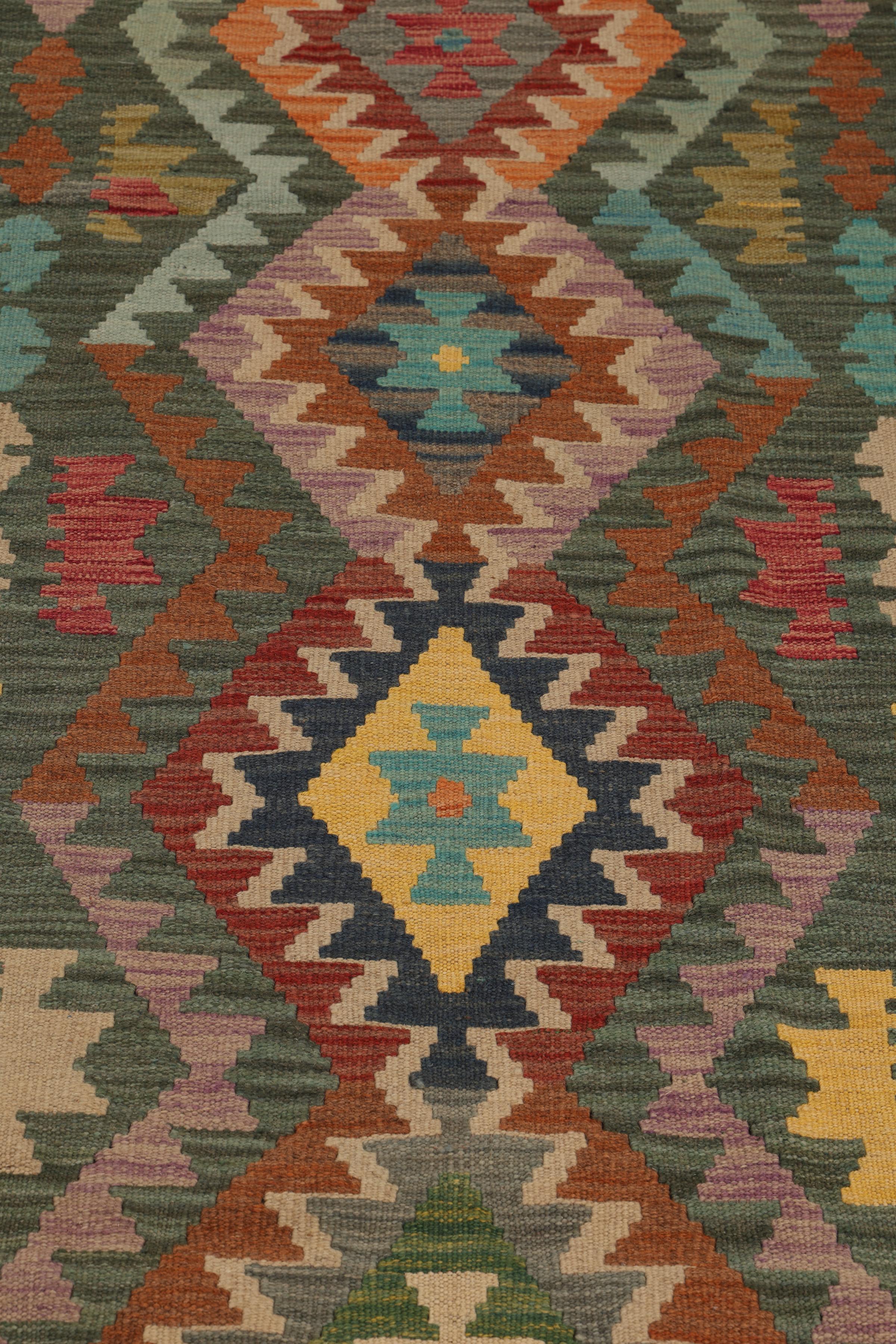
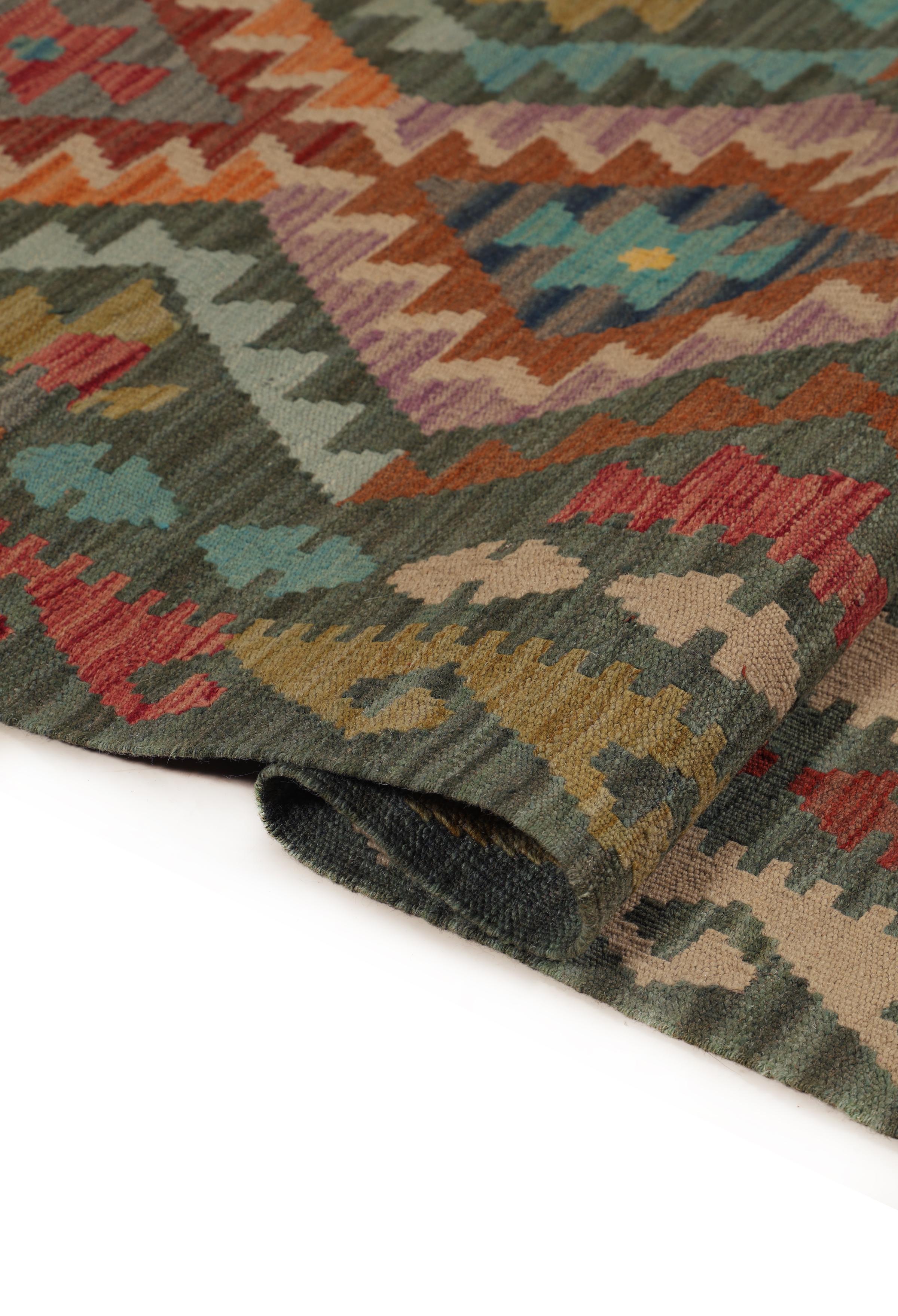
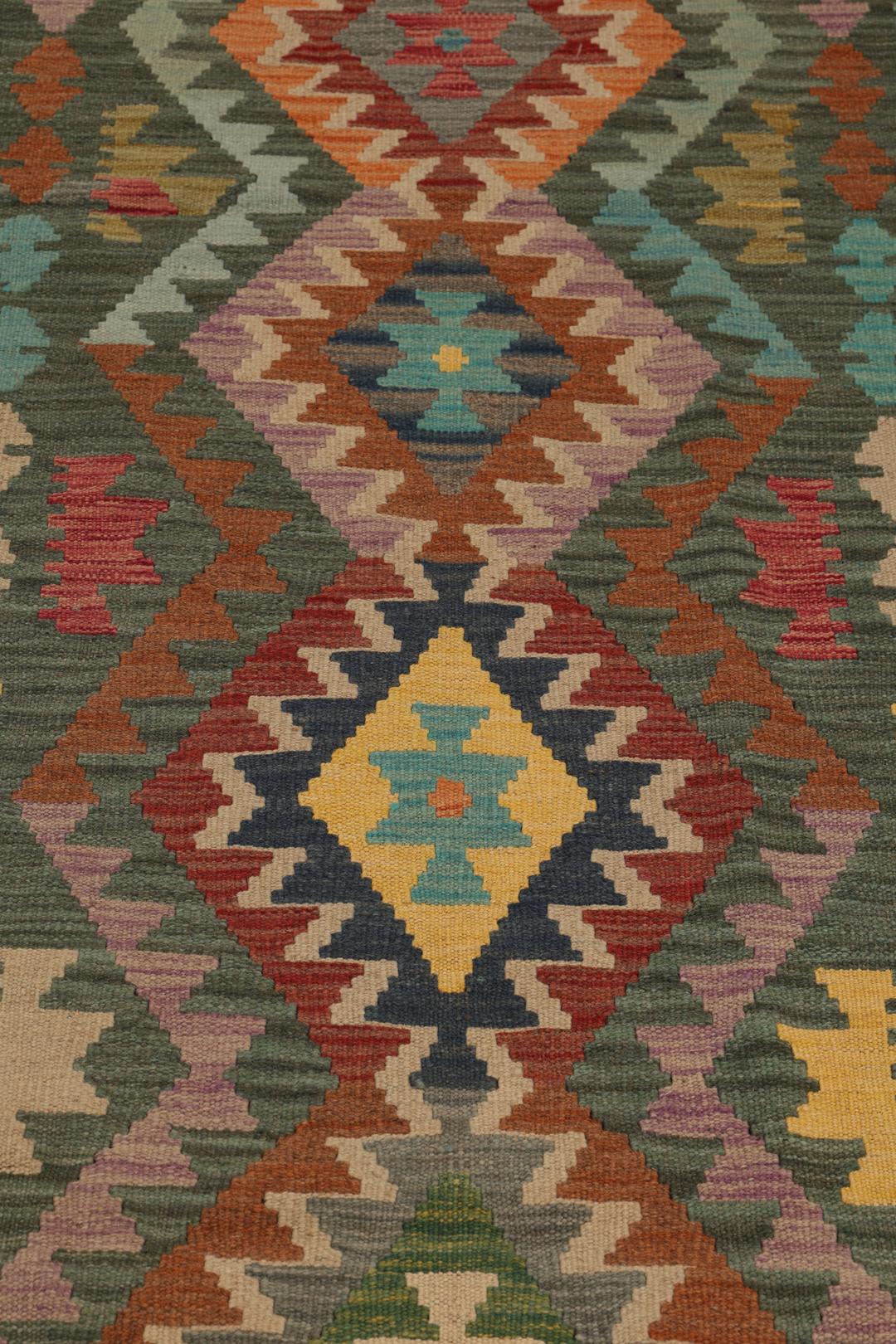
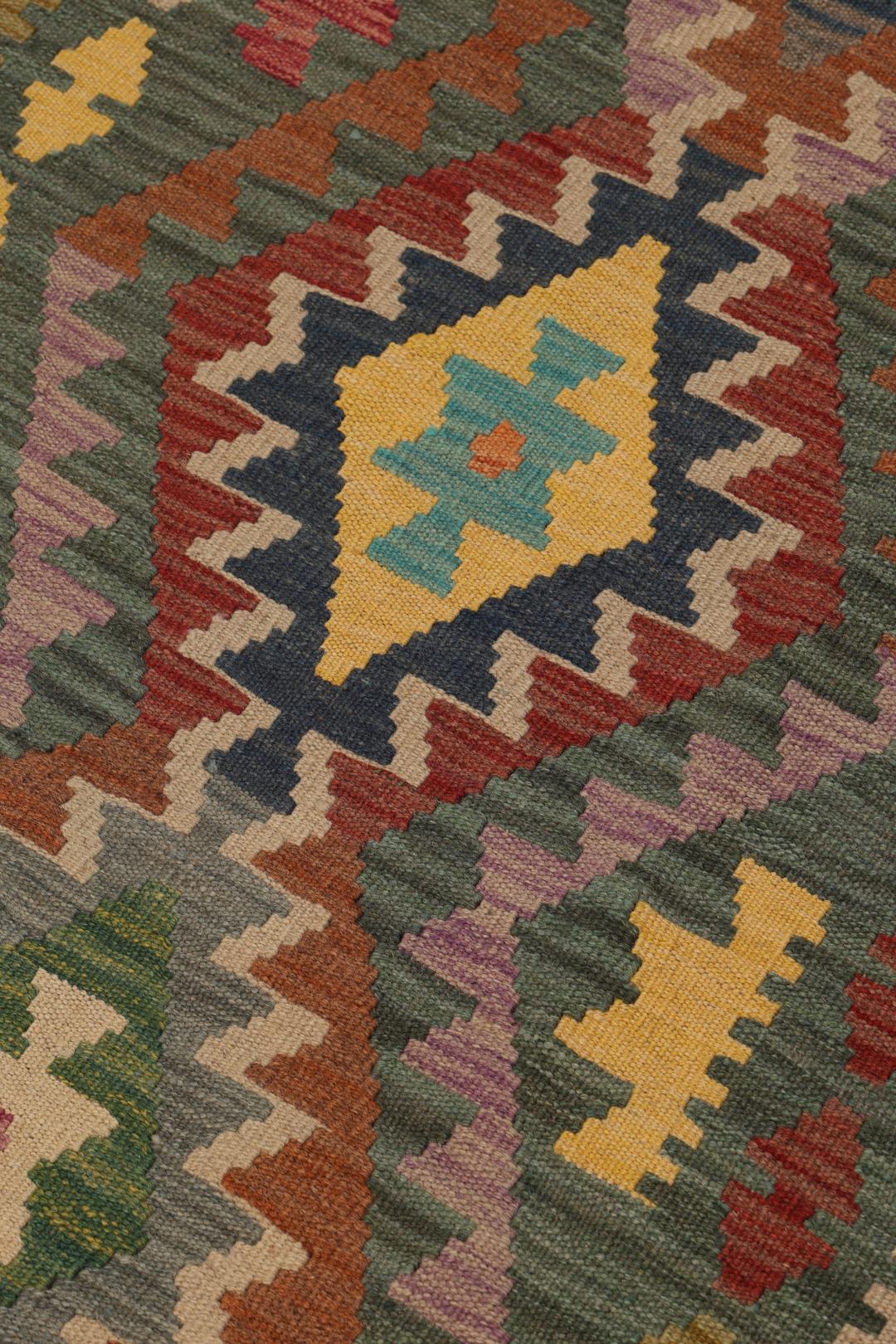
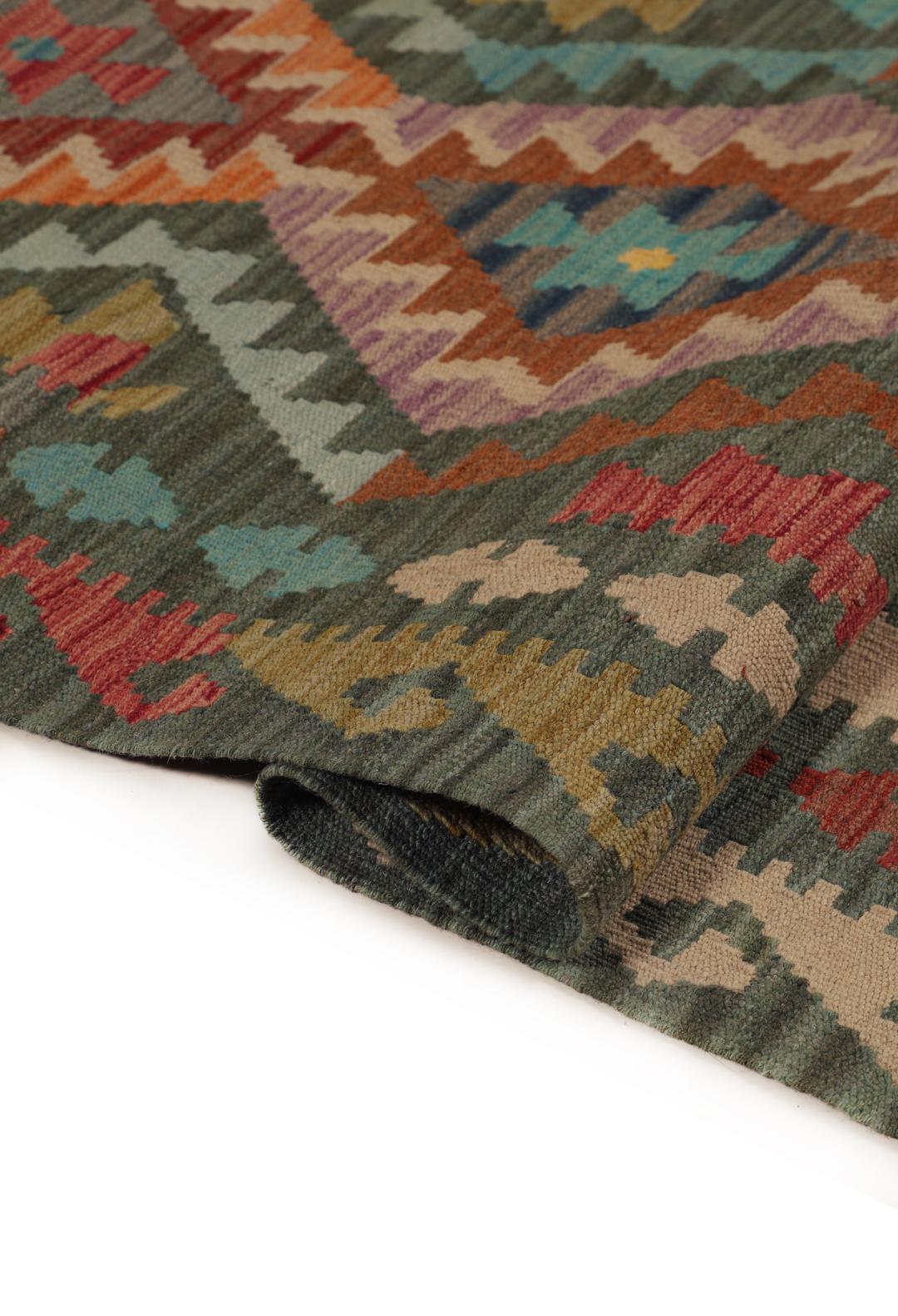
The term Kelim refers to the specific flat-weaving technique where the weft threads are passed back and forth through the warp threads. This method is vital to the rug's quality, as it creates a reversible, durable textile that is surprisingly strong despite its thin profile. This construction style is what allows the patterns to appear so crisp and geometric, as the weaver must build the design stitch by stitch using different coloured yarns.
Signature design elements in Afghan Kelims often include powerful geometric motifs, such as diamonds, triangles, and stylized floral shapes, which hold symbolic meaning within the culture. These patterns are typically framed by decorative borders that anchor the composition. The use of vibrant, earthy tones reflects the natural dyes historically used in the region, creating a visual rhythm that is both energetic and balanced.
Collecting a hand-woven Kelim is an investment in cultural heritage and human skill. These pieces are valued for their ability to tell a story of their origin, representing the dedication of the weaver and the survival of traditional artistic practices. Owning such a rug provides a tangible connection to a rich history of craft, making it a masterpiece that brings both legacy and character to any home.