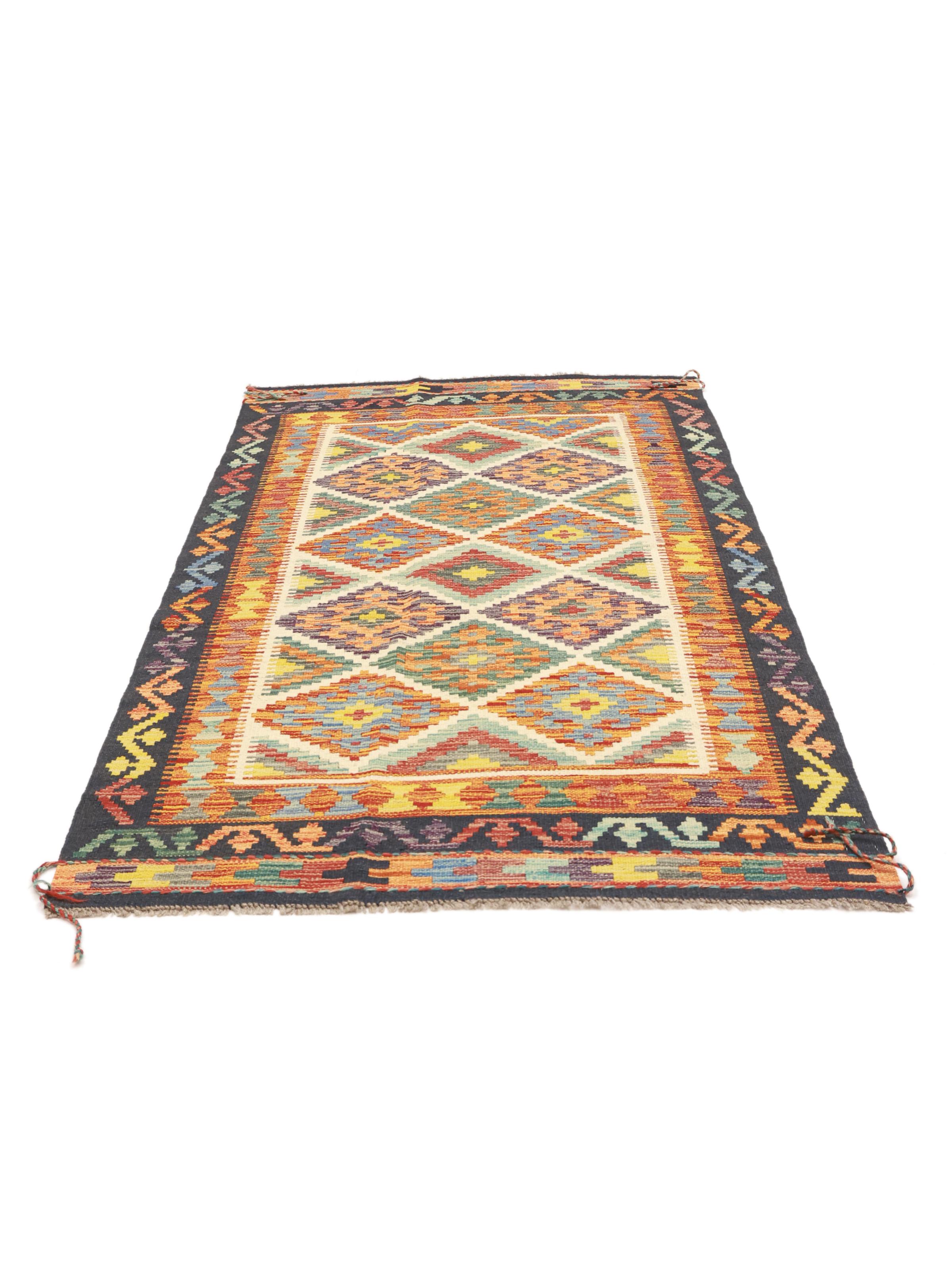
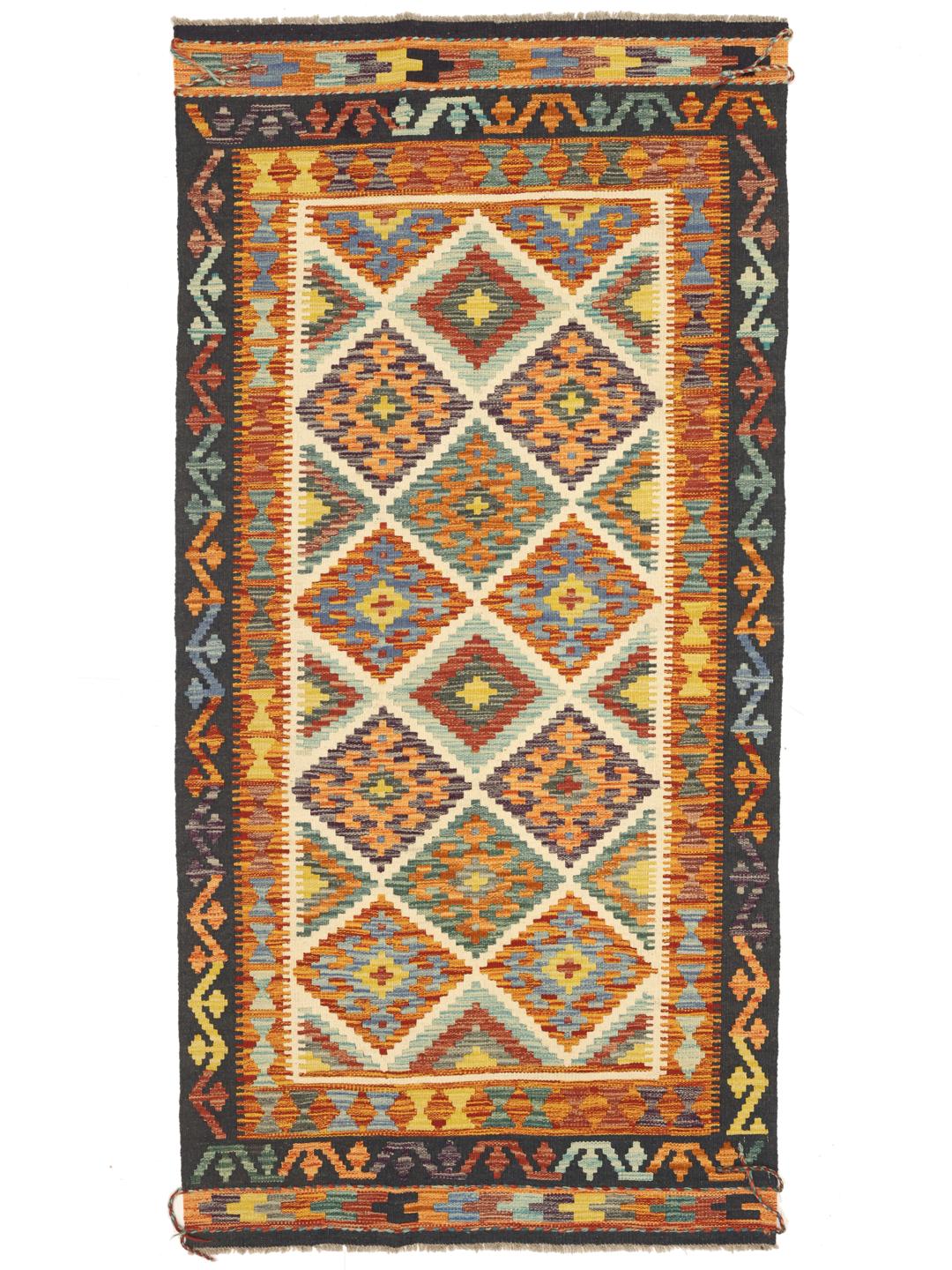
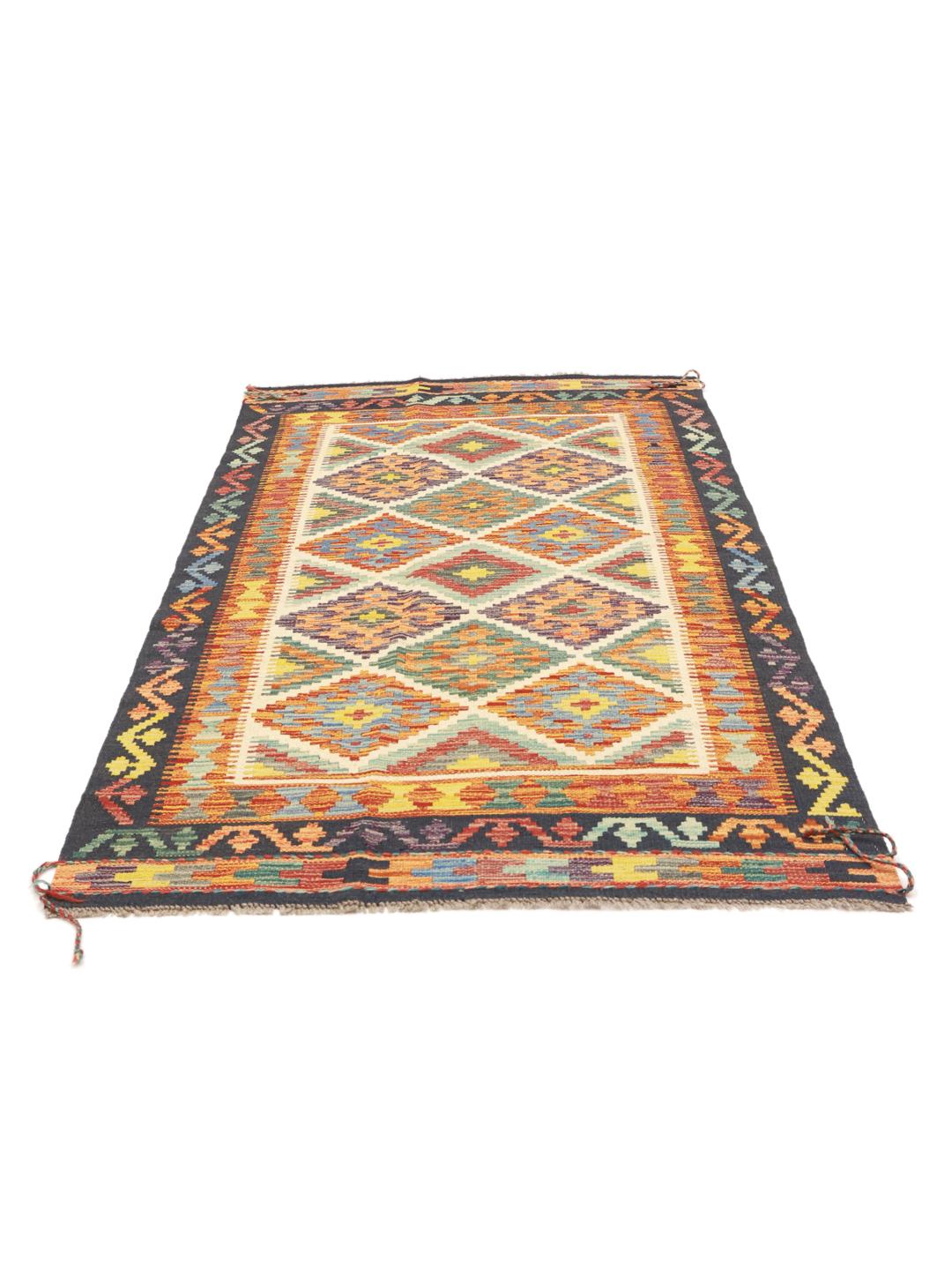
Kelim rugs have long been a cornerstone of nomadic and village life across the Middle East and Central Asia. Originally created as functional items for shelter and warmth—serving as floor coverings, blankets, or saddlebags—these flat-woven textiles carry the cultural narratives of the regions where they are made.
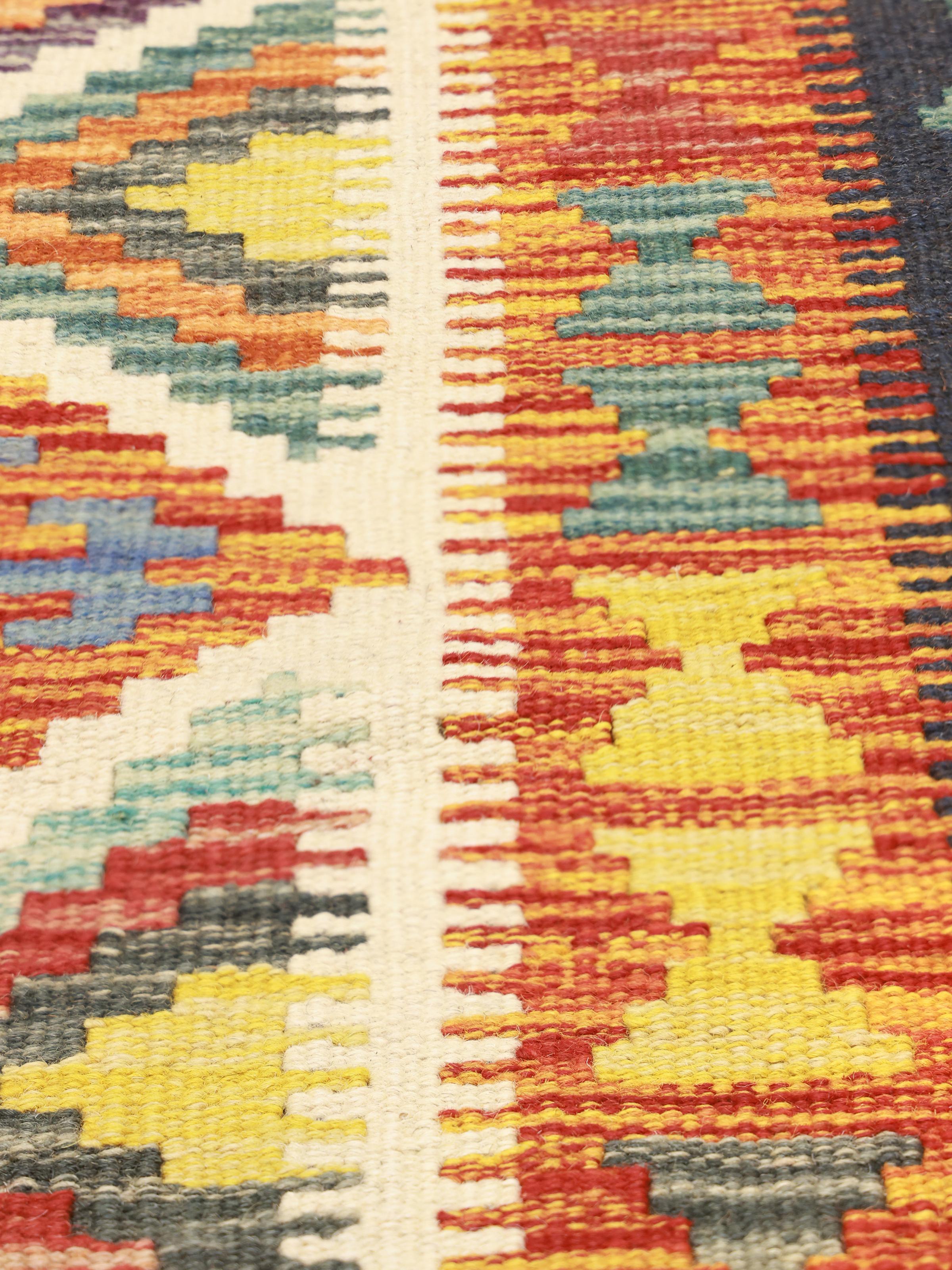
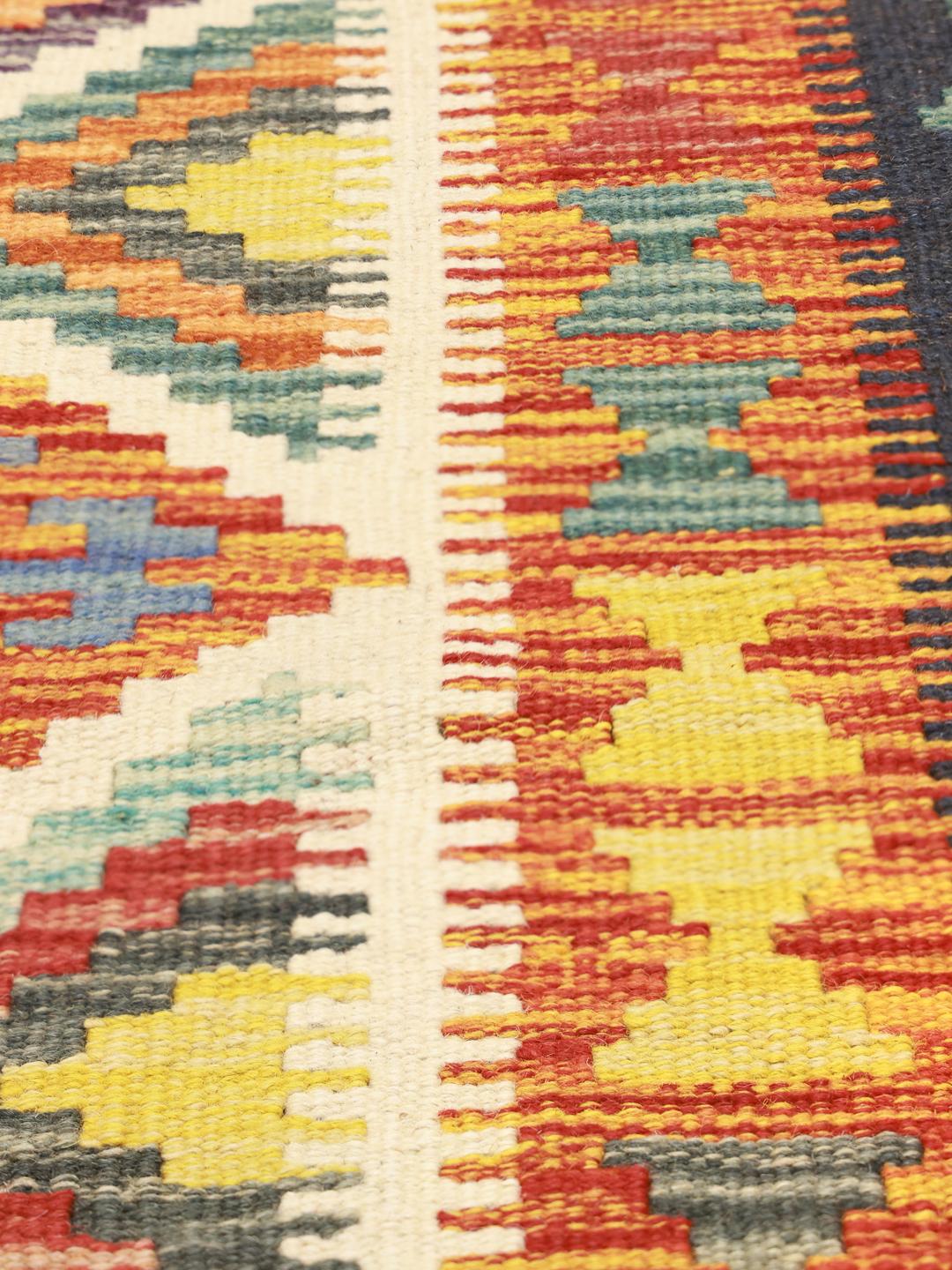
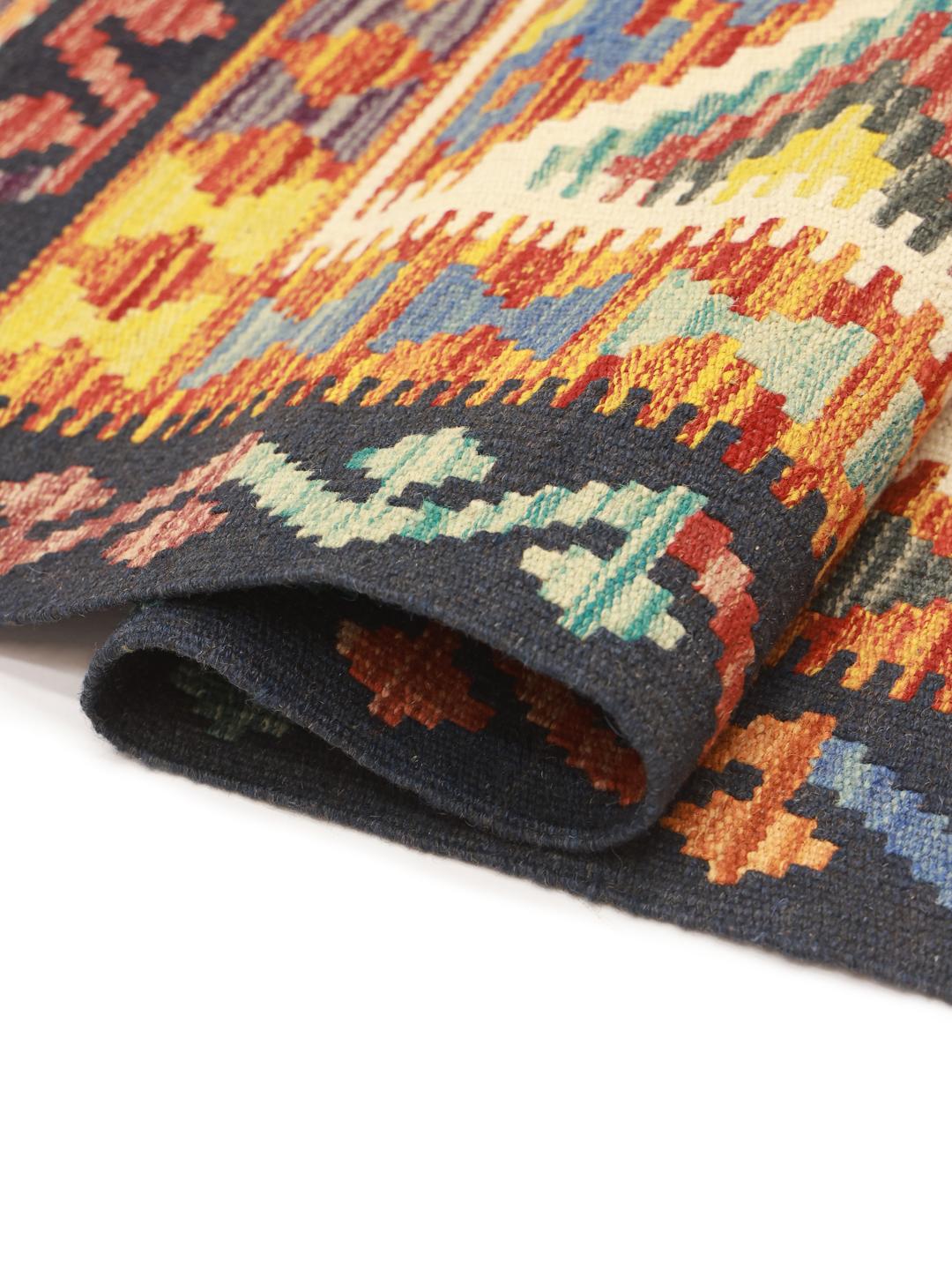
The term Kelim refers to a specific tapestry-weave technique where the weft threads are passed through the warp to create a reversible fabric without a pile. This method is essential for achieving the clean, sharp lines of the geometric patterns that define the style, requiring a high degree of precision from the weaver to manage the tension across the entire surface.
Signature motifs often include diamonds, triangles, and stylized floral elements, which are frequently arranged in bold, repetitive sequences. The Afghan style is particularly noted for its use of rich, earthy tones and deep contrasts, often utilizing high-quality Wool that provides both a soft touch and exceptional durability.
Collecting these rugs is an investment in cultural heritage and the preservation of ancient craft. Each piece reflects the environment and traditions of its makers, making them highly valued by those who appreciate the intersection of utility, artistry, and the enduring human skill involved in creating such complex patterns by hand.