Afghan Kilims have a long and storied history, rooted in the nomadic and semi-nomadic weaving traditions of Central Asia and the Middle East. Historically, these flatwoven textiles were created not just as floor coverings, but as functional items for daily life, including tent hangings, storage bags, and blankets. Over generations, these weaving practices evolved, with different regions and tribal groups developing their own signature styles and color palettes.
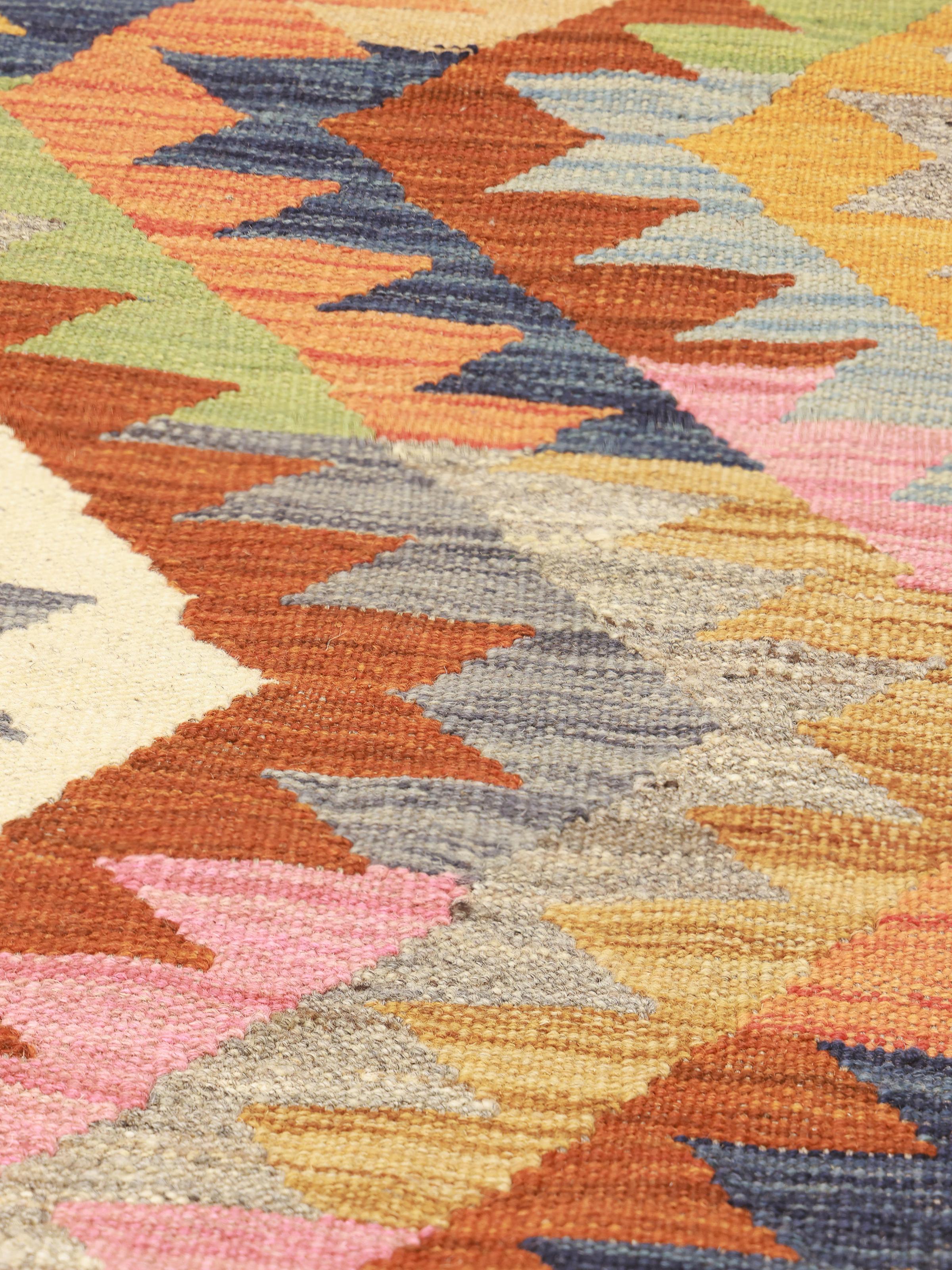
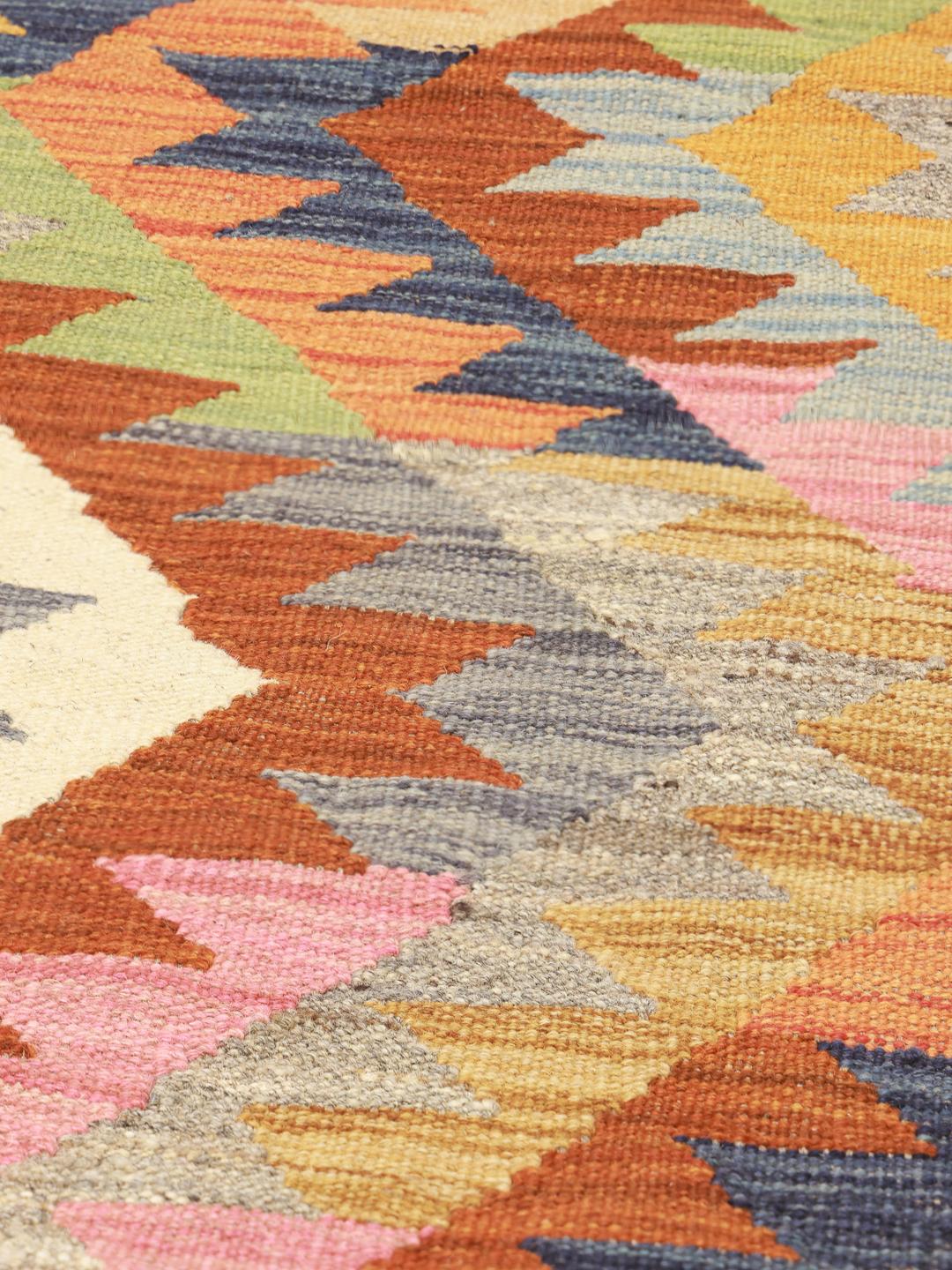
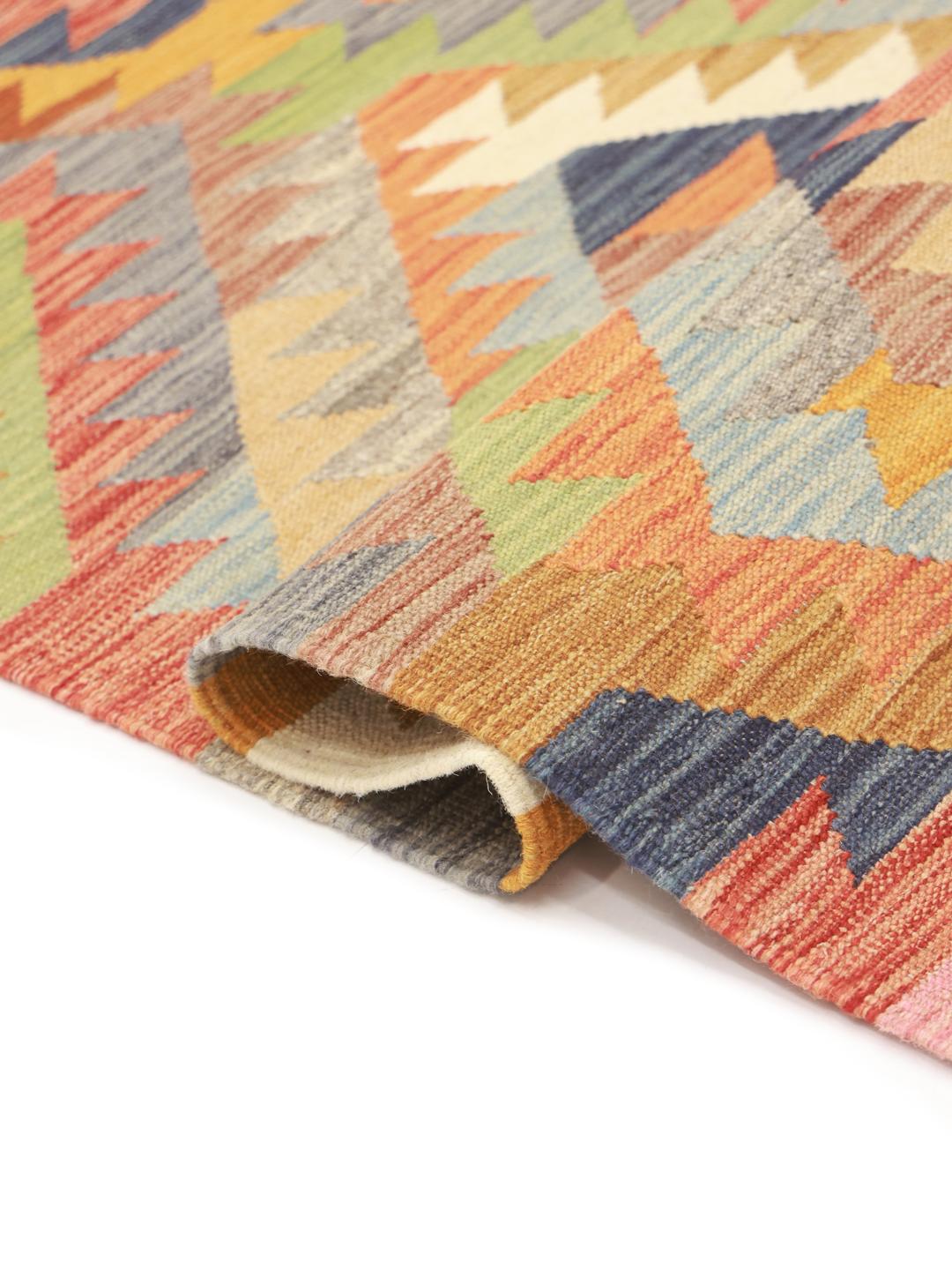
The term Kilim refers to a specific flatweave technique where the design is created by interweaving the colored weft threads directly through the warp. This process results in a lightweight, reversible textile with no pile, known for its exceptional durability and clean, crisp patterns. Because there is no pile to wear down, these rugs are highly resilient and have been valued for centuries for their practical, long-lasting nature.
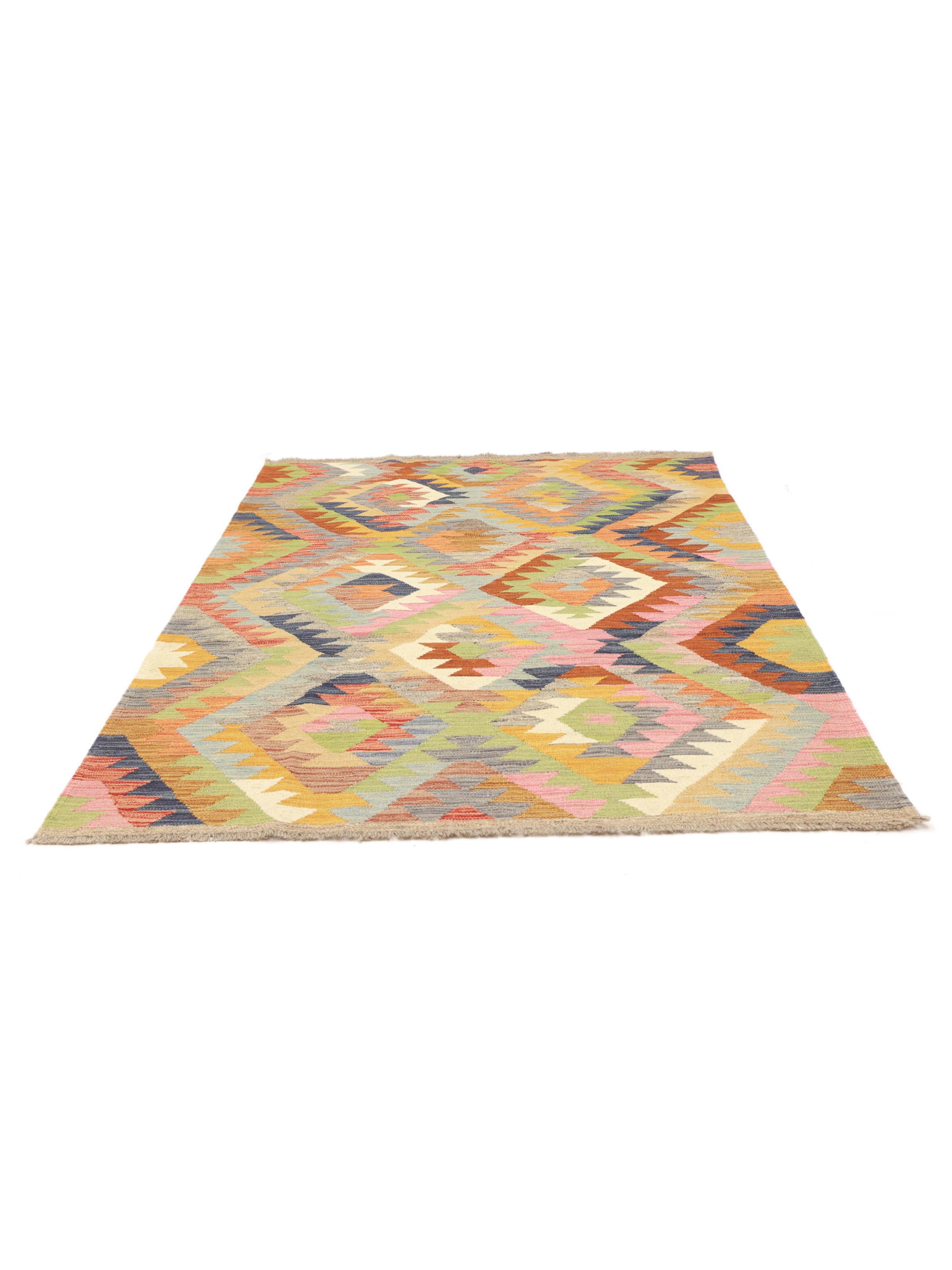
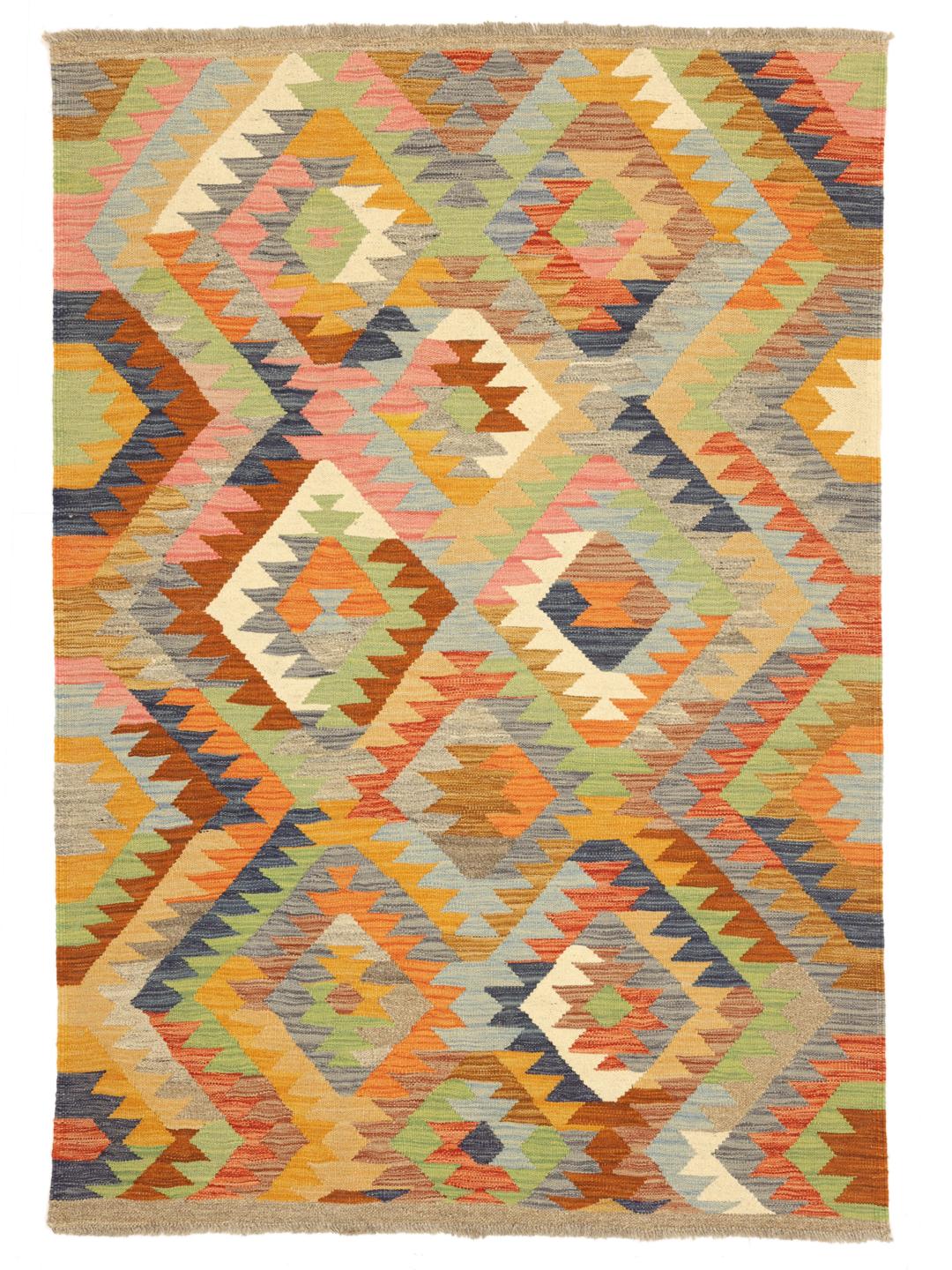
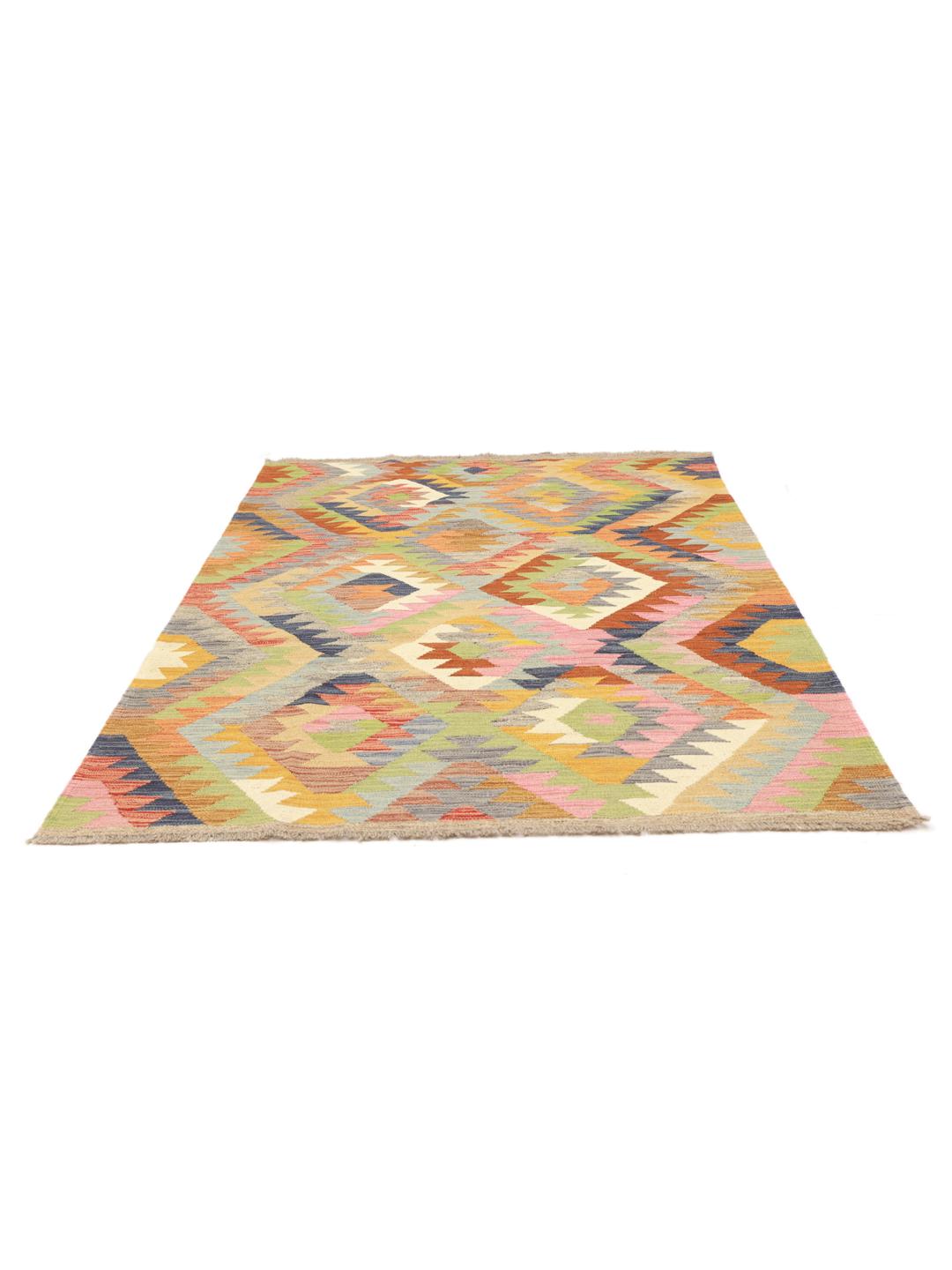
The Ariana style is celebrated for its bold use of geometric motifs, particularly the stepped diamond and traditional tribal symbols. These patterns are not merely decorative but often carry symbolic meanings representing protection, fertility, and the natural world. The vibrant color combinations, featuring warm earth tones alongside brighter accents, are characteristic of contemporary Afghan weaving, where traditional layouts are refreshed for modern sensibilities.
Owning an Afghan Kilim is a way to preserve and celebrate a rich cultural heritage. These rugs are highly valued by collectors and design enthusiasts alike for their authentic character and the deep-seated traditions they represent. Bringing one into your home connects you to a legacy of textile art that has survived and flourished through centuries of cultural change.