Kilim rugs have a rich history rooted in the nomadic traditions of the Middle East and Central Asia, where flatwoven textiles were essential for daily life.
These versatile pieces were traditionally used as floor coverings, blankets, and storage bags by nomadic tribes who carried their craft traditions across changing landscapes.
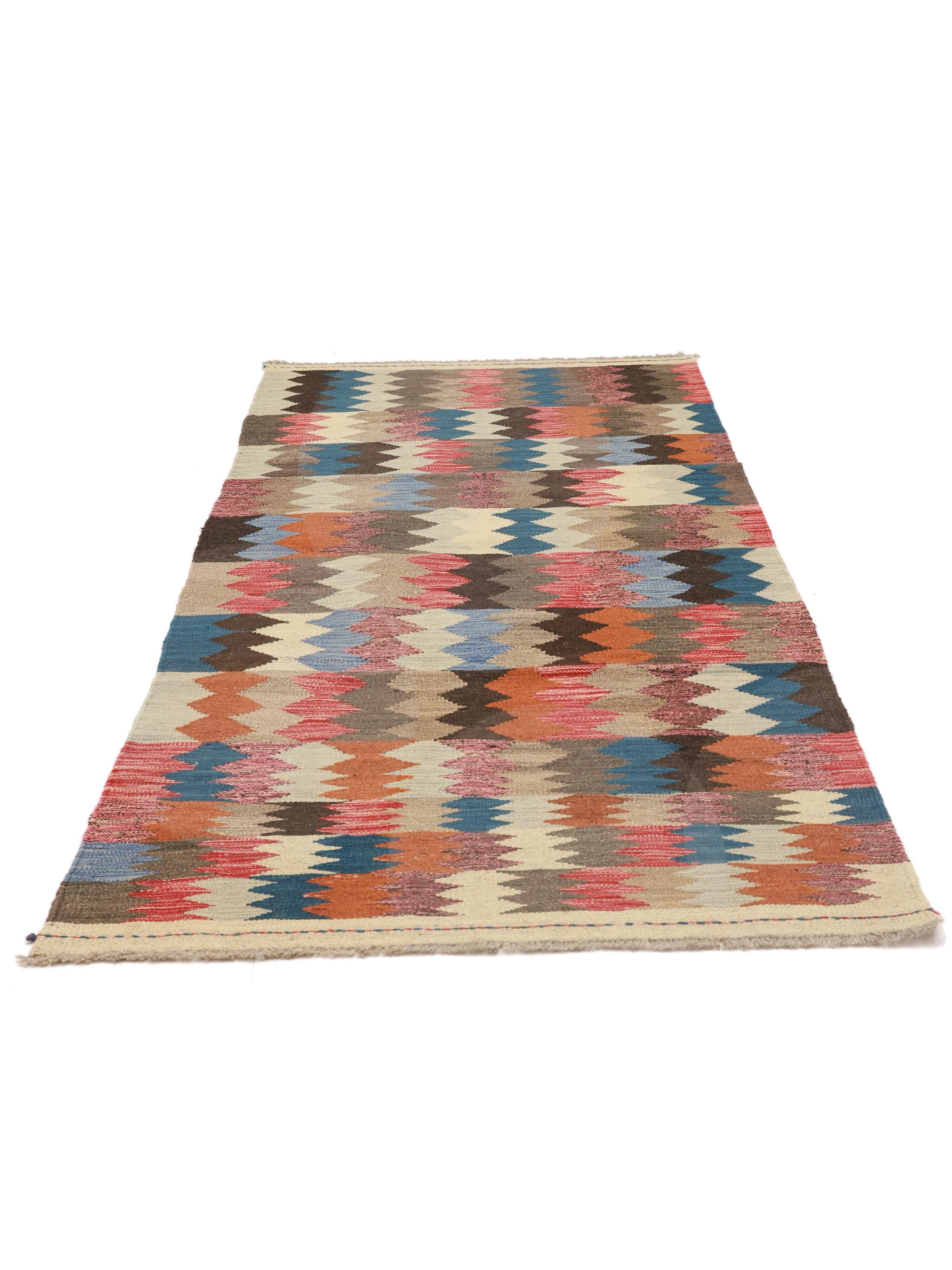
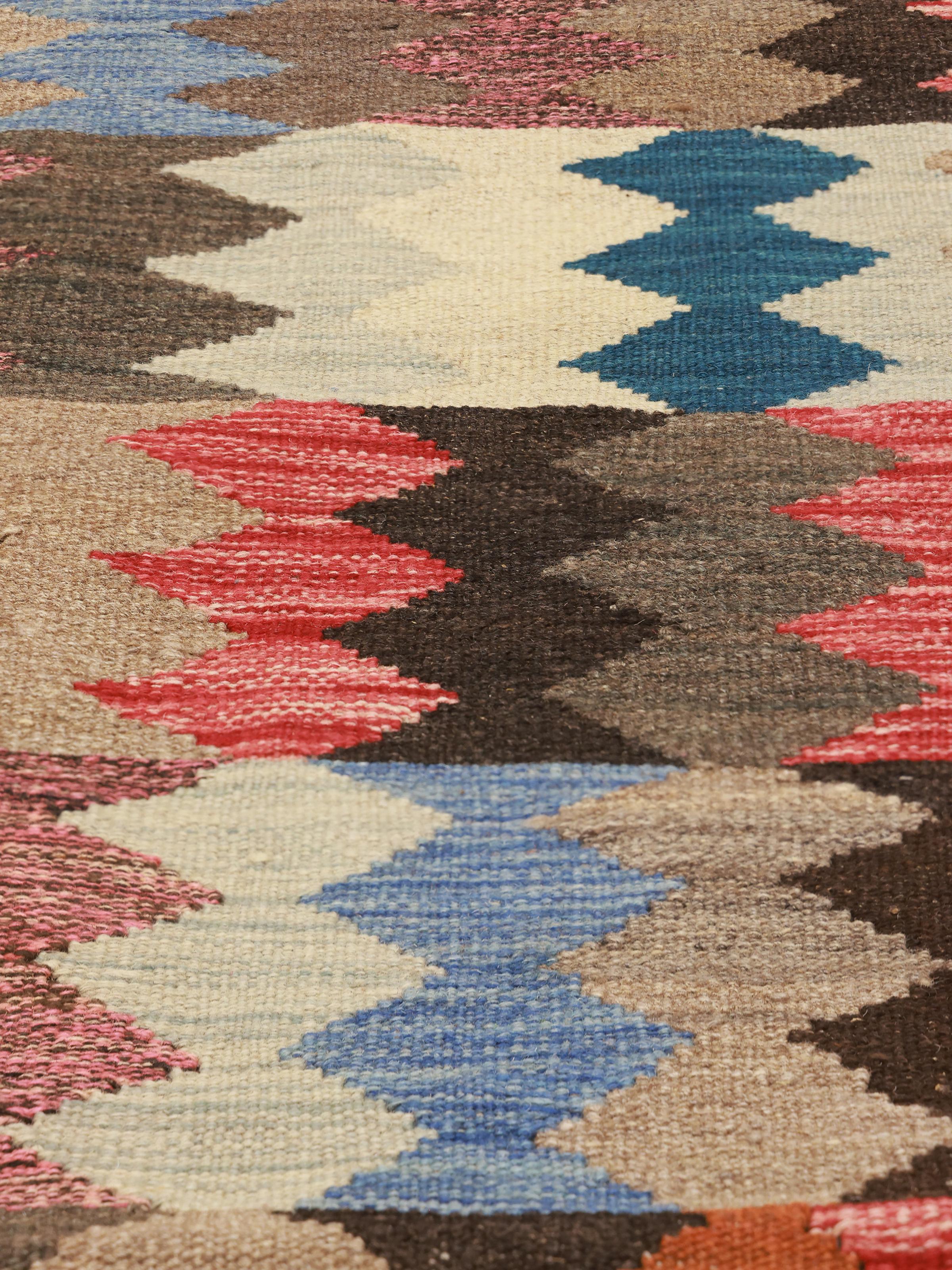
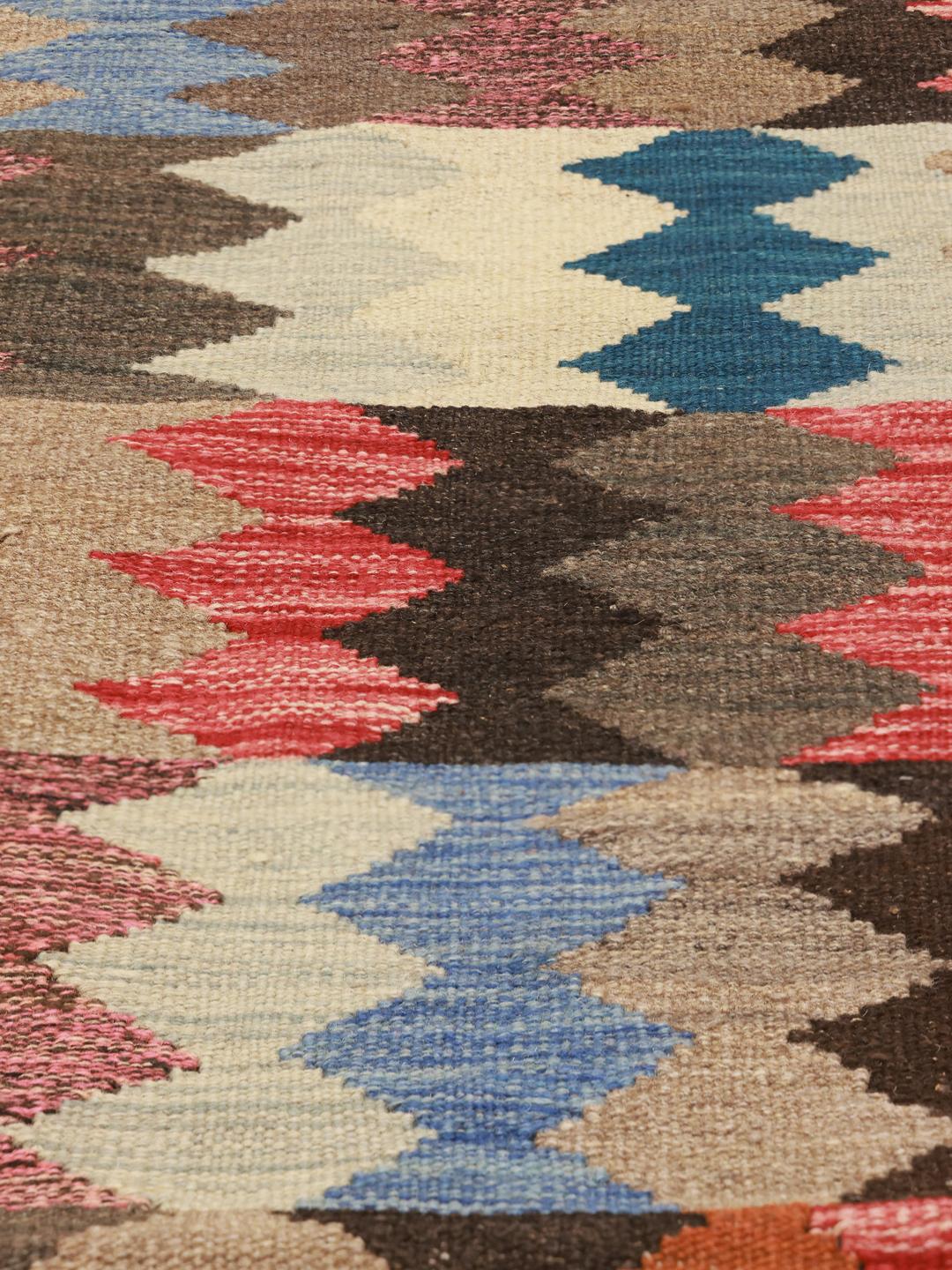
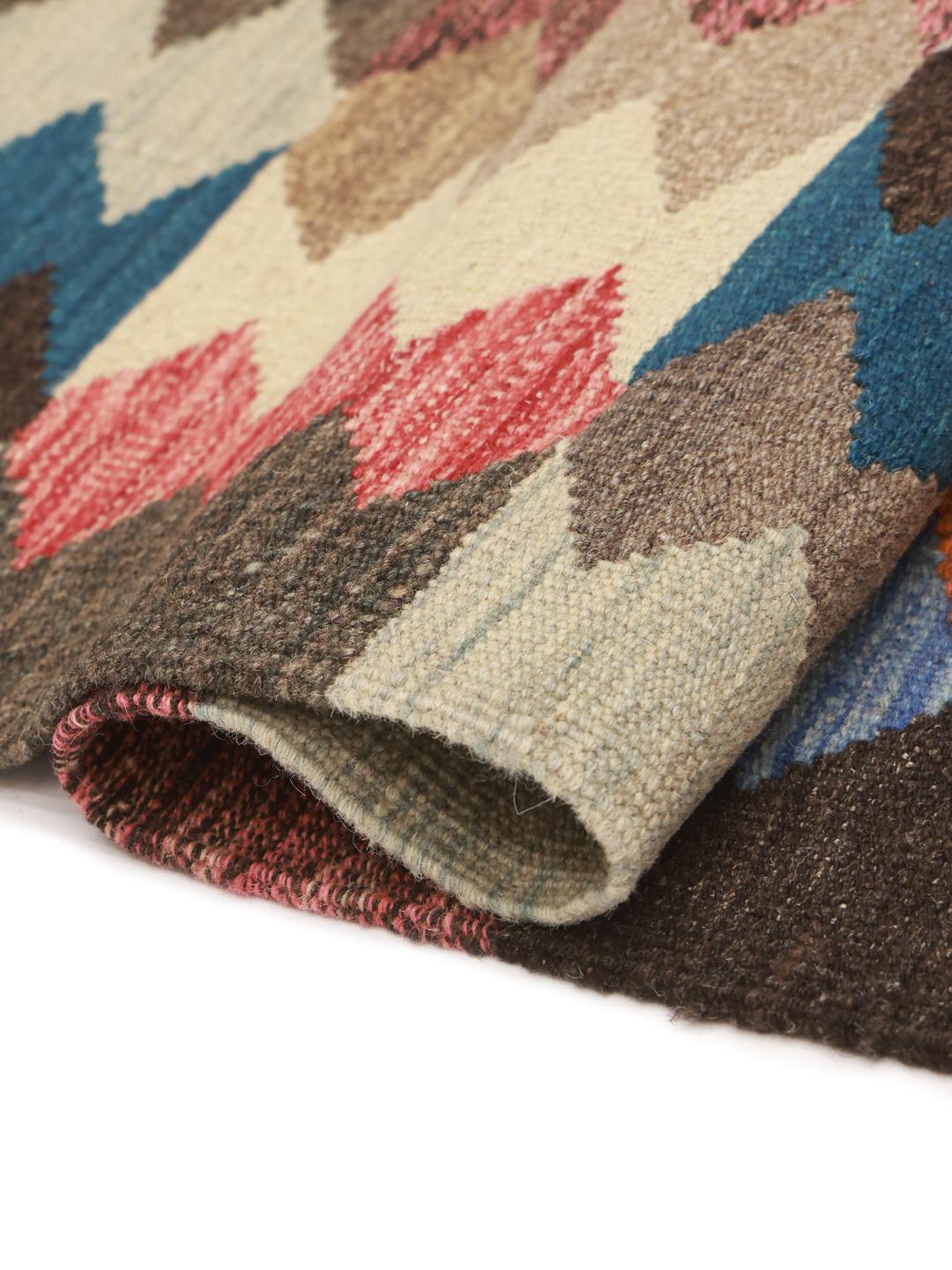
The flatweaving technique defines the character of a kilim, relying on an interlocking weave where pattern colours meet without forming a bulky pile.
This meticulous method allows artisans to create crisp geometric motifs and reversible designs that showcase the inner structure of the textile.
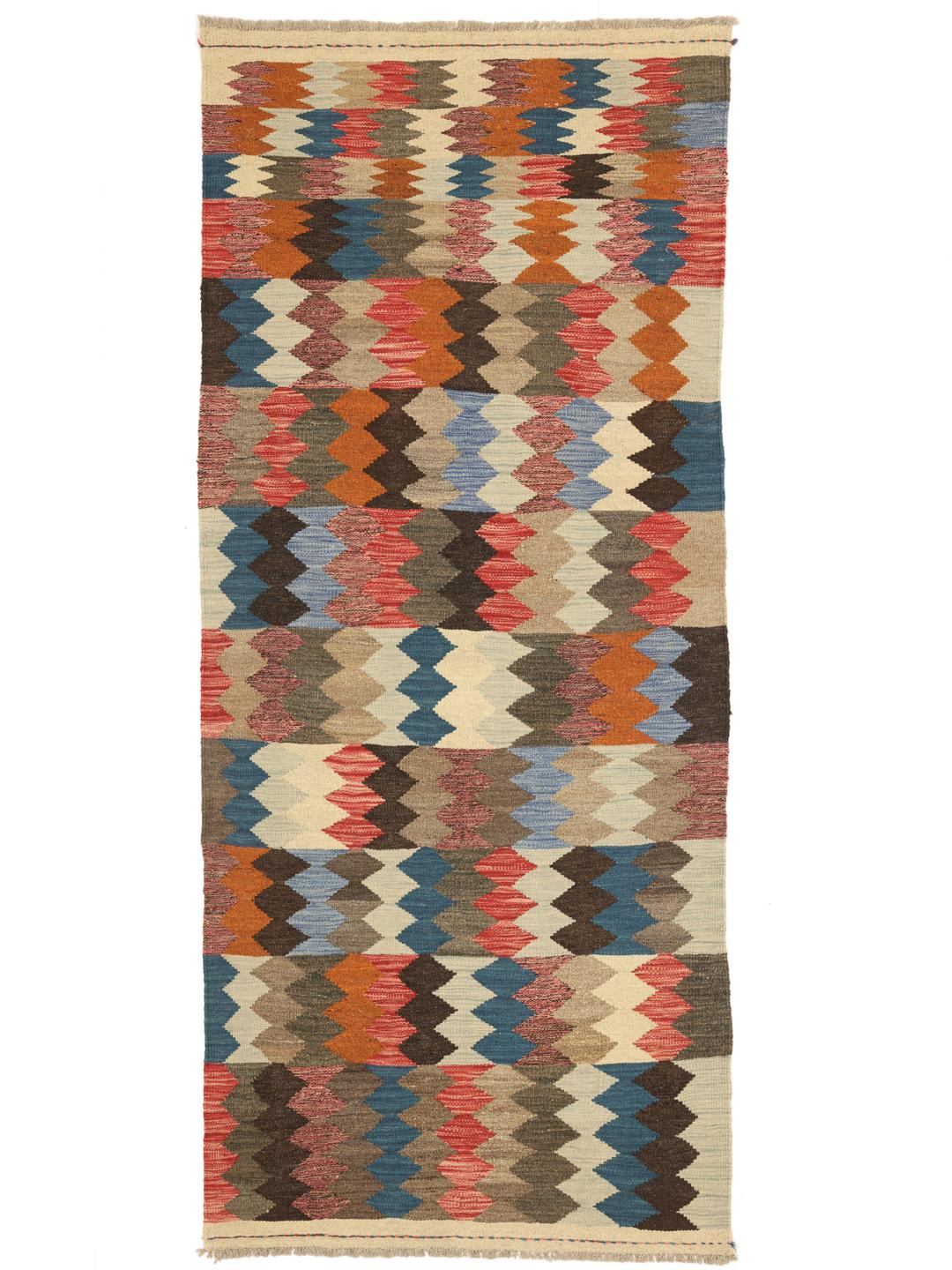
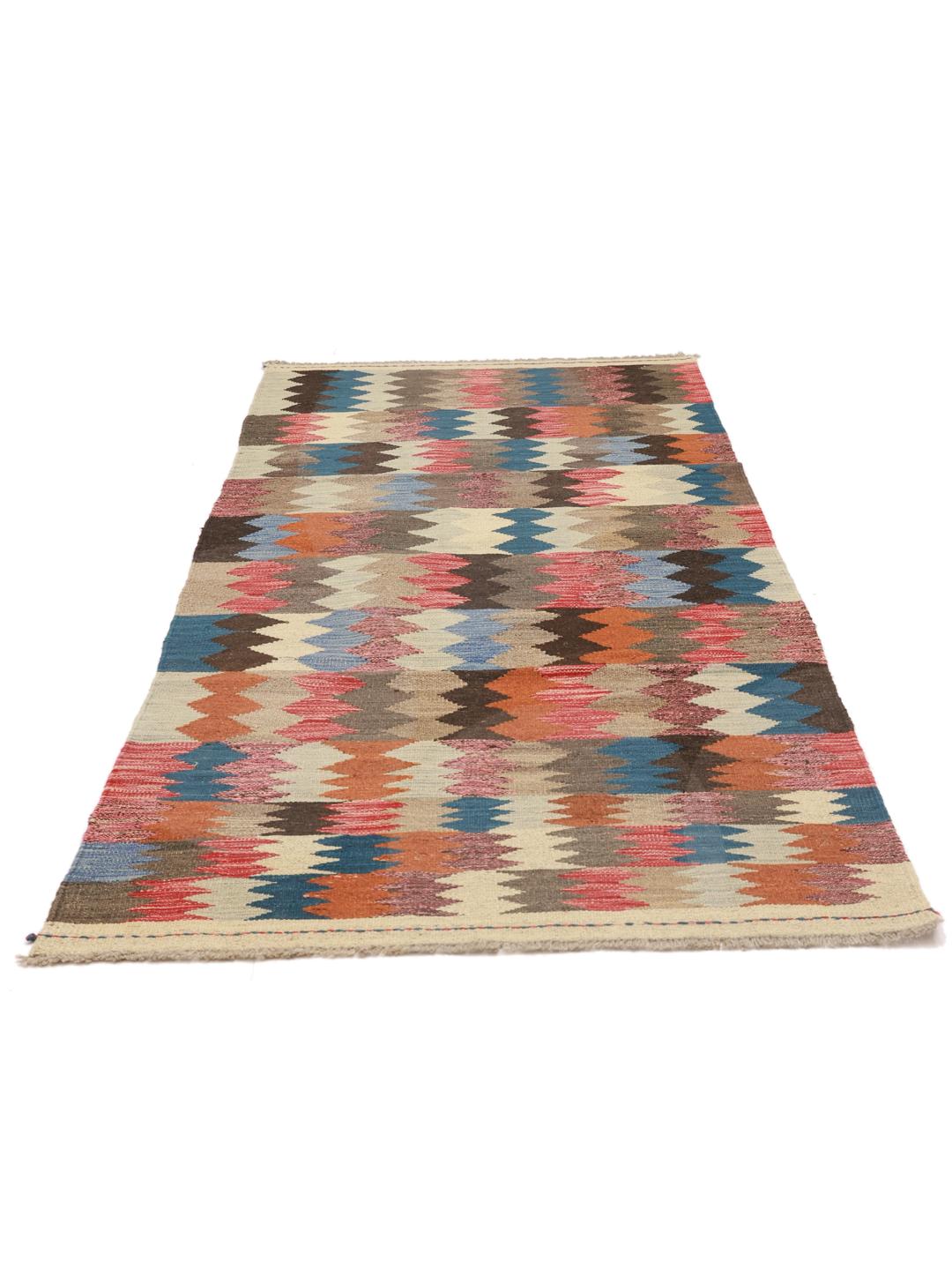
Characterised by repeating diamond and zigzag motifs, this tradition relies on a dynamic visual language of geometric shapes arranged in harmonious sequences.
The natural colour palette draws on regional dyeing traditions, bringing a vibrant yet grounded expression to the surface through earthy tones and contrasting accents.
Collecting vintage and modern kilims means preserving a living craft tradition that values human skill and cultural heritage above mass production.
Each piece stands as a testament to the weaver's personal expression, making it a valued addition for those who appreciate authentic storytelling in their home.