The art of kilim weaving is deeply rooted in the history of the Middle East and Central Asia. Traditionally created by nomadic and semi-nomadic tribes, these flat-woven rugs were initially designed as functional, portable items for daily life, serving as floor coverings, tent dividers, and storage bags. Over time, these utilitarian objects evolved into highly prized expressions of regional identity and artistic storytelling.
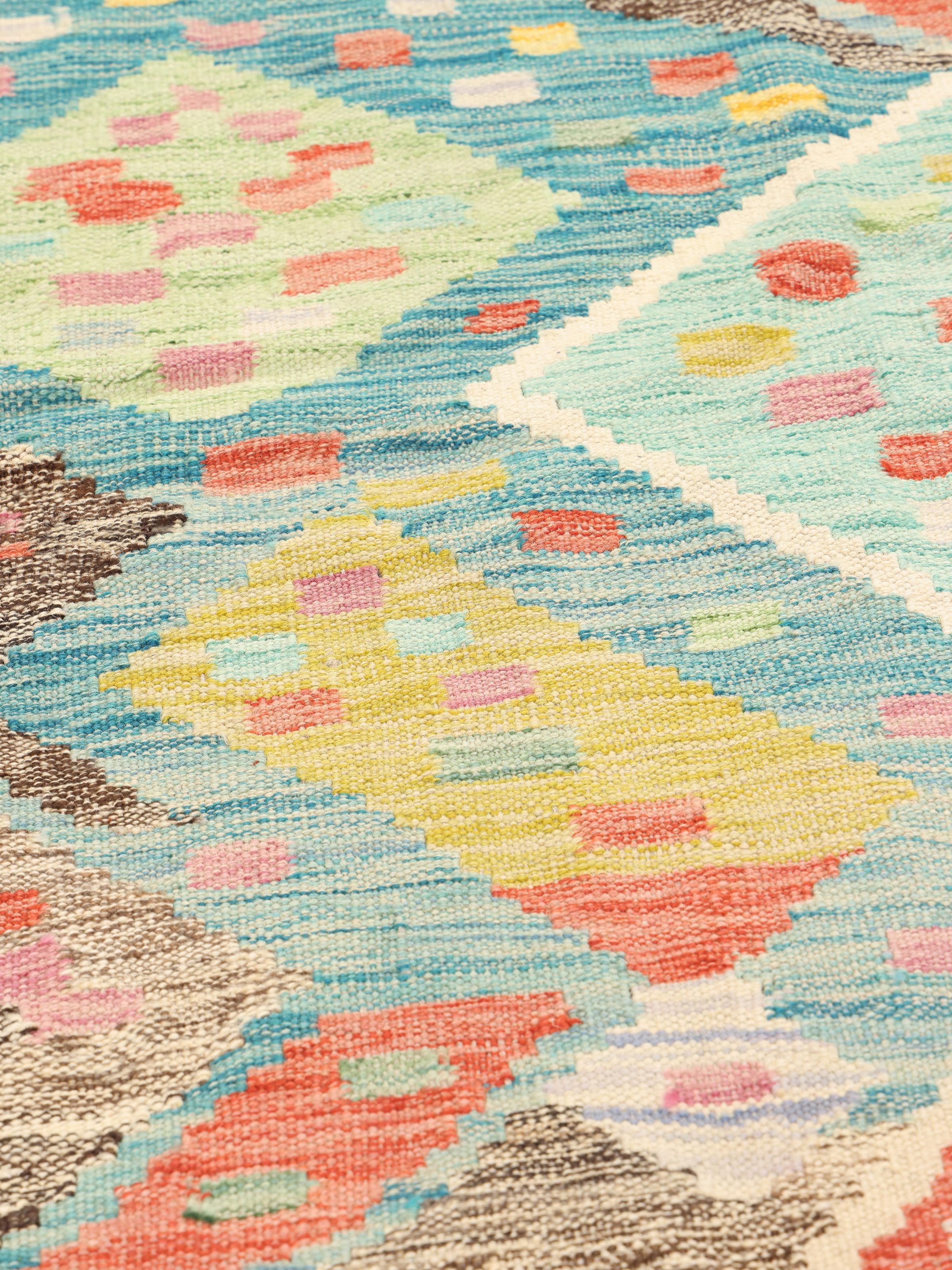
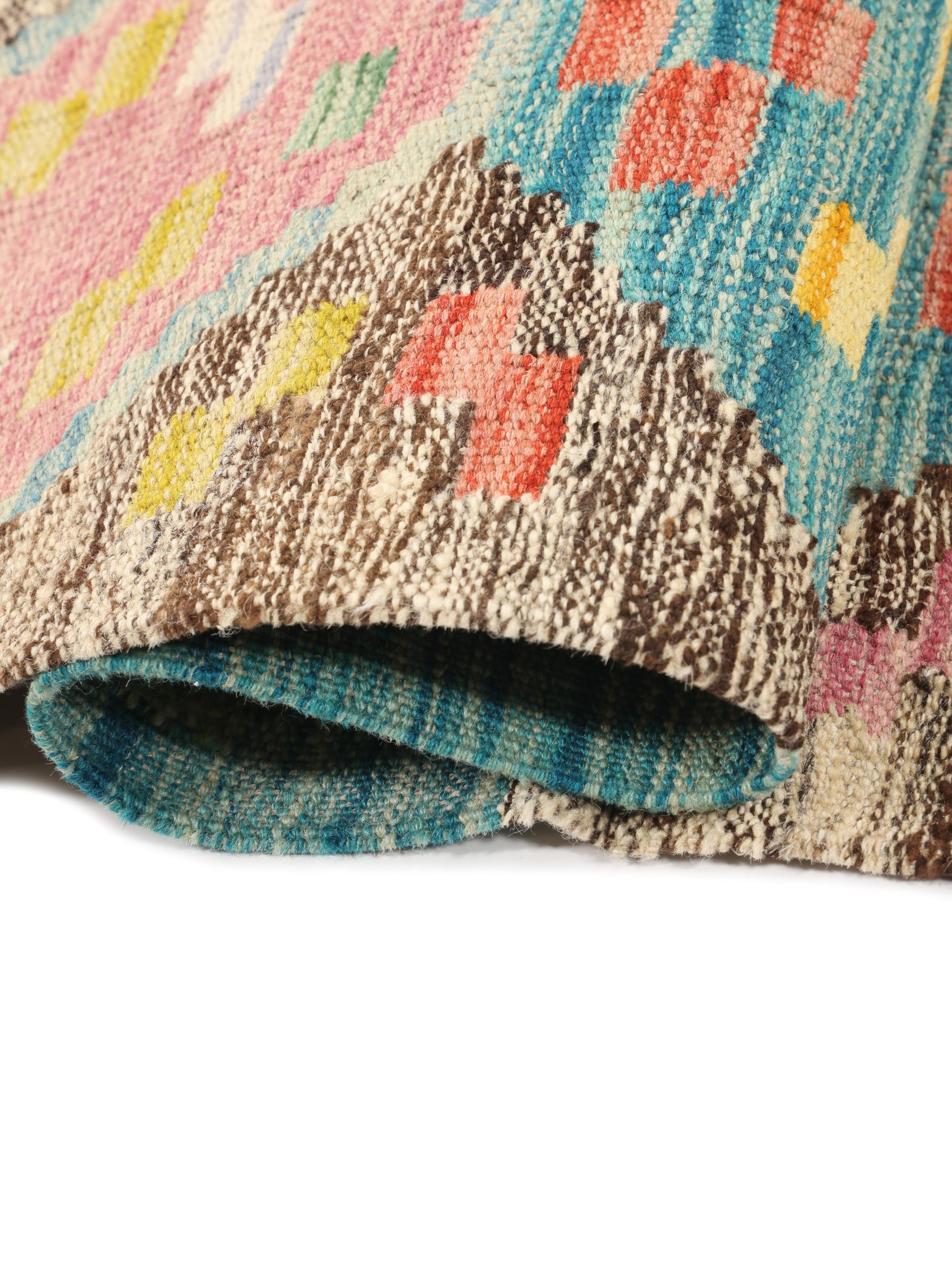
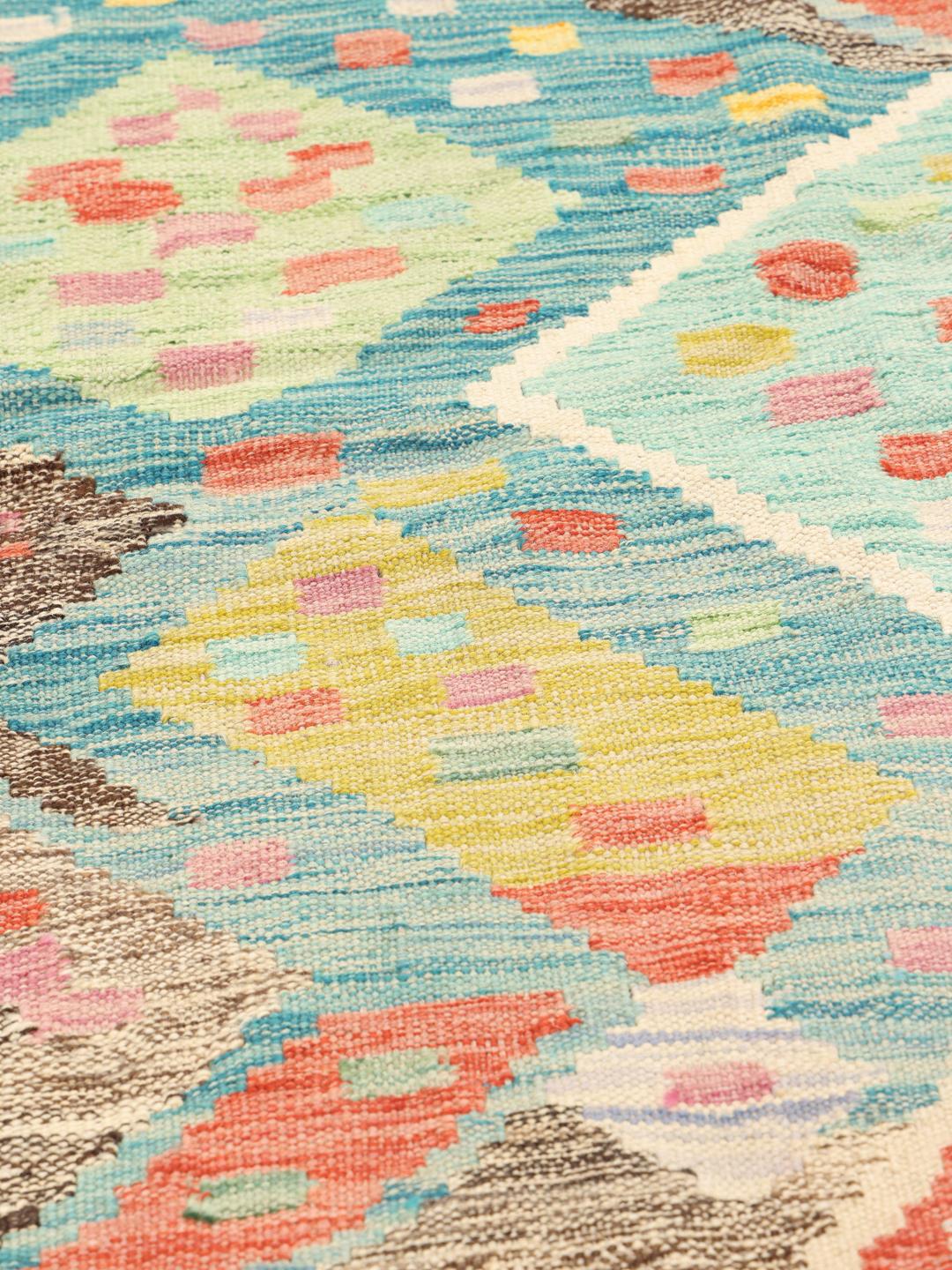
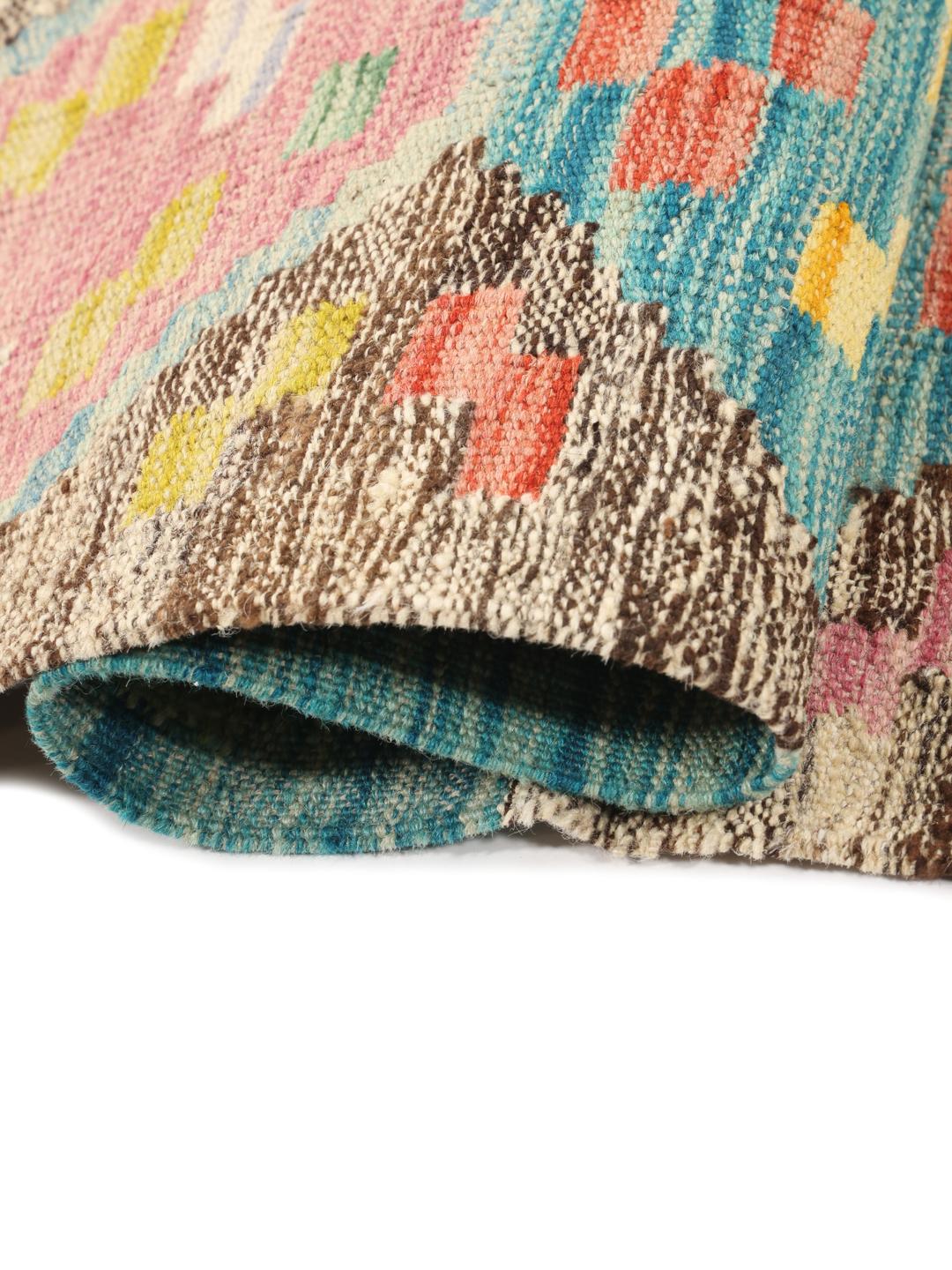
The 'Kelim' designation refers to the specific slit-weave technique employed in their creation, where the horizontal threads are pulled tightly against the vertical threads to create sharp, clean patterns without the use of a pile. This technique is what gives these rugs their characteristic lightweight yet sturdy structure, allowing for complex geometric designs that are visible on both sides of the fabric.
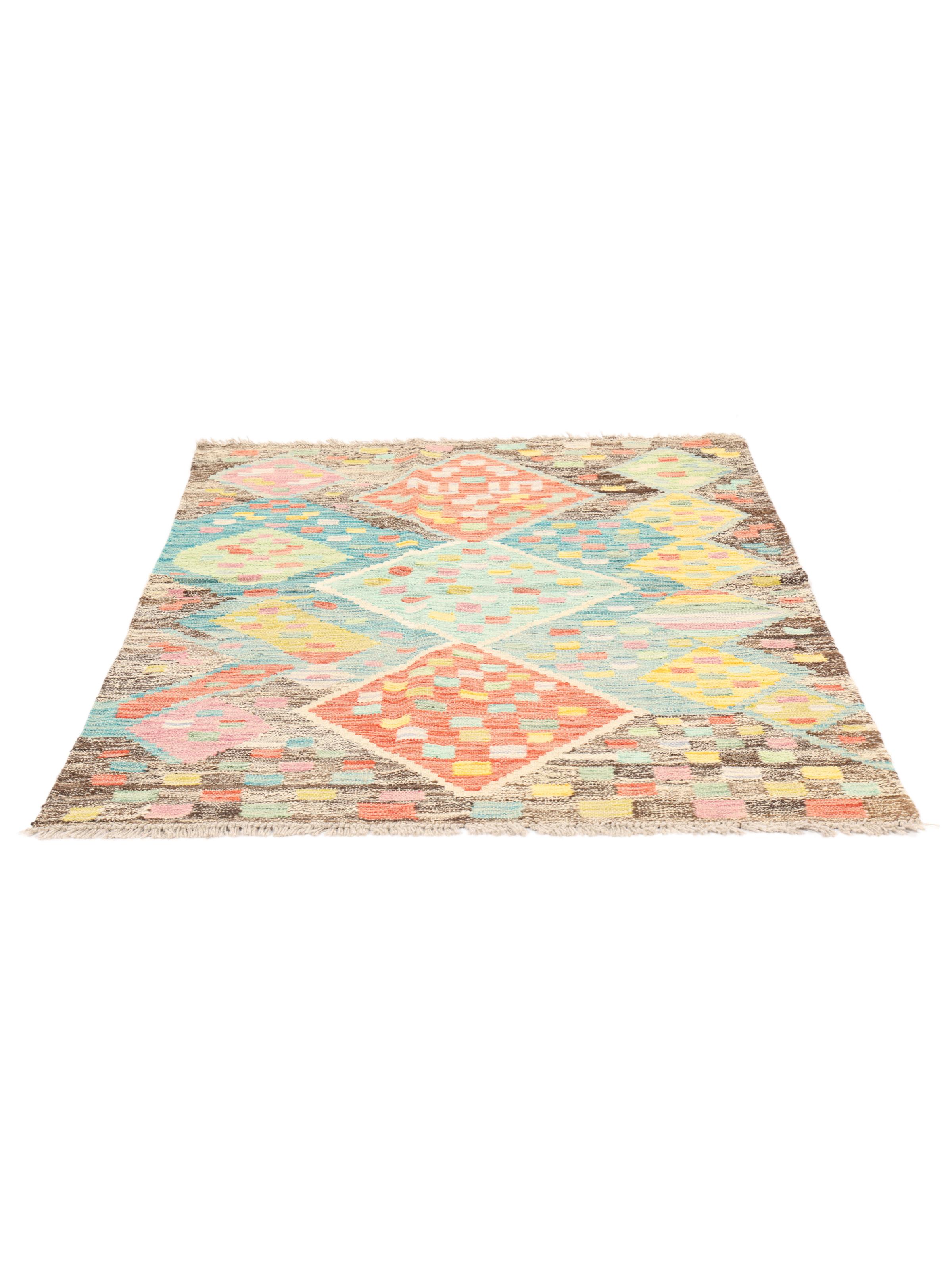
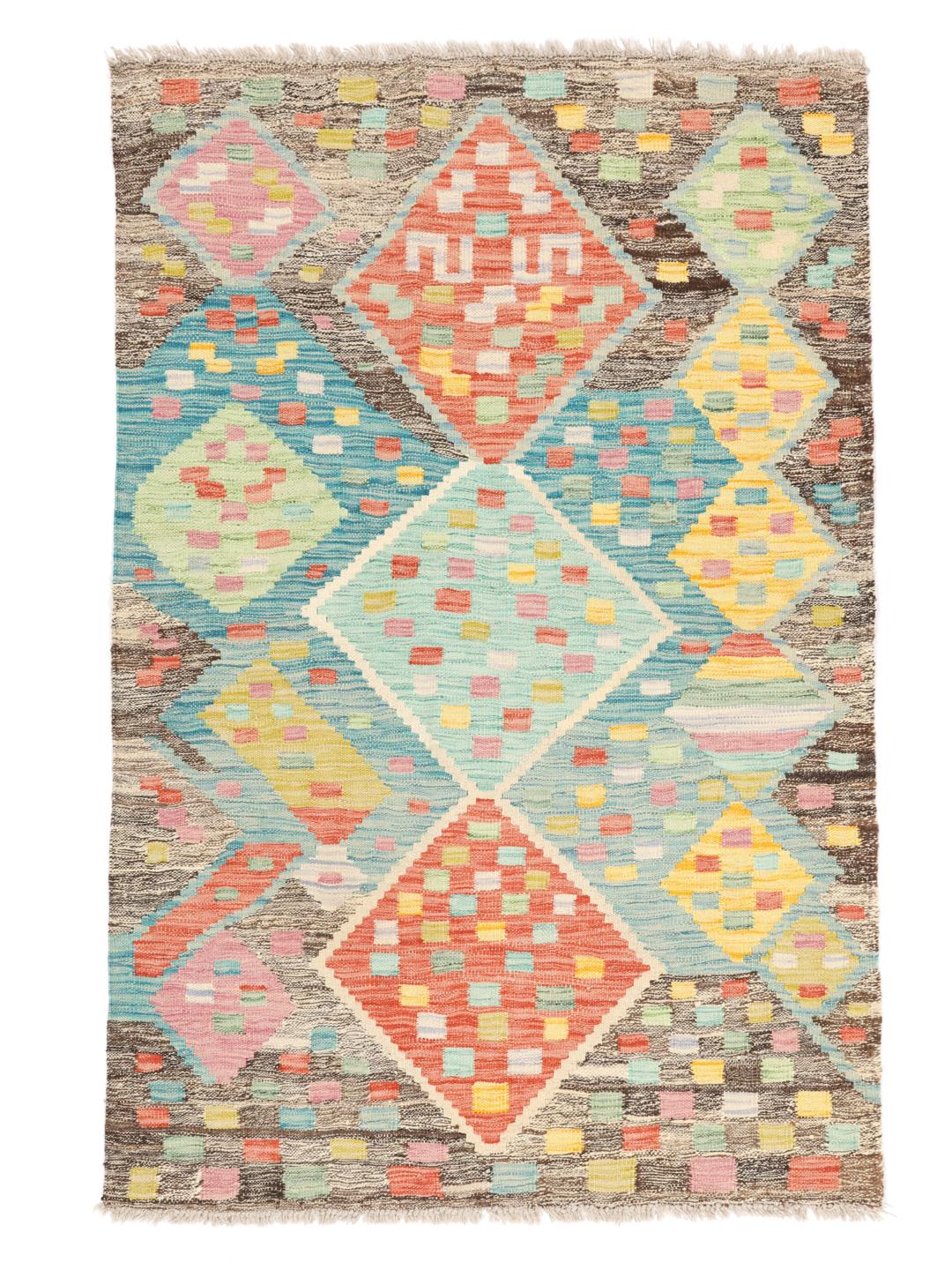
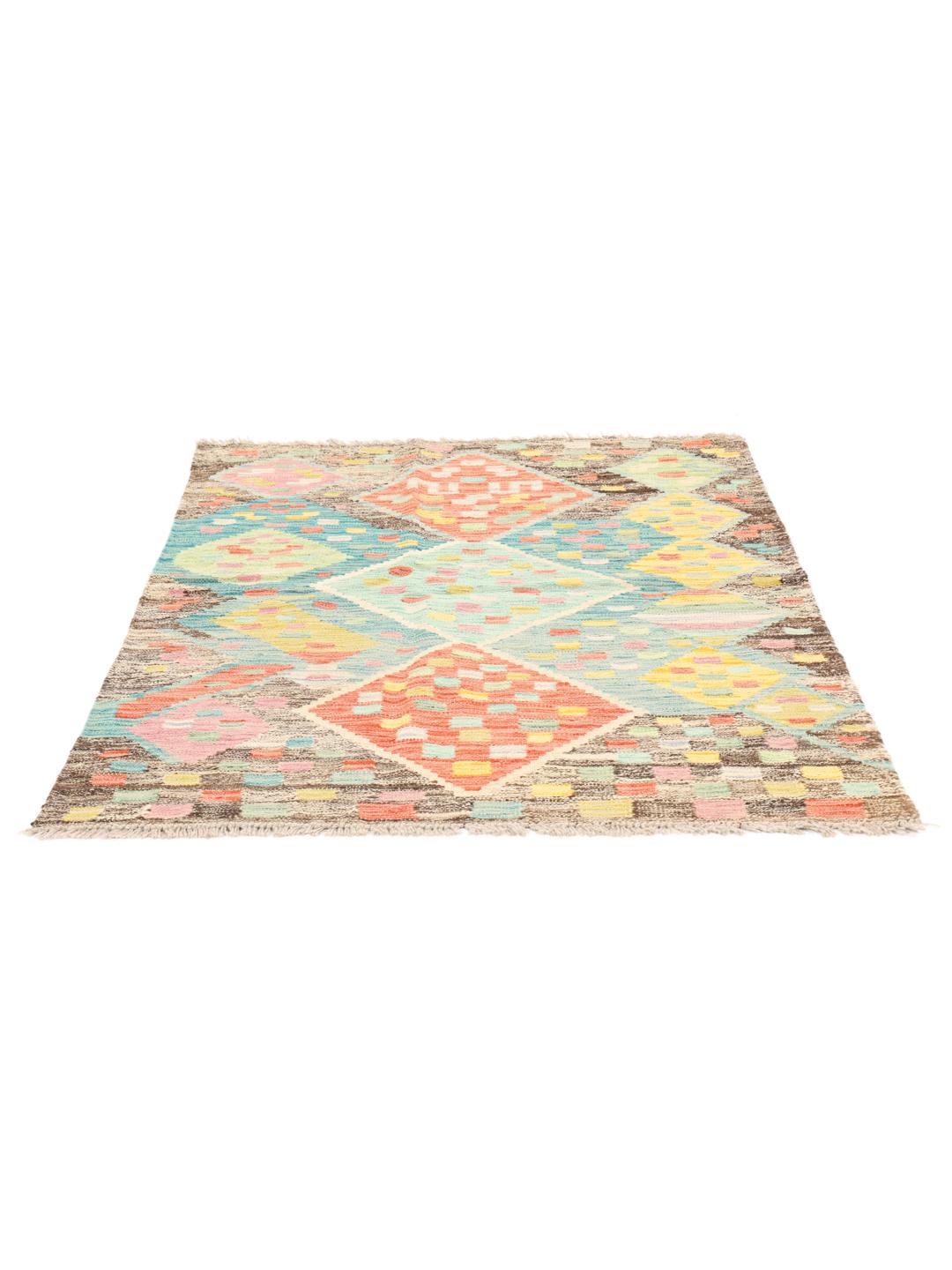
Design elements in these rugs often feature geometric motifs such as diamonds, triangles, and stepped shapes, which hold symbolic meanings ranging from protection and fertility to tribal affiliation. This particular piece draws inspiration from Berber styles, blending the rugged, earthy traditions of nomadic weaving with a contemporary, high-contrast palette that feels right at home in modern interiors.
Collecting these rugs is an investment in cultural preservation. As the demand for authentic, handmade goods grows, the appreciation for the skill required to produce these intricate, non-pile textiles has reached new heights. Owning a piece like this connects you to a timeless legacy of craftsmanship, where every thread tells a story of the person who wove it and the tradition that guided their hands.