Kilim rugs represent one of the most enduring traditions in textile art, originating from the nomadic cultures of the Middle East and Central Asia. Historically, these flat-woven pieces were essential tools for nomadic life, serving as floor coverings, wall hangings, and transport sacks. The migration of these weaving techniques across the Silk Road has resulted in a rich tapestry of styles, with Afghan artisans today continuing to refine these ancient methods.
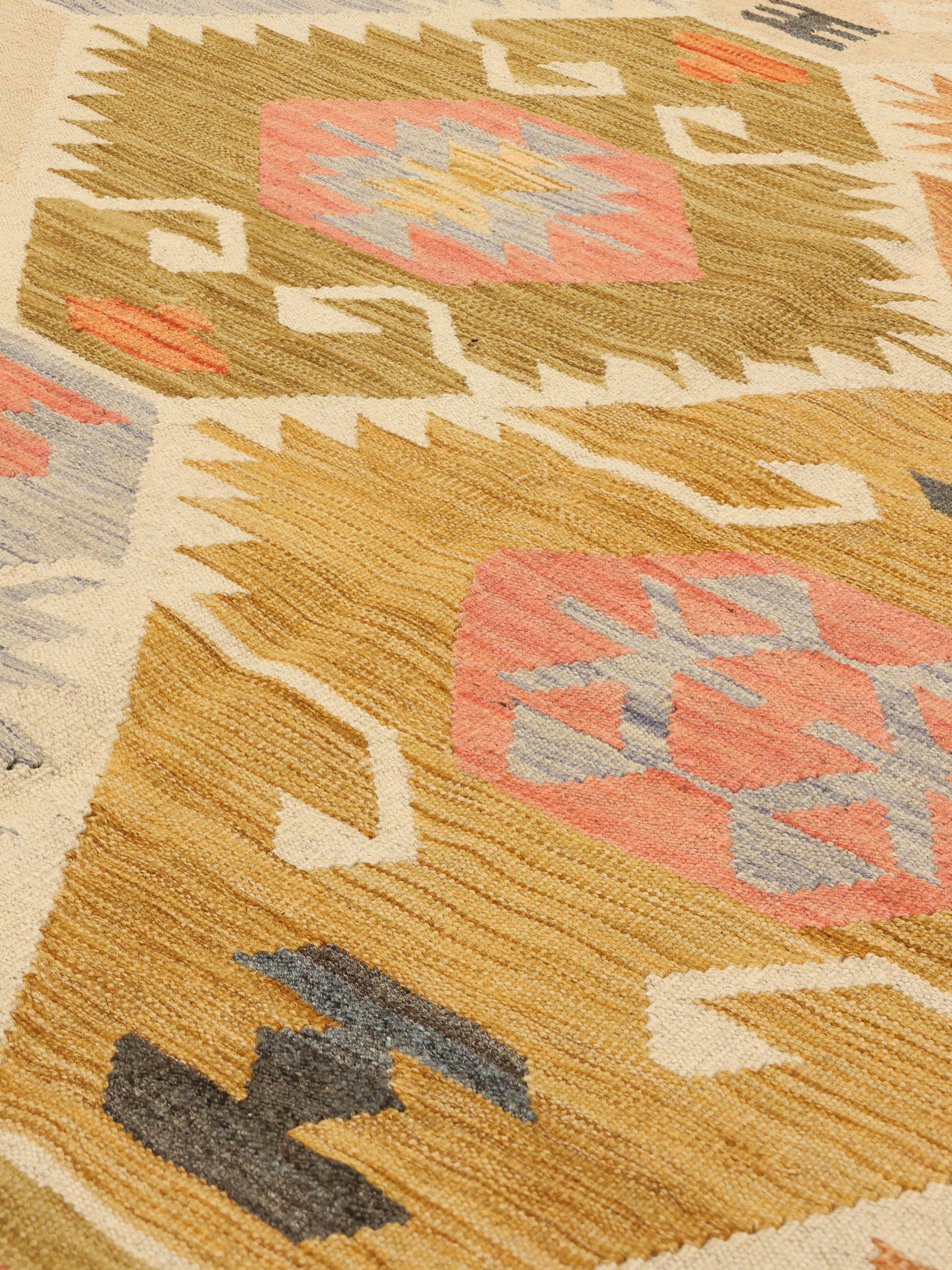
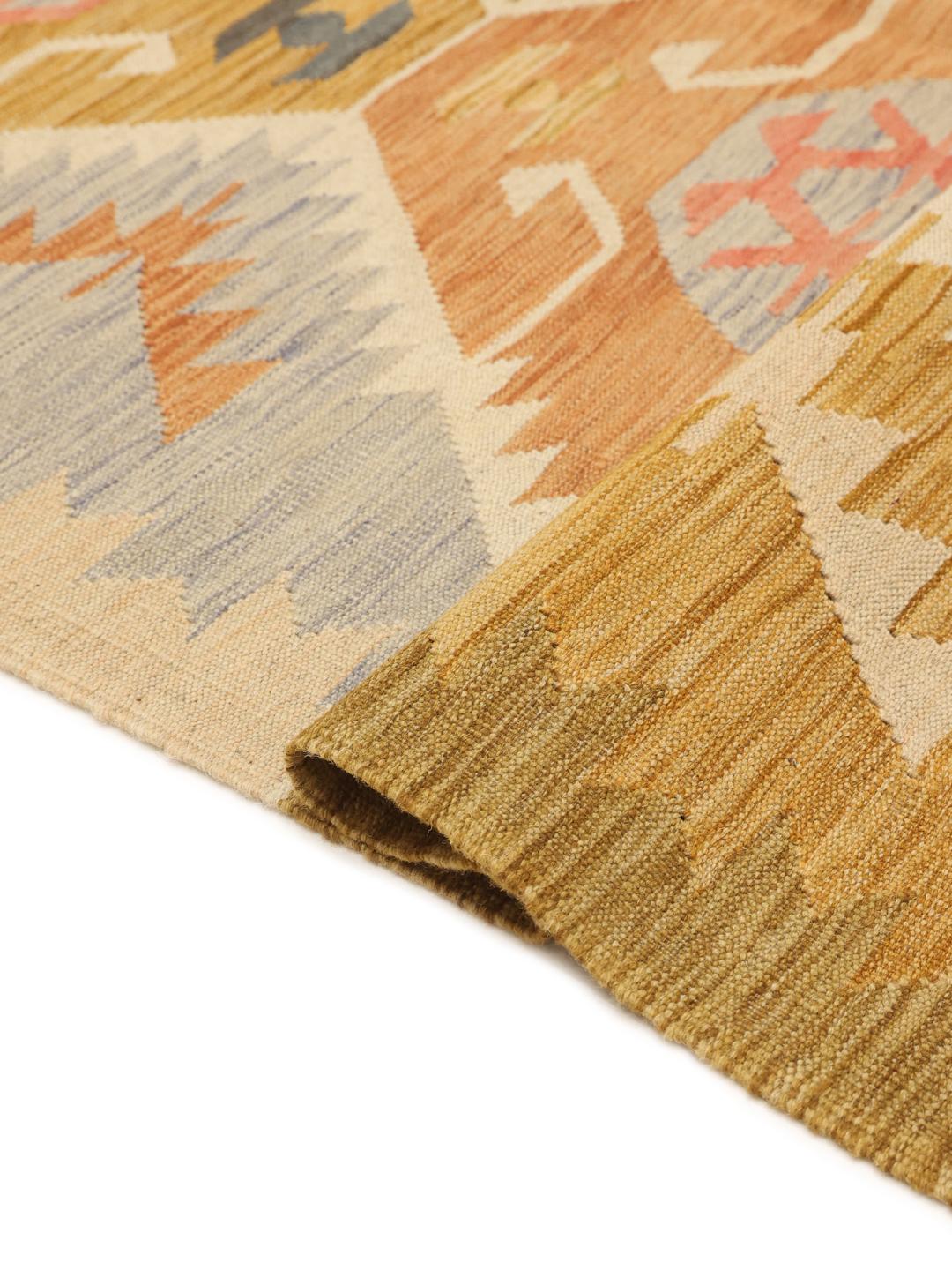
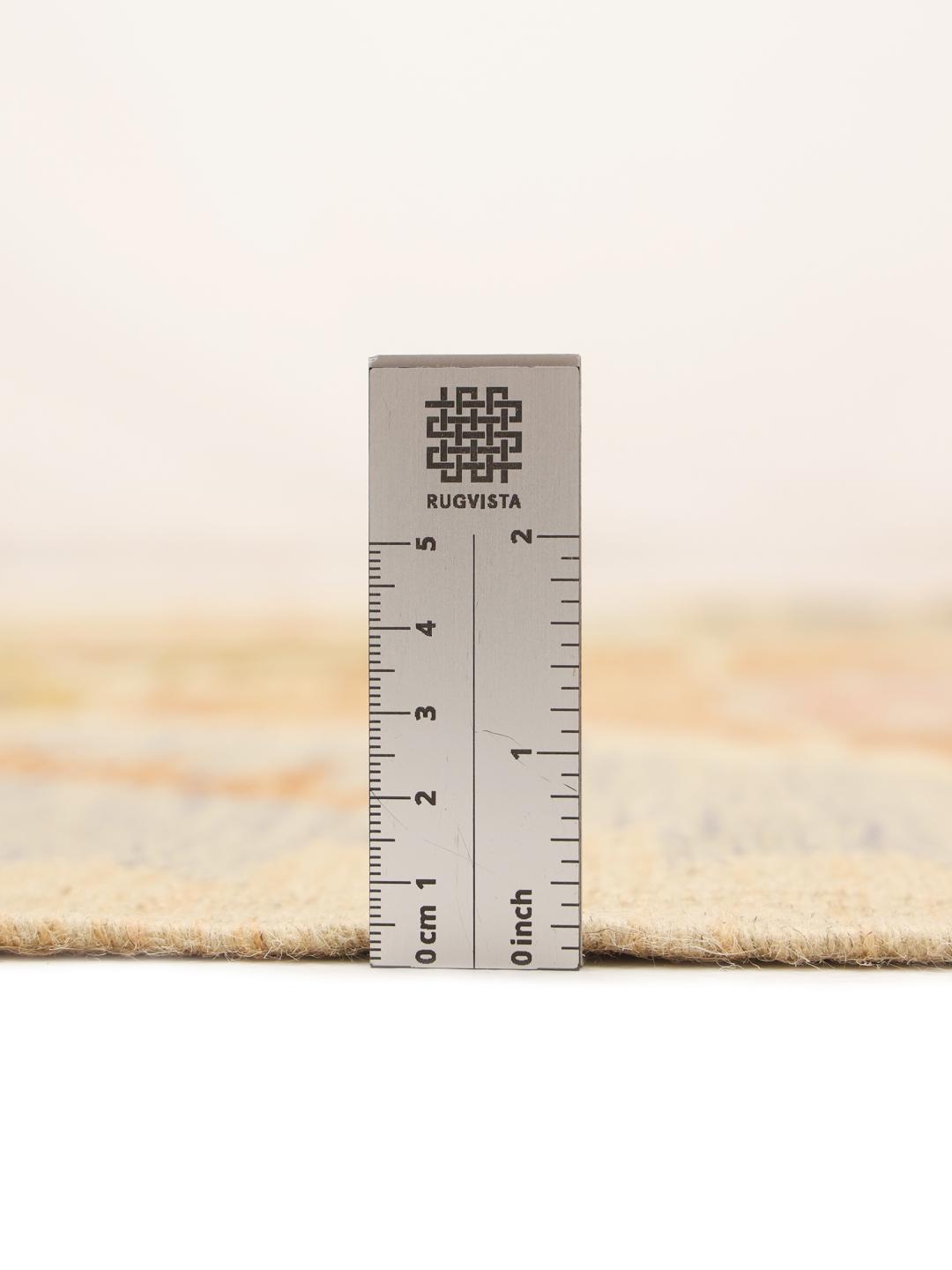
The term 'Kilim' refers specifically to the tapestry-weave, weft-faced construction technique that distinguishes these rugs from pile-knotted varieties. Because they lack a raised pile, they are lightweight yet incredibly sturdy, relying on the structural integrity of the interlaced threads for their longevity. This technique allows for sharp, clear geometric designs that have defined the aesthetic of the region for centuries.
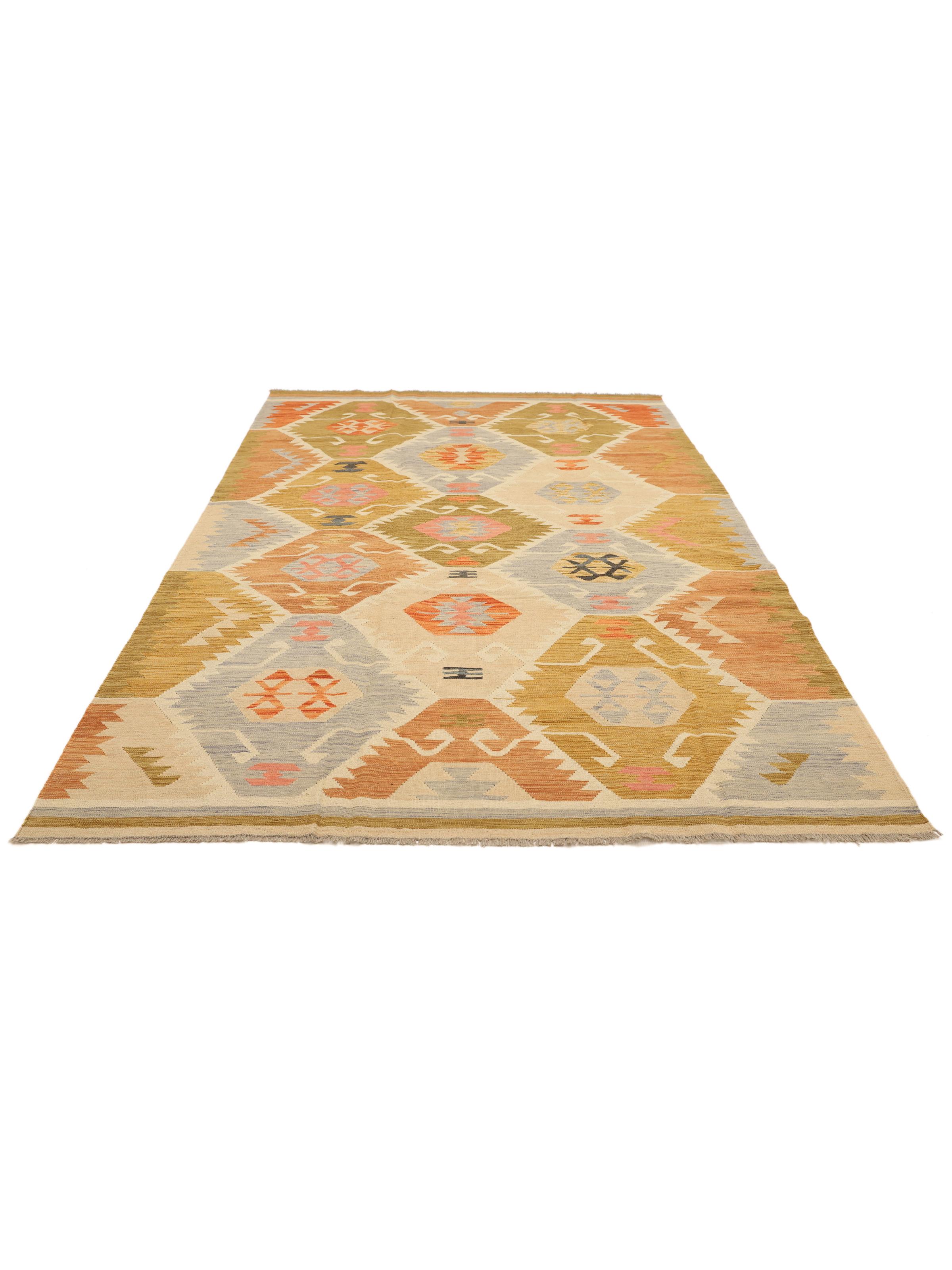
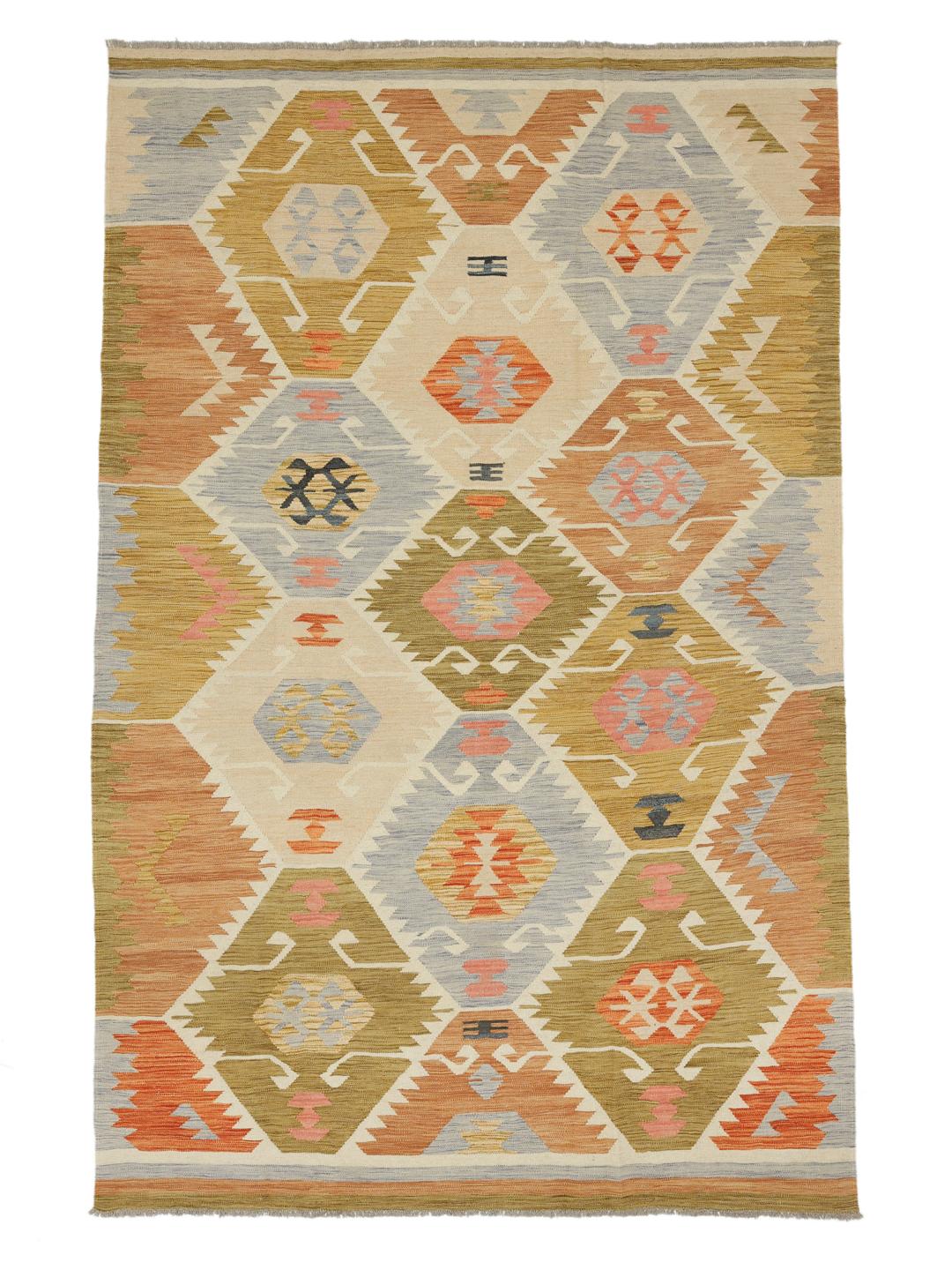
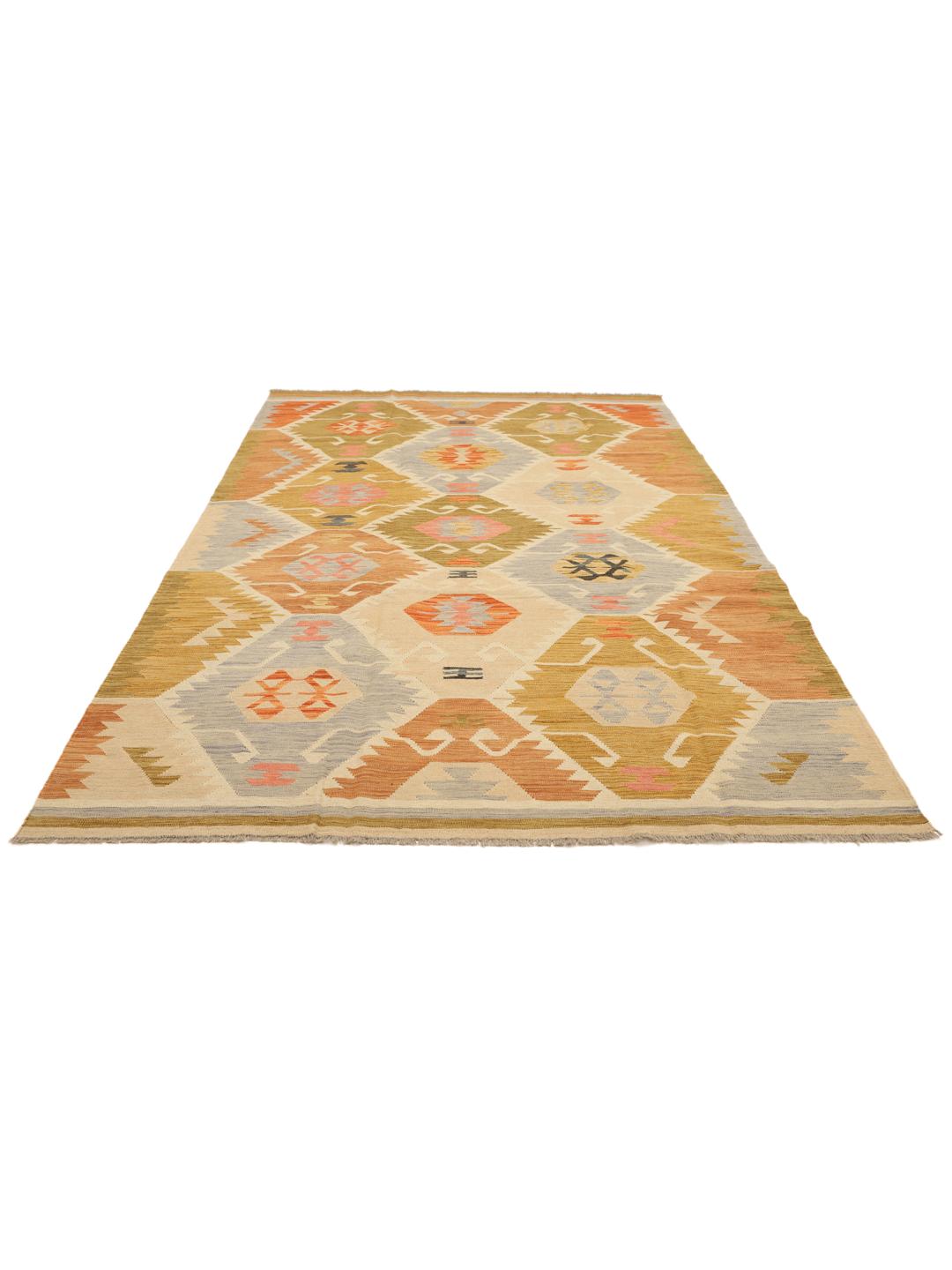
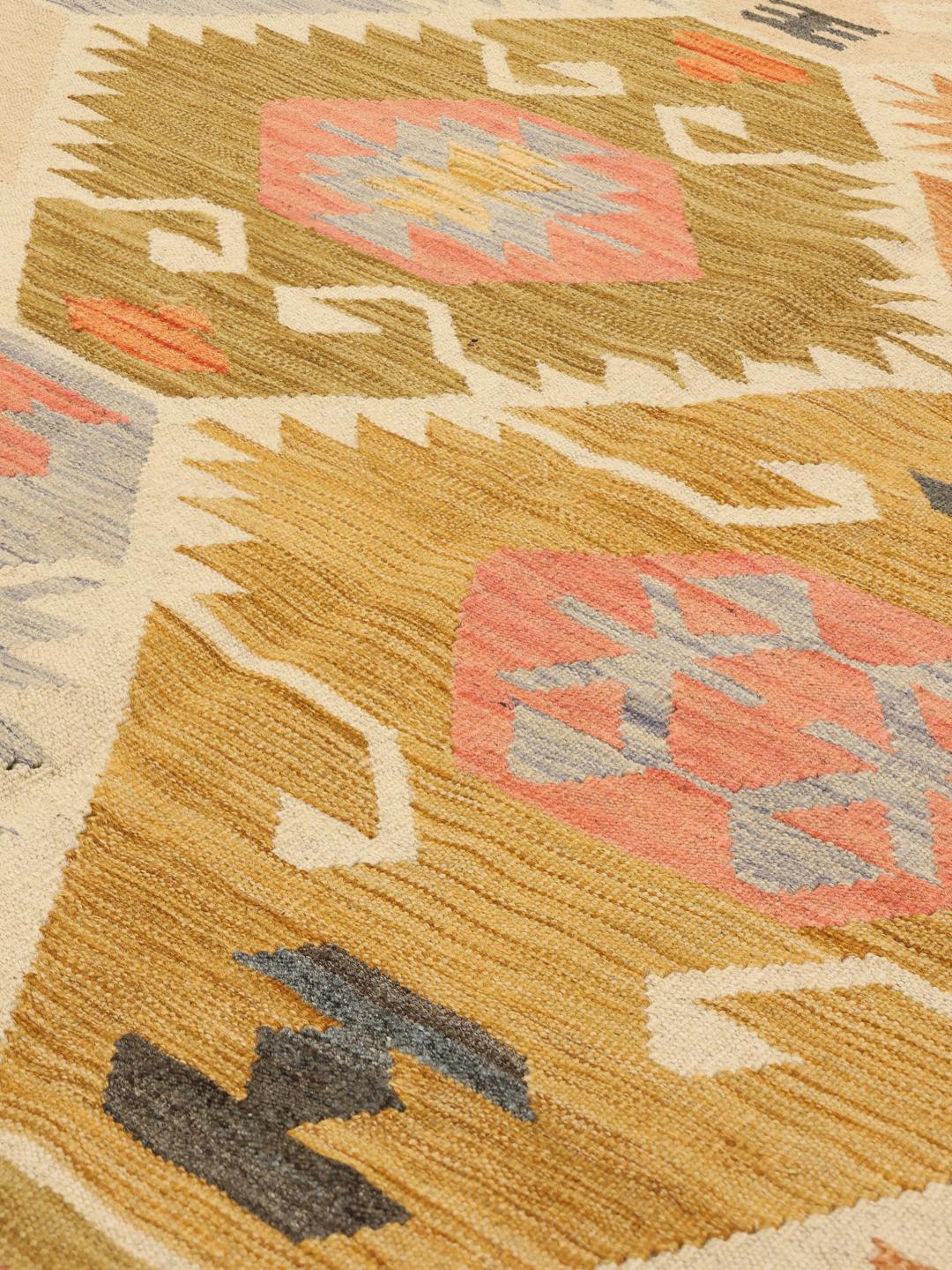
The design language of this rug is deeply rooted in tribal traditions, featuring repeating geometric motifs that often carry symbolic meaning related to protection or prosperity. The use of diamonds and angular shapes is a hallmark of the Berber style, which has been adapted into the modern Kilim repertoire. These patterns are not merely decorative but are part of a visual vocabulary passed down through generations of weavers.
Collecting a Kilim is an opportunity to own a piece of cultural heritage that bridges the gap between ancient craft and contemporary living. These rugs are highly valued for their authenticity and the human story woven into every thread. By choosing a hand-woven Kilim, you are supporting a tradition that values skill, artistic expression, and the preservation of regional techniques that remain largely unchanged by the modern world.