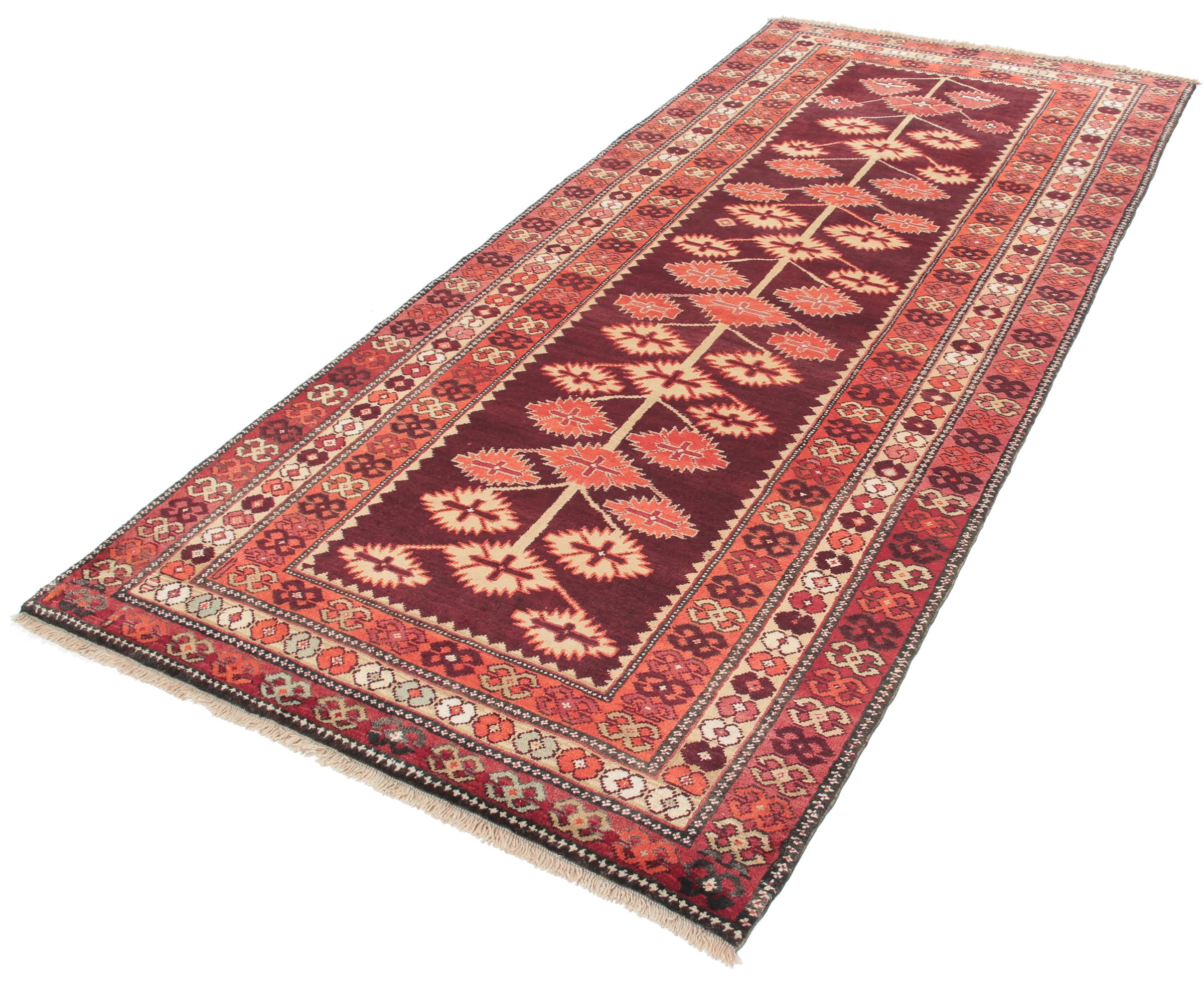
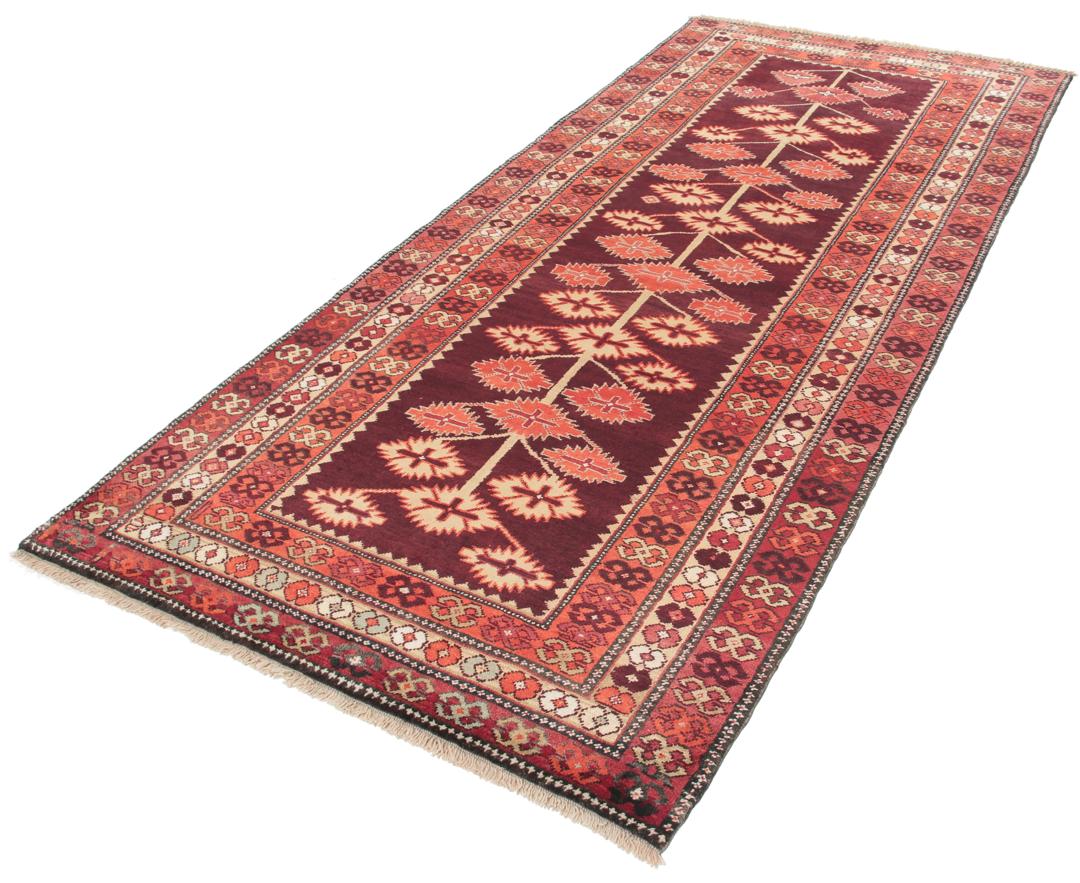
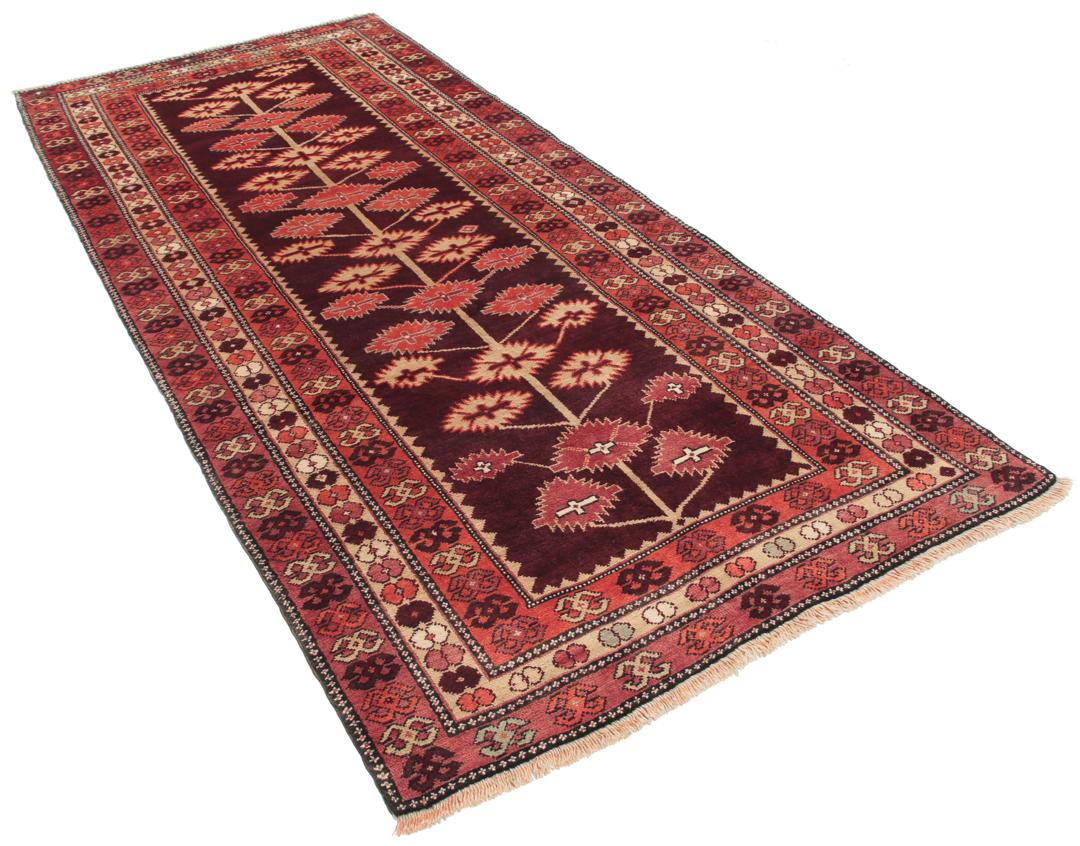
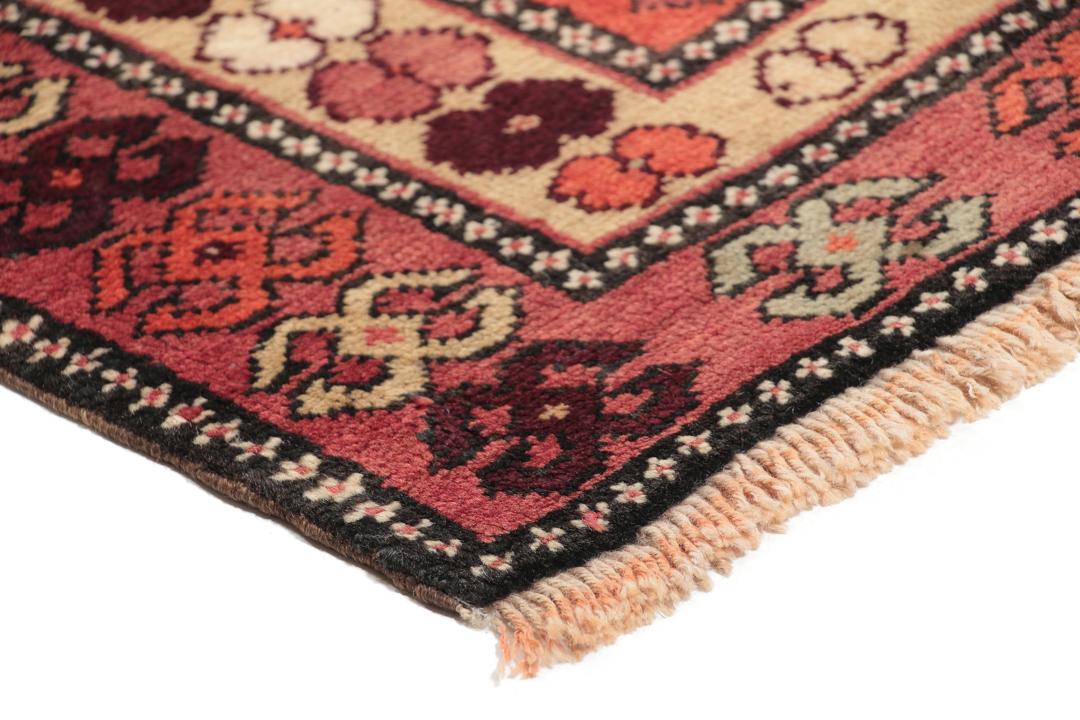
The Kelim rugs of the Karabakh region, situated between the Caucasus Mountains and the plains of the Middle East, are celebrated for their distinctive artistic identity. Historically, this area has been a melting pot of cultural influences, which is reflected in the bold, geometric motifs and vibrant colour palettes of its textiles. These rugs have long been prized not just for their utility, but as vital expressions of the local nomadic and village cultures that have inhabited the region for centuries.
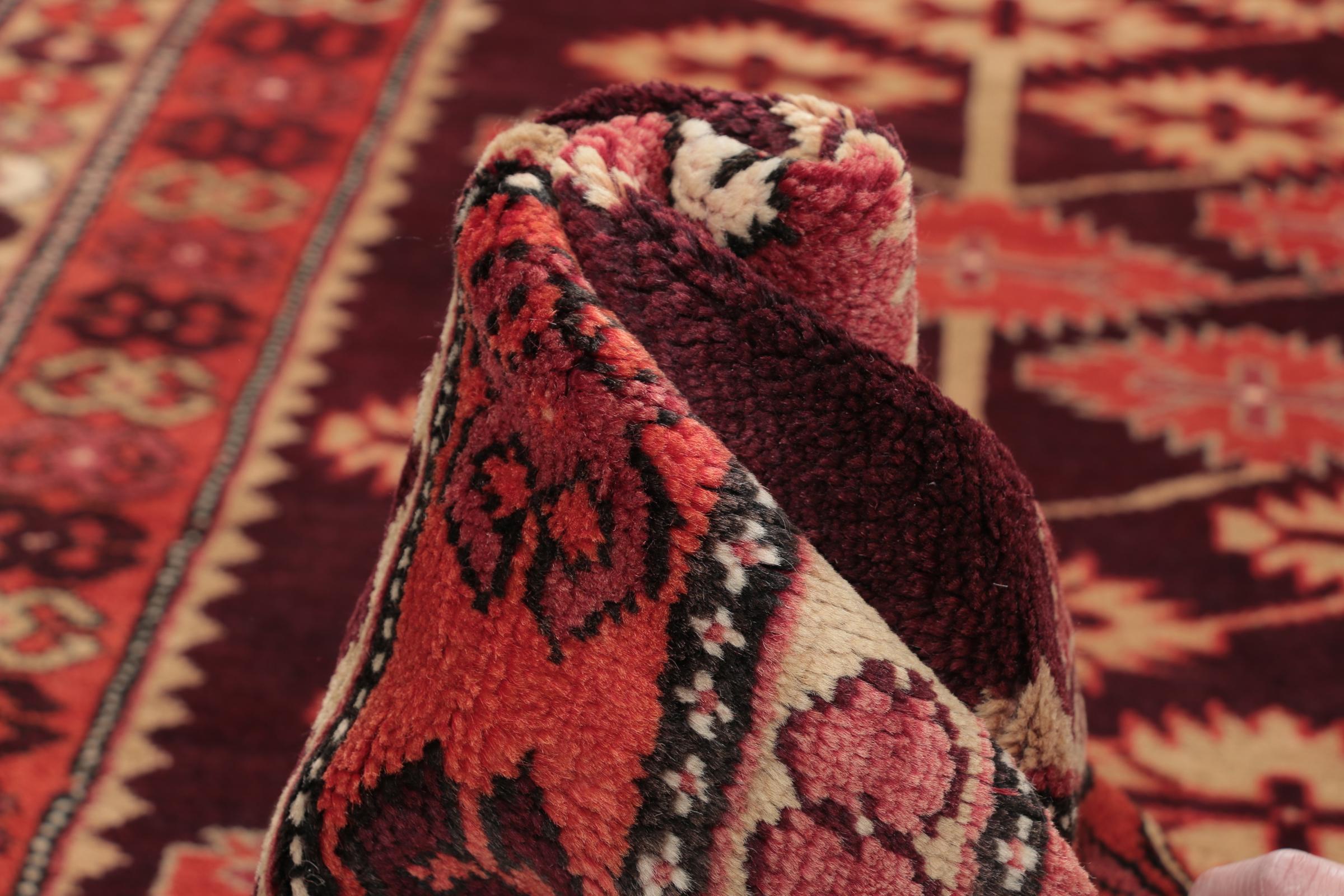
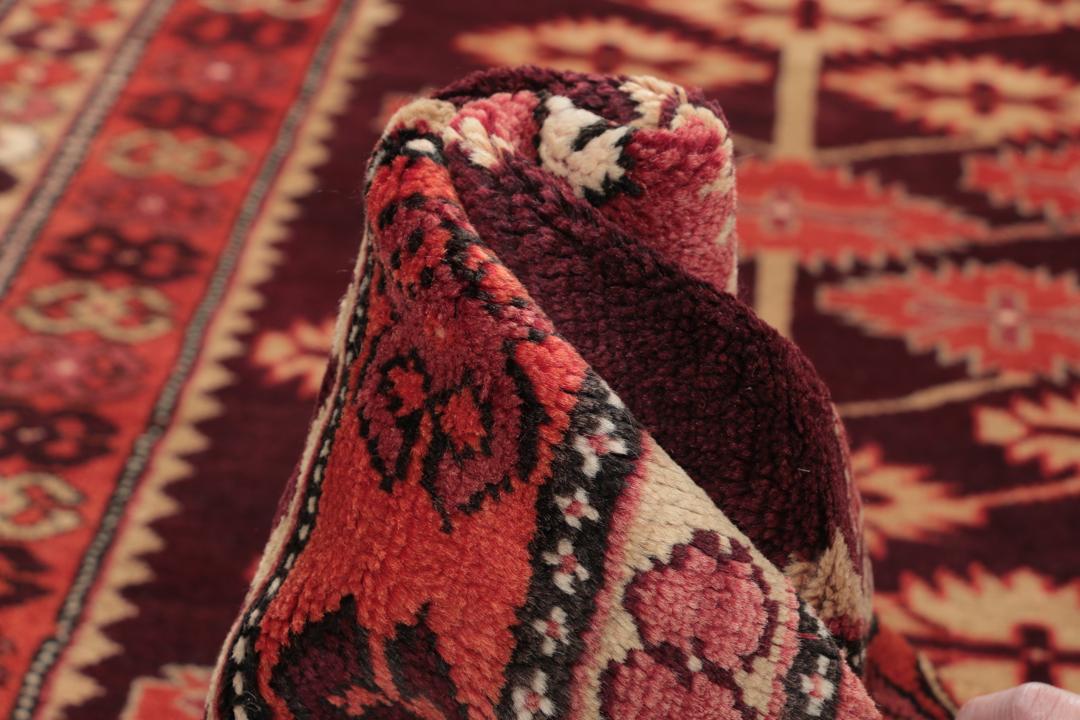
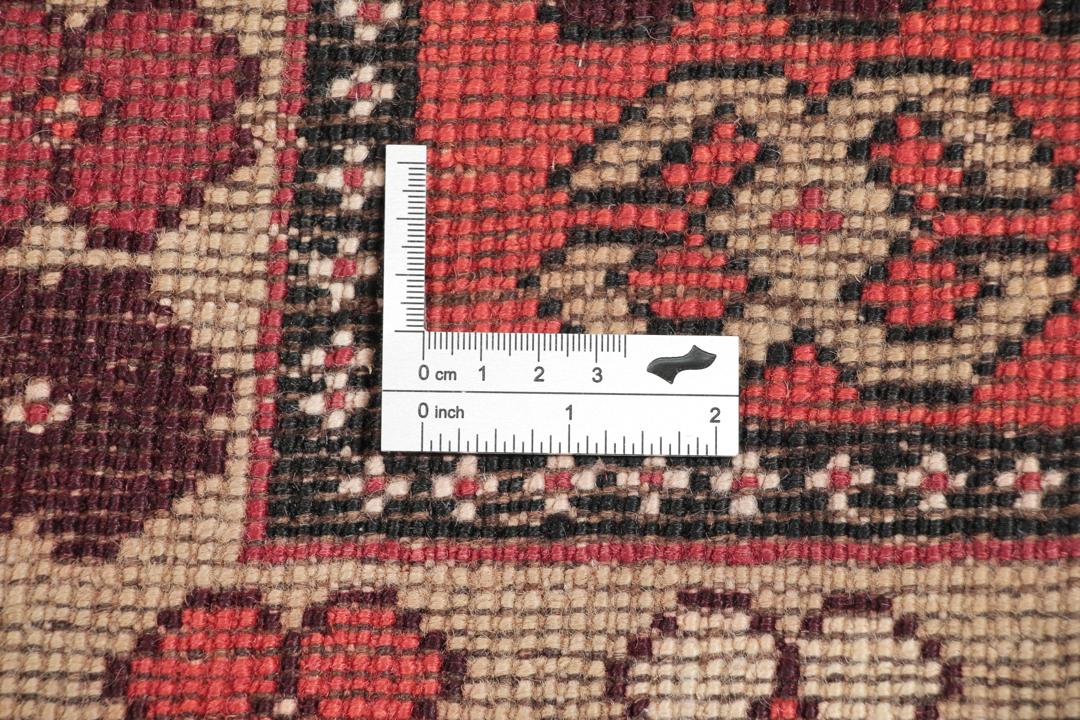
The term Kilim refers to a flat-woven textile, distinct from pile rugs because it lacks a knotted surface. In the Karabakh tradition, this method produces a rug that is lightweight yet incredibly robust. The technique involves a meticulous interlacing of warp and weft threads, which allows for the creation of sharp, clean lines and complex, repeating patterns. This structural simplicity is the hallmark of the style, making these pieces highly valued for their clarity of design and technical precision.
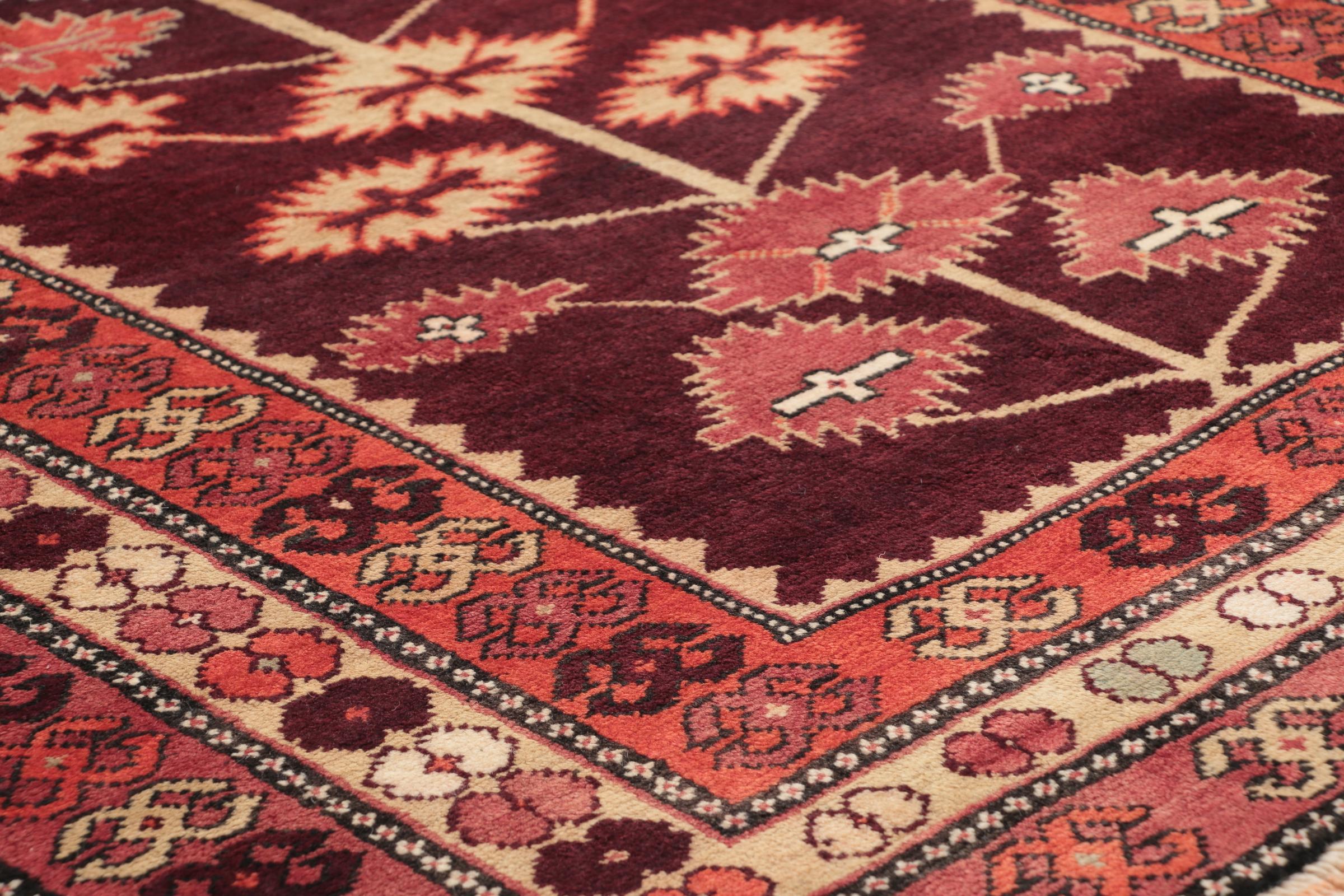
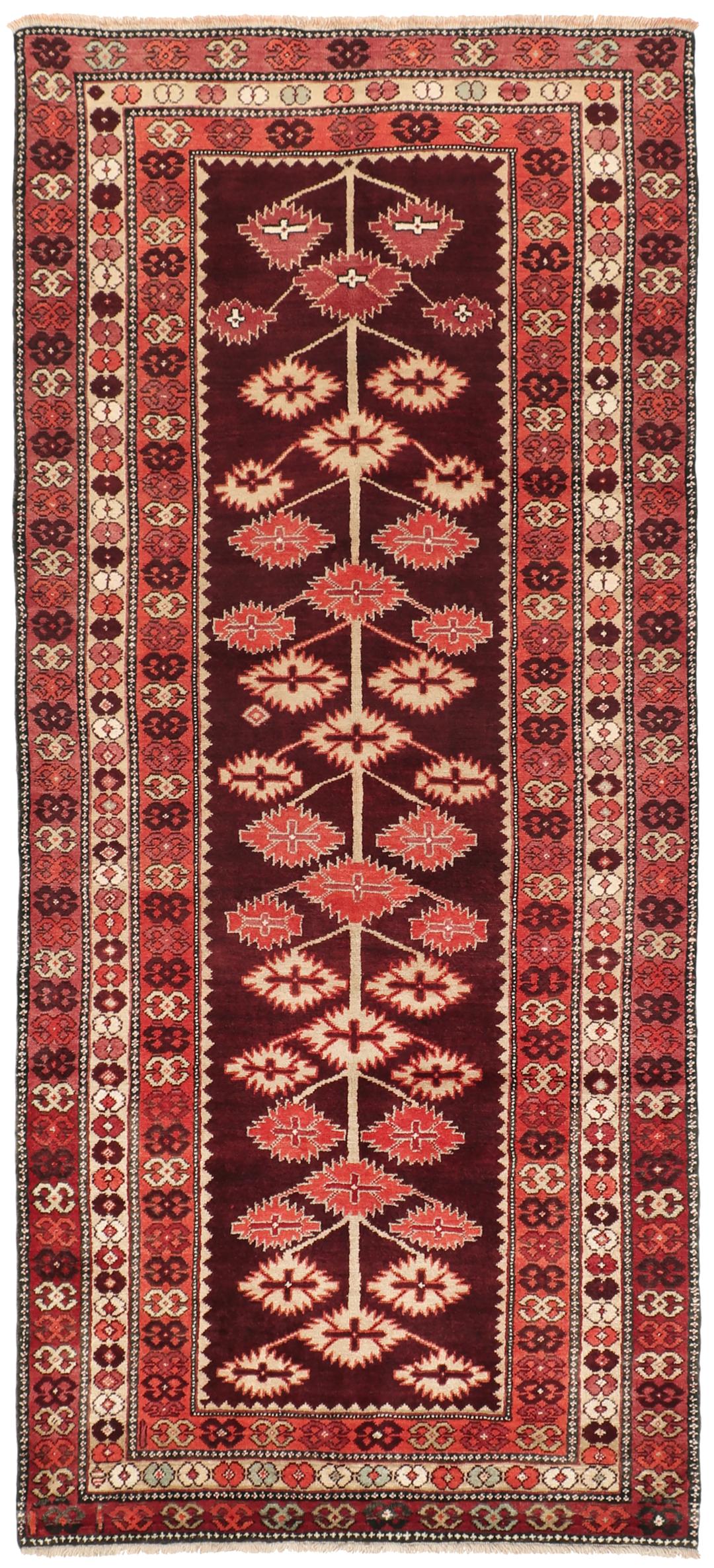
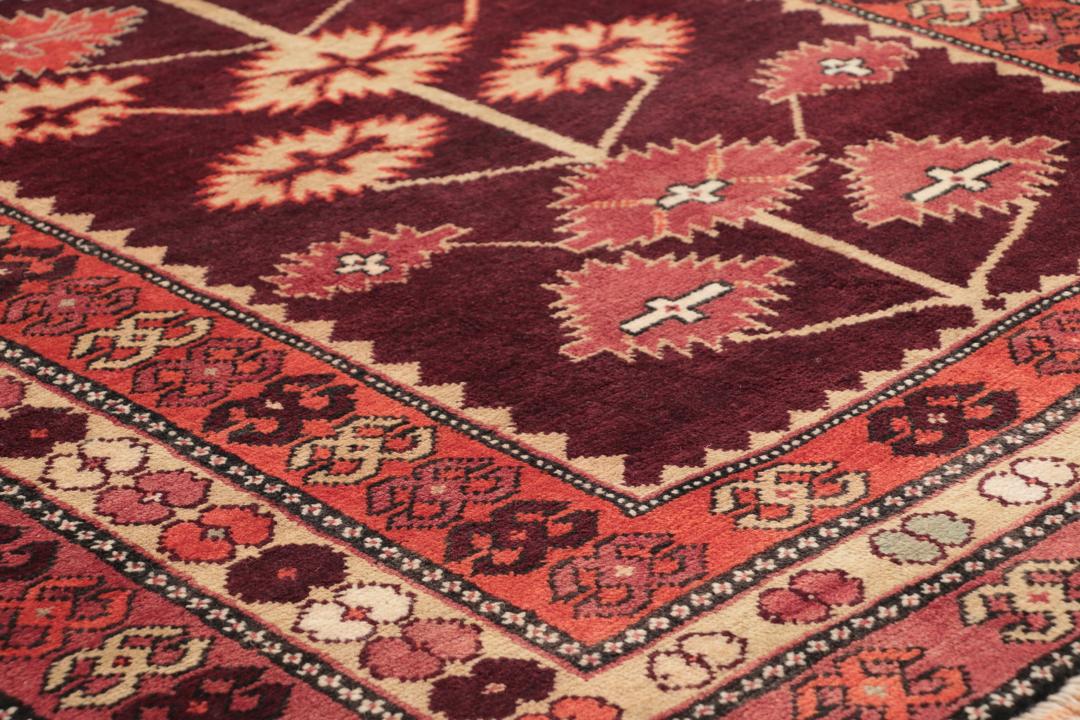
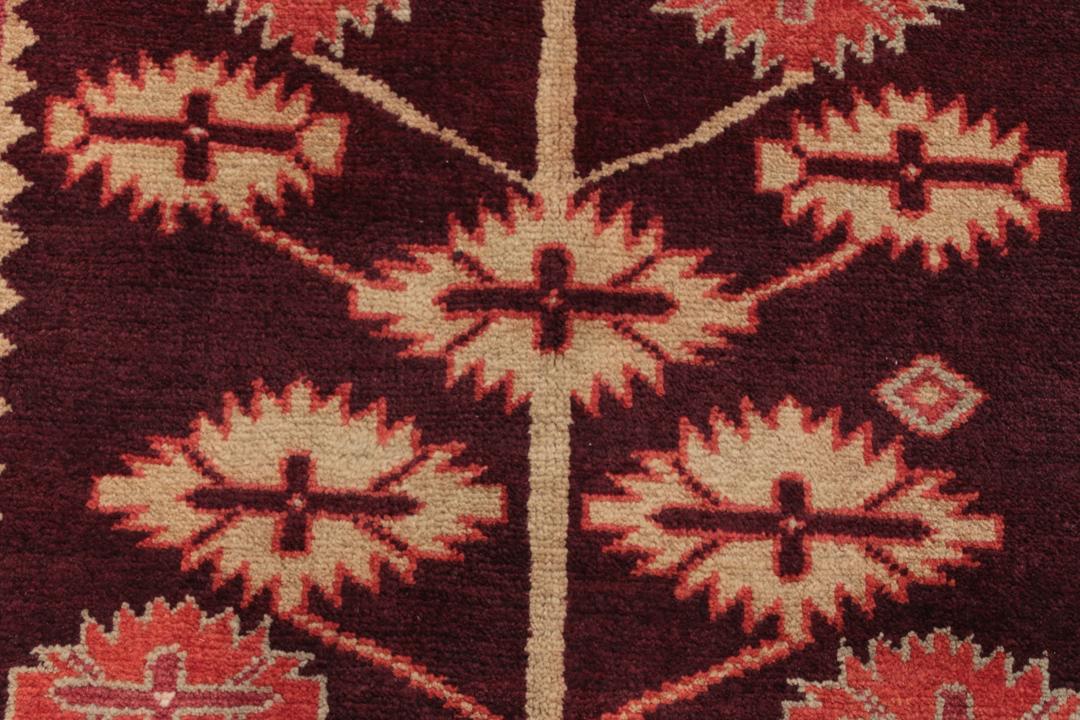
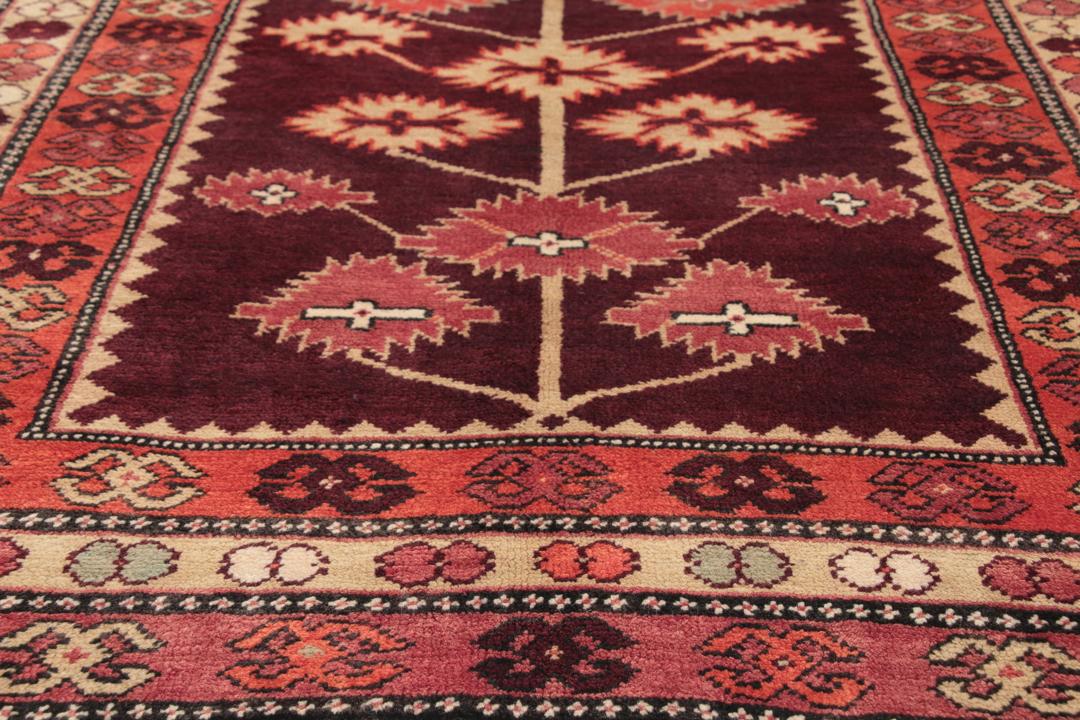
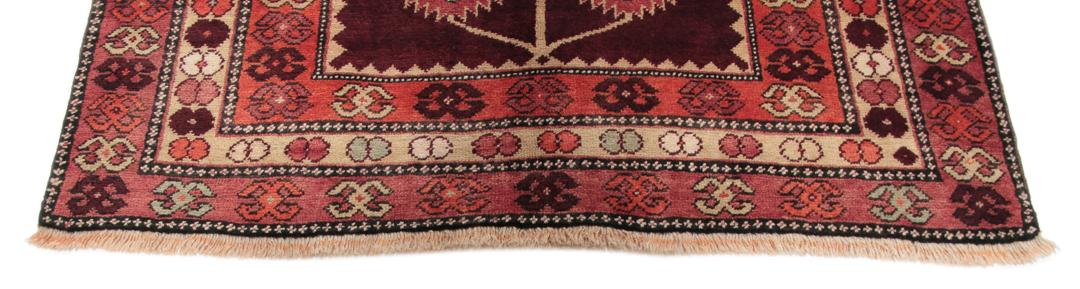
Visually, Karabakh Kilims are often characterised by their dramatic use of colour and stylised, symbolic motifs. You will frequently find recurring patterns that draw inspiration from nature, such as stylised flowers, stars, and tribal symbols that hold deep cultural significance. The choice of a dark, rich field often provides a dramatic background that makes these iconic motifs stand out, creating a visual rhythm that is both balanced and captivating.
Collecting a Kelim from this region is an opportunity to own a piece of living history. These rugs are respected by collectors worldwide for the skill involved in their creation and the cultural weight they carry. By bringing a piece of this tradition into your home, you are connecting with a heritage of craft that prioritises patience, intentionality, and a deep respect for the materials used.