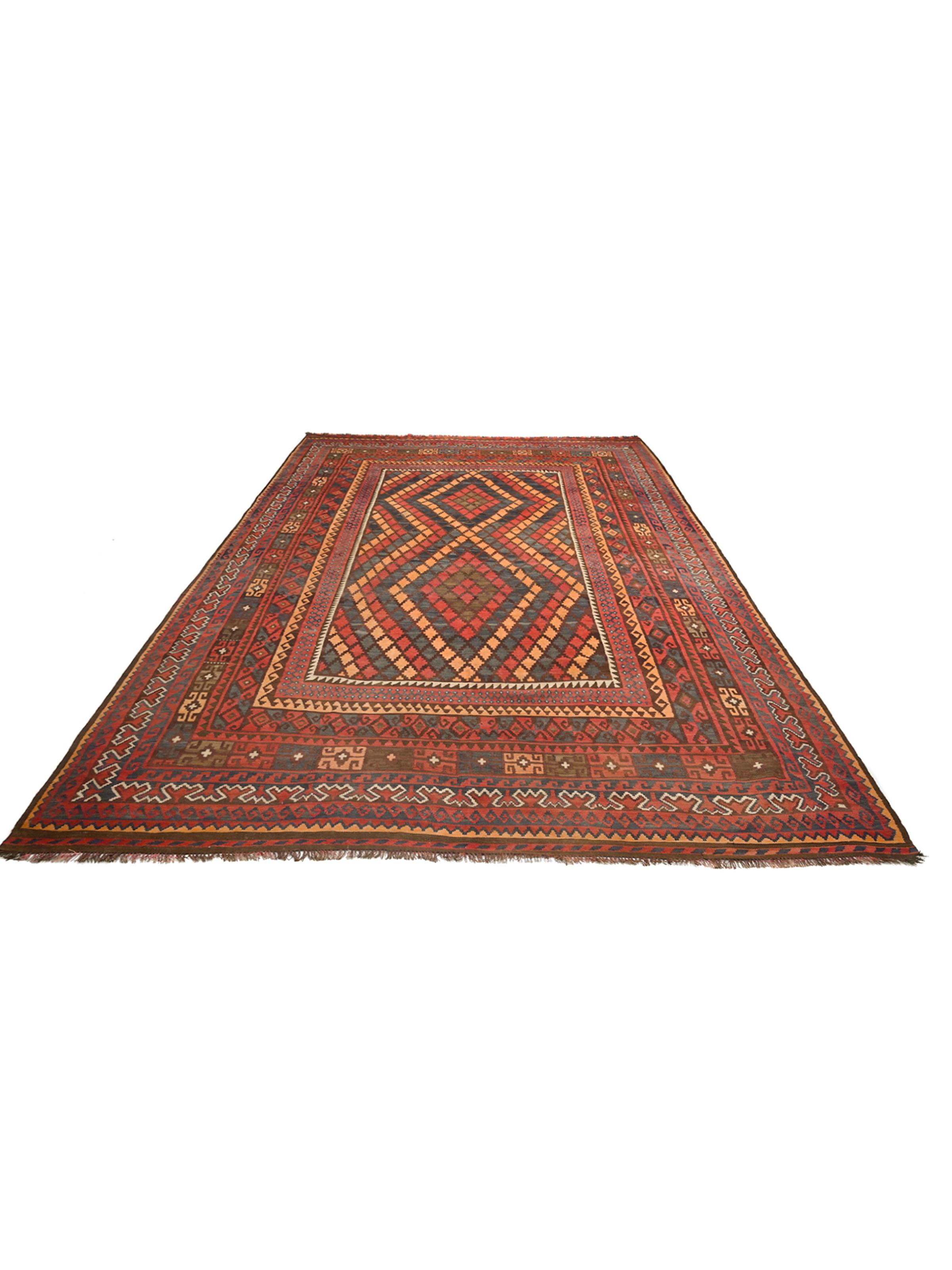
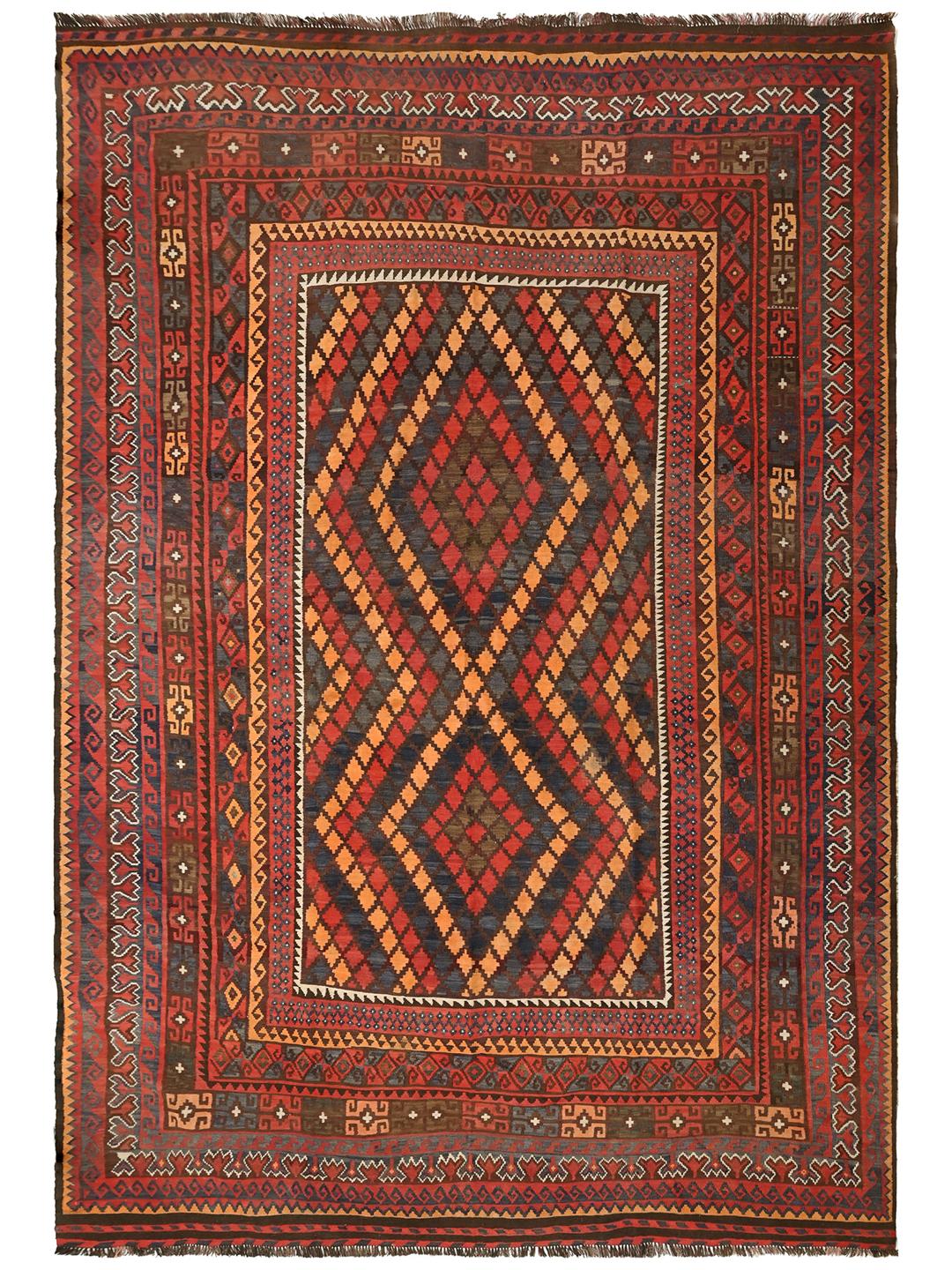
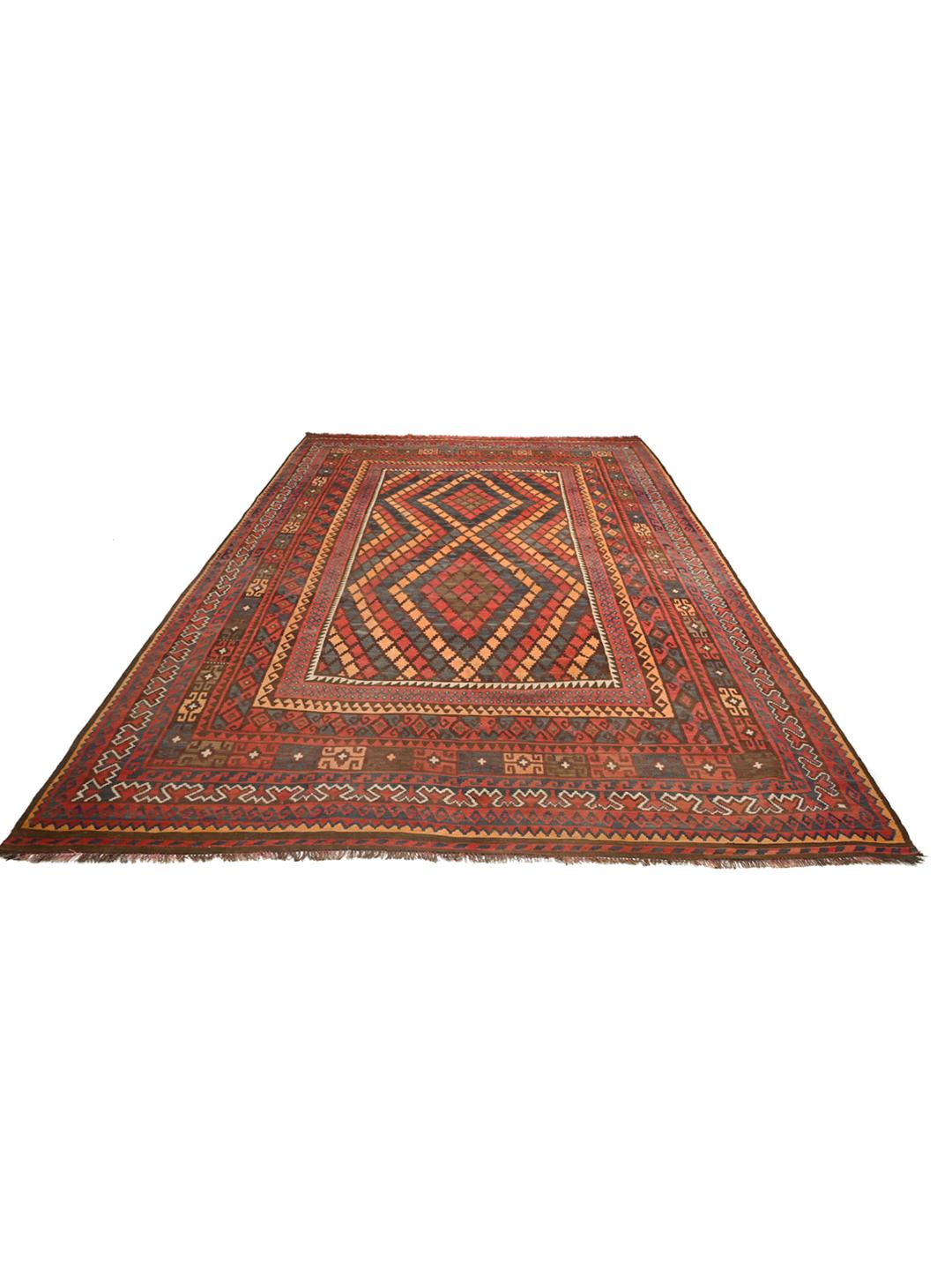
The Maimane kilim tradition hails from the Faryab province of northern Afghanistan, a region with a deep-rooted history of nomadic and semi-nomadic weaving. These rugs are traditionally associated with the local tribes who have refined their weaving techniques over generations, adapting their designs to reflect the landscapes and cultural symbols of the region.
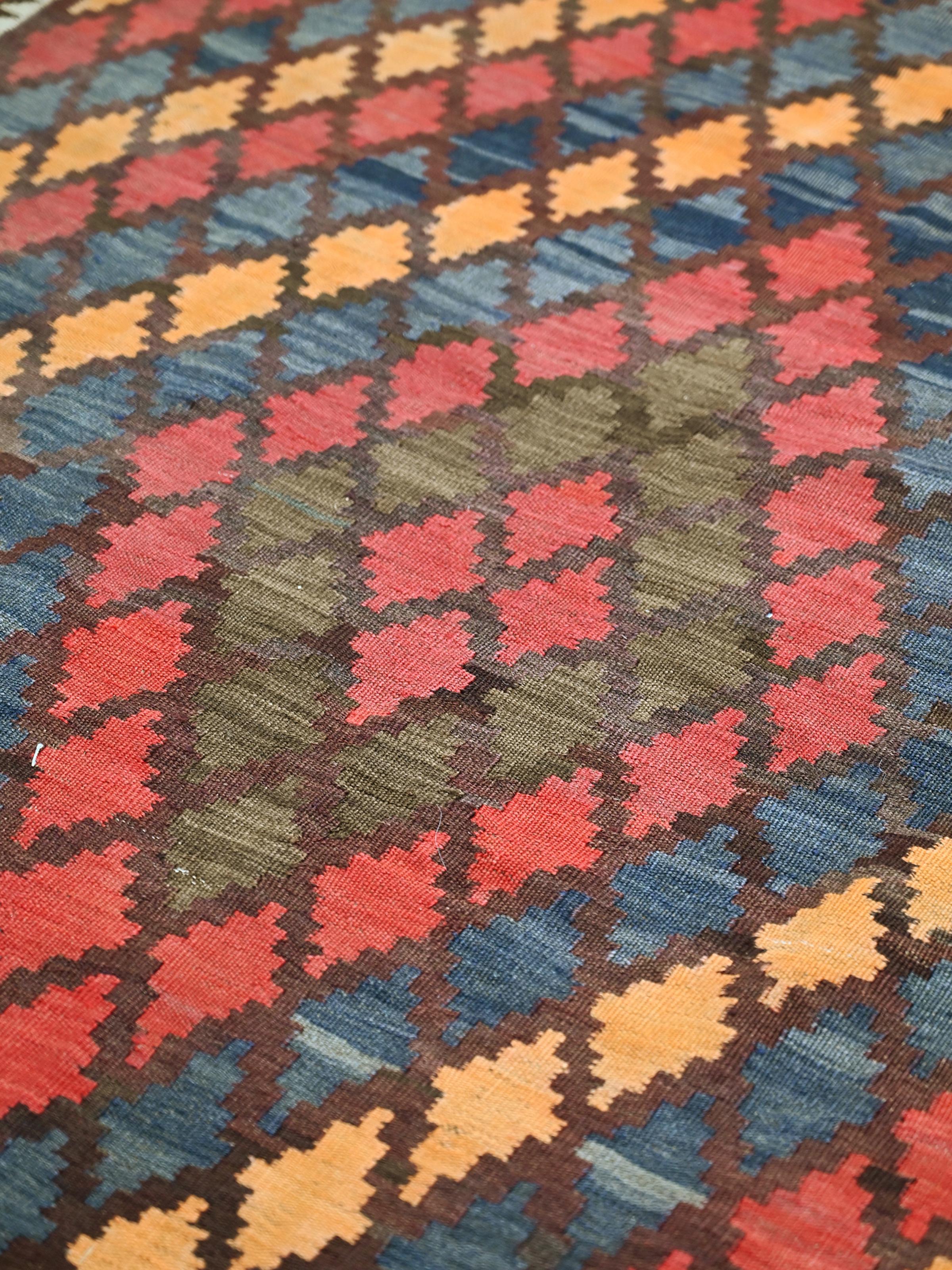
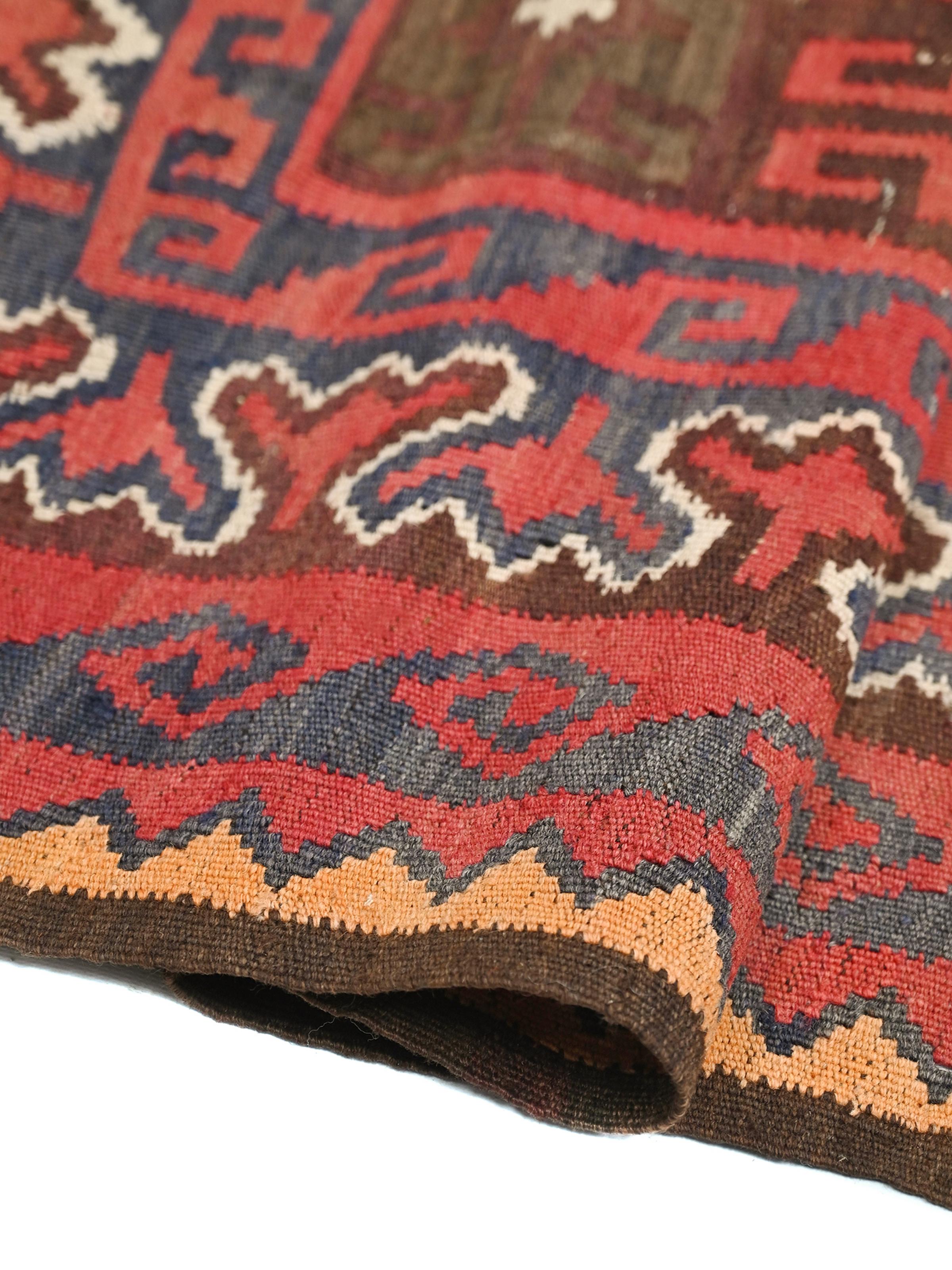
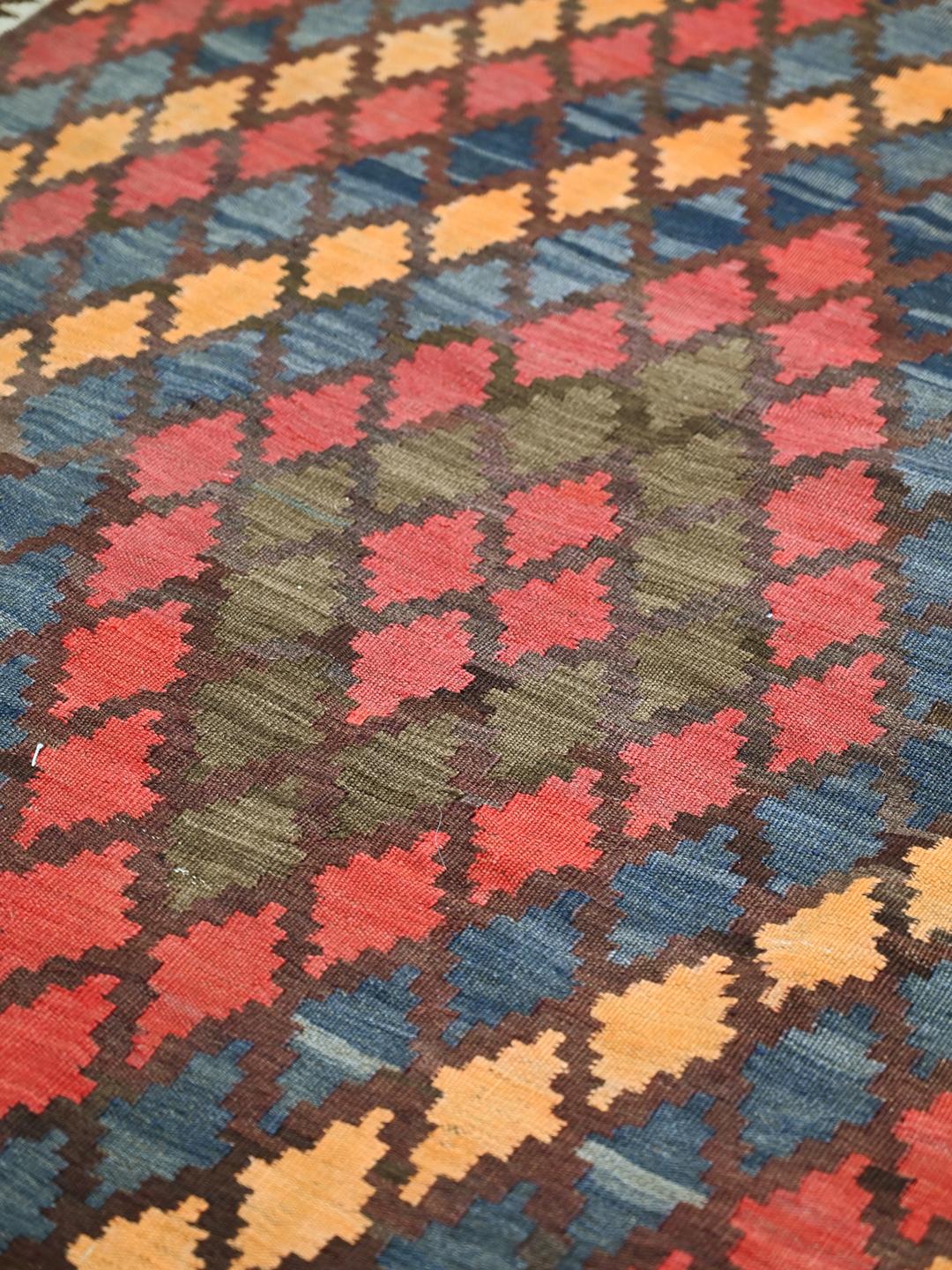
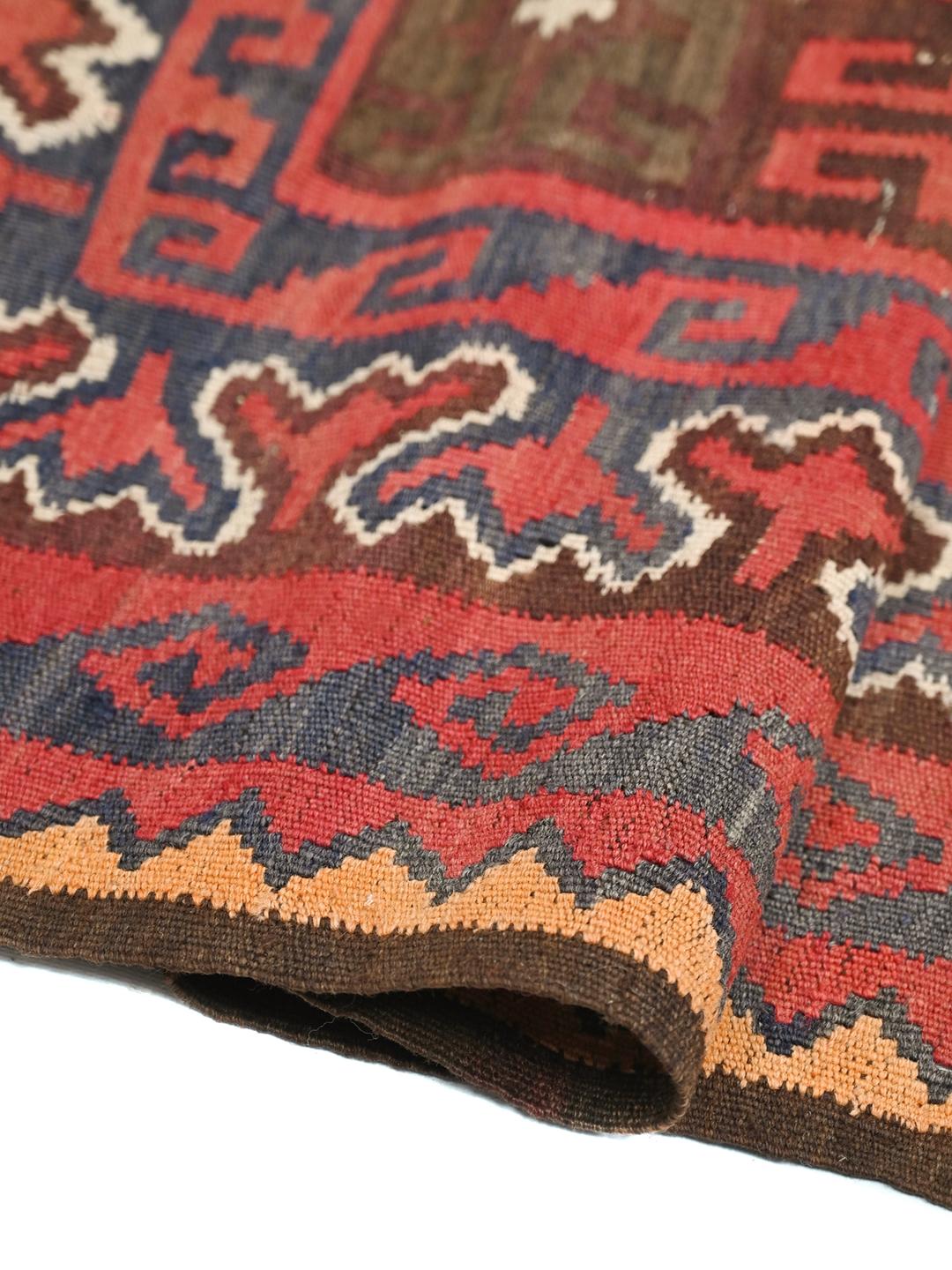
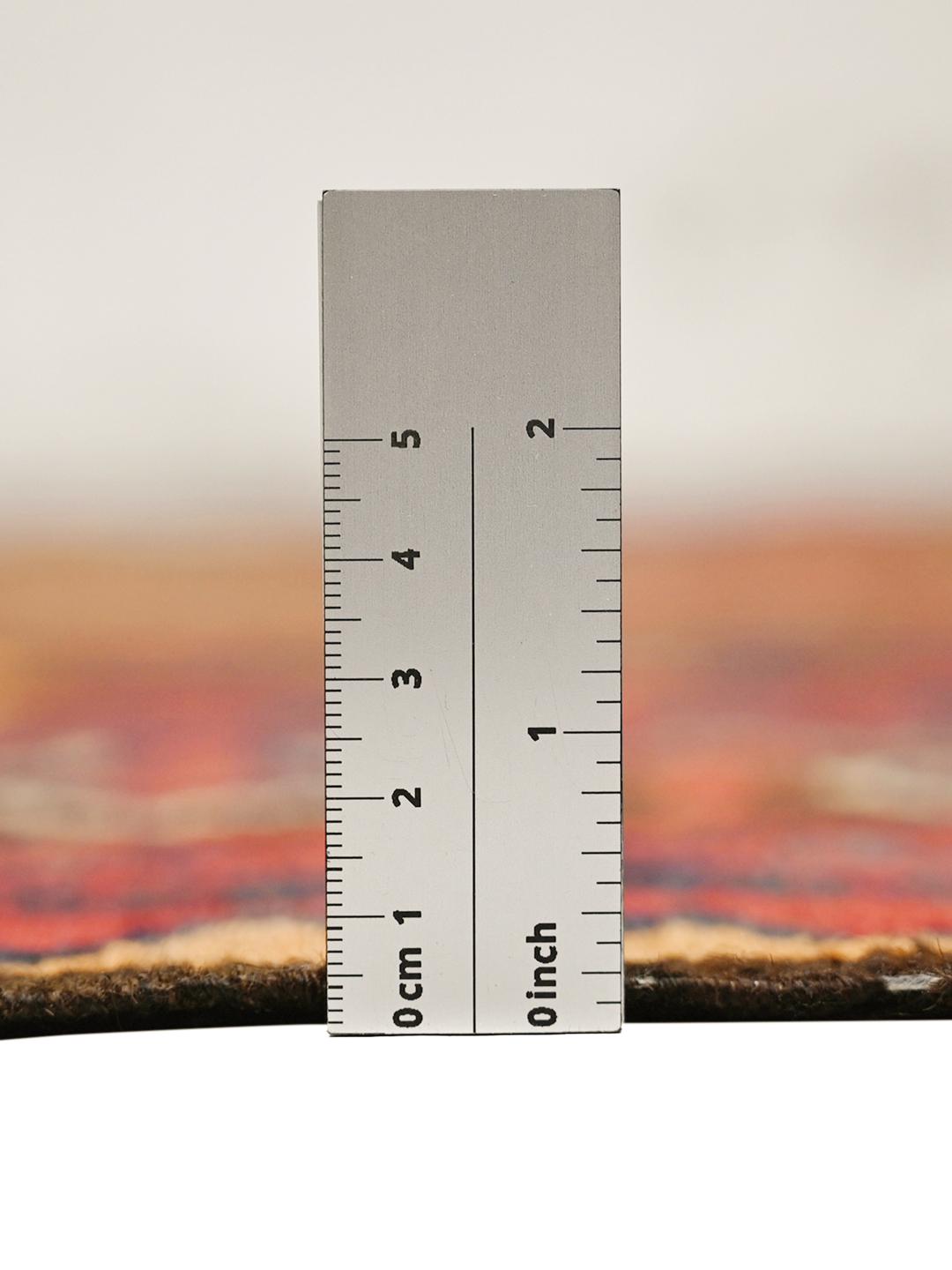
A kilim is defined by its flat-weave construction, where the weft strands are pulled tightly to cover the warp yarns entirely. This technique eliminates the pile found in traditional knotted rugs, resulting in a lightweight yet incredibly durable textile. For the user, this means a rug that is versatile, easy to maintain, and capable of lying perfectly flat against the floor.
Visually, Maimane kilims are known for their bold, geometric language. The field is often dominated by large, repeating diamonds or medallions, framed by intricate, multi-layered borders. The colour palette typically features deep, earthy tones derived from traditional dyeing methods, giving these pieces a grounded, timeless appearance that complements a variety of interior settings.
Owning a Maimane kilim is an investment in cultural heritage. These rugs are highly valued by collectors for their authenticity and the skill required to maintain the precision of their geometric motifs without the aid of modern technology. By bringing this piece into your home, you are preserving a craft tradition that remains a vibrant and essential part of Afghan identity.