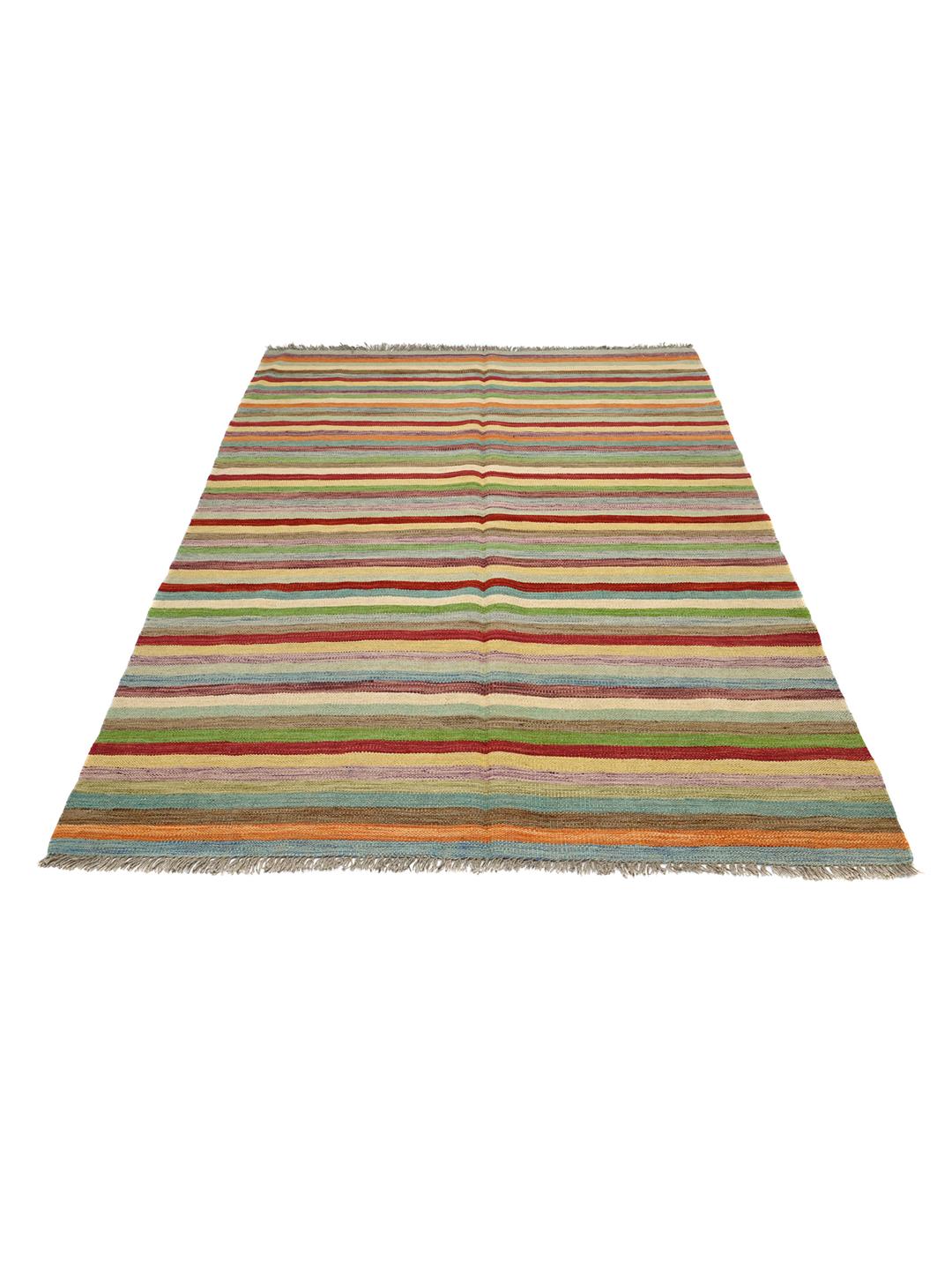
Kilim rugs represent one of the oldest and most celebrated textile traditions originating from the Middle East and Central Asia. These flat-woven treasures have been used for centuries by nomadic tribes, serving not just as floor coverings, but as essential items for warmth, insulation, and decoration within tents and homes.
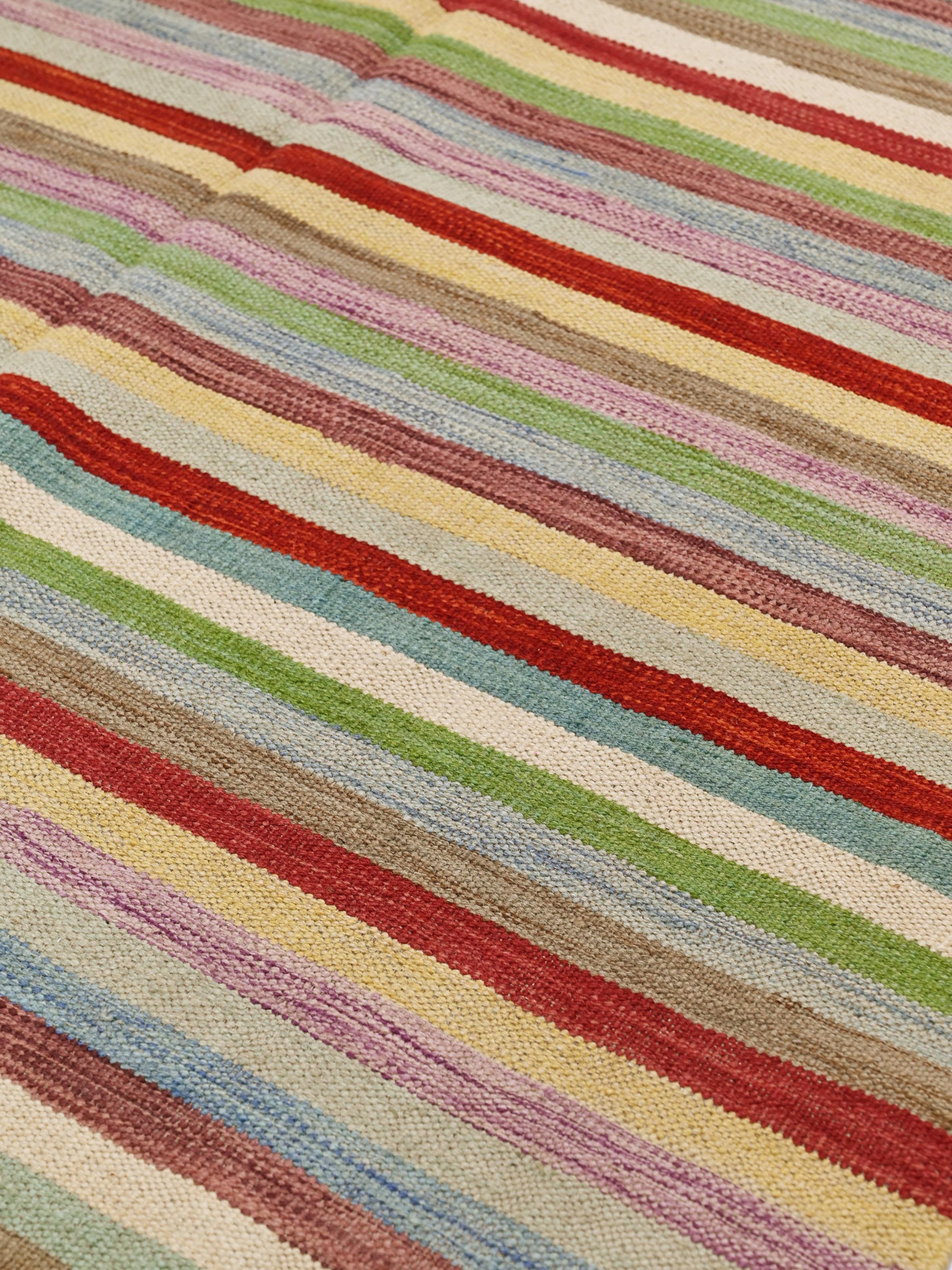
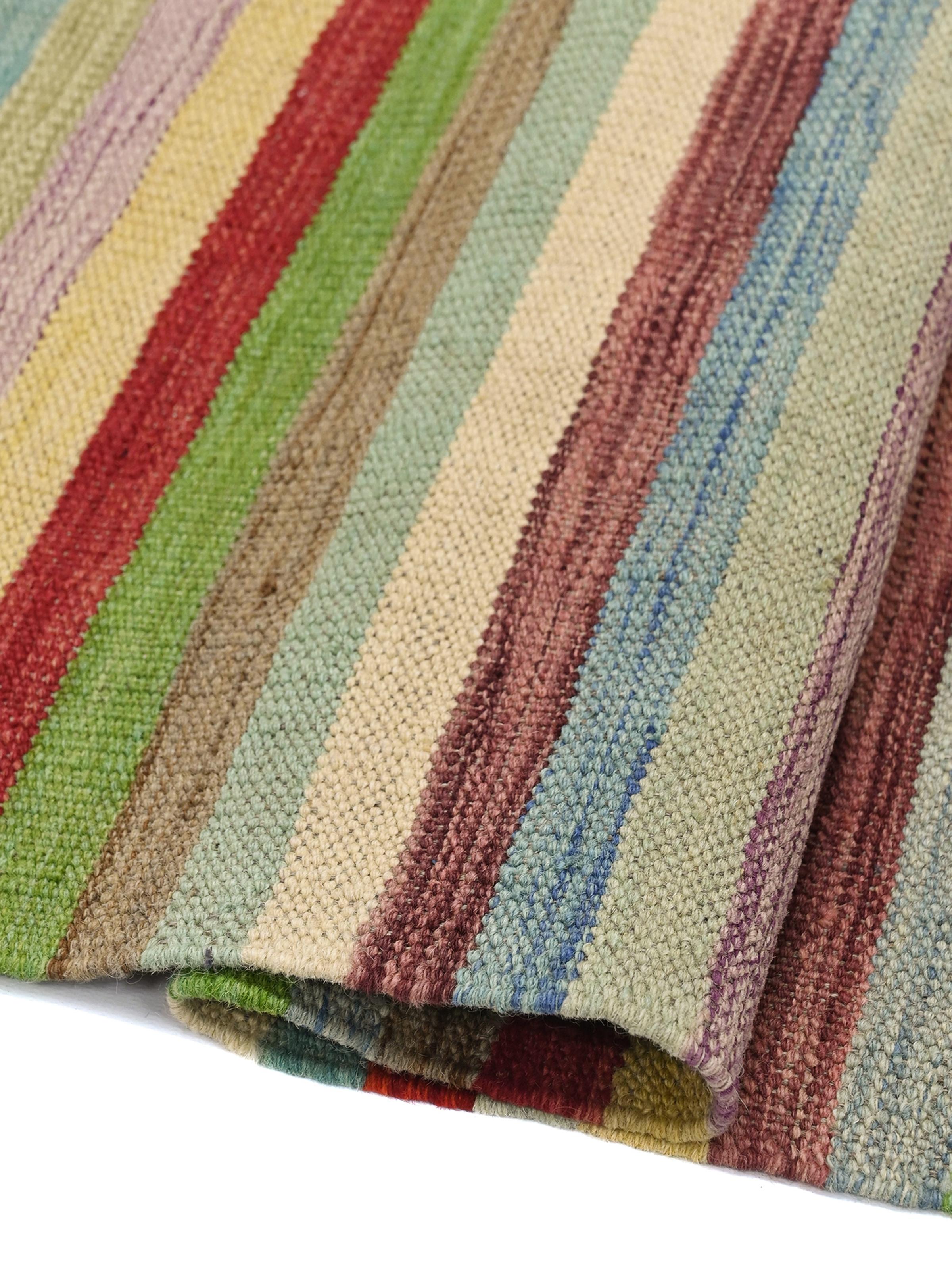
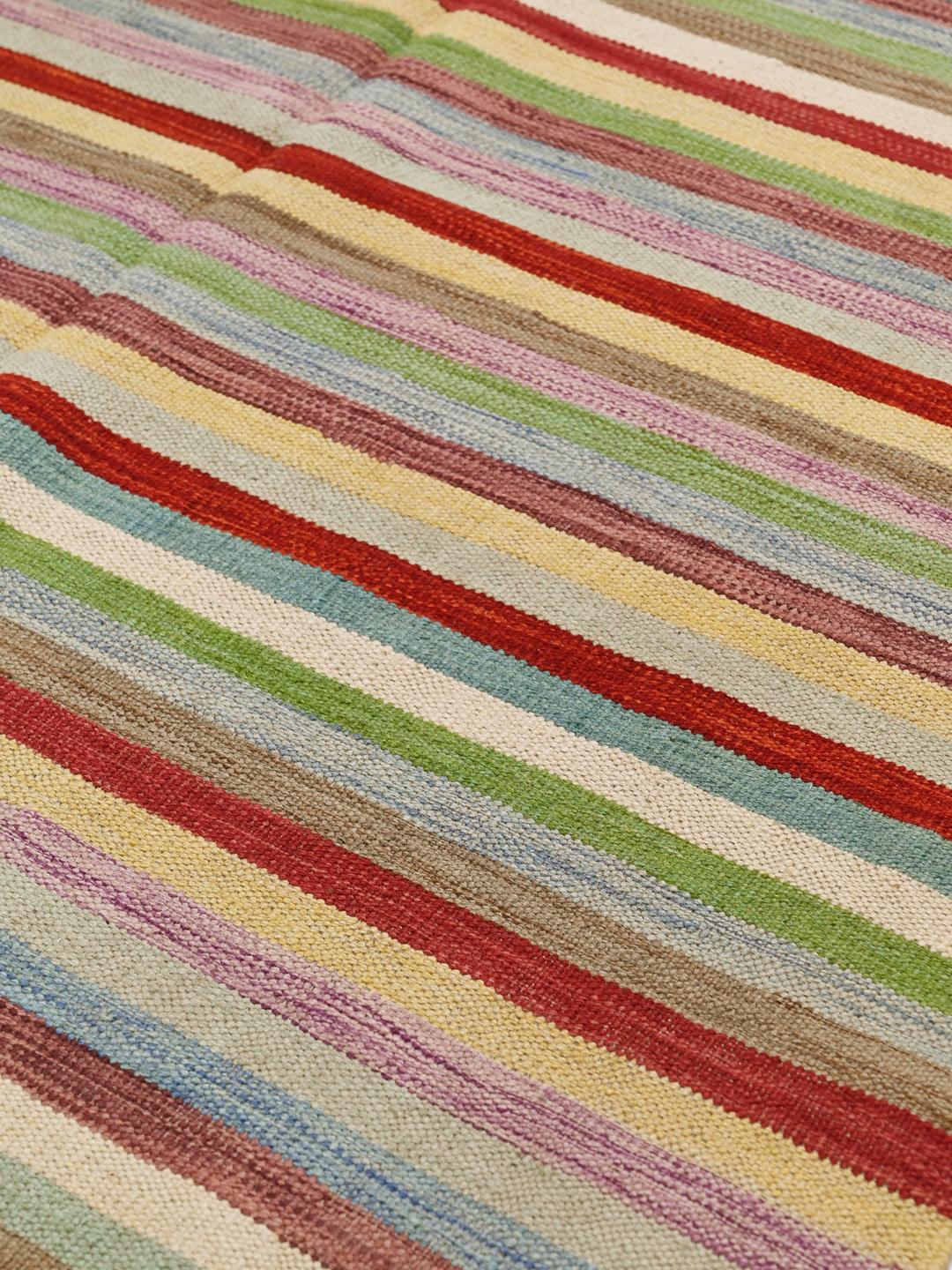
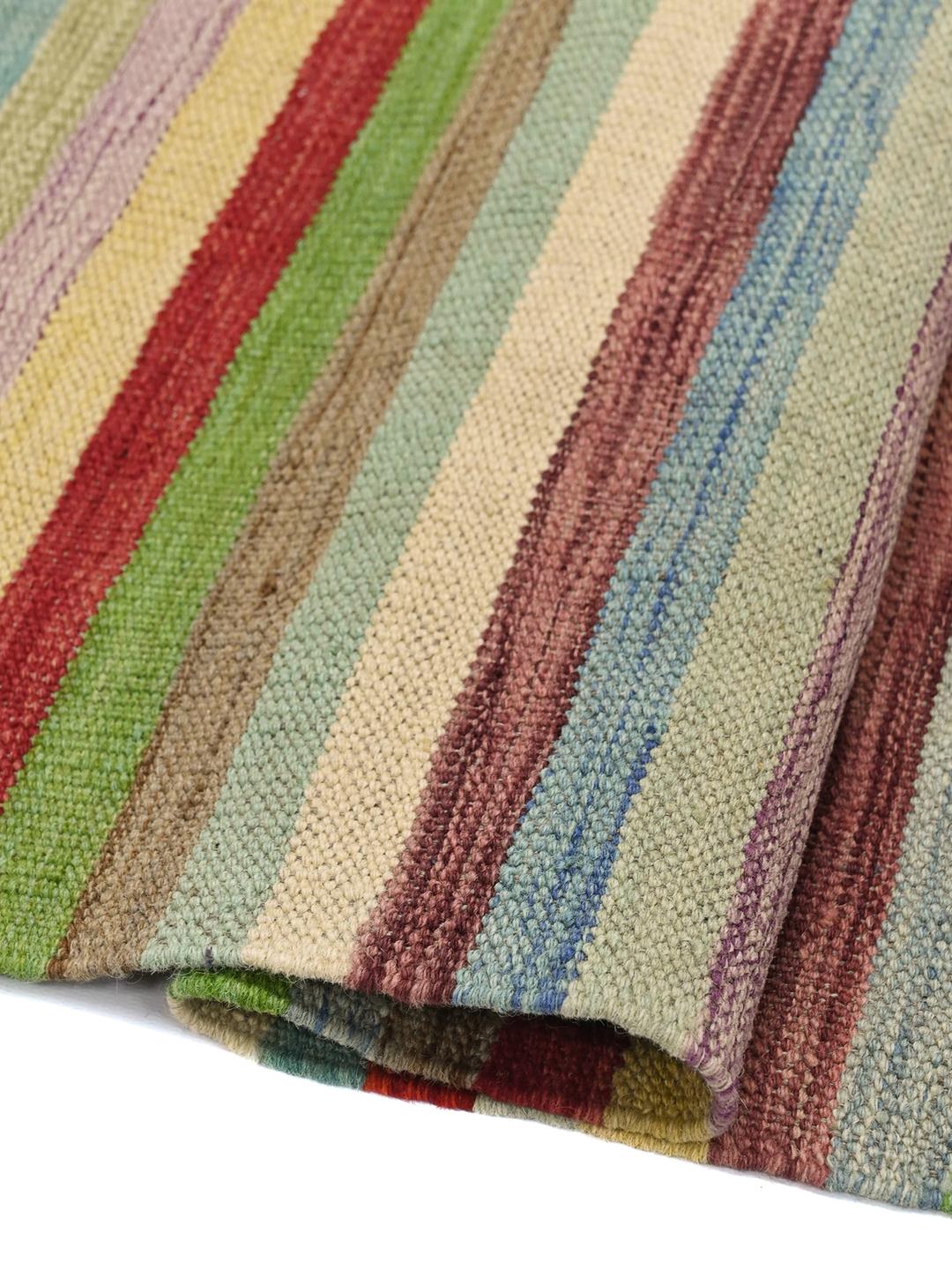
The term Kilim refers to the specific slit-weave technique used to create these rugs. By interweaving the coloured weft threads tightly through the warp, weavers produce a rug that is identical on both sides, which is a hallmark of authentic, high-quality flat-woven textiles. This method allows for sharp, geometric patterns that have defined the aesthetic for generations.
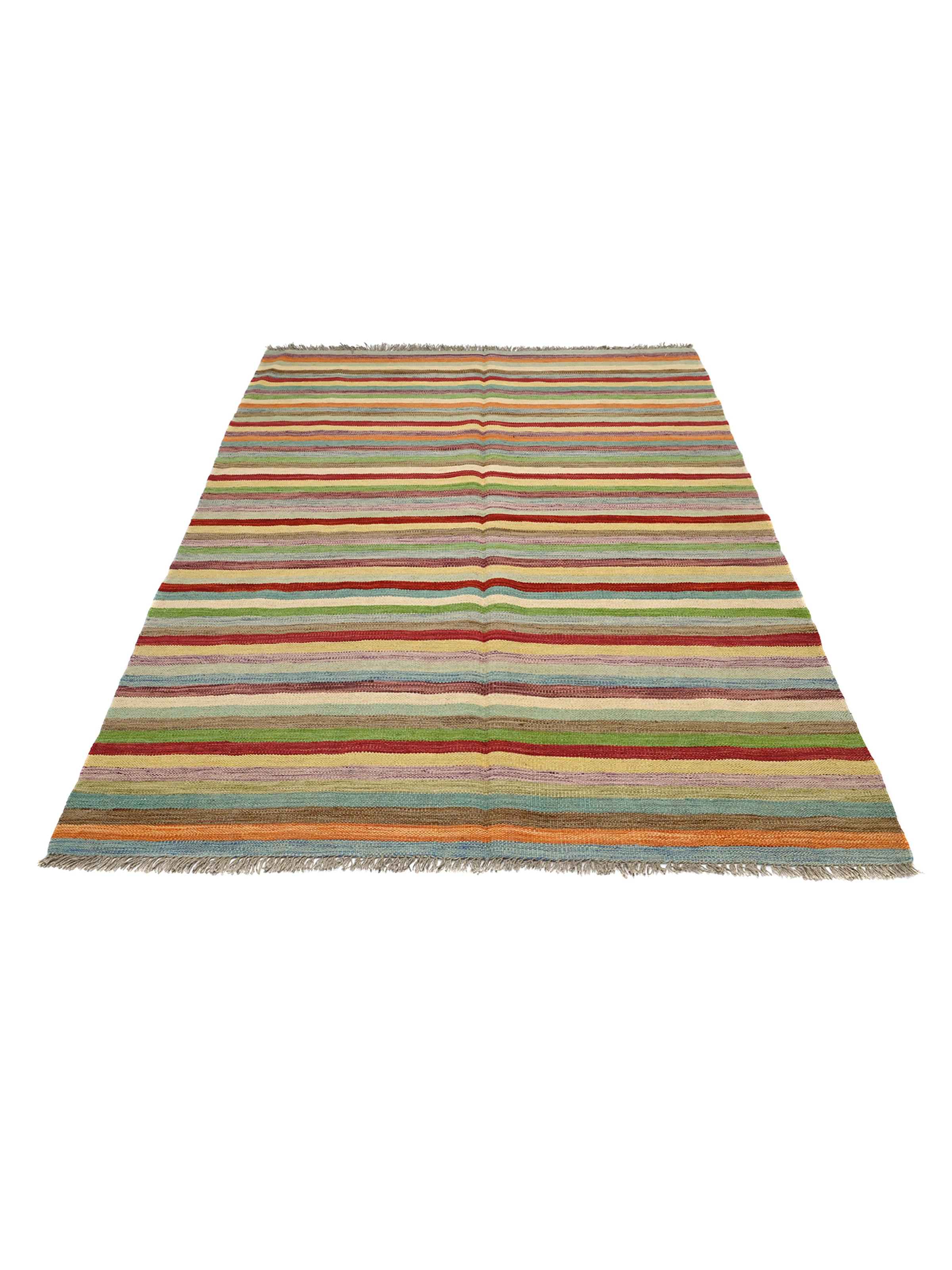
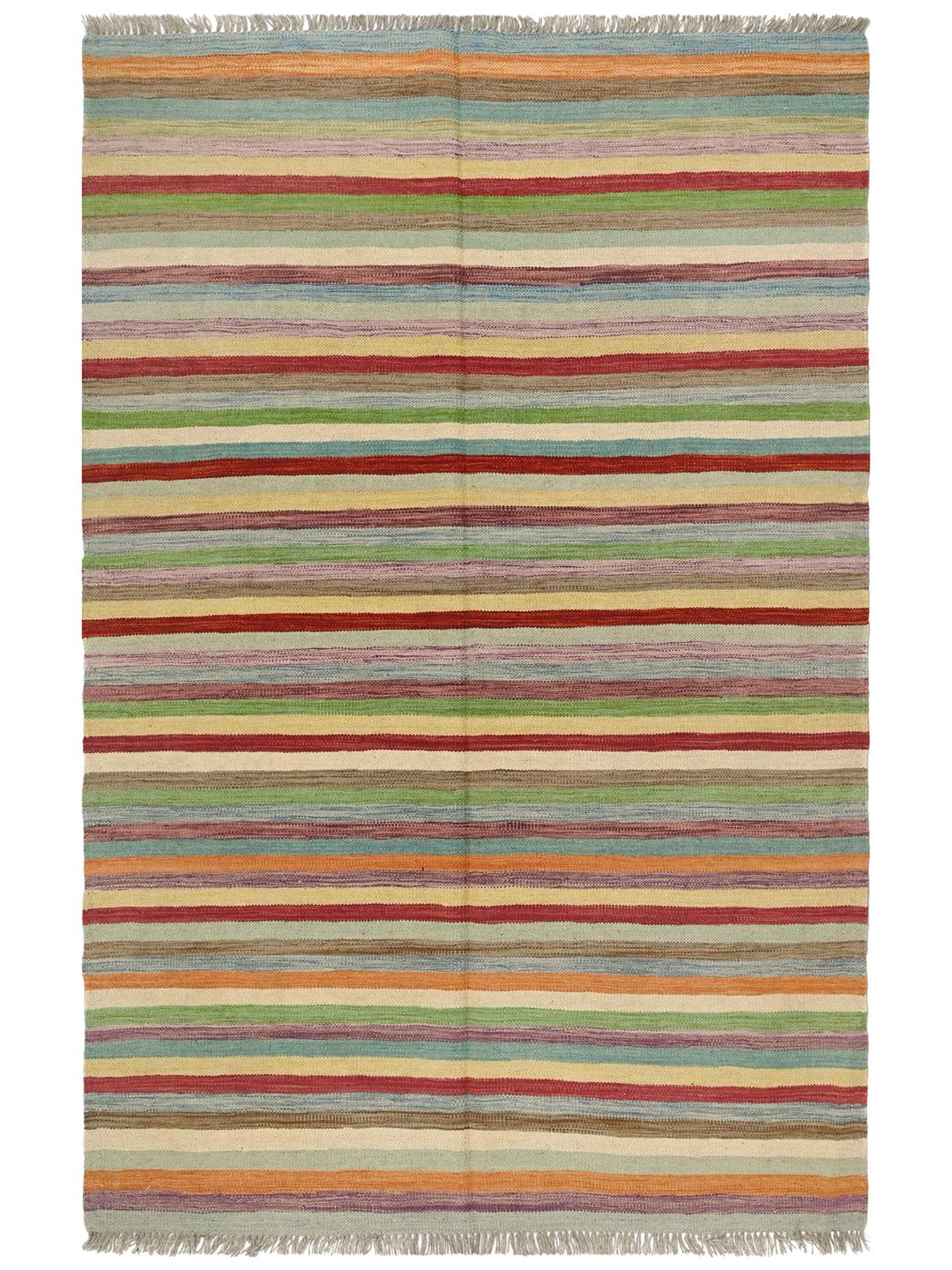
Design-wise, these rugs are known for their bold use of colour and geometric simplicity. While traditional tribal motifs often feature diamonds and medallions, modern interpretations like this piece embrace the beauty of linear, striped patterns. The use of natural dyes historically gave these rugs their characteristic depth, a tradition that continues to influence the vibrant palettes seen today.
Owning a Kilim is more than just a decor choice; it is an investment in cultural history. Collectors value these pieces for the skill required to weave them and the storytelling embedded in their patterns. Each rug acts as a bridge between the ancient nomadic lifestyle and the modern home, offering a lasting connection to a rich, global heritage.