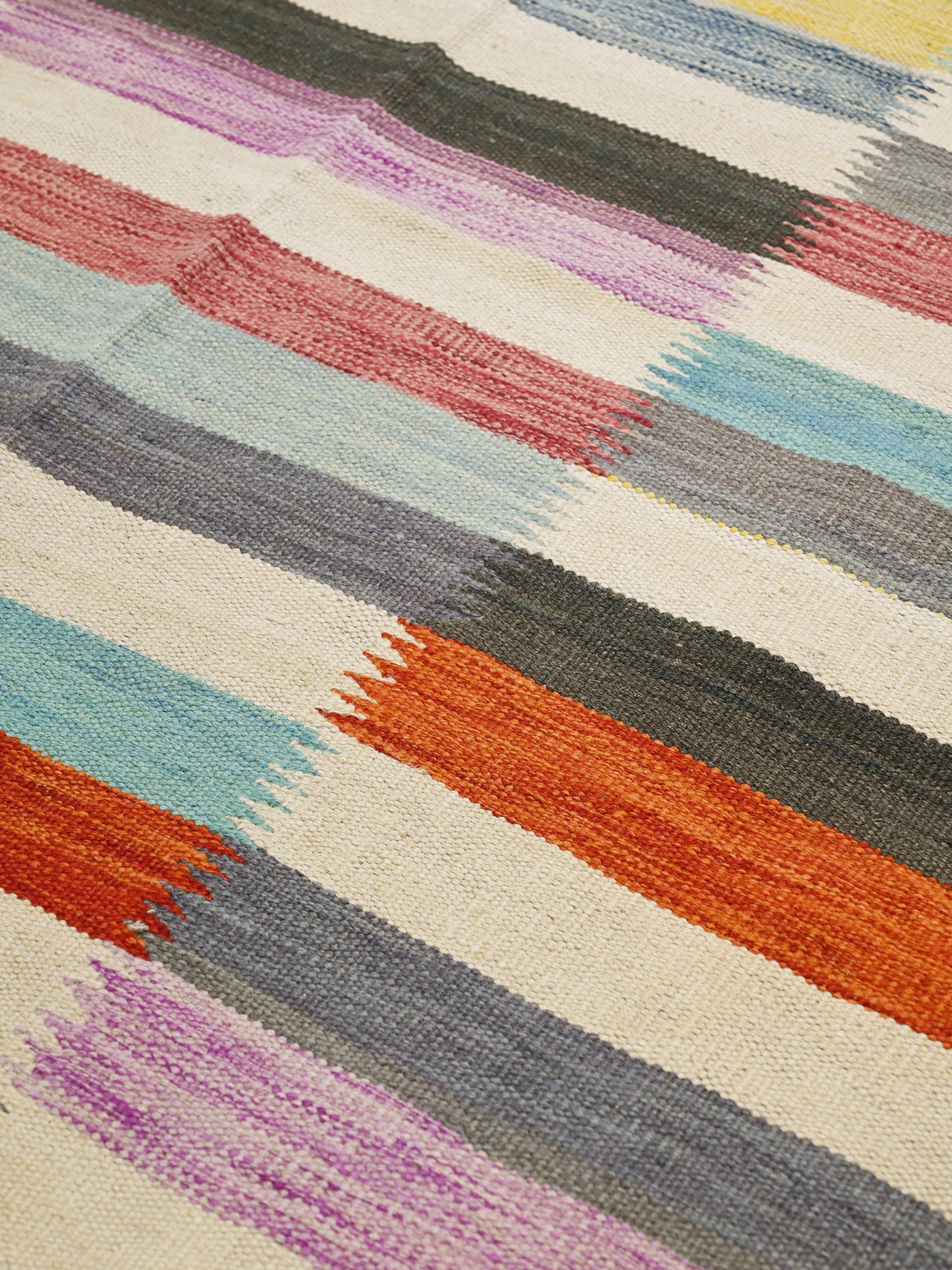
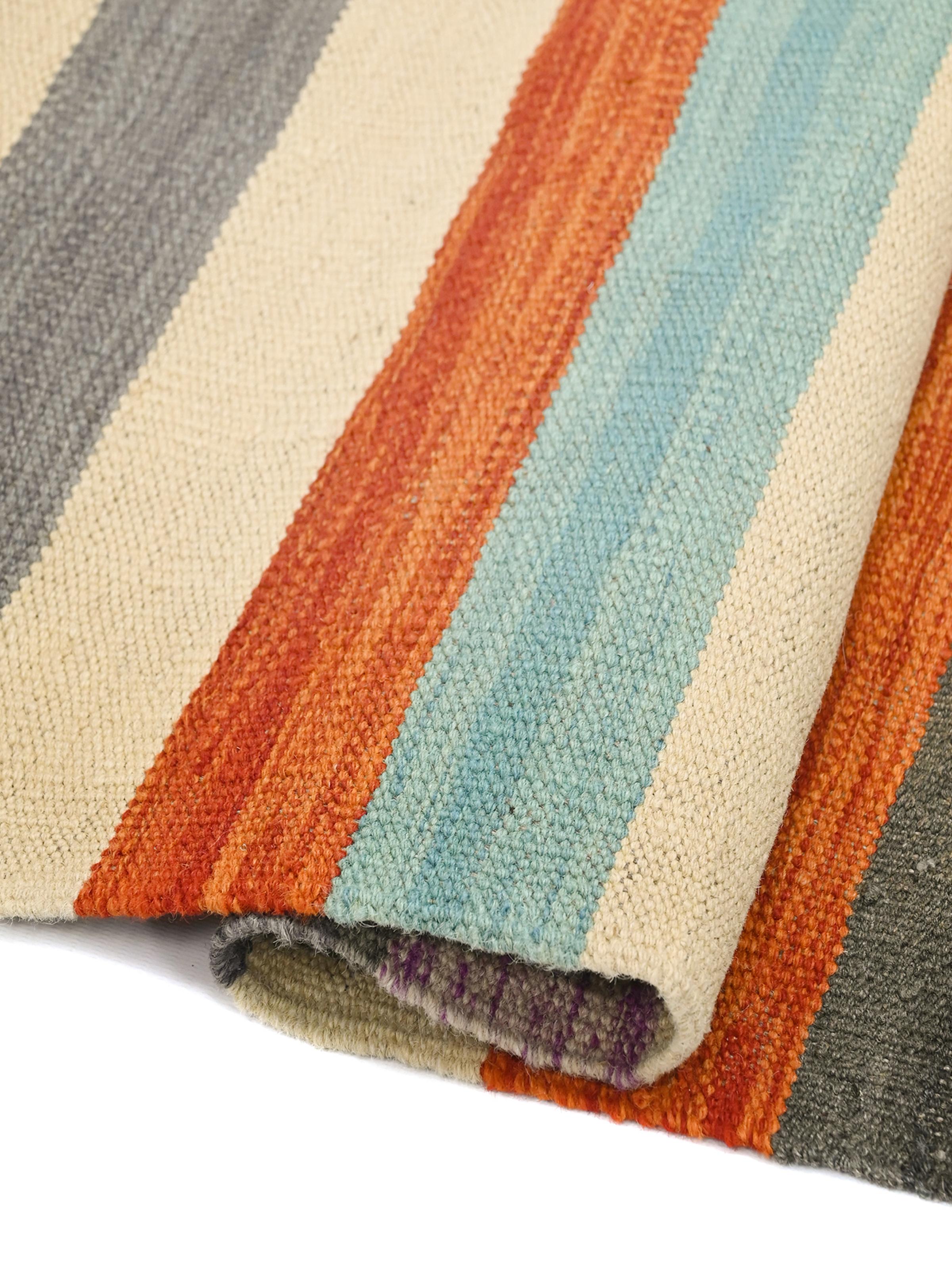
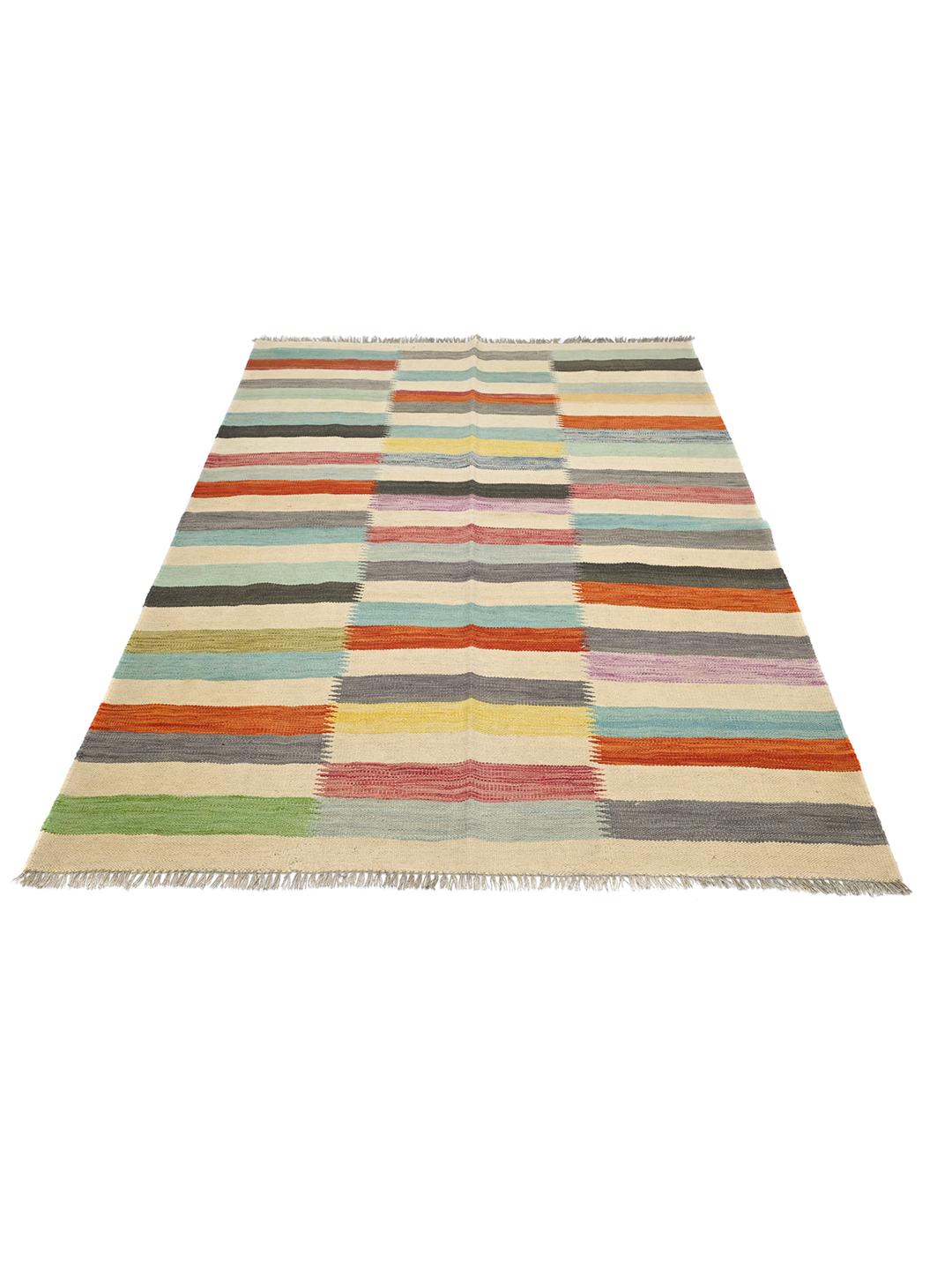
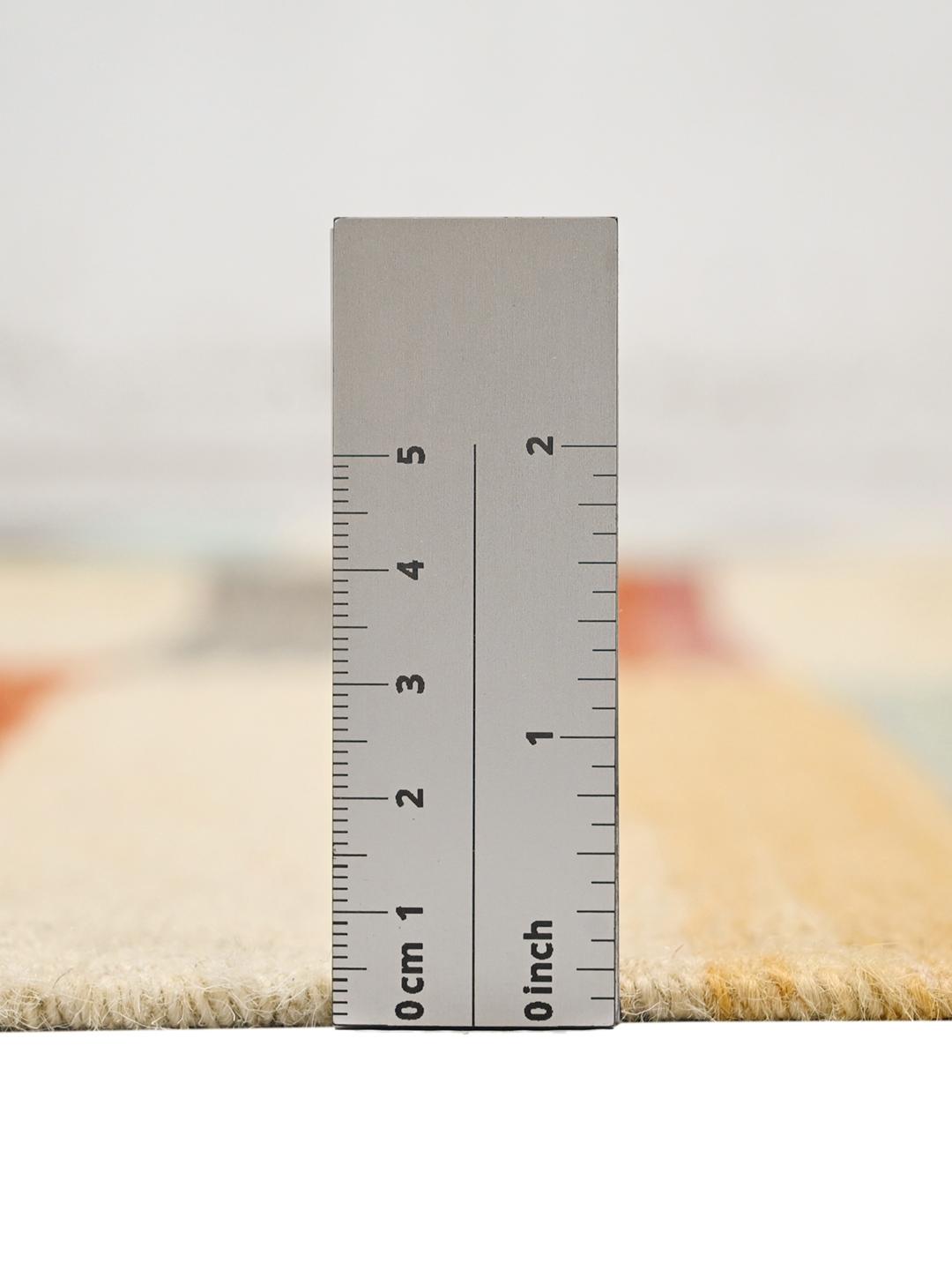
Kilim rugs are a storied tradition in the Middle East and Central Asia, representing a heritage of flat-woven textiles that have served nomadic and village cultures for centuries. These rugs are traditionally woven without a pile, using a technique where the weft strands are pulled tightly over the warp to create a smooth, durable surface. This method has evolved over generations, with Afghan weavers today remaining among the most respected masters of the craft.
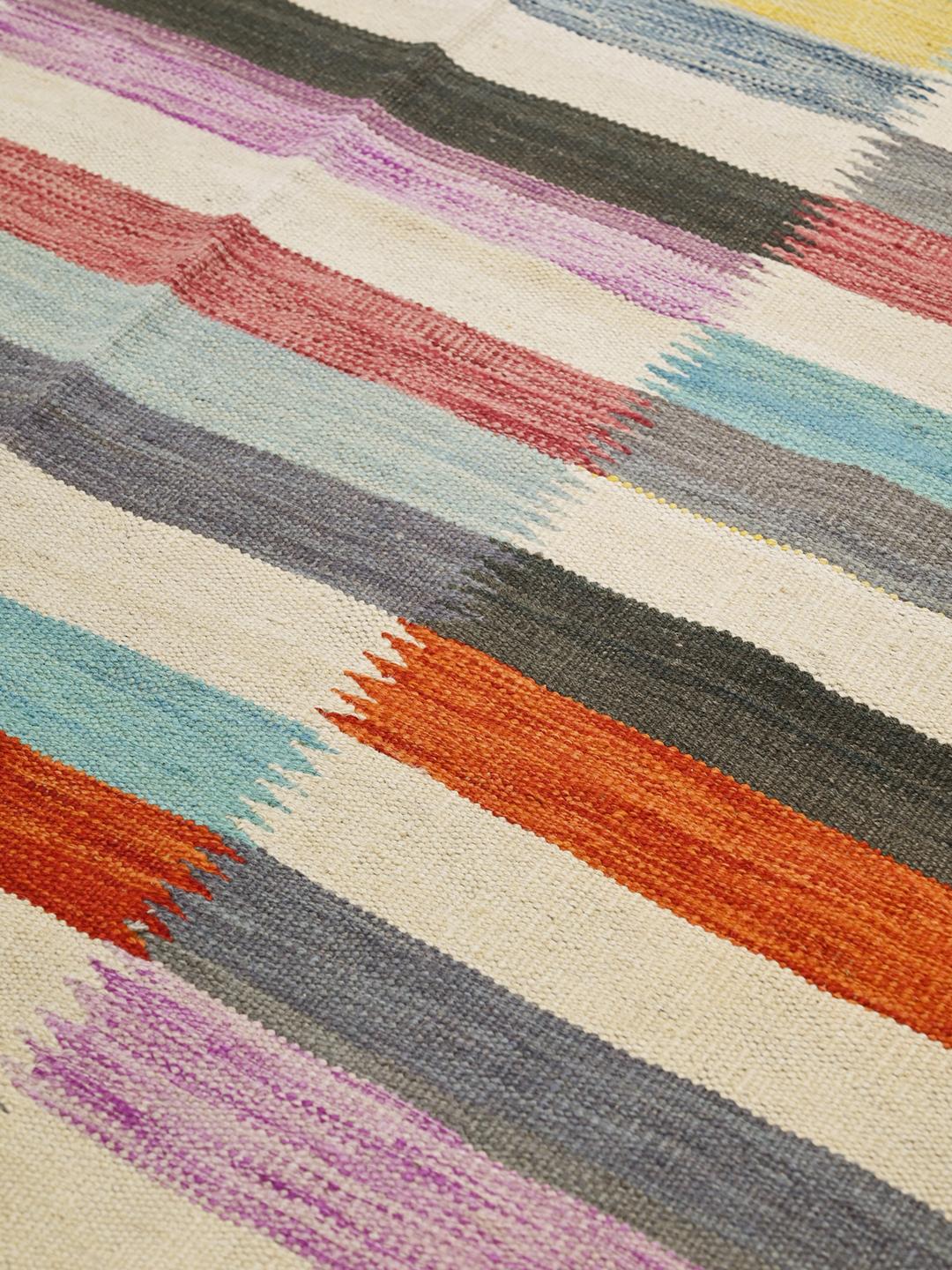
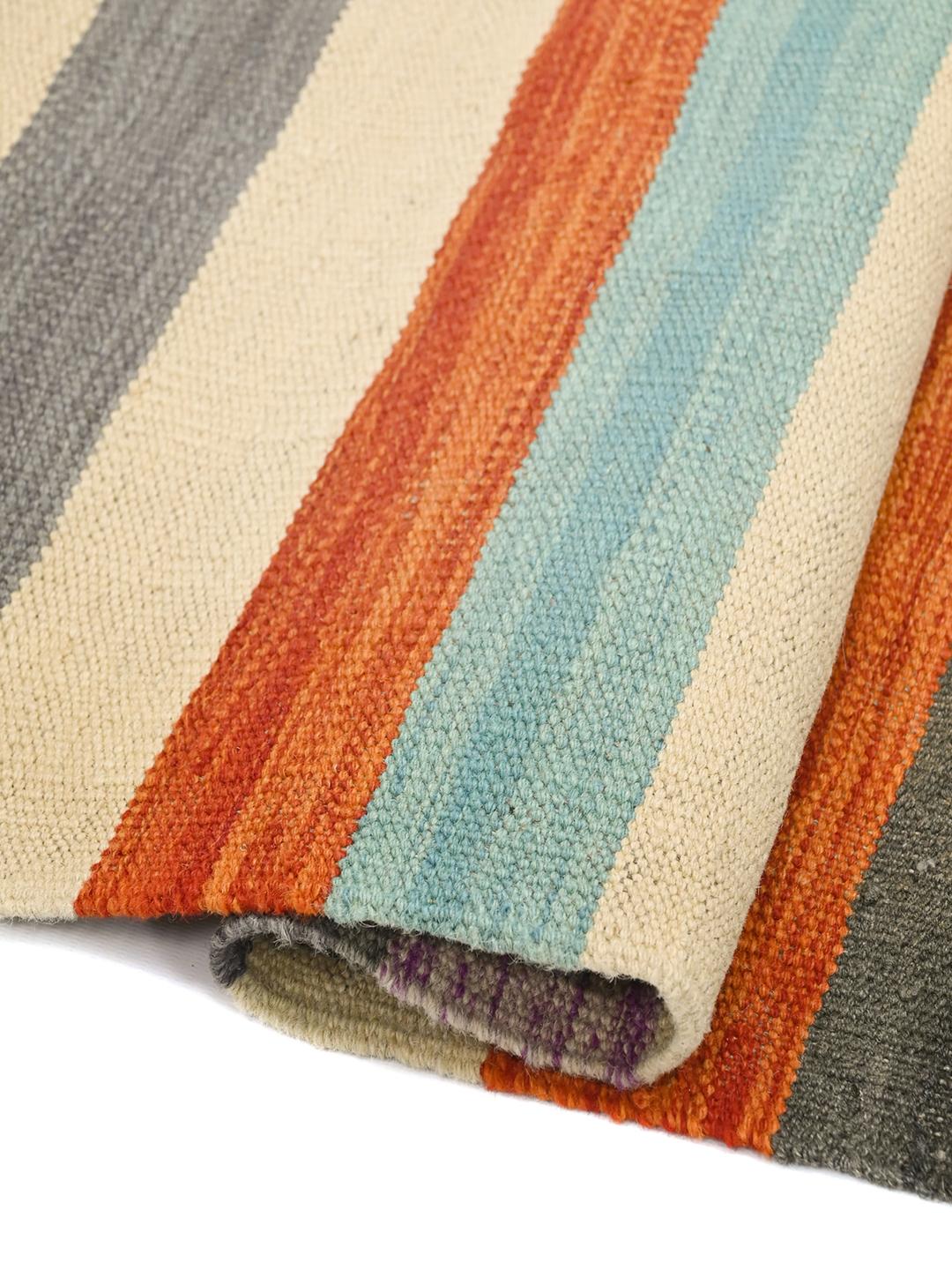
The term 'Kilim' refers not just to the rug itself, but to the specific technique of interlocking threads to form patterns. This means the design is integral to the structure of the fabric rather than being added to the surface. This creates a reversible, lightweight, yet incredibly strong textile that has historically been used for everything from floor coverings to tent hangings and bags, showcasing the versatility of the form.
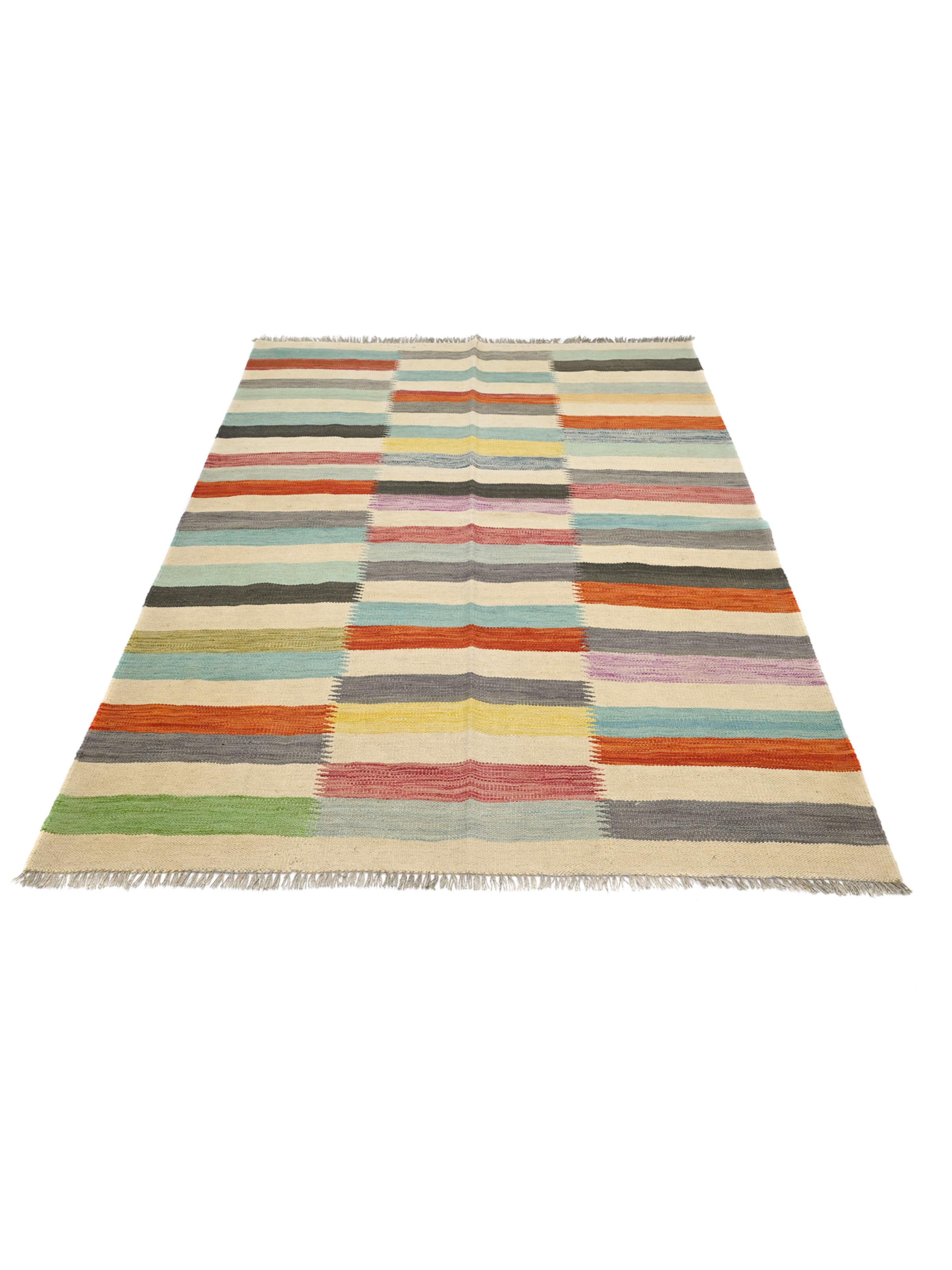
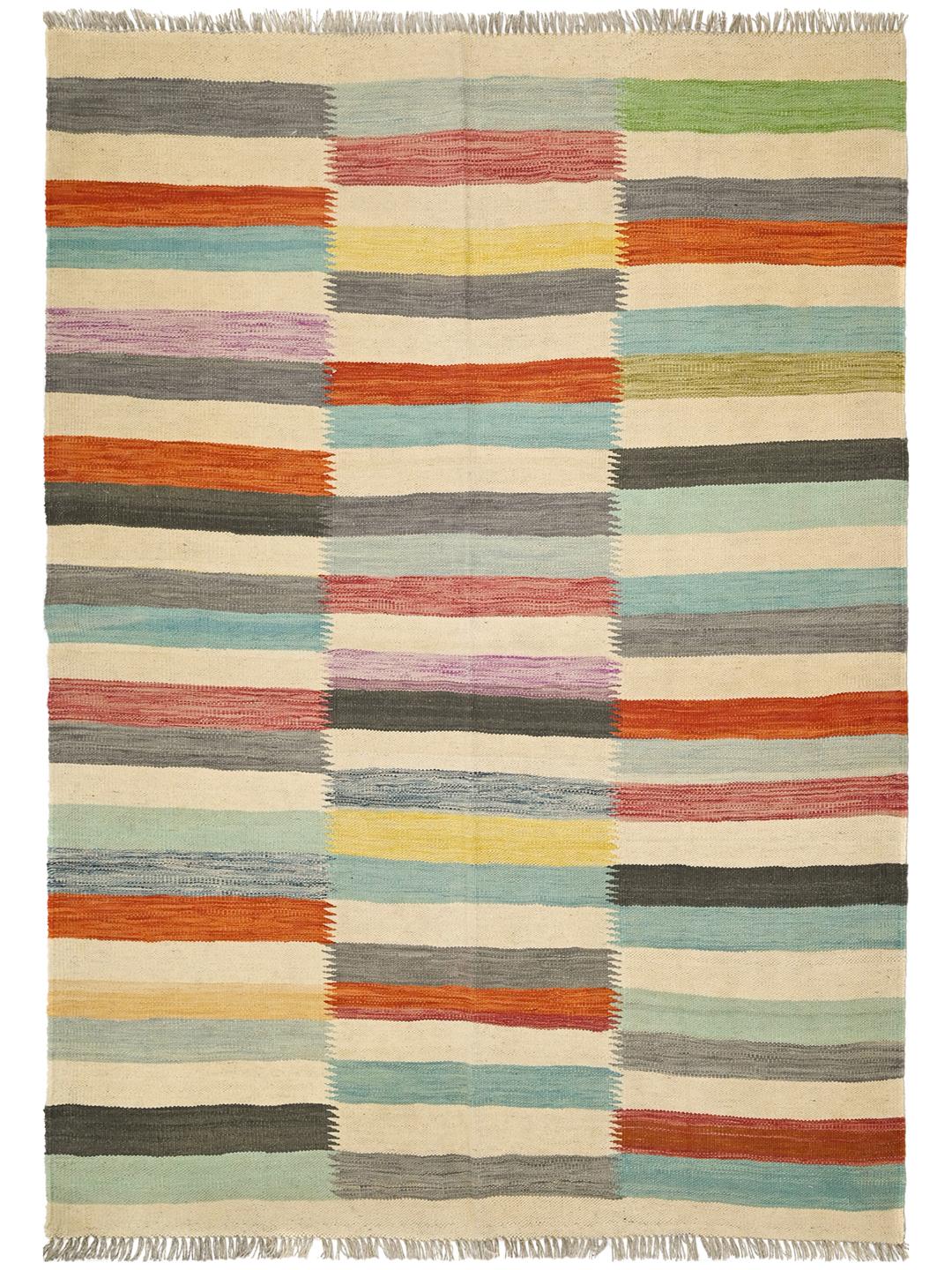
Visually, these rugs are defined by their bold geometric language and rich, saturated colour palettes. While traditional motifs often leaned towards symbolic tribal patterns, contemporary versions like this one embrace modern sensibilities, using clean, rhythmic stripes to highlight the beauty of the wool. The use of vibrant colours is a hallmark of this tradition, reflecting a long-standing appreciation for natural dyes and lively, energetic compositions.
Collecting a hand-woven Kilim is an investment in a living art form. Because these pieces are produced by individual artisans, they carry the fingerprints of their makers, offering a level of authenticity that cannot be replicated by machines. By choosing a piece from this tradition, you are supporting a craft that has survived through history, bringing a piece of cultural legacy and human connection into your living environment.