Kilim rugs originate from a storied tradition of flat-weaving that spans across the Middle East and Central Asia. Historically, these rugs were essential nomadic textiles, prized for their portability and utility as floor coverings, wall hangings, or storage bags. While the techniques have evolved over centuries, the core practice of weaving without a pile remains a vital cultural hallmark, representing a deep connection to regional heritage and ancestral skills.
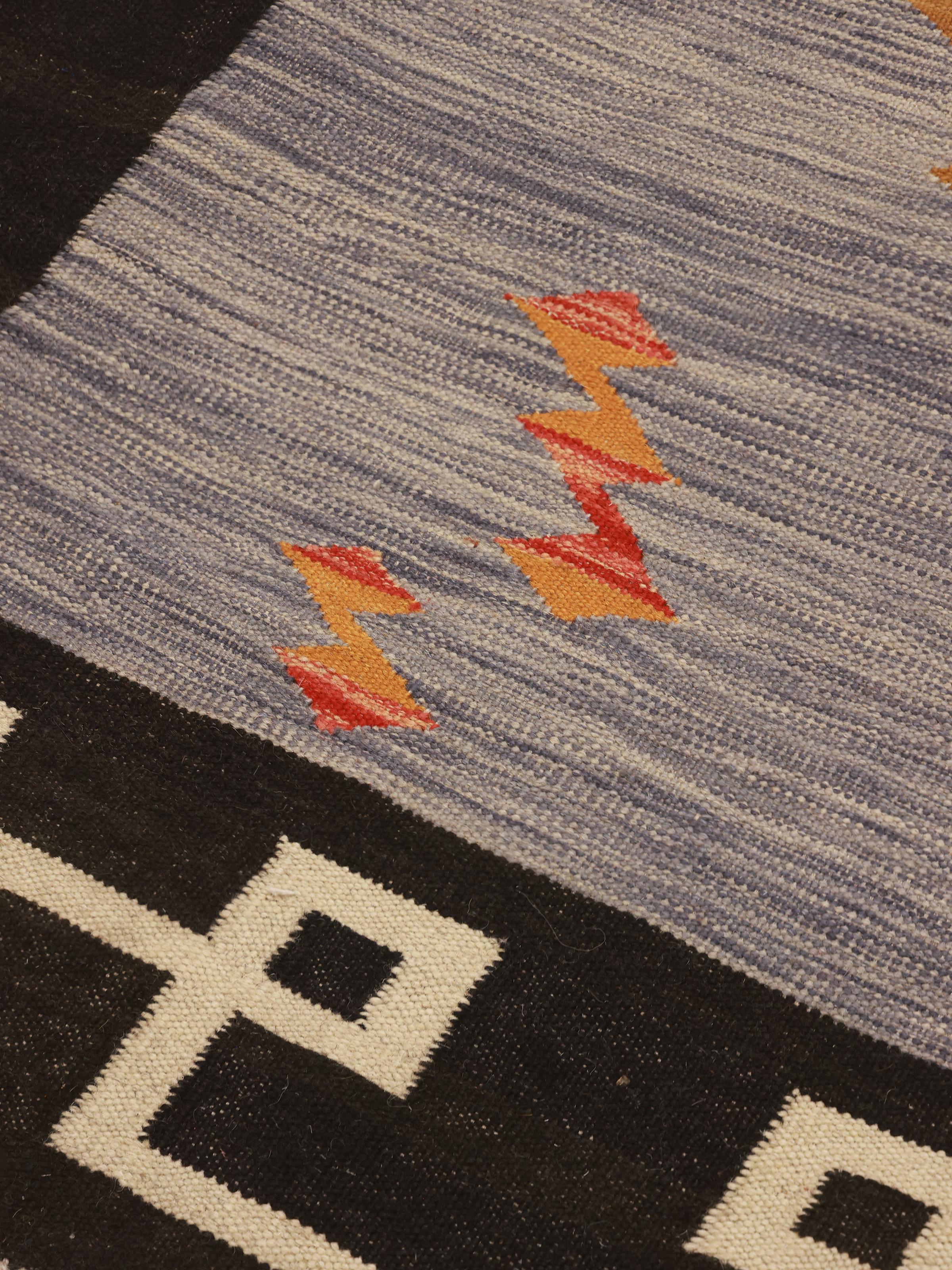
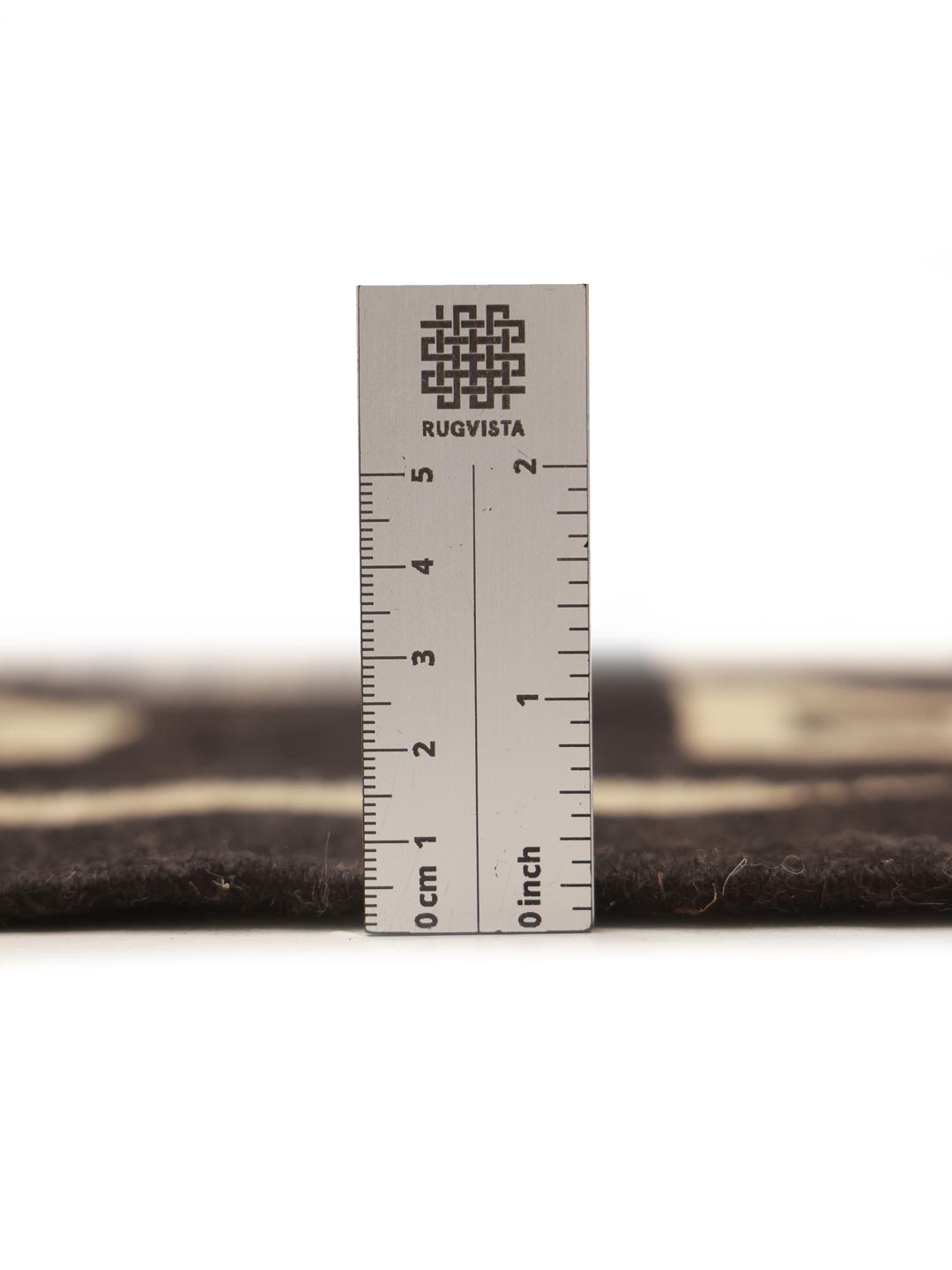
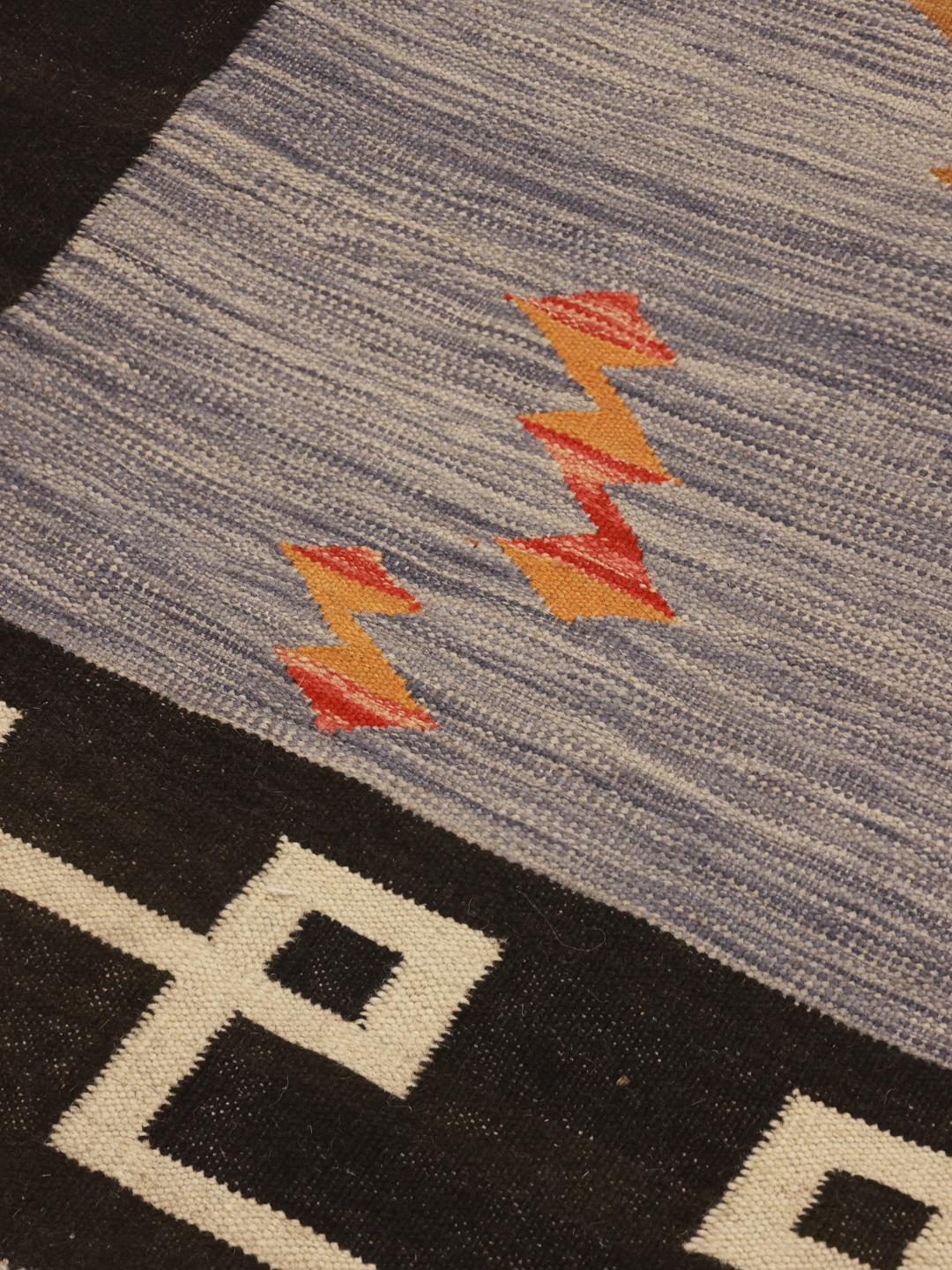
The term 'Kelim' refers specifically to the tapestry-weave technique where the coloured weft threads are passed through the warp to create the pattern. This method results in a thin, reversible rug that is incredibly durable despite its lack of pile. For the collector, this technical distinction is significant as it highlights the artisan's ability to create complex, sharp-edged patterns through the sheer movement of the loom, a skill that requires immense focus and spatial awareness.
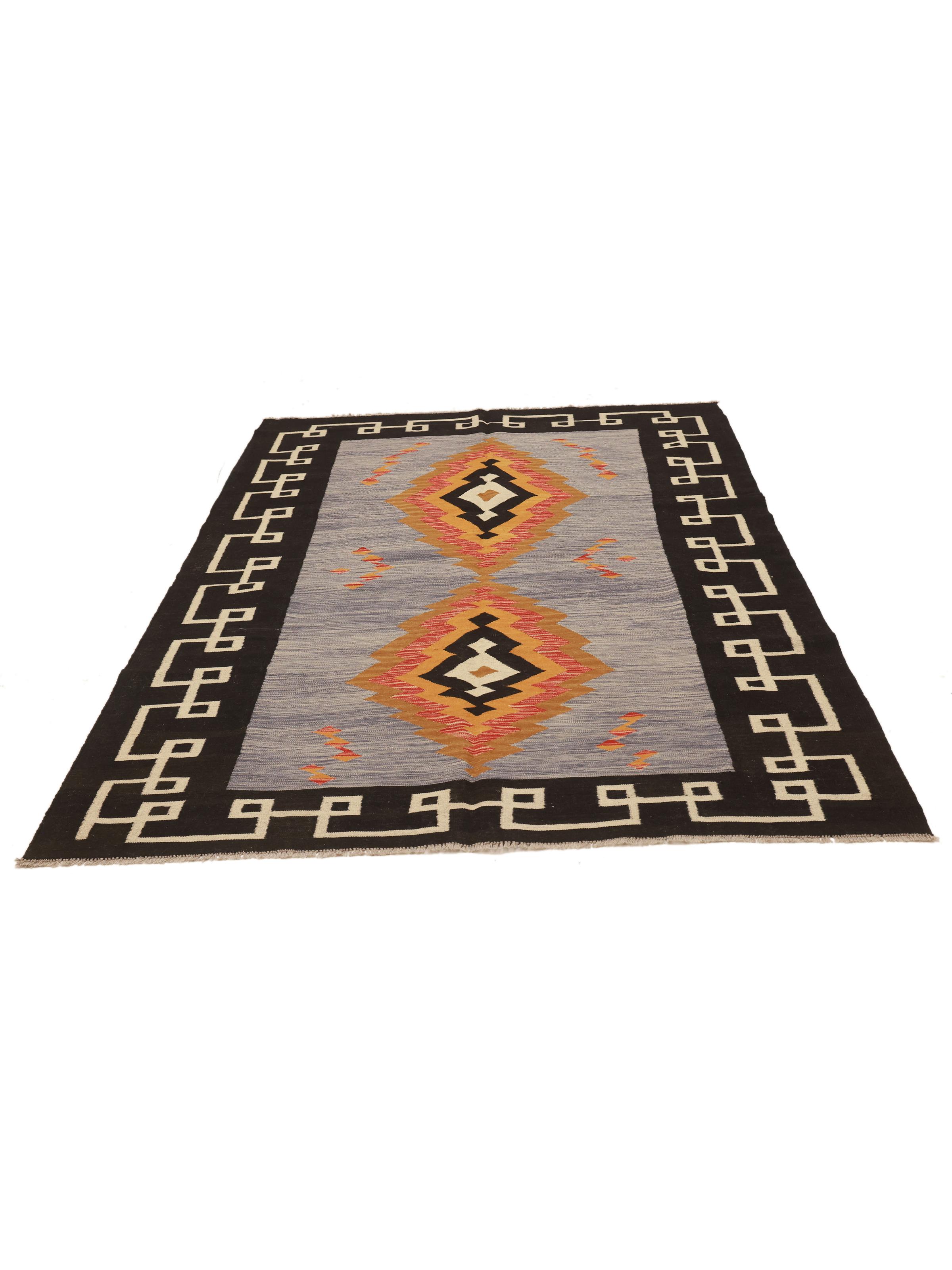
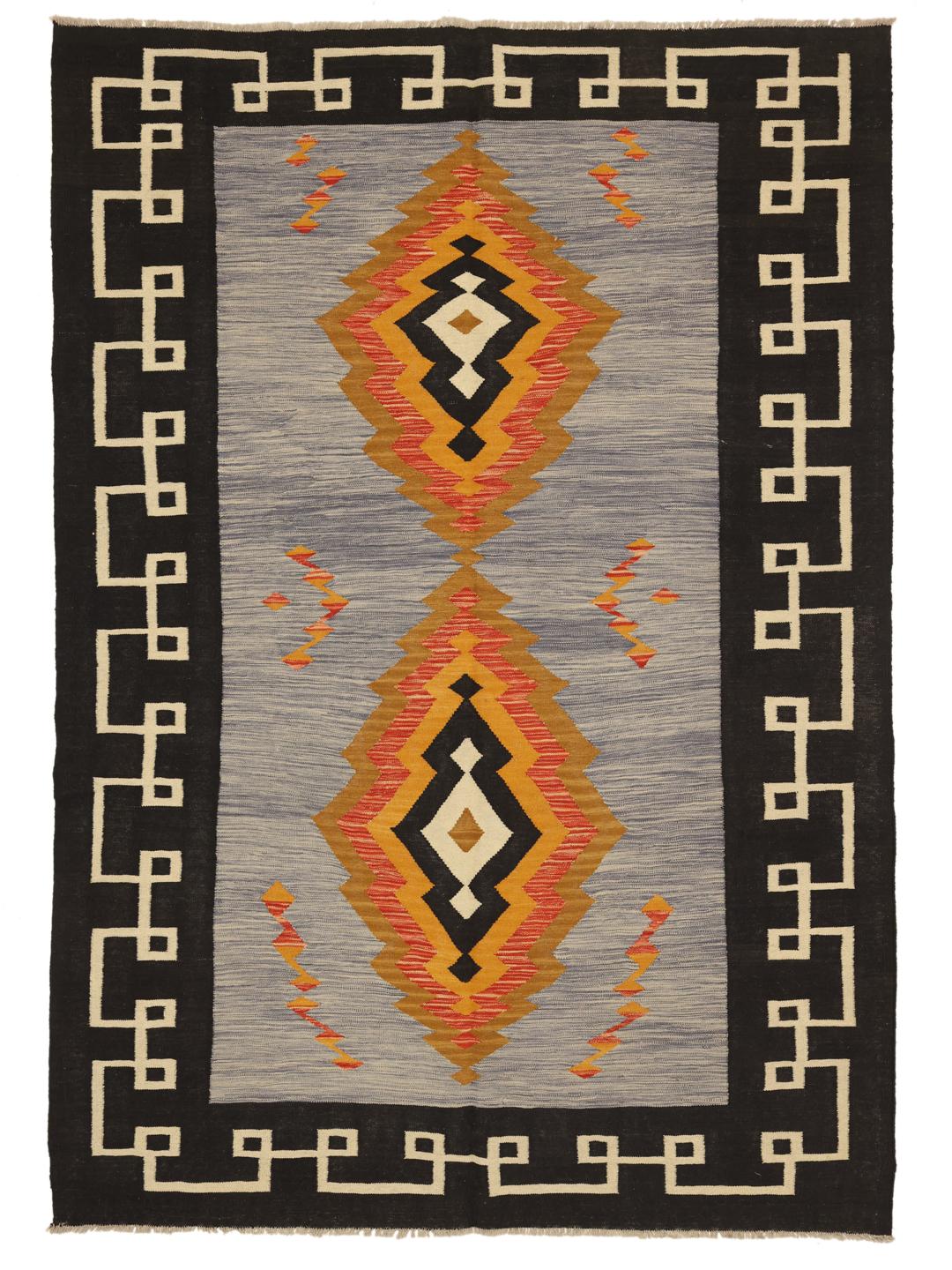
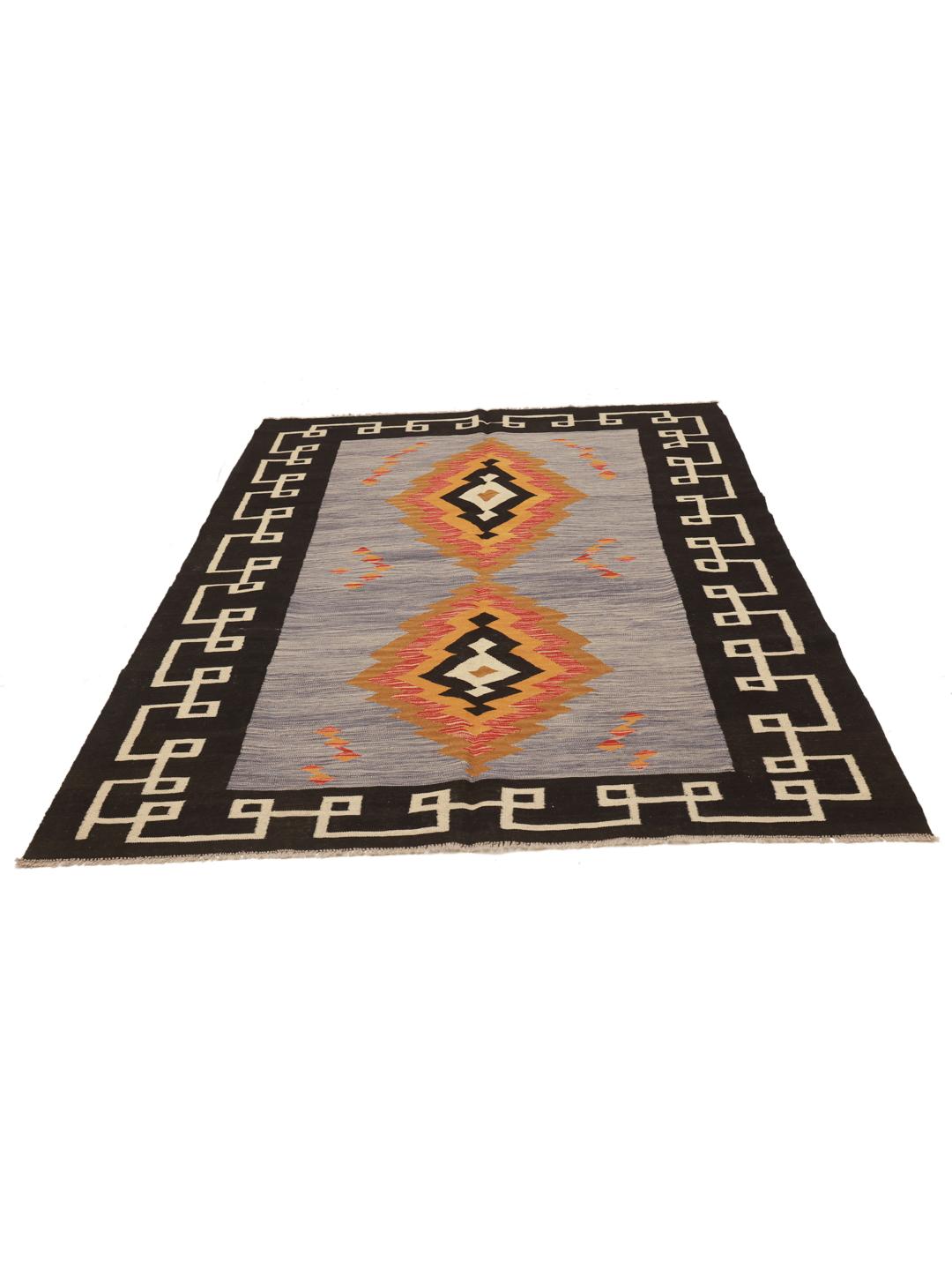
Visually, these rugs are defined by their geometric language. Traditional motifs often include stylised medallions, latch-hooks, and stepped diamonds, each carrying symbolic meanings related to protection, fertility, or tribal identity. In this modern interpretation, those classic design elements are reimagined with a contemporary colour palette and simplified forms, bridging the gap between historical significance and current interior trends.
Owning a hand-woven piece from Afghanistan is an investment in human skill and cultural history. These rugs are collected not only for their aesthetic beauty but for the narrative they hold — a story of material, movement, and the enduring nature of hand-made objects. By choosing a unique rug, you are preserving a legacy of craft that continues to bring warmth and character into modern homes.