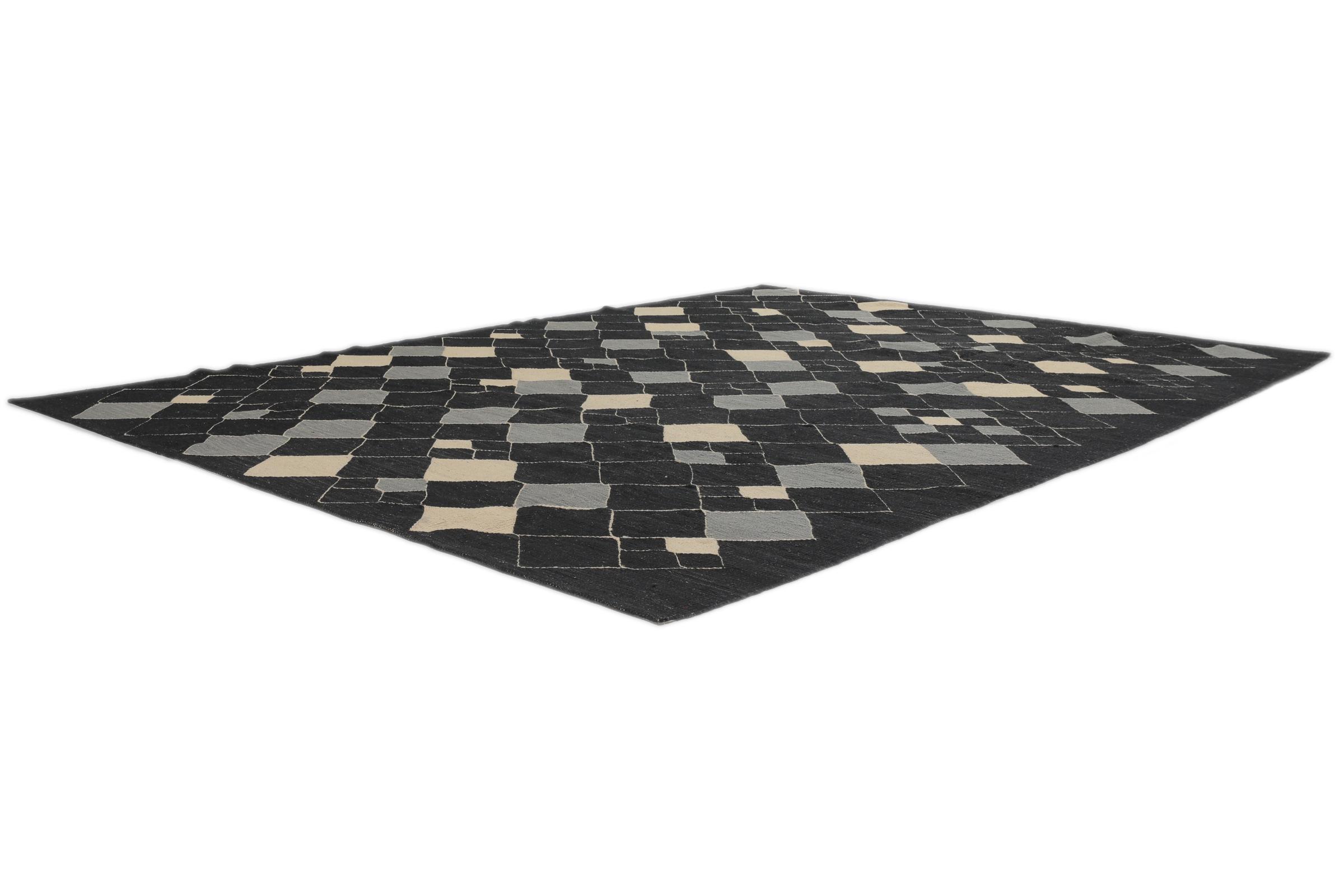
Kilim rugs are deeply rooted in the nomadic traditions of the Middle East and Central Asia, serving as essential, functional textiles for centuries. These flat-woven rugs were historically used as floor coverings, wall hangings, and even as storage bags for migratory tribes, prized for their portability and immense durability.
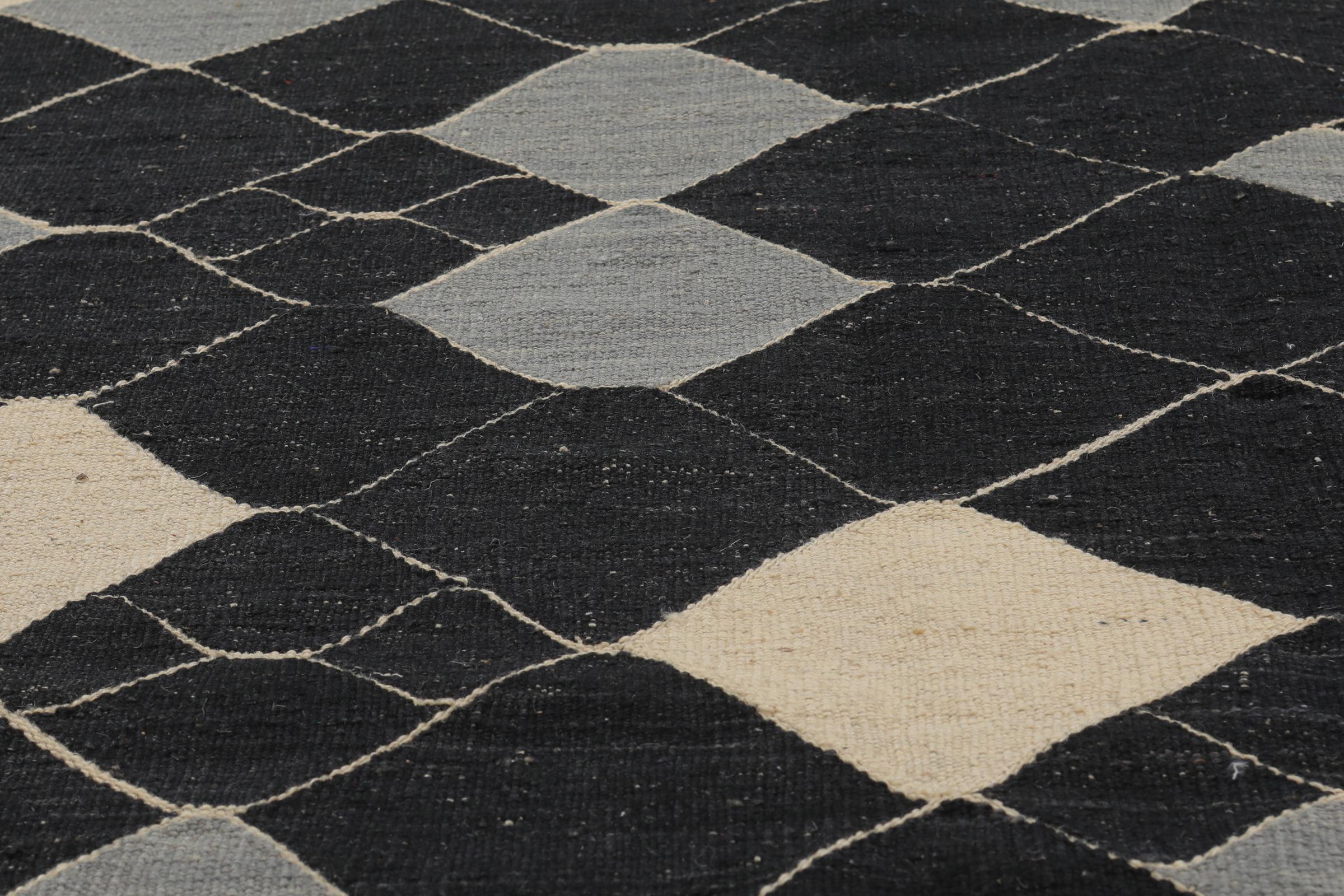
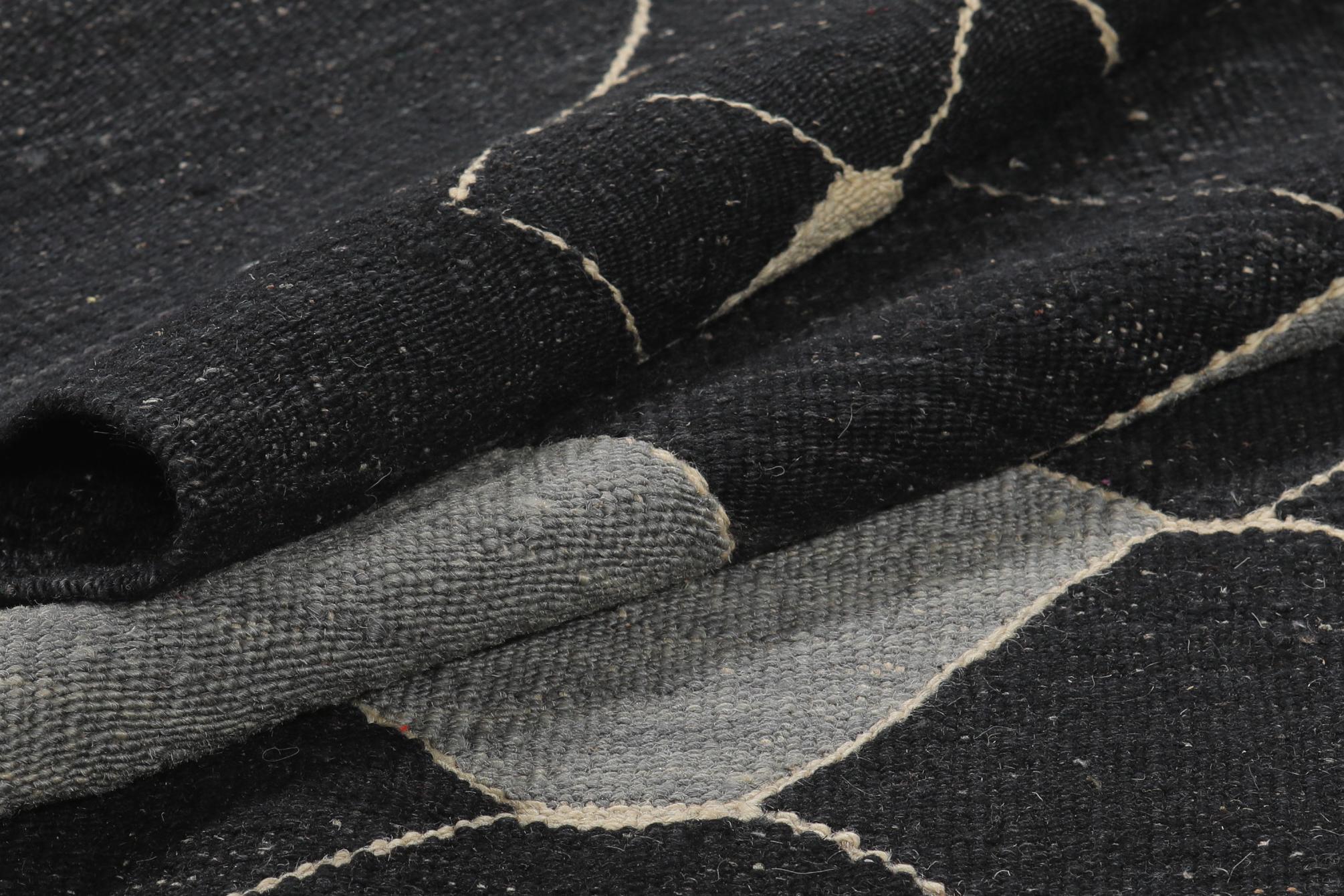
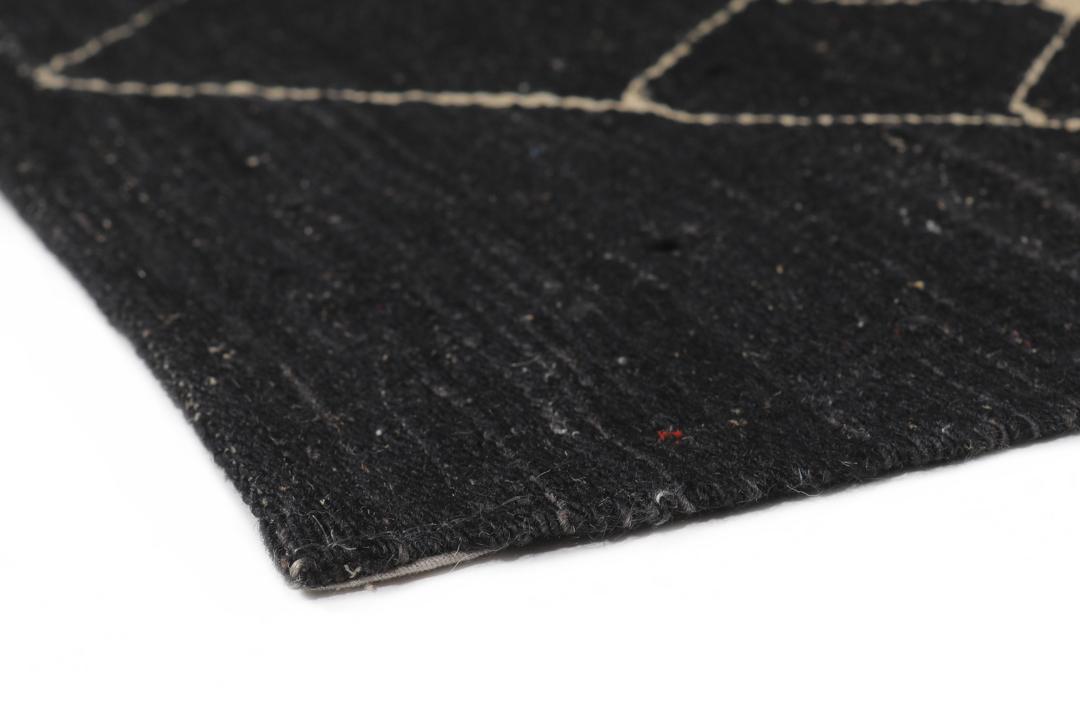
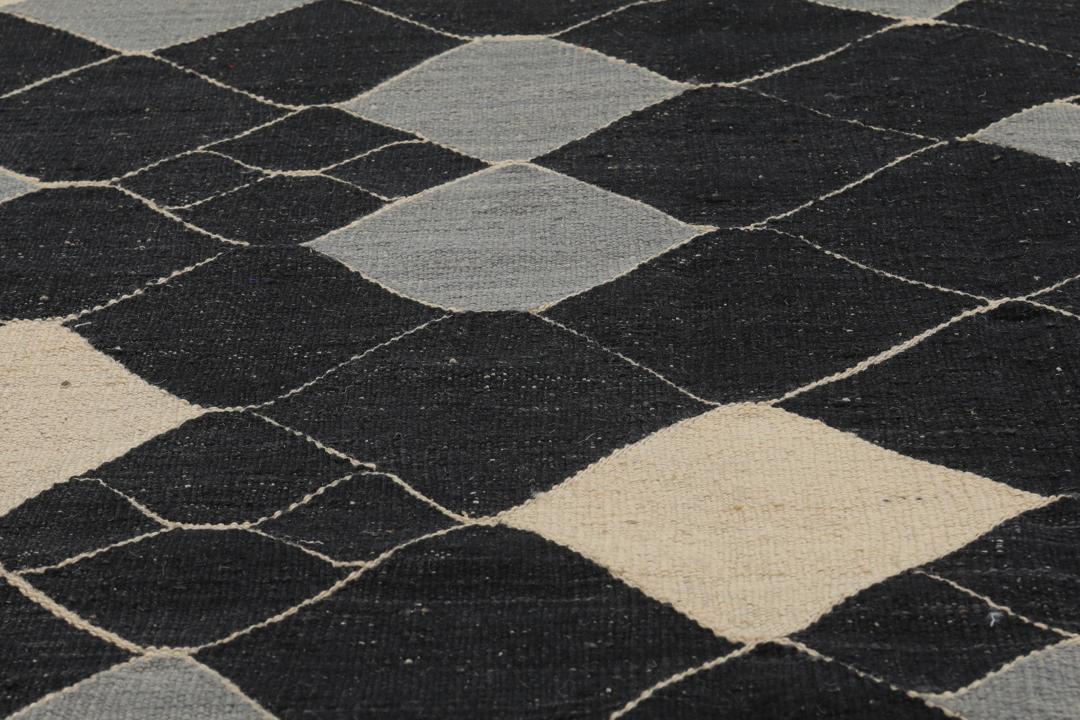
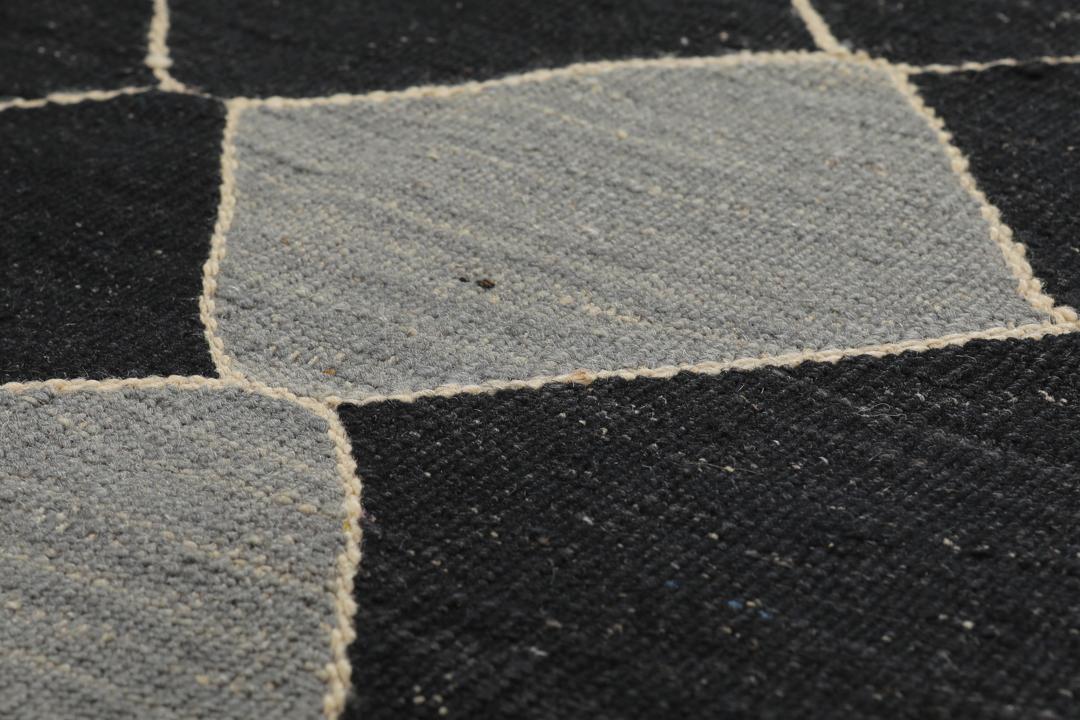
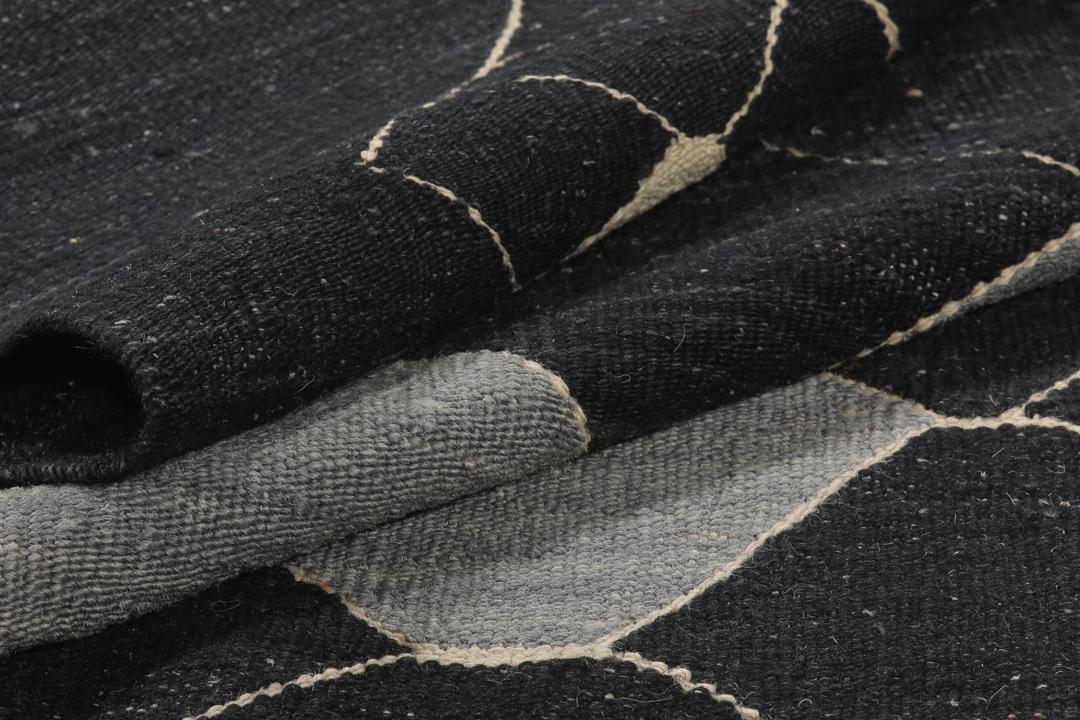
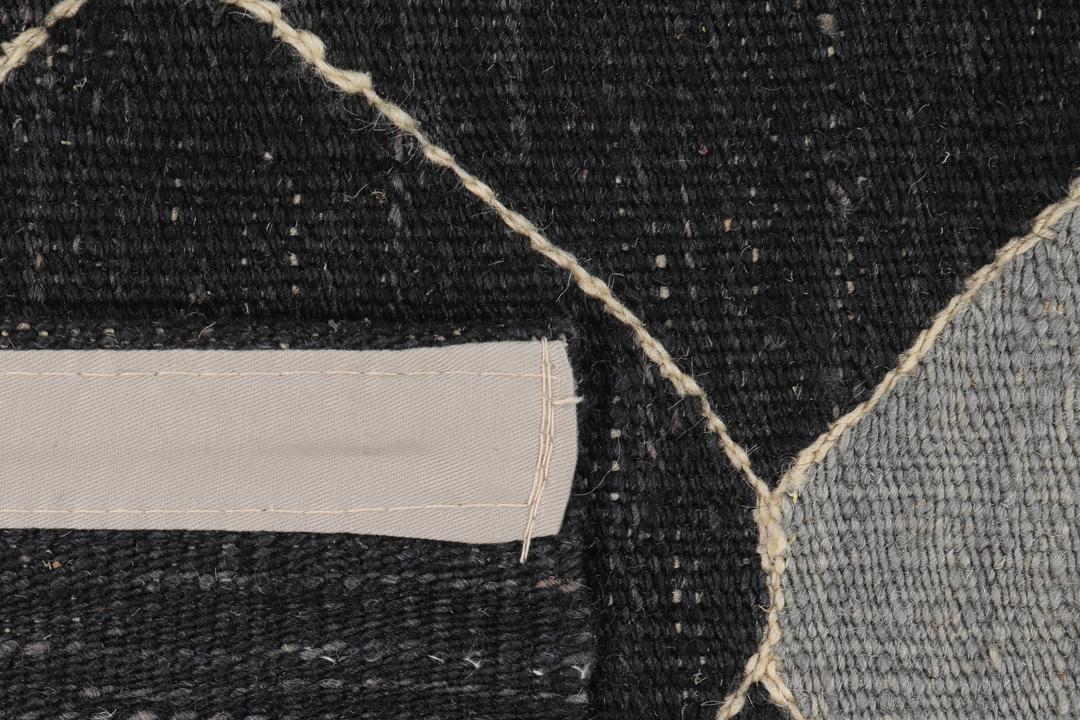
The term 'kilim' refers specifically to the tapestry-weave technique, where the weft threads are woven tightly over the warp to create a smooth, pileless surface. This method allows for the creation of sharp, clean geometric designs, as the pattern is built directly into the structure of the rug rather than being knotted on top of a foundation. This results in a reversible rug that is lightweight yet incredibly strong.
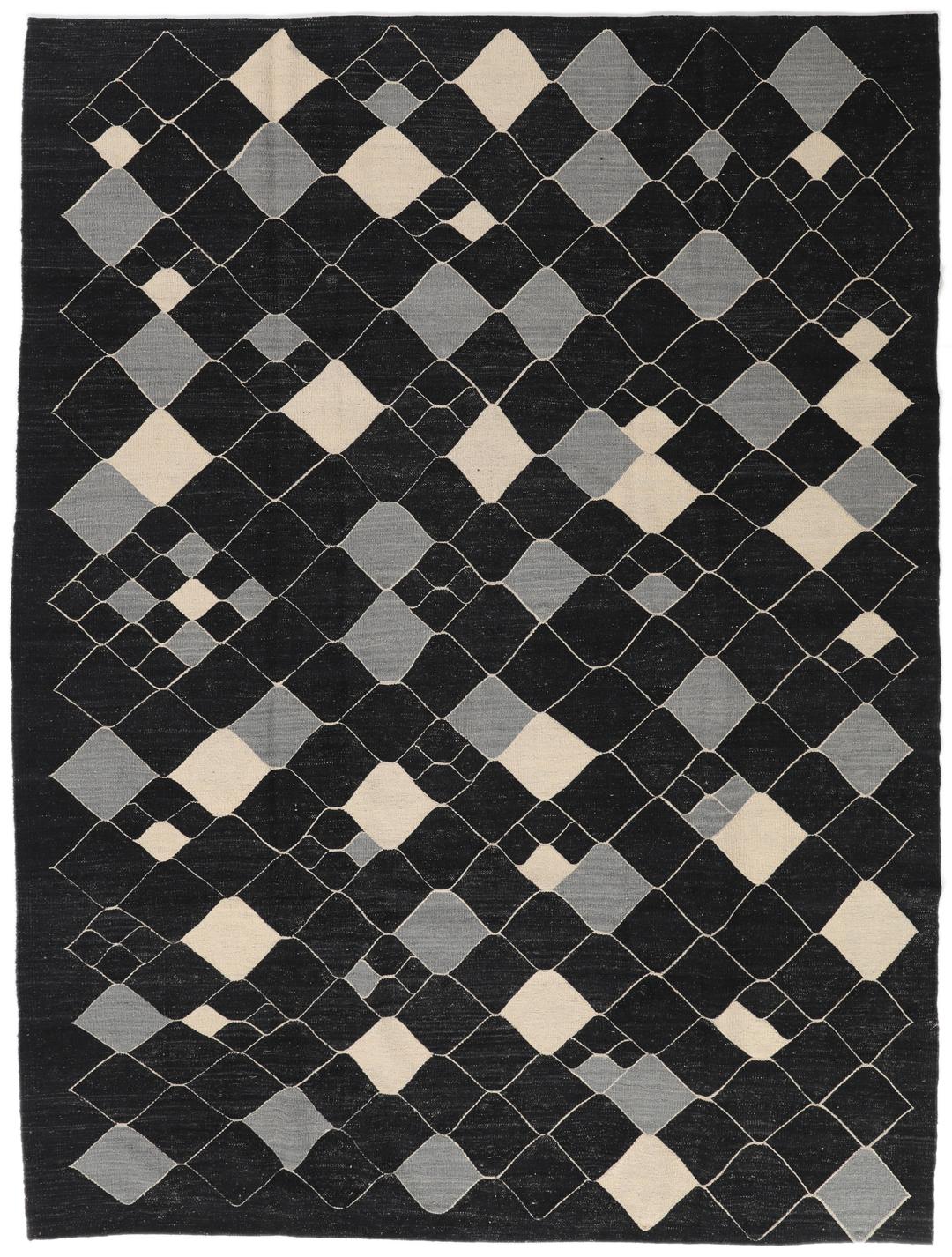
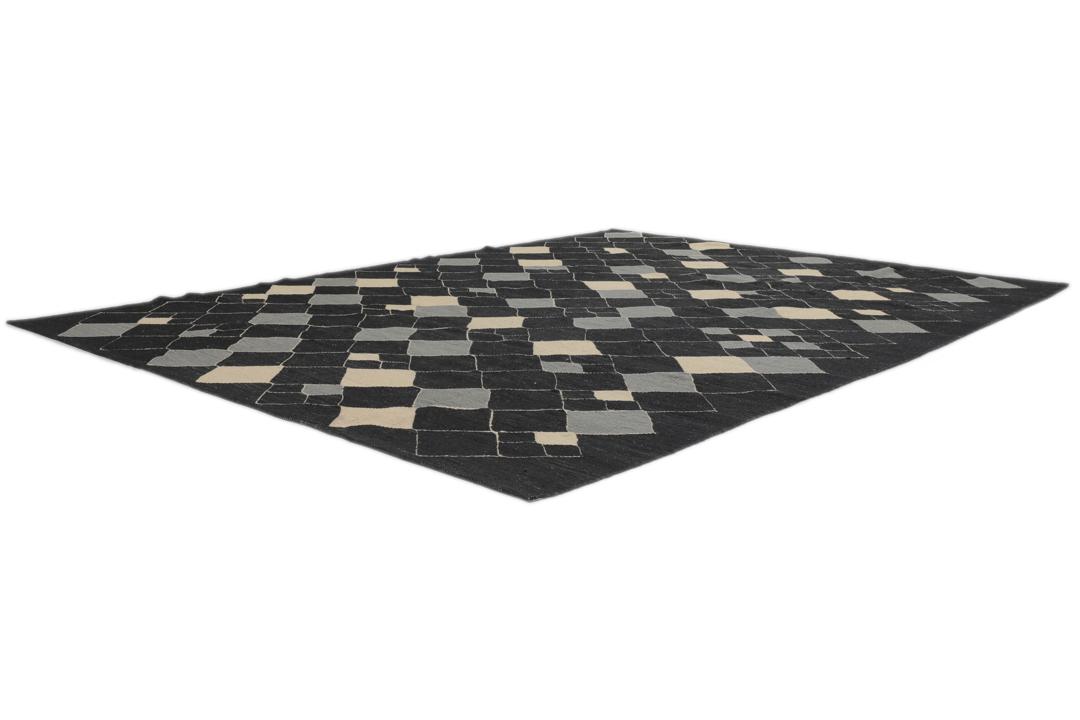
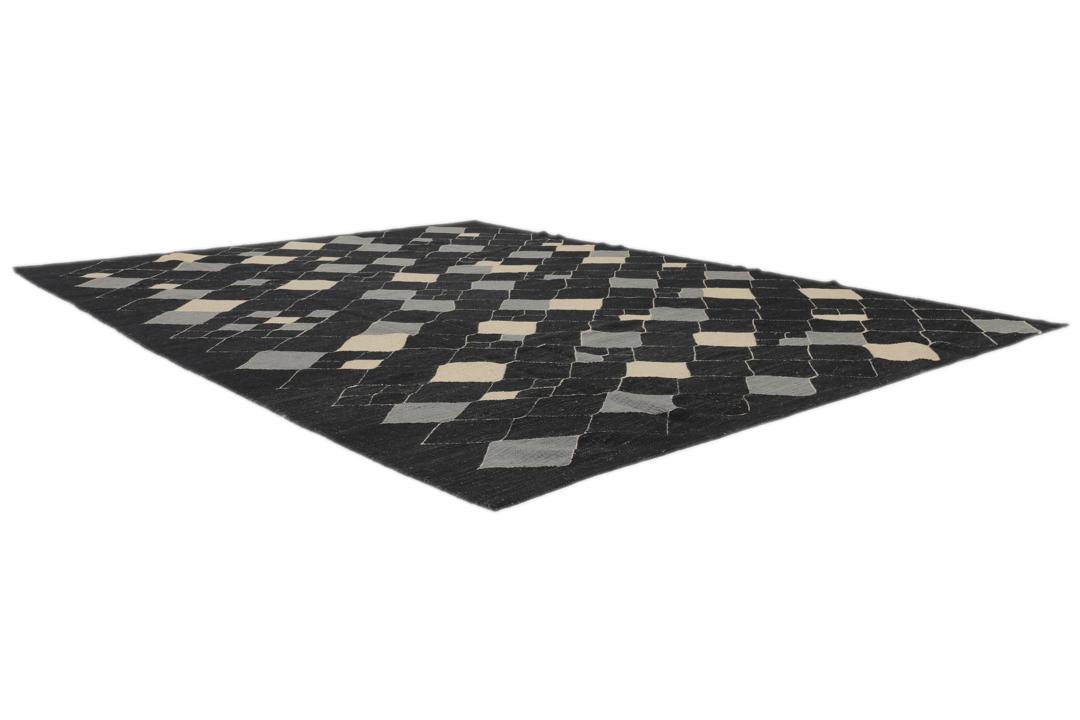
The aesthetic language of kilims is dominated by geometric motifs, often inspired by tribal symbols and the surrounding natural world. Diamonds, triangles, and stepped patterns are common, each carrying historical significance to the weaving communities. In this modern interpretation, these ancient design principles are distilled into a minimalist, high-contrast aesthetic that bridges the gap between traditional folk art and contemporary design.
Owning a kilim is an investment in a storied craft that has survived through generations of migration and change. These rugs are highly valued by collectors not only for their visual impact but for the skill required to maintain consistent tension and pattern accuracy across a large surface. By bringing this piece into your home, you are connecting with a long lineage of artisans who have transformed simple fibres into lasting cultural expressions.