Flat-woven kelims have a rich history rooted in the nomadic and village traditions of the Middle East and Central Asia.
Originally created as versatile textiles for bedding, storage, and floor coverings, these rugs evolved through centuries of regional migration and cultural exchange, eventually finding a permanent home in the skilled workshops of Afghanistan.
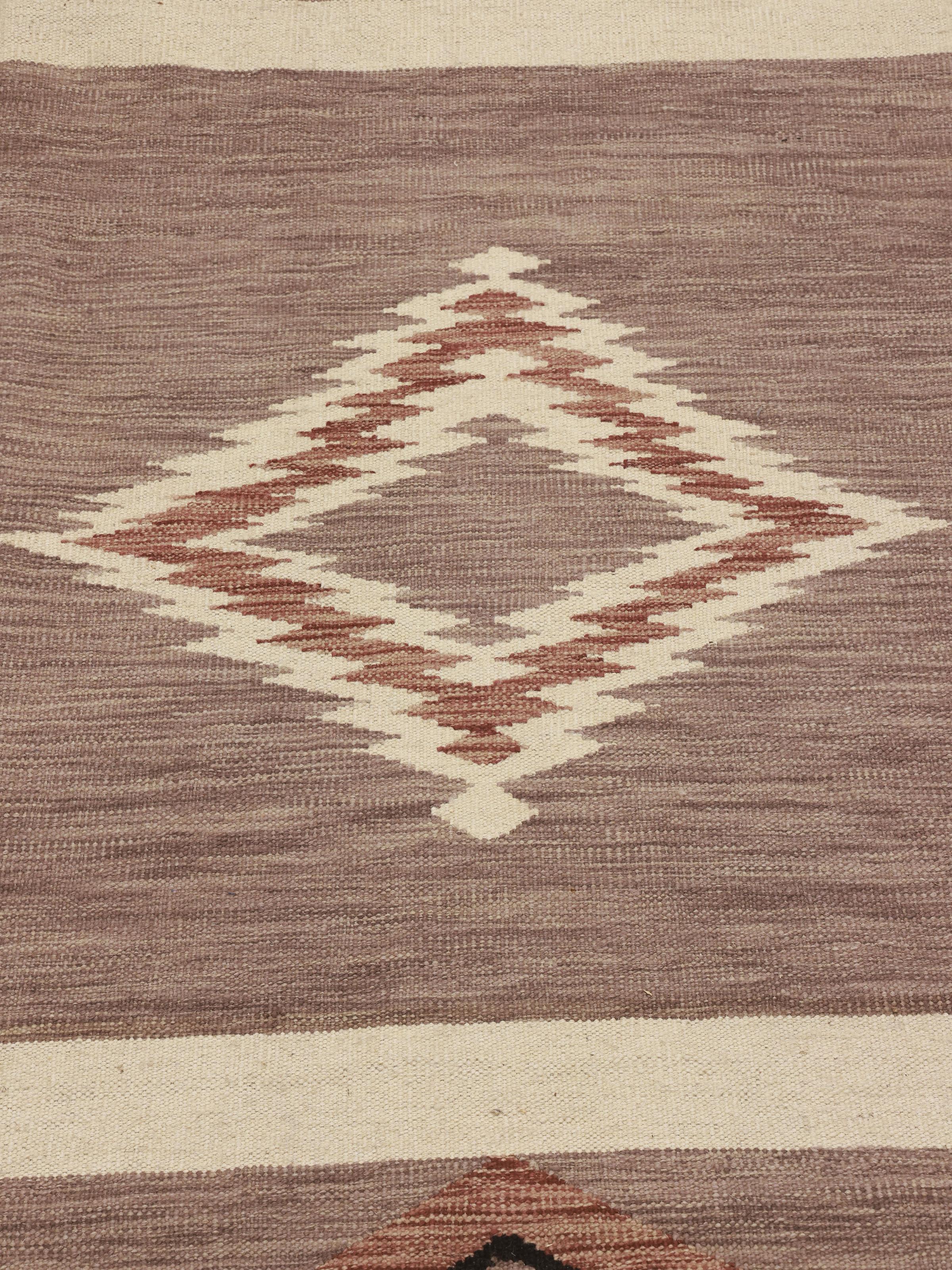
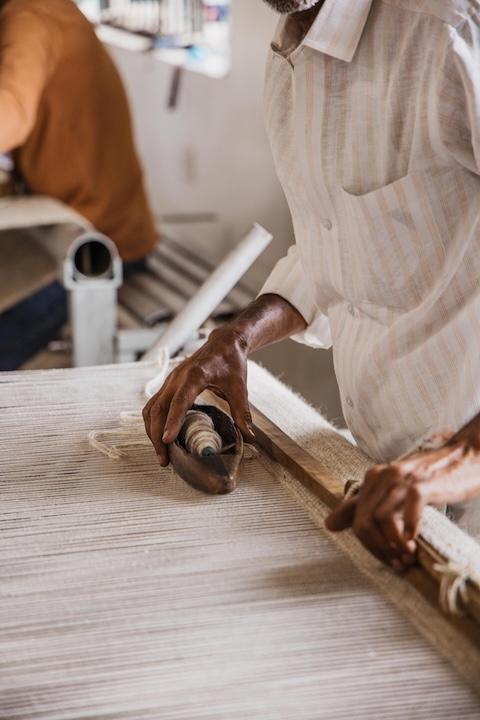
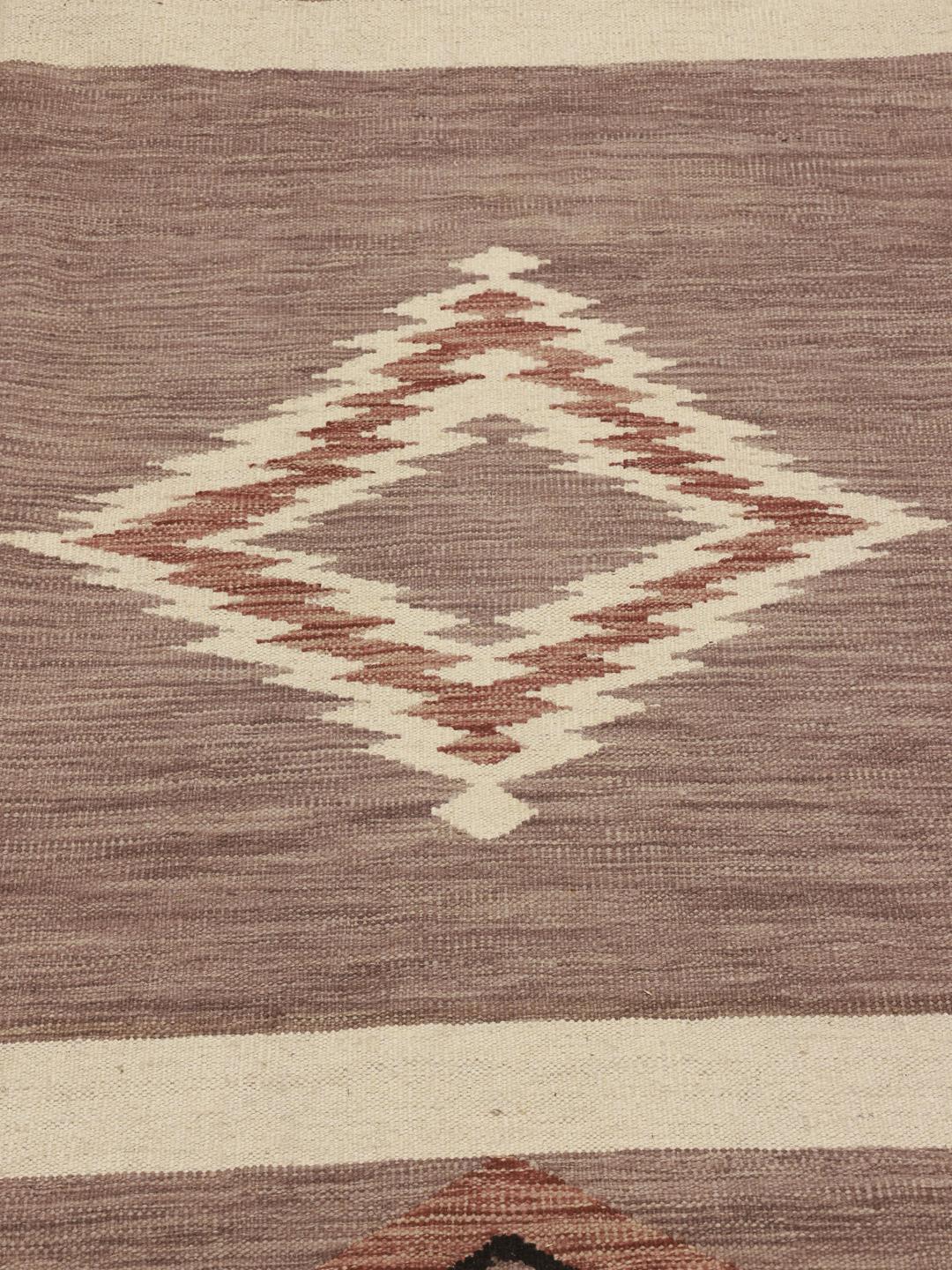
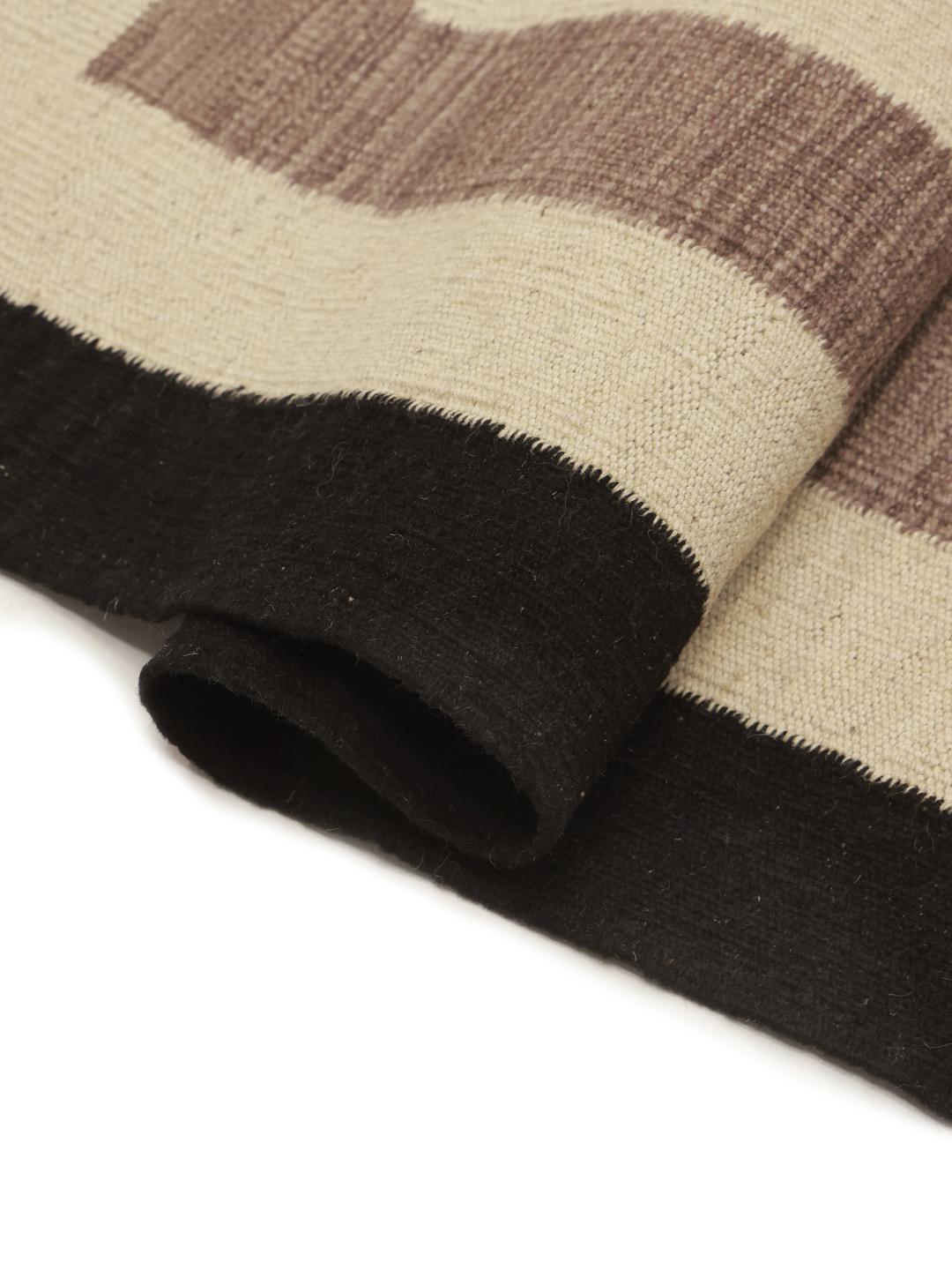
The flat-weaving technique involves interlacing horizontal weft threads directly through vertical warp threads by hand, creating a lightweight yet sturdy fabric with no raised pile.
This ancient method requires immense control, as the artisan must pack the threads tightly to form sharp geometric patterns that appear clean and distinct on both sides of the rug.
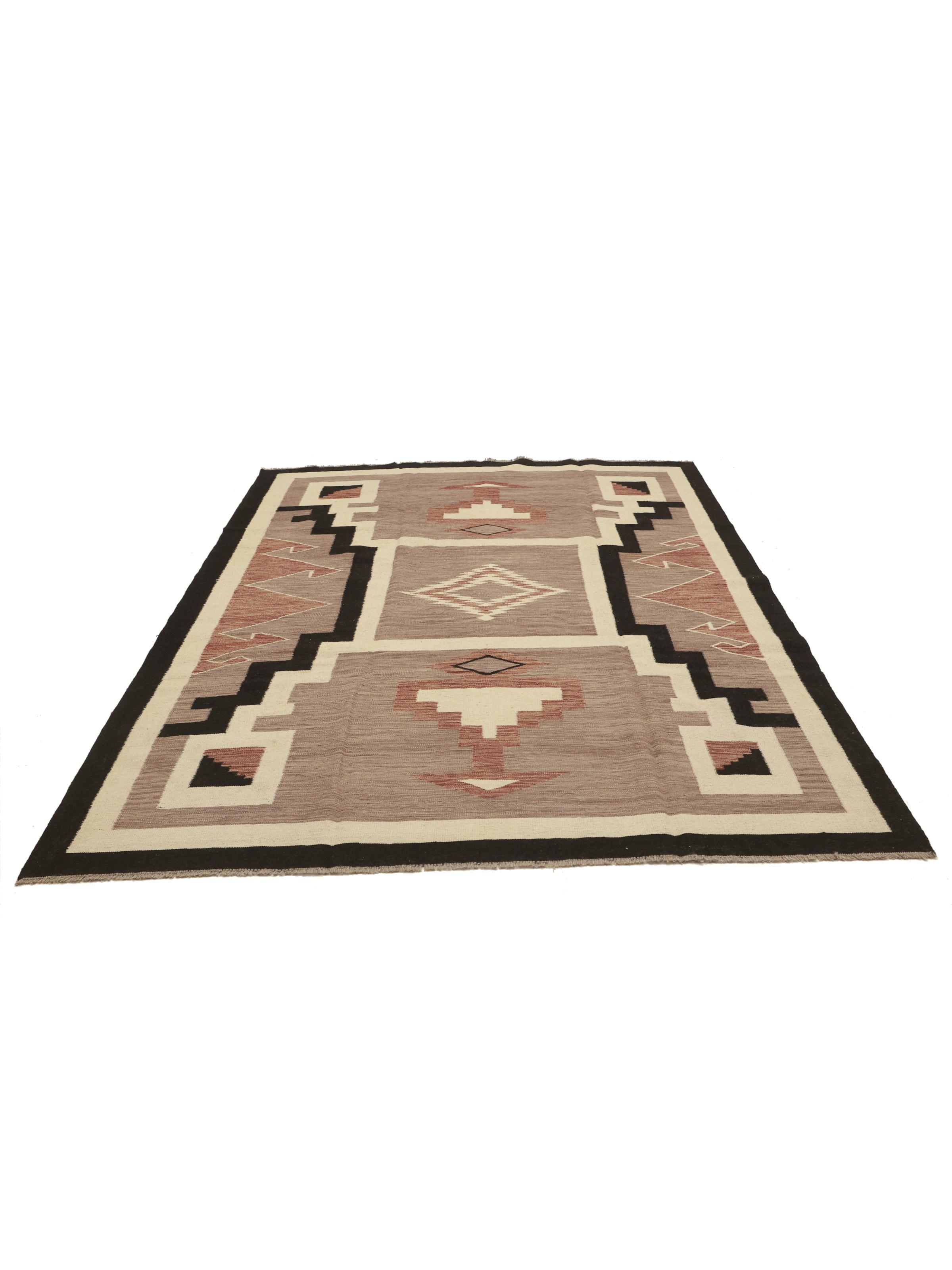
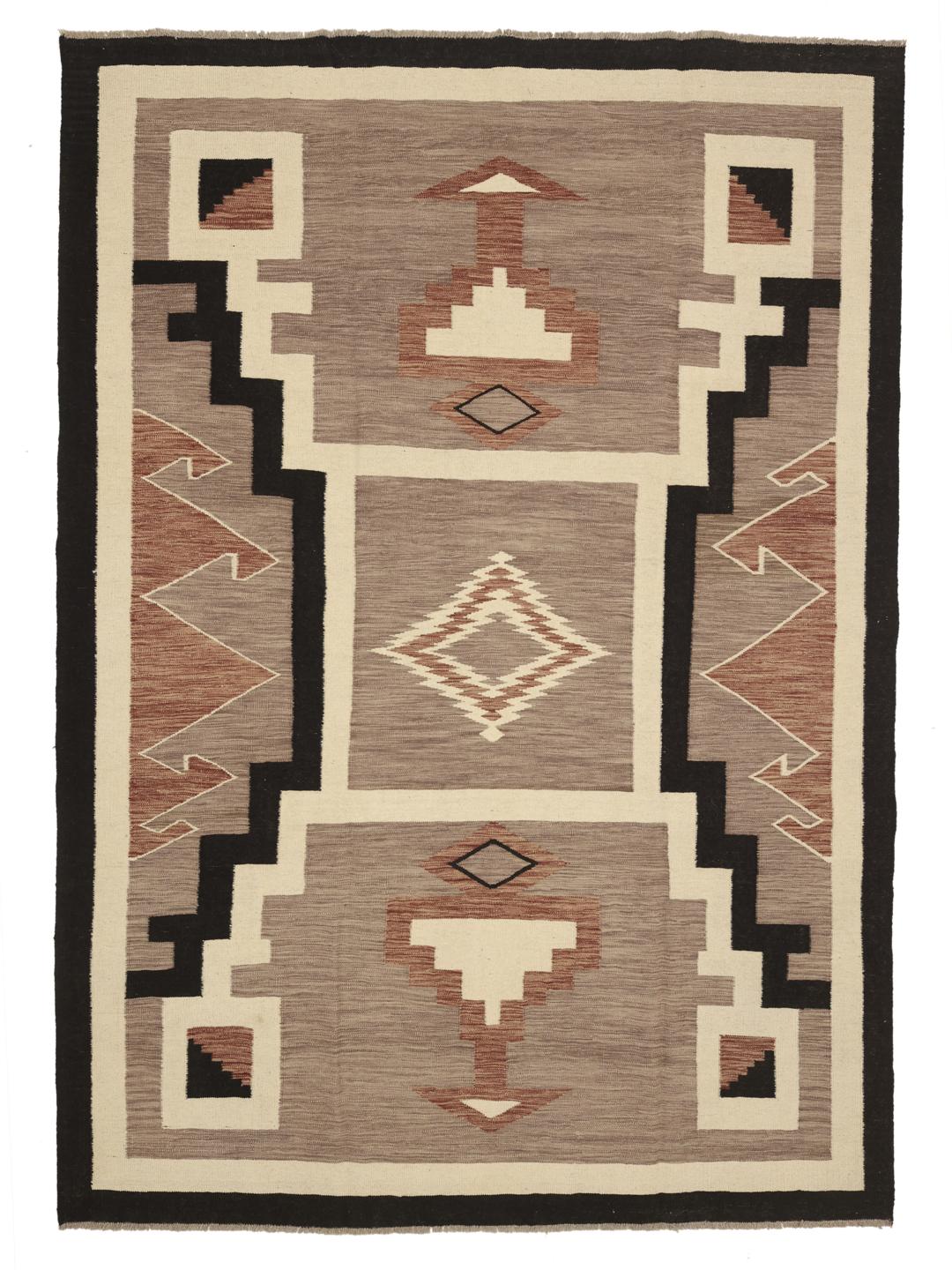
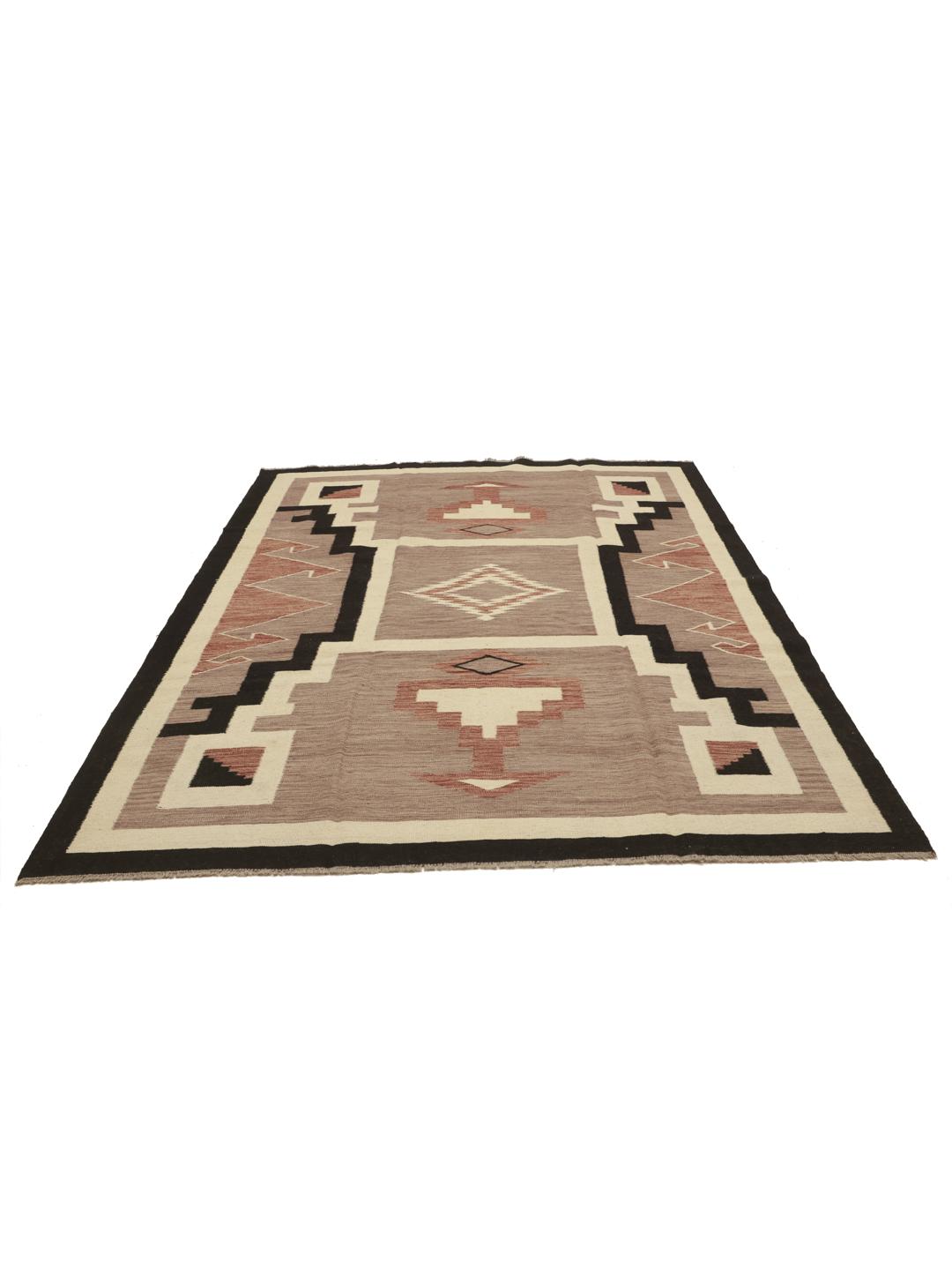
Traditional Afghan kelims are celebrated for their bold geometric motifs, often featuring diamonds, triangles, and symbolic borders inspired by tribal heritage and daily surroundings.
In this modern interpretation, those classic design elements are balanced with a restrained palette of earthy tones, making the pattern both culturally rich and visually adaptable to contemporary interiors.
Collecting a hand-woven kelim connects your living space to a long lineage of textile artistry and human skill.
Owning a piece crafted entirely by hand is a celebration of heritage, offering a tangible link to traditions that prioritise patience, natural materials, and lasting quality over mass production.