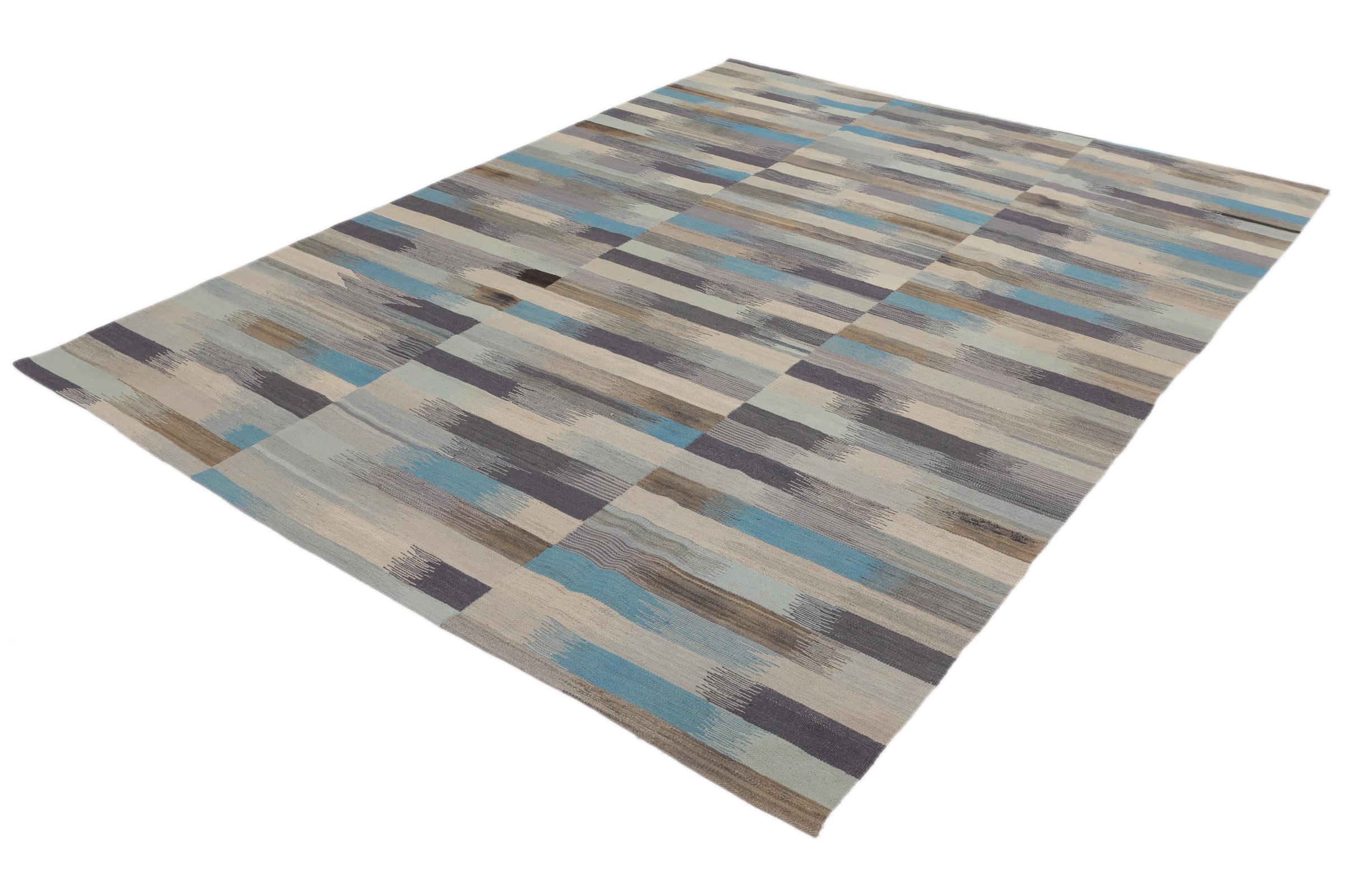
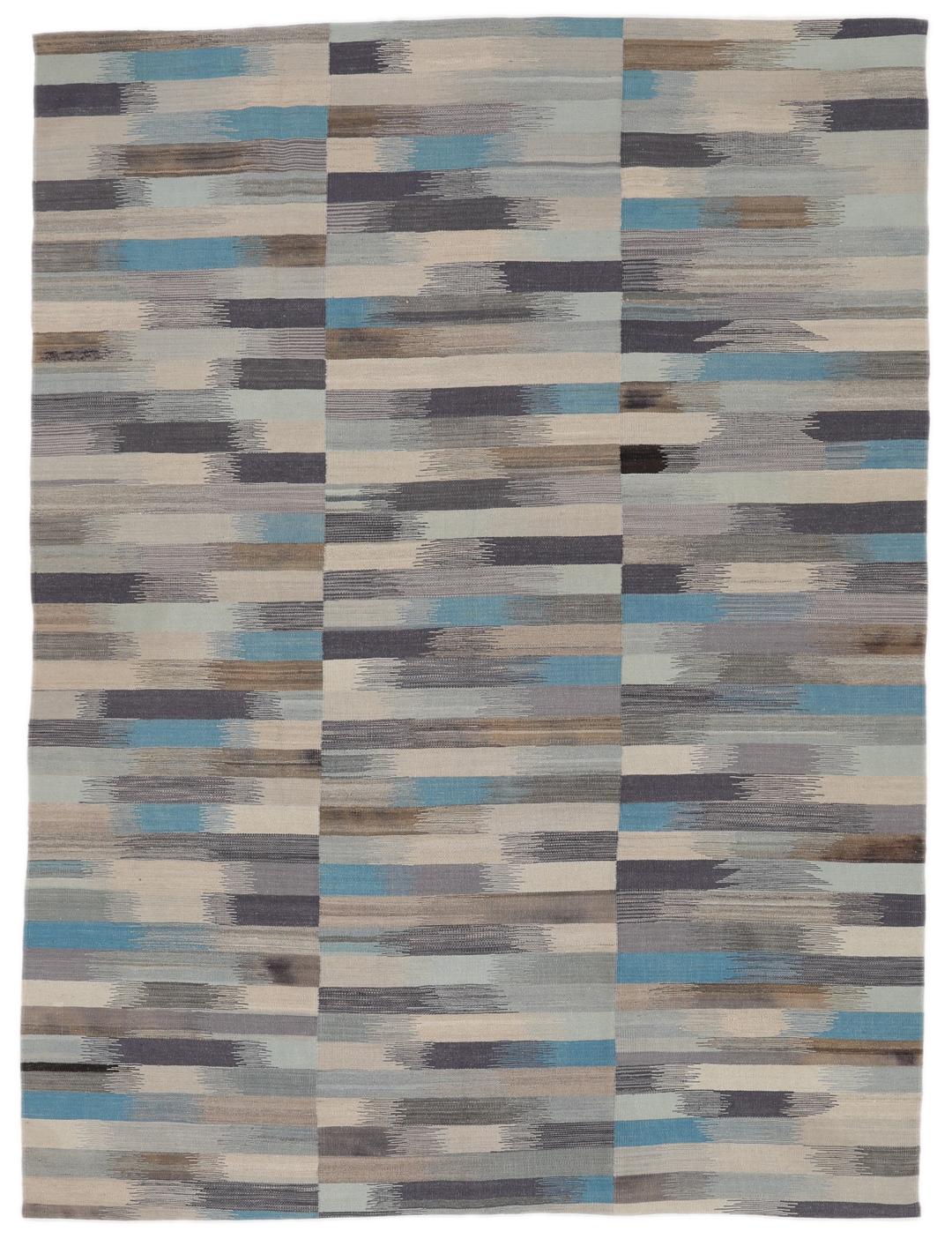
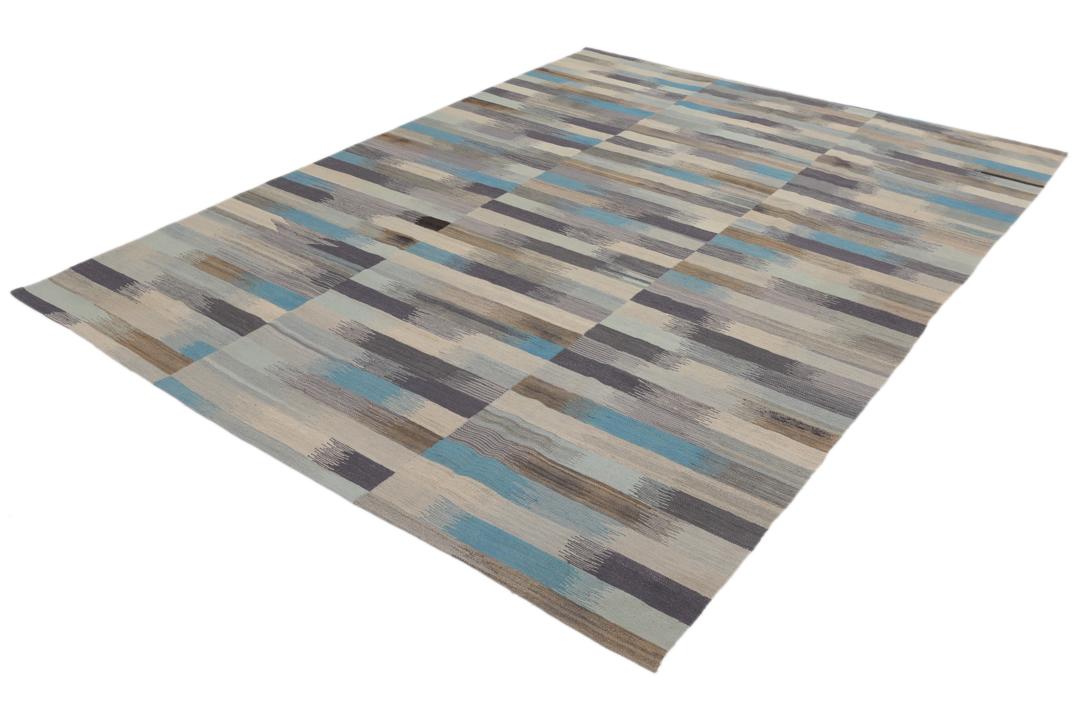
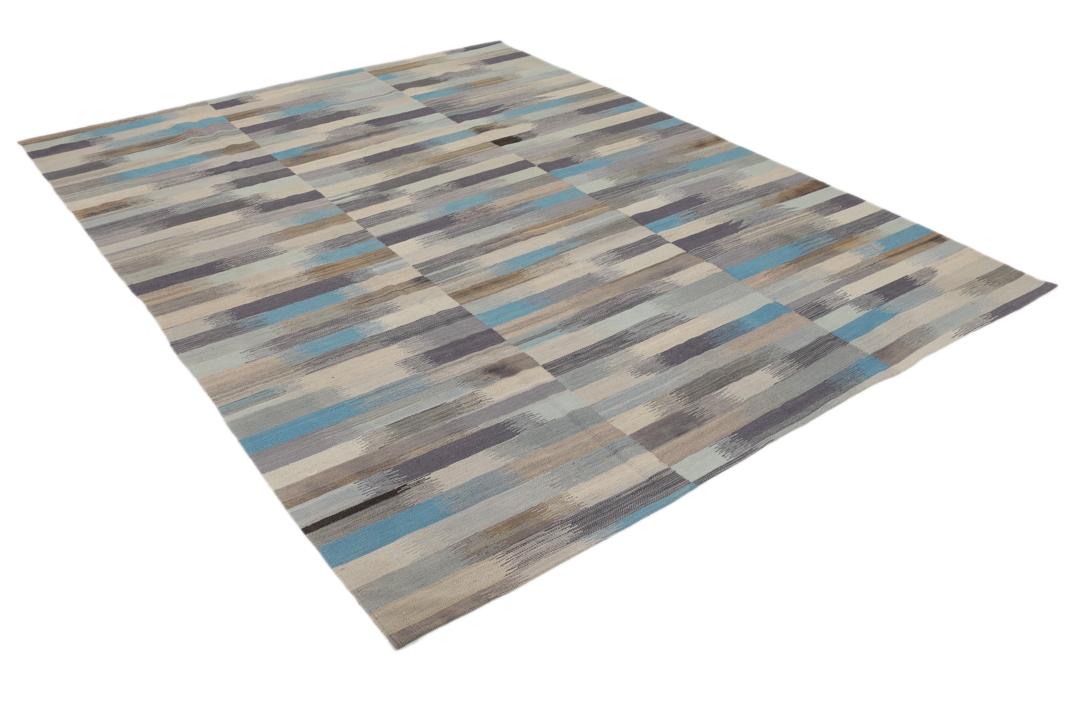
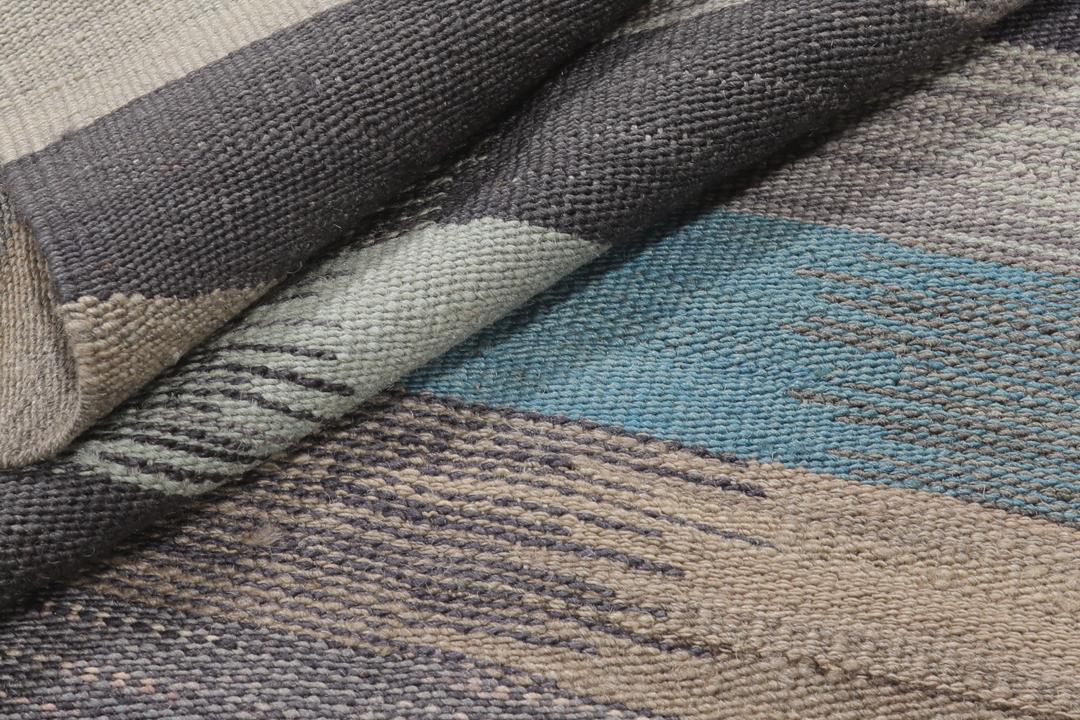
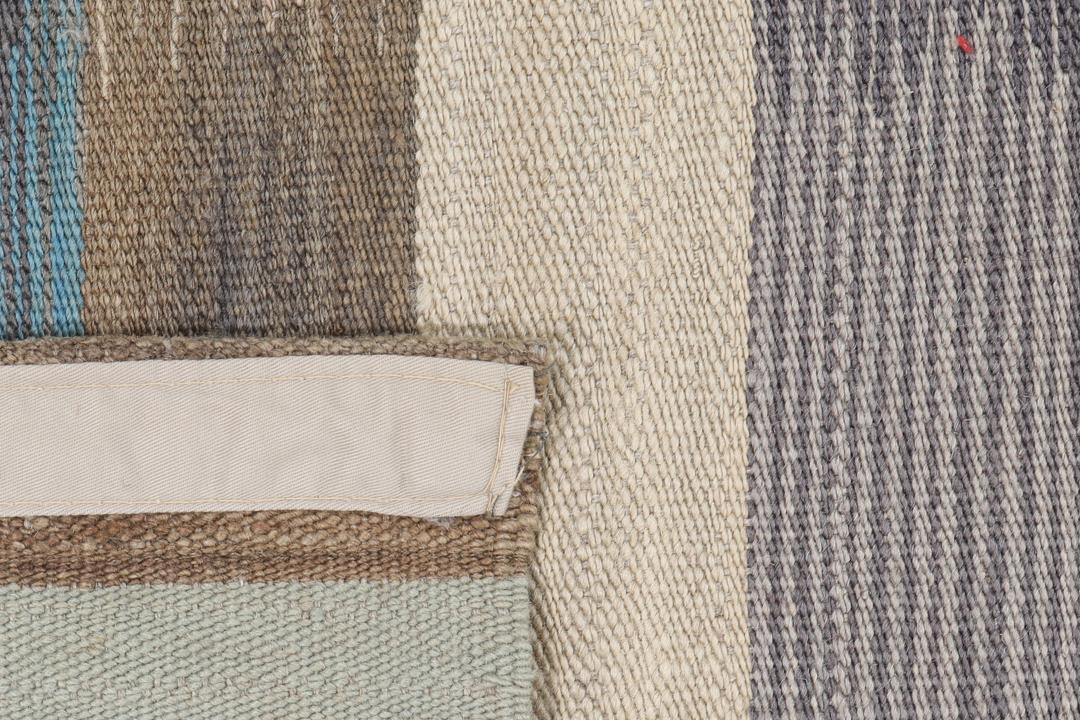
Kilim rugs are a cornerstone of textile history, originating from the nomadic tribes and village communities of the Middle East and Central Asia. These flat-woven textiles have historically served a vital role in domestic life, acting as floor coverings, wall hangings, and functional storage bags for travelling families.
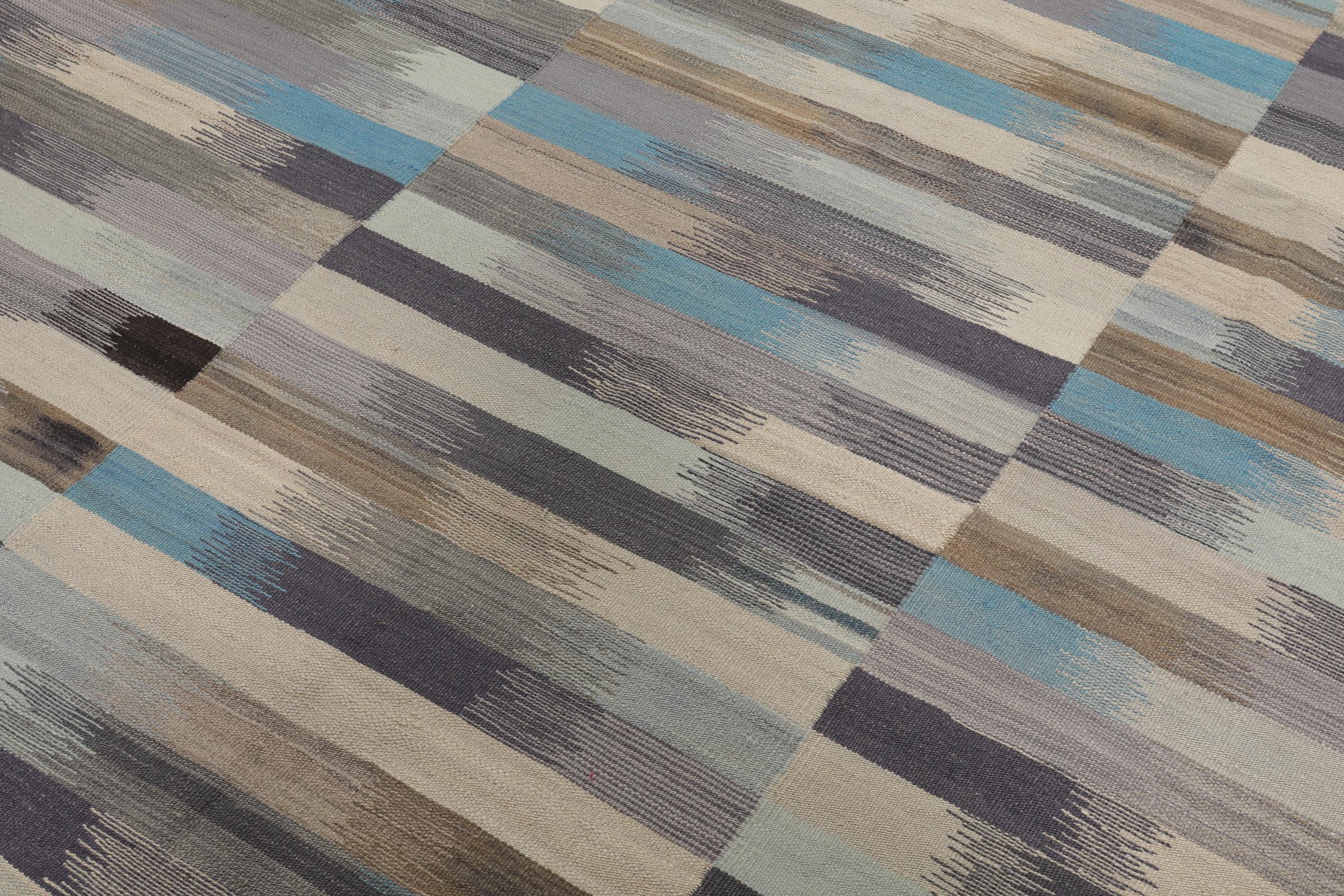
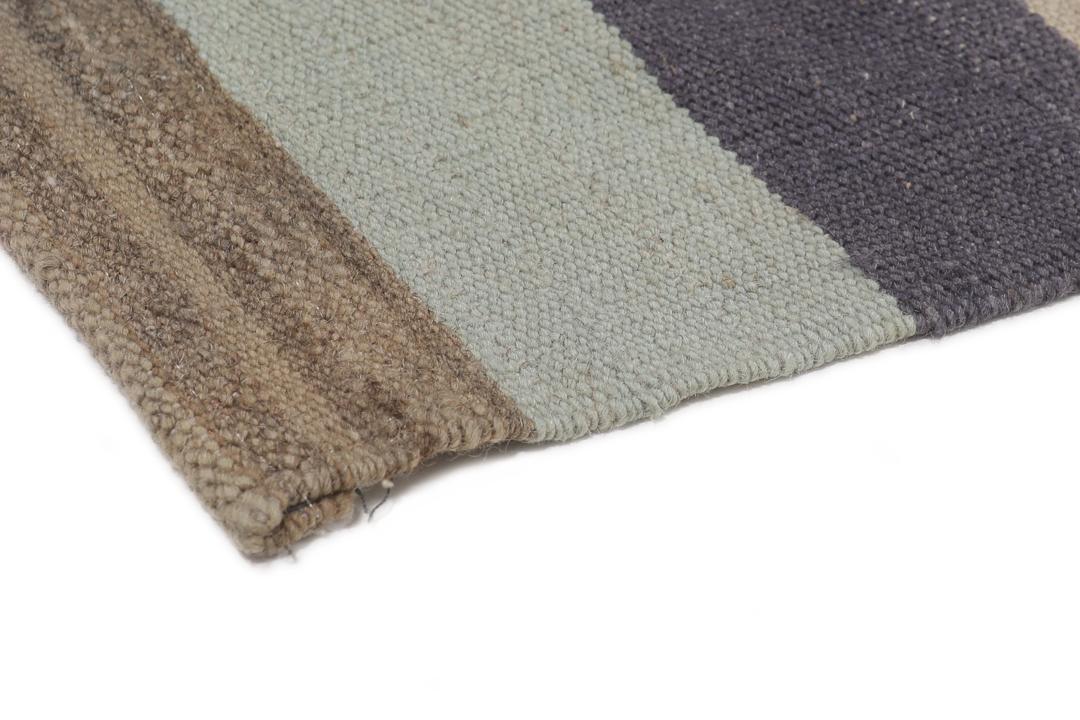
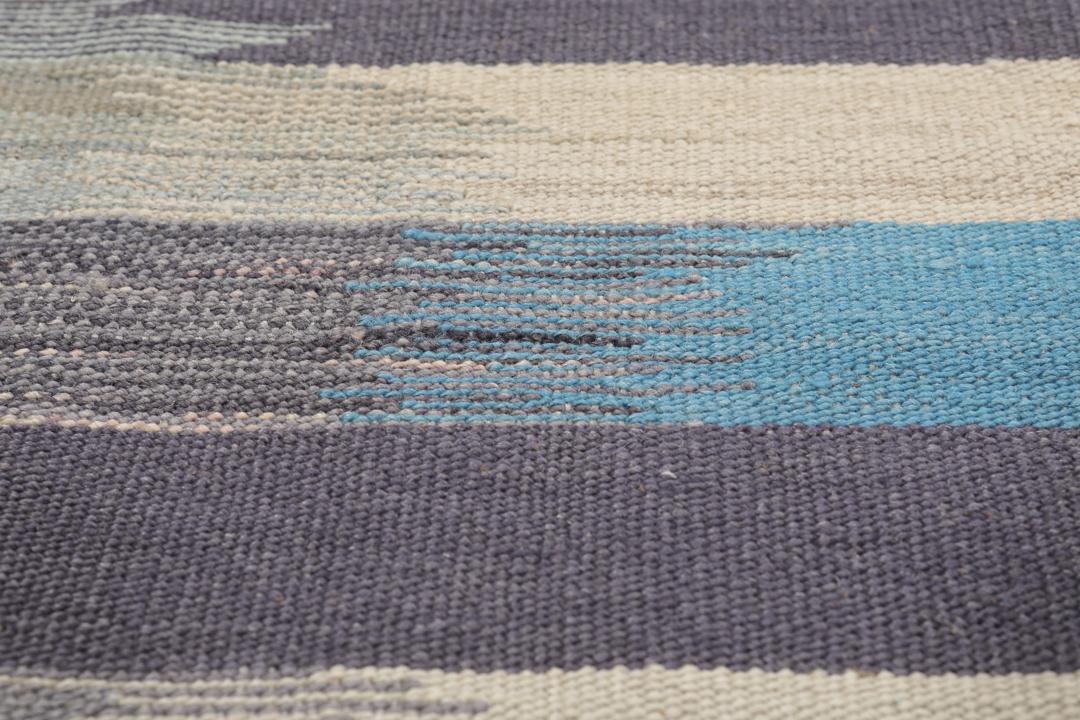
The term 'Kilim' refers specifically to the tapestry-weave technique, which relies on the interlocking of weft threads to create the finished pattern. Unlike pile rugs, this technique results in a lighter, more versatile fabric that is exceptionally durable. This method of construction is valued for its ability to produce sharp, geometric lines and complex colour transitions that are iconic to the style.
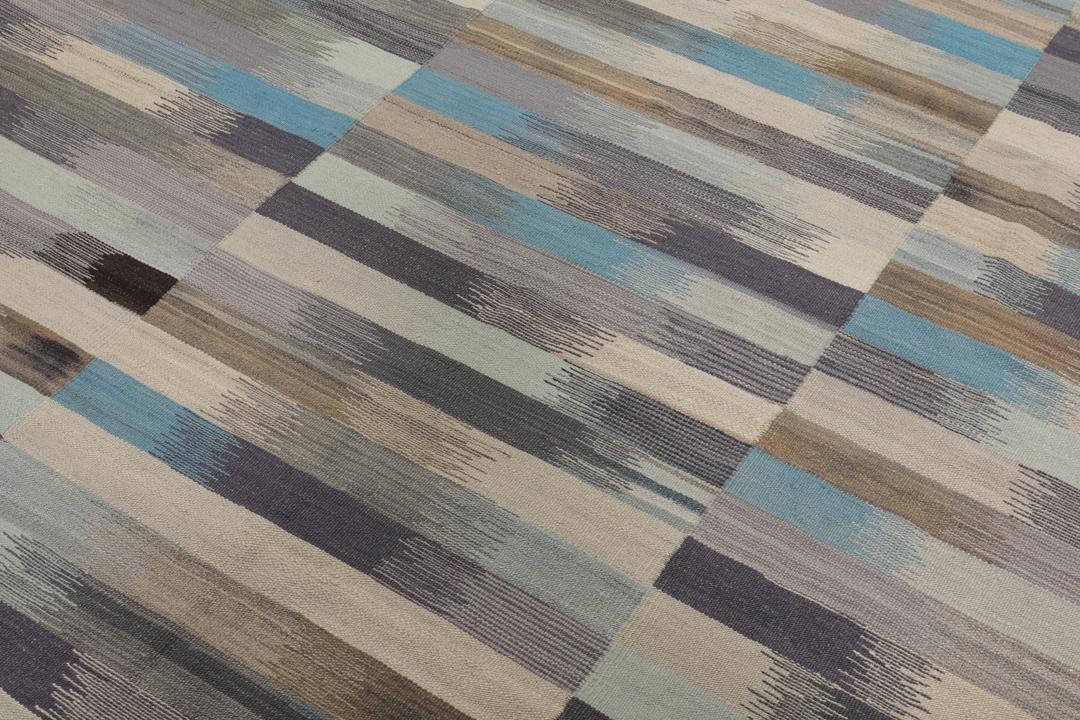
The visual language of modern Kilims often draws on these ancient, symbolic motifs while adapting them to contemporary colour palettes and minimalist aesthetics. While traditional designs were heavily influenced by tribal identity and local folklore, the modern iterations featured here highlight the evolution of the craft into a sophisticated, global design language that complements diverse interior styles.
Collecting a Kilim is an investment in cultural heritage and long-standing tradition. Each piece carries the narrative of its origin, reflecting the aesthetic sensibilities and environmental influences of the region where it was made. By owning such a piece, you are continuing a legacy of craftsmanship that has been passed down through generations, connecting your modern home to a deep and storied past.